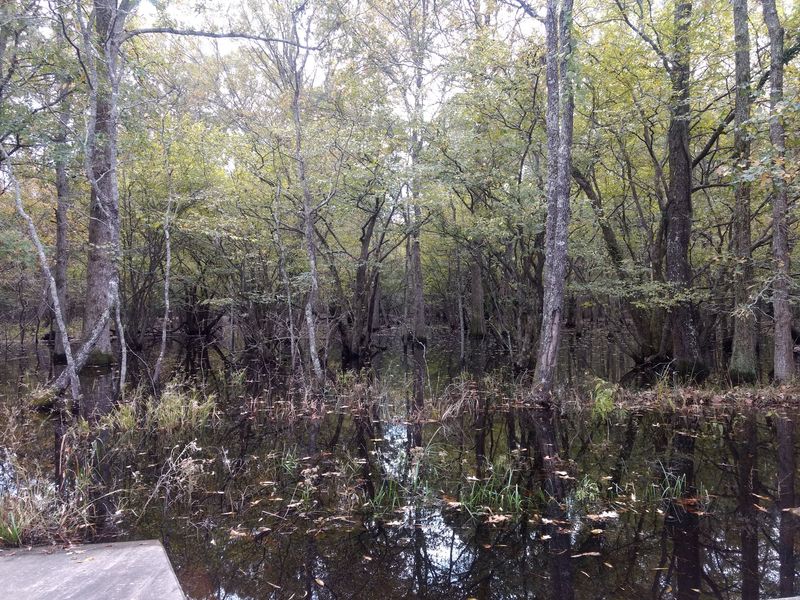
Somewhere past the end of the pavement in Oklahoma, the gravel gets quiet, the trees get taller, and a wooden walkway slips into water the color of strong tea. I expected a short leg stretch and found myself standing among cypress knees taller than my kids.
Few folks seem to know this swampy corner of the state exists, which makes stumbling onto it feel like finding a secret someone forgot to tell. Pack snacks, bring patience, and get ready for a side of Oklahoma that looks more like Louisiana.
A Swamp Tucked Into Oklahoma’s Far Southeast Corner
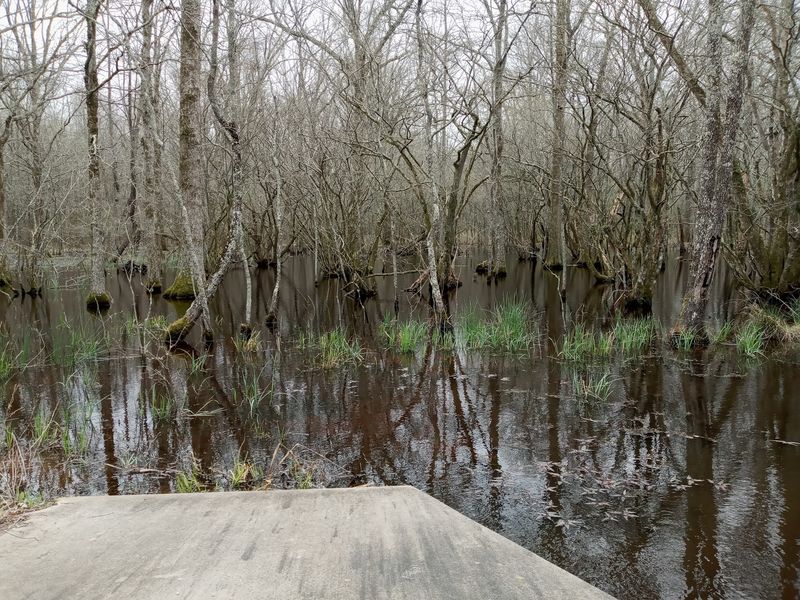
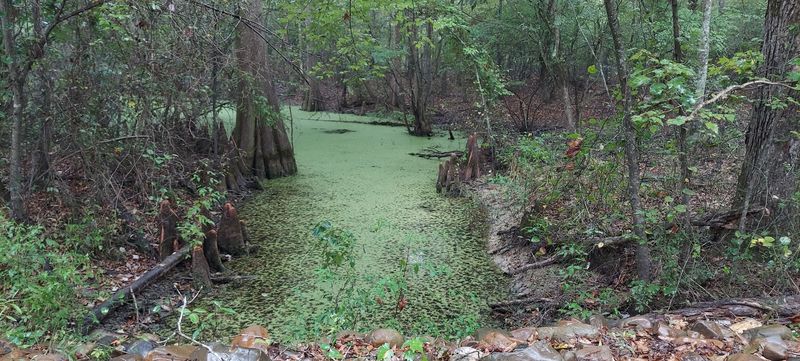
Most people picture Oklahoma as wheat fields, red dirt, and big open sky. Down in the far southeast corner, though, the land tips toward something completely different: shady bottomland forest, slow water, and bald cypress trees standing knee-deep in sloughs.
That surprising landscape belongs to a national wildlife refuge that rarely shows up on weekend plans. It protects one of the largest remaining bottomland hardwood forests in the state, roughly 14,000 to 15,000 acres of low, wet ground laced with winding creeks and oxbow lakes.
Visitors who make the trip often describe the same feeling. The place is quiet, secluded, and seemingly untouched, with more birdsong than people.
Some say it did not seem well known at all, which is part of the charm.
Getting there takes a bit of effort, and the refuge does not roll out a fancy welcome. There is no gift shop, no snack bar, and no entry gate with a ticket booth.
What you get instead is a boardwalk, a deck overlooking the water, a few primitive trails, and a forest that feels older than anything else around it.
For families who like their outings simple and free, that trade-off works out just fine.
Thousands of Years of Human Footprints
Long before anyone laid a single plank, people called this river country home. Caddoan tribes lived on this land for thousands of years, with roots stretching back as far as 6,000 to 10,000 B.C. and continuing into the early 1700s.
They were known for building mounds and for careful ceremonial traditions.
A new chapter began around 1830, when the Choctaw arrived after forced removal from their homelands in Alabama and Mississippi along the Trail of Tears. The Choctaw Nation remains a living, thriving presence in this part of Oklahoma today.
Even the county carries that heritage. McCurtain County takes its name from a Choctaw tribal member who went on to serve as Chief of the Choctaw Nation.
Fast forward to 1987, and the federal government set this forest aside as a national wildlife refuge. The goal was protecting bottomland hardwoods for migratory birds and waterfowl, along with the fish and wildlife that depend on them.
Walking the boardwalk with that timeline in mind changes the experience a little. The quiet water and old trees stop feeling like scenery and start feeling like a place that has been cared for, and called home, by many generations before us.
The Boardwalk Over Duck Roost Slough
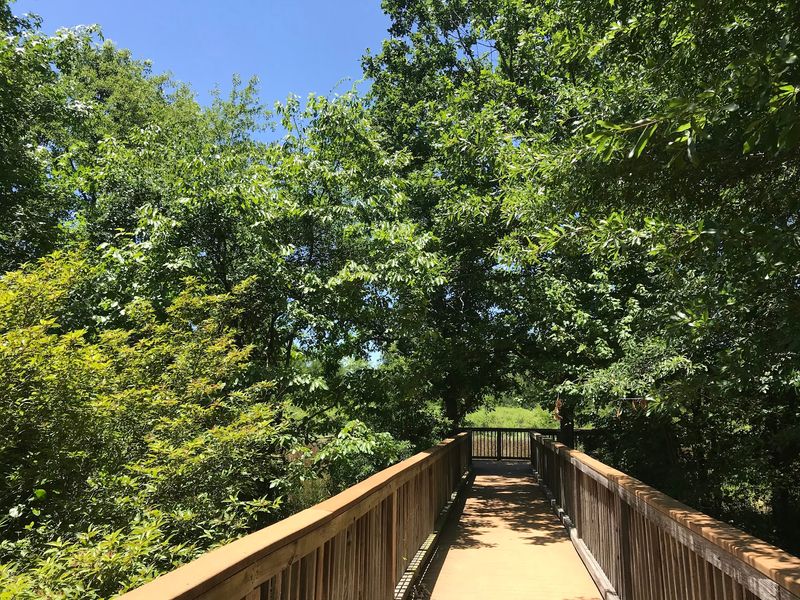
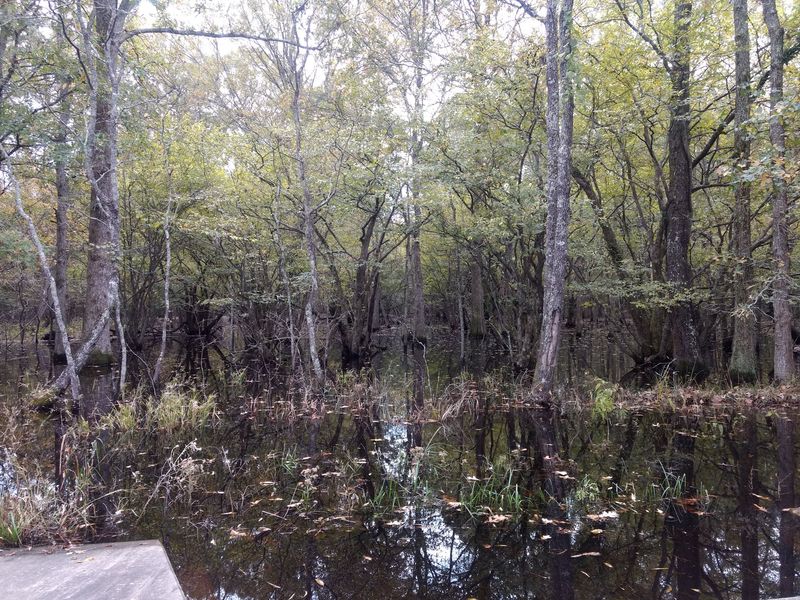
Picture weathered boards stretching out over dark, still water, with cypress trunks rising on both sides like columns in an outdoor cathedral. That is the payoff waiting at Duck Roost Slough, the refuge’s best-known viewing spot.
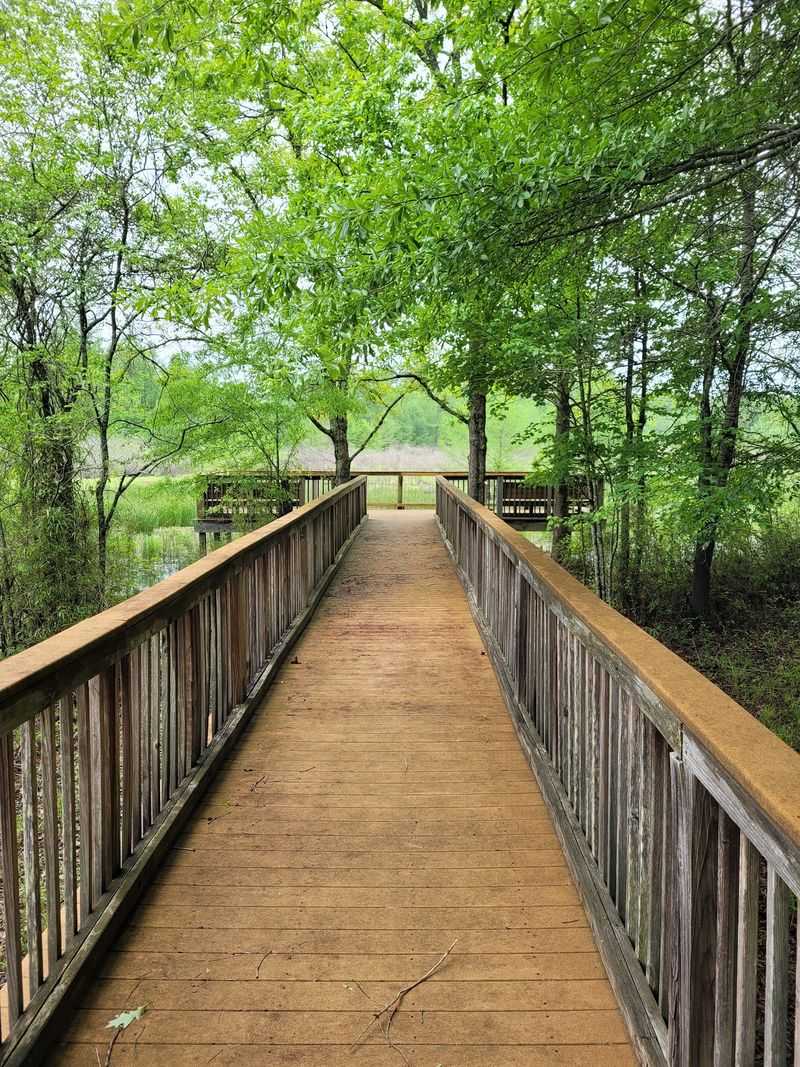
A boardwalk carries you out to an observation deck where you can stand over the wetland without getting your shoes muddy. Boardwalks like this one are built so visitors can explore soggy habitat without trampling the sensitive ground underneath.
Some locals call it the duck walk, and one family mentioned bringing their dog along on a chilly day. Cold weather, it turns out, is a fine time to go, since the bugs ease up and the views open up.
Do manage expectations a bit. One visitor recalled that the deck had few birds the day they stopped, but they still found it relaxing and serene.
Another arrived recently to find the pier closed, so a quick call ahead can save some disappointment.
When it is open, though, this short stretch of wood might be the most peaceful spot in McCurtain County. Bring a thermos of cocoa, lean on the railing, and let the slough do the talking.
Champion Cypress and Giant Knees
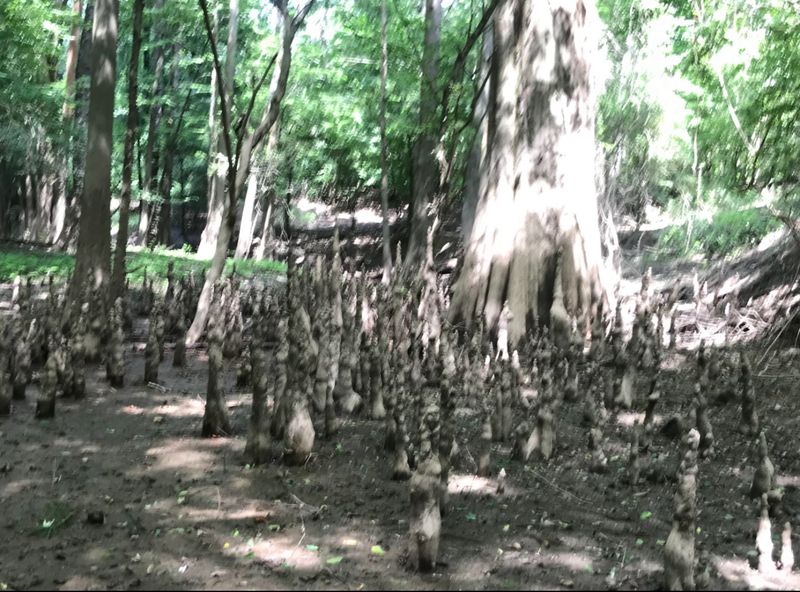
Ever seen a tree root that stands taller than a kindergartner? Cypress knees, those odd knobby bumps that poke up from the water around bald cypress trees, grow to impressive heights here.
One visitor described exploring the cypress slough and spotting knees around 4.5 feet tall, alongside what may be the state champion bald cypress. That is not just bragging, either.
The refuge is home to 11 state champion trees, including bald cypress, which means some of the biggest trees of their kind in all of Oklahoma grow right here.
Scientists still debate exactly why cypress knees form. Some think they help anchor the tree in soft mud, while others suspect they play a role in getting air to the roots.
Either way, they make the swamp look wonderfully strange.
Kids tend to love counting them, and grown-ups usually end up snapping far more photos than planned. The flared trunks, swelling wide at the base before narrowing upward, reflect in the still water and create a mirror image that seems to double the forest.
Bring a camera with plenty of storage. These trees have been growing a long time, and they are worth a slow look.
Birding Country With 191 Species and Counting
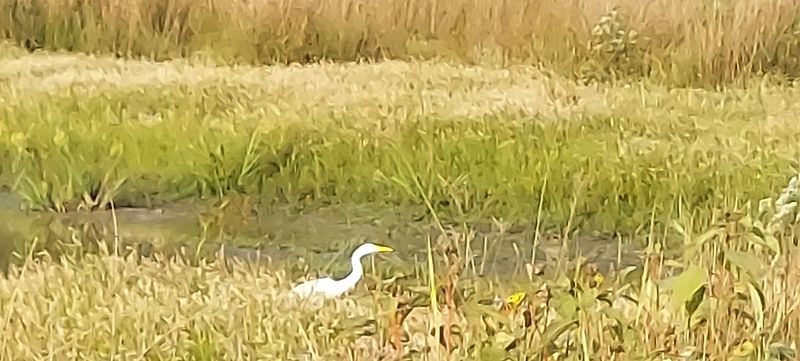
Birdwatchers, grab your binoculars. More than 191 bird species have been documented on the refuge, turning this soggy forest into one of the more rewarding birding stops in the region.
Bald eagles show up here, which is always a thrill. Mississippi kites, sleek gray hawks that glide and swoop for insects, are another highlight.
Serious birders may also hope for the rare Swainson’s warbler, a shy brown songbird that loves dense, wet thickets.
Timing matters a great deal. Fall and winter bring migrating waterfowl to the sloughs and lakes, while spring delivers a wave of neotropical songbirds passing through on their way north.
Those seasons usually offer the most action.
Summer can still be pleasant early in the day, though the heat and humidity build fast. Morning visits tend to be cooler and livelier.
A simple field guide or a free bird identification app can make the experience much more fun for kids. Turning the walk into a scavenger hunt, with points for every new species, keeps young eyes busy.
Even if the deck feels quiet, listen closely. The woods are often full of songs long before you spot the singer.
Gators, Pigs, and Other Wild Neighbors
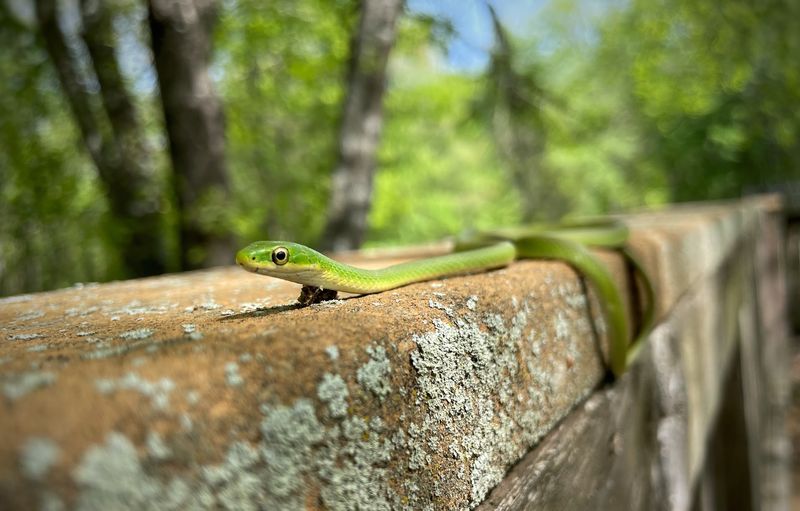
Yes, you read that right: alligators in Oklahoma. The refuge sits within the northwest edge of the American alligator’s ancient range, so a sighting is possible, though far from guaranteed.
Spotting one is a memorable moment, but keep a respectful distance and never feed wildlife. Kids should stay close on the boardwalk, especially near the water’s edge.
Other residents are easier to find. One recent visitor joked that there is no shortage of feral pigs roaming the property, and another family happily reported seeing a possum during their outing.
Those same folks also claimed to spot signs of Bigfoot, which tells you something about how wild and remote this forest feels.
The bottomland forest supports far more than animals you can see. These woods help clean the rivers that run through them and soak up floodwaters during heavy rains, protecting land and communities downstream.
That hidden work is a big reason the refuge exists. Every acre of wet forest acts a bit like a giant sponge and filter rolled into one.
So keep your eyes peeled for tracks in the mud, ripples in the slough, and maybe, just maybe, a pair of reptile eyes watching from the water.
Trails, Paddles, and Fishing Lines
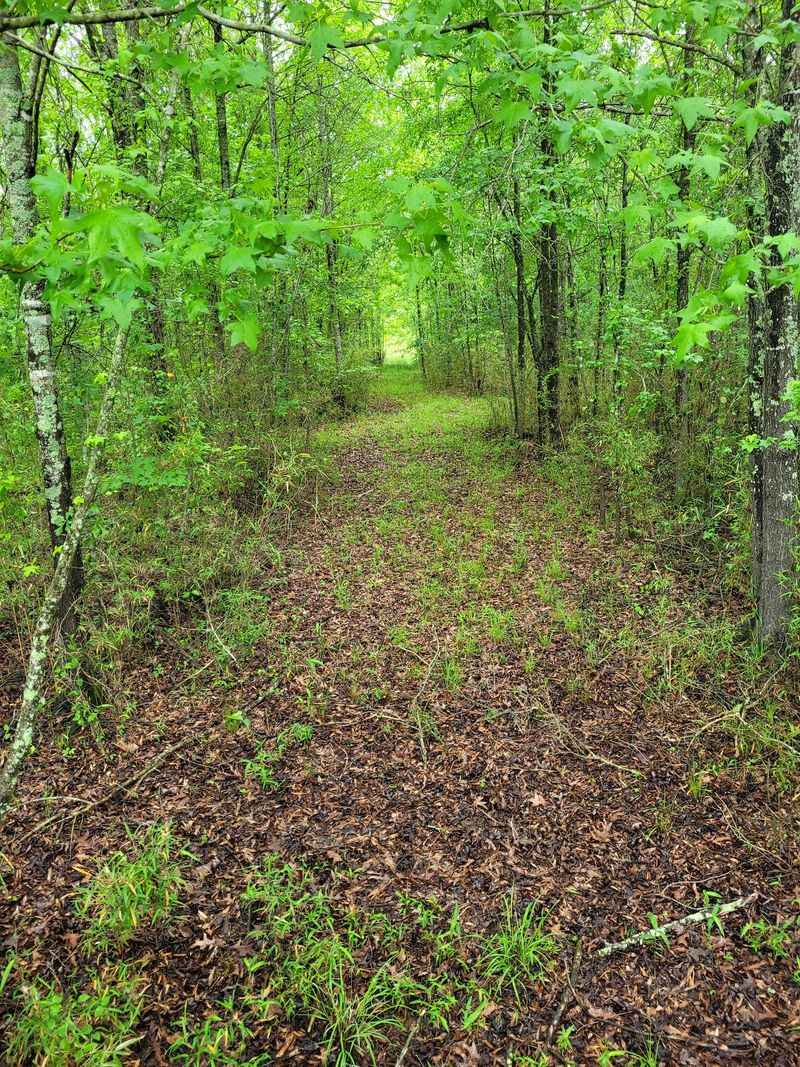
Once the boardwalk has worked its magic, there is plenty more to explore. The refuge offers about 1.74 miles of primitive walking trails, plus additional boardwalk options scattered through the forest.
Primitive means exactly what it sounds like. Expect dirt paths, roots, and the occasional soggy patch rather than smooth pavement, so sturdy shoes are a smart choice.
Water lovers have options too. Fishing is allowed year-round in the refuge lakes and in the Little River itself, though state licenses may be required.
One church group had a blast kayaking the river, and paddling offers a fresh view of the cypress and hardwoods from water level.
Hunting is also permitted during designated seasons, which can require specific licenses and federal user fees. If you visit in fall or winter, it helps to check the refuge’s seasonal schedule and wear bright colors on the trails.
Photographers will find endless subjects, from mossy trunks to misty sunrises over the oxbow lakes. Wildlife observation rounds out the menu.
None of this requires expensive gear. A pair of boots, a fishing pole, a borrowed kayak, or simply a curious attitude can fill a happy afternoon here.
Stillness Worth the Long Drive
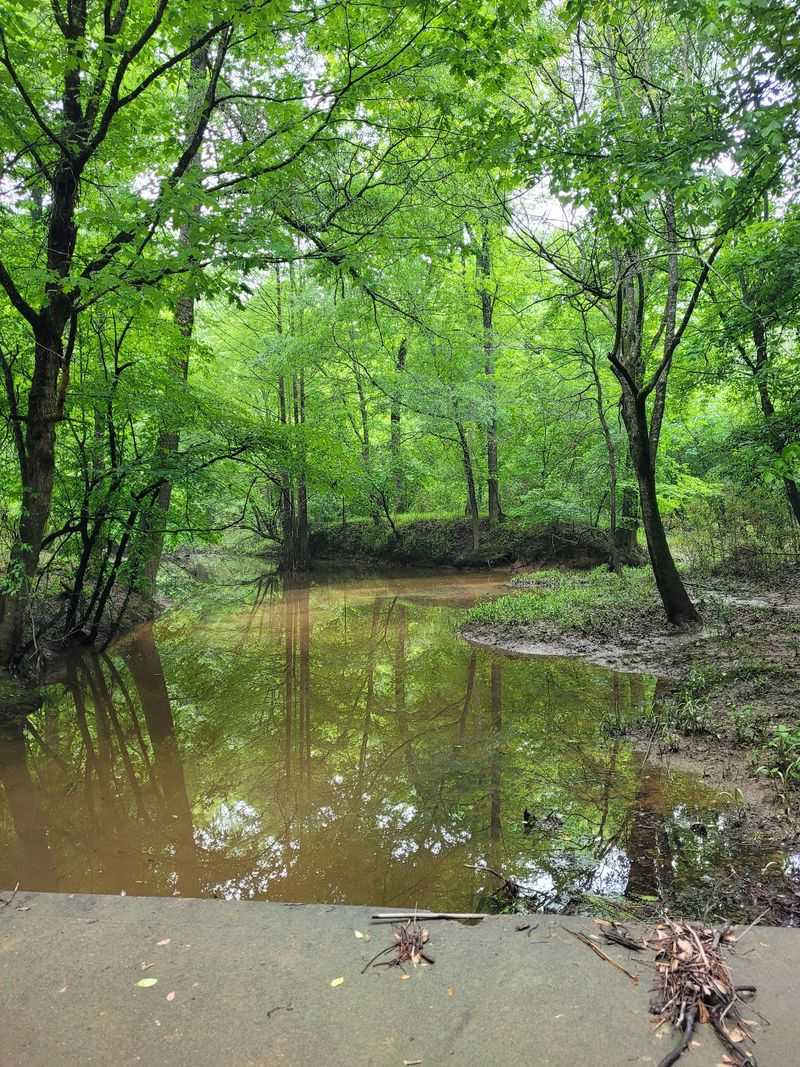
Silence is rare these days, and that may be the refuge’s greatest gift. Visitors again and again describe it as tranquil, serene, quiet, and full of nature.
There are no crowds to dodge, no loudspeakers, and usually no other cars in sight. One guest summed it up as secluded and undisturbed, and their family left with great memories.
So who will love it most? Birders, photographers, and anyone needing a break from screens will feel right at home.
Grandparents looking for an easy, free outing with the grandkids can enjoy the boardwalk at a slow pace. Families with curious kids will find plenty to point at, from turtles to towering knees.
On the other hand, folks hoping for playgrounds, visitor centers packed with exhibits, or nonstop excitement might feel let down. One early visitor felt there was little to see, which shows that this place rewards patience more than hurry.
Think of it as a slow-food meal instead of fast food. The flavor comes from taking your time.
Sit on the deck for 20 minutes, listen to the frogs, and watch light shift across the water. Most people find the stillness sneaks up on them.
Gravel Roads and Vehicle Advice
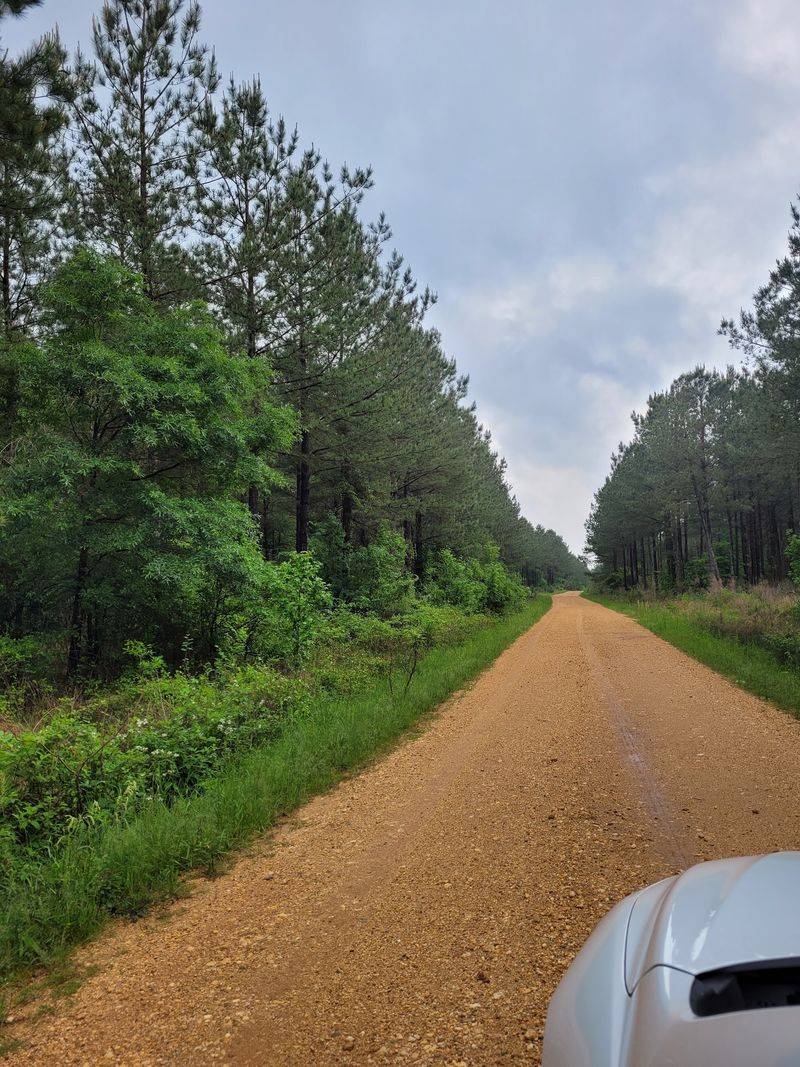
Here is the honest truth about getting in: the road is part of the adventure. Visitors repeatedly mention a long stretch of dirt and gravel before reaching the boardwalk area.
Several people strongly suggest bringing a jeep, SUV, or truck. One said a low-riding car made the trip nerve-wracking, and another described the road as sketchy for a lower vehicle.
A more recent visitor, however, noted the road was nicely maintained, so conditions may vary with weather and season.
Rain can soften gravel quickly in this part of the state. Spring storm season and heavy downpours are worth watching before you head out.
There is also a cautionary tale. One traveler drove about 30 minutes in only to find a locked gate and a closed lookout, with no warning sign on the main road.
That kind of letdown is easy to avoid by calling the refuge office first at (580) 505-7084.
Directions can be tricky too, since one visitor found the refuge very difficult to locate. Download offline maps before losing cell signal.
Plan ahead, choose the right ride, and the bumpy drive becomes just another story to tell over dinner.
Free Admission, Hours, and Where to Find It
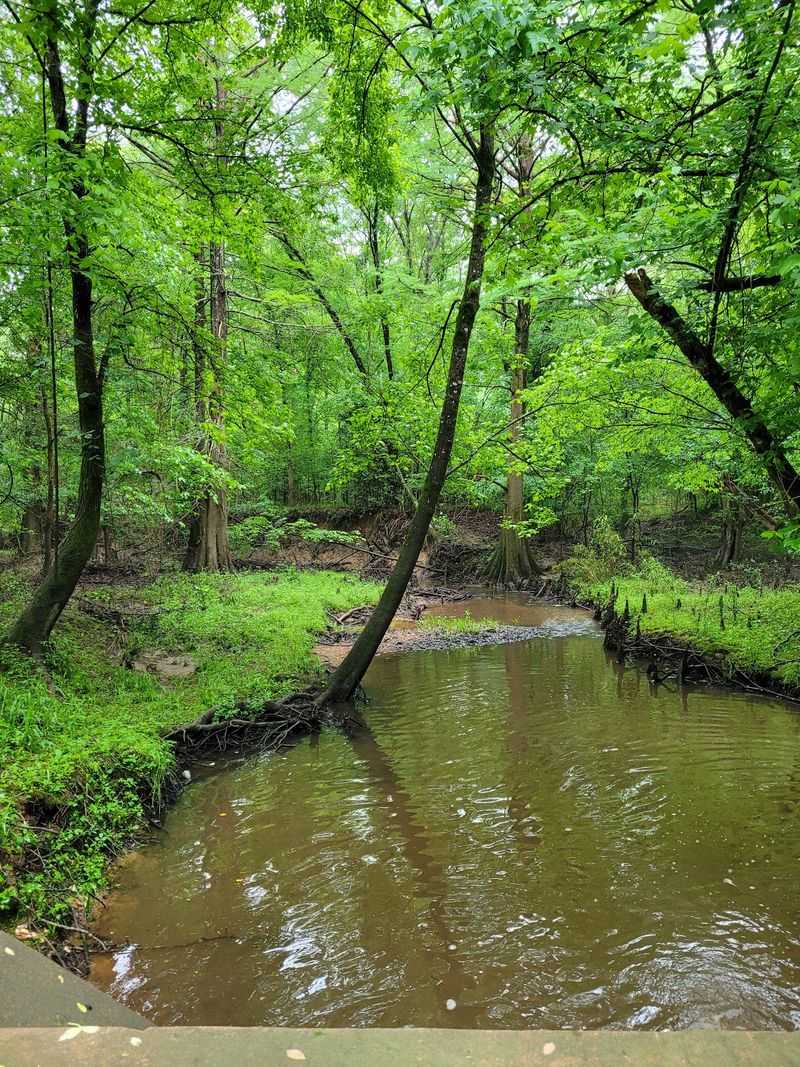
Good news for budget-minded travelers: general visits cost exactly $0. There is no entry fee to explore the refuge, walk the boardwalk, or watch wildlife.
The trails and observation decks are open daily from sunrise to sunset. If you have questions, the refuge office keeps hours Monday through Friday, 7:30 a.m. to 4 p.m., and can be reached at (580) 505-7084 or (580) 584-6211.
Now for the location. The refuge sits near Broken Bow in McCurtain County, with an address of 5357 S Park Dr, Broken Bow, OK 74728.
That puts it in Oklahoma’s lush southeastern corner, close to the Arkansas and Texas lines.
From Oklahoma City or Tulsa, it makes a solid road trip rather than a quick hop, so many families pair it with a weekend in the Broken Bow area. Beavers Bend State Park lies north of the refuge and offers cabin rentals plus extra outdoor fun.
Remember that hunting and fishing may involve licenses and separate fees. Facilities are minimal, so pack water, snacks, sunscreen, and bug spray.
Hours and access can change, especially around closures, so checking the U.S. Fish and Wildlife Service website before leaving is always wise.
Catfish, Chicken-Fried Steak, and Nearby Eats
Swamp walking builds an appetite, and Broken Bow has the comfort food to match. After a morning among the cypress, a hearty plate tastes even better.
Shady Oaks Restaurant in Broken Bow serves homestyle American favorites at friendly prices. Folks head there for big breakfasts and daily lunch specials, the kind of no-fuss meal that fits perfectly after an early birding session.
Steven’s Gap Restaurant, a family-owned spot near Broken Bow Lake, leans into classic American comfort food. Fried catfish and chicken-fried steak headline the menu, two dishes that feel just right in this corner of Oklahoma.
Since the refuge has no food service, timing your meals matters. A good plan is grabbing breakfast in town, packing a picnic for the boardwalk, then rewarding everyone with a sit-down supper on the way back.
Kids usually love the idea of eating catfish after spending the day looking for fish in the sloughs. It turns dinner into part of the adventure.
Menus and prices can shift, so it is smart to call ahead or check current hours. Either way, leaving the area hungry would be a real shame when such down-home cooking sits so close by.
Our Take on This Quiet Cypress Escape
Not every trip needs fireworks. Sometimes the best memories come from a creaky boardwalk, a towering tree, and a long moment of quiet with people you love.
Little River National Wildlife Refuge delivers that kind of day. It costs nothing to enter, protects a rare slice of bottomland forest, and shows off a side of Oklahoma many lifelong residents have never seen.
State champion trees, giant cypress knees, eagles, kites, and maybe even an alligator all share this soggy patch of McCurtain County.
It is not polished, and that is okay. Gravel roads, occasional closures, and limited facilities mean a little planning goes a long way.
Choose a sturdy vehicle, call ahead, and aim for fall, winter, or spring when wildlife is most active and summer heat is not pressing down. Pair the visit with Beavers Bend and a catfish supper in Broken Bow for a full weekend.
Visitors who give it time tend to leave calmer than they arrived. One even called it a must-see you do not want to miss.
If your family enjoys simple, affordable outings with a sense of discovery, this swampy corner of the state just might become your new favorite secret.
