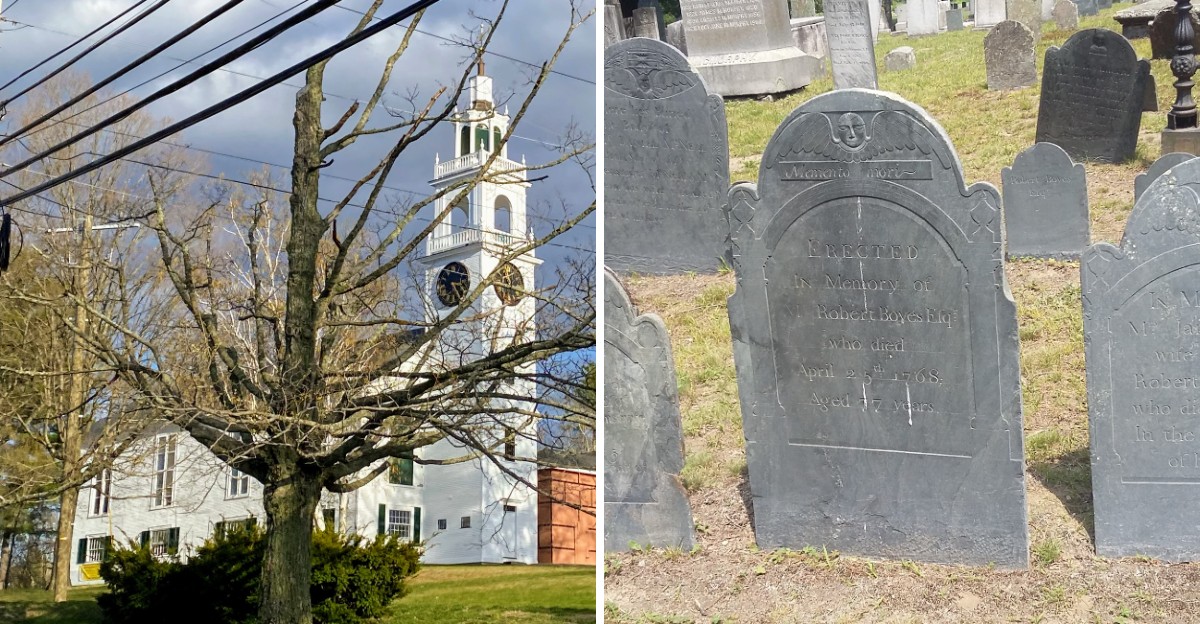
More than $3 million and roughly a decade of restoration work to bring a historic church sanctuary back into use? That’s an extraordinary commitment to preserving a building with deep community roots.
The New Hampshire church underwent an extensive restoration effort focused on protecting its historic structure and returning the sanctuary to service. The project represents years of planning, fundraising, and careful work on a landmark that has stood through generations of local change.
I appreciate how preservation projects can protect more than old walls and architectural details. They also keep important gathering spaces connected to the communities that built and maintained them.
Visitors can admire the restored sanctuary and consider the effort required to bring it back. After such a long restoration journey, reopening the doors marks a meaningful new chapter for this historic building.
A Congregation Older Than The Country Started It All
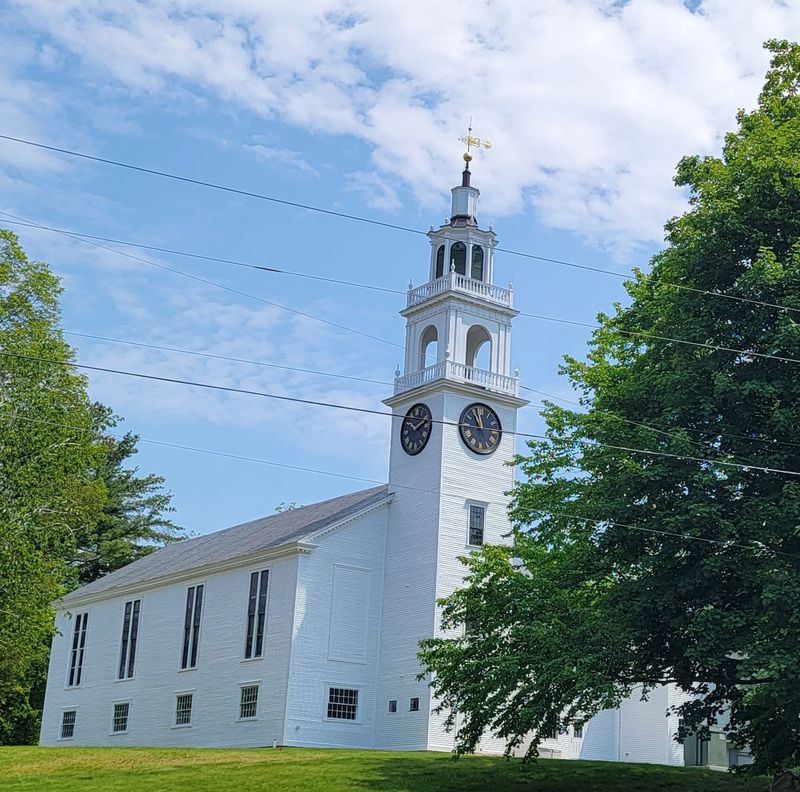
Back in April 1719, a group of Scots-Irish Presbyterians founded a congregation in a place called Nutfield. That settlement later became Derry, and the church they started is now First Parish Church, Derry.
Its official name today is First Parish Congregational Church, UCC.
Let that date sink in for a second. The congregation is older than the United States by more than fifty years.
Its first meetinghouse went up around 1721 or 1722, just a few years after those settlers arrived.
The building standing today dates to 1769. It replaced that earlier structure and has been changing shape ever since.
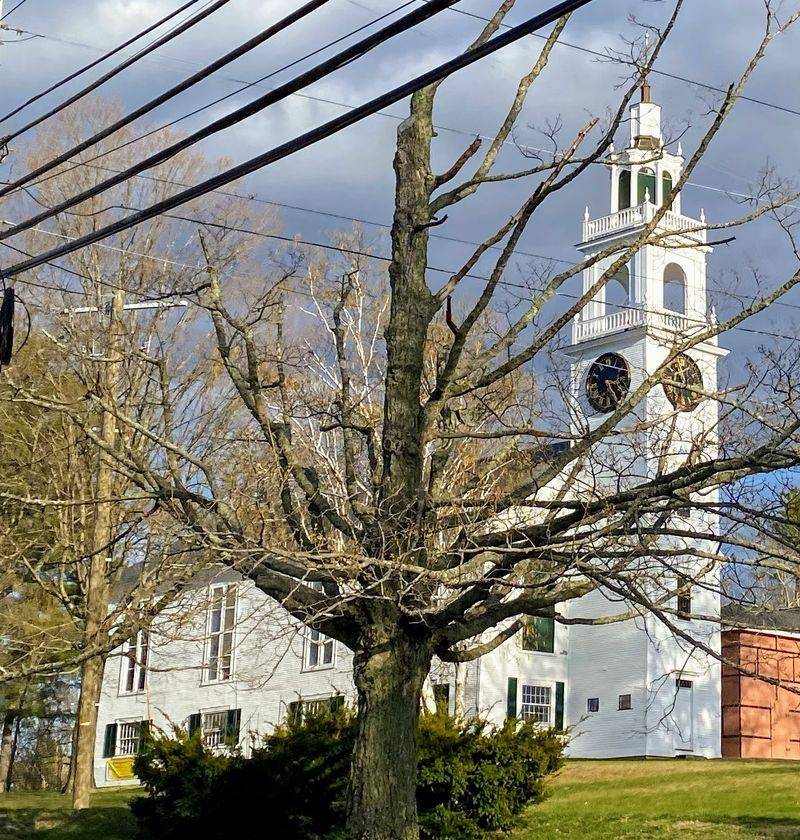
Workers enlarged it in 1824 and added the tower you see now.
In 1845, the building got a second story. The sanctuary moved upstairs, and town offices filled the ground floor.
Church and town business shared one roof, which sounds very New England.
Around 1810, the church became an independent community church in the Congregational tradition. It joined the United Church of Christ in 1995.
Three centuries of change, and the doors still open.
It’s considered one of the oldest New England meetinghouses still in active use. That’s a rare title, and it explains why so many people fought to save it.
Ten Years, Millions Of Dollars, And One Very Patient Building
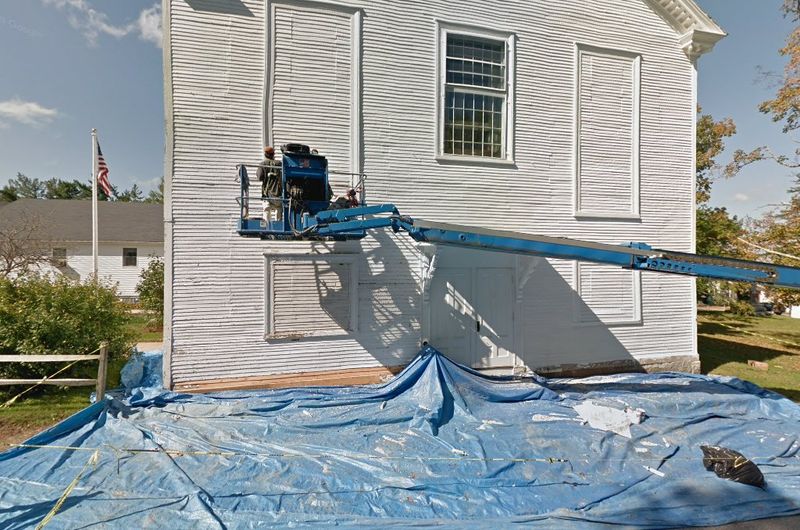
Restoration work kicked off in 2010. A formal Historic Assessment followed in 2011, and it became the roadmap for everything that came next.
Smart move, since guessing on a 1769 building sounds risky.
The to-do list was huge. Crews gave the meetinghouse a new foundation and repaired its timber frame floor and walls.
They also overhauled a tower that had begun to lean.
Money added up fast. By 2022, about $1.9 million had gone into the work, with another million expected for the sanctuary.
By July 2023, costs had passed $2 million.
So who paid for all this? Parishioners donated, public funding helped, and the project earned four grants from New Hampshire’s Land and Community Heritage Investment Program.
That’s a real team effort.
The church even landed on the New Hampshire Preservation Alliance’s Seven to Save list in 2009. That list spotlights historic places that need help, and it brought attention at a key moment.
I can’t imagine the patience this took. Ten years is a long time to wait for your favorite room to come back.
Still, rushing a 250-year-old building would have been a much bigger mistake.
The Steeple Literally Flew Home In 2019
Forty-three thousand four hundred pounds. That’s how much the restored bell tower, bell, and double lantern weighed when a crane lifted them back onto the meetinghouse in June 2019.
The steeple had been in rough shape for years. Crews removed it in September 2015 so it could be rebuilt properly.
For nearly four years, the building stood without its crown.
That must have looked strange to anyone driving by. The steeple is the part most people picture when they think of this church.
It even shows up on the Derry town seal.
Rebuilding an ornate steeple is not a weekend project. Each detail needed to match the historic look while staying strong enough for many more decades.
The double lantern design gives it that layered, wedding-cake shape.
When the tower finally rose back into place, the skyline of East Derry Village looked complete again. I like that a crane, a modern machine, helped bring back something from the 1800s.
Next time you see it, look up and count the levels. Then remember that the whole top section once dangled in midair.
Suddenly that tidy white steeple feels a lot more dramatic.
Upstairs, The Sanctuary Finally Breathes Again
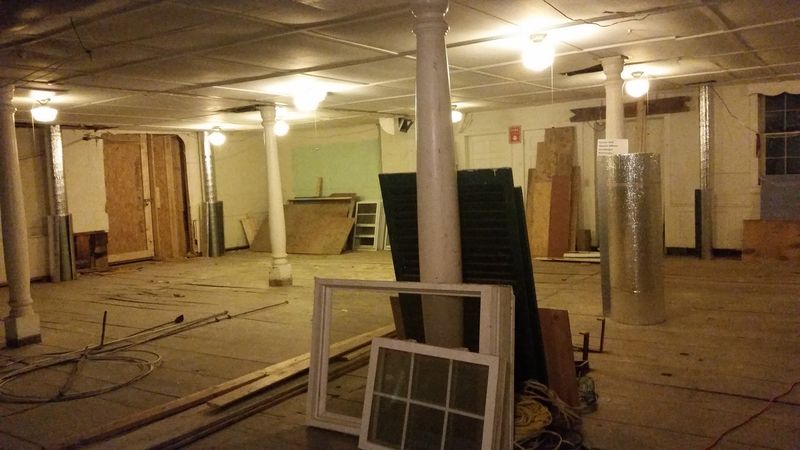
After Easter 2016, the sanctuary went quiet. Services moved elsewhere while the big upstairs room waited for its turn.
The wait turned out to be years long.
By 2022, the work shifted fully to the sanctuary itself. The problems were not small.
Peeling lead paint, cracking asbestos tiles, and plaster cracks all needed attention.
Behind the walls, things were dated too. Electrical, fire, and lighting systems needed upgrades for modern safety.
Nobody wants a historic gem with wiring from another century.
Crews also created a new entrance into the sanctuary from the Connector building. That change ties the old room to the new accessible addition next door.
Now the sanctuary has reopened for use. First Parish Church, Derry even scheduled an Open Sanctuary event, inviting people to come see the space for themselves.
Remember, this room sits on the second floor. That layout dates back to 1845, when the building split into two stories.
Climbing up to worship has been part of the experience for a very long time.
I believe a reopened room like this deserves a visit. After a decade of patience, it’s finally ready for company again.
Stained Glass That Tells Stories From 1884
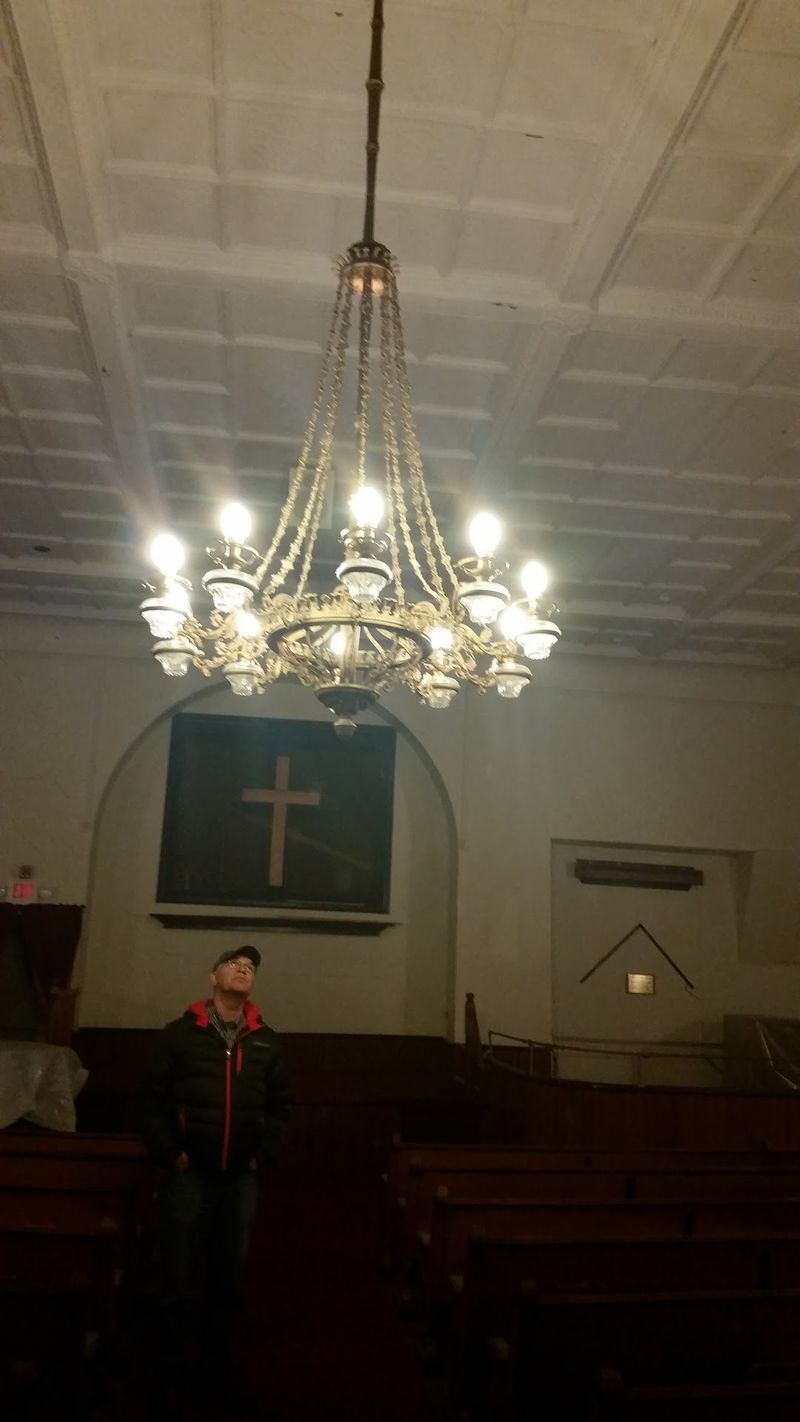
Much of what you see today traces back to a major renovation in 1884. That project brought in new stained glass windows and fresh interior finishes.
The exterior and much of the interior still reflect that look.
So in a way, the building wears its Victorian outfit proudly. The bones are from 1769, but the style is pure 1880s.
It’s a fun mix of eras in one structure.
Those windows deserve a slow look. Some of them depict the Scots-Irish founders of East Derry.
That’s a pretty personal touch for glass art.
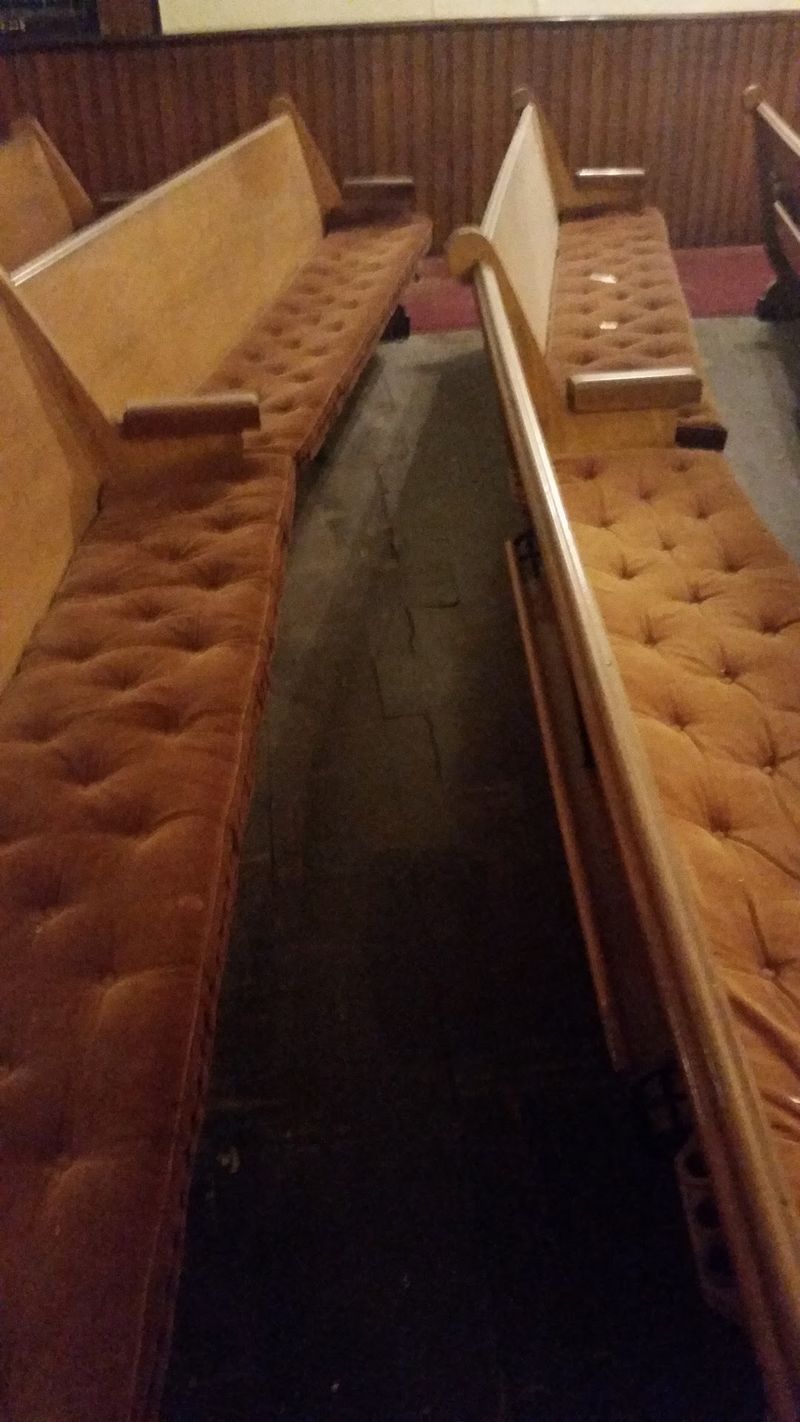
Think about how colored light changes a room. On a sunny morning, those windows would paint the walls and pews in different shades.
Old builders knew exactly what they were doing.
The restoration aimed to protect this character, not erase it. Repairing walls and plaster helps the 1884 finishes shine again instead of fading away.
If you visit, bring curiosity. Try matching window scenes to the names of early settlers.
History books are great, but glass portraits hit differently.
Honestly, it’s hard to beat a history lesson that glows. Good luck looking away once the sun hits.
An Elevator Building Lets Everyone Reach The Top
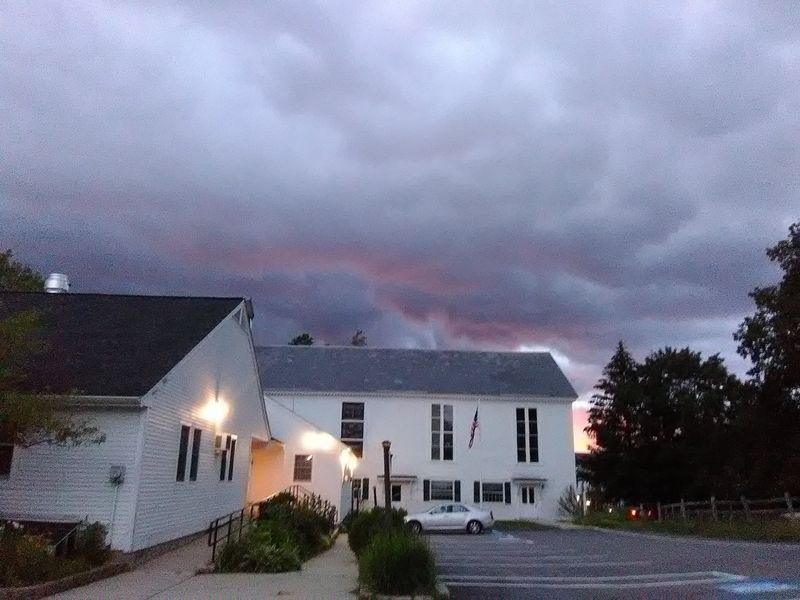
Old churches and stairs usually go hand in hand. That’s a problem when the sanctuary sits on the second floor.
Plenty of people simply can’t climb those steps.
The fix here is called the Connector. It’s an adjacent elevator building built during the restoration to provide multi-floor access.
Now more people can reach the sanctuary without struggling.
I like how this fits the church’s values. First Parish is an Open and Affirming congregation within the United Church of Christ.
It welcomes people of every age, background, ability, and family type.
An elevator turns that welcome into something practical. Words on a sign are nice.
A working elevator is better.
The Connector also links straight into the sanctuary through a new entrance. That means a smoother path from the ground floor to the main worship space.
Adding modern features to a 1769 building takes care. Planners had to respect the historic look while meeting today’s needs.
Not an easy balance.
For families with strollers, older relatives, or anyone using a wheelchair, this matters a lot. Historic places feel richer when everyone can actually get inside them.
Famous Names Once Filled These Pews
Mathew Thornton signed the Declaration of Independence. He was also part of this church’s long story.
Not bad for a congregation in a small New Hampshire village.
Then there’s a space-age connection. A.
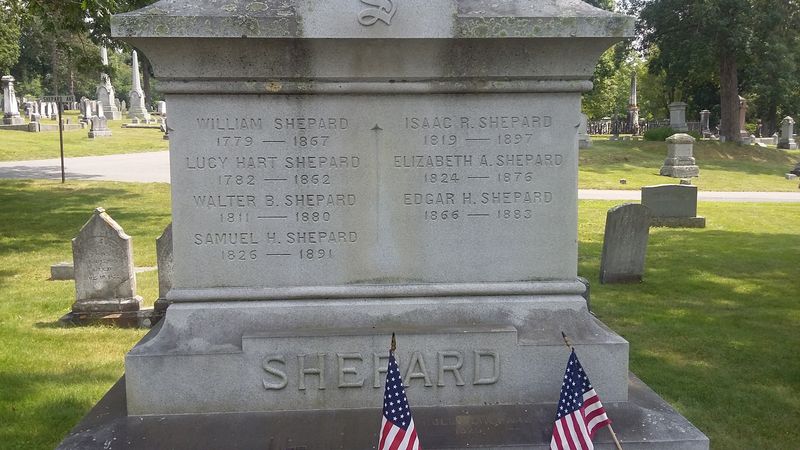
Bart Shepard, father of astronaut Alan Shepard, played the pump organ here for many years. He was also a major benefactor to the church.
Alan Shepard became the first American in space in 1961. Knowing his dad played music in this building gives the place a surprising link to the stars.
Those two names span a wild stretch of American history. One helped launch a nation.
Another’s son helped launch the country into space.
The church also appears on the Derry town seal and in local imagery. That shows how deeply the building is tied to the community’s identity.
An official state historical marker stands right out front. It’s a good first stop if you want quick context before exploring more.
I find it fun that ordinary Sunday mornings here once included such remarkable people. Every pew probably holds more stories than we’ll ever know.
Old Gravestones And A Village Worth Wandering
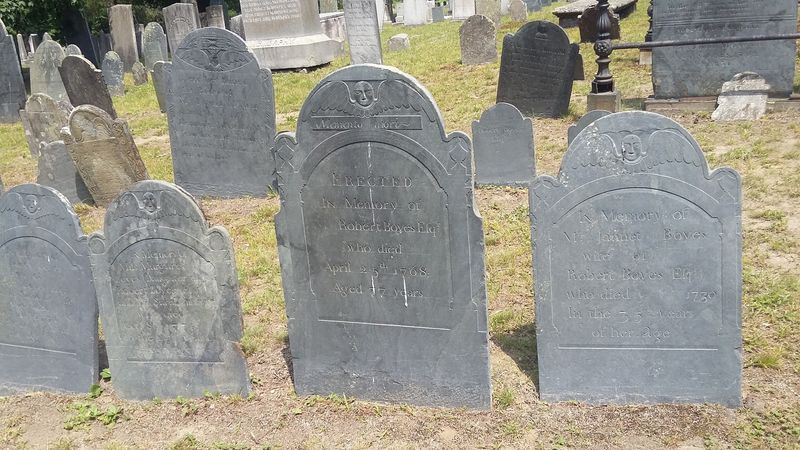
Right behind the church sits Forest Hills Cemetery. It’s Derry’s only municipal cemetery, and it holds some of the area’s oldest gravestones.
The founders’ resting places are here too.
History fans will want extra time for this part. Old stones carry names, dates, and carvings that tell quiet stories about early Nutfield life.
You’ll find the church at 47 East Derry Road in Derry, New Hampshire. It sits in the historic East Derry Village, which has its own charm.
The whole area belongs to the East Derry Historic District. That district joined the National Register of Historic Places in 1982.
So the church has historic neighbors, not just a historic address.
Plan a gentle stroll around the grounds. Read the historical marker, admire the steeple, then wander toward the cemetery.
It makes a peaceful little outing.
Please be respectful while exploring, of course. Stay on paths and treat the old stones kindly.
Many are fragile after centuries outdoors.
Pairing the restored building with these grounds gives you a fuller picture. The church tells one story, and the stones out back fill in the rest.
Spaghetti Suppers, Sugar Plums, And Great Acoustics
Free spaghetti once a month? Yes, really.
First Parish Church, Derry hosts a monthly Community Spaghetti Supper that’s open to everyone.
The giving doesn’t stop at the dinner table. Members prepare meals for Family Promise guests in Nashua and volunteer at Derry’s Sonshine Soup Kitchen.
The church also supports several local nonprofits.
The calendar stays busy all year. November brings the Sugar Plum Fair, and the holidays add a concert and Breakfast with Santa.
Kids tend to remember that last one.
Here’s a bonus from the restoration. The sanctuary is known for great acoustics, which makes it a strong fit for concerts, lectures, and other events.
Want to join a service? Sunday worship starts at 10 AM.
You can attend in person or watch through Zoom or Facebook Live.
That flexibility is handy for folks who live far away. Former members and curious history fans can tune in from anywhere.
I love that all those restoration dollars protect a building that stays busy. A restored sanctuary is lovely, but a full one is even better.
And honestly, free spaghetti is a pretty great reason to show up.
