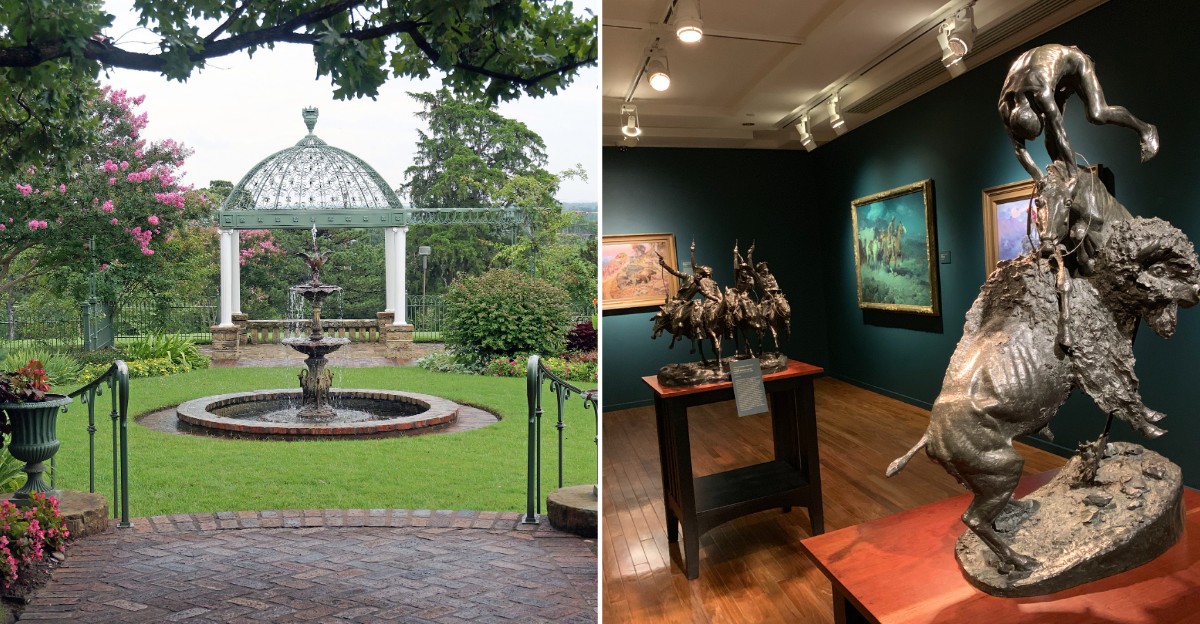
Certified copies of the Declaration of Independence sit in this museum’s archives. So do more than 100,000 rare books, maps, and manuscripts.
And those papers are just the quiet side of the collection.
The founder was a Muscogee Creek oilman who gave away his entire art collection to keep it whole. I love that kind of stubborn generosity.
Thanks to him, Oklahoma holds the world’s largest collection of art of the American West.
The doors closed in 2021, and the old building came down completely. A brand-new museum has been rising in its place, with a three-story atrium and a rooftop terrace.
I can’t imagine a better reason to start planning a spring trip.
So what does a comeback this big actually look like? The answer involves 460 acres, gilded metals, and a floating staircase.
The Long Wait Ends With A March 2027 Reopening
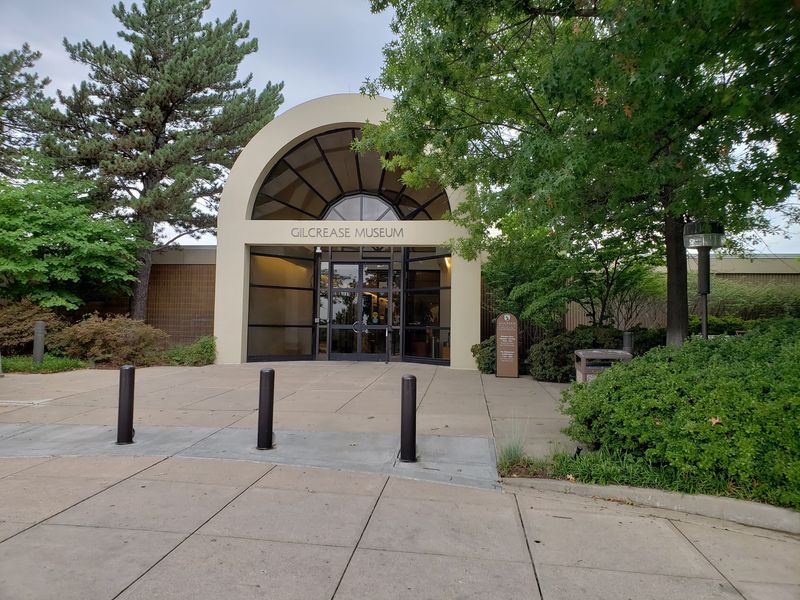
Mark your calendar, because Gilcrease Museum has a date. The Tulsa landmark plans to welcome the public back in March 2027.
That ends a long pause. The museum closed in July 2021 so crews could tear down the original building and start fresh.
The price tag grew along the way. Early estimates landed around $83.6 million, but the final transformation reached $140.9 million.
Pandemic supply chain problems and inflation pushed costs higher. Anyone who has priced lumber lately probably understands that part.
The reopening isn’t just about one shiny building. Leaders describe it as a full destination that ties together the museum, the Helmerich Center for American Research, the historic Thomas Gilcrease House, and the surrounding landscape.
That bigger vision matters. You won’t just walk through galleries and leave.
The plan connects art, history, and nature into one long, satisfying outing.
Here’s a practical tip for planning. Opening months at major museums often draw big interest, so watch the museum’s official channels for ticket and event updates.
Oklahoma has waited nearly six years for this moment. Honestly, a little patience before booking your visit seems like a fair trade for a museum built almost entirely from scratch.
An Oilman Gave Away Everything So You Could See It
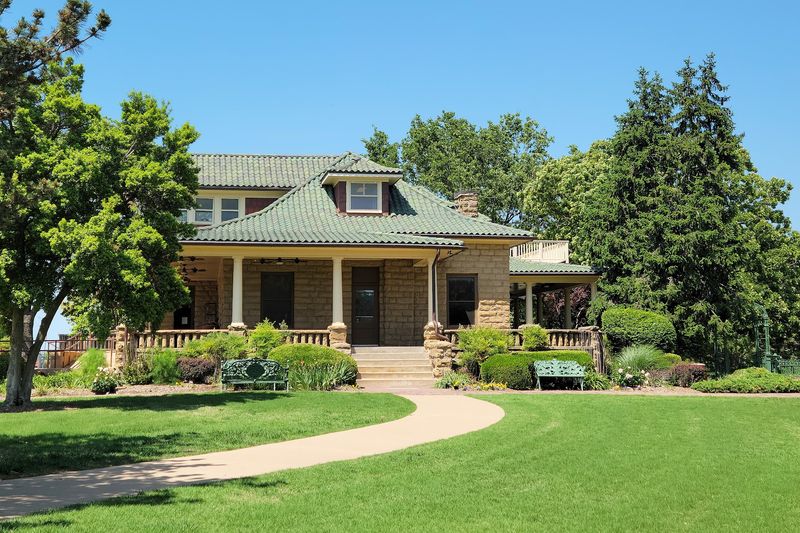
Thomas Gilcrease made his fortune in oil. Then he spent much of it collecting art, books, and artifacts from across the Americas.
He was a citizen of the Muscogee (Creek) Nation. His Indigenous heritage helped shape the museum’s collection and perspective.
His story started small. In 1949, he opened a public gallery on his Tulsa estate, built around a carriage house from 1913.
Nine years later, he made a bold move. He transferred the collection to the City of Tulsa in 1955, then deeded the museum buildings and more than 13 acres of land to the city in 1958.
Think about that for a second. Plenty of collectors sell pieces off, but Gilcrease wanted the full story to stay in one place.
His perspective still shapes the museum today. The mission focuses on the connected stories of the Americas, seen through Indigenous nations, the American West, and Latin America.
The museum also works with living tribal nations. That keeps the collection tied to real communities, not just glass cases.
Since 2008, the City of Tulsa and the University of Tulsa have managed the museum together. Gilcrease’s gift has had a lot of helping hands ever since.
Cowboys, Canyons, And A Collection Nobody Else Can Match
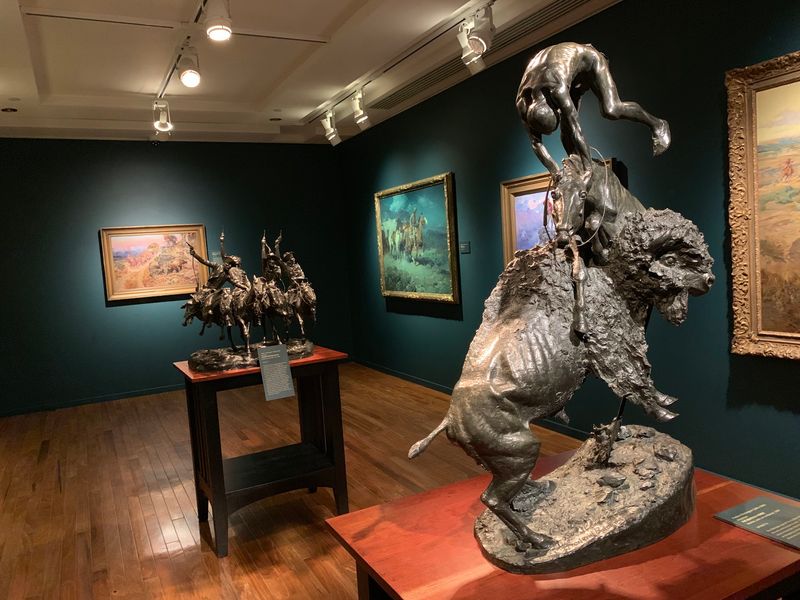
World’s largest. That’s the title Gilcrease holds for its collection of art of the American West, and it’s hard to argue with.
The fine art collection alone includes more than 10,000 American works. The names read like a textbook chapter on Western painting.
Frederic Remington and Charles M. Russell are both here.
Their bronzes and paintings captured cowboys, horses, and frontier life with serious energy.
George Catlin traveled widely to paint Native American life in the 1800s. Albert Bierstadt and Thomas Moran brought huge, dramatic landscapes to canvas.
Moran’s paintings are a treat if you like scenery. His work helped shape how Americans pictured the West’s wild places.
The collection stretches past Western themes too. Works by Winslow Homer and John Singer Sargent show up in the mix.
So how do you tackle it all? Pick two or three artists before your visit, then look for their work first.
That trick keeps a big museum from feeling overwhelming. You can wander freely afterward, knowing you already saw your favorites.
With rotating displays planned, there may be new surprises each time you return to Tulsa.
Around Fourteen Thousand Years Of Stories Under One Roof
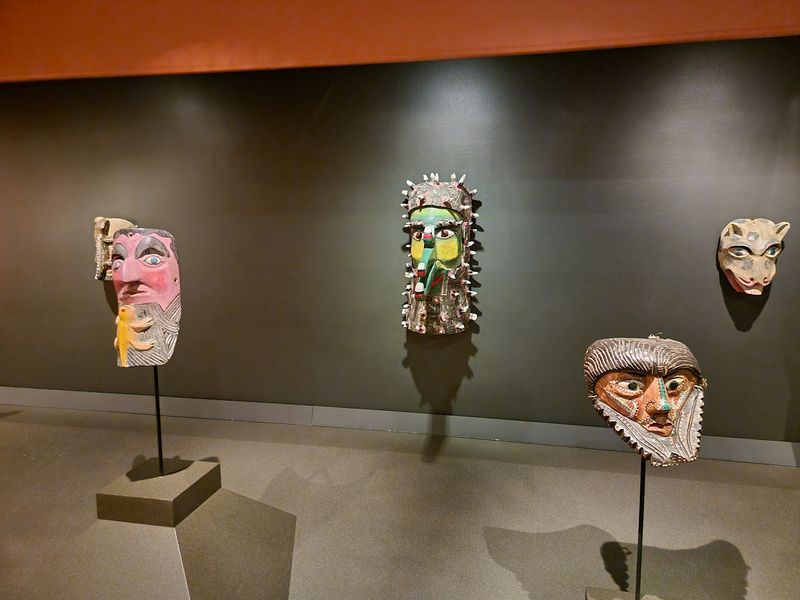
Some museum timelines start with a famous painting. This one begins around 12,000 BCE.
Gilcrease holds a remarkable collection of Indigenous art and artifacts from North, Central, and South America. It covers ancient archaeology all the way to the 21st century.
The overall collection is massive. Counts run past 300,000 items, and some sources place it closer to 350,000.
That variety is the fun part. You’ll find ethnographic materials from many cultural traditions, not one narrow slice of history.
Here’s a tip for families. Ask kids to spot objects from three different time periods, then guess how people used them.
That simple game turns a gallery into a puzzle. It also helps everyone slow down and actually look.
The archives add another surprise layer. They include more than 100,000 manuscripts, rare books, maps, and documents.
Among them are certified copies of the Declaration of Independence and the Articles of Confederation. Not bad for a museum in Oklahoma best known for cowboys and canyons.
Put it all together, and you get a broad picture of the Americas. Very few places try to tell that much story at once.
Gilded Metal, Stone, And A Nod To Tulsa’s Art Deco Swagger
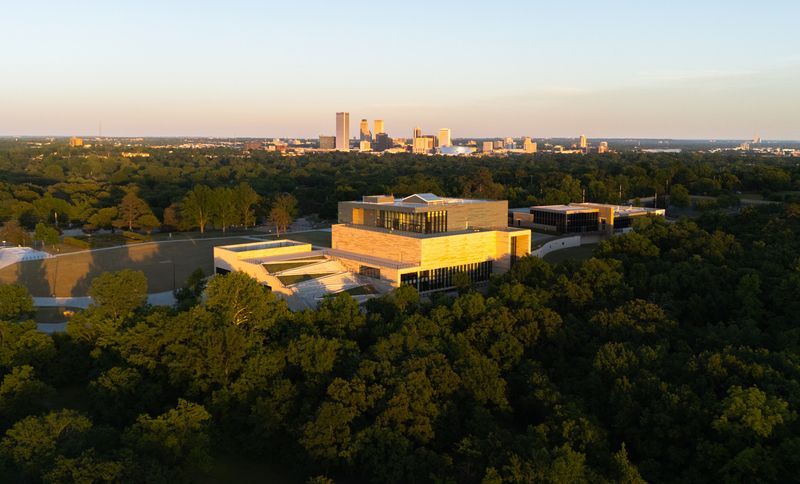
Tulsa loves its Art Deco buildings. The new Gilcrease Museum borrows that love in a fresh, modern way.
SmithGroup designed the building. The color and material choices reflect Tulsa’s Art Deco style, mixing stone and gilded metals.
Natural tones play a big role too. The lower level uses earth colors, while the upper level leans toward sky colors.
The idea goes deeper than paint. The design centers on reconnecting people with nature, with subtle references to Osage culture.
That choice fits the location. The museum sits within the boundaries of the Osage Nation reservation.
Even the directions carry meaning. North connects with sky, south with earth, west with night, and east with day.
The new building covers 95,673 square feet. That’s smaller than the old 134,000-square-foot structure, which might sound odd at first.
Smaller doesn’t mean less, though. The new design focuses on using space more efficiently and protecting the collection better.
A smart move for priceless art. When you visit, take a minute outside before heading in.
Spotting the earth and sky details feels a bit like finding clues in a building-sized riddle.
Look Up, Then Look Way Out Toward Downtown
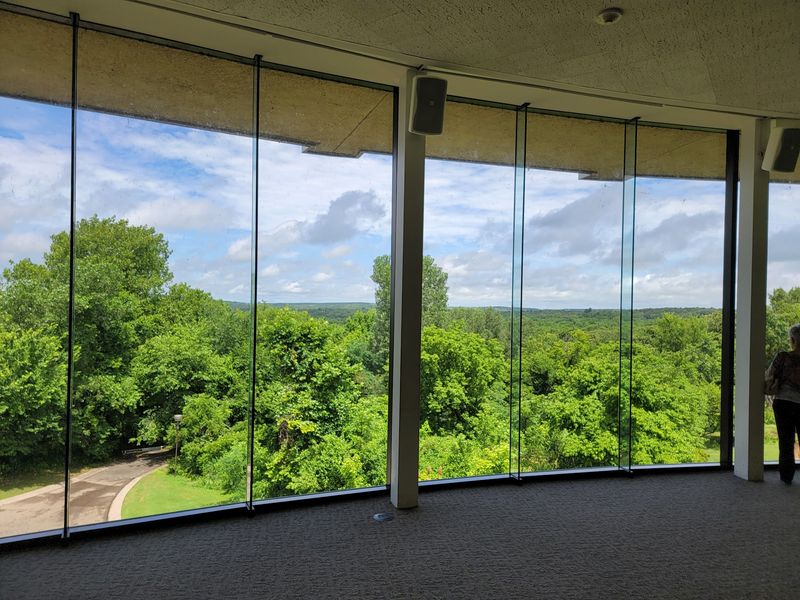
A floating staircase stands at the heart of the new interior. It’s the kind of feature that makes you pause mid-step.
Around it rises a three-story atrium. The space helps visitors find their bearings, which is handy in a museum this large.
The atrium also frames the scenery. Big views stretch toward downtown Tulsa and the panoramic Osage Hills.
Fans of the old museum will notice a familiar idea. A generous roof terrace echoes the beloved Vista Room from the original building.
That’s a lovely touch. The old view meant a lot to people, and the new design keeps it alive.
Inside, 14 permanent collection galleries spread across two floors. Three changing galleries sit on the ground floor.
The galleries don’t force a strict path. You can explore on your own, following connected stories in whatever order you like.
Digital tools help too. Collection info will be available in the galleries, through a mobile guide, and online.
My advice? Charge your phone before you go.
Between the mobile guide and those skyline views from the terrace, your battery will be working nearly as hard as your feet.
Gardens From Five Eras Are Waiting Outside
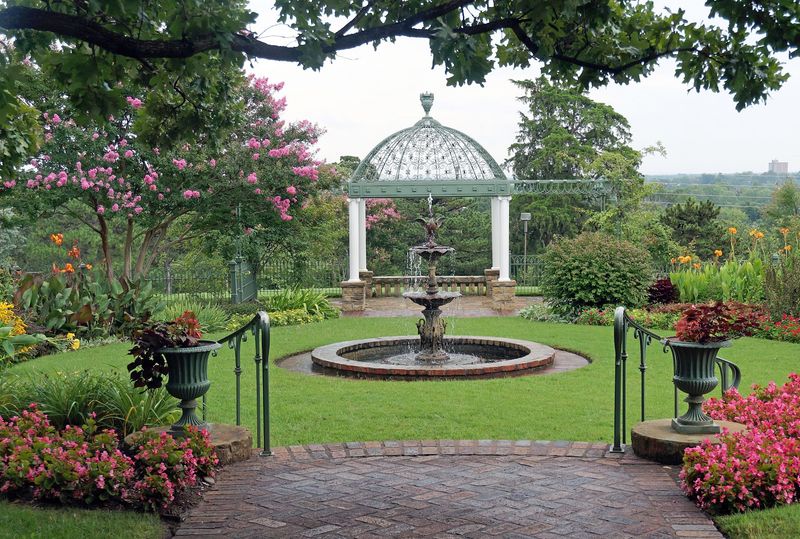
Twenty-three acres of themed gardens surround the museum. Better yet, the renovation left them untouched.
The gardens show historical styles tied to the American West. You’ll find Pre-Columbian, Pioneer, Colonial, Victorian, and Rock gardens.
Gilcrease is the only known art museum with educational gardens like these on site. That’s a pretty unusual bragging right.
Each garden teaches something without a lecture. You can compare how different eras grew food, flowers, and landscapes.
More green spaces are on the way. Sculpted gardens of native plants are being designed between the museum and the Helmerich Center.
Outdoor courtyards will also follow the cardinal direction theme. That links the outdoor spaces to the building’s earth, sky, day, and night ideas.
An amphitheater anchors the north side of the new building. It adds a spot for outdoor gatherings on the campus.
Here’s a practical idea. Split your visit into an indoor half and an outdoor half, so your eyes get a break from gallery walls.
Comfortable shoes are a must. The grounds are big, and Oklahoma weather can change its mind fast, so a hat and water bottle won’t hurt either.
Fourteen Miles Of Trails Give Hikers And Bikers A Reason To Visit
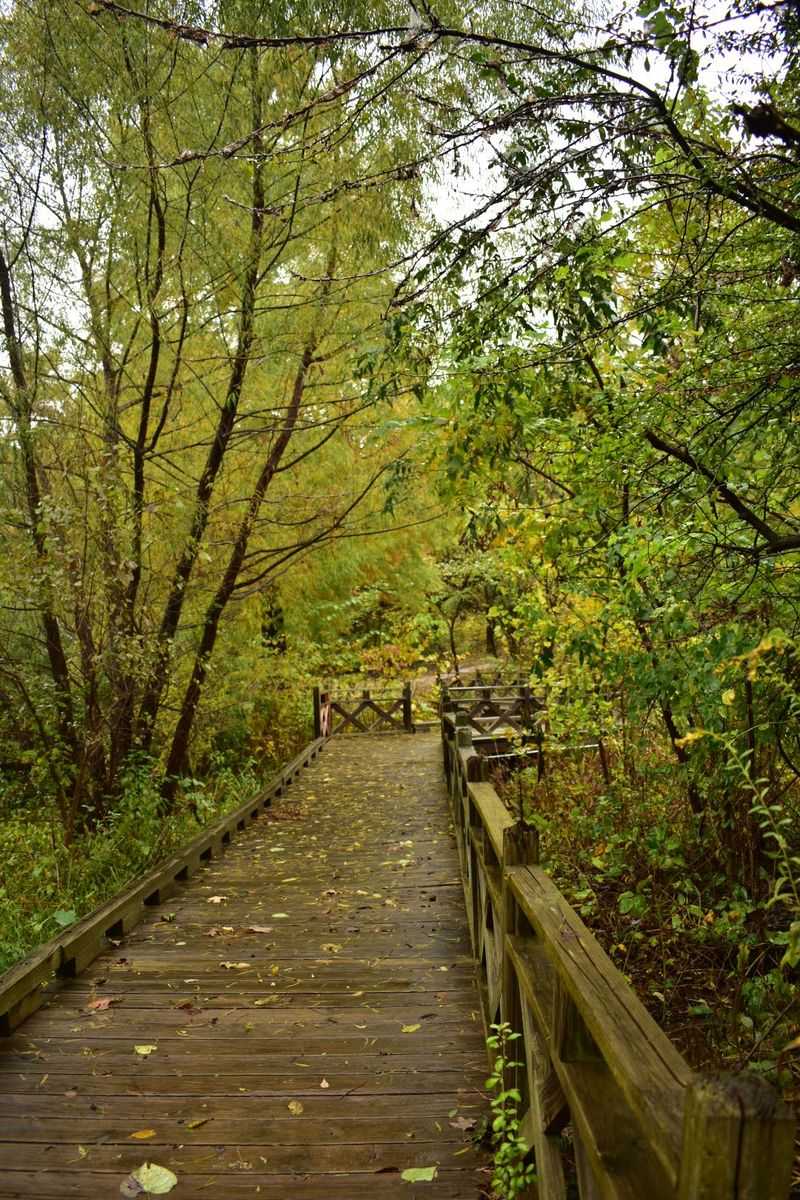
Not many art museums come with mountain bike trails. Gilcrease is building more than 14 miles of them.
The new hiking and biking trails stretch across a 460-acre campus in Tulsa’s scenic Osage Hills. Completion is expected in early 2027, lining up with the reopening.
That changes the whole idea of a museum day. You could spend the morning on a trail and the afternoon with Remington bronzes.
Outdoor fans and art lovers rarely plan the same trip. Here, one family member can ride while another studies paintings, and nobody feels shortchanged.
The location helps. The hills give the campus a wilder feel than you might expect so close to downtown Tulsa.
A few smart habits will make trail time easier. Bring water, check the weather, and wear shoes with good grip.
Bikers should plan for proper gear, including a helmet. Rolling hills can surprise riders who usually stick to flat paths.
The trails also add a reason to return. Seasons shift the scenery, so a spring visit and a fall visit could feel very different.
For a museum all about the land and its people, getting out on that land feels exactly right.
Researchers, History Buffs, And The Old House On The Hill
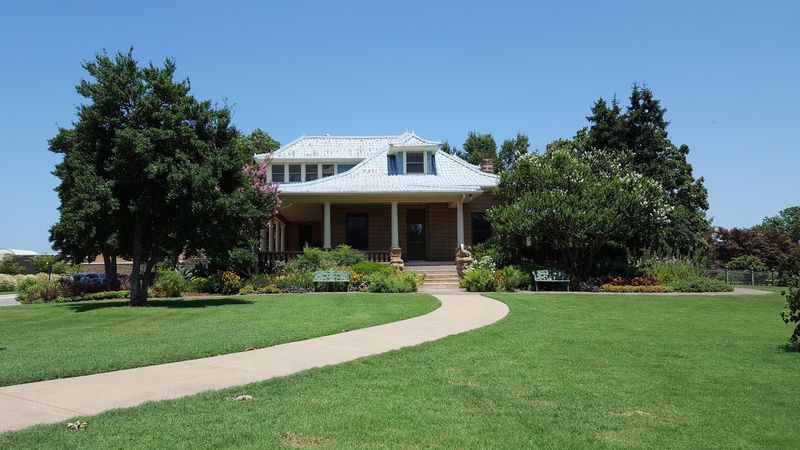
History doesn’t stop at the gallery doors here. The historic Thomas Gilcrease House still stands on the property.
The mausoleum remains as well. Both connect today’s visitors to the man who started it all.
Next door sits the Helmerich Center for American Research. It opened in 2014 and wasn’t part of the latest construction project.
This center protects the museum’s archives. Researchers get secure access to over 100,000 rare books, documents, maps, and unpublished materials.
It has an environmentally controlled Reading Room. There’s also a secure connector passage inspired by the famous Vasari Corridor in Florence, Italy.
Tulsa borrowing ideas from Renaissance Italy? That’s a fun twist for a building full of old paper.
Behind the scenes, care runs deep. Gilcrease has the only dedicated museum conservation department in Oklahoma.
Conservators help keep fragile objects safe for future visitors. Without them, centuries-old treasures wouldn’t last nearly as long.
You’ll find the whole campus at 1400 N Gilcrease Museum Rd, Tulsa, OK 74127. Come March 2027, set aside a full day, because between the house, the archives, the gardens, and the galleries, this place gives you plenty of history to explore.
