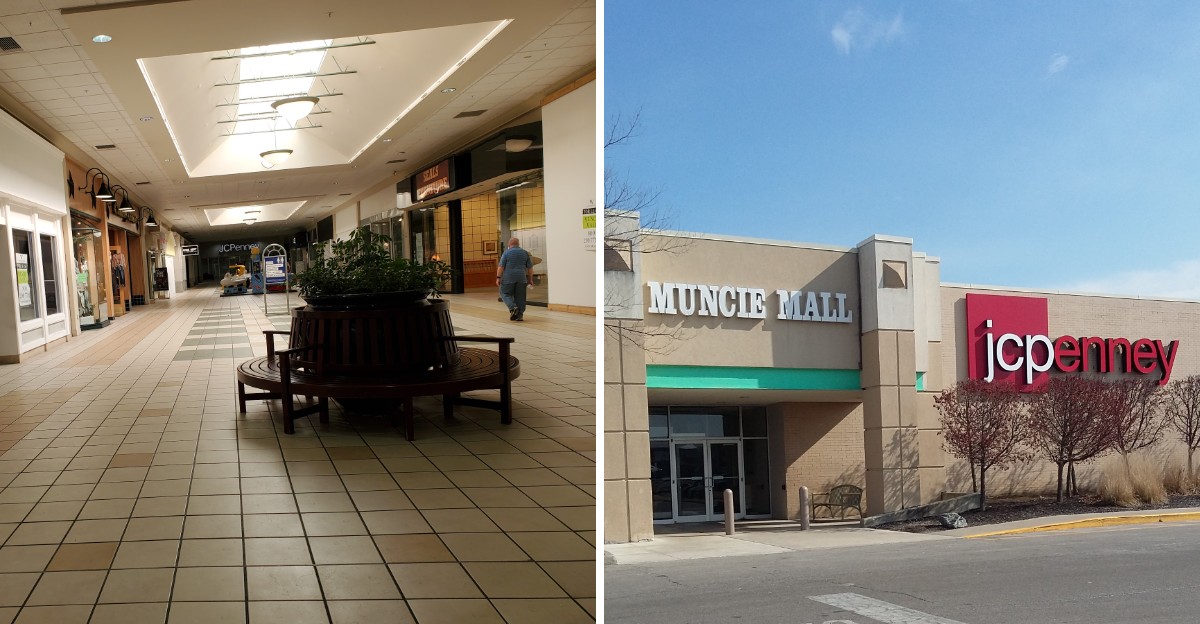
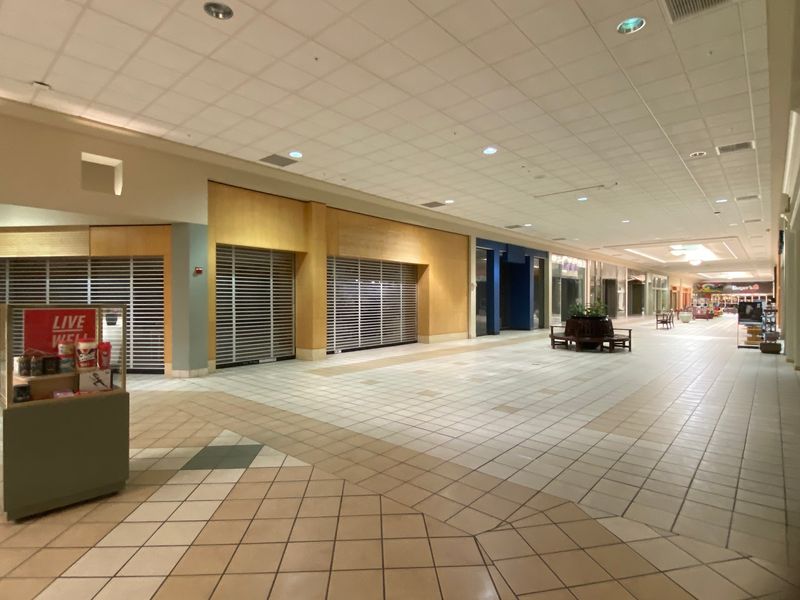
Ninety-two percent empty. That’s how much of this enclosed mall sat vacant before its owners decided the whole thing had to come down.
The old movie theater started falling in June 2026. Sears followed in September.
Crews even had to reroute underground water and gas lines just to keep the rest of the building running during the teardown.
For anyone in Indiana who spent Friday nights wandering these halls, watching it disappear must feel strange. Generations bought school clothes, sneakers, and birthday gifts under this roof.
Now the walls are coming down one anchor store at a time.
There’s something bittersweet about watching a familiar shopping destination disappear, especially when so many ordinary memories are tied to it. I’m curious to see what replaces all those empty corridors and storefronts.
This isn’t just the end of a mall; it’s the start of a very different chapter for the property.
A Mall Opened In 1970 With Names Your Grandparents Will Recognize
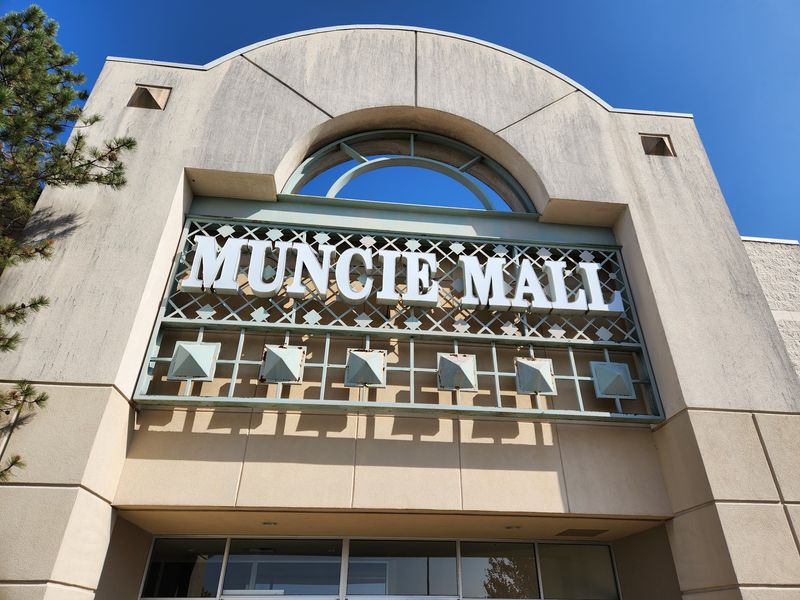
Britt’s, W.T. Grant, Sears, and Ball Stores.
Those were the anchor stores waiting for shoppers when Muncie Mall opened its doors in 1970.
Some of those names might sound like a history quiz today. Back then, they were the big draws that pulled families in from all over east-central Indiana.
The developer was Melvin Simon and Associates. That company later grew into Simon Property Group, one of the biggest mall owners in the country.
So this wasn’t some small-town experiment. It came from people who would go on to shape how Americans shopped for decades.
Through the 1970s and 1980s, the mall became the go-to spot for the whole region. It was where you shopped, met up with friends, and killed a rainy afternoon.
The building also changed with the times. It went through several interior renovations over the years to freshen up its look and keep stores coming in.
That effort says a lot about how much the community valued it. Nobody remodels a place they don’t care about.
If an older relative ever mentions Ball Stores, ask them about it. You’ll probably get a great story about a shopping trip from long ago.
Every Teen In Town Seemed To Hang Out Here Once
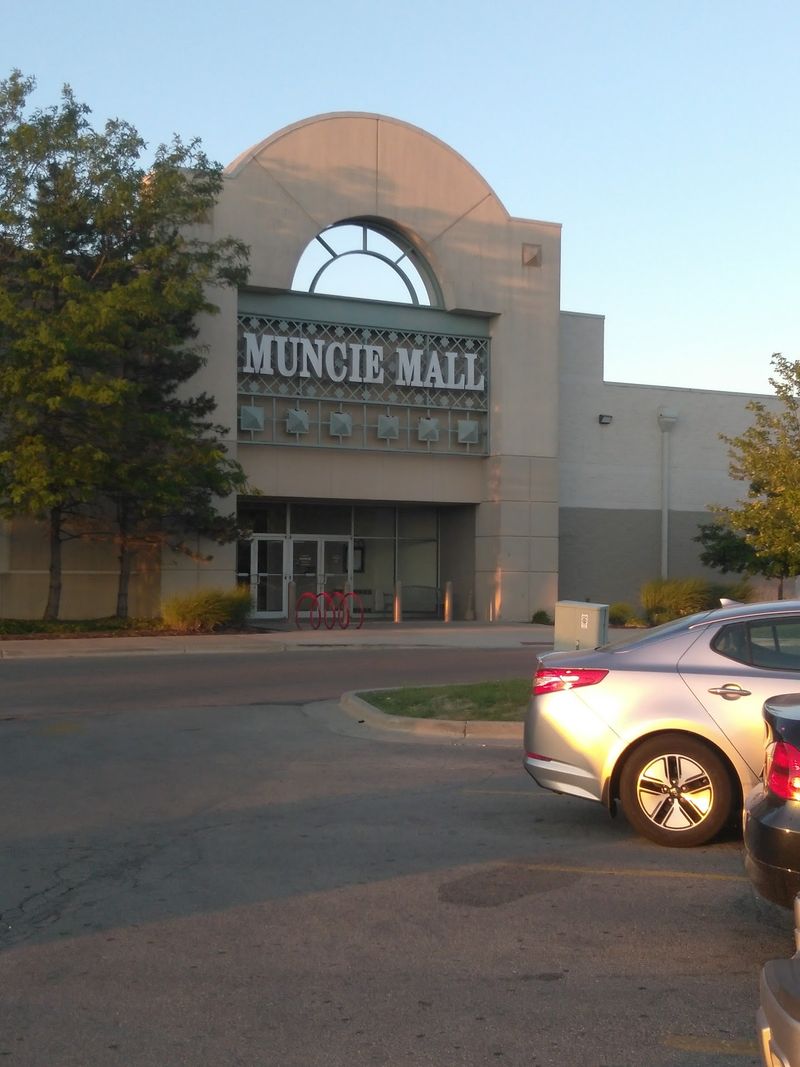
Long before phones held everyone’s attention, malls held it instead. Muncie Mall was the social center for this corner of Indiana for years.
Teenagers came to see movies, shop for school clothes, and simply hang out. Parents came for gifts, shoes, and errands that somehow took all afternoon.
That kind of role is hard to replace. A mall gave people a free, warm, safe place to gather, no ticket required.
Think about how many first jobs started in places like this. Food court counters and clothing racks taught plenty of young people how to show up on time.
The mall also hosted plenty of everyday moments. Picking out a prom outfit, grabbing a pretzel, or meeting friends by a fountain all count as memories.
Those small routines are what made the building matter. It wasn’t just shopping, it was part of growing up for a lot of folks.
Here’s a fun idea while the news is fresh. Ask family members to share their favorite mall memory at your next dinner.
You might learn something new about a parent or grandparent. Honestly, that might be the best thing this mall can still offer.
The Slow Fade Started Way Earlier Than Most People Noticed
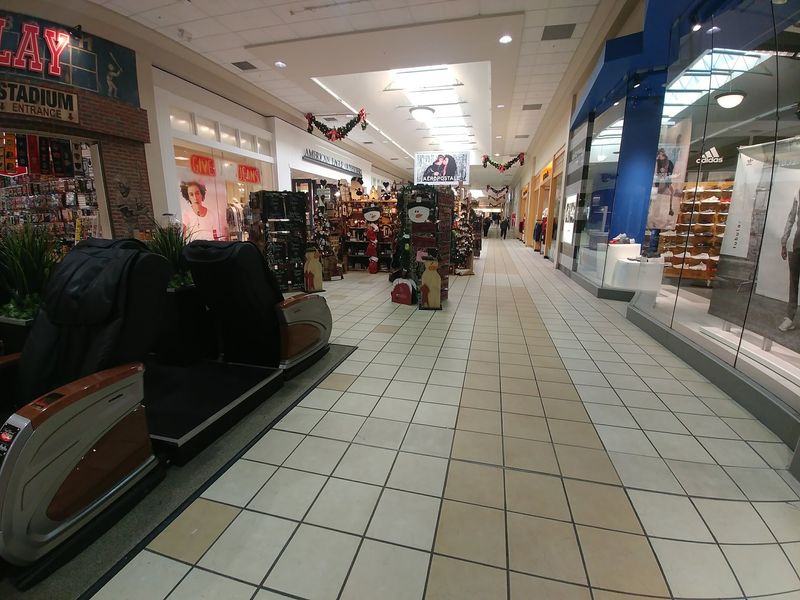
Trouble didn’t show up overnight. The decline began in the early 2000s, long before the empty hallways made headlines.
Power centers and big-box stores started popping up nearby. Shoppers could park right in front of a store and skip the long walk through a mall.
Then online shopping arrived and changed everything. Why drive anywhere when a package lands on your porch in two days?
Malls across the country felt the same squeeze. Muncie Mall was simply one of many facing a brand-new way of buying things.
The real blow came between 2018 and 2020. In that short stretch, the mall lost all of its major anchors, including Carson’s, Sears, Macy’s, and JCPenney.
Anchor stores are like the main characters of a mall. Once they leave, smaller shops lose the foot traffic they depend on.
By the end, the building sat about 92 percent vacant. That’s a staggering number for a place that once bustled.
There’s a useful lesson here for any shopper. If you love a local store, spending money there is the best way to help it stick around.
A Georgia Company Stepped In With A Big Plan
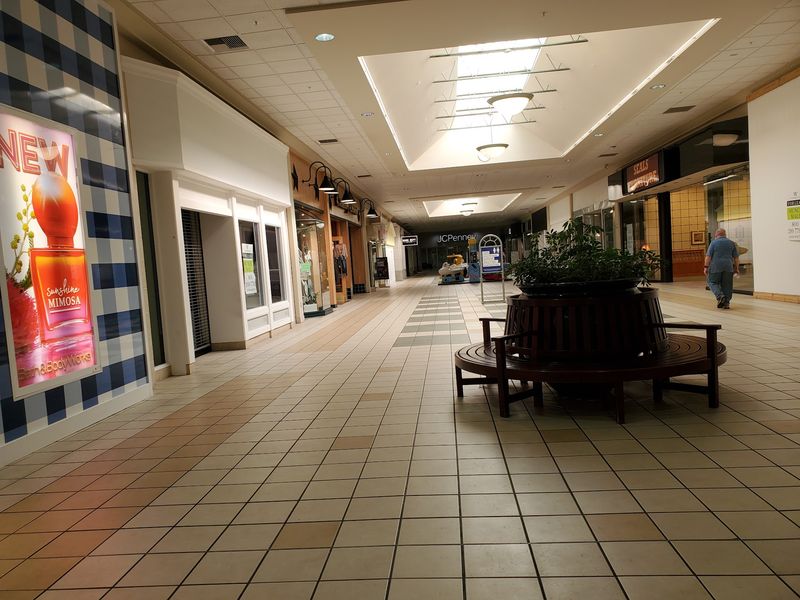
January 2024 brought a new owner to Muncie Mall. Hull Property Group, based in Augusta, Georgia, bought the property.
Hull is known for taking on struggling malls and trying to bring them back. That reputation gave plenty of people hope for a comeback.
The first idea, shared in September 2025, was a partial demolition. Parts of the building would come down to create stores that faced outward toward the parking lot.
That style is popular now because shoppers like quick access. You park, pop in, and leave without crossing a long interior hallway.
But plans changed fast. In February 2026, the company announced the whole enclosed structure would be demolished instead.
The reasons were tough to argue with. Along with the huge vacancy rate, the building had infrastructure problems that made the partial plan unworkable.
Sometimes fixing an old structure costs more than starting fresh. Anyone who has renovated an old house probably understands that feeling all too well.
Major retailers have reportedly shown interest in the Muncie market. They just aren’t interested in moving into the old mall building itself.
Watching The Anchors Come Down One By One
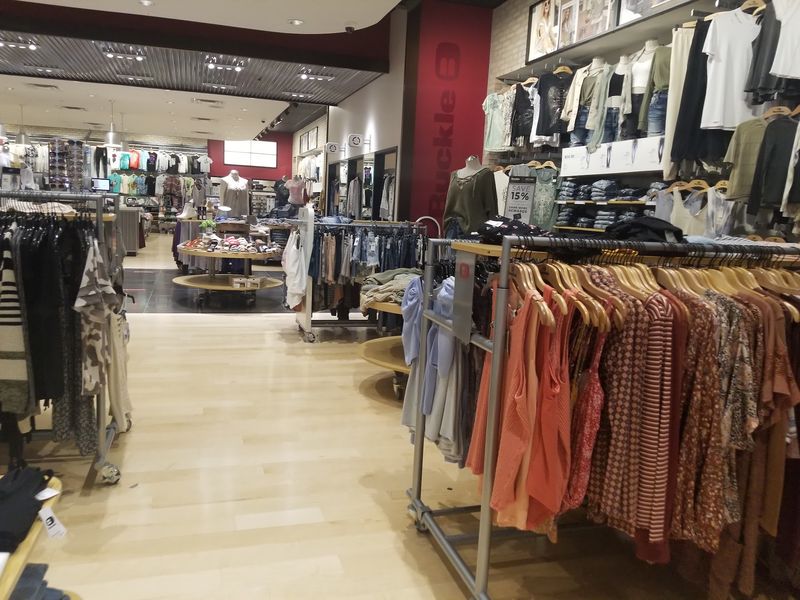
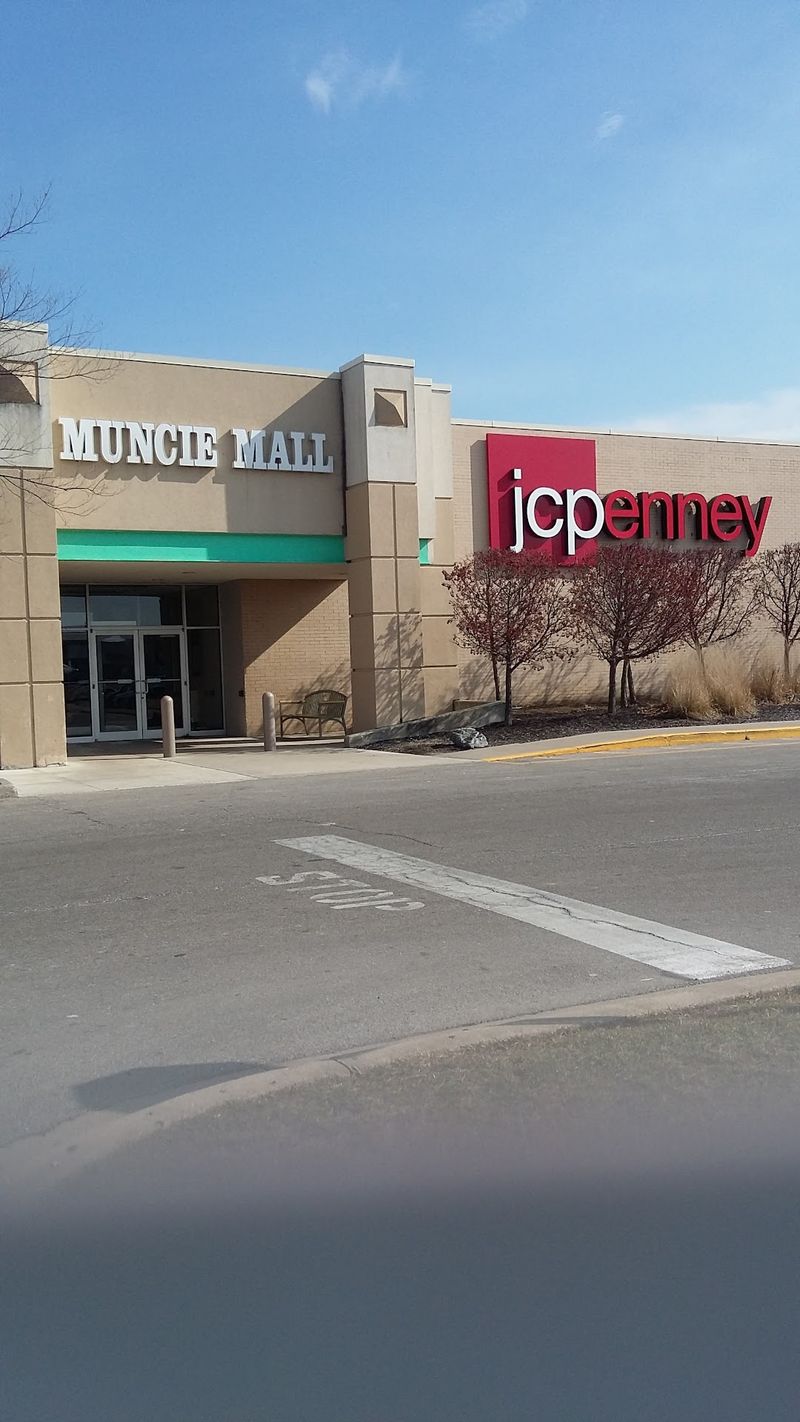
Excavators don’t care about nostalgia. In 2026, crews started tearing down the former anchor buildings, including JCPenney, Sears, and the old movie theater.
The theater went first, starting in June 2026. Sears demolition followed in September.
For many locals, that theater holds special memories. A whole lot of Muncie date nights probably started in those seats.
The job hasn’t been simple. Taking down JCPenney and Sears was delayed by a tricky underground problem.
Water and gas lines running under those stores also served the rest of the mall. Crews had to re-engineer those lines before the walls could safely fall.
Picture pulling a big piece out of a puzzle without disturbing the rest. That’s basically what the engineers had to figure out.
The interior sections are a different story. Full demolition there depends on the last remaining tenants moving out first.
The overall timeline was projected at six months to two years from February 2026. So the teardown is happening in stages, not one dramatic afternoon.
If you’re nearby, watch from a safe public spot. Demolition zones are no place for curious sightseers.
One Store Gets To Keep Standing
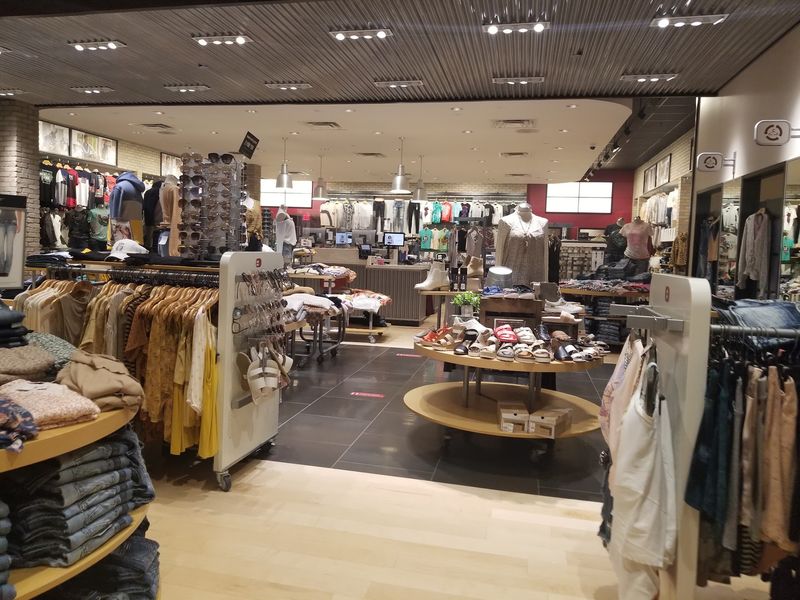
Every demolition story needs a survivor. At Muncie Mall, that survivor is Buyer’s Market.
This discount store operates inside the former Macy’s space. It’s the only part of the mall expected to remain standing once the work wraps up.
The reason is pretty straightforward. Buyer’s Market’s building is owned separately from the rest of the mall property.
That separate ownership gives it a very different future. While its neighbors turn into rubble, this store keeps its walls.
Bargain hunters will be glad to hear it. Discount stores can be fun to browse because you never quite know what you’ll find on the shelves.
One practical tip matters here. In recent years, the store hasn’t been reachable from inside the mall, so you’ll want to use its own outside entrance.
Store hours can also differ from what you might expect. Check them before you drive over so you don’t end up staring at locked doors.
It’s a little poetic that a former anchor space outlasts everything else. The old Macy’s corner gets an unexpected encore in Indiana retail history.
Book Lovers Aren’t Losing Their Favorite Stop Just Yet
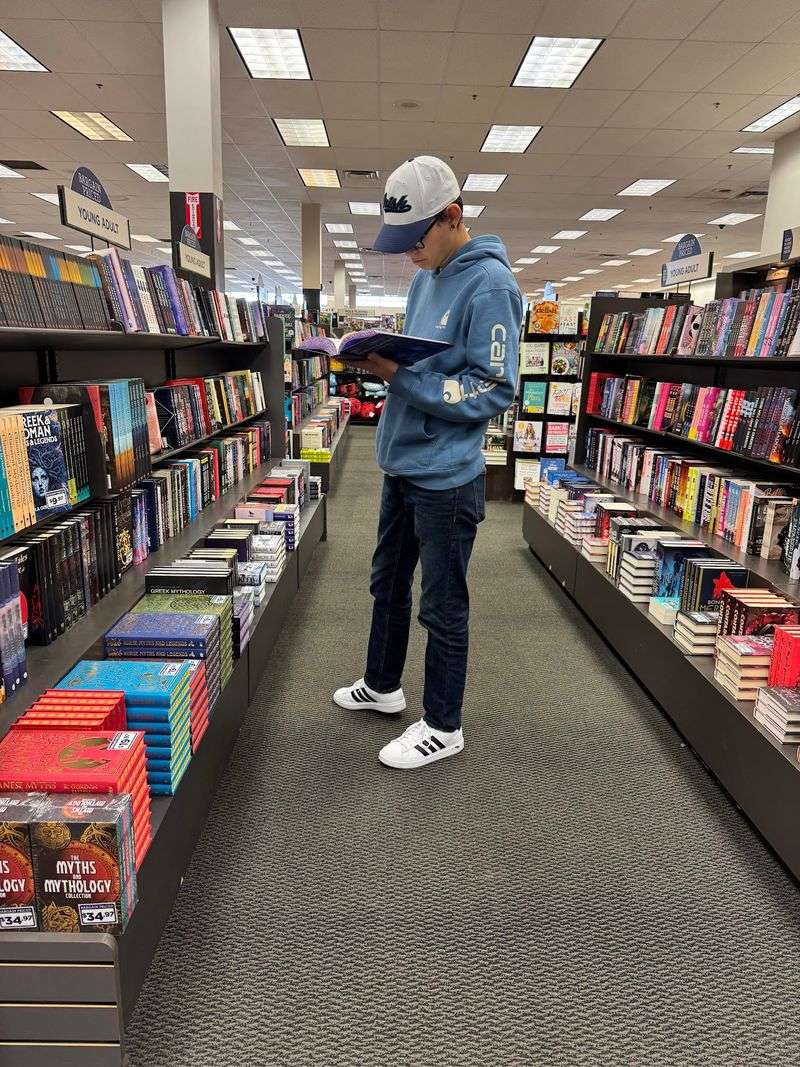
Books-A-Million was one of the last notable tenants hanging on inside the mall. Its bookstore and coffee counter gave people a solid reason to visit even as hallways emptied.
Here’s the good news for readers. The company is actively looking for a new location within the Muncie market.
That means the shelves may not vanish from town for good. They might just pop up somewhere with easier parking.
Bookstores do something special for a community. They give students, families, and curious grown-ups a calm place to browse without any rush.
Muncie is also home to Ball State University. A college town with no bookstore would feel a bit like a pancake breakfast with no syrup.
If you love that store, keep an eye on local news for its next address. Following its official social pages is another easy way to stay updated.
Showing up after a move really helps. New locations need early customers to prove the choice was a smart one.
So grab a library card in the meantime. Your reading habit doesn’t have to pause just because a mall is coming down.
Taxpayer Dollars Are Helping Clear The Way
Big demolitions cost big money. To help, the Muncie Redevelopment Commission committed tax increment financing funds to the project.
The total comes to about 5.3 million dollars. It started with 2.5 million, and then another 2.8 million was added.
Tax increment financing can sound confusing at first. Basically, a city uses expected future tax growth from an area to pay for improvements there now.
The idea is that a better site attracts new businesses. Those businesses then generate more tax money over time.
It’s a bit like planting seeds in a garden. You spend effort now and hope for a good harvest later.
Not everyone loves public money going into private projects. Still, leaving a huge empty building to crumble carries its own costs for a city.
Vacant properties can drag down nearby businesses and make an area feel neglected. Clearing the site gives the north side of Muncie a cleaner slate.
Want to understand how your own city spends money like this? Public redevelopment meetings are usually open, and sitting in on one can be eye-opening.
Something New Is Planned For This Big Slice Of Land
A wholesale club, more stores, and maybe even apartments. That’s the future being discussed for the land at 3501 N Granville Ave, Muncie, IN 47303.
The plans call for a national wholesale club as a centerpiece. Think bulk snacks, giant packs of paper towels, and carts that steer like small boats.
Outparcel retail spots are part of the vision too. Those are the smaller standalone buildings you often see near the edge of big parking lots.
Apartments are also a possibility. Adding homes could turn a former shopping center into more of a neighborhood.
The site’s size depends on who you ask. Some sources say about 25 acres, while others put it closer to 50.
Either way, that’s a lot of room for a fresh start in Indiana. It’s rare for a city to get such a large, central space to reimagine.
Muncie Mall gave this community over five decades of memories. Now its land gets a second act.
Snap a photo of the old site while you can. Someday it’ll be fun to compare it with whatever rises next.
