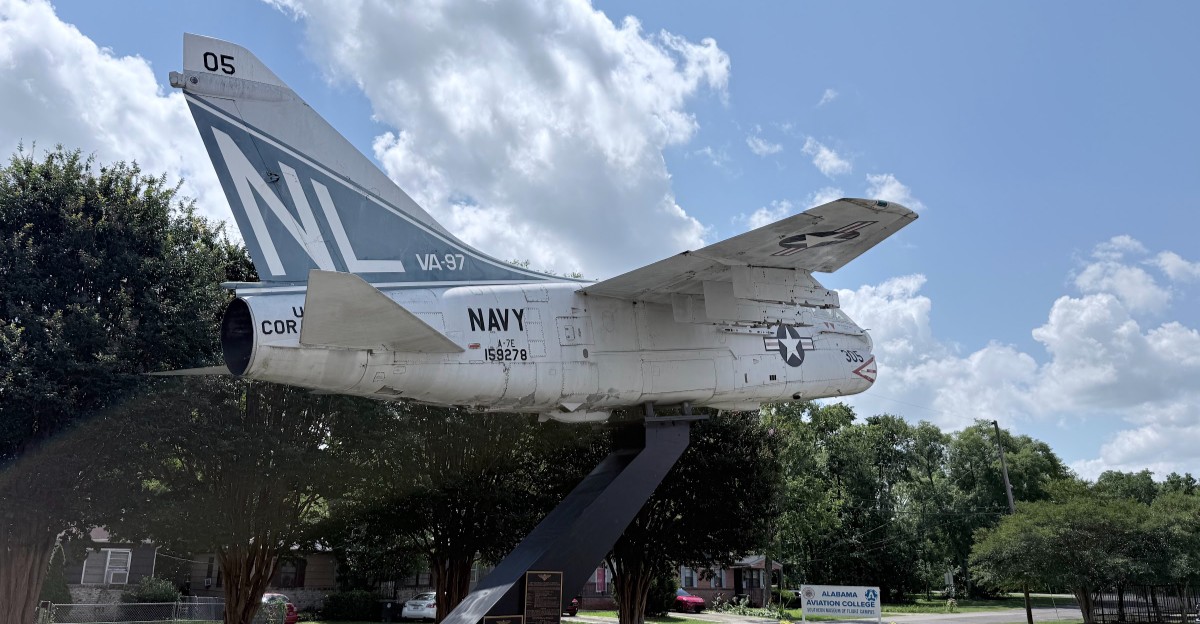
A World War II bomber sat 150 feet underwater for 62 years, and now its nose rests on a bed of dirt inside a museum. That alone got my attention.
The same building holds more than 100 aircraft, from early biplanes to a spy plane built to fly over three times the speed of sound. There’s even a crop duster tied to the very beginnings of a major airline.
I like how this Alabama spot mixes giant machines with small, human stories. Pilots, mechanics, and secret agents all get their moment here.
Kids can climb into training cockpits while grown-ups study engines sliced open like science projects.
More Than 100 Aircraft Are Waiting To Stretch Your Neck
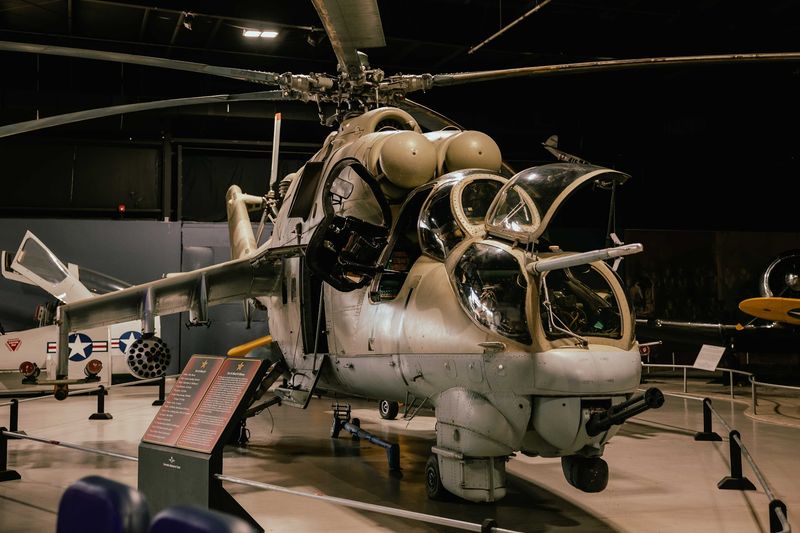
Few places let you go from the Wright brothers to Cold War jets in one afternoon. The Southern Museum of Flight pulls it off with more than 100 historic aircraft.
The museum sits close to Birmingham-Shuttlesworth International Airport. That location fits, since airplanes are basically the neighborhood’s favorite topic.
Its collection covers military, civilian, and experimental flight. You’ll find tiny early planes, rugged helicopters, and sleek jets built for speed.
The main goal is preserving the story of aviation in the South. Each aircraft connects to a bigger chapter about people who dreamed of leaving the ground.
I believe the variety is what makes it work. A plane fan and a curious beginner can both find something that grabs them.
Plan to look up a lot here. Some aircraft hang overhead, while others sit close enough to study every rivet and panel.
Give yourself a couple of hours if you can. Families often spend that much time and still feel like they missed something.
Bring a phone with plenty of storage. With this many planes, your camera roll is going to fill up faster than a fuel tank on a long flight.
A Bomber Rose From The Bottom Of A Lake
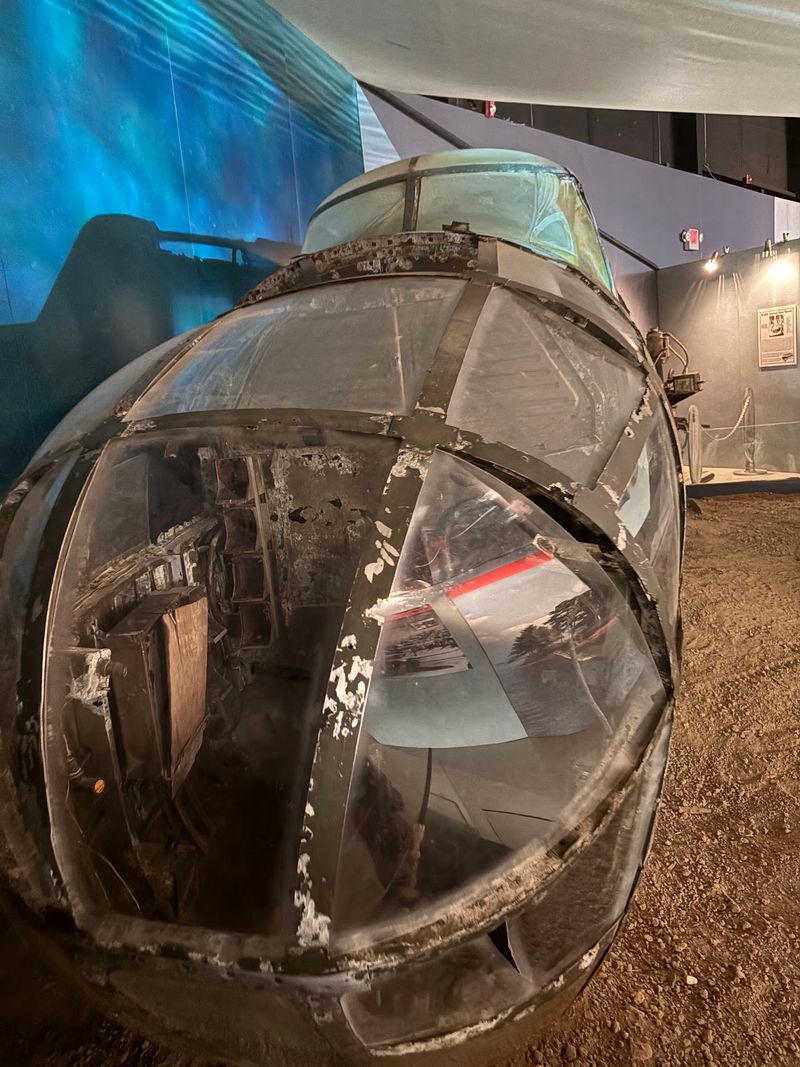
In 1943, a B-25 Mitchell bomber went down in South Carolina’s Lake Murray during a training exercise. It stayed 150 feet underwater for 62 years.
Recovery finally happened in 2005. The salvage effort was even filmed for the History Channel series Mega Movers.
Today the bomber’s forward section lives at the museum. It rests on a bed of dirt, set up to echo how it looked when it was found.
That choice makes the display feel raw and real. You’re not seeing a shiny restored plane, but a survivor with decades of lake time on it.
Look closely at the worn metal and the shape of the nose. Every dent hints at the long journey from training flight to museum floor.
The story also shows how much work goes into saving history. Pulling a heavy airplane from deep water takes planning, patience, and serious equipment.
Bring kids over and let them guess how long it sat underwater. Most will not guess 62 years.
Of all the exhibits here, this one tends to stick in your head long after you leave. Lakes rarely give things back, which makes this bomber special.
The Tuskegee Airmen Exhibit Deserves Your Slowest Walk
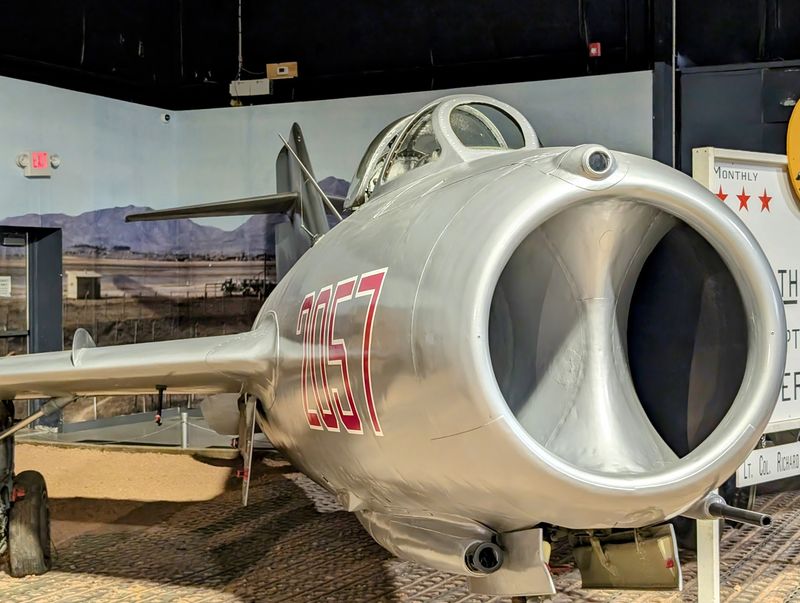
Some exhibits ask you to read. This one asks you to pause and really take it in.
The museum honors the Tuskegee Airmen, the pioneering African-American military aviators from World War II. Their training happened right here in Alabama, which makes the tribute feel close to home.
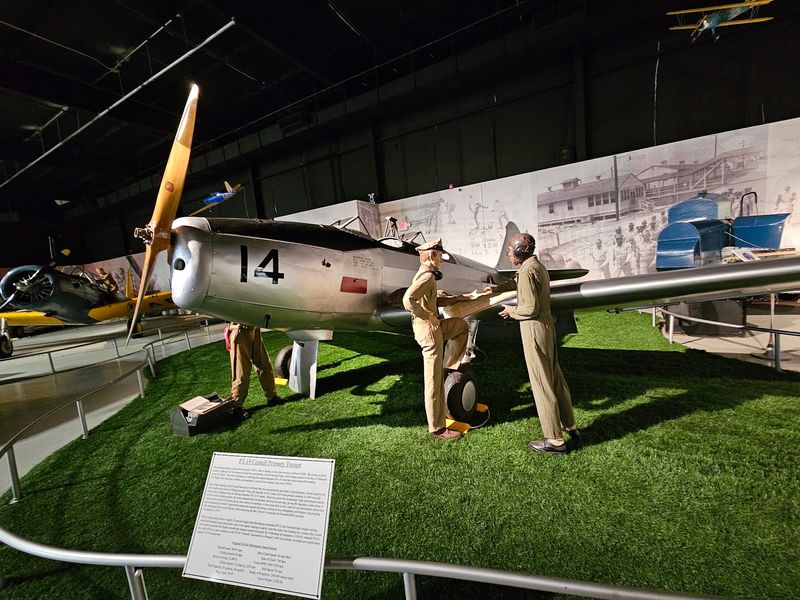
The display includes three WWII-era trainer aircraft. These are the types of planes young pilots learned on before heading into tougher assignments.
It also features the last known B-25 Mitchell flown by the Airmen. Seeing an actual aircraft connected to them makes the history feel personal.
These pilots faced unfair treatment and still proved their skill again and again. Their courage helped open doors for many future aviators.
Families with students will find plenty to talk about here. It’s a great spot to connect classroom lessons to a real piece of history.
Read the panels slowly and look at the faces in the photos. Each one belonged to someone who chased the sky when many people said no.
I can’t imagine a better way to understand their story than standing beside the planes they flew. That kind of closeness is hard to find in a textbook.
Spy Planes And Speed Demons Steal The Spotlight
Mach 3 is more than three times the speed of sound. The A-12 Cygnus at this museum was built to hit those speeds.
That long black body looks fast even when it’s sitting still. It’s the kind of plane that makes kids say “whoa” without being asked.
The collection also includes a rare SR-71-related drone indoors. Aircraft fans tend to cross these off their must-see lists with real excitement.
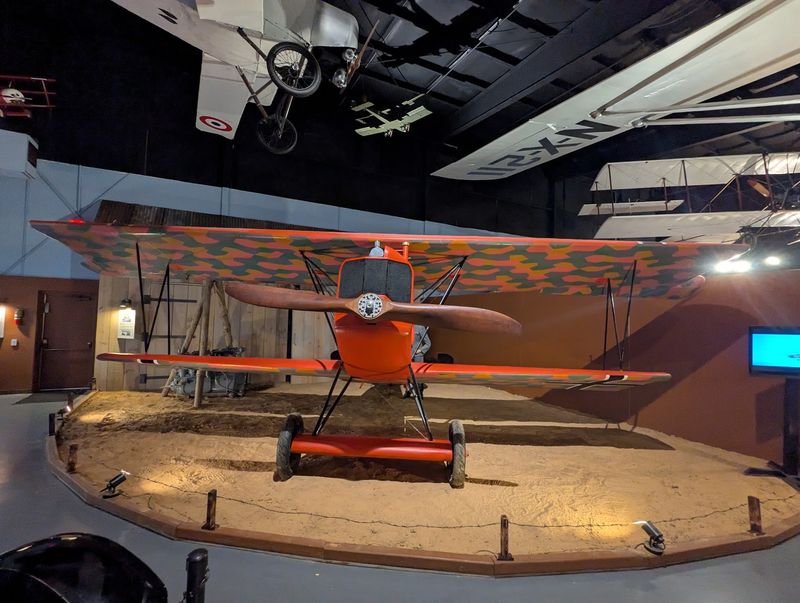
Then the museum swings the other way with a full-sized replica of the 1903 Wright Flyer. Going from wood and fabric to a Mach 3 spy plane is a fun mental leap.
A 1920s Huff-Daland crop duster adds another twist. Its story connects to the early roots of Delta Air Lines, which started out dusting crops.
Helicopters get attention too. A huge Mi-24 Hind and a Cobra exhibit show how rotor aircraft changed modern flight.
One heads-up for sensitive visitors is that the Cobra area plays battle sound effects. You may want to move through quickly if loud noises bother you.
Mixing old and new like this keeps the visit fresh. You never quite know what the next corner will hold.
Secret Missions Hide In The Shadow Gallery

Paintings of secret missions are not what most people expect at a plane museum. The Shadow Gallery delivers exactly that.
This space focuses on America’s covert operations through artwork and memorabilia. Many of the paintings show declassified CIA missions.
It’s a quieter, more mysterious part of the visit. You trade roaring engines for stories that were once kept under wraps.
The museum also has ties to the Bay of Pigs story. Birmingham-area pilots played a role, and the museum pays tribute to that chapter.
Take time with each painting. The artists captured moments that very few people ever saw in person.
Older kids and teens often love this gallery. Spy stories are hard to resist, especially when they turn out to be true.
Read the small labels for context. They explain the aircraft, the mission, and why it mattered.
This gallery adds a whole new layer to the trip. Airplanes are not just about speed and size, after all, but also about the jobs they quietly carried out.
You might leave with more questions than answers. Honestly, that feels right for a room about secrets.
Engines Sliced Open Show Off Their Inner Secrets
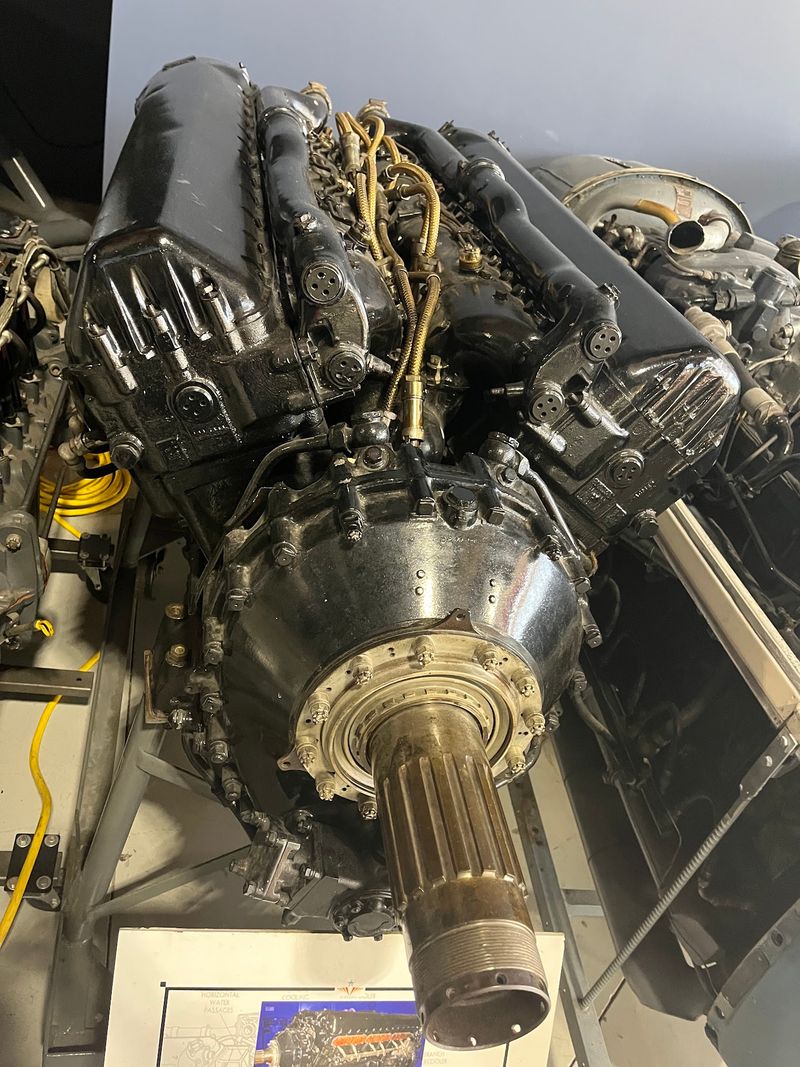
Ever wondered what actually spins inside an airplane engine? Here you can peek right in.
The museum has a large display of aircraft engines. Some are cut-away models that reveal pistons, gears, and moving parts normally hidden from view.
Engine fans often call this one of the best parts of the collection. The number of classic engines on display is impressive for a museum this size.
Nearby, the Model Gallery shrinks things down. Detailed airplane models line the cases, each built with careful attention to detail.
The standout is an eleven-foot model of the USS Enterprise. That World War II aircraft carrier played a huge role in naval aviation.
Models help you see whole fleets at once. A real carrier would never fit indoors, so this is the next best thing.
Curious kids can compare engine sizes and guess which planes they powered. It turns the exhibit into a fun little puzzle.
Grown-ups who like mechanics may linger here longer than planned. Somebody in your group will definitely say, “Just five more minutes,” at least twice.
Small exhibits like these give the big planes their backstory.
Little Pilots Get Their Own Runway Of Fun
Kids under the age of ten usually want to touch everything. This museum smartly gives them places where they can.
The Little Pilots Playroom sits near the entrance. Younger children can burn off energy there while still feeling part of the aviation fun.
Training cockpits let kids climb in and grab the controls. It’s a big moment for any child who has ever pretended their arms were wings.
A flight simulator lab gives visitors a virtual taste of piloting. There’s also an analog training simulator you can sit inside.
Most aircraft are hands-off, which makes sense for old planes. These interactive areas balance things out nicely.
The museum also hosts tours, camps, and field trips. Activities can include scavenger hunts and 3-D airplane design.
Restoration work happens on site too. Sometimes visitors can see technicians bringing aircraft back to life.
Parents, plan for snack breaks and patience. A child who finds the cockpits may not want to leave them.
That’s honestly a good problem. Today’s cockpit kid could be tomorrow’s pilot, mechanic, or engineer, and this place makes that dream feel reachable.
Alabama’s Flight Heroes Finally Get Their Names On The Wall
Nearly 80 biographical plaques line the Alabama Aviation Hall of Fame. Each one honors a person who helped shape flight in the state.
You’ll find pilots, pioneers, and innovators here. Some names may be new to you, which is part of the fun.
This section puts real faces on all that metal. After seeing so many machines, it’s nice to meet the people behind them.
The early aviation exhibits also highlight female pioneers in flight. Women played bigger roles in aviation history than many people realize.
Birmingham itself has a strong flight story. The museum shares plenty of local history that ties the city to the skies.
Try picking one plaque and reading it fully. One good story often sparks more curiosity than skimming twenty.
Teachers and homeschool families will find this area especially useful. It fits nicely with state history lessons.
I like that the museum gives credit where it’s due. Planes don’t fly themselves, at least not most of these.
Walking through the hall feels a bit like flipping through a family album. It’s just a family where everybody seemed to love altitude.
Save Time For The Planes Parked Outside
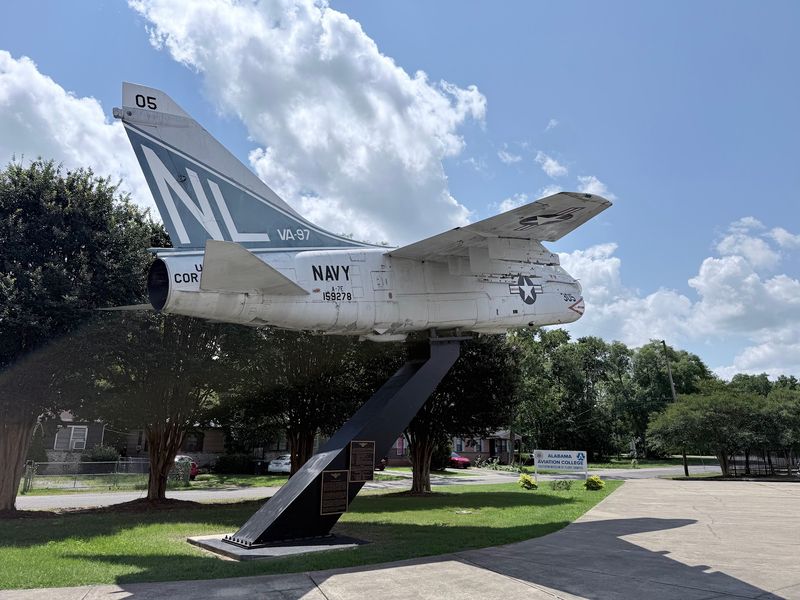
Your visit isn’t over when you exit the building. More aircraft wait outside, so keep your shoes tied.
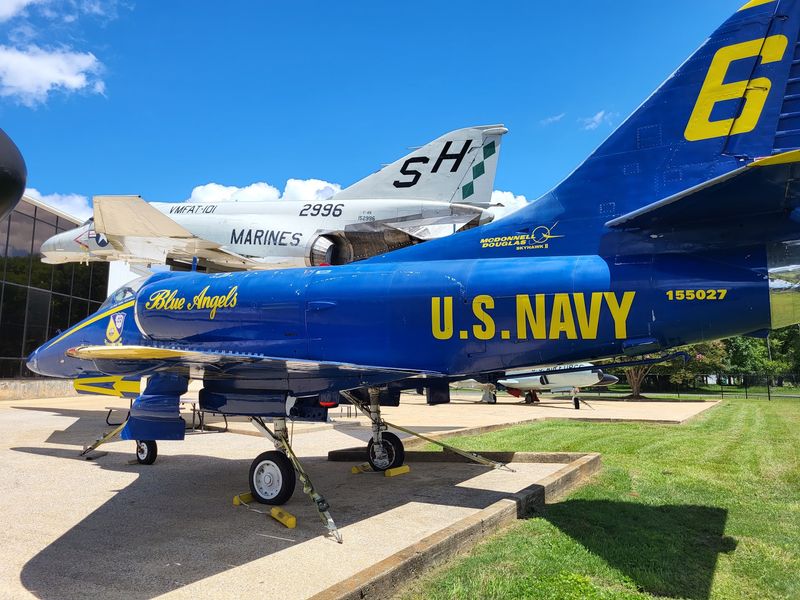
The outdoor exhibit features sixteen planes, many from the Vietnam era. Highlights include an F-4 Phantom jet fighter and a Huey UH-1 helicopter.
There’s an area beside the museum with fighter planes and picnic tables. Another fenced display sits a short distance away near airport property.
That second area holds military planes, helicopters, and transport aircraft. You view them from outside the fence, so bring zoom on your camera.
The Southern Museum of Flight is at 4343 73rd St N, Birmingham, AL 35206. It’s open Tuesday through Saturday from 9 a.m. to 4 p.m.
Mondays and Sundays are closed, so plan around that. Parking can get tight on busy days.
The museum honors ASTC reciprocity with other science museums. Check your membership before heading over.
A gift shop waits near the end for souvenir hunters. Small airplane lovers may negotiate hard there.
It also partners with Snead State Community College on aviation workforce training. For a place built on Alabama’s flying past, that future focus feels like a perfect landing.
