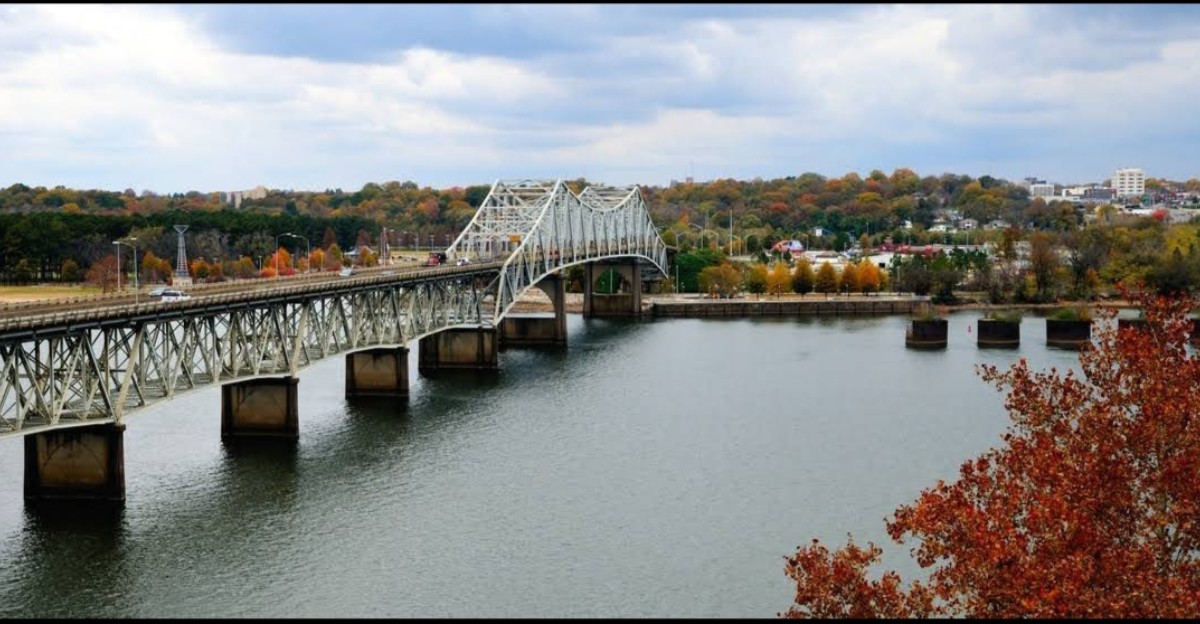
Nobody plans to spend three hours in a town they almost drove past. Until the leaves turn.
Then the stop becomes coffee. Coffee becomes a walk.
The walk becomes a covered bridge. Then somebody spots a waterfall and the schedule is officially gone.
That is the trouble with these Alabama towns in autumn. The roads may look quiet, but the scenery keeps giving you reasons to pull over.
Red and gold leaves frame old downtowns, mountain roads disappear into fog, and historic corners suddenly look much more interesting than they did on the way in. Each town has its own personality too.
Some are creative. Some are centuries old.
Some are simply very good at looking spectacular in October. No wonder locals would rather keep them to themselves.
1. Mentone, a Mountain Village Wrapped in Color
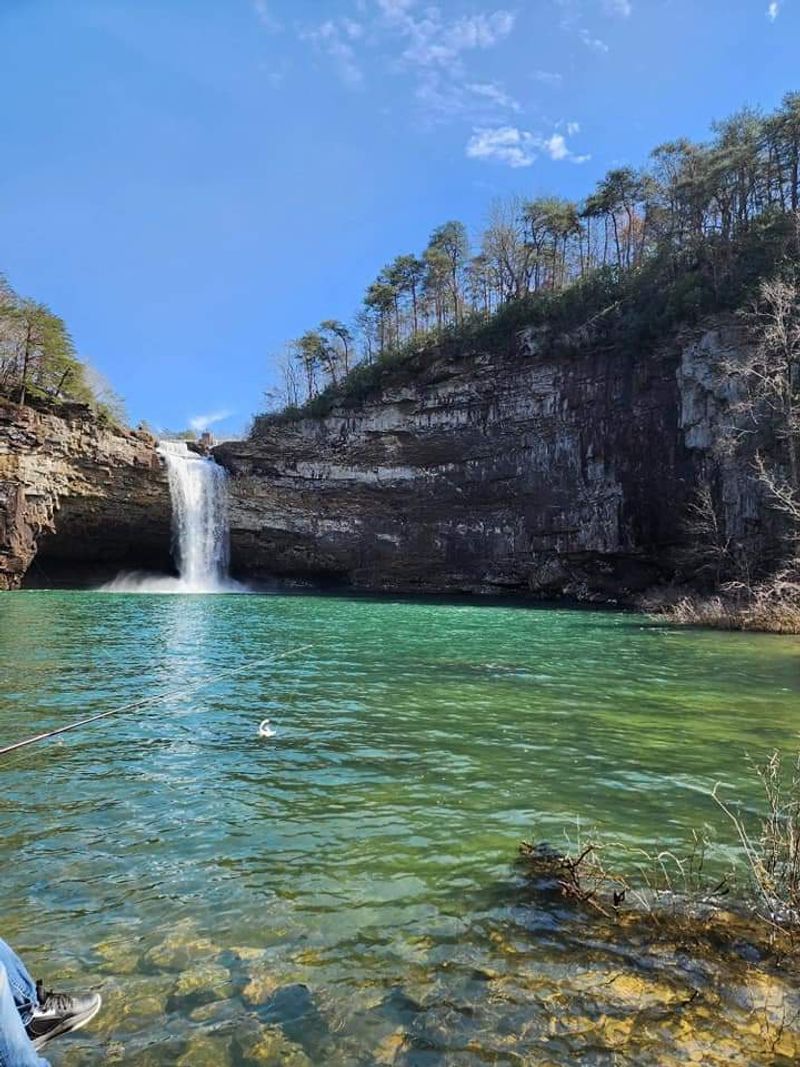
Morning fog likes to linger on Lookout Mountain, and Mentone seems perfectly happy to wait for it to lift. Victorian cottages peek out from the mist while hardwoods blaze in shades of copper, gold, and deep red.
Nobody here is in a hurry.
The tiny village center is made of rustic timber and stone buildings, many with wooden porches and rocking chairs that practically beg for a short break.
Craft shops sell handmade goods, and the Mentone Arts and Cultural Center hosts rotating exhibits and workshops that show off the creative streak running through this community.
It is the kind of place where artists have quietly settled for generations.
Adventure lives right next door, too. The Wilderness of Mentone offers kayaking and rock climbing for anyone who wants more than a scenic drive.
History fans can visit the Old Union Crossing Covered Bridge, a charming landmark that looks extra lovely with leaves drifting past it.
Plan at least one day for nearby DeSoto State Park, where trails lead to waterfalls and rocky overlooks. Little River Canyon National Preserve is also close, adding even more forest to explore.
Cozy bed and breakfasts make overnight stays easy and personal.
A smart tip is to arrive early on weekday mornings in late October. The roads are quieter, the fog is thicker, and the colors look almost unreal when the sun finally breaks through the trees.
2. Mooresville, Older Than Alabama Itself
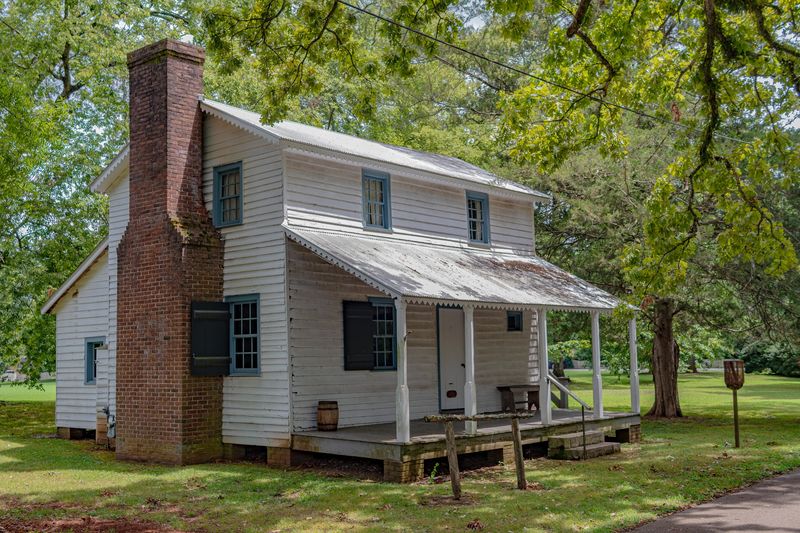
Here is a fun fact to share on the drive. Mooresville was incorporated in 1818, a year before Alabama even became a state, and the entire town sits on the National Register of Historic Places.
Only six main streets make up this tiny village, so seeing it on foot takes very little effort. Giant old trees form a leafy roof above the roads, and in autumn that roof turns yellow and orange.
White picket fences line neat yards, and porch swings still sway in front of homes that have watched two centuries pass by.
The Mooresville Post Office is the oldest continuously operating post office in Alabama. Sending a postcard from there feels pretty fitting for a town that looks like one.
Nearby, an 1820s Stage Coach Inn and an 1839 brick church add more layers to the story of early Southern life.
There are no big attractions or flashing signs. That is exactly the charm.
Mooresville rewards slow walkers, curious readers of historic markers, and anyone who enjoys the crunch of leaves underfoot.
Visitors should remember that people actually live in these historic homes. Stick to the streets, keep voices low, and enjoy the views from the sidewalk.
A quiet afternoon visit, with soft light filtering through the trees, makes the whole village glow like an old photograph come to life.
3. Oneonta and Its Famous Covered Bridges
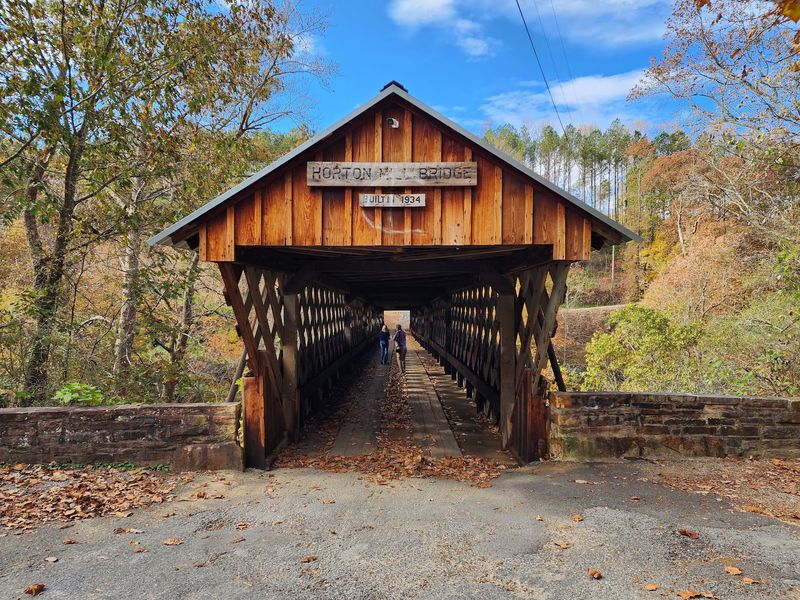
Three wooden bridges, one county, and a whole lot of fall color. Oneonta proudly calls itself the Covered Bridge Capital of Alabama, and a day spent hunting for its bridges proves the title is well earned.
Easley Covered Bridge is the oldest and shortest of the group, small but full of character. Swann Covered Bridge stretches across the Locust Fork of the Black Warrior River and looks especially striking with golden trees on both banks.
Horton Mill Bridge steals the show for height, sitting nearly 70 feet above the water and ranking among the highest historic covered bridges in the country.
Driving between them is half the fun. Back roads curve through farmland and forest, and every bend seems to reveal another hillside splashed with red and orange.
Save time for Palisades Park on Ebell Mountain. Wide views stretch over the valley, and the park also holds pioneer cabins, an old schoolhouse, an arboretum, and nature trails.
Look closely at the sandstone and limestone rocks, because some of them contain marine fossils from a time when water covered the area.
A simple tip helps a lot here. Download a map before heading out, since cell service can get spotty on country roads.
Packing a picnic for the park also makes sense, as the overlook is a perfect lunch spot with a view that changes color by the week.
4. Fort Payne, Gateway to a Canyon on Fire
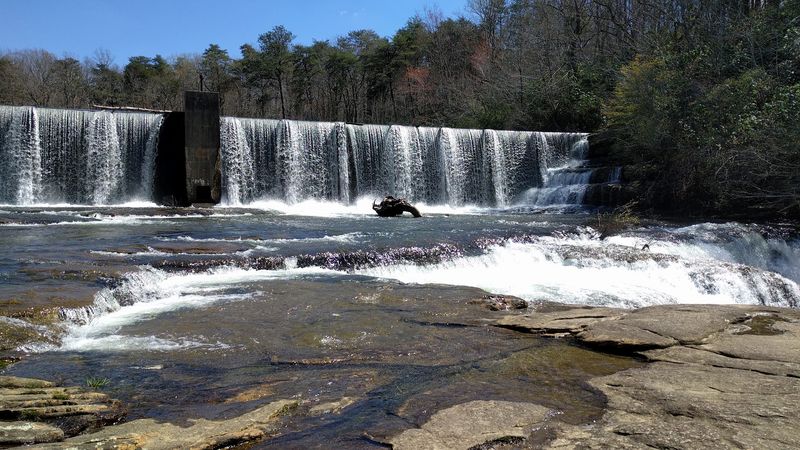
Cliffs that drop hundreds of feet are not what most people expect from Alabama. Fort Payne sits on Lookout Mountain and serves as the doorway to Little River Canyon National Preserve, home to one of the deepest canyons east of the Mississippi River.
Fall turns the canyon into layers of color. Sandstone walls rise above the winding Little River, emerald pools shimmer below, and dense forests cover every slope with orange, crimson, and gold.
Even the clouds seem to slow down to take a look.
The easiest way to see it all is the Canyon Rim Parkway, also known as Alabama Highway 176. Overlooks along the route offer sweeping views without much hiking, which makes it great for families or anyone with tired legs.
Bring a camera with a full battery, because stopping at just one overlook is nearly impossible.
For a closer look, hiking trails lead down toward waterfalls. Little River Falls, at the start of the canyon, is a favorite, and the sound of rushing water pairs nicely with the rustling leaves overhead.
Back in town, Fort Payne offers food, gas, and places to rest after a long day outdoors. Wear sturdy shoes, since rocks near the water can be slippery.
Weekday visits help avoid the busiest crowds, and late afternoon light makes the canyon walls glow in warm tones that photos can barely capture.
5. Cullman, Tiny Stone Cities and Rolling Farmland
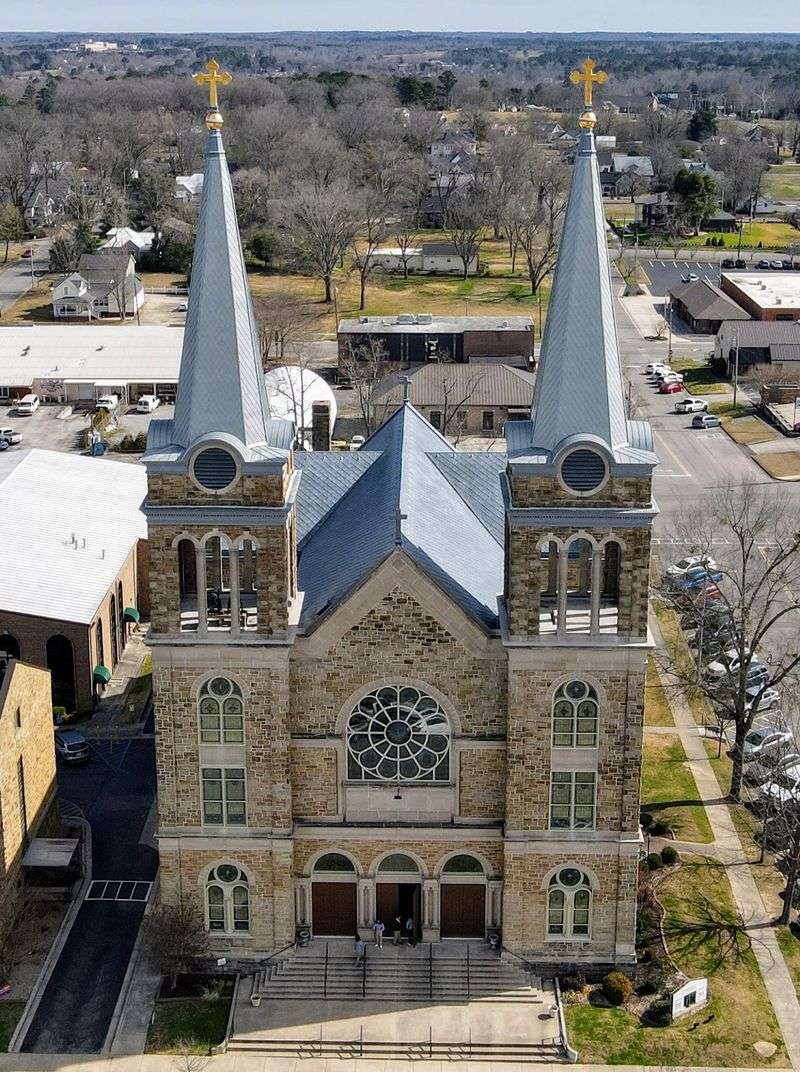
Picture an entire miniature world built from stone, shells, and bits of marble by a single Benedictine monk. That is the Ave Maria Grotto in Cullman, found at 1600 St Bernard Drive SE, and it ranks among the most unusual sights in the state.
Tiny versions of famous buildings fill a peaceful hillside garden. Every little tower and arch shows years of patient work.
Autumn adds a soft backdrop of turning trees, making the stroll through the grotto calm and thoughtful.
Cullman County also holds the Clarkson Covered Bridge, a long wooden landmark stretching 270 feet over a creek. Surrounded by changing leaves, it becomes one of the prettiest photo spots in north Alabama.
A small park around the bridge offers short walking paths and spots to sit and listen to the water.
The countryside is a big part of the fun. Scenic drives along U.S. 31 and U.S. 278 roll past farms, barns, and fields edged with colorful trees.
Roadside stands sometimes sell pumpkins and apples during harvest season, so keep an eye out.
Downtown Cullman has a friendly small-town feel with shops and places to eat between stops. A good plan is to visit the grotto in the morning, when the light is gentle, then head to the bridge in the afternoon.
The day ends up balanced between quiet reflection and open country views.
6. Florence, a River City in Golden Light
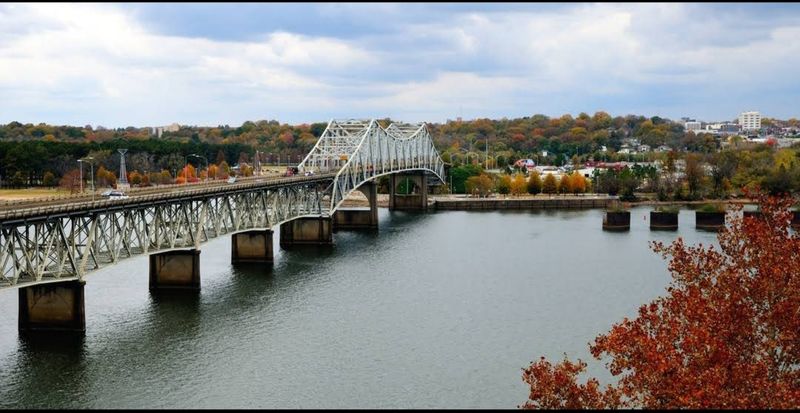
Old brick buildings, crisp sidewalks, and a river that reflects every shade of autumn give Florence a cozy, grown-up charm. Sitting in the Shoals region along the Tennessee River, this city mixes art, history, and nature in one easy package.
Downtown is made for wandering. Nineteenth-century buildings now hold boutiques, antique shops, cafes, and stores with handmade crafts.
A slow loop down the main streets, warm drink in hand, is about as relaxing as fall gets.
Wilson Park often buzzes with seasonal events, and the Kennedy-Douglass Center for the Arts displays local and regional work inside beautifully kept historic homes. Art lovers could easily spend a whole morning there.
Nearby, the Florence Indian Mound rises above the landscape, offering a wide view and a strong link to Native American history.
The Tennessee River is the city’s quiet star. Its calm surface mirrors the golden riverbanks, and many visitors simply sit and watch it drift by.
Fishing is popular here, too.
For more trees and trails, Joe Wheeler State Park is a short drive away. Its paths and shoreline showcase fall colors beautifully.
Florence works well as a home base for exploring the whole Shoals area, including nearby Tuscumbia. Booking a stay downtown makes it easy to walk to dinner and enjoy evening lights on the old storefronts.
7. Fairhope, Where Fall Meets the Bay
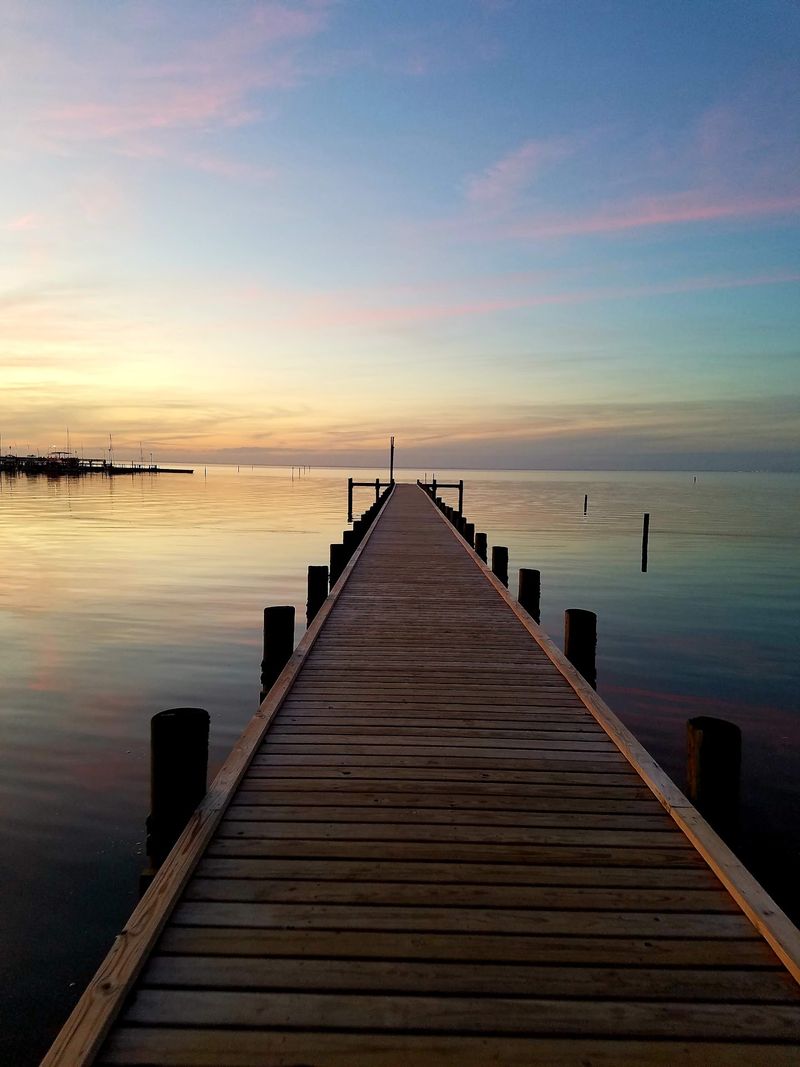
Not every autumn postcard needs mountains. Down on the Gulf Coast, Fairhope trades steep hills for the sparkling waters of Mobile Bay, and the result is a softer, breezier kind of fall.
Downtown feels like a garden that happens to have shops. Mature trees shade the streets, and flowers bloom in planters and beds almost everywhere.
Independent stores, galleries, and boutiques line Fairhope Avenue and the blocks around it.
Arts Alley adds a creative twist with murals and sculptures tucked along a pedestrian path. The Fairhope French Quarter brings a cobblestone courtyard and quirky little shops that feel a bit like Europe dropped into the South.
Kids and grown-ups alike enjoy spotting new artwork on each visit.
Sunset is the main event. The Fairhope Municipal Pier stretches far into the bay, and evenings there glow orange and pink as the sun slips toward the water.
Bring a light jacket, since bay breezes get chilly after dark.
The town began as a planned community focused on fair economic ideas, which helps explain its love for public parks and protected trees. That care shows everywhere.
While northern Alabama blazes with red leaves, Fairhope offers mild weather, salty air, and golden light. Visiting in late fall is a clever way to stretch the season, especially for anyone who wants scenery without the cold.
8. Tuscumbia, Waterfalls and a Famous Childhood Home
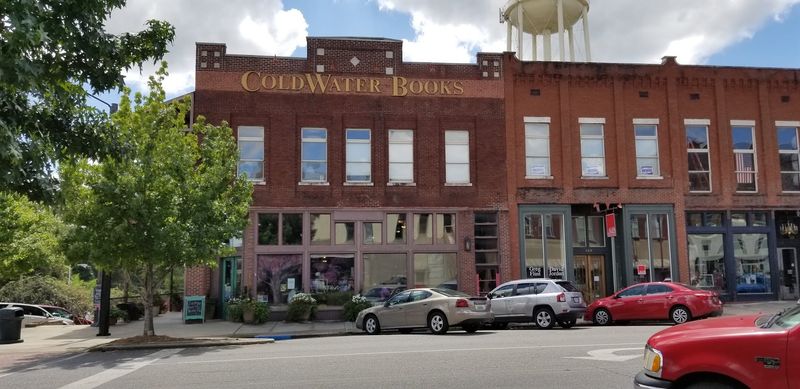
Helen Keller learned her first word at a water pump in Tuscumbia, and that small moment changed history. Her childhood home, Ivy Green, sits at 300 West North Commons and welcomes visitors who want to see where her remarkable story began.
Built in 1820, the house and its grounds feel peaceful and personal. Autumn leaves drift across the lawn, adding warmth to an already moving visit.
The famous pump is still there, and many guests pause beside it for a quiet minute.
Spring Park offers a totally different mood. Coldwater Falls, a man-made waterfall built from local sandstone, tumbles beside walking paths that loop through the park.
Trout fishing is allowed year-round, so anglers can join the fun too.
Downtown Tuscumbia has charming streets with local shops and eateries. Each fall, merchants set up a Scarecrow Trail, filling sidewalks with silly, creative, and sometimes spooky scarecrows.
Families love voting for favorites.
Nature lovers should not skip Cane Creek Canyon Nature Preserve. Its winding trails lead to waterfalls and overlooks surrounded by trees changing color.
Belle Mont Mansion is another historic stop worth a look for its graceful architecture. Pairing Tuscumbia with Florence across the river makes for a full and rewarding weekend in the Shoals.
9. Scottsboro, Mountains Rolling Down to the Lake
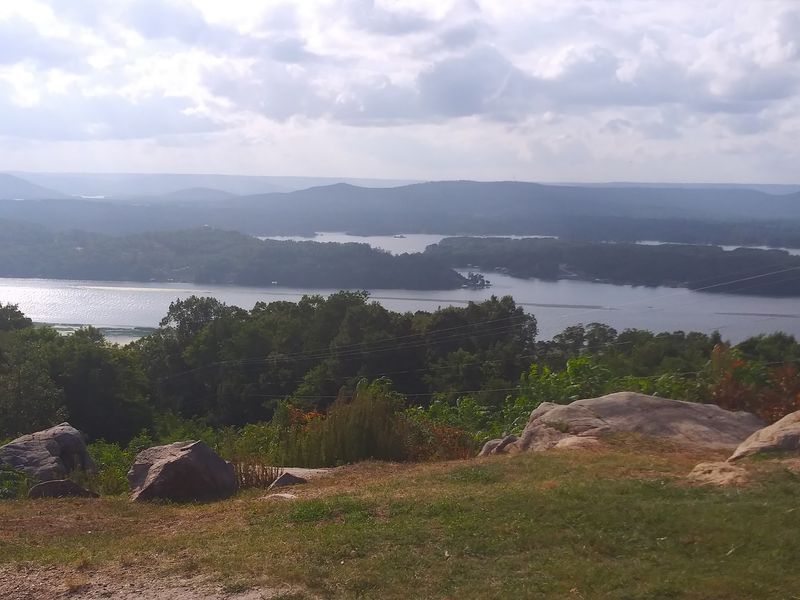
Locals call it the place where the mountains meet the lakes, and the motto is not just clever marketing. Scottsboro sits at the tail end of the Appalachian Mountains, right beside Lake Guntersville and the Tennessee River.
That mix creates a gorgeous fall scene. Wooded ridges turn bright orange and red, and the lake below reflects every color like a giant mirror.
Boating and fishing are popular ways to soak it all in from the water.
Weathington Park Overlook offers one of the best mountain views in the area, especially on a clear afternoon. Goose Pond Colony is great for a slow walk around the water, often with a few honking geese for company.
They are not shy.
Scottsboro is also home to the famous Unclaimed Baggage Center, where lost airline luggage finds new owners. It is a quirky stop that sparks plenty of laughs and surprising finds.
History fans can explore the Scottsboro-Jackson Heritage Center and the Scottsboro Railroad Depot Museum for a look at local roots.
For a wilder side trip, Sauta Cave National Wildlife Refuge protects native wildlife and unique habitat nearby. Scottsboro makes a relaxing final stop on any autumn tour.
Plan an evening by the lake, watch the hills glow at sunset, and enjoy the calm before heading home with a camera full of color.
