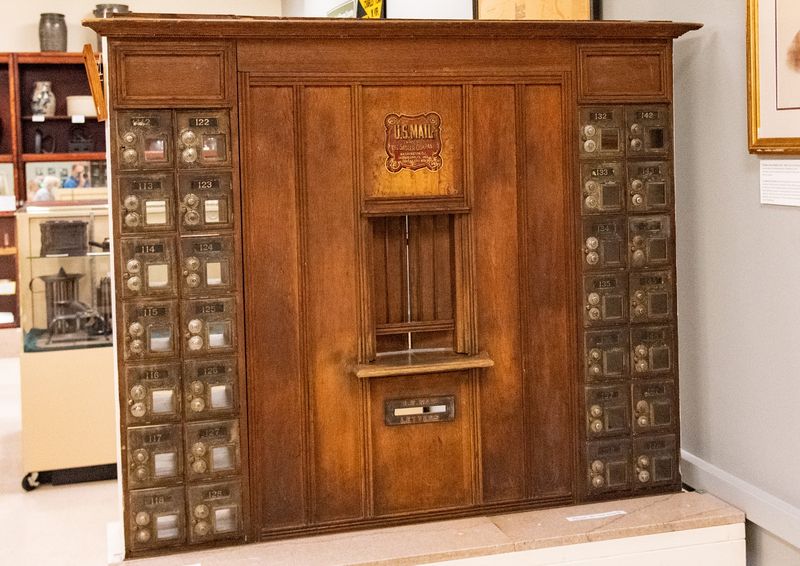
Picture a farm family in West Virginia, waiting days or even weeks for a letter because the nearest post office was a long wagon ride away. Then one crisp autumn morning, a few men on horseback changed all of that, and the whole country followed.
The story of how mail first came to the farmhouse door started right here in the Mountain State, and you can still feel its echo in a small, friendly museum that holds far more than you would guess from the outside. If you love hometown history, this one is worth the drive.
A Mailbag Revolution in the Eastern Panhandle
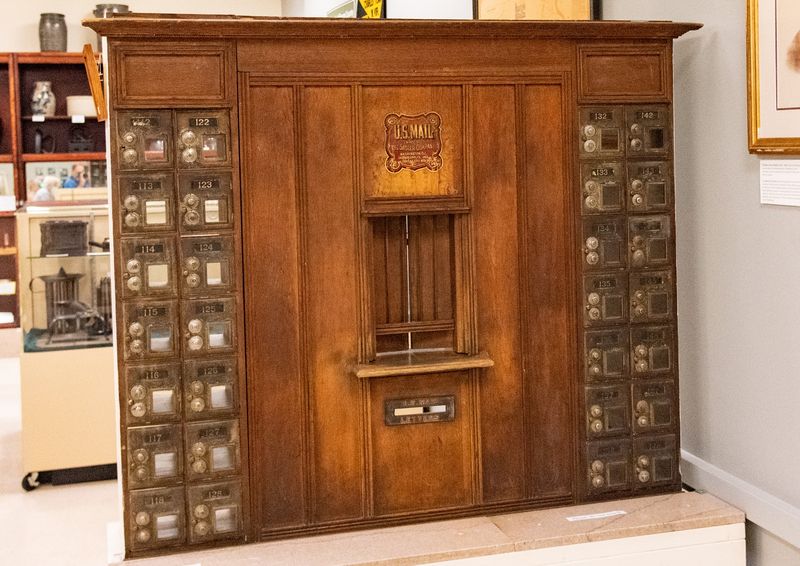
October 1, 1896, does not show up on many calendars, but folks in the Eastern Panhandle have good reason to remember it. On that day, the first experimental Rural Free Delivery routes in the United States began in Jefferson County, West Virginia.
Until then, city families had enjoyed free delivery since 1863, while country families, who made up most of the nation, had to travel to a post office or pay a private carrier. A farmer might reportedly wait a week before hearing news from a cousin two counties over.
The experiment changed that picture. Routes reached out from three communities in the county, carrying letters, newspapers, and packages straight to rural homes.
Within a year, the idea had spread to dozens of routes across many states, and by 1902 it became a permanent national service.
Today, the best place to soak up the history of this corner of West Virginia is a small museum dedicated to the county itself. It does not shout about its treasures.
Instead, it quietly holds stories that stretch from the earliest settlers to famous trials, and it gives the RFD tale a fitting home turf. We will get to the exact spot a little later.
Five Riders and Roughly Ten Miles of Country Lanes
Saddle up, mentally at least, and imagine the clop of hooves on a dirt road. Five men on horseback launched the service, and their names still matter to local history buffs.
Harry C. Gibson, John W.
Lucas, and Frank Young rode out from Charles Town. I.
Keyes Strider carried mail from Halltown, while Melvin T. Strider handled the Uvilla route.
Each early route reportedly covered around ten miles of rural terrain, through rolling farmland, past fence lines, and over creeks that could turn muddy after a good rain.
Think about what those riders faced. There were no paved roads, no heated cabs, and no GPS.
They relied on memory, good horses, and a fair bit of grit. Families along the way soon learned to watch for them, and many carriers likely became familiar, trusted faces in the neighborhood.
Over the years, rural carriers across the country earned a reputation as a lifeline to the wider world. They brought seed catalogs, letters from soldiers, and newspapers that kept farm families informed.
It all traces back to a handful of Jefferson County men who simply climbed on their horses and started riding one fall morning.
The Hometown Postmaster Who Made It Happen
Funny how big national changes often come down to someone remembering where they grew up. That seems to be part of the RFD story too.
Postmaster General John Wanamaker first floated the idea of rural free delivery in 1889. Plenty of people doubted it, worrying about cost and whether carriers could really serve scattered farms.
Farm groups, especially the National Grange, kept pushing anyway, and Congress eventually set aside $40,000 for an experiment.
Enter William L. Wilson, a Jefferson County native who was serving as Postmaster General when the money came through.
He was instrumental in launching the trial right in his home county, which is how a quiet stretch of West Virginia earned a national first.
There is something warmly familiar about that. Many of us know a local person who went off, did well, and never forgot the folks back home.
Wilson’s choice gave his neighbors a front-row seat to history, and it reportedly proved the skeptics wrong fast. Within a year there were 44 routes in 29 states.
For West Virginians, it is a fine bit of hometown pride to share at the next family reunion or church supper.
Catalogs, Newspapers, and a Less Lonely Farmhouse
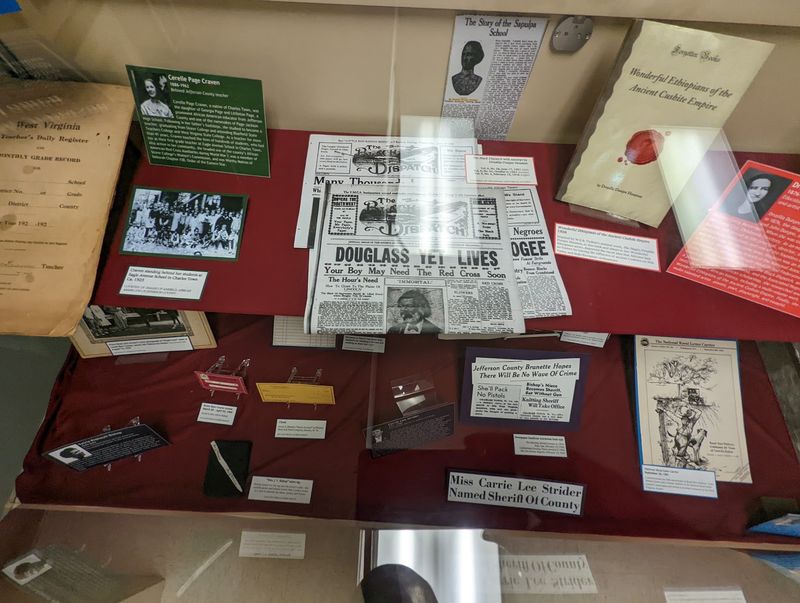
Ask your grandparents about the wish book, and you might get a big grin. Those thick mail-order catalogs owe a lot to rural delivery.
Once mail came straight to the farm, companies like Sears, Roebuck and Co. and Montgomery Ward reportedly saw their business grow quickly. A farmer could order tools, fabric, or a new stove without hitching up the wagon for a long trip to town.
Kids could circle toys they hoped to find under the tree.
Newspapers and magazines also arrived more regularly, so rural families kept up with prices, weather, and world events. Letters from distant relatives came faster.
Bit by bit, the old feeling of isolation began to fade, and country folks felt more connected to the rest of the nation.
Many historians describe RFD as one of the quiet changes that reshaped country life. It did not come with fireworks, just a carrier and a mailbag, yet it may have done as much as any new road to bring rural America closer together.
So next time you walk down to the mailbox at the end of the lane, give a little nod to those Jefferson County riders who started it all.
Charles Town’s Small Museum With a Big Memory
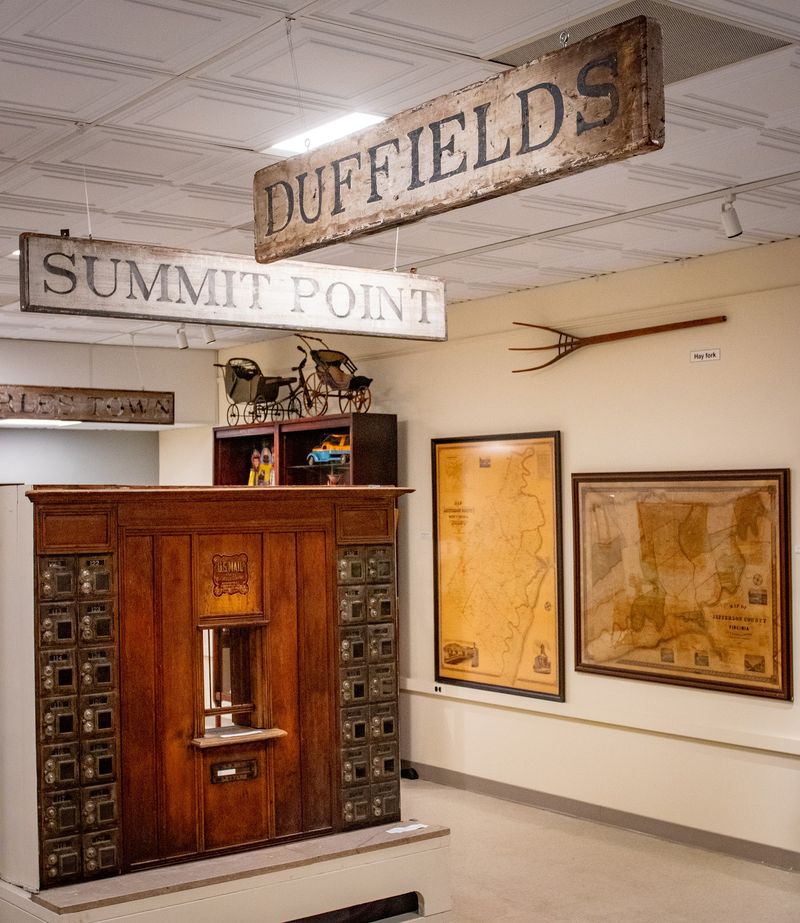
Here is where the trip gets real. The Jefferson County Museum sits at 200 E Washington St in Charles Town, the same town where three of those first RFD riders began their routes.
It is a small museum dedicated to county history, with rotating exhibits and a collection of items that trace how the area grew and changed over time. Visitors often mention the modest square footage, then quickly add that the stories inside are anything but small.
That is the charm. You are not wandering a giant, echoing hall.
Instead, you move from display to display at an easy pace, reading placards packed with local surprises. One recent guest pointed out learning that a man living near Ranson reportedly designed the fence around the Statue of Liberty, and that typewriters were once considered a man’s tool.
Those kinds of facts are what make a county museum special. They connect big national stories to people who walked the same streets you just parked on.
For anyone curious about how this corner of West Virginia shaped the country, including the birth of rural mail, this is a natural place to start your day in town.
The John Brown Wagon and Other Showstoppers
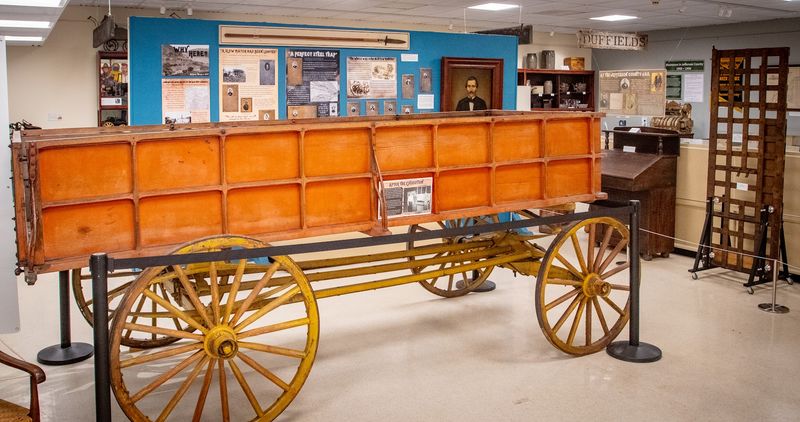
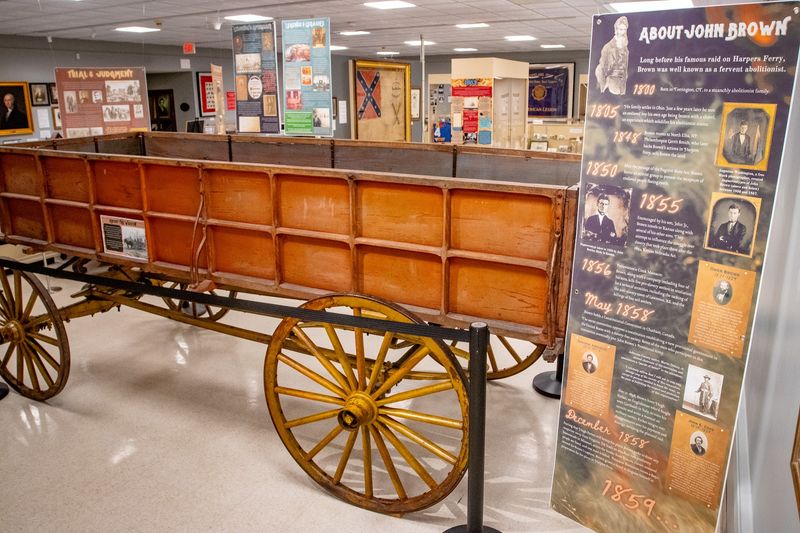
Step inside and one artifact tends to steal the spotlight. Visitors frequently point to the wagon that carried abolitionist John Brown to his final stop in 1859, which is among the best-known pieces in the collection.
Standing near it, you can almost hear the creak of wooden wheels on Charles Town’s streets. It is a sobering, powerful object, and it helps explain why this town sits so firmly in the pages of American history books.
The collection goes well beyond that one wagon. Guests describe plenty of interesting artifacts, and several mention enjoying the exhibits on Charles Washington, the brother of George Washington who gave the town its name.
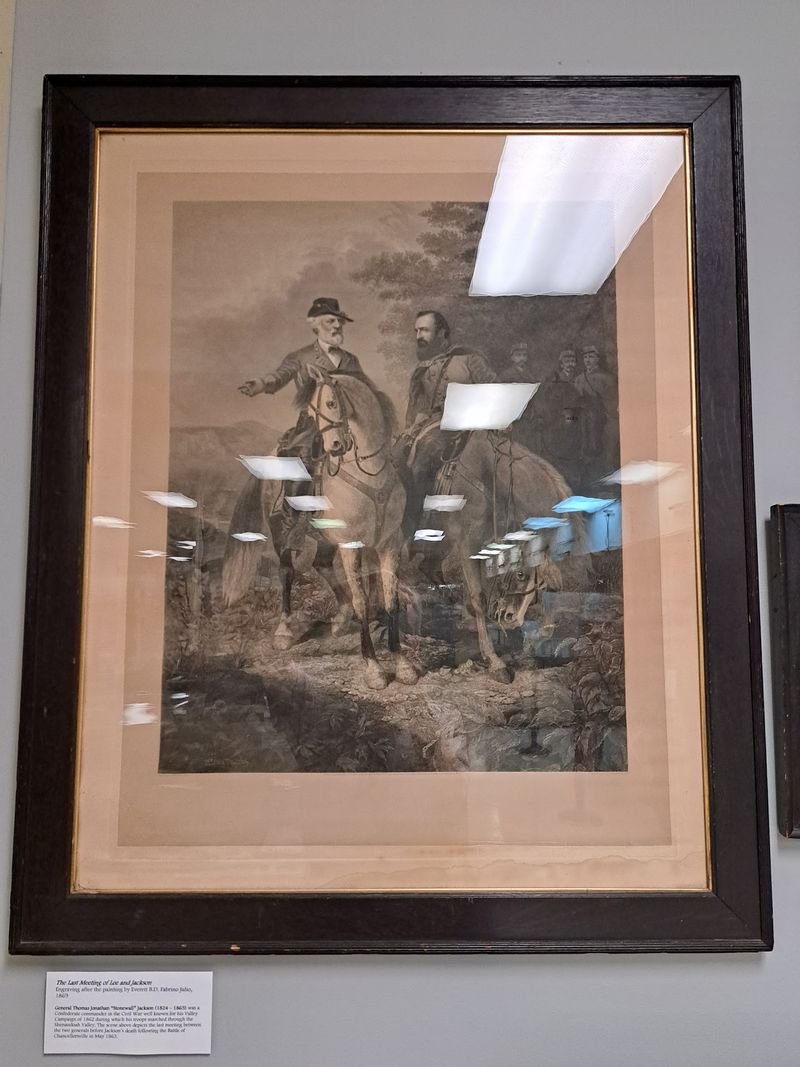
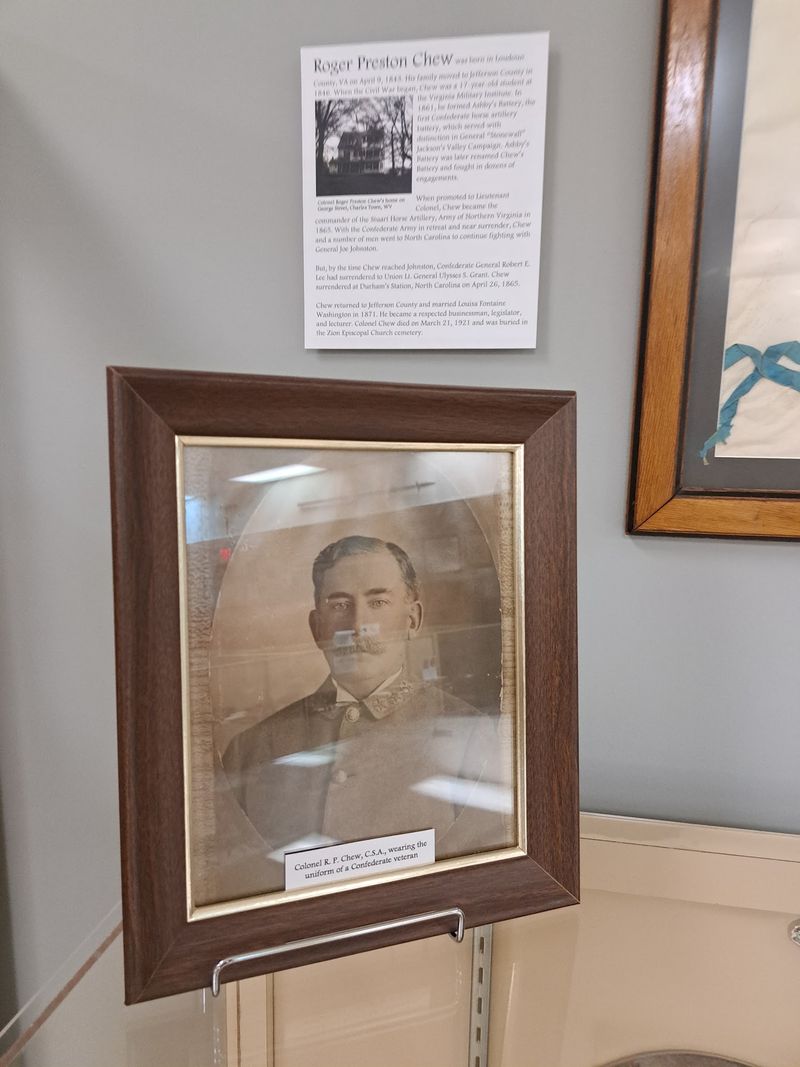
Displays on the Civil War also earn praise, which makes sense in a county that saw so much of that era up close.
Because exhibits rotate, what you see on one visit may differ on the next. That gives locals a good excuse to return, maybe with grandkids in tow.
Whether you came for John Brown, the Washington family, or simply a better understanding of where mail delivery got its rural start, the artifacts here tell a layered story worth taking slowly.
Friendly Docents and an Unhurried Pace
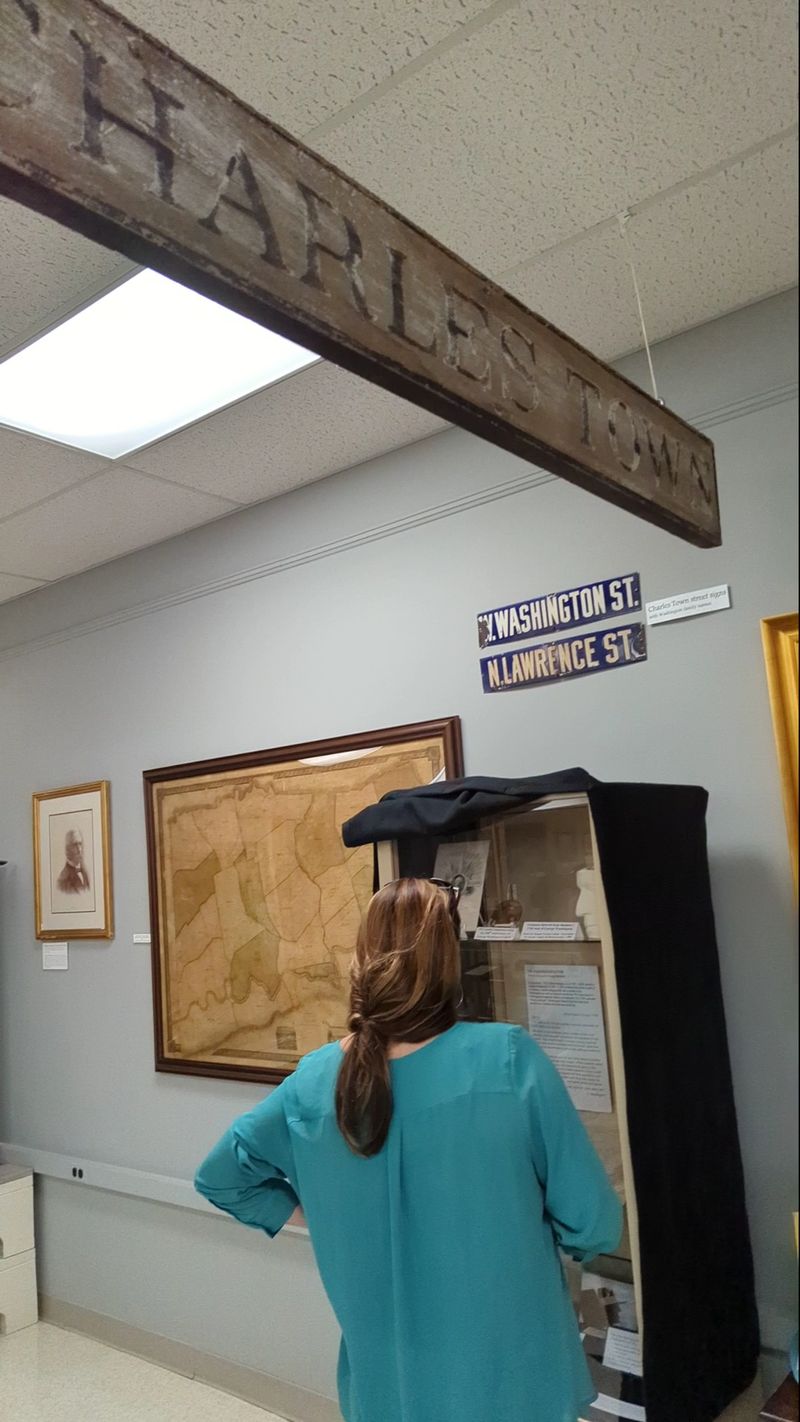
Some museums feel like libraries where you are afraid to whisper. Not here.
Visitors repeatedly mention friendly staff who are happy to answer questions about both the exhibits and the surrounding area. One guest credited the docent with being very informative about local history, while another had the good luck of touring alongside two local historians who brought every display to life.
That personal touch suits the place well. If you are a retiree with a lifelong love of history, you will likely find kindred spirits behind the desk.
Families with curious kids get patient answers instead of a quick shrug. First-time visitors to the area say it is a smart early stop, since it helps everything else in town make more sense.
The pace is relaxed. You can linger at a placard, step back, and come around again without anyone rushing you along.
Many people find an hour or so feels about right, though history buffs may want more.
It feels a bit like visiting a well-read neighbor who has kept every old letter and photograph, and who is genuinely glad you stopped by to hear the stories behind them.
Hours, Admission, and the Exact Address
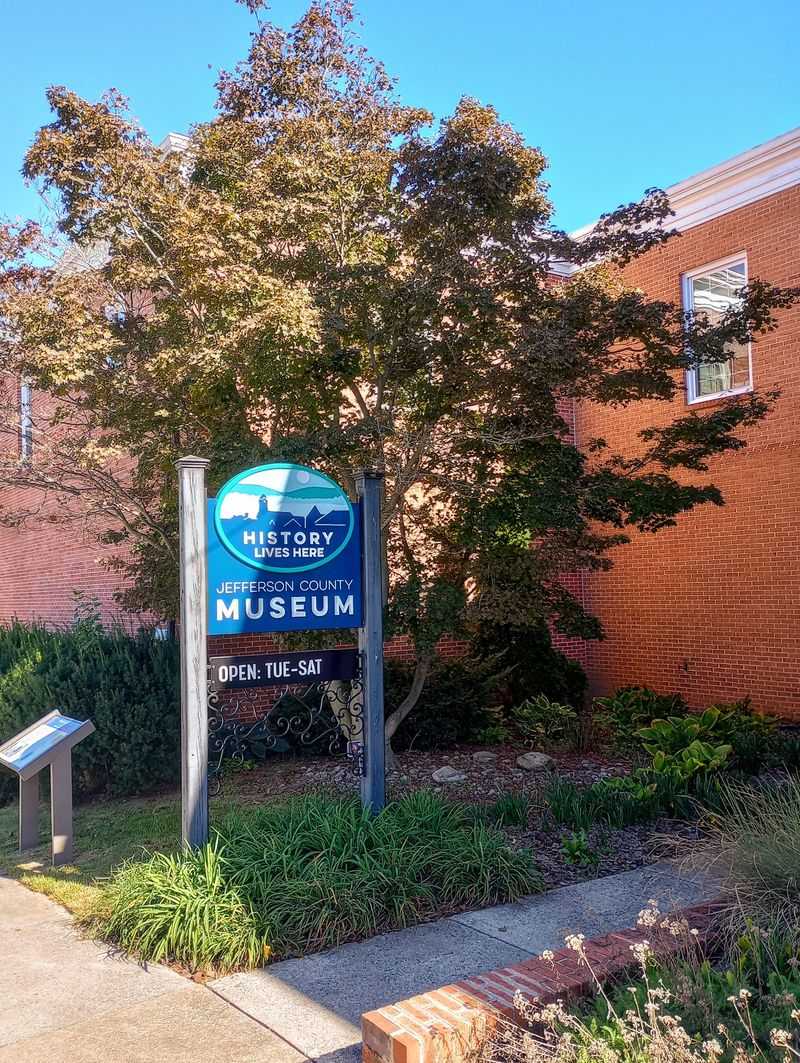
Good news for anyone on a fixed income: a visit here will not strain the budget. One guest noted admission of about $4 per person, and Jefferson County residents reportedly get in free.
Prices can change, so checking the museum website before you go is a smart move.
Timing matters, since the schedule is not seven days a week. The museum is typically open Tuesday through Friday from 10 a.m. to 4 p.m., and Saturday from 9 a.m. to 1 p.m.
It is closed on Sundays and Mondays.
Saturday mornings work nicely if you want to pair the museum with lunch or a stroll around downtown afterward. Weekday afternoons tend to feel calm and easy, which suits slower browsing.
The exact address is 200 E Washington St, Charles Town, WV 25414. It sits right in the historic heart of town, making it easy to fold into a broader day exploring the area.
For the latest details on exhibits or special events, the official website at jeffcomuseumwv.org is your best bet. A quick look before leaving home can save you from arriving on a closed day.
A Fitting Stop for Mail-Day Nostalgia
Remember running down the lane to see if the mail carrier had come? For a lot of West Virginians, that little daily thrill is a cherished memory, and it started with a bold experiment in Jefferson County.
A trip to the Jefferson County Museum will not hand you a parade or flashy screens. What it offers instead is quieter and maybe more meaningful: a chance to stand in the town where rural free delivery began, surrounded by the stories of the people who shaped this county.
History lovers, retirees looking for an affordable outing, and families wanting a gentle lesson in hometown pride all seem to leave happy. The friendly staff, the famous wagon, the Washington family exhibits, and those surprising little facts on the placards add up to a memorable visit.
Afterward, take a slow drive along a country road nearby. Watch for mailboxes standing at the ends of driveways, and think about those five riders heading out in 1896.
Do you have a favorite memory of your family’s mail carrier or an old catalog that came to the house? It just might be worth sharing.
