Cool mountain air hits first, carrying the scent of pine and old brick. A long row of stately buildings stretches ahead, ivy creeping up walls and rows of windows glinting in the sun.
Photos online do not capture how huge and quiet this Pennsylvania place really is. Over a hundred years, these 32 acres have served as a tuberculosis hospital, a care center, and a state prison.
Today, curious travelers roam about 20 buildings and slip into the tunnels underneath. Walking those grounds, the weight of all those lives settles in slowly.
The architecture is grand, the silence is heavy, and the stories seem to echo off the brick. Leaving with dusty shoes and a full camera roll is inevitable, along with a head buzzing with tales that refuse to fade.
This is the kind of stop that stays with you long after the drive home.
A Gift of Land and Mountain Air
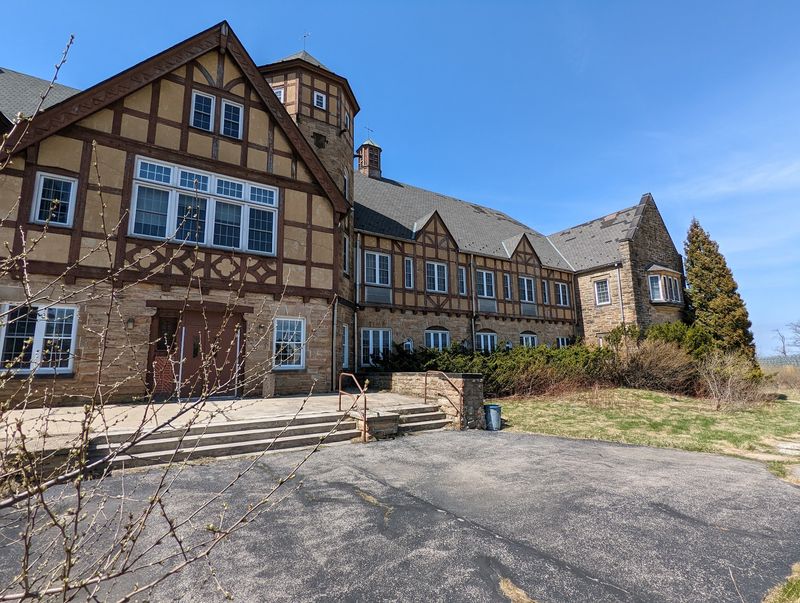
My first lap around the grounds had me staring up at the old Tudor-style buildings like a kid at a museum. The Cresson Sanatorium opened in 1913 as a place to fight tuberculosis, a lung disease that spread fast and scared nearly everyone back then.
Doctors believed that clean mountain air, sunshine, and rest could help patients heal.
Here is a fun bit of history that surprised me. The land was donated by steel giant Andrew Carnegie, who had once planned to build a mansion for his mother right on this spot.
Instead of a fancy home, the hilltop became a hospital that would care for thousands of people.
The campus was built to run like its own small town, with a power plant, water systems, kitchens, and maintenance shops. I loved picturing patients resting on porches and taking slow walks across the lawns, breathing deeply and hoping to get better.
If you visit, take a few minutes outside before heading indoors. Look at the rooflines, the brickwork, and the way the buildings face the open sky.
Knowing why they were placed this way makes everything you see inside feel more meaningful, and it sets the mood for the rest of your adventure.
From Hospital Halls to Cell Blocks
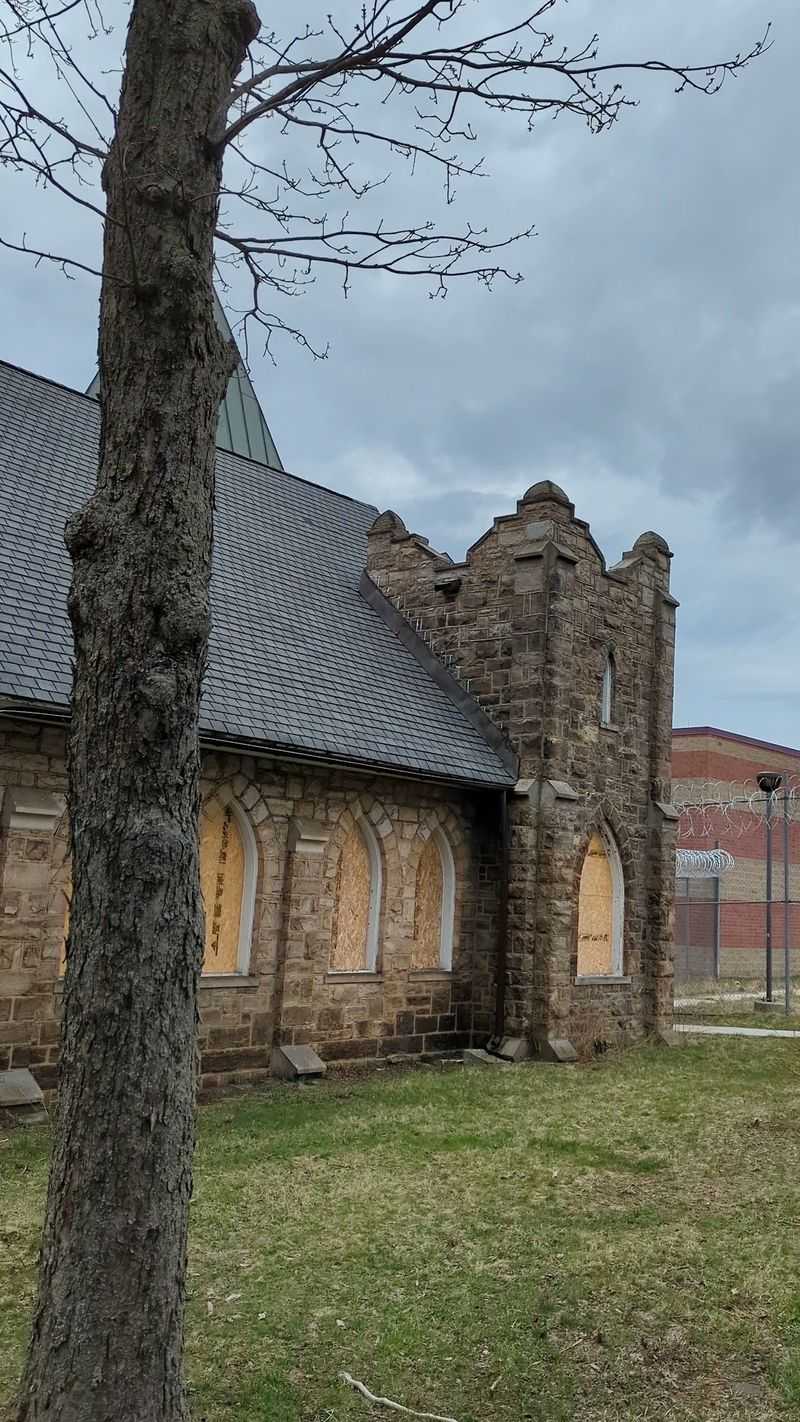
Honestly, the strangest part of my visit was seeing a gentle old hospital building sitting right next to a gray prison block. Once new medicines began beating tuberculosis, the need for big sanatoriums faded.
In December 1956, the site became part of the Lawrence F. Flick State Hospital, which cared for people with intellectual disabilities.
The biggest change came in 1983, when the state began turning the campus into a prison. The redesign took years, and SCI Cresson, a medium-security state prison, welcomed its first inmates in 1987.
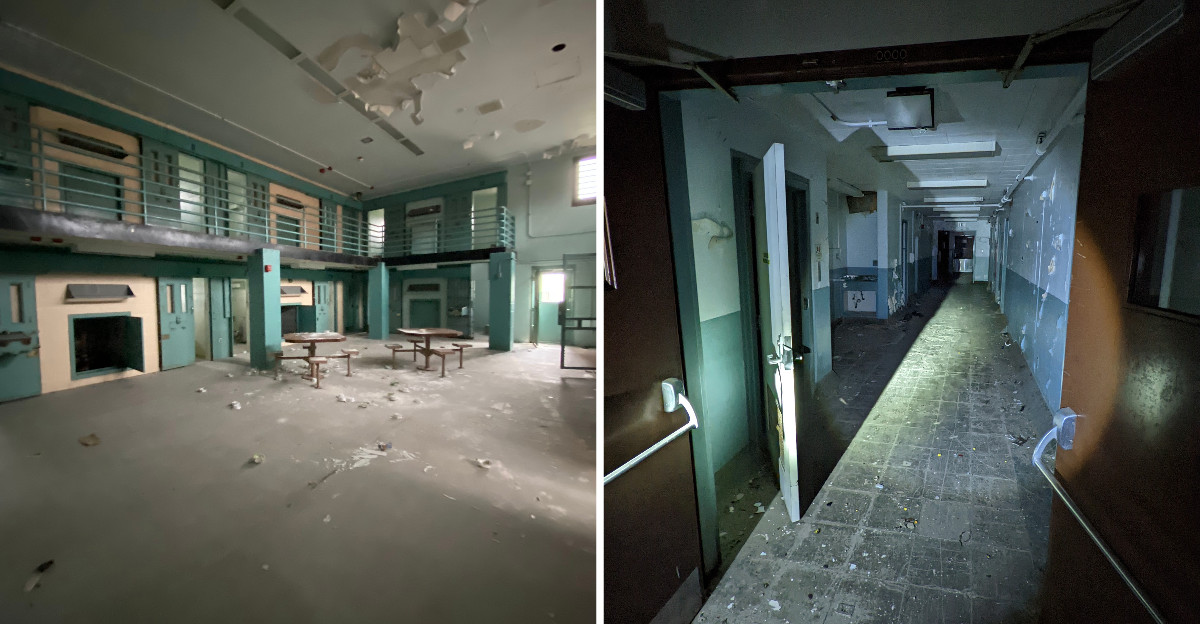
For more than twenty-five years, the campus held people behind fences and heavy doors. The prison closed on June 30, 2013, with the state pointing to the age of the buildings and the high cost of keeping them running.
As I moved between areas, I kept playing a little game of spot the era. Pretty arched windows usually meant the hospital days, while thick walls, bars, and plain concrete hinted at the prison years.
Try it yourself as you explore. You will start reading the buildings like the pages of a history book, and each chapter has its own feeling, from hopeful to heavy.
Secret Passages Under the Lawns
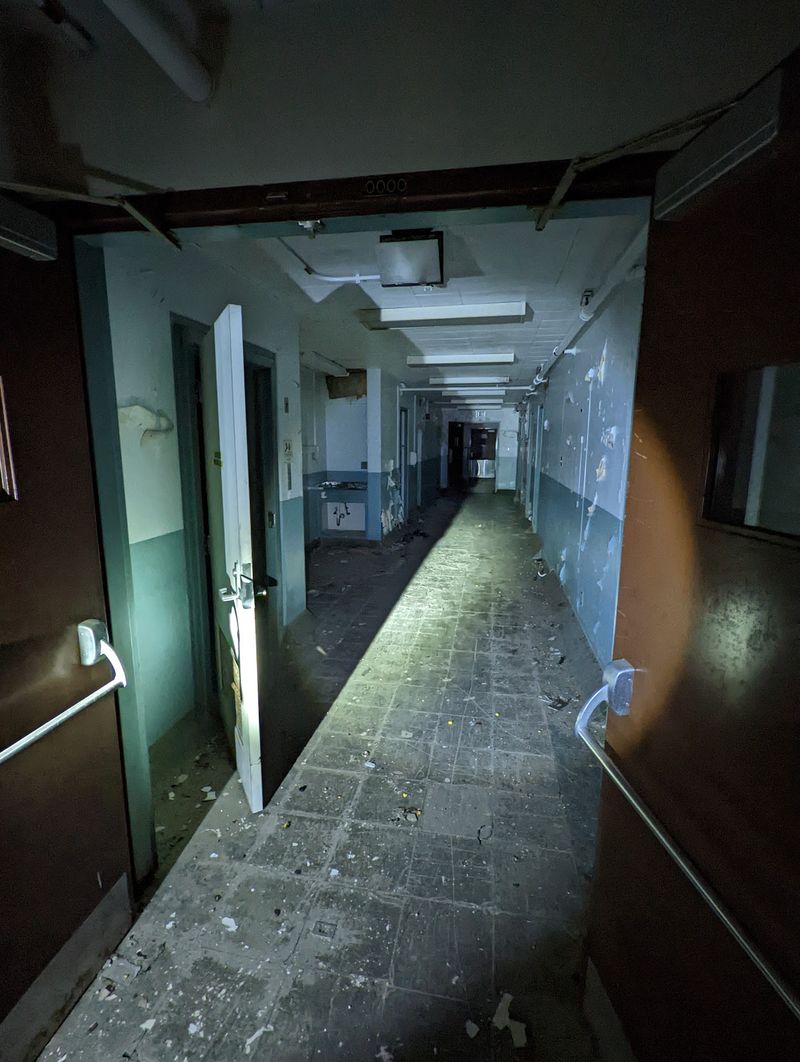
My flashlight beam bounced off rusty pipes the moment I ducked into the tunnels, and the air turned cool almost instantly. A web of underground passages runs below the property, linking many of the buildings together.
Back in the day, they carried heat and utilities, and staff could move supplies without stepping into snow or rain.
Down there, everything smells earthy and damp. Some sections are roomy, while others made me stoop a little, which gave the whole trip a sneaky, secret-agent vibe.
The only sounds were my footsteps and an occasional drip of water somewhere in the dark.
A few practical tips will make your tunnel time much better. Bring a strong flashlight with fresh batteries, even during a daytime visit, and maybe pack a spare.
Wear closed-toe shoes with good grip, since floors can be wet or uneven.
Not everyone loves tight, dark spaces, and that is totally fine. If you feel nervous, explore the wider sections first or go with a buddy.
For me, the tunnels were a highlight because they showed how much hidden work kept this giant place running, all happening right under everyone’s feet.
Desks, Chairs, and Peeling Paint
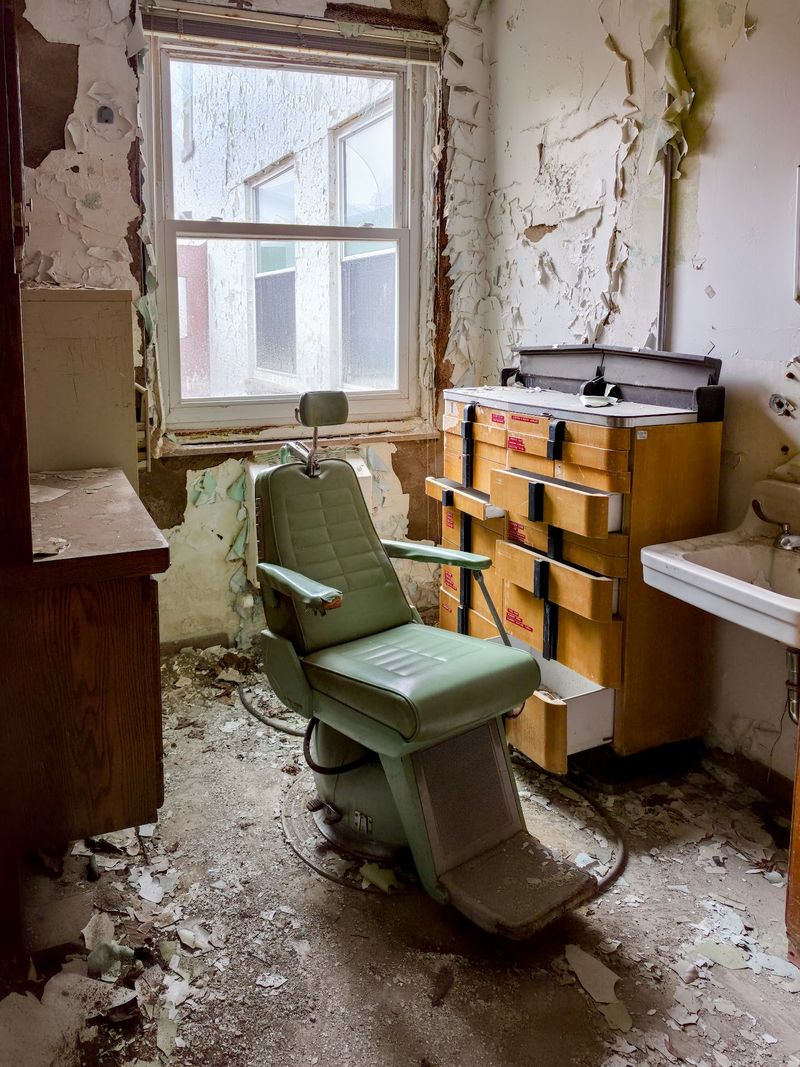
A lonely office chair pushed back from a dusty desk stopped me in my tracks. It looked like someone had stood up for a quick break and simply never come back.
Moments like that pop up all over Cresson, and they are what make wandering here so personal.
Across roughly 20 buildings, you will find peeling paint, worn floors, filing cabinets, and rooms that still hold a few leftover pieces of furniture. Some spaces feel like old offices, while others clearly served as living quarters or work areas.
In the prison sections, heavy doors and small barred windows show how tiny an inmate’s world could be.
I found myself slowing way down. Instead of rushing from room to room, I started noticing small things, like faded signs, scuffed door frames, and old light fixtures hanging at odd angles.
My advice is to treat each building like a puzzle. Ask yourself what the room was used for and who might have spent their days there.
Please leave everything exactly as you find it, too. Respecting the rules, like staying out of taped-off and locked areas, helps protect these fragile pieces of history for the next visitor.
Quiet Moments in Grace Chapel
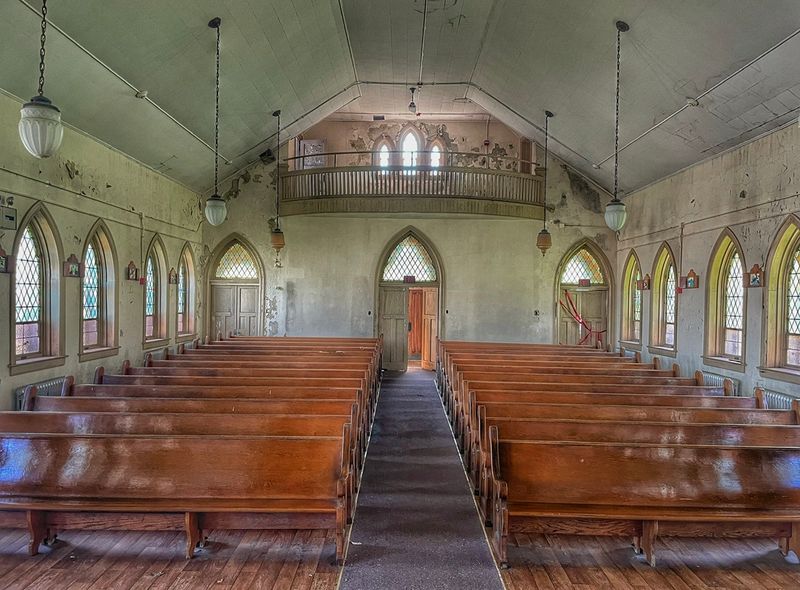
After hours of concrete and steel, Grace Chapel felt like a deep breath. I stepped inside and the mood changed right away, softer and calmer than almost anywhere else on the grounds.
The chapel was first built in 1914, just a year after the sanatorium opened, and it was refurbished in 1947. It was meant to give patients a peaceful place for comfort and reflection while they fought a serious illness.
Seeing it standing within view of later prison buildings is a powerful reminder of how this campus changed over time.
For safety reasons, the stairs and balcony are off-limits. Still, the main room offers plenty to take in, from the shape of the windows to the way light settles across the floor in the afternoon.
I sat for a few minutes and just listened. There was almost no sound at all, which felt rare and kind of special.
If your feet are tired from climbing stairs in other buildings, this is a lovely place to pause and rest. It also helps you remember that, before anything else, this hilltop was built around the idea of caring for people.
A Camera Lover’s Playground
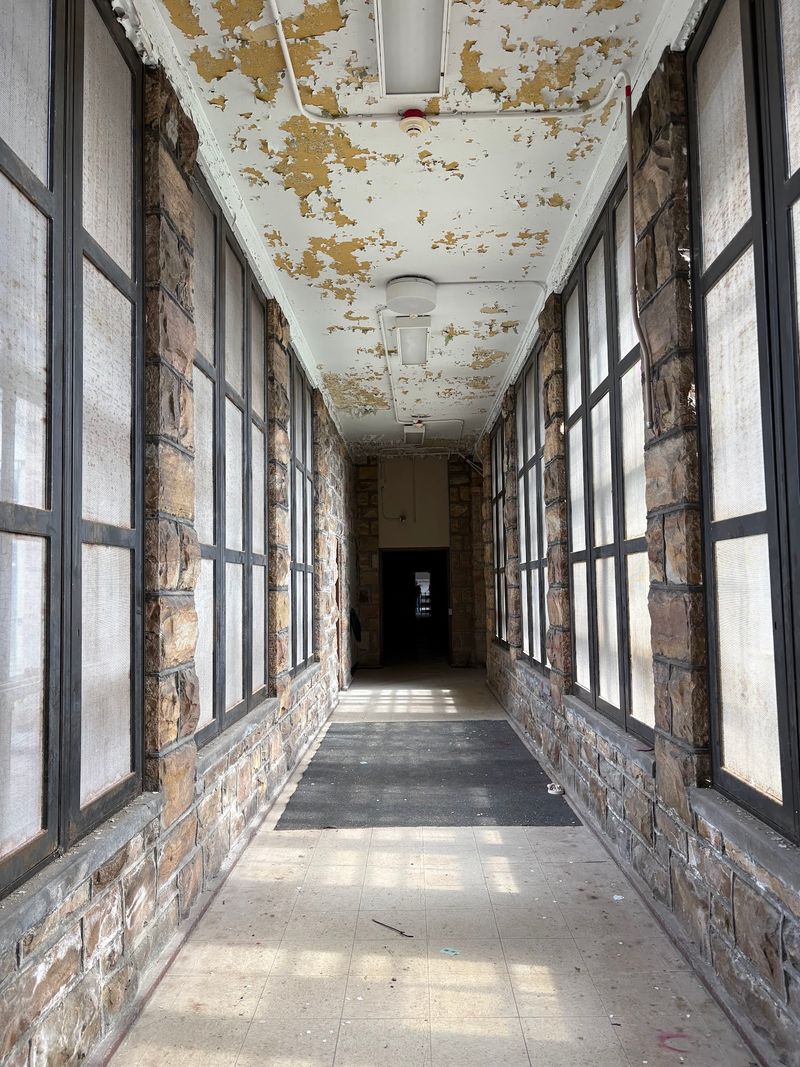
Somewhere around my third building, I realized I had taken more photos than I had in an entire week. Cresson is wildly photogenic, especially if you love textures, light, and a little bit of mystery.
Sunbeams slip through cracked windows and land on curling paint. Long hallways seem to stretch forever, and rust patterns on old metal look almost like artwork.
The mix of graceful sanatorium architecture and blunt prison design gives you two very different styles to shoot in one trip.
Because the property covers 32 acres, it rarely feels crowded. I often had entire rooms to myself, which made it easy to set up shots without anyone wandering into the frame.
Here are a few ideas to help you get great pictures:
Visit on a bright day so natural light can work its magic indoors. Pack a small flashlight to light up dark corners, and bring an extra battery for your camera or phone.
Look up and down, too, since ceilings and floors hold surprising details.
The site also hosts special photography events now and then, so check the official website before you go. Shooting here feels like collecting little pieces of history.
Flashlights, Ghost Stories, and Your Game Plan
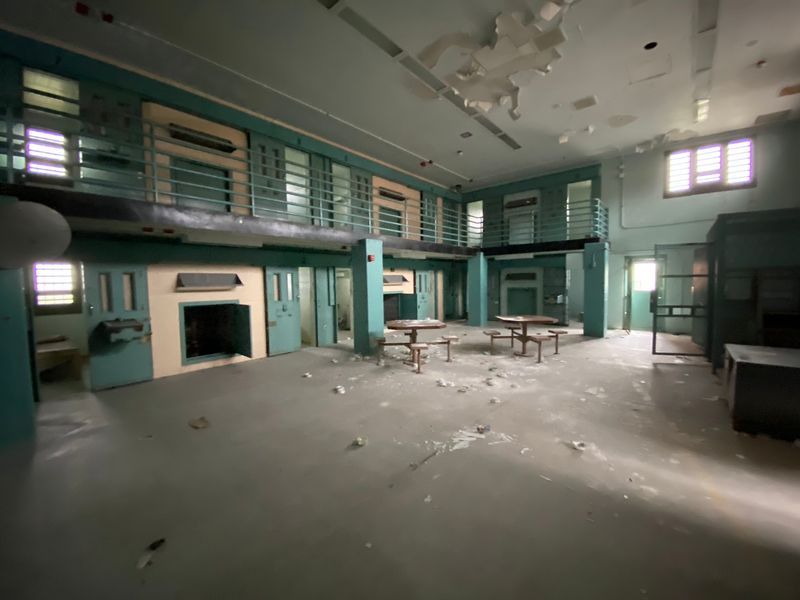
Ghost hunters have whispered about Cresson, Pennsylvania for years, and the place leans into its spooky side with flashlight tours and paranormal events after dark. It has even shown up on popular ghost hunting TV shows.
I only visited during the day, yet a few silent cell blocks still made the hair on my arms stand up.
Whether you believe in spirits or just enjoy a good chill, the evening events add a whole new layer. Daytime self-guided visits are perfect if you want history, photos, and wandering at your own pace.
Planning makes a huge difference here. Book tickets ahead of time since visitor numbers are limited, and check the website for open hours.
A longer pass is smart because the grounds are huge, and even several hours barely covers it.
Wear sturdy closed-toe shoes, bring a reliable flashlight, and pack water and bug spray for warm days. The site is not fully accessible, though staff can help adjust routes to avoid some stairs.
A parking lot sits right in front of the prison, which makes arriving easy.
Address: 251 Correction Road, Lilly, Pennsylvania 15938
