A 1788 house sits indoors, protected by walls and a roof built around it decades later. The building still rests on the exact ground where it was raised, back when Ohio was not yet a state and this corner of the map was called the Northwest Territory.
Walking through the doorframe, the realization lands that people once passed through it when the fort outside was still standing. The museum wraps the house so completely that being indoors is easy to forget until looking up reveals a modern ceiling above a pioneer roofline.
On the same grounds sits the oldest standing building in the state, plus three floors of exhibits. A quick stop stretched into hours, and every corner held another layer.
Marietta surprised me, and this place is the reason why. The house is the centerpiece, and the stories around it are the reward.
The House That Never Moved
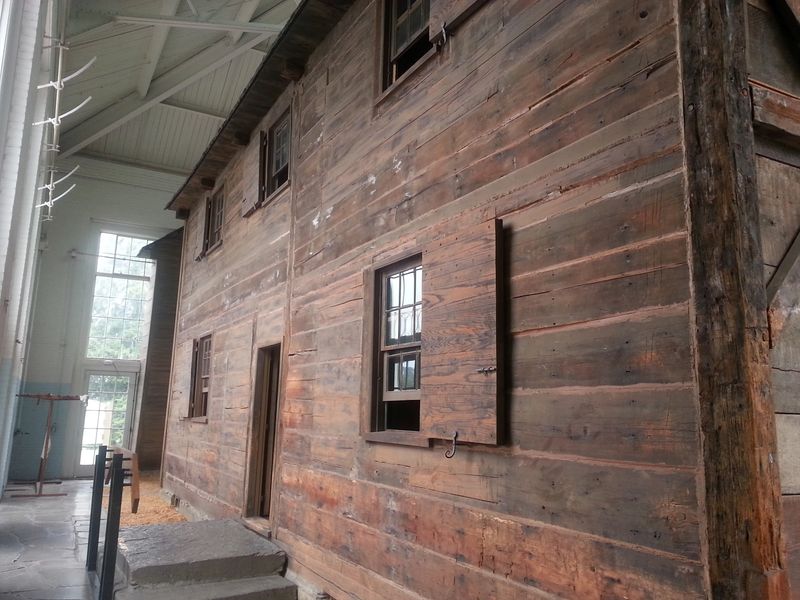
Most historic homes you visit have been picked up, trucked across town, and set down somewhere convenient. The Rufus Putnam House never went anywhere.
It sits on the same patch of Marietta ground where it was built in 1788, which makes it rare in a way that is hard to overstate. When the State of Ohio decided to protect it, the solution was simple and a little wild: build the museum around the house instead of moving the house into a museum.
The south wing of the building exists mainly to shelter those old timbers. Walls went up, a roof went over, and suddenly a pioneer dwelling had a climate-controlled coat.
I found the effect strange in the best way. You step from a tidy exhibit gallery straight into low doorways and hand-cut wood, and the shift in scale hits immediately.
Ceilings feel lower. Light comes from the wrong direction because there is no sky anymore.
A restoration between 1966 and 1972 brought the interior closer to its original layout, undoing later changes made by generations of owners. Guides will point out which boards are original and which are careful replacements, and that detail matters more than you would think once you are standing inside.
Rufus Putnam and the Group That Started Ohio
Ohio’s first permanent American settlement did not begin with a lone adventurer. It began with a organized company of Revolutionary War veterans, and General Rufus Putnam was the one leading them.
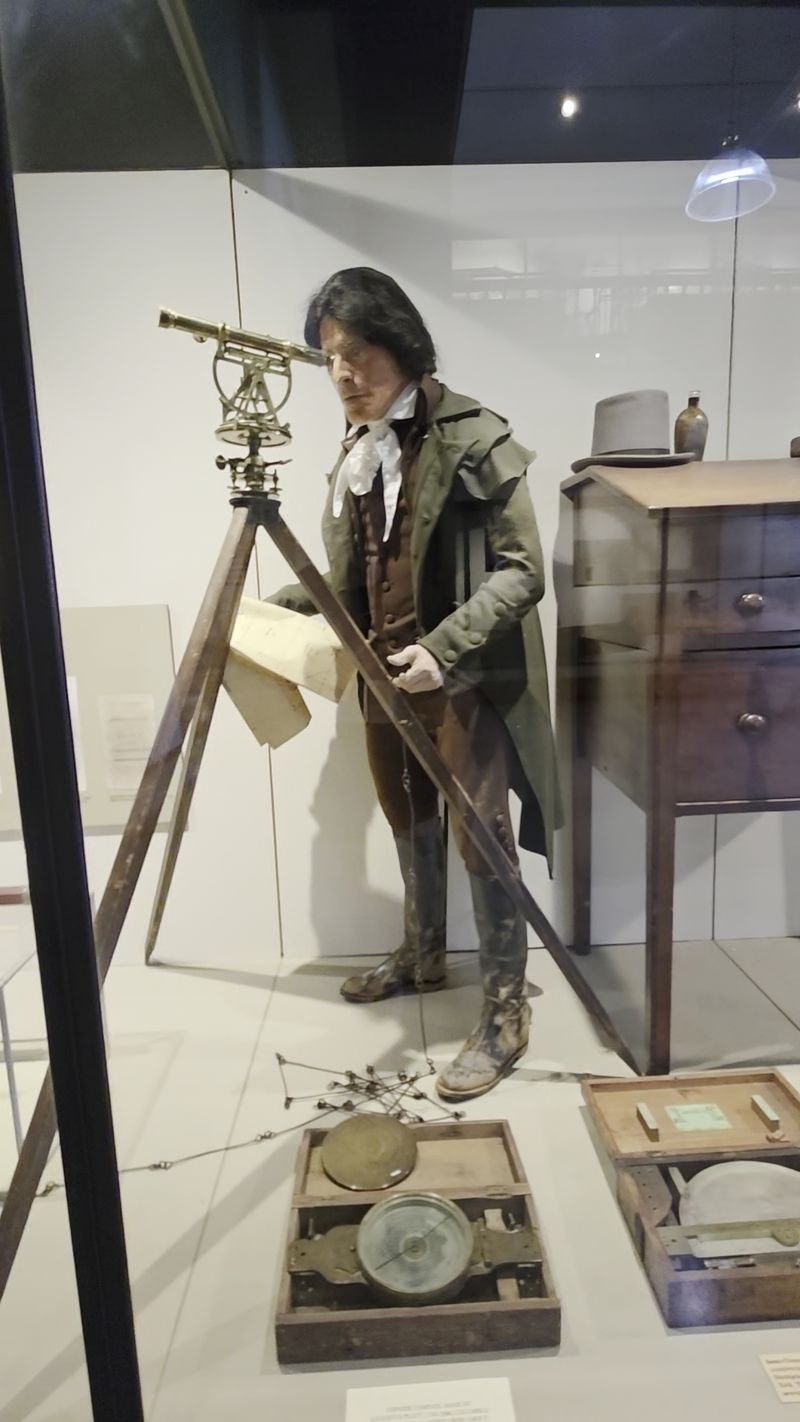
They arrived at the meeting of the Muskingum and Ohio rivers in April of 1788 and got to work almost immediately. Putnam had surveying skills, military experience, and a reputation solid enough that people followed him into unfamiliar country.
His house was not a private retreat set apart from everyone else. It formed part of the fortification itself, which tells you plenty about how these settlers lived during those first uncertain years.
What struck me while reading the exhibit panels was how practical the whole operation was. Land was surveyed, lots were assigned, and rules were written down before most of the cabins existed.
The museum does a nice job connecting Putnam to the bigger story of westward expansion without turning him into a statue-shaped hero.
You see the tools, the paperwork, and the ordinary objects that filled his days. A guide on my visit explained where the name Ohio actually comes from, and it was one of those small facts that sticks with you long after you leave the building.
Inside the Campus Martius Stockade
Picture a square wooden fort with blockhouses at each corner, built to shelter civilians rather than soldiers. That was Campus Martius, constructed between 1788 and 1791 while the settlement found its footing.
Families lived inside the walls. Children were born there, meals were cooked there, and the Putnam House was one section of the structure rather than a separate building.
A diorama inside the museum shows the whole layout, and I spent longer staring at it than I expected. Seeing the fort in miniature helped me understand how the surviving house fit into something much larger.
Everything else from that stockade is gone. Wood rots, towns grow, and buildings get replaced.
Only this one dwelling made it through, still anchored to its original spot, which is why the museum was placed here in the first place back in the late 1920s.
The name itself comes from Latin, borrowed by settlers who had a fondness for classical references, and Marietta’s public library carries the echo of it too. Once you know the fort’s footprint, walking the neighborhood outside feels different, because you start mentally sketching walls where the sidewalks now run.
Ohio’s Oldest Standing Building Sits in the Yard
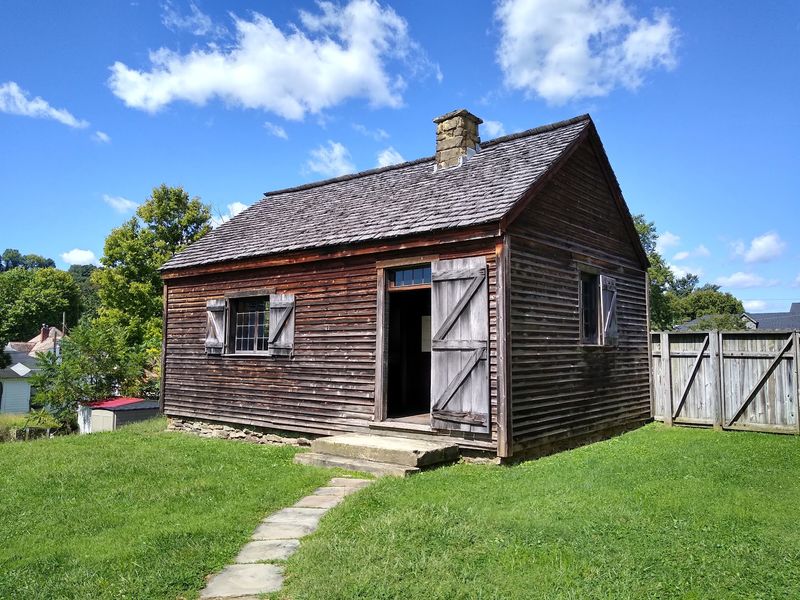
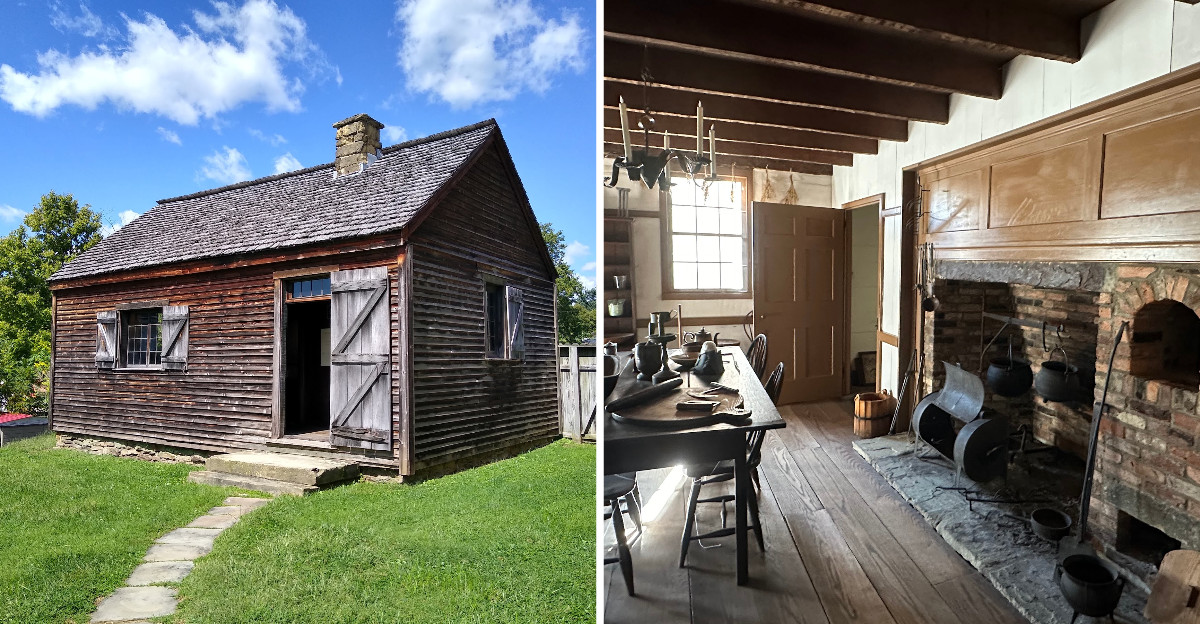
Out on the museum grounds, a modest log structure quietly holds a title nobody can top. The Ohio Company Land Office, also dating to 1788, is considered the oldest standing building in the state.
It handled the paperwork of settlement. Land claims, surveys, and records passed through those walls while the territory was being carved into farms and towns.
Unlike the Putnam House, this one did travel. It was relocated to the museum grounds in 1953 so it could be properly cared for rather than left to weather away.
I liked how small it is. There is no grandeur here, just tight logs, a plain door, and the sense of a workspace where somebody sat with ink and ledgers.
Standing beside it, you get a real feel for the scale of early Marietta, where a building this size was genuinely important.
Guided tours usually include it, and hearing the details out loud beats reading a plaque. Ask about how the logs were joined and how much of the original material survived the move, because the answers show just how much effort goes into keeping something like this upright after more than two centuries of Ohio winters.
Three Floors of Artifacts Worth Slowing Down For
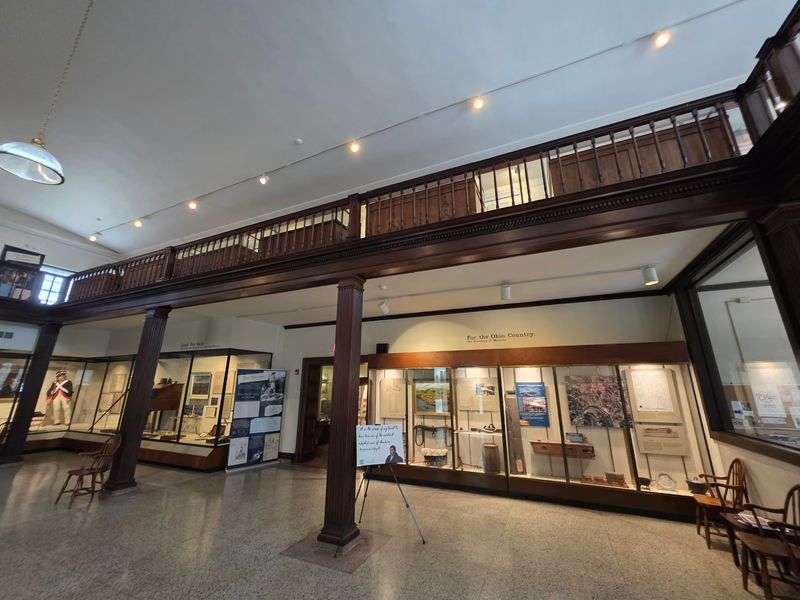
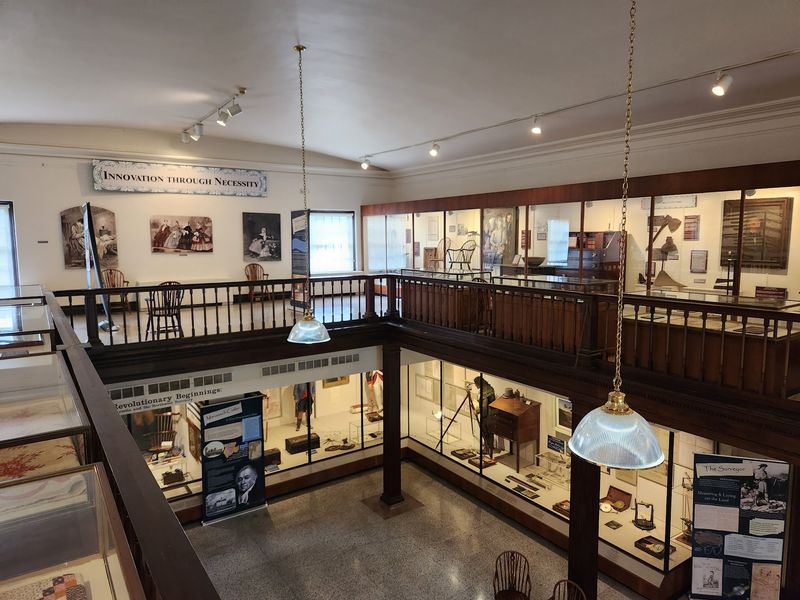
Plan for more time than you think you need. Visitors regularly mention spending two or three hours here, and I understand why once you start reading the labels.
The collection spreads across three levels. Upper floors lean into the founding era and early settlement, while the lower level shifts toward more recent Ohio history.
Objects range from hand tools and household goods to Native American artifacts and Civil War material. Some cases hold items that belonged to the Putnam family, which lands differently when the house itself is a few steps away.
There are audio components and short videos scattered through the galleries, so you can listen instead of reading when your eyes get tired.
Hands-on activities keep younger visitors busy, and the lower level surprised me with industrial and manufacturing displays I did not expect in a pioneer museum.
Writer David McCullough used the collections here while researching his book about these settlers, which gives you a sense of the depth behind the display cases. If you read that book first, the exhibits click into place fast.
Otherwise, take your time and let the guides fill in gaps, because they know the stories that never made it onto the signs.
The Appalachian Migration Exhibit Nobody Warns You About
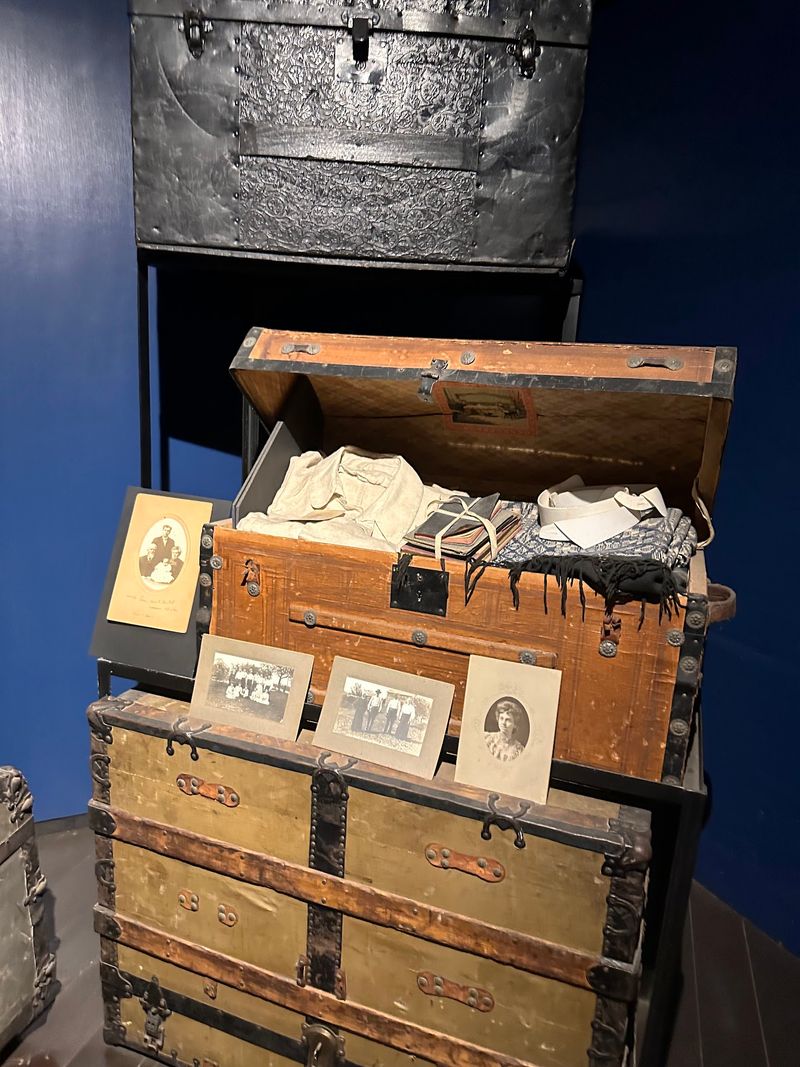
Here is the section that caught me completely off guard. Tucked among the frontier material is an exhibit about families moving out of Appalachia and into Ohio during the twentieth century.
It covers why people left, what they carried, and what they found when they arrived. Jobs, housing, homesickness, and the strange feeling of being an outsider in a state you now call home.
Photographs and personal belongings do most of the work. There is nothing flashy about the presentation, and that restraint makes it land harder.
What I appreciated was how naturally it connects to the 1788 story upstairs. Different century, different route, same basic human act of packing up and starting over somewhere unfamiliar.
Migration runs through the whole museum as a theme, which keeps the place from feeling like a single frozen moment in history.
Visitors often say this display stayed with them longer than the pioneer galleries, and I would not argue. If your own family moved into Ohio from somewhere else, you may recognize pieces of your grandparents in these cases.
Give it fifteen or twenty unhurried minutes rather than breezing through on your way back toward the entrance.
Taking the Guided Tour Makes All the Difference
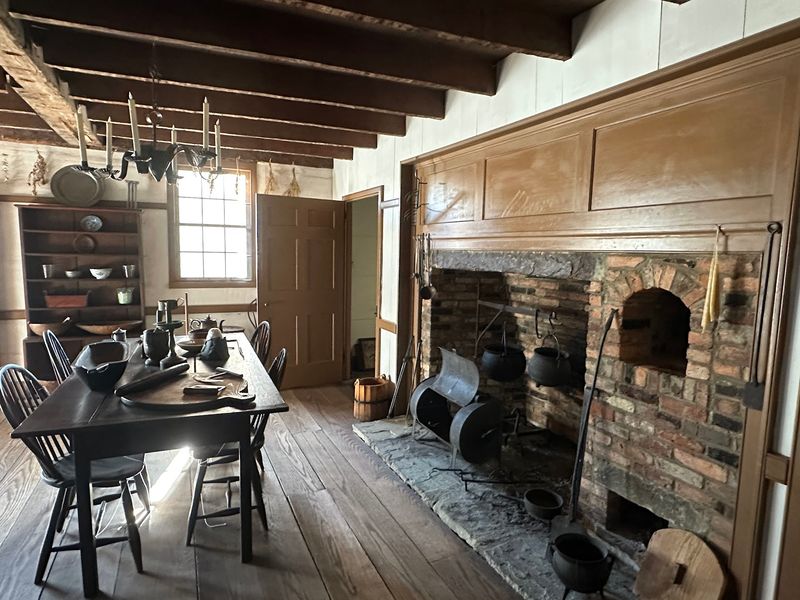
You can absolutely wander the museum alone and have a good time. But the guided tour is where the Putnam House stops being furniture behind ropes and starts being somebody’s home.
Guides walk small groups room to room, pointing out original pieces and explaining how the family used each space. Roughly an hour, and it moves at a comfortable pace.
Details I would have missed came up constantly. Which items are authentic to the period, how the house changed once the fort came down, who lived here after the Putnams.
Staff here are genuinely happy to answer questions, and several are volunteers who clearly love the subject.
Ask something specific and you will usually get a longer answer than you bargained for, in the best possible way.
Practical notes worth knowing: the museum opens at 9:30 in the morning Monday through Saturday and at noon on Sunday, closing at 5 each day. Ohio History Connection members get in without an admission charge, and there is a military discount available.
A small gift shop sits right by the entrance with books, toys, and keepsakes. Pair the visit with the nearby Ohio River Museum if the schedule allows.
Address: 601 2nd St, Marietta, OH 45750
