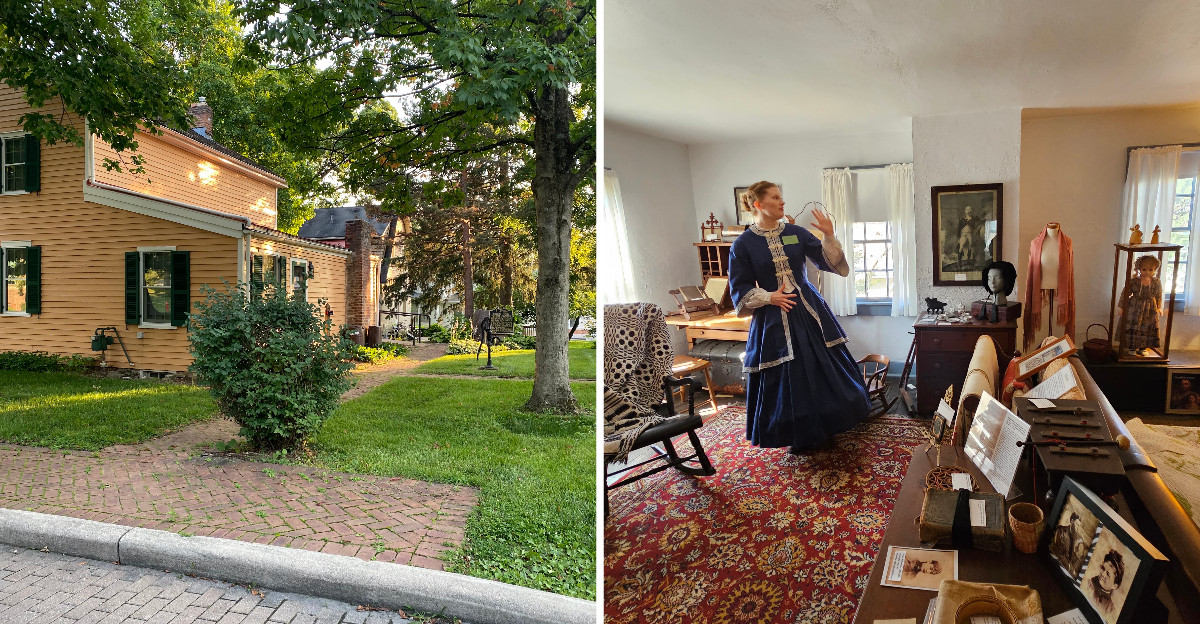
In 1856, a young student living in a small house wrote a ballad that would sell more than a million copies before the Civil War. The same walls sheltered people escaping slavery on the Underground Railroad.
I went expecting a quick coffee and a stroll past a college campus in Ohio, but I left with that song stuck in my head for days. The house sits on a quiet street, modest and easy to miss, yet it holds a story that feels too big for its size.
Walking through the rooms, it is easy to imagine the student at his desk, writing words that would travel across the country. The floorboards creak, and the air feels heavy with history.
Learning that the house also served as a safe stop for freedom seekers gave me chills. Places like this remind you that ordinary buildings can hold extraordinary courage.
I would tell anyone to go.
A Small House With a Very Loud Past
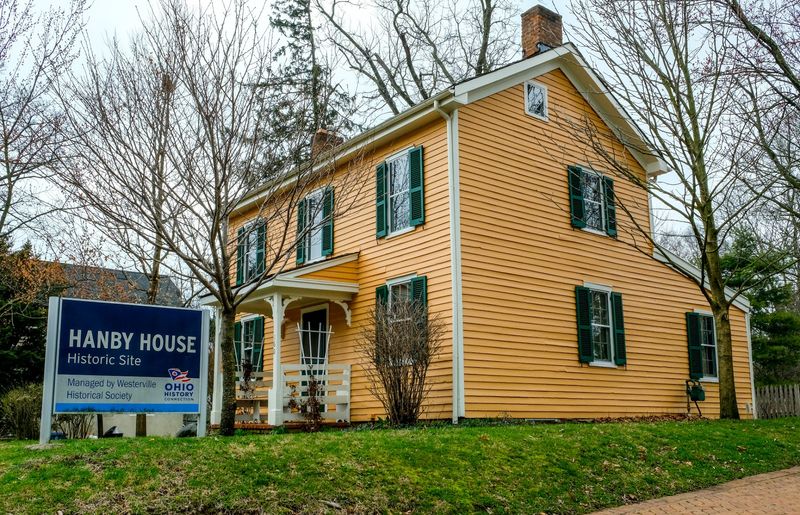
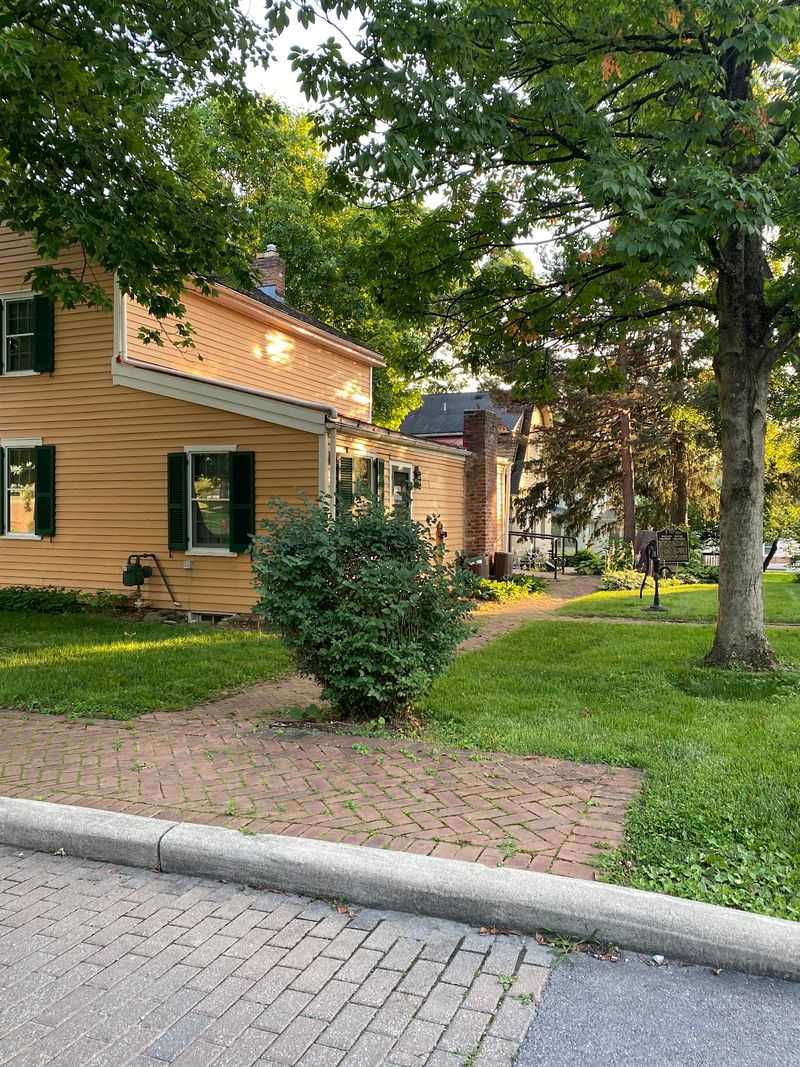
My first thought on seeing Hanby House was how easy it would be to drive right past it. The home looks calm and ordinary, tucked along West Main Street near the Otterbein campus with trees shading the yard.
Built in 1846, the house was home to the Hanby family from 1853 to 1870. Those years covered some of the most tense and important moments in American history.
Slavery was tearing the country apart, and this quiet family was not sitting on the sidelines.
The house carries two big titles at once. It was the home of a well-known American songwriter, and it was also a stop on the Underground Railroad, the secret network that helped people escape slavery.
The site is recognized as part of the National Underground Railroad Network to Freedom.
Today the Westerville Historical Society manages the museum, and the Ohio History Connection owns it. Volunteers keep the stories alive with real care, and you can tell they love this place.
My advice is simple. Slow down before you go inside and just look at the house for a minute.
Knowing what happened here makes those plain walls feel surprisingly powerful, and that first glance sets the mood for everything else.
Meet Benjamin Hanby, the Student Songwriter
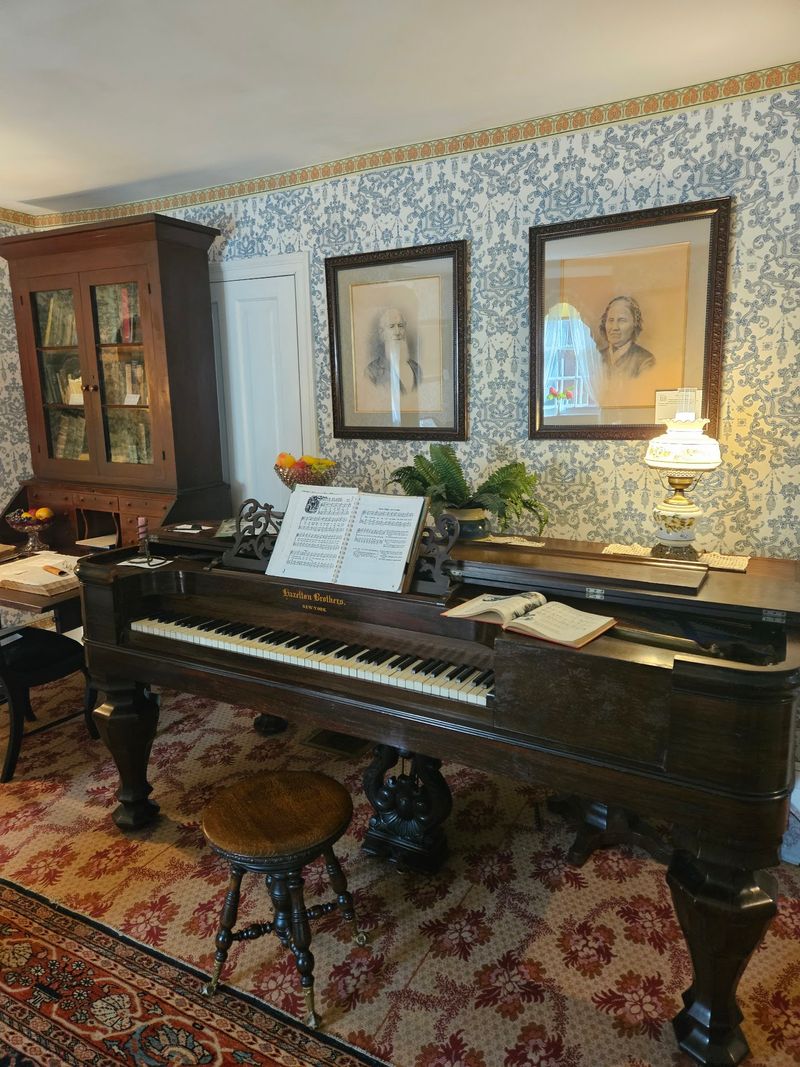
Picture a sixteen-year-old moving to a new town in 1849 to start college. That was Benjamin Russell Hanby, born in Rushville, Ohio, on July 22, 1833, and headed to Otterbein University in Westerville.
Benjamin was not your average student, though. He grew up in a family that hated slavery and actually helped people escape it.
That kind of home shaped him deeply, and you can hear it in the songs he later wrote.
He graduated from Otterbein in 1858, the same school his father had helped found. After college he worked as a teacher and a pastor.
He also ran singing schools, where he taught people to read music and sing together, which sounds like a lot more fun than algebra class.
Over his short life, Benjamin wrote around 80 songs. That is an impressive number for someone who also had jobs, a family, and strong beliefs he acted on every day.
Honestly, learning his story made me think about how much young people can change the world. He was barely in his twenties when he wrote his most famous song.
If you visit with teens, this part of the tour tends to spark great conversations on the drive home.
The True Story Behind Darling Nelly Gray
Songs that sell a million copies usually come from somewhere painful and real. Darling Nelly Gray, written by Benjamin Hanby in 1856 while he lived in this house, is no exception.
The idea came from a man named Joseph Selby. He had escaped slavery in Kentucky and reached the Hanby family home in Rushville, where he sadly passed away.
Before passing, he shared how he had been forced apart from the woman he loved.
Benjamin never forgot that story. He turned it into a gentle, heartbreaking ballad about a man who loses his sweetheart when she is sold away.
The song showed listeners, in plain and simple words, how slavery ripped families apart.
People connected with it right away. Darling Nelly Gray sold more than a million copies before the Civil War, which was huge for the time.
Some even called it the Uncle Tom’s Cabin of songs, comparing it to the famous anti-slavery novel.
I found myself humming the tune after reading about it, and I suggest you look up a recording before your visit. Hearing the melody first makes the rooms feel different once you are standing inside.
Music has a sneaky way of making history stick.
Courage on the Underground Railroad
Something shifted in me when I learned what the Hanby family risked. Helping people escape slavery was against federal law, and getting caught could mean heavy fines or jail.
William Hanby, Benjamin’s father, did it anyway. He was a bishop, a co-founder of Otterbein University, and a determined abolitionist.
His family opened their home to people traveling north toward freedom, often in secret and in the dark.
One detail from a visitor stuck with me. The senior Hanby had once been a runaway indentured servant from Pennsylvania, so he understood what it meant to want freedom badly.
That personal history adds another layer to why he helped others.
The museum does a thoughtful job explaining how the Underground Railroad worked in Westerville. It was not an actual train, of course.
It was a chain of brave people and safe places, and this house was one link in that chain.
Take your time in these rooms. Try to imagine quiet footsteps at night and the nervous hope of someone hiding here.
It is a serious part of the visit, but it is also inspiring. Ordinary neighbors chose to do the right thing, even when it was dangerous.
Surprise! He Also Wrote Up on the Housetop
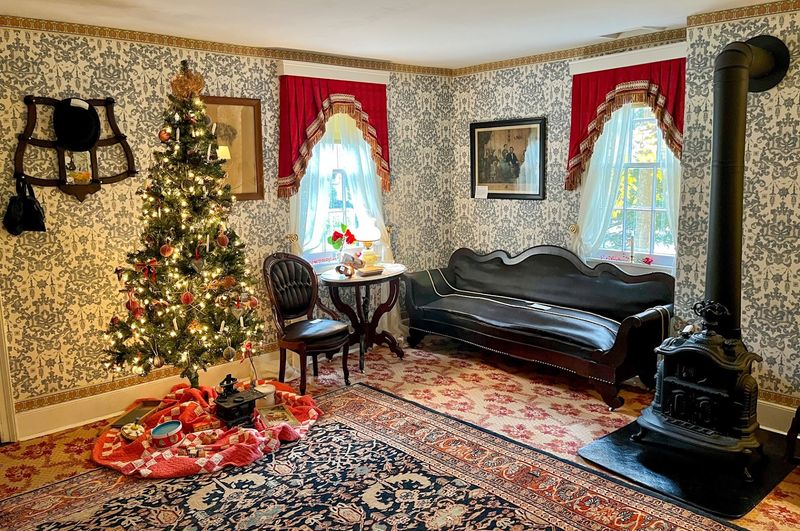
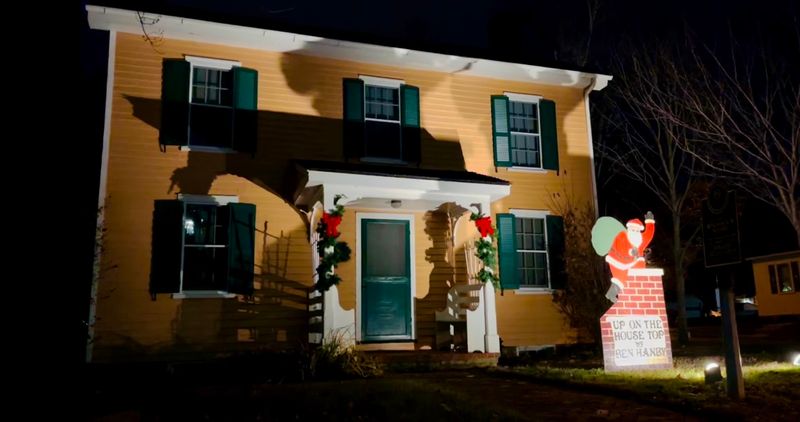
Here is the fun fact that made me laugh out loud during my visit. The same man who wrote a sad anti-slavery ballad also wrote Up on the Housetop, the bouncy Christmas song about reindeer and Santa.
Benjamin Hanby wrote it in 1864 and first called it Santa Claus. He created it as a sing-along for his singing school in New Paris, Ohio.
Kids loved it, and honestly, who could blame them?
A Chicago publisher named George Frederick Root saw its charm and printed the song. He also brought Hanby to Chicago to work on more music.
Suddenly this Ohio teacher was writing for a much bigger audience.
Hanby penned another holiday carol too, called Who Is He in Yonder Stall. People still sing it in churches today.
His anti-slavery work did not stop with one hit either, since he also wrote Ole Shady and The Song of the Contraband.
If you visit around the holidays or bring kids, share this bit before you go in. Watching a child realize the Christmas song they know came from this exact family is pretty sweet.
It turns a history lesson into something personal and a little magical.
Rooms That Feel Lived In
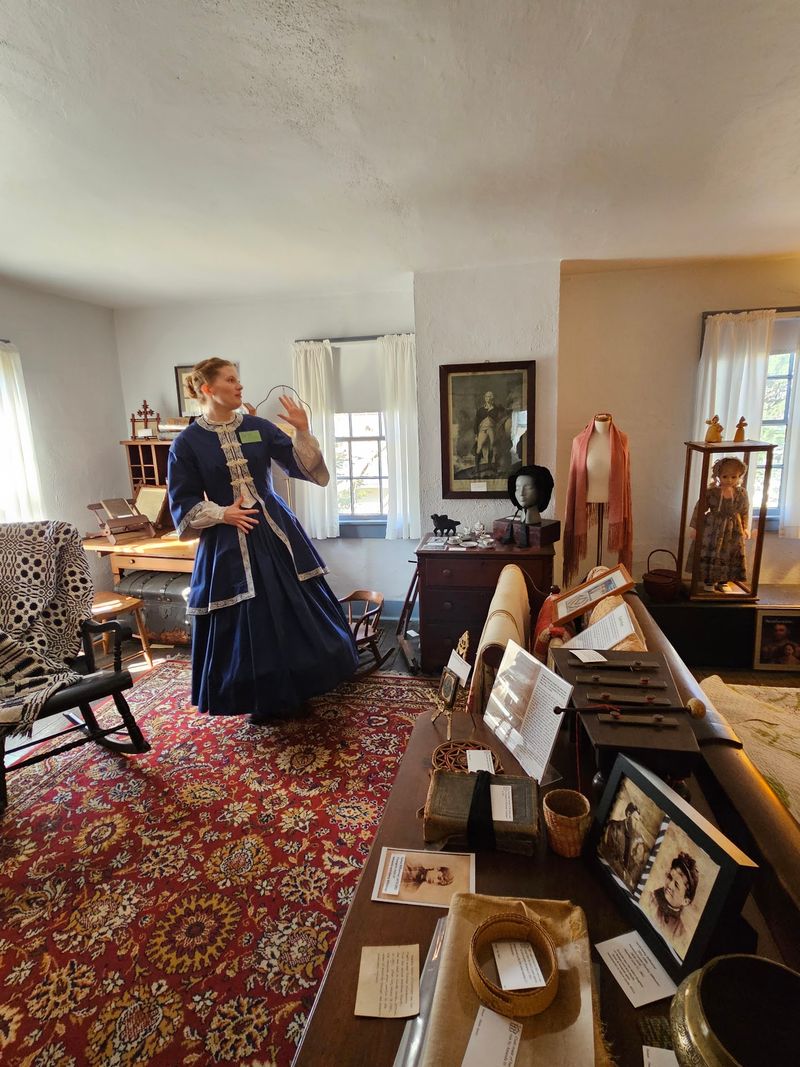
Old furniture usually bores me, but these rooms pulled me in. Everything is arranged to show how a middle-class Ohio family lived in the 1850s, and some pieces actually belonged to the Hanbys.
You will spot simple chairs, household tools, and small personal touches. None of it is fancy.
That is exactly what makes it so relatable, because you can picture real people eating dinner, reading, and chatting here.
Visitors often mention the volunteers, and I get why. During open days, guides are stationed in each room, ready to explain what you are looking at and answer questions.
One reviewer summed it up well by pointing out there is so much old stuff to see.
My practical tip is to ask questions. The guides clearly enjoy sharing extra stories that are not written on any sign.
Kids can ask what things were used for, which usually leads to fun guesses and surprised faces.
I pictured Benjamin testing a new melody while his family went about their day. That image stayed with me.
It made the house feel less like a museum and more like a home that just happens to hold a lot of history.
A Garden Stroll and a Walk Through Uptown

Even if you arrive when the doors are closed, you are not out of luck. Behind the house sits a small garden with informational placards about the family and the home’s history.
I enjoyed wandering back there for a few quiet minutes. Birds chattered, the grass was soft, and the placards filled in details I had missed.
It is a peaceful spot to read and reflect.
The house sits right along Main Street by the Otterbein University campus, so it pairs nicely with a relaxed walk. Students hurry to class, old brick buildings glow in the sun, and uptown Westerville has a friendly small-town rhythm.
Sadly, Benjamin Hanby passed of tuberculosis in Chicago on March 16, 1867, at just 33 years old. He is buried in Otterbein Cemetery in Westerville, which means his story comes full circle in this town.
Visiting the area feels like following his footsteps in a gentle way.
Wear comfy shoes and give yourself an extra hour. The garden, the campus, and the nearby streets make the whole trip feel fuller.
A short history stop easily turns into a lovely afternoon outside.
Tips for Planning Your Visit

Timing is everything here, and I learned that the helpful way, by checking ahead. Hanby House keeps limited hours, so a little planning goes a long way.
The museum has generally opened on Saturday afternoons during the warmer months, and it also hosts special open houses. Hours can change by season, so check the official website at hanbyhouse.org or call 614-891-6289 before you go.
Several visitors have shared that same advice, and they are right.
Want to visit outside regular hours or bring a group? You can arrange a tour by contacting the Westerville Historical Society ahead of time, ideally about a week in advance.
Groups of all kinds have been welcomed, including a big crew of cyclists.
Keep an eye out for events, too. The house has hosted tea gatherings with historical stories and talks on topics like the Ohio mounds.
These make a visit feel extra special.
I walked out with a new favorite piece of Ohio history and a song still playing in my head.
Address: 160 W Main St, Westerville, Ohio 43081
