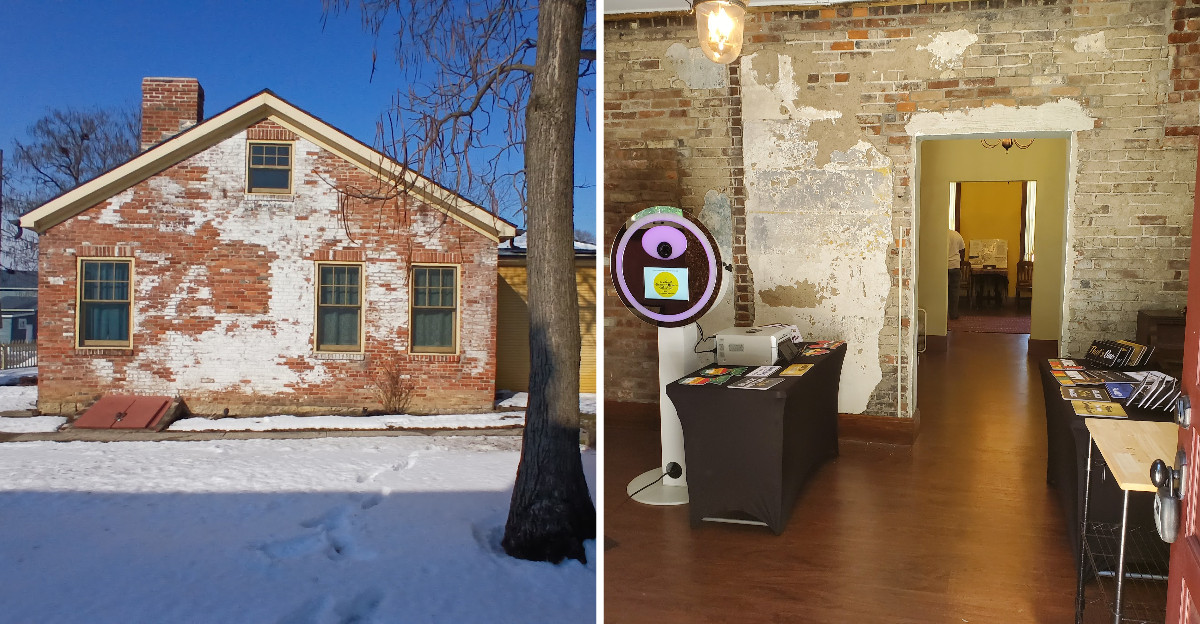
Residential streets often hide the most remarkable chapters of history. One tidy old family home in Ohio looks ordinary from the sidewalk, and that was exactly the point back in the 1850s.
A free Black couple built the house around 1850 and turned it into a stop on the Underground Railroad. Secret passages lead to the attic and a tunnel into the basement, where people escaping slavery found shelter.
Standing in those tight spaces, the weight of what this family risked settles in slowly. They helped strangers reach freedom while danger waited at every turn.
The house still stands, its walls holding stories that most textbooks skip over. Walking through the rooms, the past feels close enough to touch.
Ohio keeps this kind of quiet courage in plain sight, and it rewards anyone who takes the time to notice. This small house might surprise you as much as it surprised me.
A Quiet House With a Brave Secret
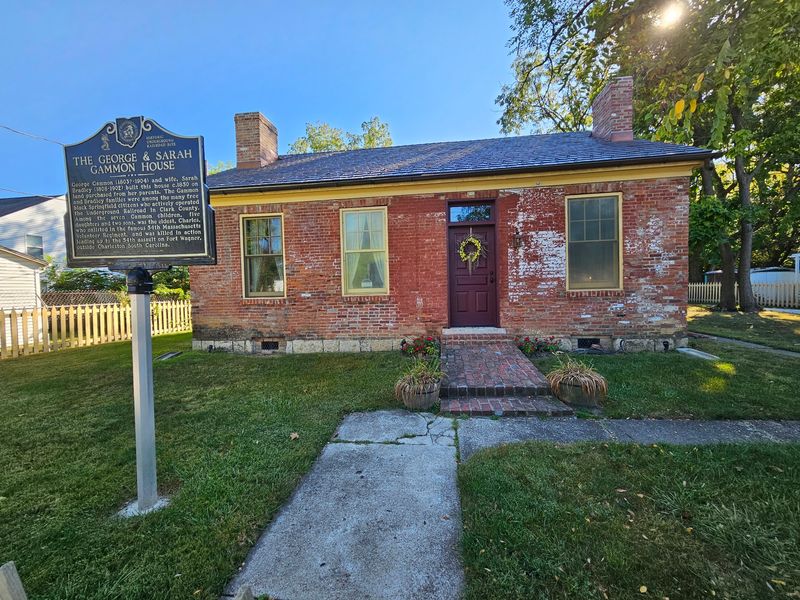
My first thought was how ordinary the place looked, and I mean that as a compliment. The Gammon House blends right into its Springfield neighborhood, with neat siding, a small yard, and nearby homes on every side.
That calm look was a kind of shield back in the 1850s. A house that drew no attention was the safest place to hide people who were running from slavery, and George and Sarah Gammon understood that perfectly.
Today, the home is recognized as one of only three Underground Railroad sites in Ohio that were owned by free Black Americans. That fact alone makes it rare, and it changes how you see every window and doorway.
Many stops on the Underground Railroad were run by white abolitionists, so this house tells a different and powerful story. Here, a Black family who had their own freedom chose to protect the freedom of others, even when the law said they could be punished for it.
When you visit, take a moment outside before going in. Look at the street, the trees, and the house itself, and try picturing it on a dark night long ago.
That small pause made the whole tour hit deeper for me, and I think it will for you too.
Meet George and Sarah Gammon
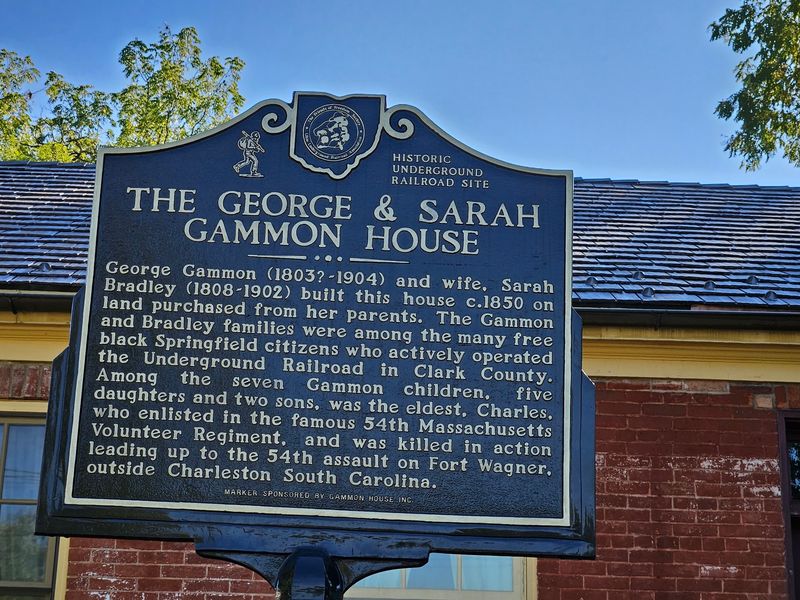
Some families pass down recipes, while the Gammons passed down courage. George Gammon was born on a reservation in Sandusky, and Sarah Bradley Gammon was born in Chillicothe, so both of them had deep Ohio roots.
Helping others seemed to run in the family. George’s parents were also free people of color, and they were founding members of St. Paul’s African Methodist Episcopal Church of Urbana, a church that played a role in assisting people on the Underground Railroad.
The couple lived in this house for more than 50 years. During that time, they raised seven children under the same roof where they quietly sheltered freedom seekers.
I kept thinking about how busy that home must have been. Imagine cooking meals, doing chores, and helping kids with daily life while also keeping a dangerous secret from neighbors and officials.
Learning about the Gammons as real parents and neighbors made them feel close and human to me. They were not legends from a textbook but a married couple making hard choices every single day.
Before your visit, it helps to remember their names and hometowns, because the guides bring the family to life, and knowing a little background makes every detail click into place.
Secret Passages Hidden Up Near the Attic
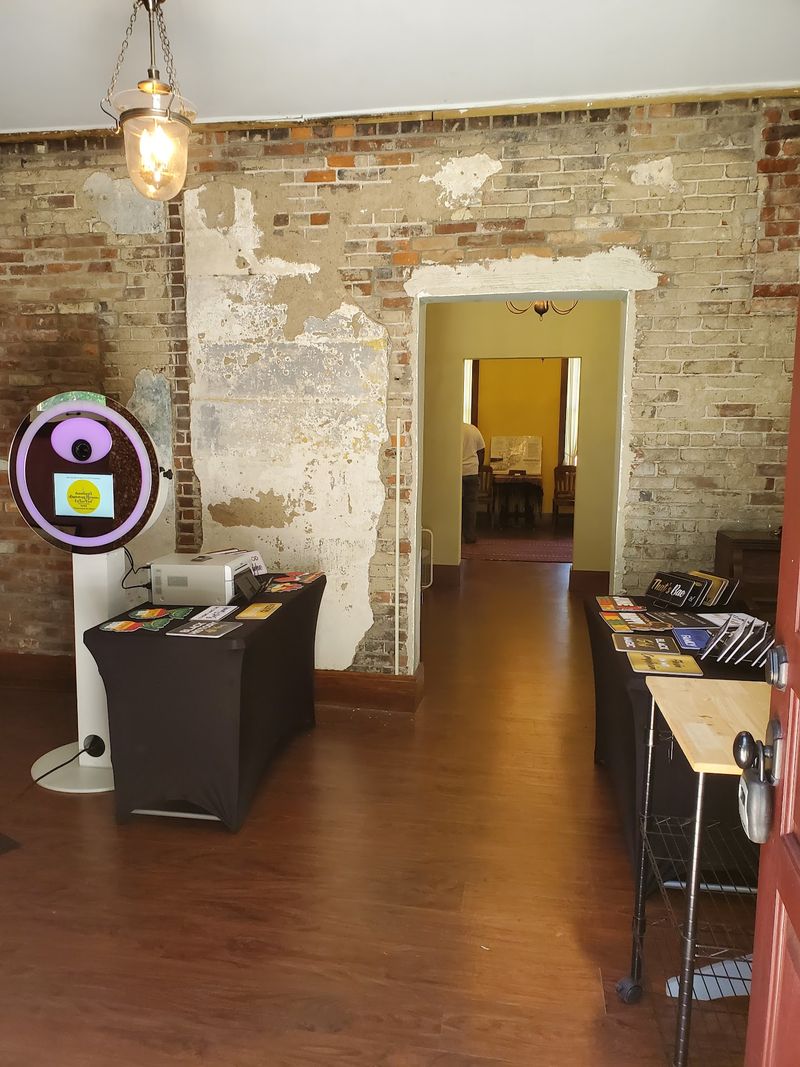
Hidden spaces always make my imagination run wild, and this house has the real thing. The Gammon House features documented secret passages leading up to the attic, built to give shelter to people escaping slavery.
Picture someone tucked away in a tight, quiet space while life carried on normally downstairs. Every creak of the floor or knock on the door would have felt huge.
These passages were not built for fun or decoration. They were practical tools of survival, and the people who used them depended on silence, patience, and total trust in the Gammon family.
Seeing hidden spaces like these in person is very different from reading about them in a book. You start to notice how small and clever the design really was, and you can almost feel the tension in the air.
My advice is to ask your tour guide plenty of questions here. Guides at the house are known for being friendly and full of knowledge, and they can explain how these spaces worked.
Kids especially tend to love this part, since secret passages sound like something out of an adventure story. Just be sure to talk with them about the serious reason these hiding spots existed, because that is the heart of the visit.
Down Into the Basement Tunnel
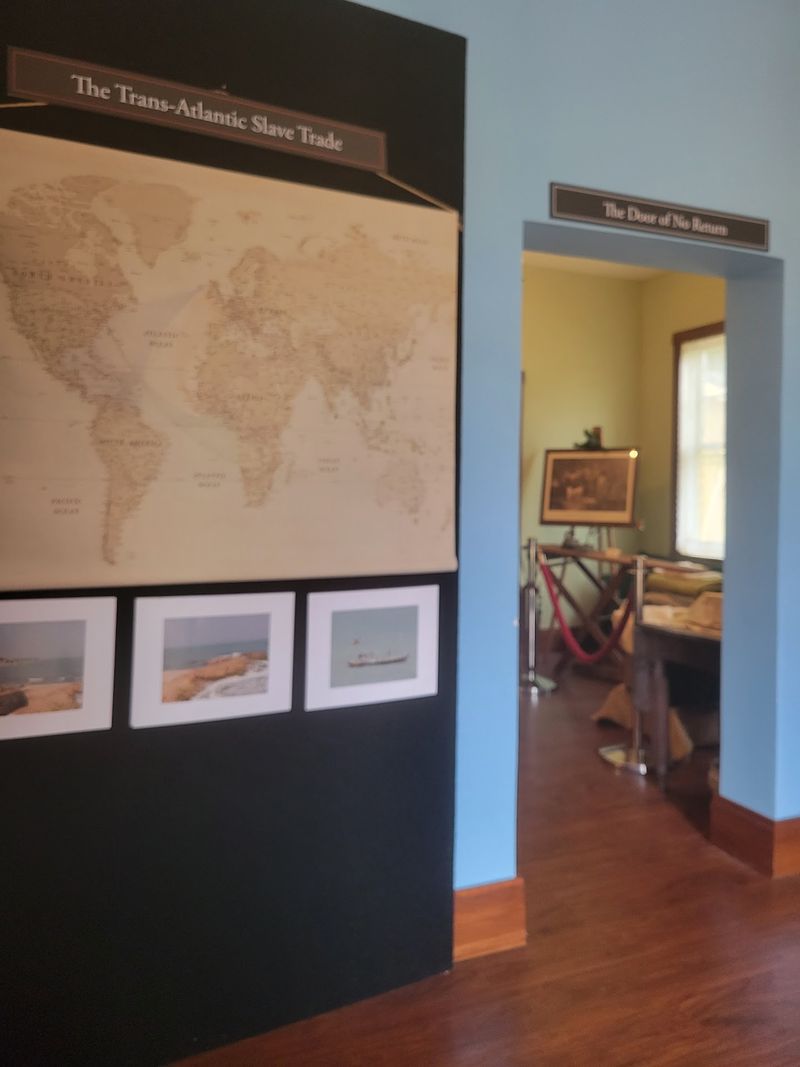
Basements usually remind me of laundry and old boxes, but this one holds a much bigger story. Along with the attic passages, the Gammon House has a tunnel leading into the basement, another space used to shelter freedom seekers.
Historians believe people escaping slavery probably came in through the cellar doors. Still, nobody knows the exact entry point for certain, and I actually liked that bit of mystery.
Not every detail of the Underground Railroad was written down. Keeping records could put lives in danger, so many secrets simply stayed secret, and places like this ask us to think carefully about what we do and do not know.
Standing near the cellar area, I found myself picturing the cool air and the darkness. Someone arriving here would have been tired, scared, and hopeful all at once.
If you visit with a group, this is a great spot to slow down and talk together. Ask each other how it might have felt to wait underground, not knowing what tomorrow would bring.
Wear comfortable shoes for the tour and be ready to listen closely. The house is small, so moving calmly and quietly helps everyone soak in this powerful space.
The Real Risks Behind Every Hidden Guest
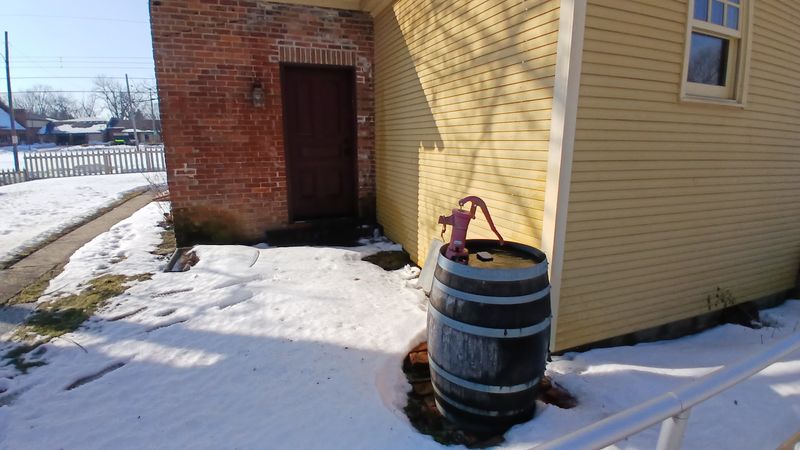
Courage is easy to talk about but much harder to live out. In 1850, Congress passed the Fugitive Slave Act, a law that made it a crime to help people escaping slavery, even in free states like Ohio.
Anyone caught helping could face prison time and heavy fines. For George and Sarah Gammon, the danger was even sharper, because they were free Black people living in a country that often treated their own freedom as fragile.
They also risked being pushed out by neighbors and losing their place in the community. Yet they kept their doors open anyway, which still amazes me.
When I learned about these risks, the hidden passages suddenly felt heavier. Each space represented a choice made again and again over many nights.
A visit here is a good reminder that history is made of decisions by ordinary people. The Gammons were not famous generals or politicians, just a family who believed others deserved to be free.
If you are bringing teens or younger kids, this is a meaningful conversation starter. Ask them what they would do if helping someone meant breaking an unfair law, and you might be surprised by the thoughtful answers you hear on the drive home.
A Son Who Fought for Freedom
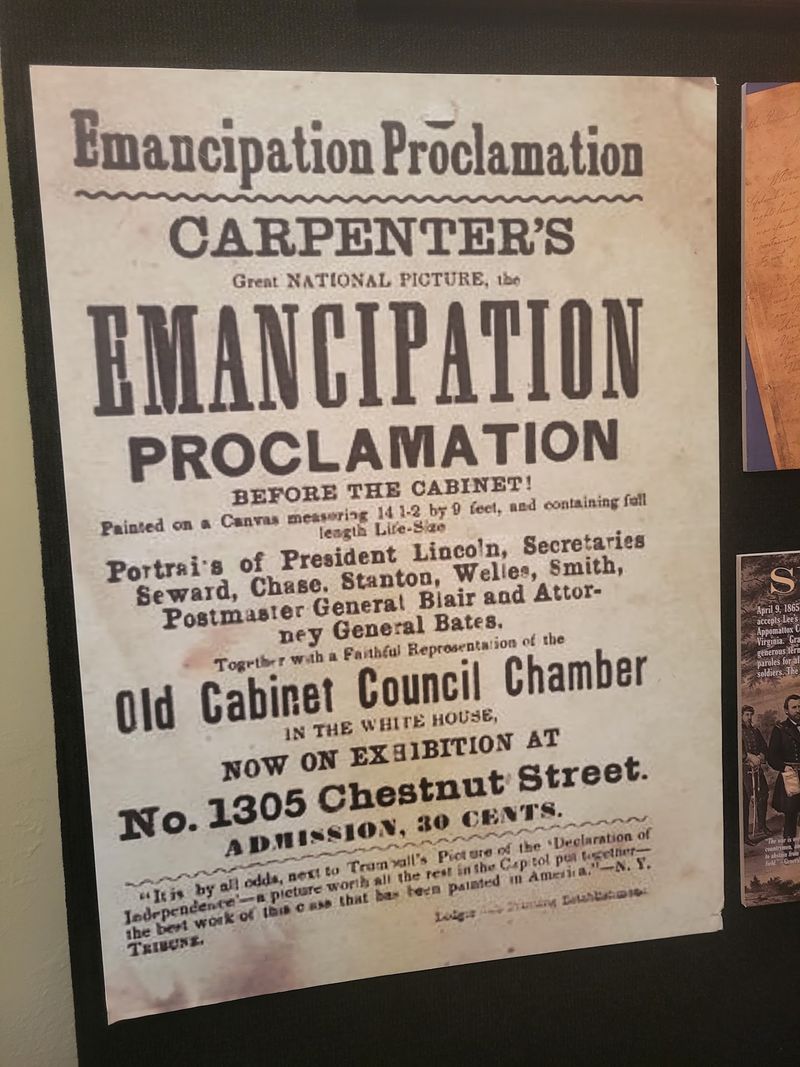
One part of the Gammon story stayed with me long after I left Springfield. The family’s eldest son, Charles, joined the 54th Massachusetts Regiment during the Civil War.
That regiment was one of the first official Black units in the Union Army, and it became famous for its bravery. Charles passed on James Island in South Carolina, giving his life in the fight against slavery.
It is hard not to see a straight line from the hidden attic to the battlefield. Charles grew up in a house where helping people reach freedom was part of everyday life, so his choice to serve makes a lot of sense.
I found it moving to think of the parents waiting at home. They had already risked so much, and then their oldest child went off to fight for the same cause.
Learning about Charles adds a family layer to the bigger story of the Civil War. History books often list battles and dates, but here you meet one young man with a name, a home, and a family who loved him.
Take a quiet moment to honor him during your visit. Small acts of remembrance like that help keep stories alive.
Saved, Restored, and Planning Your Visit
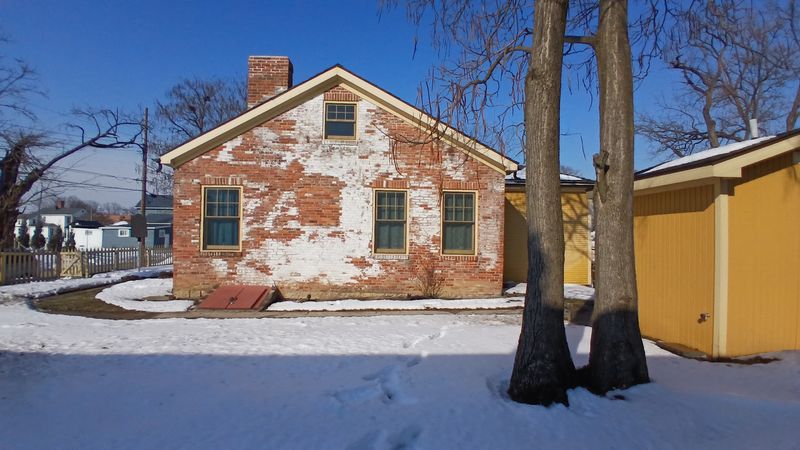
Here is a happy twist I did not expect. The Gammon House was once falling apart and even faced demolition, but local citizens and organizations stepped up to preserve and restore it.
Today, it works as an Underground Railroad Museum and a living center of Black heritage. The museum hosts events like Juneteenth celebrations and school programs, so the house stays full of life and learning.
There is also an ongoing Capital Campaign to build a new Interpretive Center. That project aims to expand educational and cultural programs about the Underground Railroad.
Planning matters here, because the hours are limited. Public tours happen on the first Saturday of every month from 1:00 p.m. to 3:00 p.m., so mark your calendar early.
Groups and special requests can be arranged by reservation, which is perfect for classes, families, or clubs.
The house sits in a quiet neighborhood, so please be respectful of nearby residents when you arrive. Even if you only catch the outside, it is worth seeing in person, but a full tour is what truly brings the story home.
Address: 620 Piqua Place, Springfield, OH 45506
