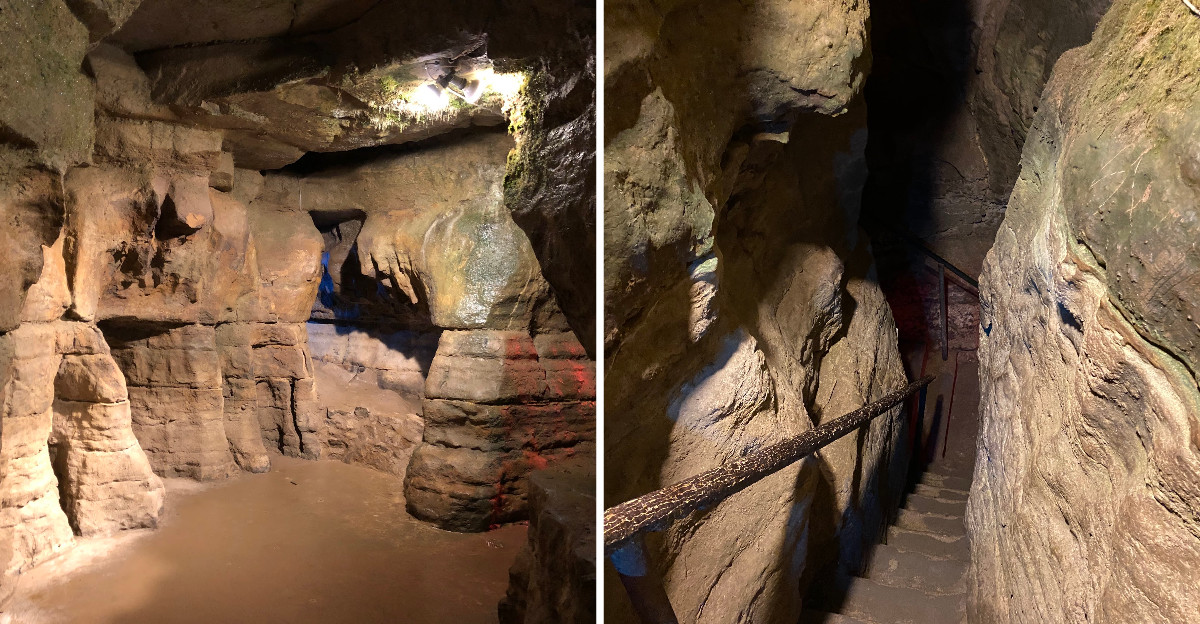
Runaway oxen rarely lead to ancient caves, but one did in Ohio back in 1821. One farmer searching for his missing animal found it at the bottom of a shaft that opened into a vast underground world.
I drove up on a crisp morning, curious to see what a clumsy ox had revealed. The air turned cool the moment I started down the stairs, and the noisy surface world slipped away behind me.
Down there, the walls hold stories of Native people, a farmer’s carved name, and millions of years of patient water at work. The cave stays at a constant temperature, and the formations grow so slowly you can almost watch them.
Walking through the chambers, the silence feels heavy and old, and the lights cast shadows that seem to move. Above ground, goats, gem sluices, and a fire truck slide waited to round out one of the most surprising days I have spent in the state.
This is a place where a single accident opened a door to something remarkable.
The Ox That Found a Cave
Picture a stubborn ox breaking loose and wandering into the woods. I laughed when I first read the story, but losing a working animal in 1821 was serious business for a farm family.
J.M. Adams went looking and found his ox at the bottom of a deep hole that dropped straight into the earth.
That hole was no ordinary pit. It turned out to be an opening into a whole underground cave system, hidden under the Ohio farmland for ages.
Nobody planned this discovery, and I think that makes it even more fun to talk about.
After climbing down to explore, Adams carved his name and the date into the rock wall. That carving is still there, though flowstone has partly covered it over the years.
I spent a quiet minute looking for it, and seeing those old letters made the story feel real instead of like a tall tale.
Here is a tip for families with kids. Tell them the ox story before you head down the stairs, then let them hunt for the carving themselves.
It turns a cave walk into a small history mystery, and kids love solving those. Grown-ups, honestly, enjoy it just as much.
Footsteps of the Wyandotte
Long before any farmer showed up, these caverns already had visitors. The Wyandotte people used the cave as shelter from bad weather and, according to local history, as a hiding spot from rival groups.
Their use of the cave is believed to have continued as late as 1810.
Arrowheads and stone tools have been found inside the passages over the years. I saw some of these pieces in the museum near the entrance, and I stood there longer than I expected.
Small objects like a chipped arrowhead can say a lot about daily life, hunting, and survival.
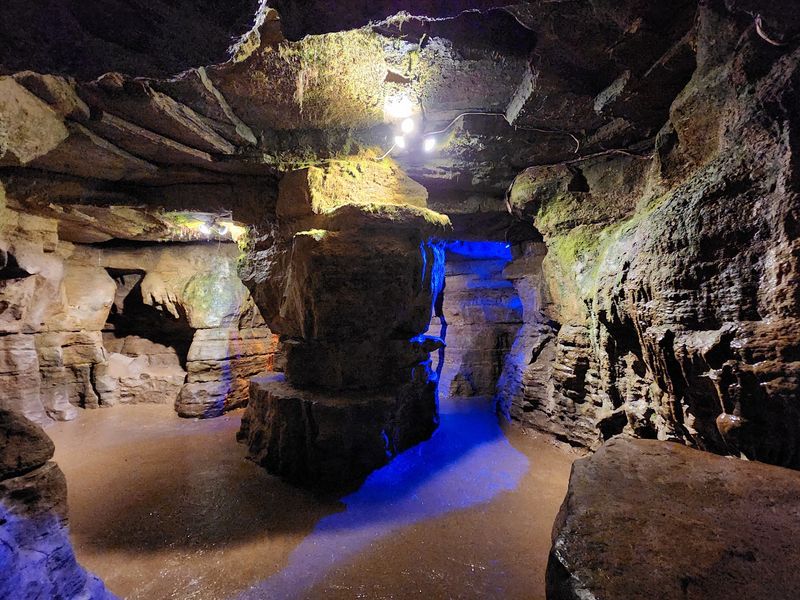
One chamber, called Council Rock, is thought to have been a meeting place for important gatherings and ceremonies. Down there, the cool air and hush give the room a serious mood.
I caught myself lowering my voice without even thinking about it.
My advice is simple and worth following. Stop at the museum before your cave walk so you understand what you are seeing underground.
Then, once you reach Council Rock, take a moment to just look around and imagine families sitting together in that same space. It adds a layer of meaning that pictures alone cannot give you.
Rock Older Than Dinosaurs
Some numbers are hard to wrap your head around. The Columbus Limestone around these caverns formed during the Devonian Period, roughly 350 million years ago, when this part of Ohio sat under an ancient sea.
I touched the wall gently and tried to picture that, and my brain sort of gave up.
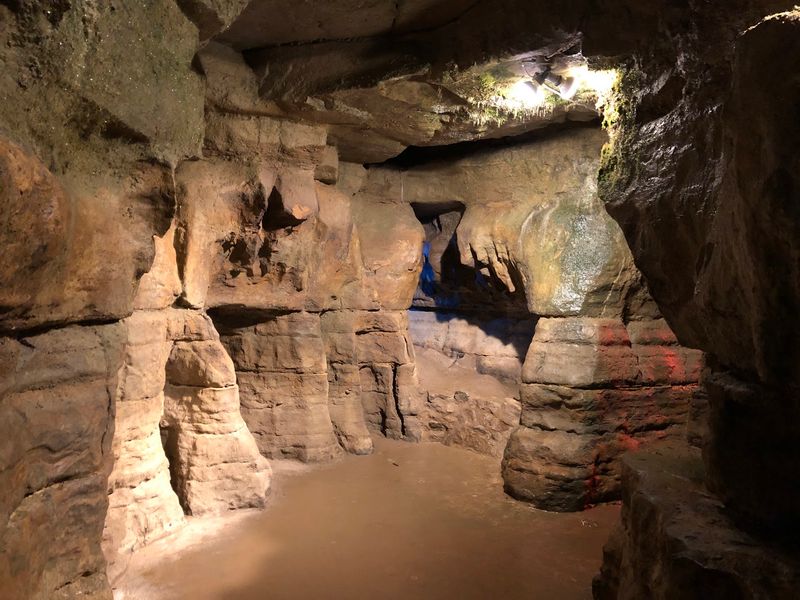
An underground river slowly carved the passages through solid limestone. Water did all of this, drip by drip and flow by flow, over a stretch of time far longer than humans have existed.
You can still spot smooth curves in the rock where the water once pushed through.
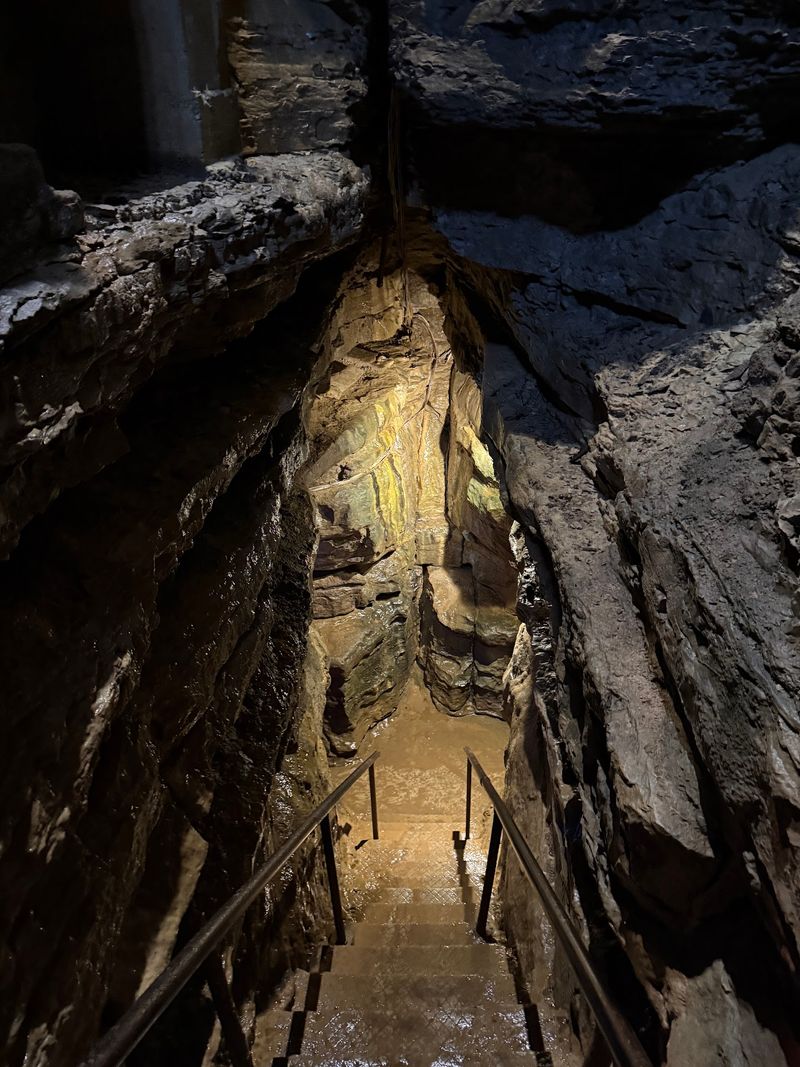
Concrete stairs lead visitors down to three levels at about 55, 75, and 105 feet below the surface. A fourth level holds a stream that still flows toward the Olentangy River, roughly half a mile east, but that part stays closed to the public.
Bring a light jacket, even in July. The cave stays around 54 degrees all year, which felt wonderful on a hot afternoon.
Wear sturdy shoes too, since the steps can get damp and slick. Holding the railings is smart, so snap your photos only when you have stopped moving.
Squeezing Through Fat Man’s Misery
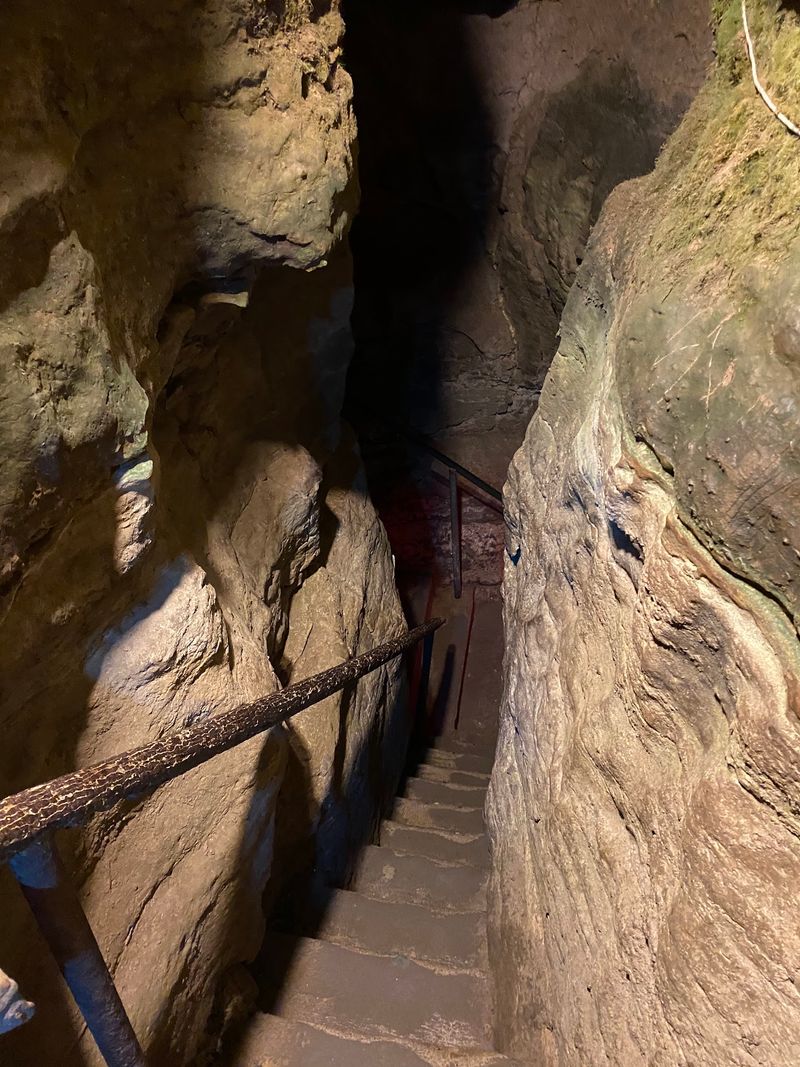
Fat Man’s Misery earned its name honestly. I turned a little sideways in that snug passage and laughed at myself, then the walls suddenly opened up into Cathedral Hall, where the ceiling rises high overhead.
The change from tight to roomy is half the fun.
The tour here is self-guided, so nobody rushes you along. I wandered at my own speed, pausing at audio stations that share history and geology for each area.
Hearing those short recordings while standing right in the spot they describe made everything click.
Other named spots kept me curious. The Bell Tower room has tall formations, while the second level holds Battleship Rock and the Crystal Room.
Be aware that this cave is known more for its history and shape than for big displays of stalactites, so set your expectations around the story.
A few practical notes might help you plan. The stairs are steep, and the cave is not handicap accessible, so anyone with mobility concerns should ask staff first.
People who feel uneasy in tight spaces may want to skip the narrowest stretch. For everyone else, slow down, listen to the dripping water, and enjoy the quiet.
Goats on Swings and Deer Kisses
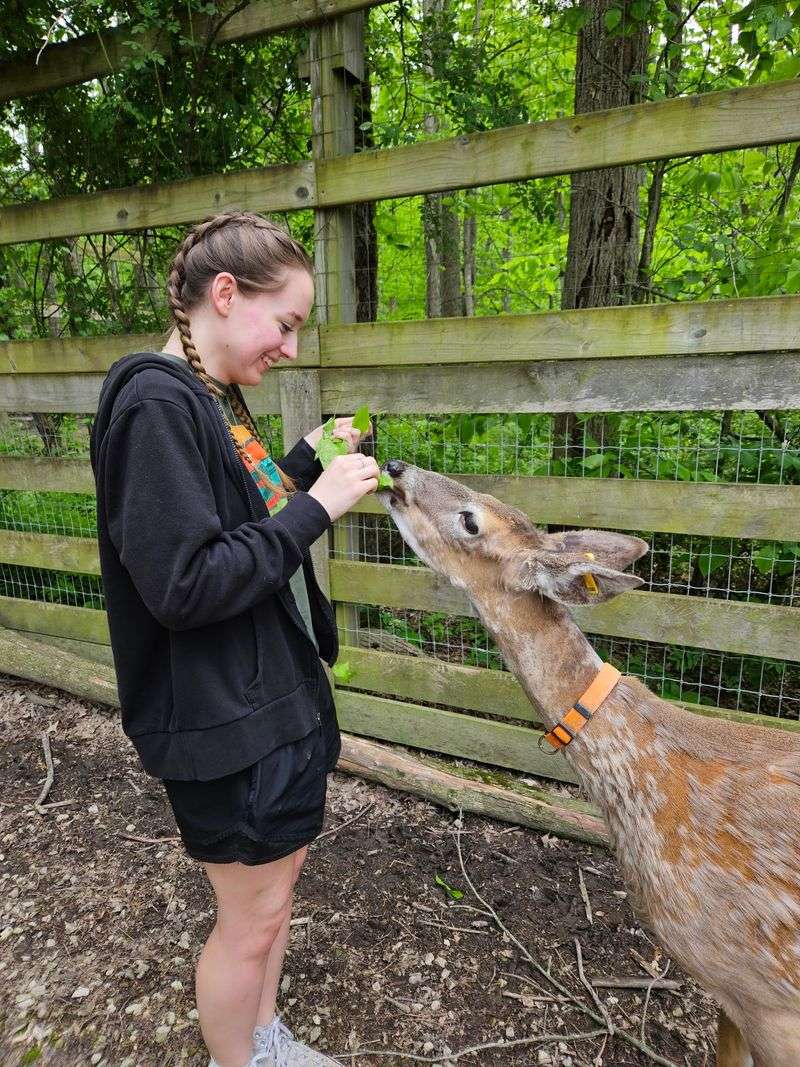
Nobody warned me that deer could be this friendly. Back above ground, the petting zoo turned out to be one of the busiest and happiest corners of the whole property.
Goats hopped around and even played on swings, and the deer gently nibbled feed from my cup.
Animals here have room to roam in a natural setting, which I really liked to see. Nobody forces them to come over, so the visits feel relaxed and sweet.
Kids squealed, parents grinned, and honestly I was just as excited as the little ones.
Bring a little patience and let the animals approach you. Hold the feed cup low and steady so the goats do not snatch it all at once, which they definitely will try.
Watch your head when you enter the deer pen, since the entry beam sits fairly low.
Fun fact for younger visitors: goats are natural climbers and love to stand on high spots, which explains why they seem so pleased on those swings and platforms. Seeing them balance up there is pretty entertaining.
Plan to wash your hands afterward, and expect a few happy, slightly sticky fingers in your group.
Gems, Mazes, and a Fire Truck Slide
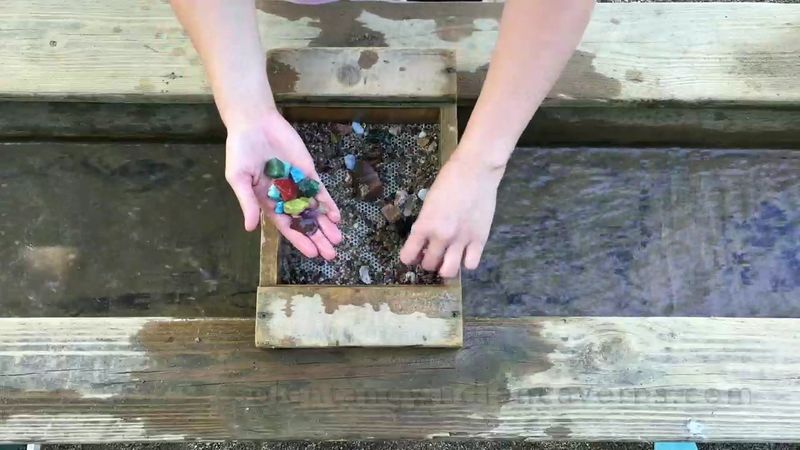
Sifting through wet sand for shiny stones brought out my inner treasure hunter fast. The gem mining station lets you rinse a bag of rough material in a running water sluice, and little sparkles start popping up.
Kids around me shouted every time they found something purple or green.
Next came the treasure hunt maze, which has hidden prize dispensers tucked along its winding path. Finding them all takes a bit of teamwork and a lot of wrong turns.
Prizes can include arrowheads and small vials of gems, which felt like a fitting nod to the caverns below.
Mini golf offers a calmer break, and the playground steals the show for younger kids. A retired red fire truck has been turned into a slide, and I saw more than one child refuse to leave it.
Bumpy slides and swings add even more ways to burn off energy.
Plan for a full day rather than a quick stop. Shaded spots help on hot afternoons, so ask staff which activities sit out of the sun.
Arriving early also makes parking easier, especially on weekends when families pour in for a day outside.
Bigfoot Trail, Cave Yoga, and Shiny Souvenirs
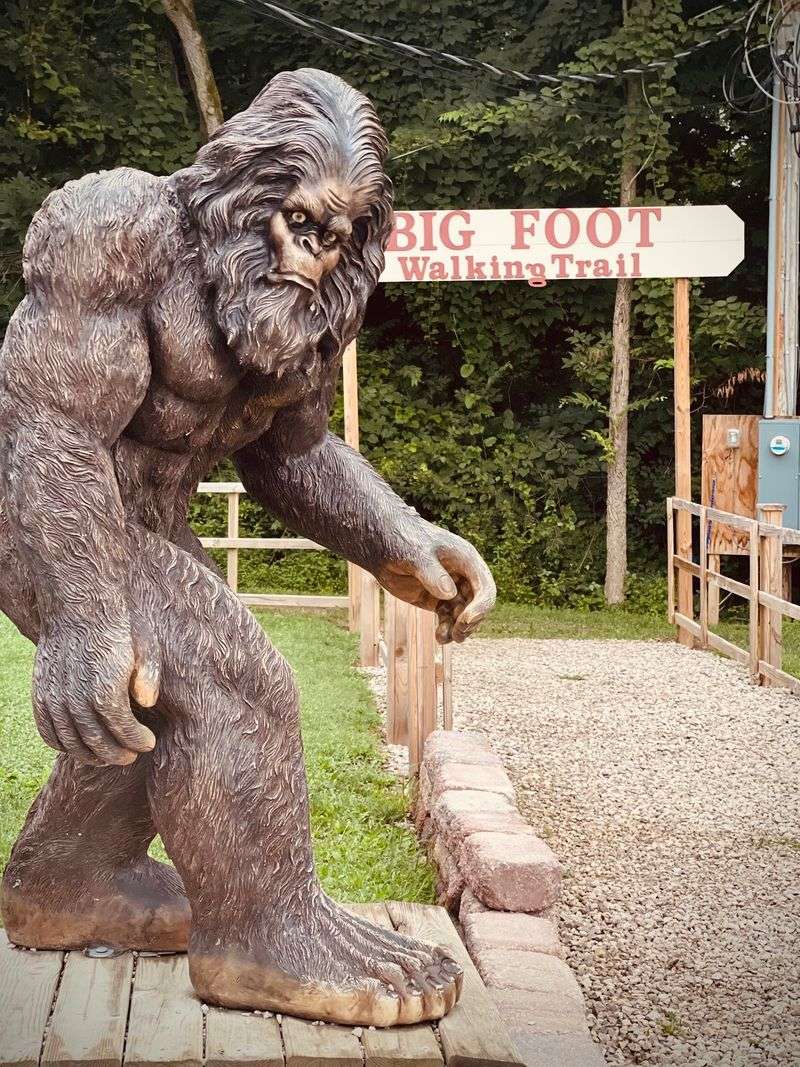
After all the excitement, I needed a slower moment, and the Bigfoot Trail delivered. This easy woodland path winds past carved wooden statues, including animals and, yes, a Bigfoot or two.
Birds chattered overhead, and the shade felt great after the sunny play areas.
The caverns also host cave yoga sessions now and then, held right inside the cool underground rooms. Stretching surrounded by ancient limestone sounds wonderfully calm to me.
Check the official website for event dates, since special programs change through the season.
Before heading home, I stopped at the Rock and Gem Shop. Crystals, geodes, polished stones, and nature-themed gifts filled every shelf, and choosing just one took me far too long.
A small geode makes a great keepsake because it ties right back to the rock story underground.
Picnic areas sit nearby, so packing lunch is an easy way to stretch your visit. Hours generally run from 9:30 in the morning into the late afternoon, with slightly longer days on weekends.
Address: 1779 Home Rd, Delaware, OH 43015
