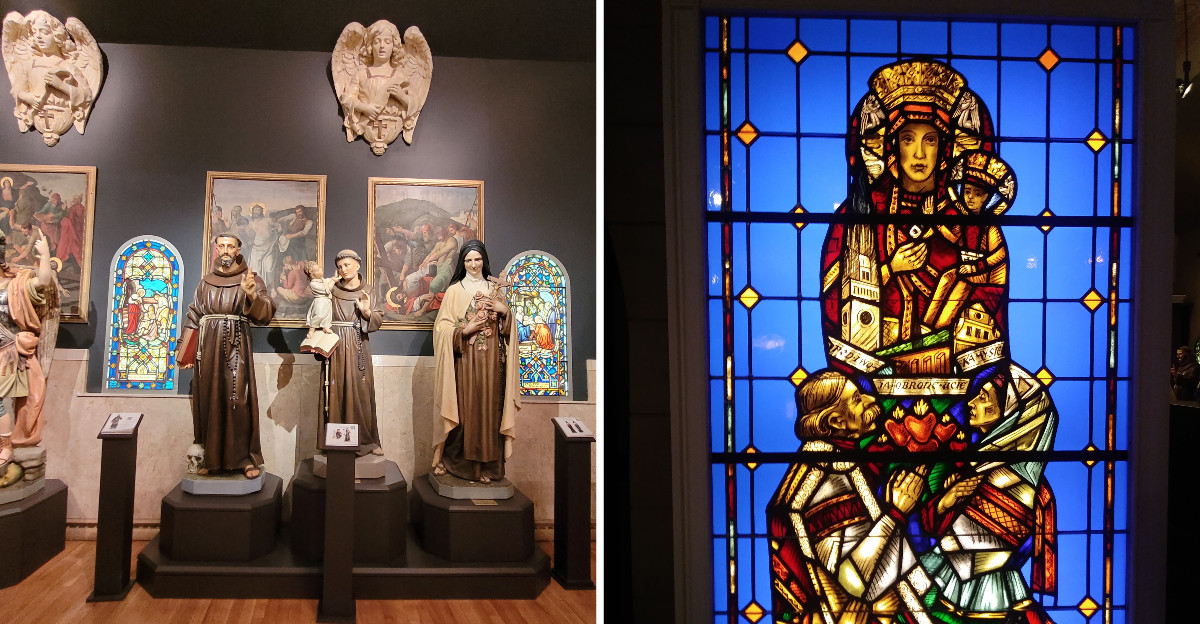
Saints watch from every corner of an old Ohio church, their eyes following you down the aisle. The building once served as a neighborhood parish, and today it holds more than 200 rescued pieces of sacred art.
A professional makeup artist gathered and repaired them all, using the same steady hand that paints faces to bring cracked statues back to life. The collection feels personal, almost like visiting the home of someone who could not let beautiful things be thrown away.
Soft music floats through the room, colored light spills through the windows, and every corner holds a story waiting to be read. Walking through, the quiet feels different than a typical museum.
This is not a polished gallery with velvet ropes. It is a sanctuary for forgotten art, and it welcomes anyone who wanders in.
History, creativity, and calm share the same space here. Ohio keeps this little surprise in plain sight, and it rewards the curious.
A Makeup Brush That Started It All
Funny enough, the whole story began with one broken statue. Around 2009, Louis McClung repaired a damaged figure of St. Clare of Assisi, and something clicked for him right away.
He already worked as a professional makeup artist, so he knew a lot about color, skin tones, and tiny details. I kept thinking about that while studying the faces in the museum.
The rosy cheeks, the soft shadows under the eyes, and the gentle glow on each forehead all looked like the work of someone who understands how real faces catch the light.
His skills turned out to be a perfect match for restoring plaster saints. Chipped noses got rebuilt, faded robes got fresh paint, and dull eyes started to shine again.
You can spot that careful touch on nearly every piece in the room.
What struck me most was how one small repair grew into a lifelong mission. It reminded me that hobbies sometimes lead us to places we never expected.
If you visit, take a minute to look closely at the faces instead of the whole statue. Notice the eyelashes, the lips, and the tiny blush on a cheek.
Those little details show the true heart of this project.
An Old Parish With a Second Life
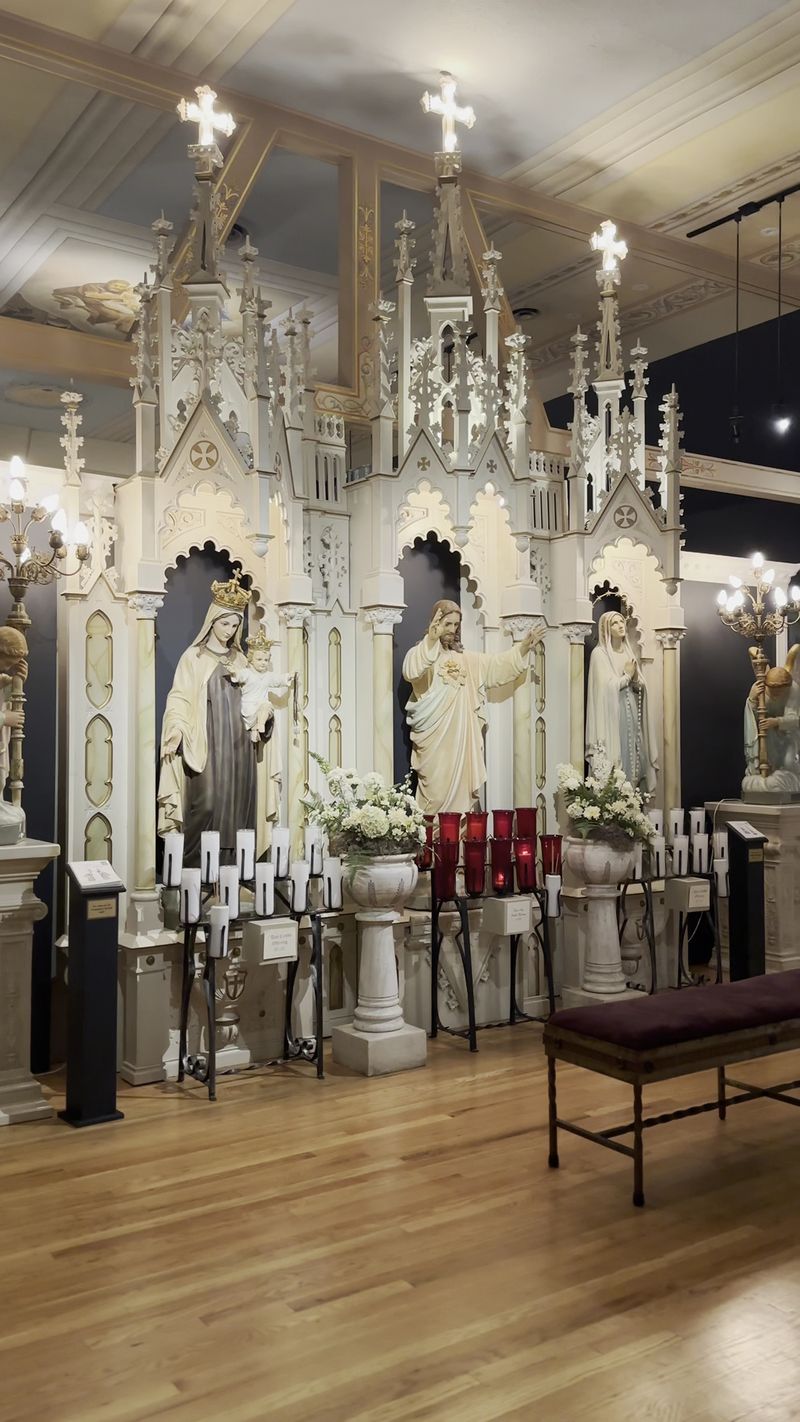
From the street, the building looks like a modest neighborhood church, and honestly, that is part of its charm. It used to be St. Hedwig’s, a Catholic parish that the Diocese of Cleveland closed in 2009.
Many closed churches end up empty or torn down. This one had better luck.
Louis McClung bought the property from the diocese and turned it into a home for sacred art that had nowhere else to go.
I liked that the space still feels like a church. The ceiling, the layout, and the hush in the air all hint at the decades of weddings, baptisms, and Sunday services that once happened here.
Instead of erasing that history, the museum leans into it.
The museum first opened in 2011 under the name The Museum of Divine Statues. Later it became The Sanctuary Museum, which fits perfectly, since the building truly acts like a safe harbor for these rescued treasures.
Here is a tip that made my visit easier. Free parking sits right beside the building, so you do not have to circle the block looking for a spot.
Just pull in, stretch your legs, and head inside.
A Crowd of More Than 200 Saints
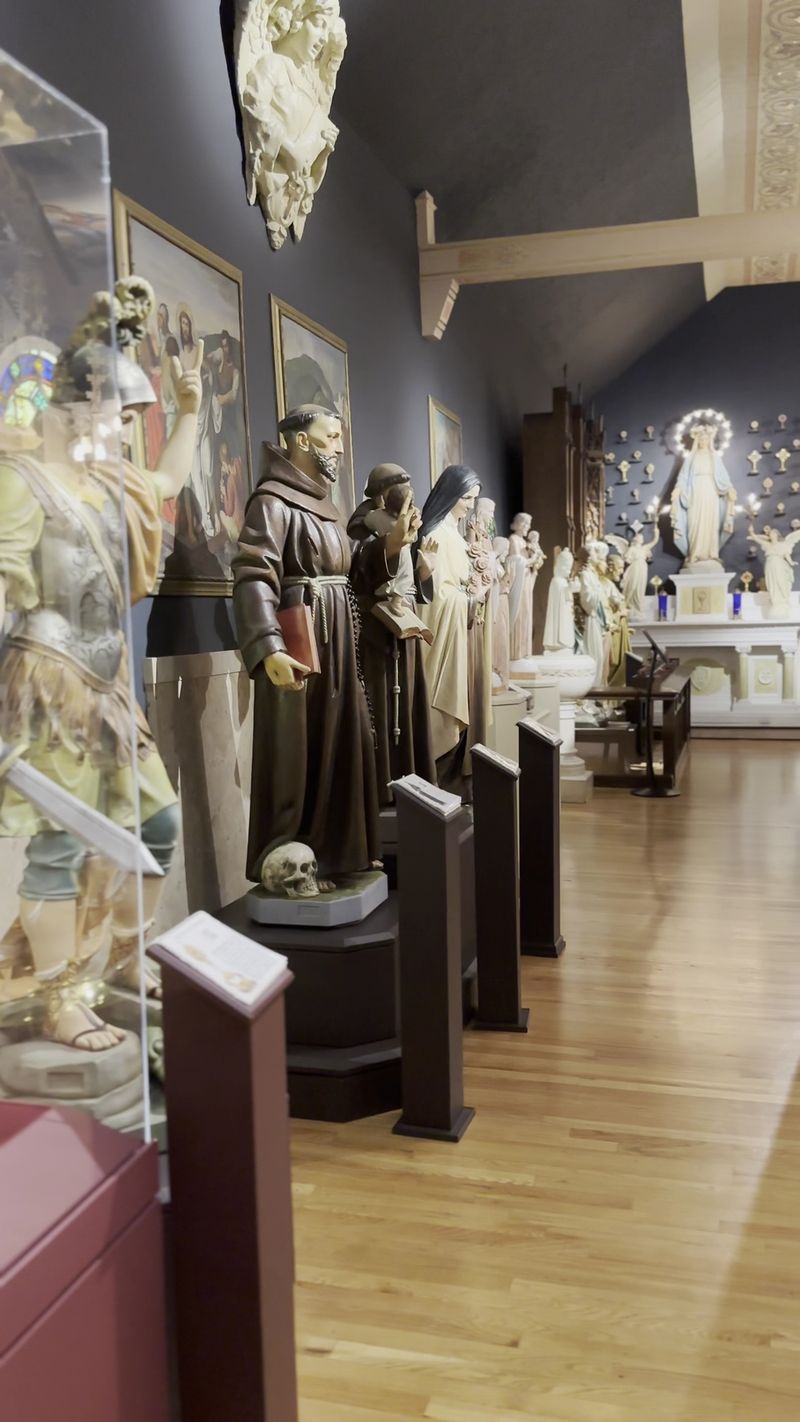
Two hundred pieces might not sound huge until you see them gathered in one big room. My first reaction was a quiet wow, because everywhere I turned, another saint was looking back at me.
The collection includes far more than statues. You will find paintings, chalices, monstrances, communion rails, and even baptistry gates, most of them saved from closed Catholic churches around the Cleveland, Ohio area.
Each object once belonged to a real parish with real families.
Some figures stand tall in marble, while others are painted plaster in bright blues, reds, and golds. The mix keeps your eyes busy.
I found myself moving slowly, like browsing shelves in a favorite bookstore.
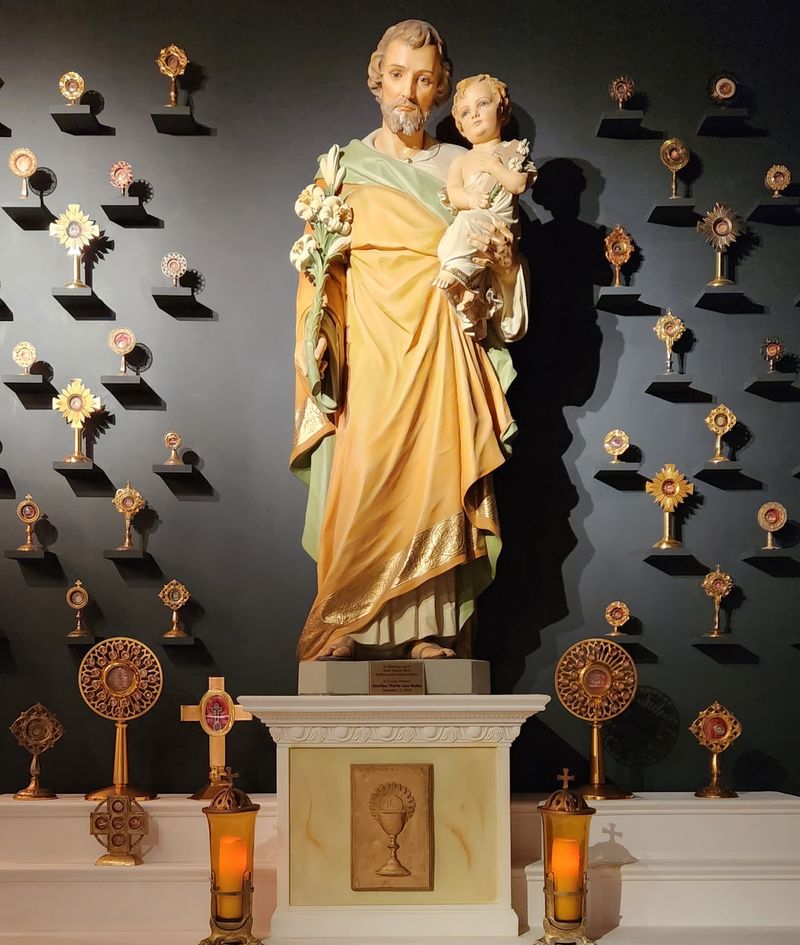
One visitor online joked about stepping too close to the relic walls and tripping a laser, just like in a spy movie. That detail made me laugh, but it is also good advice.
Keep a little space and read the labels from a comfortable distance.
Plan for about an hour, though you could easily stay longer. Bring curiosity more than a checklist.
The room rewards people who wander, pause, and let one statue lead them to the next.
Meeting the Oldest Treasure From 1855
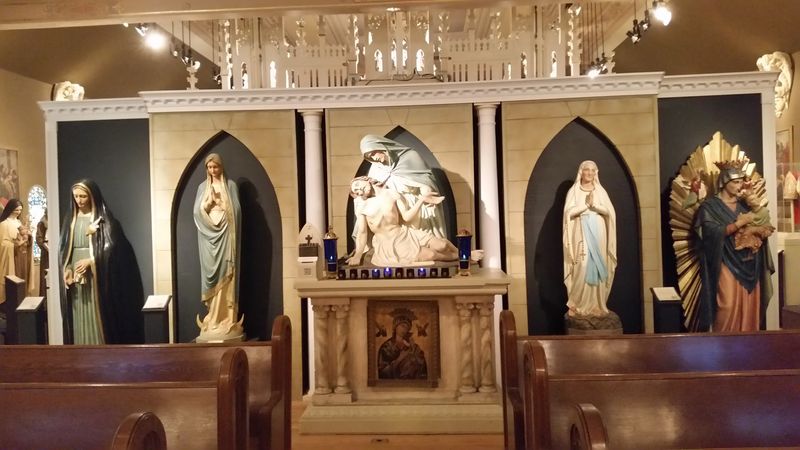
History lovers, this one is for you. The oldest piece in the museum is a statue of Our Lady of Perpetual Help, and it dates all the way back to 1855.
Think about that for a second. When this statue was made, Abraham Lincoln had not even become president yet.
It has survived wars, changing neighborhoods, and the closing of churches, and somehow it still stands here for us to see.
I spent a while just studying it. Older pieces often show their age in small ways, like soft edges or gentle wear, and that gives them a kind of quiet dignity.
It felt less like a display item and more like a great-great-grandparent of the whole collection.
Our Lady of Perpetual Help is a popular image in Catholic tradition, often linked to comfort and protection. Knowing that families prayed in front of figures like this for generations made the moment feel extra meaningful.
A small suggestion for your visit is to ask about the statue if a guide is around. Learning where an object came from and how it was saved adds so much to the experience.
Even a few facts can turn an old figure into a story you will remember.
Joan, Lucy, Sebastian, and the Star of the Show
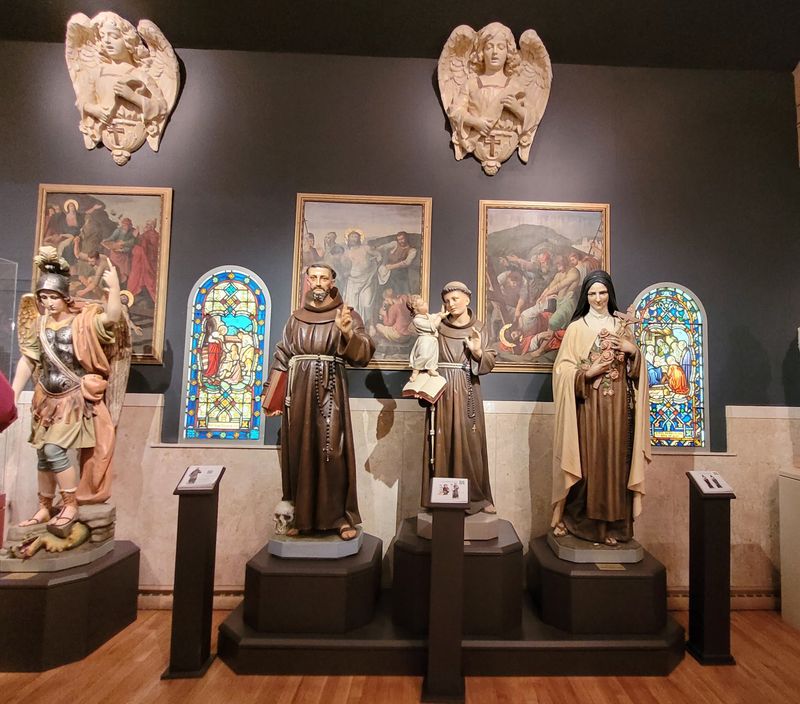
Every museum has its celebrities, and here they wear halos. My favorite moment was spotting Joan of Arc, standing brave and proud like she was ready to lead a parade.
Nearby, Saint Lucy and Saint Sebastian each have their own powerful presence. Saint Lucy is often shown holding a dish, a symbol tied to her story, while Saint Sebastian is usually pictured with arrows.
If you do not know the stories, the labels help fill in the gaps, and some pieces even have QR codes you can scan for extra details.
Then there is the centerpiece, Saint Nepomucene. He is the figure the museum treats as its main attraction, and it is easy to see why.
The size, the detail, and the careful restoration make him hard to walk past.
I enjoyed playing a little game while exploring. I tried to guess who each saint was before reading the sign, based only on what they held or wore.
My score was not perfect, but it made me look much more closely.
Try it with friends or kids. It turns the visit into a friendly challenge and helps everyone notice the symbols artists used long ago.
Colored Light and a Gentle Soundtrack
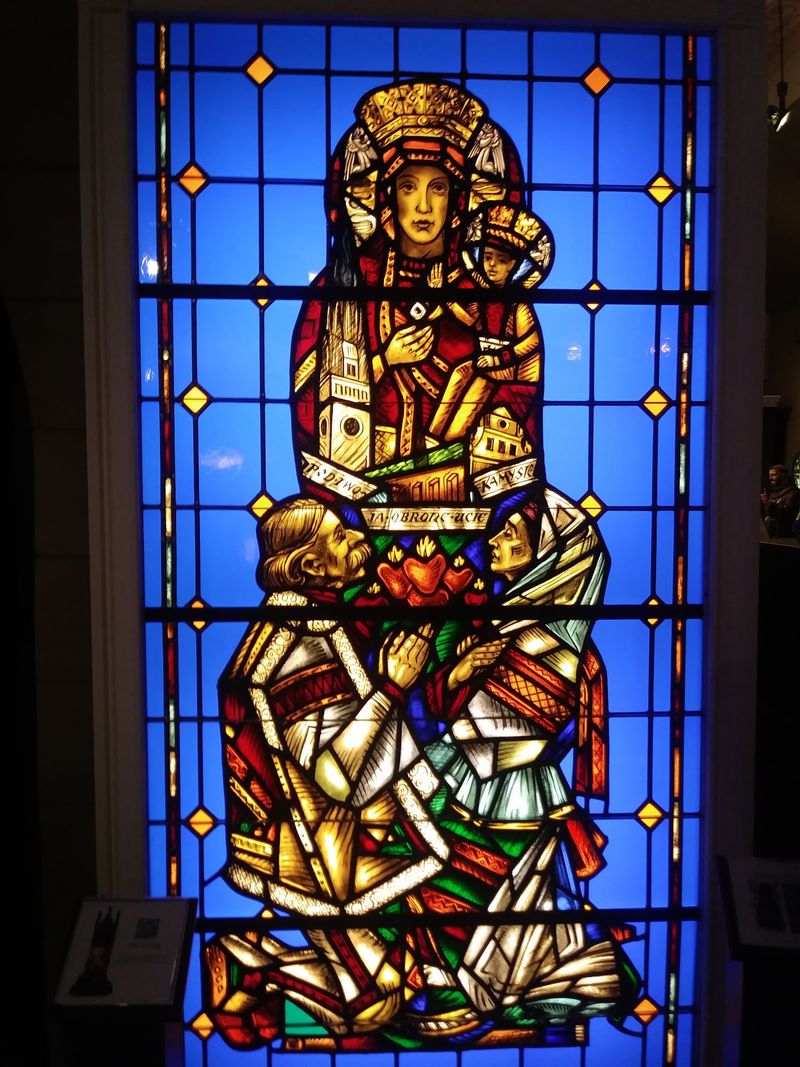
Sunlight did something magical the afternoon I visited. It poured through the stained-glass windows and painted little patches of red, gold, and blue across the floor and statues.
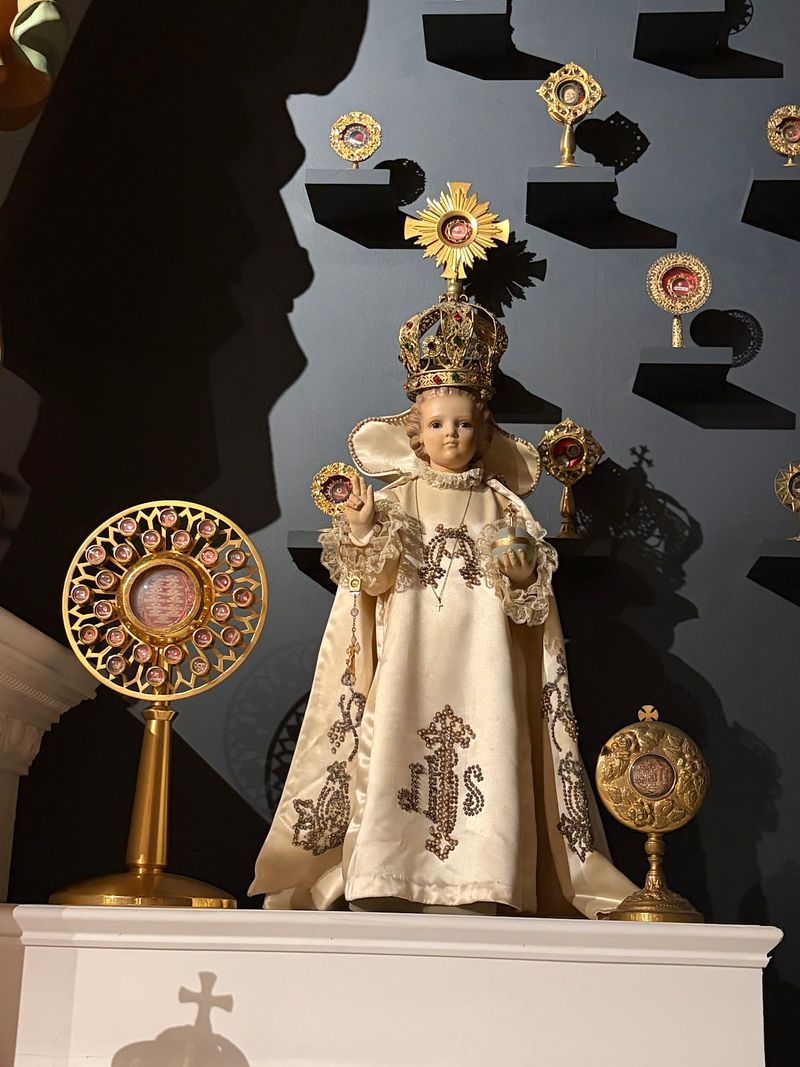
The museum has several elaborate windows, many rescued from closed churches just like the statues. Each one is packed with detail, from tiny faces to swirling patterns.
I could have stared at a single panel for ten minutes and still found something new.
Soft music plays in the background, too. It is calm and steady, and it changes the mood of the whole space.
Several visitors have mentioned feeling a strong sense of peace here, and I understand that completely.
You do not need to be religious to enjoy it. The room simply invites you to slow down, breathe, and look.
In a busy week, that alone felt like a gift.
If you can, visit on a bright day for the best light show. Find a spot to stand still for a minute and watch the colors move as clouds pass outside.
It is a small thing, but it might become your favorite memory of the trip.
Smart Tips Before You Head Over
Timing matters a lot with this place, so learn from my planning. The museum keeps short hours, opening Wednesdays from 10:30 AM to 1 PM and Saturdays from 12 PM to 4 PM.
Those limited windows mean you should build your day around them. Check the official website before you go, since schedules can change.
I also suggest arriving early in the session so you are not rushed.
There is an admission fee, and the money helps support the restoration work. A small gift shop sits inside, offering souvenirs that make sweet reminders of your visit.
One more practical note is that public restrooms are not available, so plan a stop beforehand.
Lakewood itself is a friendly city just west of Cleveland. You can pair your visit with a stroll along Madison Avenue or a drive to nearby Lake Erie views to round out the afternoon.
Most of all, go with an open mind. Whether you come for art, history, faith, or plain curiosity, these rescued saints have a way of making you feel welcome.
I left feeling calmer than when I arrived, and I think you might too.
Address: 12905 Madison Ave, Lakewood, Ohio 44107
