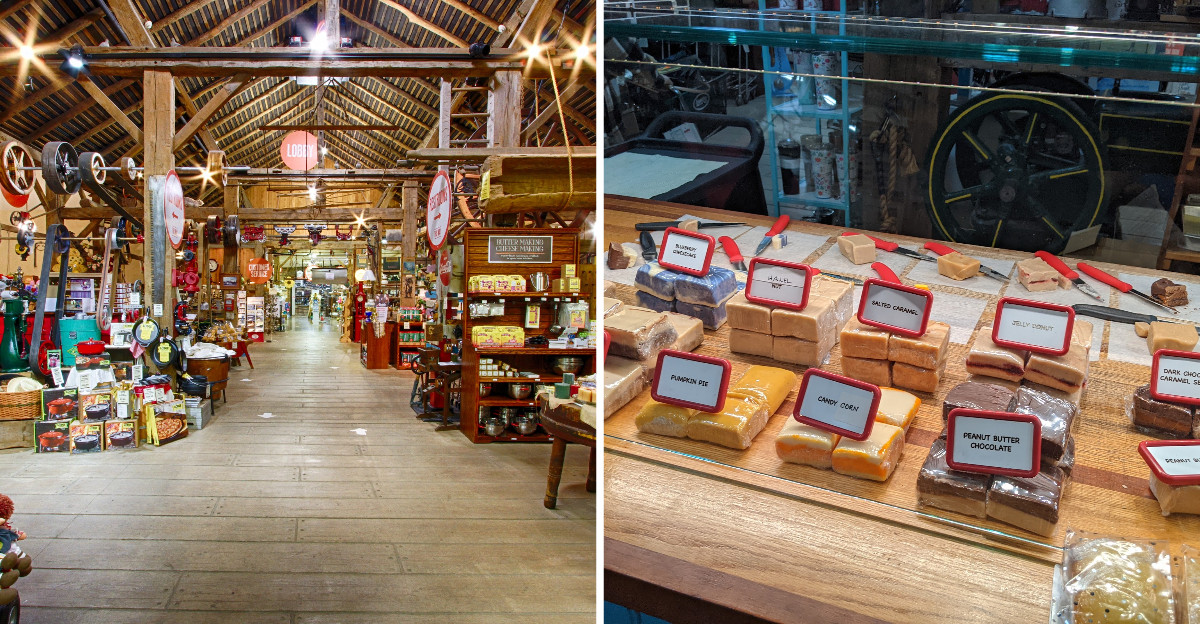
Oil lamps, cast iron pans, and shelves of glass-bottled sodas can swallow an afternoon whole. One Ohio hardware store began in 1955 as a small shop serving neighbors who live without electricity.
Today it stretches about a quarter mile under one roof, built partly with old barns and pre-Civil War buildings. Somewhere along the way, a movie crew went looking for an authentic cast iron stove and found exactly what they needed here.
Places with surprising backstories are hard to resist, and this one has a great one. The shelves are stacked with tools, cookware, and old-fashioned goods that most stores stopped carrying decades ago.
Wooden floors creak underfoot, and the smell of oil and iron fills the air. Visitors can spend hours exploring the aisles, discovering items they never knew existed.
The store feels less like a retail space and more like a museum of practical history. Hours slip away without notice.
Here is what made my visit so memorable, and why I already want to go back.
A Small Shop Built for Amish Neighbors
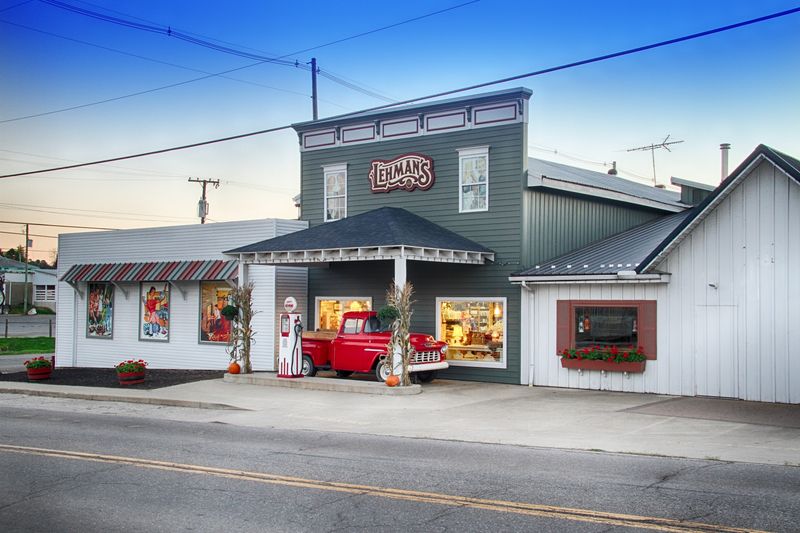
Rolling hills and buggy signs lined the road as I drove toward Kidron, and that set the mood perfectly. Lehman’s began with a simple goal.
Jay Lehman opened the store in 1955 to serve the local Amish community, whose families choose to live without electrical conveniences.
He took over an older business that combined a hardware store with a gas filling station, and it had already been operating since 1915. At first, it stayed a modest local shop.
Shelves held the practical, non-electric goods Amish households needed every day, from lamps to hand tools.
I found myself thinking about how personal that mission was. Jay was not chasing trends or flashy products.
He was solving real problems for the people living right down the road, and that kind of purpose still shows in the store today.
Here is a tip for your visit. Take the back roads into Kidron instead of rushing in on the main highways, because the farms, gardens, and quiet fields help you understand who this store was built for in the first place.
Understanding that background made every aisle feel more meaningful to me.
When the Oil Crisis Changed Everything
History has a funny way of nudging small businesses into the spotlight. For Lehman’s, that nudge came in 1973, when the oil crisis left many Americans worried about relying so heavily on modern energy.
Suddenly, people far beyond Amish Country wanted lamps, wood stoves, and hand-powered tools. Jay Lehman later said the oil embargo put the store on the map.
Customers who had never thought about living off the grid started asking questions and placing orders.
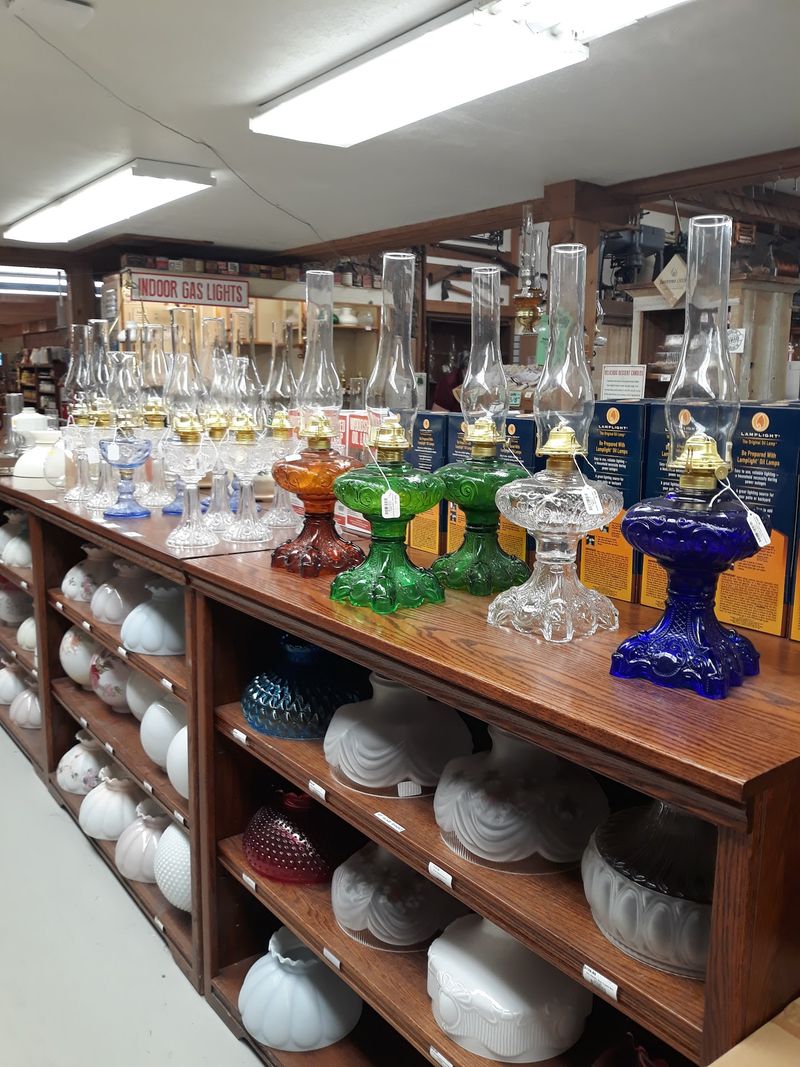
Standing near a long row of oil lamps, I could easily picture that moment. The brass glowed softly, and every chimney glass looked ready for a power outage or a cozy winter night.
What started as a neighborhood shop grew into a business that now ships products all over the world. Even so, the heart of the place still points back to preserving older skills for future generations.
If you are curious about emergency preparedness, spend some time in this part of the store. Staff members can explain how lamps, wicks, and fuels work, and that kind of knowledge feels surprisingly useful during stormy seasons.
I left with a much better idea of how to keep a house lit when the power fails.
The Day a Movie Needed a Cast Iron Stove
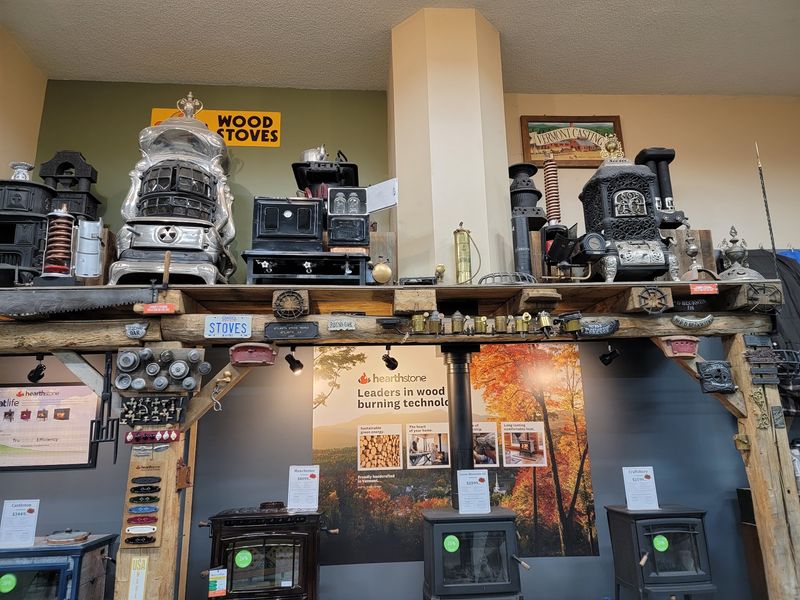
Movie trivia fans, this one is for you. In the late 1980s, a property master searching for authentic period items reached out to Lehman’s for a cast iron stove, and it ended up in Back to the Future Part III, released in 1990.
That single phone call opened an entirely new door. Since then, Lehman’s has become a go-to source for historic props, supplying items for a number of films and television series.
Honestly, I could see why. Many of the stoves and tools here look like they rolled straight out of the 1800s.
They are not cheap plastic copies either, but sturdy, working pieces built with old designs in mind.
I kept laughing to myself at the idea of a Hollywood crew browsing the same aisles as Amish farmers. It is such an unlikely pairing, yet it makes perfect sense once you see the quality up close.
Next time you watch a western or a period drama, pay attention to the kitchen scenes. A lantern, a washtub, or a stove might have a quiet connection to this small Ohio town, and that thought makes movie night a little more fun.
A Building That Doubles as a Museum
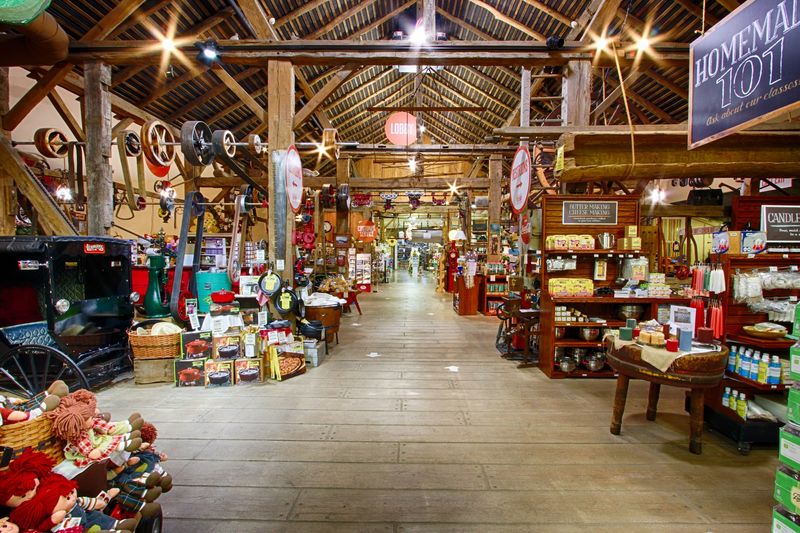
My neck got a real workout here because I kept staring up at the ceiling. The store includes pieces of a log cabin and three pre-Civil War buildings, all connected into one long, winding space.
The standout is an 1849 barn that was moved from Orrville, Ohio. It was carefully rebuilt using its original hand-hewn timbers and wooden pegs, and an Amish-staffed construction company handled the work.
Around every corner, little displays show off pieces of the past. I spotted antique cookstoves, vintage plows, tiny sewing machines, and old carpentry tools.
There is even a collection of antique yardsticks and a pig oiler, which made me stop and squint for a minute.
The collections of old stoves and iceboxes are worth slowing down for. They show how families once cooked, chilled food, and kept warm long before modern appliances arrived.
My advice is simple. Wear comfortable shoes, since the building is huge, and do not rush the small history stops tucked between shopping areas.
Kids enjoy spotting the oddest objects, and plenty of visitors mention a scavenger hunt and mini museums that keep young explorers busy.
Aisles Full of Clever, Low-Tech Tools
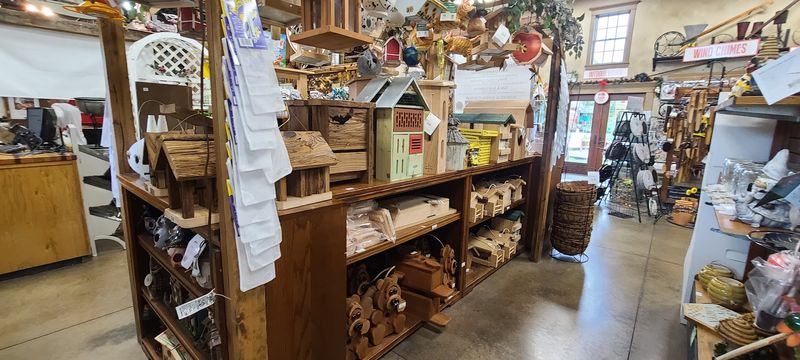
Cast iron skillets stacked like dinner plates were my first clue that I would leave with something heavy. Lehman’s calls itself a low-tech superstore, and the name fits.
Propane refrigerators and freezers sit near manual washing machines and hand-cranked grain mills. Wood heat stoves look built to outlast their owners.
Every item seems designed to work hard without a power cord.
The housewares section was my favorite spot. Cast iron cookware comes in every shape you can imagine, plus baking tools, food storage supplies, and an impressive knife selection.
Gardeners and home cooks will want to linger near the canning gear. Jars, lids, and preserving tools fill entire shelves, perfect for anyone growing tomatoes or making jam at home.
Not sure how something works? Ask.
The staff can explain specialty items like water pumps, wood stoves, and canning equipment, which saves a lot of guesswork later.
One fun detail stuck with me. Among the old-fashioned goods, you will also spot modern gadgets, camping gear, puzzles, soaps, and clothing.
It is the kind of mix where you find things you never knew you needed, and you end up wondering how you lived without them.
Fizzy Bottles, Fudge, and a Cafe Break
Bubblegum soda? Bacon soda?
The Soda Pop Shop made me grin like a kid in a candy aisle. More than 300 kinds of soft drinks line the shelves, including around 70 varieties of root beer.
Some bottles are kept cold, so you can pick one and sip it right away. I recommend trying one classic flavor and one strange one, just for the story.
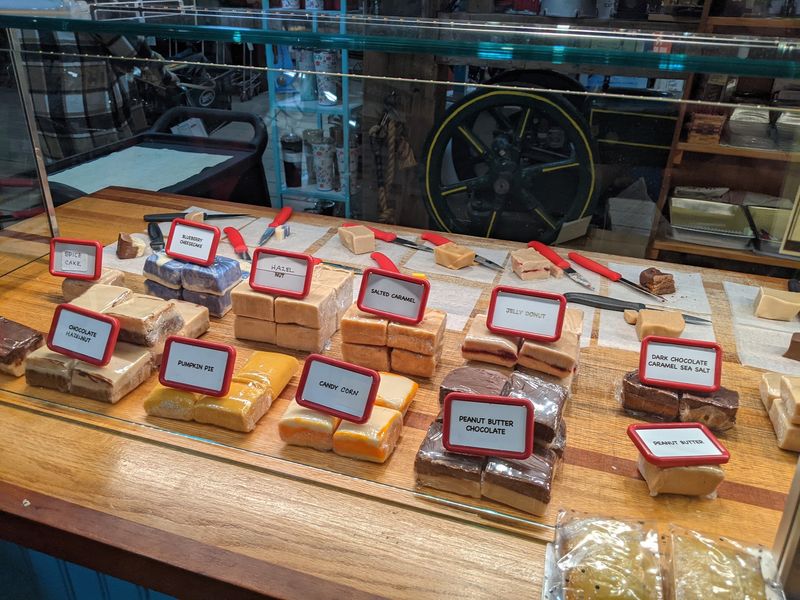
Fudge is another crowd favorite here. Plenty of visitors mention it, and it makes a sweet treat to carry on the drive home.
When my feet started complaining, the Cast Iron Cafe offered a welcome pause. Grabbing a bite inside the store means you can rest, refuel, and head back out to explore without leaving the property.
Families will also love the classic red phone booth near the front. Yes, you can actually make a real call from it, which feels delightfully old school.
There is a bookstore too, featuring films about Amish life. It adds a thoughtful layer to the visit, especially after all those sugary drinks.
Pick up a title if you want to learn more about the culture that inspired this whole place.
Planning Your Own Simpler-Life Adventure
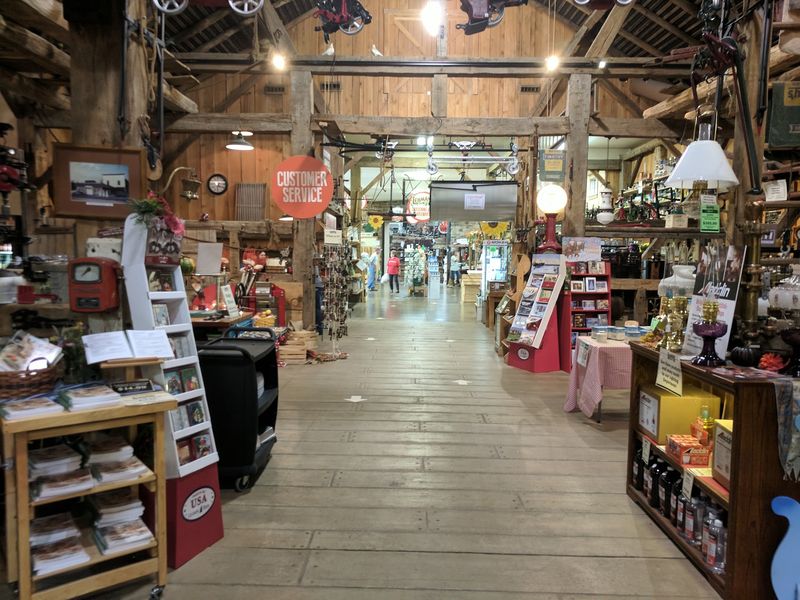
Around 500,000 people visit Lehman’s every year, and a busy Saturday can bring as many as 4,000 shoppers through the doors. Those numbers surprised me at first, but after a few hours inside, I completely understood.
For a calmer trip, try a weekday morning. The store opens at 9 AM Monday through Saturday and closes at 6 PM, and it stays closed on Sundays.
Give yourself at least two hours. Many visitors spend much longer and still feel like they missed something, especially in the wood carving gallery, where detailed carved pictures look almost alive.
Need a breather while others keep shopping? The carving room has comfy chairs and cool air, a lovely spot to sit and admire the artwork.
Keep an eye out for hands-on workshops and family events during the year. They teach practical skills tied to self-sufficient living, which fits the store motto, For a Simpler Life.
I drove away with a heavier bag and a lighter mind. A place founded for neighbors without electricity ended up reminding me that well-made things and slower days still matter.
Address: 4779 Kidron Road, Kidron, Ohio
