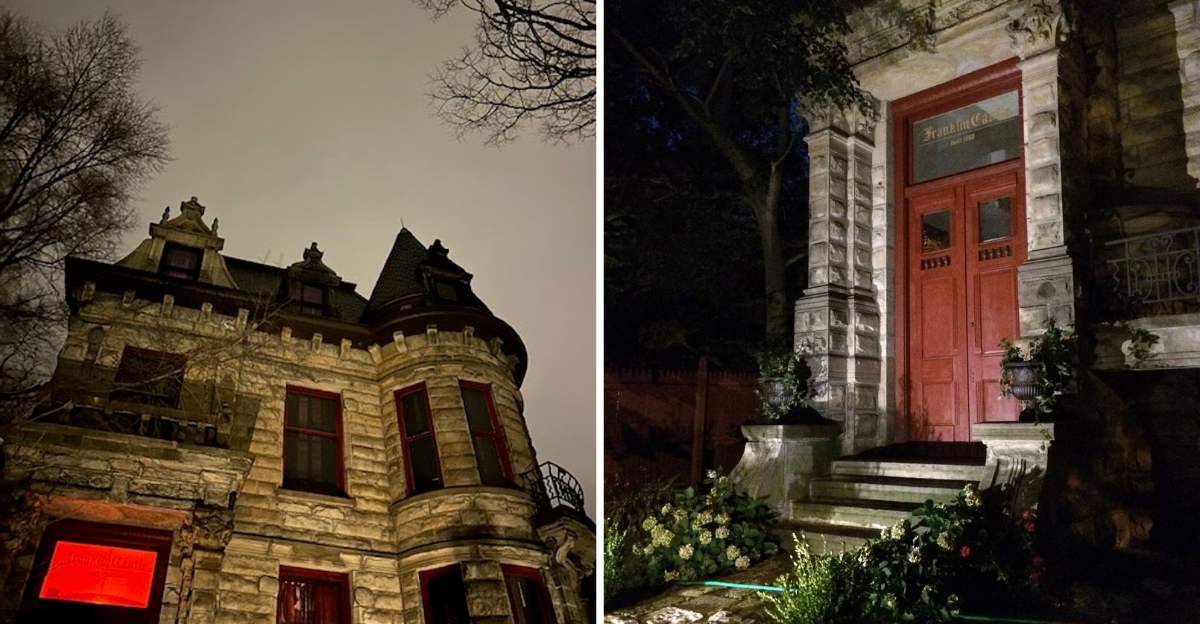
Stone walls, tall towers, and watchful windows make that Ohio mansion look like a piece of old Europe dropped into a Midwestern neighborhood. I came for the ghost tales, but the real history stayed with me longer than any ghost story could.
Built for a wealthy family in the 1880s, the house became tied to grief, rumors, fires, and years of changing owners. The original owner lost several children, and the sadness that settled into those rooms has never fully lifted.
Over the decades, the mansion passed through many hands, each new owner adding another layer to the building’s strange reputation. A fire damaged part of the structure, and the repairs only seemed to deepen the sense that something was unsettled.
It is easy to understand why people still whisper about it.
Even from the street, the house feels like it is holding back a hundred unfinished stories, and the weight of that history presses against you before you ever step through the front door.
A Castle Face on Franklin Boulevard
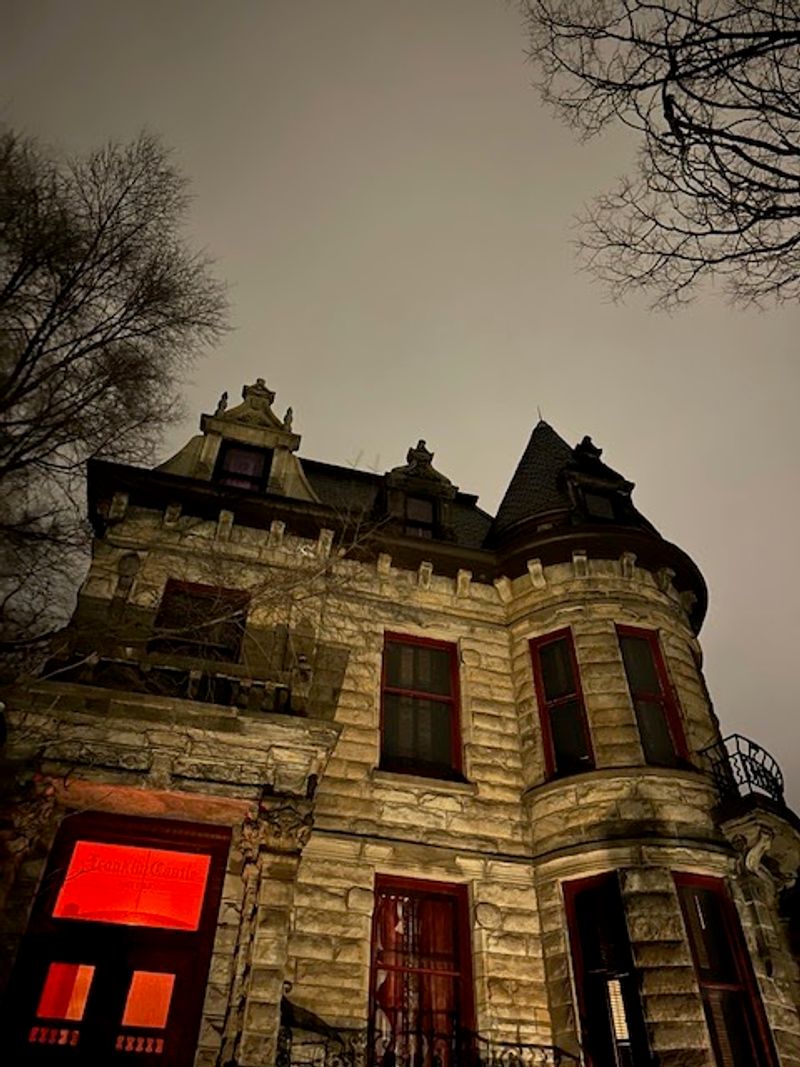
The first thing that grabbed me was the shape of the place. Franklin Castle does not politely blend in with the other historic homes around it.
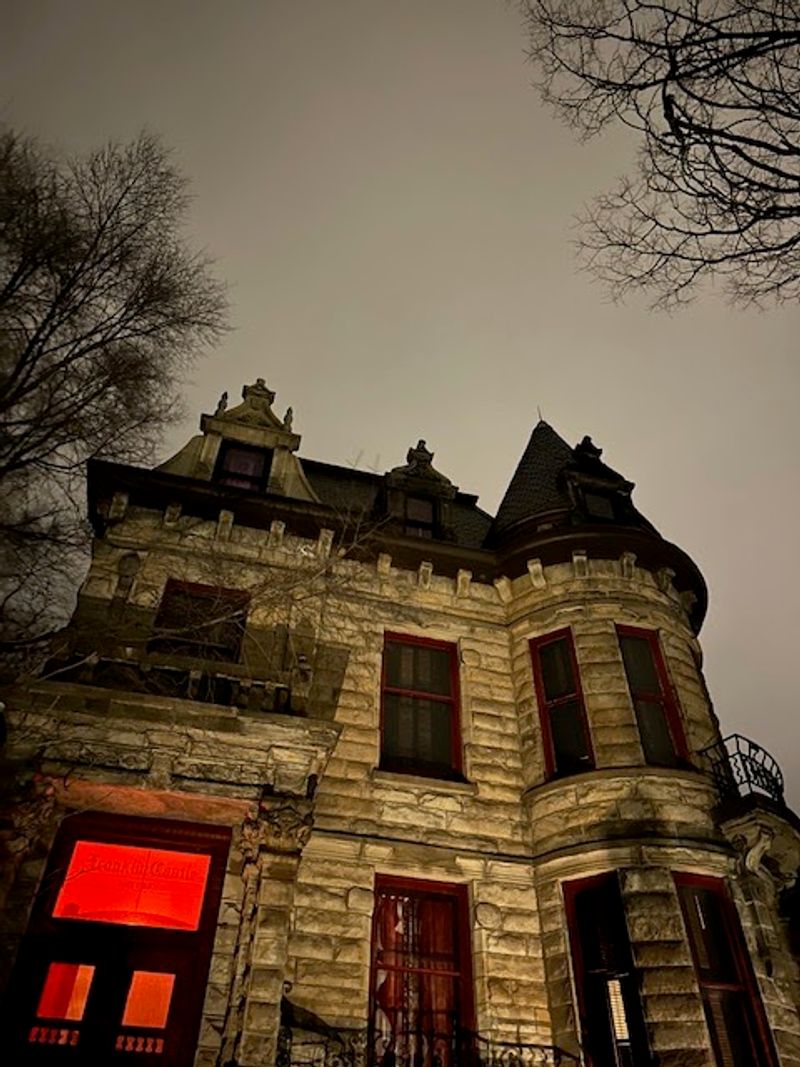
It rises with turrets, stone trim, tall windows, and a serious old-world mood.
Built between 1881 and 1883, the house was designed by Cudell and Richardson, a respected Cleveland architectural firm. Its style is often called High Victorian Eclectic or Queen Anne, which basically means it mixes drama, detail, and decoration in a very bold way.
With four stories, more than twenty rooms, and around eighty windows, it was meant to impress.
For travelers, the best way to appreciate it is slowly and respectfully from public areas, since the property is private unless you have arranged an official visit. Notice the roofline first, then the stonework, then the unusual details tucked above windows and corners.
The house proves that architecture can set the mood before a single ghost story is told. Bring curiosity, not trespassing shoes.
Hannes Tiedemann’s Grand Plan
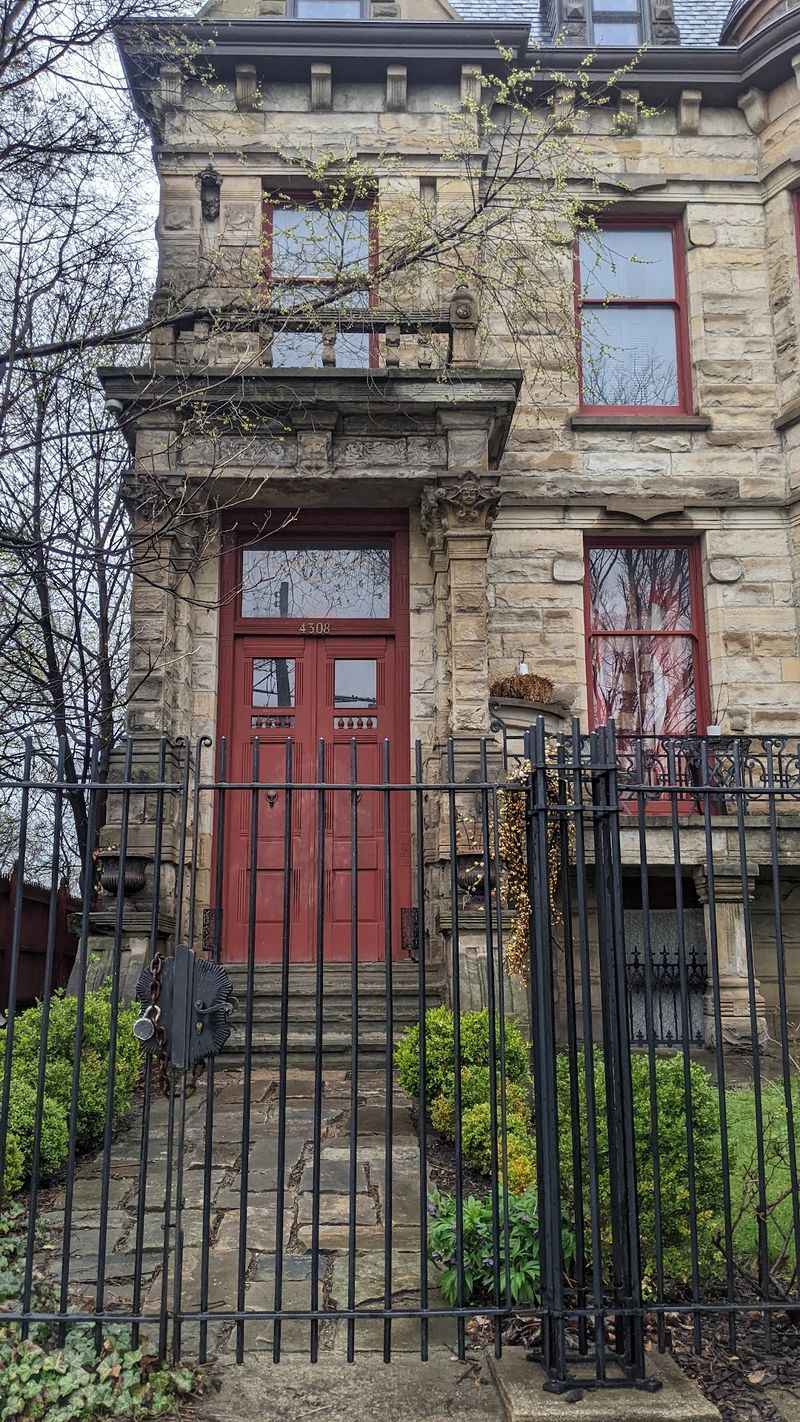
I like places more when I can picture why they were built, not just what happened later. Hannes Tiedemann was a German immigrant who became successful in Cleveland as a wholesale grocer and banker.
His mansion showed both pride and ambition.
Franklin Boulevard was one of the city’s most fashionable streets when the house went up. Tiedemann wanted a family home, but he also hoped it could shelter friends and relatives arriving from Germany.
That detail adds a surprisingly human layer to a building often described only as spooky.
The mansion was not just a display of wealth. It was meant to be a landing place, a symbol that someone had crossed an ocean and built a new life.
When you look at the heavy stone and huge scale, it helps to remember that dream. Historic houses are never only walls and staircases.
They are choices made by real people, often with hope, pressure, and a wish to be remembered.
Family Losses Behind the Legends
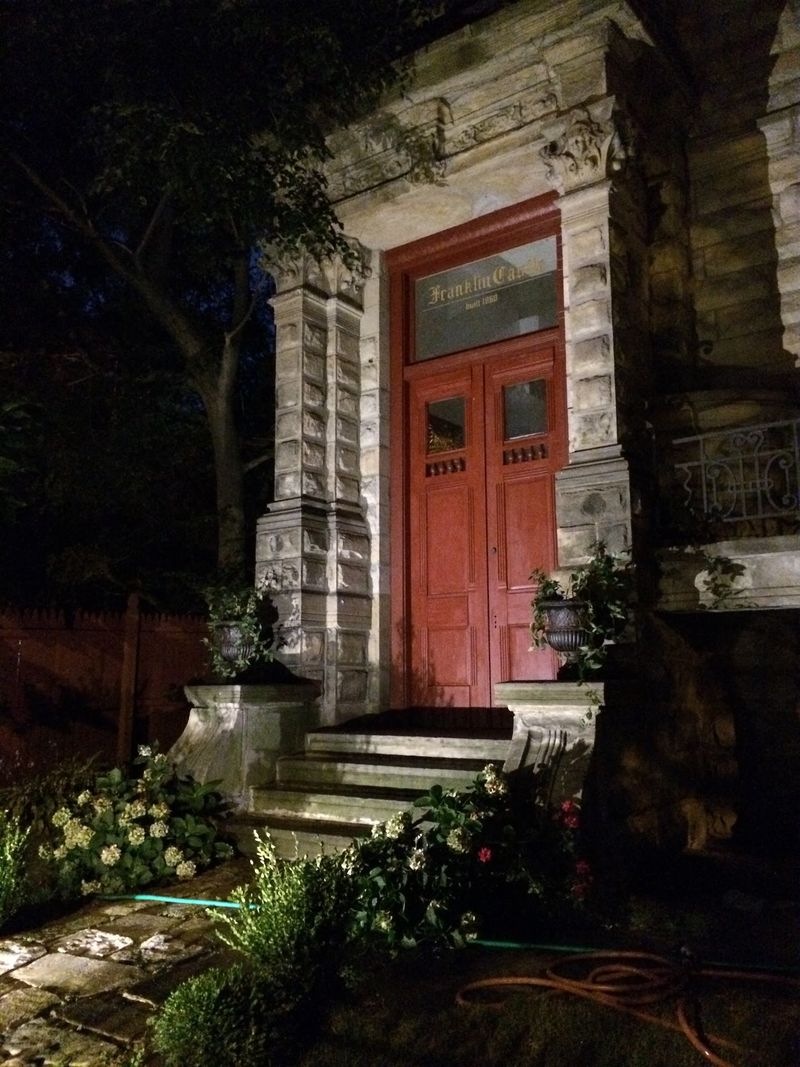
The saddest part of Franklin Castle is not a rumor at all. The Tiedemann family suffered a painful string of deaths during the years connected to the home.
Those real losses help explain why darker stories found such easy roots here.
In January 1881, Hannes Tiedemann’s 15-year-old daughter, Emma, died from diabetes. Soon after, his elderly mother, Wiebeka, also died.
Between 1881 and 1888, three more Tiedemann children died in infancy or early childhood.
Then, in 1895, Louise Tiedemann, Hannes’s wife, died at age 57 from liver disease. Accounts often connect several of these deaths to the mansion’s walls, and the number itself feels heavy.
Before modern medicine, families faced illnesses that today may be treated more easily, but that does not soften the heartbreak.
When visiting or reading about the castle, I think it helps to separate fear from respect. Ghost stories may draw attention, but grief is the real shadow here.
Remembering the family as people keeps the history from becoming just entertainment.
Rooms, Rumors, and Hidden Corners
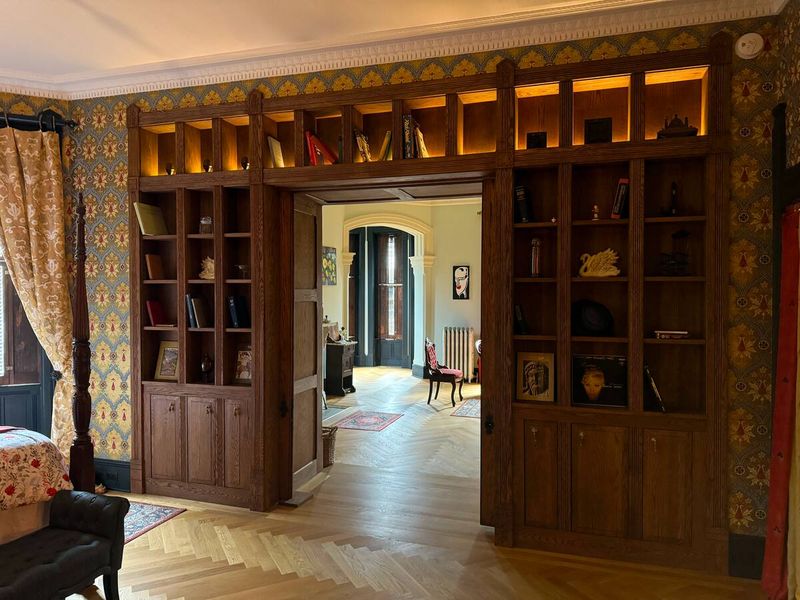
Some houses invite rumors because their layout feels too normal to question. Franklin Castle does the opposite.
With towers, odd angles, upper rooms, and stories of hidden spaces, it almost dares the imagination to run ahead.
After family tragedies, Hannes Tiedemann reportedly made major changes to the mansion, including a large fourth-floor ballroom. Legends also speak of secret passages, hidden halls, and tunnels.
Some tales say Louise used passages to avoid her husband’s temper, though researchers have questioned parts of that story.
This is where travel curiosity needs a steady hand. It is fun to hear about secret routes and strange rooms, but not every whispered detail has proof behind it.
The better approach is to enjoy the mystery while asking what records actually show.
Architectural quirks can become storytelling machines. A narrow door becomes an escape route.
A dark corner becomes a hiding place. Franklin Castle reminds me that old buildings do not have to invent atmosphere.
Their designs already give our minds plenty to work with.
From Family Home to Eintracht Hall
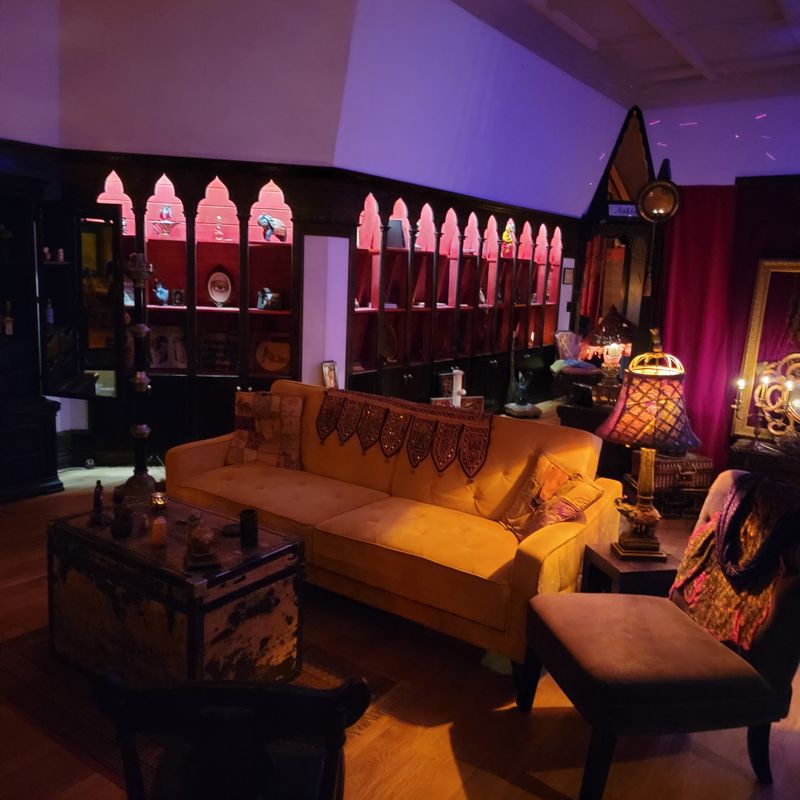
The mansion’s life did not stop when the Tiedemanns left. Hannes sold Franklin Castle in 1896, one year after Louise’s death.
After that, the building began shifting through new owners, new uses, and new layers of rumor.
From 1921 to 1968, the house was known as Eintracht Hall and served the German-American League for Culture. It later functioned as a German singing club.
That chapter is easy to overlook, but it shows the mansion as a gathering place, not only a haunted landmark.
Over time, darker legends attached themselves to this period too. Stories claimed the mansion was linked to secret political meetings and violent events, though many of those claims are difficult to prove.
Old buildings often collect dramatic tales, especially when their records are incomplete or their mood already feels strange.
I find this middle chapter fascinating because it changes the house from private sorrow to public memory. Franklin Castle was not frozen in one tragic family story.
It kept being used, renamed, argued over, and reimagined by Cleveland.
The Haunting Reputation Takes Hold
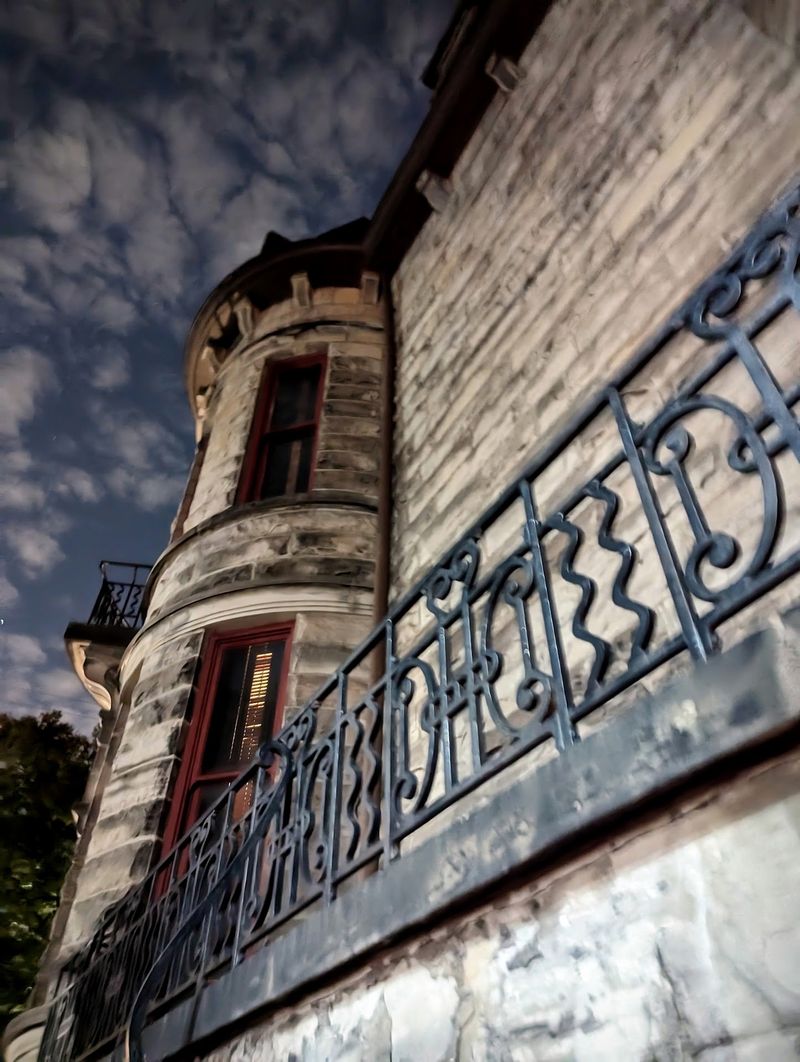
By the late 20th century, Franklin Castle had become much more than an unusual old house. Its haunted reputation grew especially strong after the 1960s, when later residents and visitors began reporting strange activity.
The stories spread fast.
People have described a woman in black seen near a tower room, a crying girl in white linked by legend to Emma, and other figures said to be children or women. Reports also include spinning chandeliers, doors opening by themselves, voices in empty rooms, cold spots, footsteps, and sounds like organ music or babies crying.
Whether someone believes every claim or not, the pattern is interesting. The ghost stories often echo the house’s known grief, turning real deaths into imagined sightings.
That is how haunted places work in our minds. They give sadness a shape.
If you visit for the eerie side, keep your expectations balanced. Listen to the lore, but pay equal attention to the facts.
The best Franklin Castle experience sits somewhere between goosebumps, history, and careful thinking.
Bones, Fires, and Harder Questions
A place can be spooky because of legends, but Franklin Castle’s later history has enough real trouble to stand on its own. Fires, damage, and strange discoveries made the mansion’s story even more complicated.
Not all mysteries here come with easy answers.
The house suffered a deliberate arson attempt in 1970 and a major fire in November 1999 that partly destroyed it. Human bones were found in a closet in 1975, though one leading theory says they may have been planted to build attention for ghost tours.
Reports also say more bones were found during later renovation work in 2004.
Those details are unsettling, so it is smart to treat them carefully. Repeating wild claims without proof can turn history into noise.
The more useful question is how stories grow when fear, money, neglect, and curiosity all meet inside one famous building.
For me, the fires are especially striking because they show how close the city came to losing the mansion. Preservation is not just about saving pretty rooms.
It also saves the chance to ask better questions.
A Landmark Still Being Restored
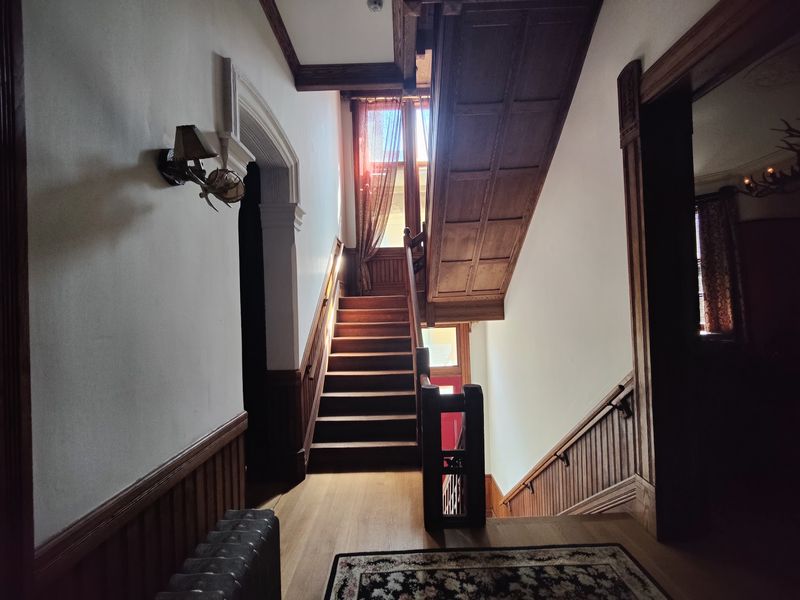
There is something hopeful about seeing a battered old landmark still standing. Franklin Castle has been damaged, debated, bought, sold, restored, and retold.
Yet it remains one of Cleveland’s most recognizable historic homes.
The property was added to the National Register of Historic Places on March 15, 1982, which confirmed its architectural importance beyond the ghost tales. Later owners, including Michael DeVinko in the 1980s, worked on major renovations.
Today, ongoing care continues to shape how people experience the mansion.
That matters for travelers because restoration changes the way a place speaks. A repaired staircase, cleaned stone detail, or preserved room can help visitors imagine the 1880s more clearly than any spooky story can.
The building itself becomes the main artifact.
If you are drawn to historic homes, look past the label of haunted house for a moment. Study the craftsmanship.
Think about the workers who carved, built, repaired, and protected it. Franklin Castle may be famous for chills, but its survival is the bigger surprise.
How to Experience It Respectfully Today
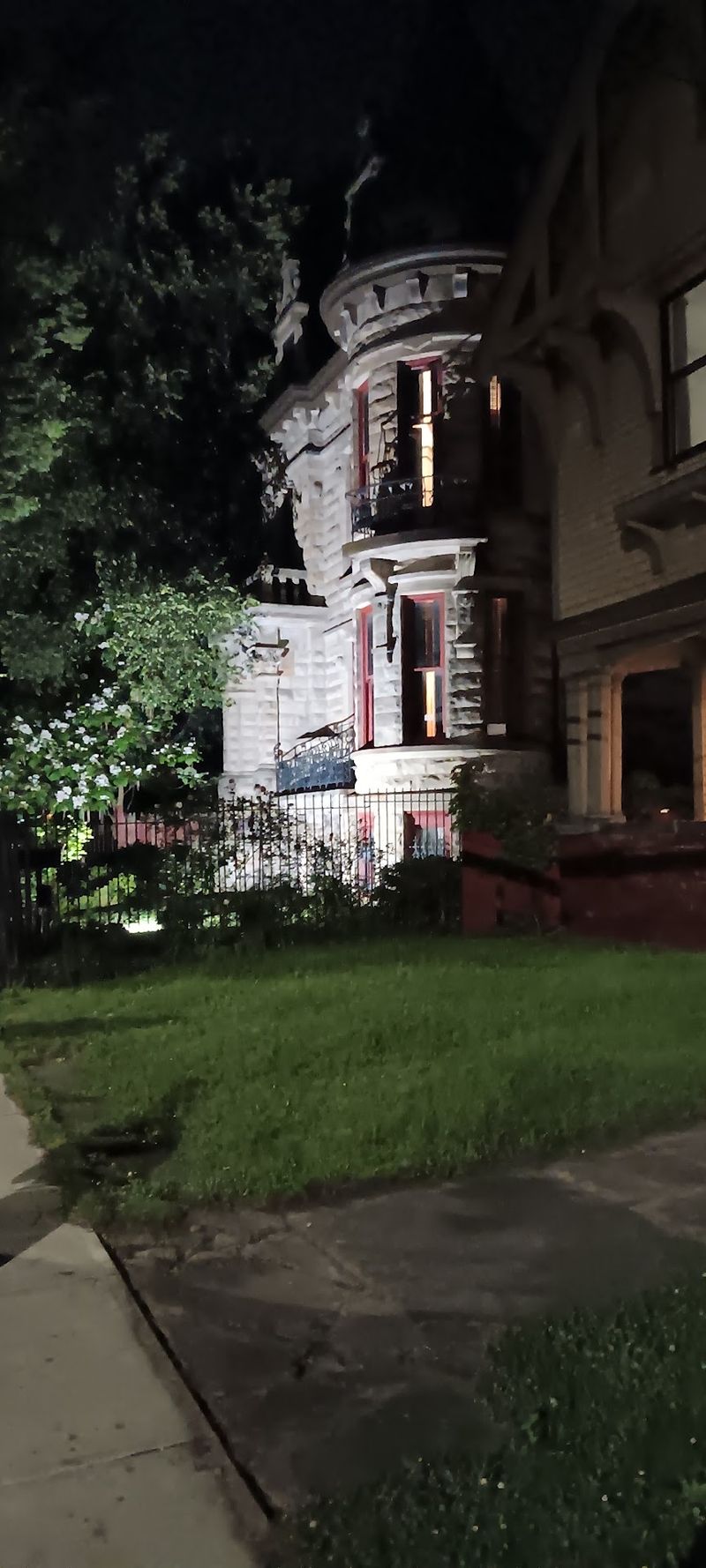
My favorite rule for unusual places is simple: admire the mystery without forgetting someone cares for the property. Franklin Castle is a historic landmark, but it is also a private place with controlled access.
That means planning matters.
Check official information before going, because access can change and tours or events may require advance arrangements. If you are only passing by, enjoy the exterior from public sidewalks and avoid entering private areas.
The surrounding Ohio City streets also have many historic homes, so the walk itself can feel rewarding.
Bring a camera if allowed from public space, but be mindful of posted rules during any official visit. Some tours may limit photography inside.
A respectful visitor listens, asks thoughtful questions, and understands that preservation comes before perfect pictures.
Franklin Castle works best when you let it be both beautiful and unsettling. Notice the stone, the windows, the tower, and the weight of the stories.
Then leave it as you found it.
Address: 4308 Franklin Boulevard, Cleveland, Ohio
