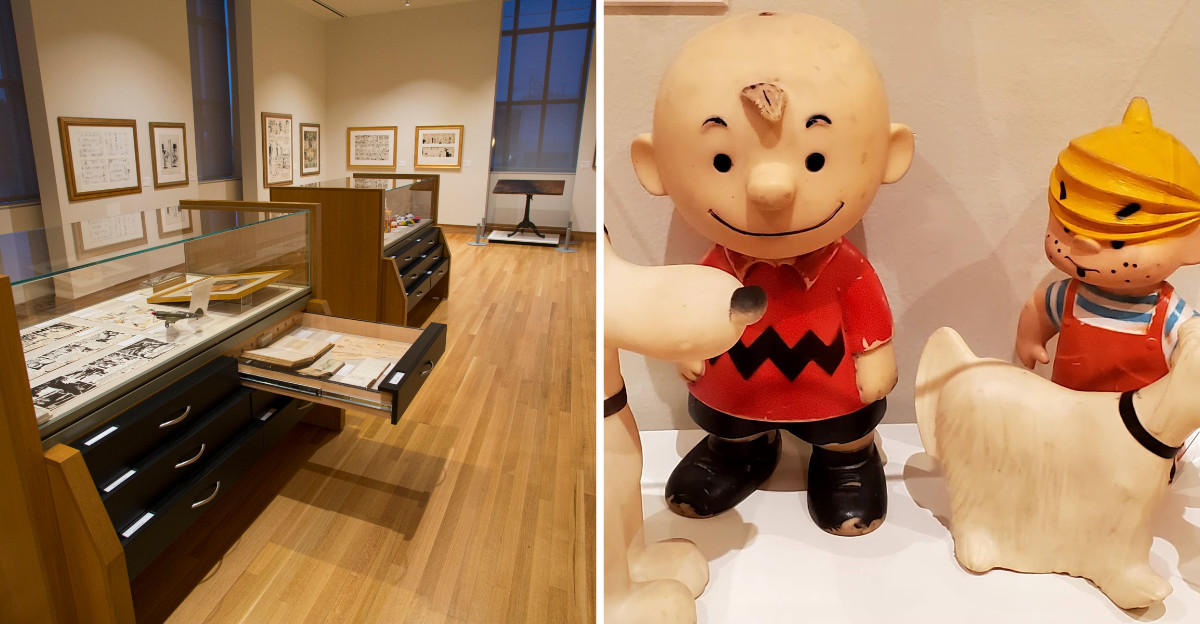
Sunday funnies on the living room floor were a childhood ritual, so finding a whole museum built around them felt like discovering a secret clubhouse for grown-ups. Ohio holds the largest collection of cartoon and comics art in the world, with hundreds of thousands of original drawings and millions of comic strip pages saved in one place.
Walking up to the second floor expecting a quick look, hours disappeared in front of pencil lines and ink smudges. The exhibits trace the history of the medium, from early newspaper strips to modern graphic novels.
Entry is free, which makes it an easy yes for families, students, and curious travelers. The space feels cheerful and surprising, and the quiet hum of discovery follows you through every room.
This is the kind of spot that rewards slow looking and a sense of humor. A stop here turns a casual visit into a deeper appreciation for an art form most people take for granted.
A Collection So Big It Breaks the Scale
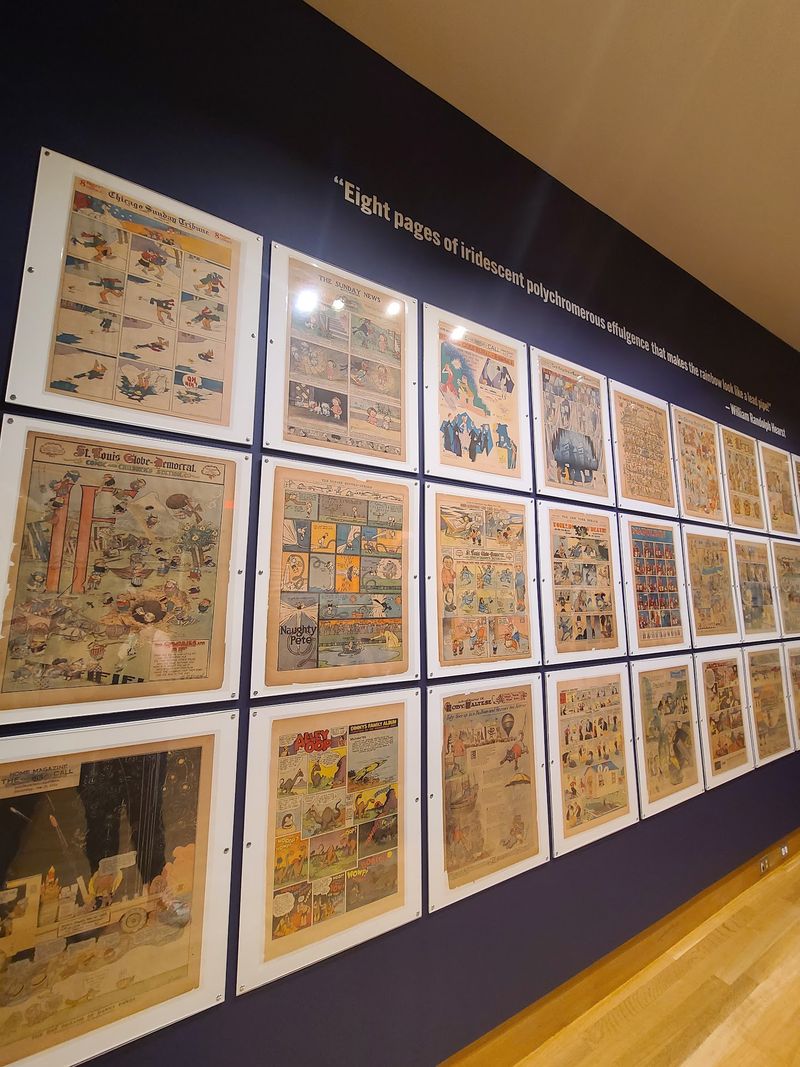
Numbers usually bore me, but these ones made me stop and grin. The museum holds 300,000 original cartoons and 2.5 million newspaper comic strip pages and clippings, making it the largest collection of its kind anywhere on Earth.
That is only the start, too. Add in 107,000 comic books, magazines, and journals, plus 63,000 books and graphic novels, and 6,300 boxes of archival materials.
If you read one comic strip page every minute without sleeping, you would need nearly five years to get through the clippings alone.
Most of these treasures live in special storage rooms with environmental and security controls. Those rooms keep temperature and humidity steady so old paper does not crack, fade, or curl up like a dry leaf.
Visitors only see a small slice at any time, and that is part of the fun. Each exhibit pulls something new from the vaults, so no two trips feel exactly alike.
My tip is simple. Before you go, think of a favorite comic from your childhood, then ask the friendly front desk staff whether the museum has it.
With a collection this huge, the odds are surprisingly good, and the answer might make your whole day.
How a Famous Cartoonist Got It All Started
Every great museum has an origin story, and this one reads a bit like a comic itself. Back in 1977, Ohio State graduate Milton Caniff gave the university a big gift of his work, and the collection was born.
Caniff was a star in his day. He created the adventure strips Terry and the Pirates and Steve Canyon, which millions of people followed in newspapers.
His donation gave the school a strong base to build on.
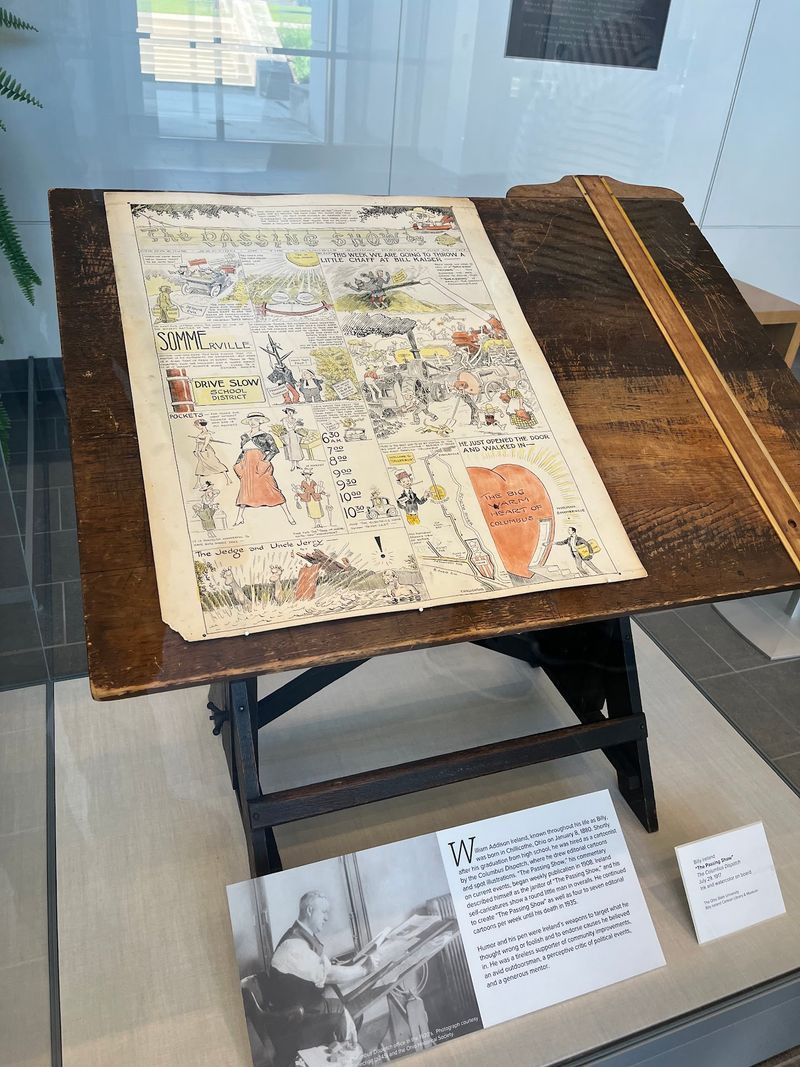
Later, the museum took the name of Billy Ireland, an Ohio cartoonist who drew for The Columbus Dispatch from 1898 to 1935. Ireland was known around the state for his lively drawings, so naming the place after him kept the story close to home.
Here is a fun bit of history I loved learning. Caniff actually looked up to Ireland when he was young, so the two names sit together in a way that feels just right.
When you visit, keep an eye out for older strips with heavy black shadows and bold action scenes. Spotting the style of these early masters helps you see how much later cartoonists borrowed from them, almost like a family tree drawn in ink.
Sullivant Hall Gets a Bright New Chapter
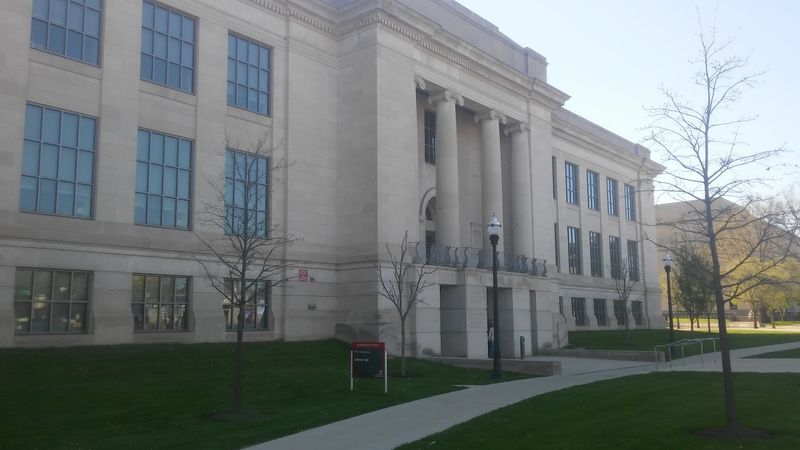
Right off busy High Street, Sullivant Hall looks calm and modern from the sidewalk. I almost walked past it, which seems to happen to plenty of people who later call it a hidden gem.
In 2013 the museum moved into a renovated 40,000-square-foot space inside this building. The move gave it room for three galleries, a reading room, and much better storage for all that fragile paper.
A generous $1 million gift from Jean Schulz, the widow of Peanuts creator Charles M. Schulz, helped make the expansion happen.
Knowing that Charlie Brown’s family helped build the place gave me a warm, happy feeling as I climbed to the second floor.
Getting around is easy. The entrance has long, gentle ramps and automatic doors, and an elevator sits close by with low buttons for easy reach.
Inside, walkways are wide and wooden floors are smooth, with seats scattered around for resting your feet. Labels hang lower on the walls, so kids and wheelchair users can read them comfortably.
One small heads up is that the lighting stays a little dim to protect the artwork. Give your eyes a moment to adjust, and the details will pop.
Four Centuries of Comics in One Room
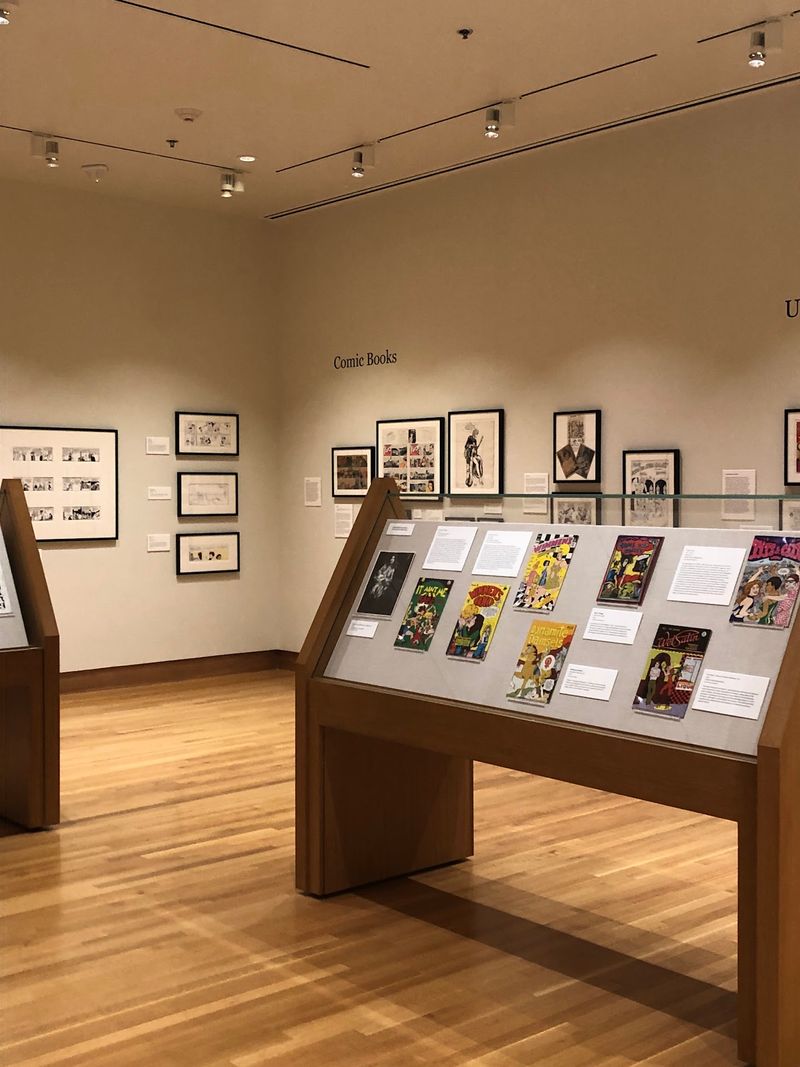
Comics are way older than I thought. The permanent exhibit called the Story of Comics traces cartoon art across more than four hundred years, and it completely changed how I see the funny pages.
The journey starts long before newspapers had color sections. You move past early printed drawings, then into the golden age of daily strips, and on to modern graphic novels and manga.
Some visitors mention seeing original frames from Gertie the Dinosaur, the 1914 animated film by Winsor McCay. McCay also drew Little Nemo in Slumberland, and his dreamy, detailed panels still look amazing up close.
What I enjoyed most were the explanations about technique. Signs show how artists used pens, brushes, and shading tricks to make characters move and feel alive.
Kids especially seem to like this part. After seeing how a strip goes from rough pencil to finished ink, many of them want to grab paper and start drawing right away.
A smart move is to start here before checking out the rotating shows. The timeline gives you a sort of map, so every other piece you see later makes a lot more sense.
Saying Hello to Calvin and Hobbes
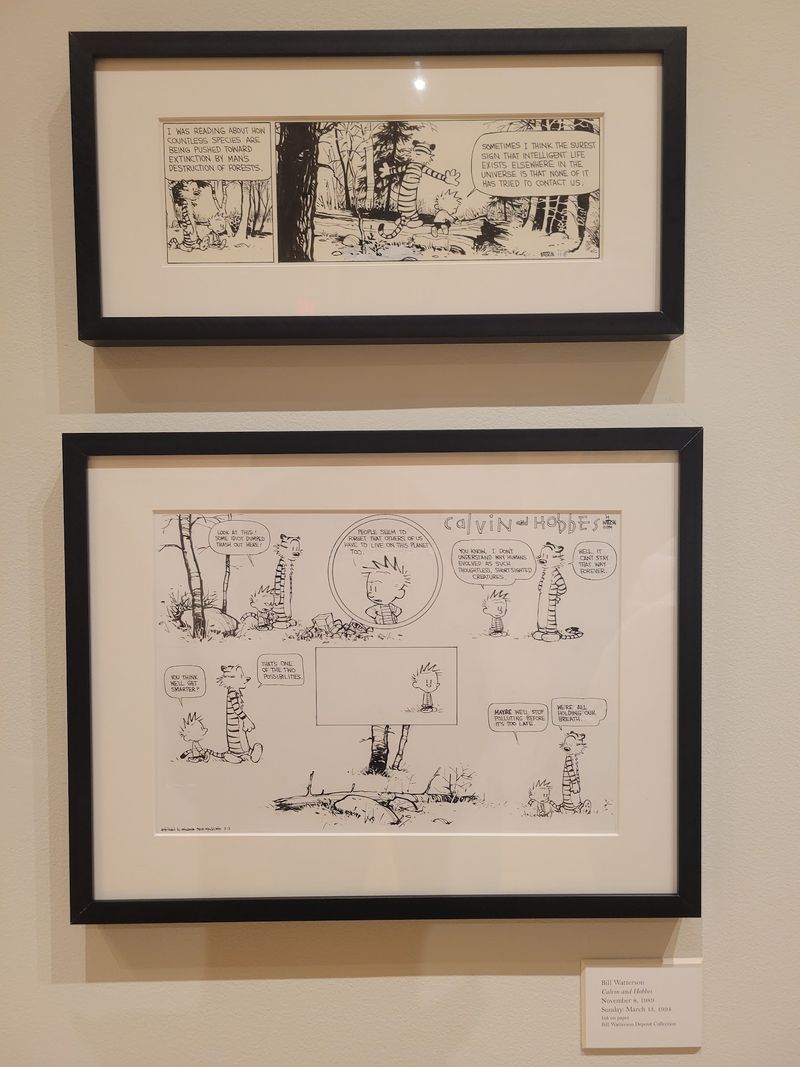
Okay, confession time. I teared up a little in front of a tiger drawn in black ink.
A special gallery celebrates Calvin and Hobbes, with original artwork by Bill Watterson. The strip ran from 1985 to 1995, and it followed a wildly imaginative boy and his stuffed tiger who comes alive whenever grown-ups are not looking.
Watterson is an Ohio native, which makes seeing his work here extra meaningful. These pieces are among the most loved in the entire collection.
Up close, you notice things a printed newspaper hides. Faint pencil marks peek out from under the ink, and white correction paint shows where he changed his mind about a line.
Those tiny fixes made me feel connected to the artist. Even someone this talented went back and tweaked things, which is a nice reminder for any young artist who erases a lot.
Plan to linger in this room. Read the strips slowly, notice how wagon rides and snowmen turn into big adventures, and let yourself laugh out loud, because the quiet gallery somehow makes the jokes land even better.
Photos without flash are usually allowed for personal use, but always check for signs first.
The Reading Room Treasure Hunt
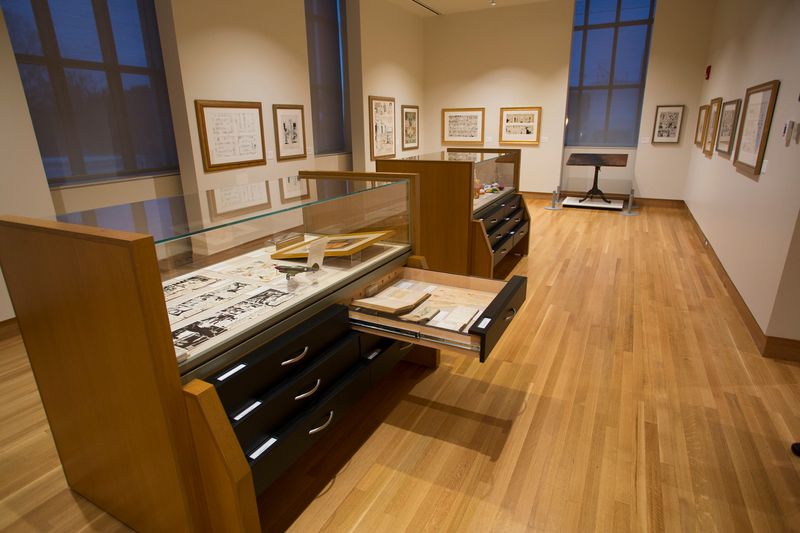
Behind the galleries sits a space that serious fans whisper about. The reading room is free and open to the public, and it lets you request items from the archive to view in person.
You cannot just pull boxes off a shelf, of course. Archival materials need a request, and staff bring them out so the paper stays safe.
Planning ahead and contacting the museum before your trip is the smartest way to go.
The range of what you might find is huge. Collections include the Will Eisner and Winsor McCay holdings, the Jay Kennedy Collection of underground comic books, and the massive San Francisco Academy of Comic Art Collection, which is mostly newspaper strip clippings.
The museum also collects editorial cartoons, graphic journalism, manga, and materials from professional cartoonist groups. Staff make a real effort to include many different voices in the art form.
Students working on school projects can get a lot out of this room. Picking one artist and studying their originals is a great way to learn about history, drawing, and storytelling all at once.
Bring a notebook and a pencil. Still photos without flash are generally fine for personal use unless a sign says otherwise.
Planning a Visit That Feels Easy
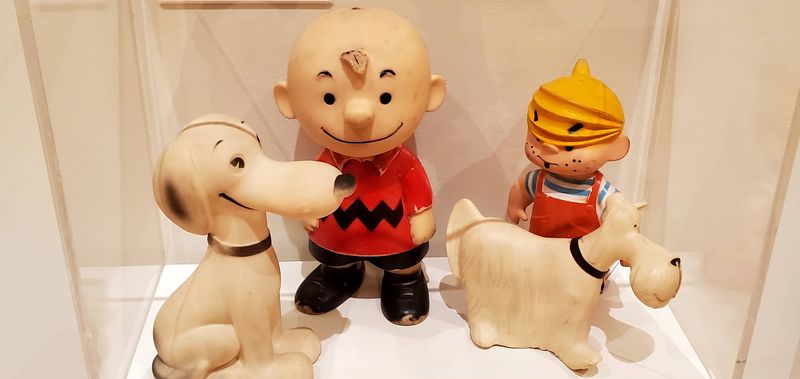
Timing matters here more than you might expect. The galleries open from 1 to 5 PM Tuesday through Sunday and stay closed on Mondays, so afternoon visits work best.
Right now there is a big reason to go. Chris Ware’s major international exhibition, Life is Complicated, is on display until January 3, 2027, and his detailed, thoughtful comics are worth a slow look.
Parking near the building can be a little tricky. Try the Ohio Union South Parking Garage at 1759 N.
High St., Columbus, OH, the Ohio Union North Garage at 1780 N. High St., Columbus, OH, or the Arps Garage at 1990 College Rd., Columbus, OH.
Taking the bus is often simpler. COTA buses, including the #2 route, stop at 15th Avenue on High Street, just steps from the door.
Most people spend about an hour or two inside. Since the space has three galleries, it pairs nicely with a stroll around campus afterward.
Guided and self-guided tours are available for groups, and the museum also hosts workshops and public programs. Check the calendar before you go, and you might catch a drawing class.
Address: 1813 N. High St., Columbus, OH 43210
