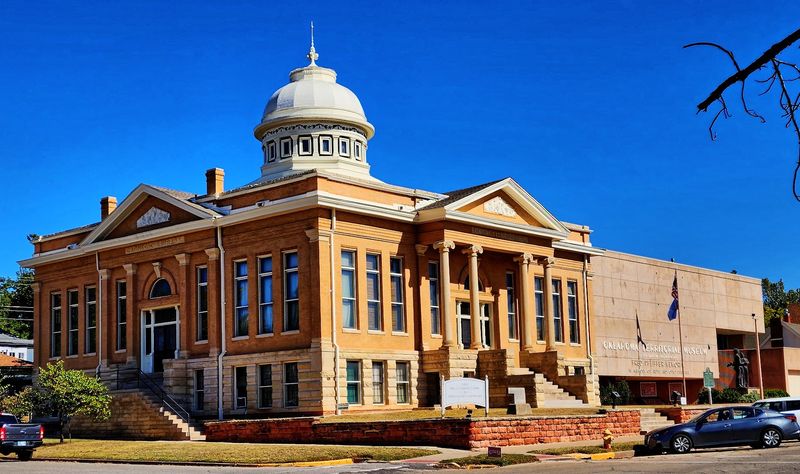
I pulled off the highway expecting a quick stretch break and maybe a snack, and instead found a red brick doorway that swallowed up my whole afternoon. Most Oklahomans can name the capitol dome in the big city, but far fewer know the state once ran its business out of hotel rooms, storefronts, and a library with creaky wood floors.
That early chapter is still sitting quietly in a small museum, waiting for anyone curious enough to walk inside. Pack some patience and a little hunger for history, because this stop has a way of making you stay longer than you planned.
A Brick Landmark With a Second Life
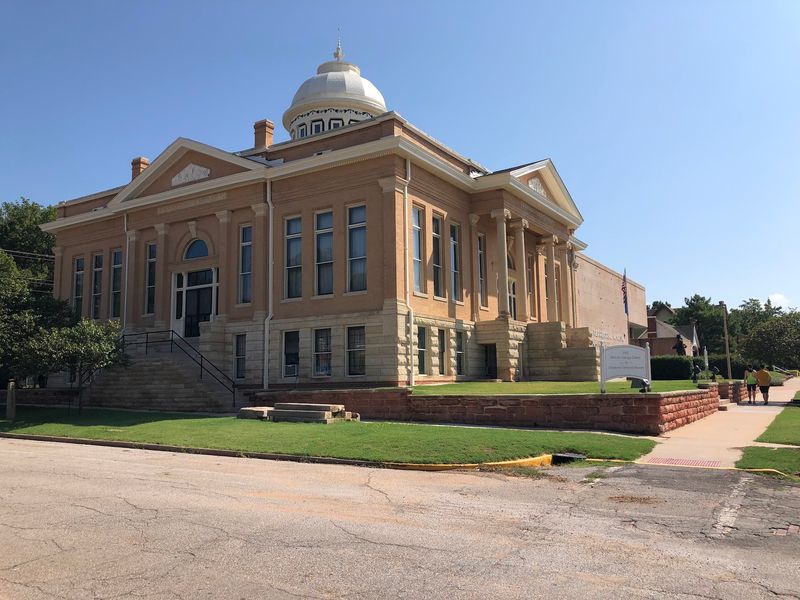
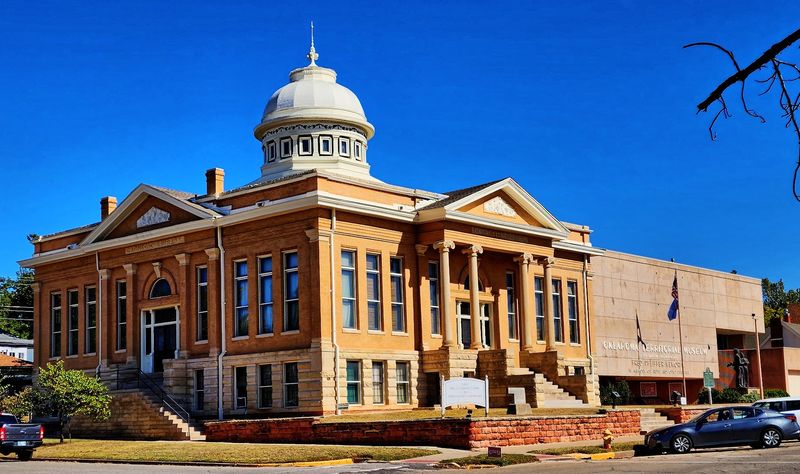
Picture a stately library with a rounded dome, built when Oklahoma was still a territory and not yet a state. Now picture a modern museum wing tucked beside it, packed with the story of how the whole place came together.
That pairing is what you get at the Oklahoma Territorial Museum.
The museum focuses on the years before and just after statehood, roughly the stretch from the land runs through 1910. Visitors walk through pioneer life, early government, and the growing pains of a brand new region.
It all connects to a historic Carnegie Library that opened in 1902 and still welcomes guests today.
Run as part of the Oklahoma Historical Society family of sites, the museum keeps a small-town feel. You will not find flashy screens on every wall or crowds pushing past you.
Instead, there are thoughtful displays, photographs, documents, and real artifacts that tell a story many folks never learned in school.
Visitors often describe it as one of the better history stops they have found in the state. For anyone who enjoys learning where things started, the building alone is worth slowing down for.
The exhibits inside simply add more reasons to linger awhile.
The Capital That Never Built a Capitol
Here is a fun bit of trivia to spring on your relatives at the next family dinner. Before Oklahoma City held the title, Guthrie served as the Territorial Capital from 1890 to 1907.
It then became the first State Capital from 1907 to 1910.
So why does the story feel forgotten? A big reason is that no official capitol building was ever built there.
Lawmakers and officials worked out of existing commercial buildings scattered around downtown, borrowing space wherever they could find it.
The town itself sprang up almost overnight with the Land Run of 1889. By August of that same year, records show it already had about 15 hotels, 40 restaurants, and 6 banks.
That is a lot of hustle for a place that was open prairie just months earlier.
The capital setup was meant to be temporary from the start, with a vote planned for 1913 to pick a permanent home. Politics heated up, though, and things moved much faster than expected.
The museum walks you through that whole arc, from the first tents to the final move, and it does a nice job making the timeline easy to follow even for younger visitors.
Government in Hotel Rooms and Shop Floors
Imagine walking upstairs past a drugstore to reach a government office. In territorial Guthrie, that was simply how things worked.
Since there was no capitol, officials set up shop inside hotels and commercial buildings all over downtown.
The Hotel Royal hosted the Second Territorial Legislature in 1892. Just down the way, the Victor Building, finished in 1893 and designed by architect Joseph Foucart, held several territorial offices on its second floor.
It was called the finest commercial building of its day, and it also housed Lillie’s Drug Store, a ballroom on the third floor, and at one point a hotel.
Fun detail: the Victor Building’s basement once connected to other downtown buildings through tunnels. Locals still love telling that one.
After restoration work began in 1981, the building went on to hold shops, a bed and breakfast, and a restaurant over the years.
The museum helps you picture this patchwork government, which makes a stroll through downtown afterward feel completely different. Those old brick fronts stop looking like pretty scenery and start looking like the places where a state was actually stitched together, one rented room at a time.
Upstairs at the 1902 Carnegie Library
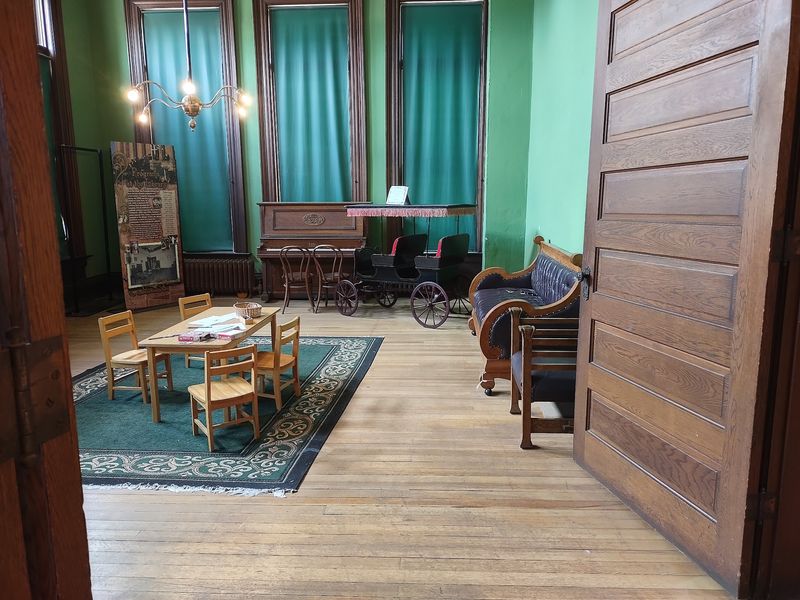
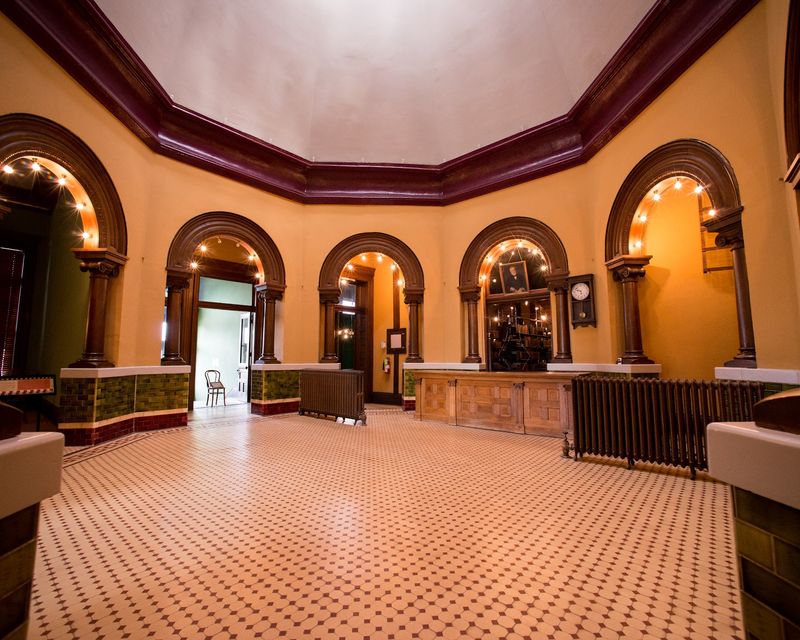
Save some energy for the second floor, because that is where many visitors say the real magic lives. The Carnegie Library, built in 1902 in the Renaissance Revival style, was the first Carnegie library in Oklahoma Territory.
It ranks among the oldest libraries in the state.
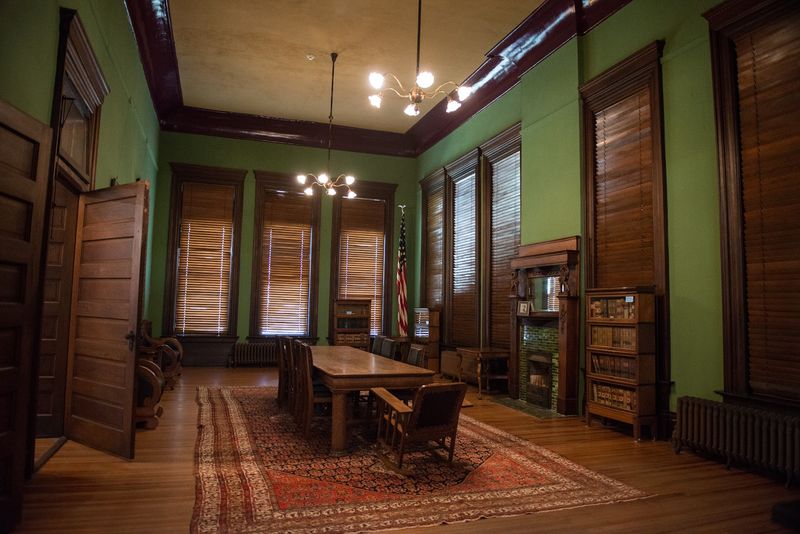
Step inside and your eyes go straight up. High ceilings, tall windows, and old wood floors give the room a grand but cozy feel.
Guests often mention the floors creak a little as you walk, which somehow makes it even more charming.
One visitor who rated the museum highly said the upstairs held the best collection of genuine artifacts with clear explanations. Others simply call the space stunning and beautifully cared for, with plenty of small details to study.
A practical heads-up: the library portion has been described as not air conditioned, and at least one recent guest noted the cooling was struggling on a hot day. Oklahoma summers can push past 100 degrees, so a morning visit may be the smarter play in July and August.
In cooler months, it is a lovely spot to wander slowly and soak in the old-time quiet.
Two Inaugurations, One Stately Room
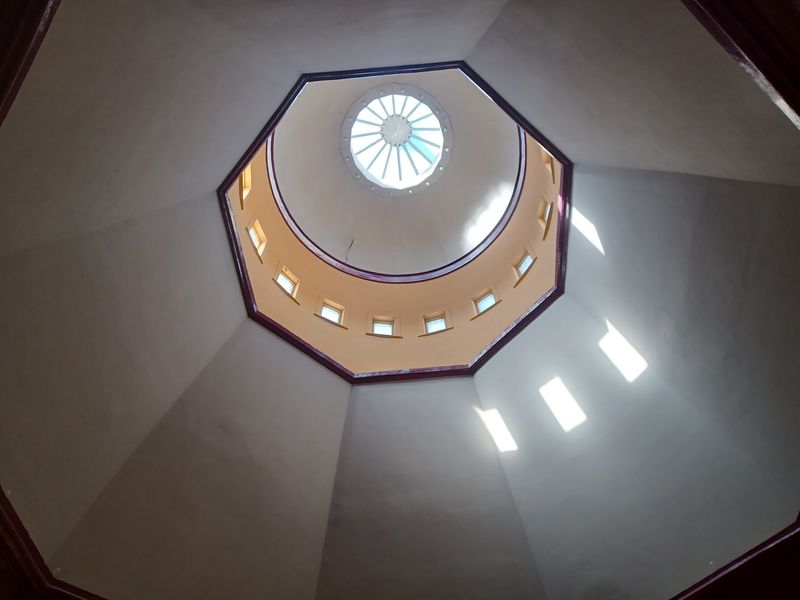
Some buildings hold books. This one held history in the making.
The Carnegie Library was the site where Territorial Governor Frank Frantz was inaugurated in 1905.
Just two years later, in 1907, the very first governor of the new state, Charles N. Haskell, took office here too.
Think about that for a moment. The same library that welcomed folks looking for something to read also watched Oklahoma officially become the 46th state.
Standing in that space gives you a small chill, the good kind. Kids may not fully grasp what an inauguration means at first, but telling them a governor stood right where they are standing tends to get their attention fast.
It turns a field trip into a story they will remember.
While you are upstairs, look for the information on Judge Frank Dale, another important name from the territorial days. One visitor shared that his former home still stands about a mile away and now operates as a bed and breakfast, worth a slow drive-by if you have time.
Little connections like that are what make this museum fun. Every exhibit seems to point toward something else still standing nearby, just waiting to be noticed.
Eighty-Niners and the Rush for Land
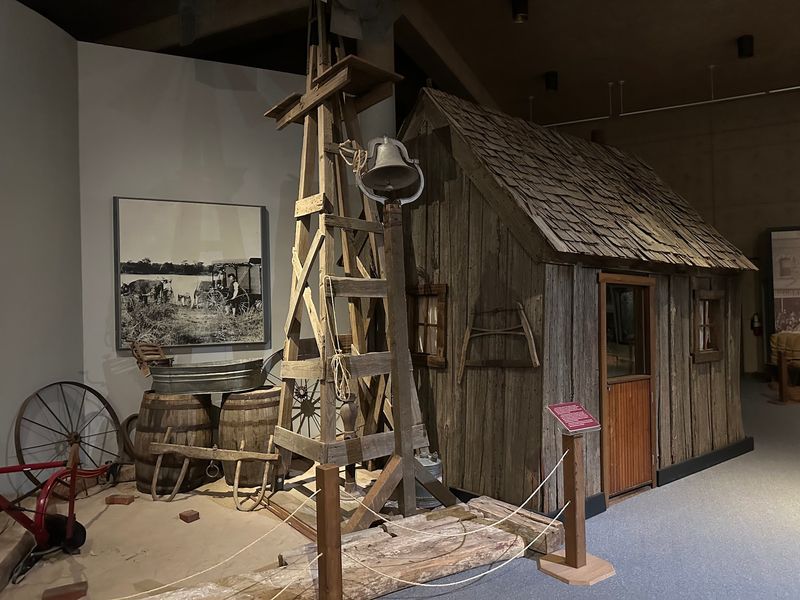
Bang, and they were off. On April 22, 1889, thousands of settlers raced across the prairie to claim land, and the folks who made that first run became known as the Eighty-Niners.
You will find their story told in detail at the museum, which sits at 406 E Oklahoma Ave in Guthrie, right in the heart of the historic downtown. The land run exhibits are a favorite, and several guests mention them specifically as highlights.
One enthusiastic visitor praised the museum for giving an honest look at how these settlers carved out a home for themselves.
Displays cover pioneer life, how people built towns almost overnight, and how early communities organized government and roads. Photographs and documents help show just how quickly a quiet stretch of land turned into a bustling capital city.
Of course, this land was home to many Native nations long before any run began, and thoughtful visitors will want to keep that in mind while reading. It is part of the full, honest picture of how Oklahoma took shape.
For families whose ancestors arrived during the land runs, these rooms can feel personal. Bring grandparents along, because they may have stories that fill in the gaps.
Frontier Lawmen and a Jailhouse Surprise
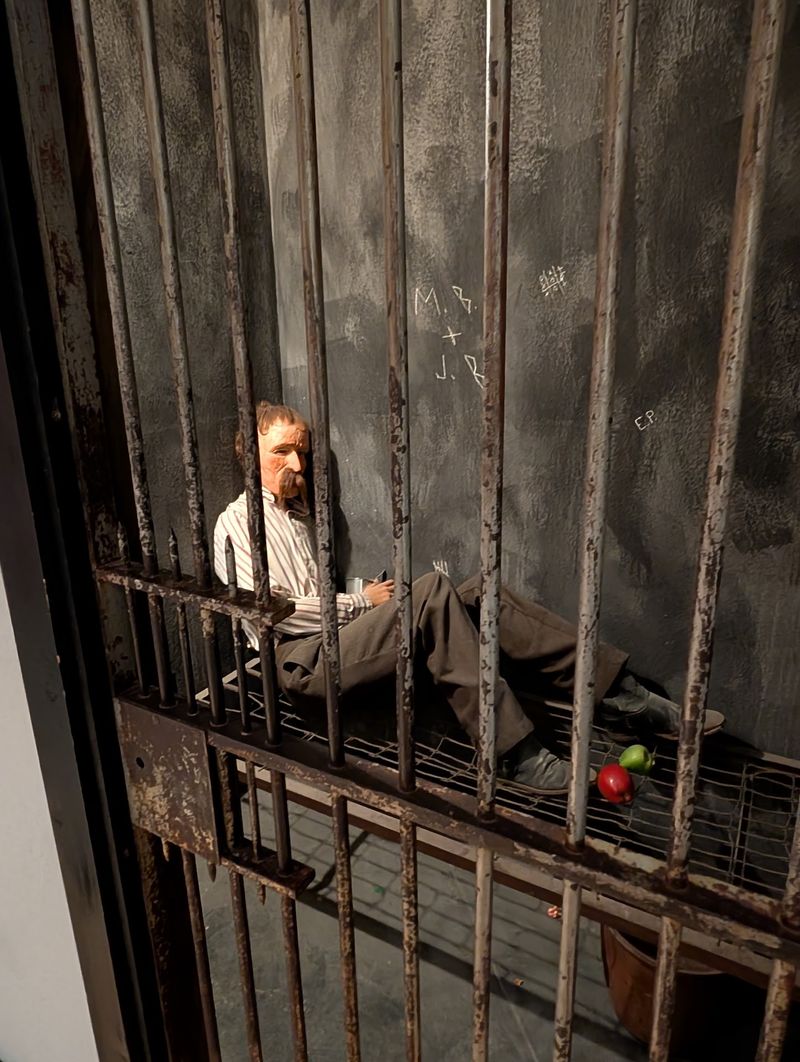
Fair warning for the jumpy ones in your group. A mannequin sitting inside a recreated jail cell has startled more than one visitor, and guests laugh about it afterward.
Kids tend to love that moment.
Beyond the giggles, the law and order exhibits are genuinely interesting. One section covers the US Marshals Service and its work keeping the peace against outlaws in the wild early days of the territory.
Visitors who enjoy Old West stories often say this part was a standout.
Life in a brand new territory was not always calm. Marshals rode long distances, chased troublemakers across open country, and tried to bring some order to towns that grew faster than anyone could manage.
The museum presents that story in a family-friendly way, focusing on the people and the challenges rather than anything grim.
For young history fans, this is the section most likely to spark questions on the drive home. Who were these marshals?
How big was their territory? Why did a capital city need so much law enforcement?
Those questions are a great excuse to keep talking history over a slice of pie at one of the downtown cafes once you wrap up.
The Great Seal Swap of 1910
Every good small town has a legend it loves to tell, and Guthrie’s is a doozy. On June 11, 1910, voters picked Oklahoma City as the permanent capital.
Then, as the story goes, the state seal was quietly whisked away from Guthrie and carried south.
Temporary state offices were set up in the Huckins Hotel in Oklahoma City. Just like that, Guthrie’s run as the capital was over.
Locals still call it the time the seal got stolen, often with a grin.
The museum covers this move from start to finish, and guests frequently name it as one of the most interesting parts of their visit. It helps explain why the original vote was planned for 1913, and how political tension pushed Governor Haskell to call an early statewide election instead.
Here is the twist that makes the whole thing sweet. Losing the capital meant Guthrie’s downtown saw little new development for decades.
That slowdown accidentally preserved its late 1800s and early 1900s buildings.
Today the area is part of the largest contiguous historic preservation district on the National Register of Historic Places. Sometimes losing out turns into a gift.
Quiet Halls, Kind Faces, and a Little Gift Shop
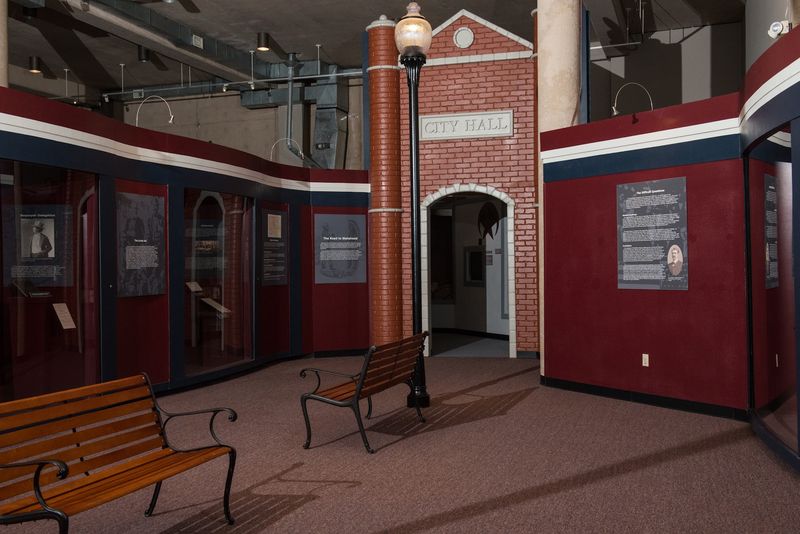
Crowds are rare here, and that is part of the appeal. Weekday visitors describe the museum as quiet and peaceful, a place where you can read every placard without someone breathing over your shoulder.
Staff get warm words again and again. Guests mention a cheerful front desk team, a helpful curator who happily answers questions, and docents full of stories.
One visitor even found an old Sears book in the collection connected to a building they grew up near in Chicago, which shows how personal a visit can get.
The gift shop is small but well stocked, with books and family-friendly souvenirs. There is also a guest book to sign, a nice touch for kids who like leaving their mark.
Restrooms have been described as very clean, which any parent on a road trip will appreciate.
Not everything is perfect. A few folks wished certain rooms had brighter lighting, and one noted some dusty display cases on a slow day.
Still, the overall feeling is homey rather than polished. It suits retirees, school groups, curious kids, and anyone who prefers a calm afternoon over a noisy attraction.
Hours, Admission, and Planning Your Drive
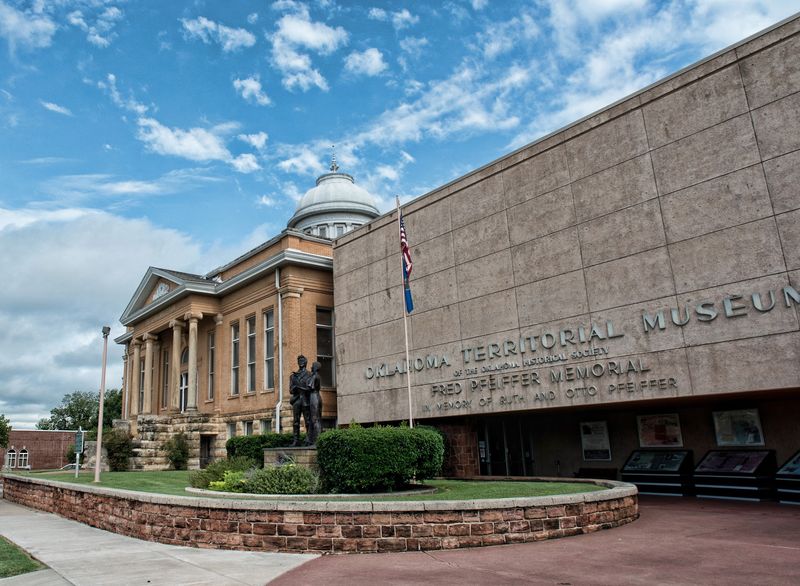
Mark your calendar carefully, since the doors stay shut on Sundays and Mondays. The museum is open Tuesday through Saturday from 9 AM to 5 PM, though it is smart to call ahead at 405-282-1889 before making a long trip.
Admission has been reported at around $7 for adults and $5 for seniors, while some recent visitors mentioned free entry with donations encouraged. Military members have said they got in free.
Prices can shift, so check the Oklahoma Historical Society website for current details.
Budget at least two hours if you like reading every display. History buffs may want even longer, especially once they reach the upstairs library.
Getting there is easy. Guthrie sits a short drive north of Oklahoma City along I-35, making it a simple day trip, and Tulsa folks can reach it in about an hour and a half.
Once parked, you are steps from blocks of preserved Victorian storefronts worth a stroll.
Weather matters here. Because the library section may run warm, summer visitors should come early in the day.
Spring and fall tend to be the most comfortable times to explore both inside and out.
Why the Old Capital Earns a Day Trip
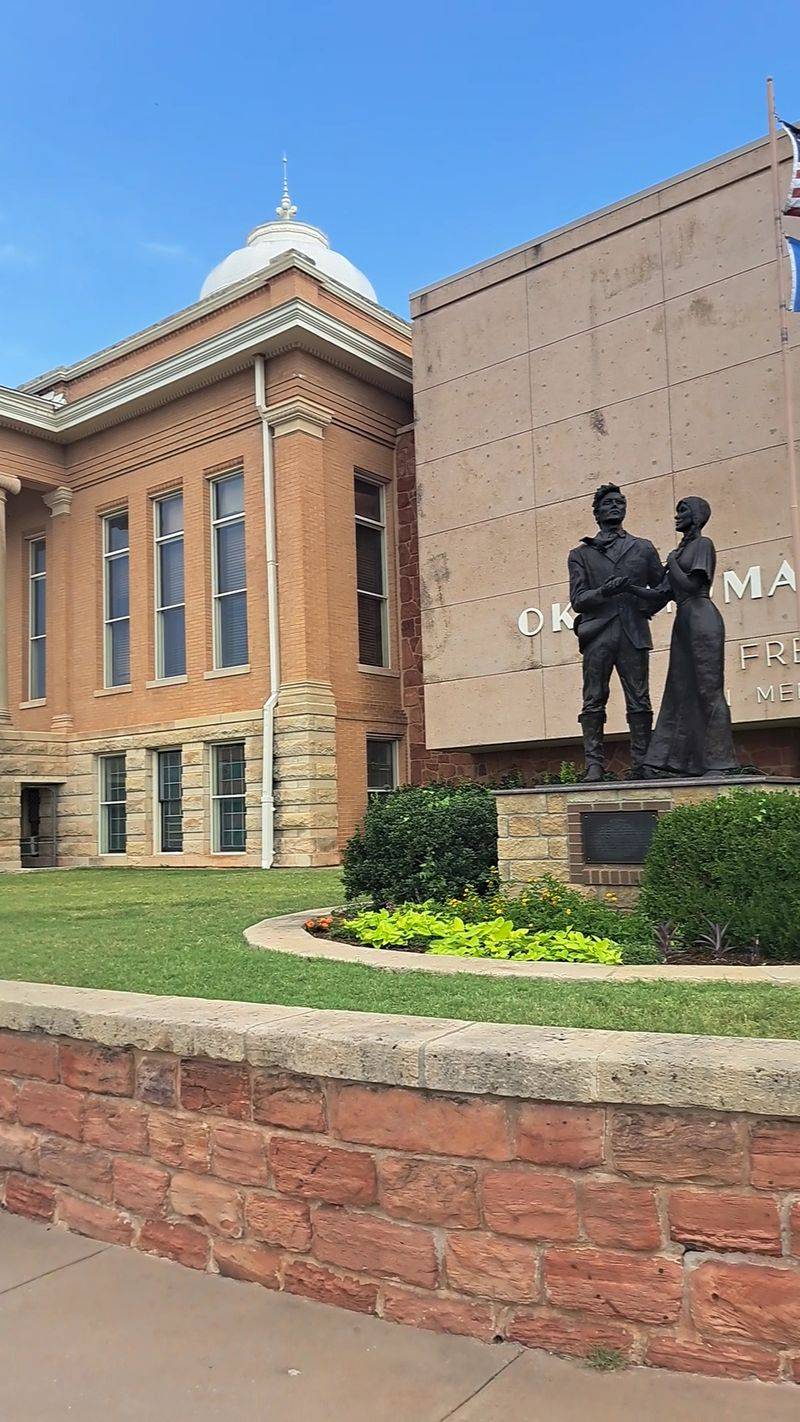
Honestly, the best part might be how ordinary it all looks from the sidewalk. A modest museum, an old library, a few quiet rooms.
Then you step inside and realize you are standing in the place where Oklahoma first learned how to be a state.
For a small entry fee, or sometimes just a donation, you get land run stories, frontier lawmen, two governors’ inaugurations, and the legend of a seal that slipped away in the night. That is a lot of history packed into a pretty affordable afternoon.
Families with curious kids will find plenty to talk about. Retirees and history fans will appreciate the slower pace and the friendly staff who seem genuinely glad you came.
Newcomers to Oklahoma have said it helped them understand their new home.
Pair the visit with a walk through downtown, where the brick buildings that once held government offices still line the streets. It turns one museum into a whole outdoor lesson.
Bring comfortable shoes, maybe a grandparent or two, and some questions. Odds are you will leave feeling a little prouder of where Oklahoma got its start, and already planning a return.
