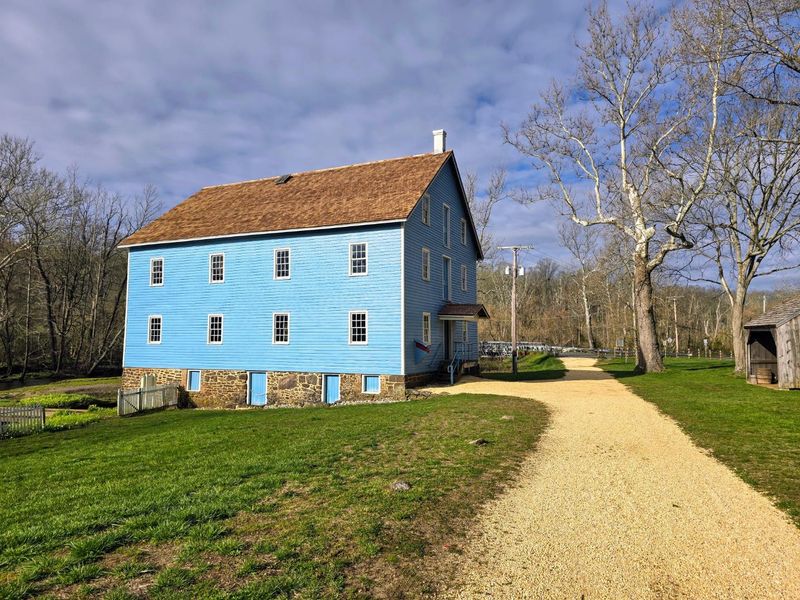
A gristmill rebuilt in 1872 still grinds corn into meal on weekends, and nobody charges you a cent to watch. Yeah, I’m definitely looking twice at that.
The mill sits beside a Georgian house built in 1773. One family lived on this land for about 200 years.
That’s the detail I can’t get over.
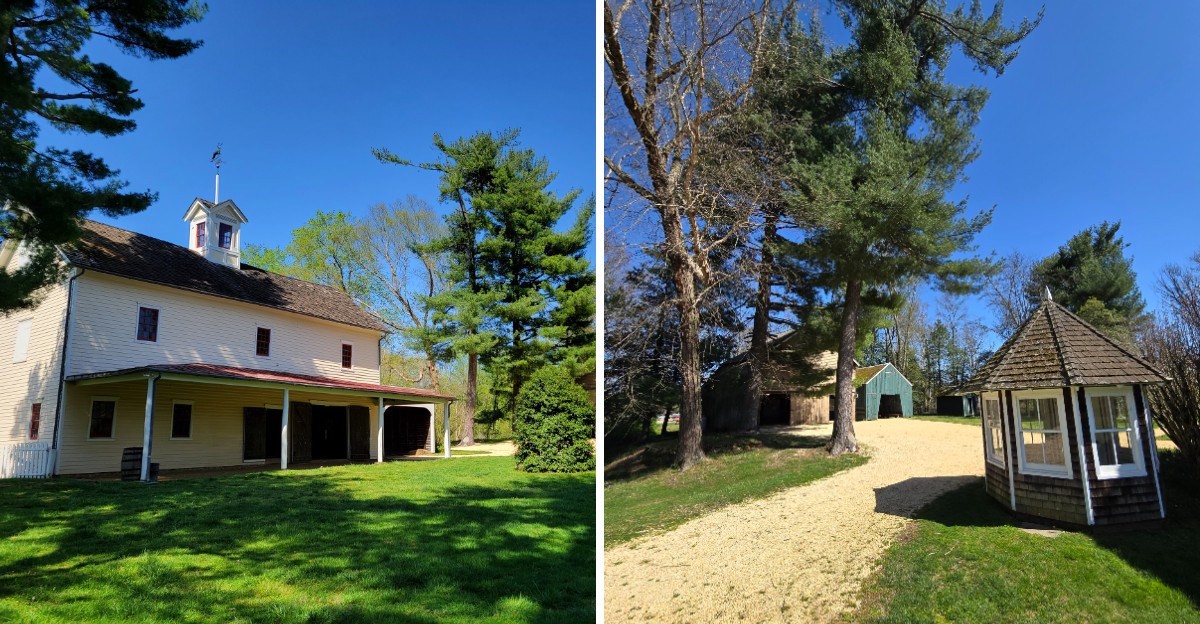
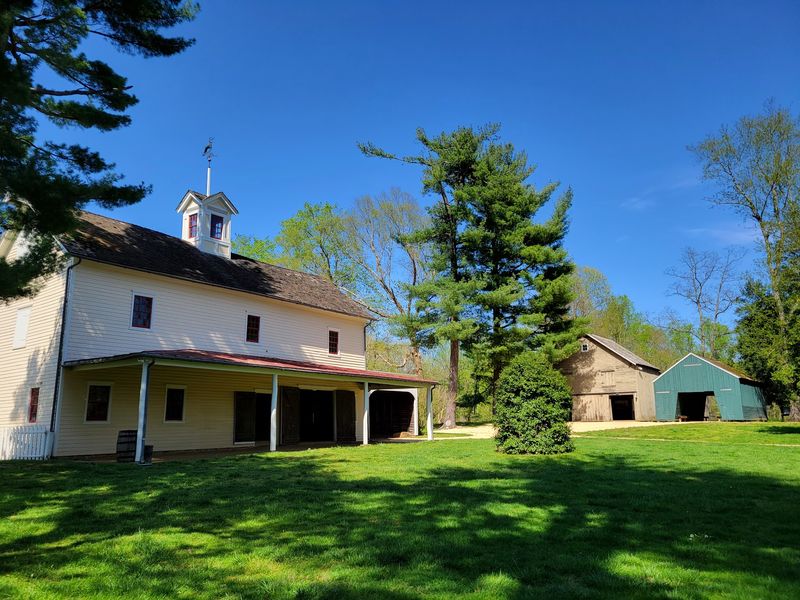
There’s also a carriage house with a running stag weathervane on top. Inside, a real family carriage and sleigh wait for visitors.
Parking is free too, which feels almost suspicious in New Jersey.
The grounds sit along a winding creek with fields and woods all around. Belts turn, gears spin, and corn becomes meal right in front of you.
How did a quiet farm village like this survive for so long?
Those Spinning Gears Will Make You Forget Your Phone
Historic Walnford keeps one of New Jersey’s coolest old machines busy. The gristmill here grinds corn into meal during weekend demonstrations from April through November.
Demos usually happen at 12:30, 1:30, 2:30, and 3:30 in the afternoon. Each one lasts about 15 minutes, so even restless kids can stay locked in.
The building itself has a comeback story. A fire destroyed the earlier mill, and the current one was rebuilt in 1872.
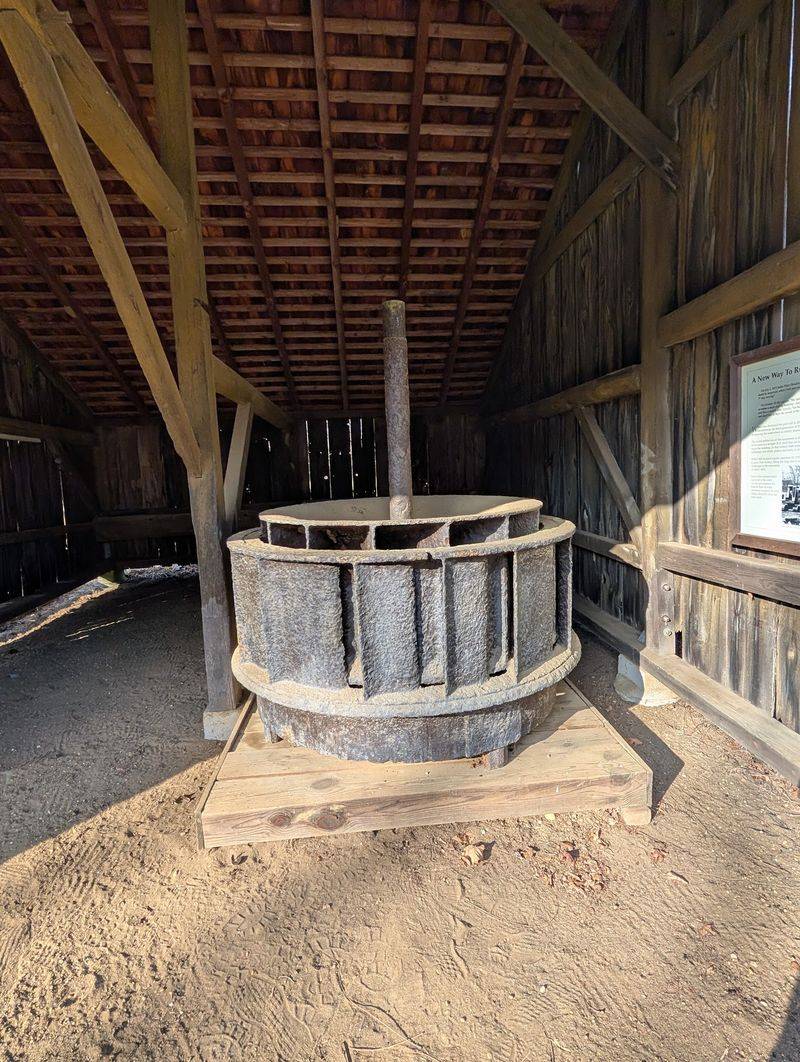
It runs on a turbine rather than a classic paddle wheel. That surprises plenty of people expecting a giant wooden wheel splashing outside.
Inside, the whole thing feels like a living machine. Belts and gears move around you while corn turns into meal.
Timing matters here, so plan your trip carefully. Weekday visits are lovely, but the mill only rumbles to life on weekends during the season.
A smart move is arriving a little before a demo starts. That gives you time to walk through and spot the parts before they start moving.
Honestly, it’s hard to beat watching 150-year-old engineering still doing its job. Most of us can barely keep a toaster working that long.
Free Admission Means You Can Come Back Again And Again
Zero dollars. That’s the cost of getting into the grounds, and parking is free as well.
Monmouth County Park System runs the site, so it’s open to everyone. Some special activities or reserved group programs may carry fees, though.
The park grounds open daily at 8 a.m. Most of the year, they close at 4:30 p.m.
Summer gives you more time to linger. From Memorial Day through Labor Day, the grounds stay open until 7 p.m.
The historic buildings keep a shorter schedule. They’re generally open from 9 a.m. to 4 p.m. every day.
That gap is worth knowing before you go. An early arrival means you can stroll the grounds first, then head indoors once doors open.
Free admission also changes how you visit. You don’t need to cram everything into one marathon afternoon.
Come for the mill one weekend, then return for the house another day. Seasonal events give you even more reasons to circle back.
Budget-friendly outings can feel rare these days. A full day of history and fresh air without opening your wallet feels like a small win.
A 1773 House With Letters Worth Reading
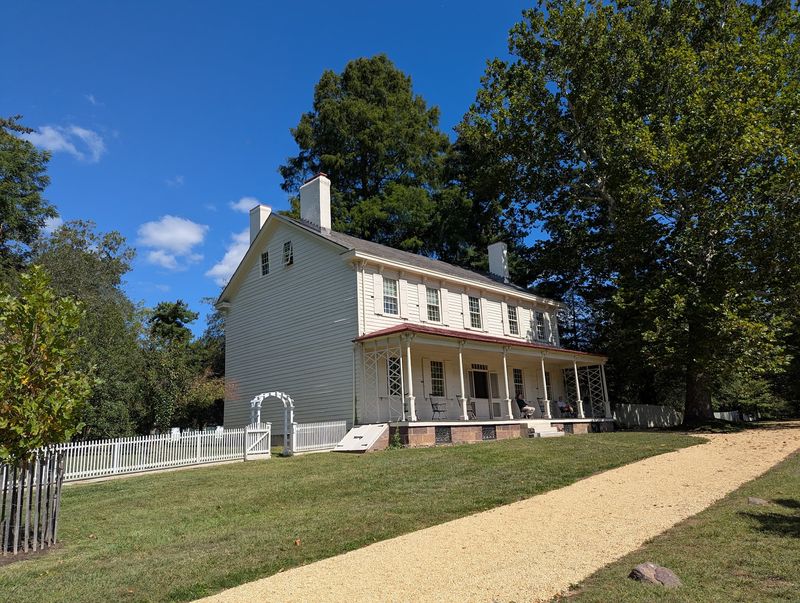
Back in 1773, a Philadelphia merchant built a grand Georgian home here. Today, the Waln House is still standing tall and welcoming curious visitors.
Richard Waln was a prosperous Quaker who bought the estate in 1772. He reportedly found it through a newspaper ad, which is a wild way to shop for property.
The house opens seasonally from March through late December. Inside, the exhibit called “My Darling Dearest” explores letter writing and the postal service in the 1800s.
That topic sounds quiet, but it’s sneakily charming. People once waited days or weeks for news, and every letter mattered.
Kids raised on texting might find it eye-opening. Imagine waiting a week for someone to answer your message.
Accessibility gets attention here too. A ramp at the rear kitchen entrance helps visitors who can’t use the front steps.
Take your time moving through the rooms. The house tells a family story stretching across generations, not just one era.
Fair warning, you may leave wanting to write an actual letter. Stamps might suddenly feel a lot more romantic.
Look Up For The Running Stag
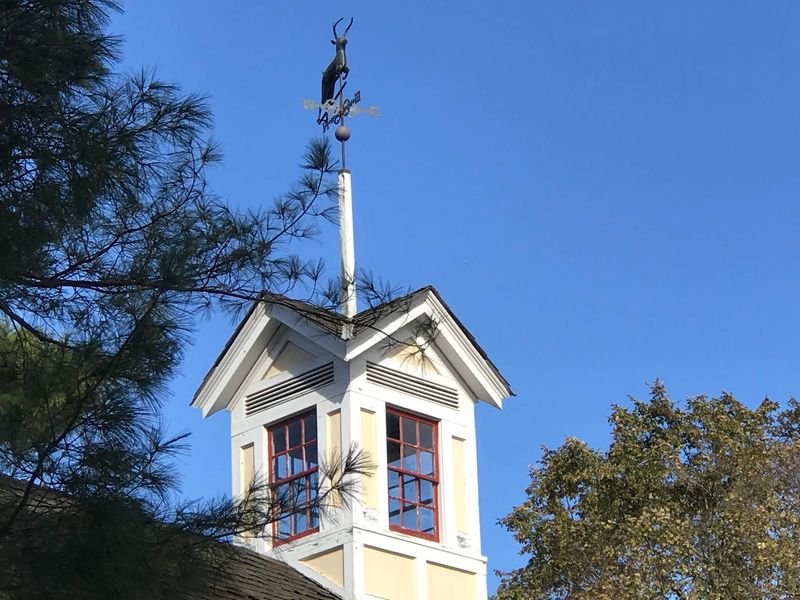
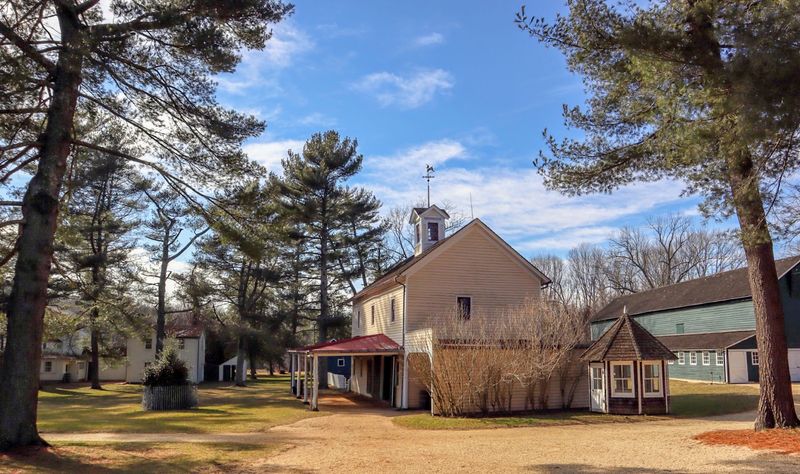
Some buildings announce themselves with signs. The Carriage House at Historic Walnford uses a running stag weathervane instead.
Built in 1879, it holds a Waln family carriage and sleigh. Seeing them up close makes old-time travel feel very real.
Think about winter trips in a sleigh across open farmland. Cozy, sure, but also probably freezing.
The carriage tells a similar story. Before cars, a fancy ride like this said a lot about a family.
That stag on the roof is easy to miss if you rush. Stop outside and look up before heading in.
It makes a fun photo, especially against a clear blue sky. Kids can turn spotting it into a little scavenger hunt.
The building fits nicely into the estate’s timeline. It arrived just seven years after the gristmill was rebuilt.
So the late 1800s were clearly a busy time here. The family kept investing in the place long after Richard Waln’s day.
Personal photos are welcome, so snap away. Just know professional portrait sessions need a permit and can’t happen during regular hours.
Old Farm Buildings Each Have A Job To Explain
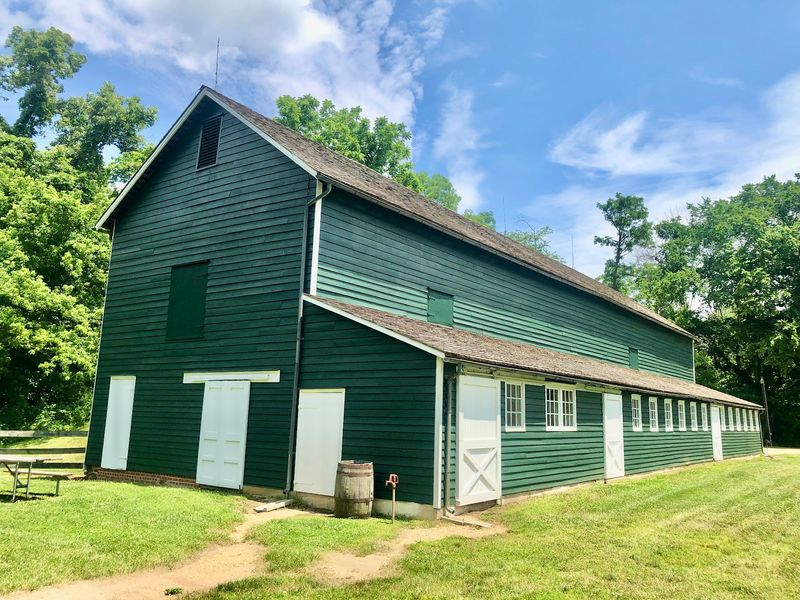
Corn crib, smokehouse, well house, tool house. The list of farm buildings here reads like a pioneer chore chart.
Historic Walnford also includes a barn, wagon house, dam, and caretaker’s cottage. That cottage was added between 1910 and 1912.
Each structure shows a different piece of daily farm work. Put together, they explain how a whole community kept running.
The cow barn has a fun detail. In the early 1900s, it housed 48 Guernsey cows.
That’s a lot of milking. Somebody’s arms were definitely getting a workout every morning.
Walking between buildings helps the history click. You see how close the work spaces sat to each other.
Here’s a tip for families. Ask kids to guess what each building did before reading the signs.
Wrong guesses are half the fun. A smokehouse might sound like a fireplace store to a ten-year-old.
Grants have helped restore several structures over the years. Those include the cow barn, ice house, mill, and waterworks.
The care shows in how complete the village feels. It isn’t one lonely building, but a whole working farm frozen in time.
Two Centuries Of One Family Is A Story Worth Hearing
Long before the Walns arrived, a gristmill started a tiny village here in 1734. Richard Waln bought the property in 1772 and renamed it Walnford.
The estate already came loaded. It had three mills, blacksmith and cooper’s shops, tenant houses, orchards, and 100 plowed acres.
Then came the Revolution. As a pacifist Quaker, Richard was briefly expelled from the colony.
He was back by late 1778. Later, he became a strong abolitionist.
In 1799, his son Nicholas and wife Sarah took charge. They grew the estate to 1,300 acres, with about 50 people living there.
The Waln family stayed for roughly 200 years. That kind of staying power is pretty rare anywhere.
In 1973, Edward and Joanne Mullen purchased the property. In 1985, they donated the site and land to the Monmouth County Park System.
That gift is the reason you can wander here today. Generous move, and a big one.
The site is listed on both the State and National Registers of Historic Places. It covers more than 200 years of social, technological, and environmental history in New Jersey.
Bring A Picnic And Let The Creek Do The Talking
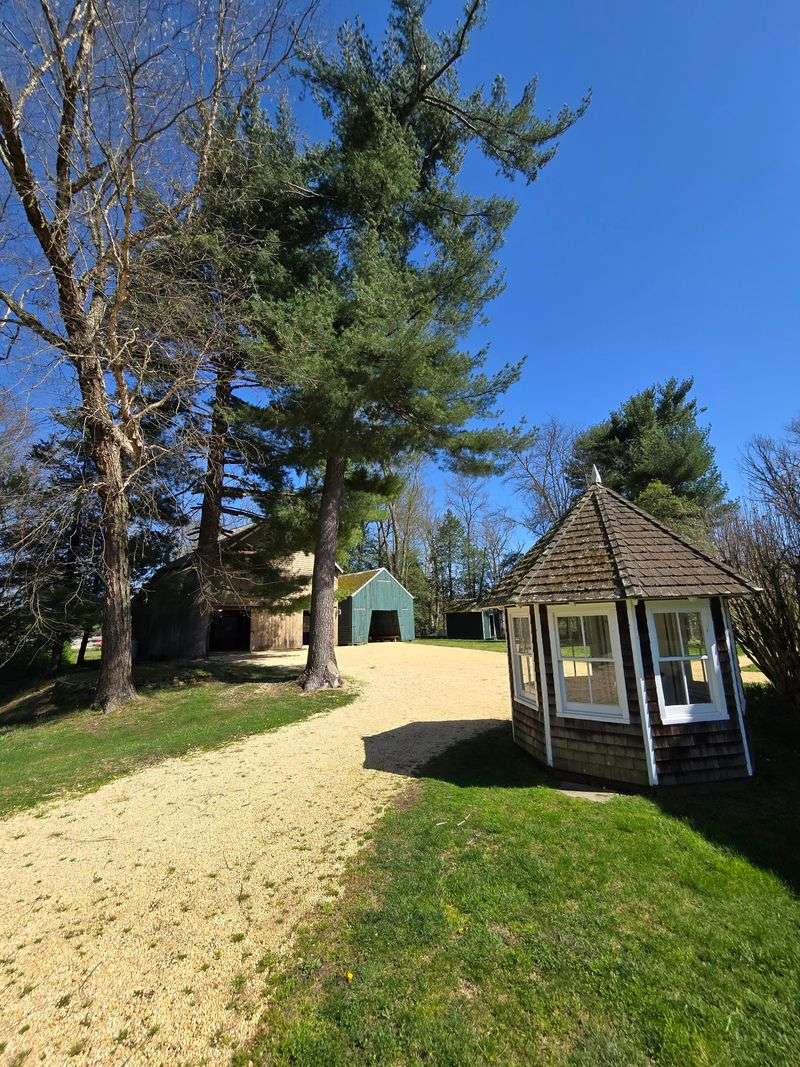
Crosswicks Creek winds right past the old village. The 36-acre historic district sits inside the larger Crosswicks Creek Park.
Fields, woodlands, and wetlands surround the buildings. It’s a peaceful mix that makes slowing down feel easy.
Along the stream bank, you can spot remnants of a formal garden. Finding them feels a little like uncovering a secret.
Picnic tables are spread around the grounds. Pack sandwiches and make an afternoon of it.
A picnic pairs well with a mill demo. Eat first, then wander over when the gears start turning.
Comfortable shoes are smart here. You’ll want to walk the paths and see the creek from different spots.
Each season changes the scenery. Late spring through early fall brings the most green.
Snowy days can look striking too. Bundle up, though, because open fields don’t block much wind.
Nature lovers should keep their eyes open. Wetlands and woods mean plenty of chances to notice birds and plants.
It’s the kind of setting that makes history feel lived in. The farm makes more sense once you see the water and land that powered it.
Special Events Turn A Quiet Village Into A Party
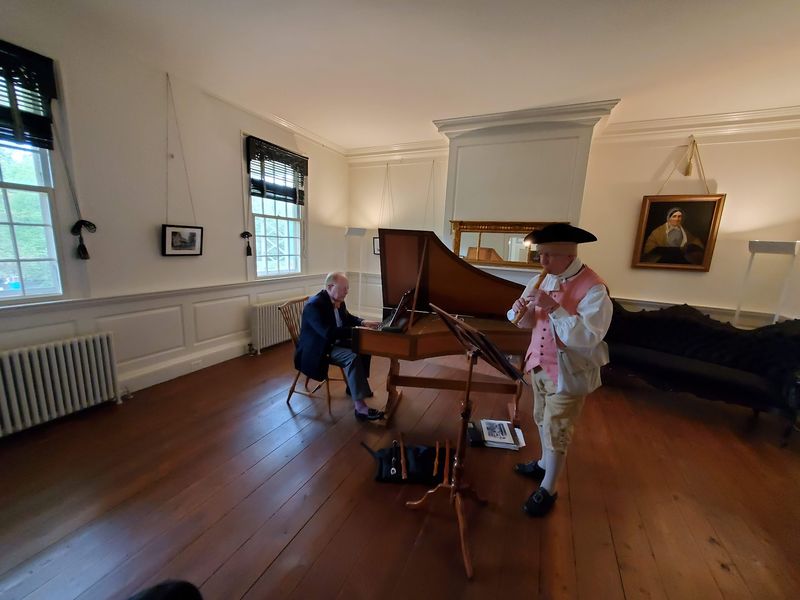
Groundhogs, woodchucks, and whistlepigs walk into a park. That’s not a joke setup, it’s a real program that took place here in February 2026.
The full title is “Groundhogs, Woodchucks & Whistlepigs…Oh My!” and it’s as playful as it sounds. Winter visits suddenly have a fun hook.
October brings Trick-or-Treat in the Park. Costumes against a backdrop of 1700s buildings?
Pretty great combo.
Historical demonstrations pop up throughout the year too. Blacksmithing is one of the crowd-pleasers.
“Music on the Porch” adds tunes to the setting. “Preserving the Harvest” shows how families saved food before fridges existed.
These programs help the past feel hands-on. Reading about blacksmithing is one thing, but watching it is another.
Schedules change, so check the county park calendar before heading out. Event dates shift from year to year.
Reserved group tours are also available. Schools, scouts, and clubs can book a more guided experience.
Some special programs may have fees. Still, the regular grounds stay free, so even a non-event day delivers plenty.
Planning around an event can make a great visit even better. It’s a smart reason to bookmark the calendar.
The Drive Out Here Is Half The Fun
Getting here feels like a mini road trip through farm country. Historic Walnford sits along the 24-mile Upper Freehold Historic Farmland Scenic Byway.
Open fields and old farms line much of the route. It’s a calm change from busy highways.
Plug in 62 Walnford Rd, Allentown, NJ 08501 for directions. The county lists the site as part of Upper Freehold Township in Monmouth County.
Don’t let the two town names confuse you. They point to the same lovely spot.
Western Monmouth County has a rural feel many people don’t expect from New Jersey. Farmland stretches farther than most folks picture.
Make the drive part of the plan. Leave extra time so you’re not rushing to catch a mill demo.
Once you arrive, parking is easy and free. That’s one less thing to stress about.
A good day trip might mix the byway, a picnic, and the mill. Throw in a house visit and you’ve got a full afternoon.
Honestly, a free historic village with working machinery is reason enough to go. The scenic drive just sweetens the deal.
