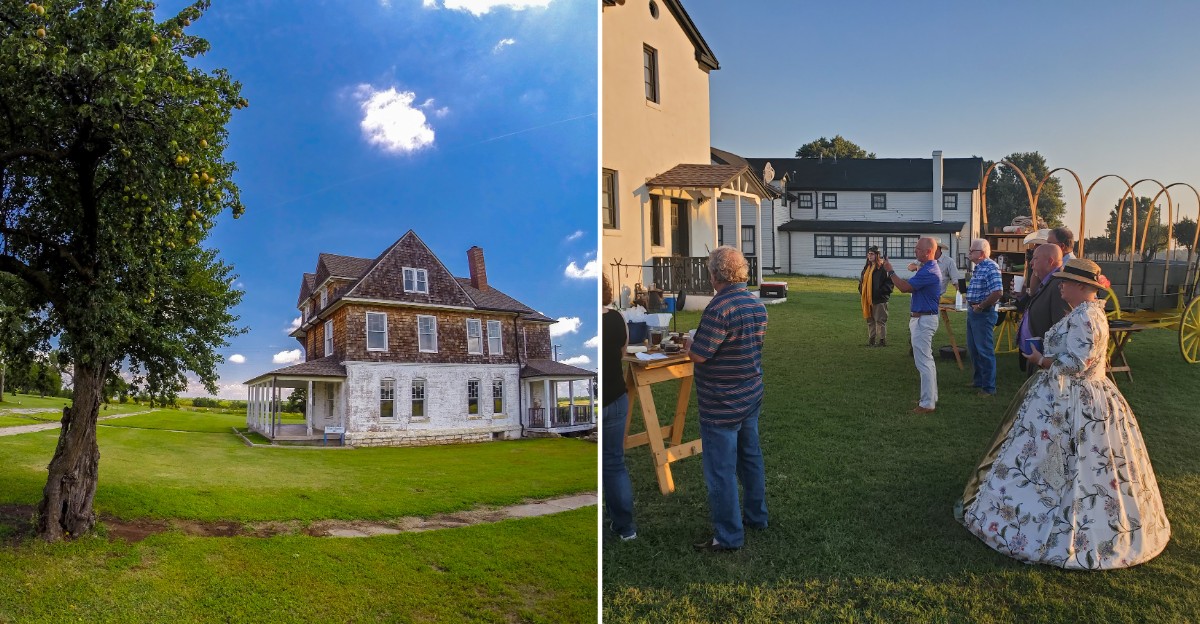
At one point, roughly 14,000 horses and mules lived on a single Army post beside what later became Route 66. That’s not a ranch.
That’s a small cavalry city with its own veterinary hospital.
The animals didn’t just graze, either. Cowboys broke and trained them, then trains carried them toward both World Wars.
One famous horse from this place later walked riderless in a presidential funeral procession.
I like how the story keeps twisting. German prisoners of war once lived here, and they helped build a chapel that still stands.
Brick buildings from the 1880s still circle the old parade ground.
All of it sits on the plains of western-central Oklahoma, a short drive off the interstate. I can’t imagine a better excuse to slow down on the Mother Road.
Ready to meet the fort that kept the Army in the saddle?
The Army Once Shopped Here For Its Horses
Forget tanks and trucks for a moment. In the early 1900s, the U.S.
Army still needed four legs to move almost everything.
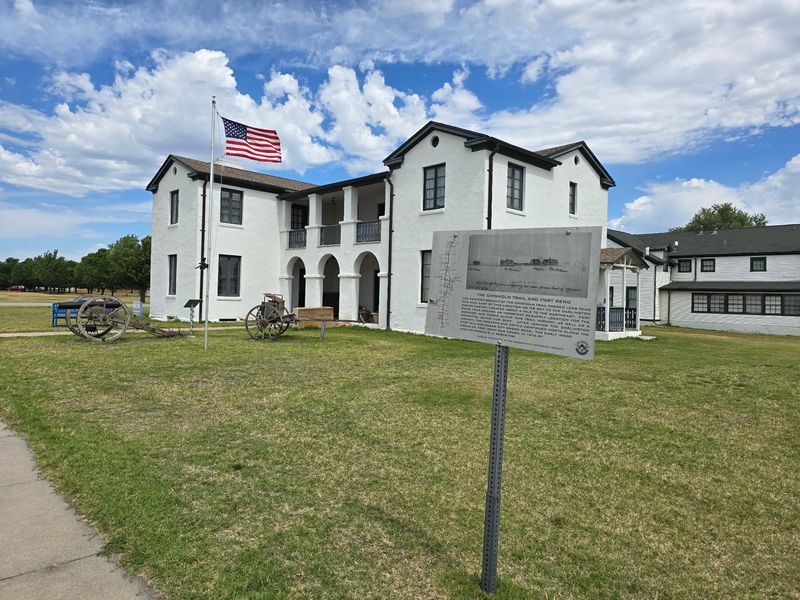
That need turned Historic Fort Reno into one of only three Army Quartermaster Remount Stations in the country. From 1908 until about 1948, the post focused on breeding and training horses and mules for the military.
The numbers are wild. At various times, the station housed roughly 14,000 horses and mules, and it served as a regional headquarters.
Those animals didn’t stay home. Trains carried them from this spot in Oklahoma to ships bound for conflict zones during both World Wars.
Somebody had to turn skittish young horses into reliable military mounts. That job fell to the Fort Reno Remount Cowboys, real wranglers who broke and trained the animals.
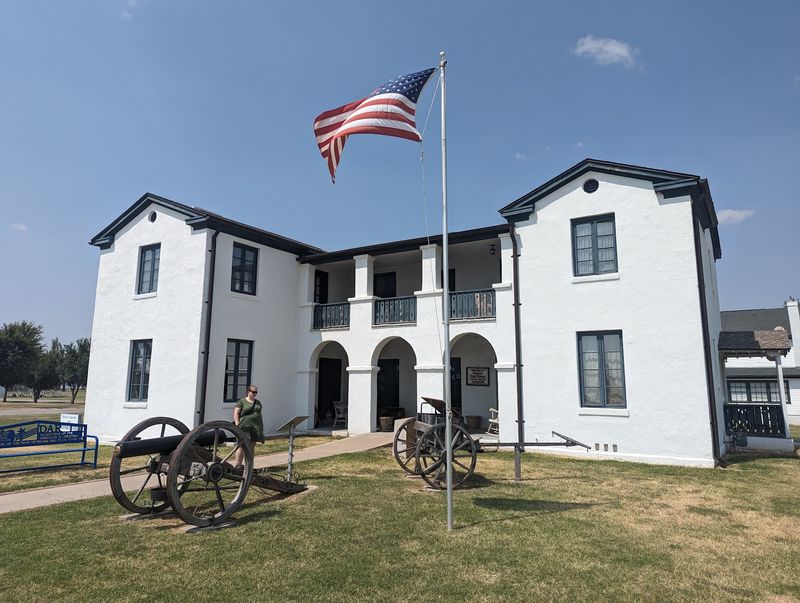
Today, the Historic Fort Reno Visitor Center & Museum tells that story right on the old post grounds. It’s the perfect starting point before you explore anything else.
I believe this chapter is what makes the fort truly different. Plenty of forts guarded frontiers, but few became giant horse suppliers for an entire army.
Honestly, that’s a résumé worth a detour.
Black Jack Got His Start On These Plains
One horse from this post became a national symbol. His name was Black Jack, and he trained at Fort Reno before joining the Army’s ceremonial ranks.
Black Jack later served as the famous riderless horse in grand military funerals. He’s best remembered for walking in the procession for President John F.
Kennedy.
That’s quite a career path for a remount horse from the Oklahoma prairie. The museum includes him in its exhibits, so you can learn how his story connects to this place.
A riderless horse carries an empty saddle with boots reversed in the stirrups. The image honors a fallen leader in a quiet, powerful way.
I like that a small museum on Route 66 keeps this link alive. Many people know the famous funeral photos, yet few realize where the horse got his early training.
Kids especially tend to connect with animal stories. Black Jack gives them a clear, personal way into a big chunk of American history.
So when you wander the exhibits, keep an eye out for him. Spotting the Black Jack display feels a bit like finding the celebrity in a family photo album.
Not bad for a horse from El Reno.
The Fort Was Busy Long Before The Horses Arrived
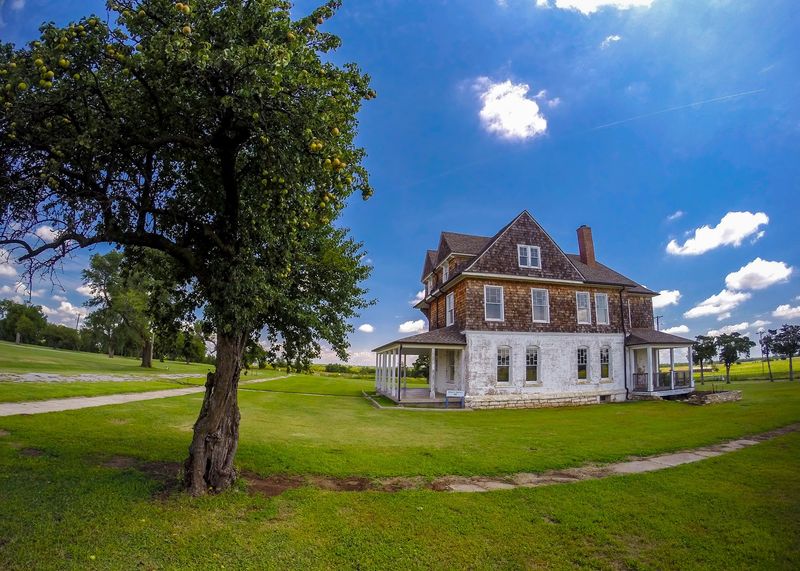
The remount years were actually the fort’s second act. The post began in 1874 as a military camp in what was then Indian Territory.
By 1875 it had become a permanent fort, and construction on its buildings started the next year. Soldiers here carried out government orders across the surrounding region.
Part of that job meant removing land-hungry settlers who arrived too early. Troops also supervised the famous land runs of 1889, 1892, and 1894.
Those runs opened huge areas for settlement and helped shape modern Oklahoma. The fort played a real role as the territory moved toward statehood.
The famed Buffalo Soldiers were also stationed here. Their service is honored inside the museum, alongside other parts of the post’s frontier past.
The museum doesn’t stick only to military stories, either. You’ll also find images connected to the 1888 Cheyenne and Arapaho Agency nearby.
That mix matters. History on these plains involved many people, and the exhibits reflect more than one point of view.
Give yourself time here before heading outside. Knowing the early story makes the old buildings much more meaningful when you see them in person.
Three Floors Of Exhibits Tell The Post’s Story
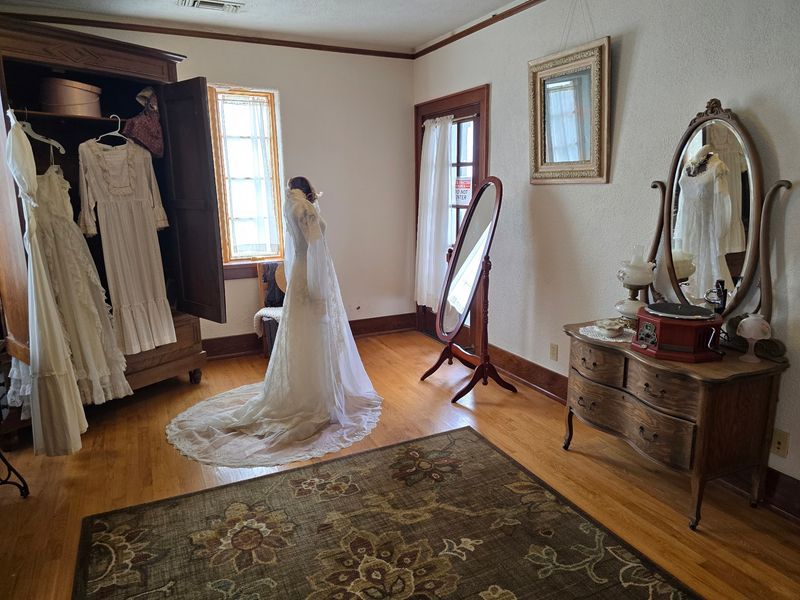
Old photographs, letters, and artifacts fill the Historic Fort Reno Visitor Center & Museum. Rooms are arranged to show different parts of post life through the years.
The building spreads across three floors. Upper floors are reached by stairs only, so plan accordingly if anyone in your group needs an accessible route.
The first floor includes the office, gift shop, and a parlor exhibit area. That level is the most accessible part of the building.
Art fans get a treat too. Exhibits feature work inspired by Frederic Remington, the famous Western artist who spent three months at the fort.
Video of historical reenactments helps bring the stories to life. It’s a nice break for younger visitors who’d rather watch than read every placard.
The museum is run by Historic Fort Reno, Inc., a nonprofit group. Fundraising, grants, and donations help keep the doors open and the history preserved.
There’s a small admission fee, and donations are welcome. Every dollar supports a community effort to protect this place.
Wear comfy shoes for the stairs. Your knees may grumble a little, but the rooms upstairs are worth the climb.
Old Brick Buildings Still Circle The Parade Ground
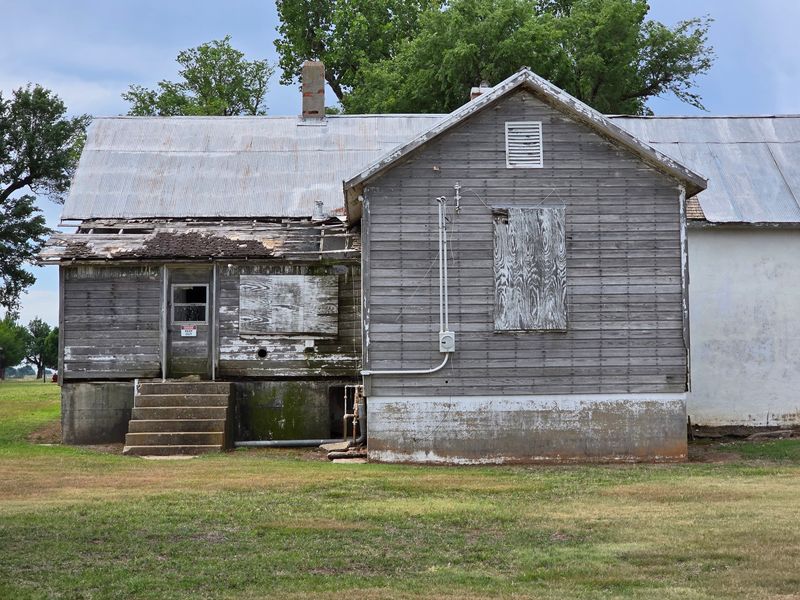
Most forts from this era survive only as foundations. Here, many of the original buildings still surround the old parade ground.
More than 25 structures are listed on the National Register of Historic Places. Some brick buildings date back to the 1880s.
You can drive around the parade ground at your own pace. Soldiers once drilled on this open space, and horses were trained nearby.
Each building has an informative placard. That makes the grounds feel like a giant outdoor museum, minus the velvet ropes.
By 1930, the post had grown into a small city with over 100 buildings. It even had a veterinary hospital considered among the best in the nation.
Not everything survived. The Officers’ Club, polo grounds, and racetrack are gone, though polo matches and horse shows were once big events here.
Old photos inside the museum help you picture what stood where. Comparing them to the real ground is half the fun.
Bring a camera and some patience for reading. The details on those placards turn plain brick walls into neighbors with stories to share.
German Prisoners Built A Chapel That Still Stands
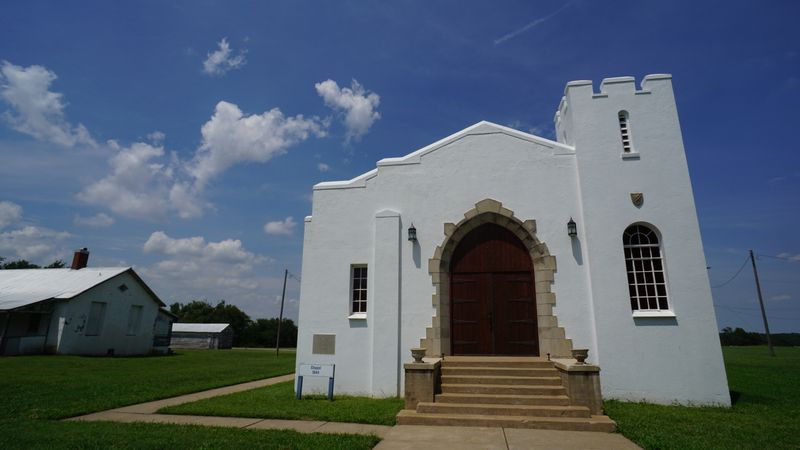
History took an unexpected turn here during World War II. Nearly 100 acres on the east side of the fort became an internment work camp.
More than 1,300 German soldiers were sent here, many captured in North Africa. It’s surprising to think of them living on the Oklahoma prairie.
The prisoners worked as laborers for local farmers. They also helped build the fort’s chapel, which sits north of the parade ground.
That chapel remains one of the most interesting buildings on the property. It’s a lasting piece of a story many travelers have never heard.
The camp buildings themselves are gone. However, the distinctive base of an old water tower still stands to the east.
Inside the museum, letters written by German POWs add a personal side to this chapter. Reading their words makes the history feel close and human.
I believe this is one of the fort’s most thought-provoking stops. It shows how far the reach of a global conflict extended, even into small-town Oklahoma.
Take a quiet moment at the chapel. Its simple presence says plenty without any extra help.
A Hilltop Cemetery Holds Many Stories
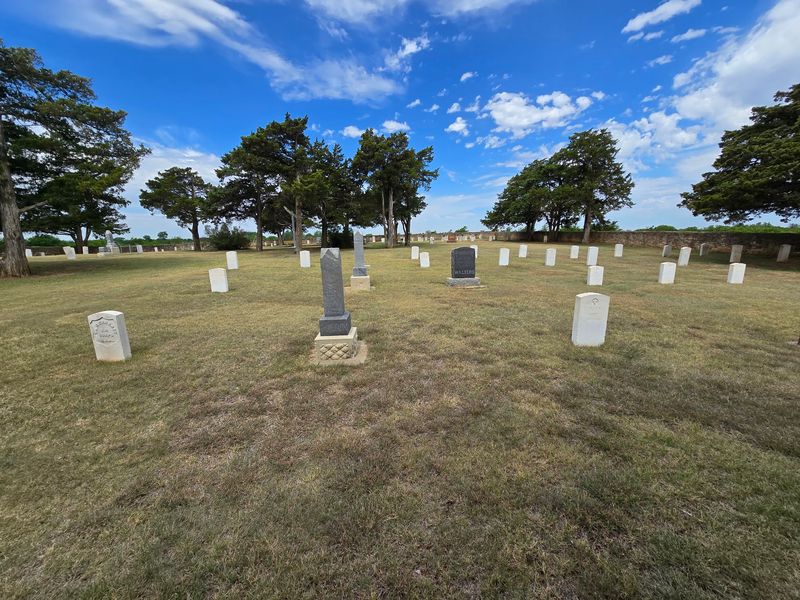
West of the main grounds, the post cemetery rests quietly on a hill. Views stretch across the plains in every direction.
Pioneer citizens and military personnel are buried here. So are people connected to the Northern Cheyenne outbreak, a painful part of regional history.
One section stands apart. It holds German and Italian prisoners of war who passed away while held at camps across Oklahoma and nearby states.
That annex makes this cemetery unusual in America. It’s a peaceful, respectful place that invites reflection rather than rushing.
Each November, a German and Italian Memorial Service honors those buried in the annex. In December, the Wreaths Across America ceremony takes place here as well.
Families sometimes find these stops the most memorable part of a visit. A short walk among the stones can spark big conversations.
Please be mindful while exploring. Stay on paths, keep voices low, and treat the space with care.
The museum exhibits give useful context before you go. Once you know the stories, the names on the headstones feel far more personal.
Lantern Tours And Cavalry Contests Liven Up The Calendar
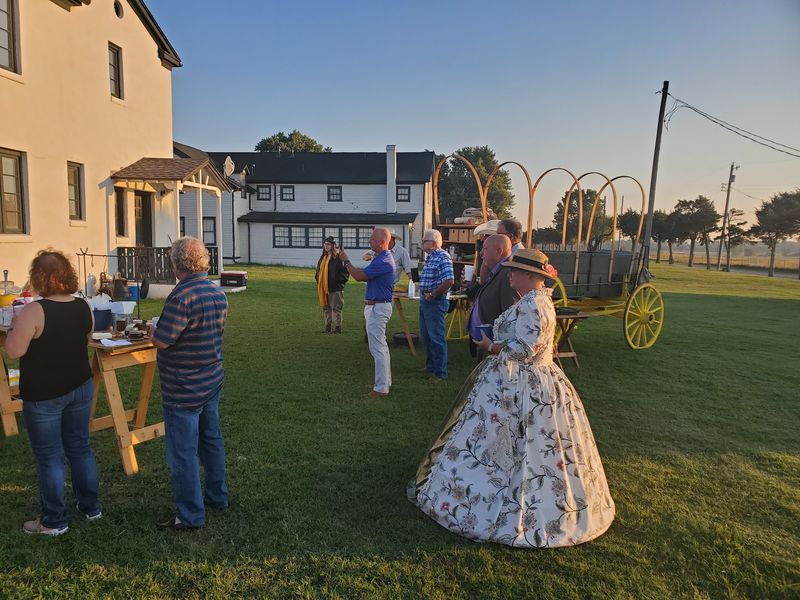
Lanterns, costumes, and old mysteries sound like a fun evening, right? The fort’s Historic Spirit Tours deliver exactly that kind of night.
These lantern-lit walks move through the historic district. Costumed reenactors share tales about landmarks and people who lived here more than a century ago.
Expect stories of mysteries and crimes from the fort’s past. Reservations are required, so plan ahead instead of showing up hoping for a spot.
September brings a different kind of excitement. The National Cavalry Competition draws active duty soldiers who compete in a range of cavalry events.
Watching riders on these grounds feels fitting, considering how many horses trained here. It’s a neat link between the past and present.
The November memorial service and December wreath ceremony offer quieter, meaningful moments. Each event shows a different side of the fort.
Event schedules can change, so check with the museum before you go. That small step can save you a disappointing drive.
Timing a trip around one of these gatherings is a smart move. You’ll see the old post come alive in a way regular weekdays can’t quite match.
Your GPS Might Need A Little Help Getting Here
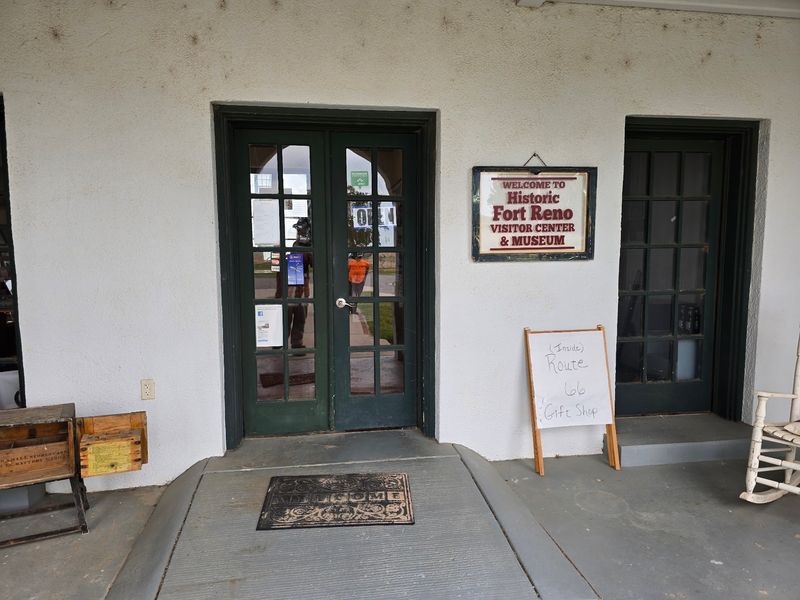
Funny thing about this trip: the street address alone may confuse your GPS. The fort recommends following signs or using map coordinates instead.
The official address is 7107 West Cheyenne Street, El Reno, OK 73036. The entrance sits right on historic Route 66, west of town.
From the interstate, take Exit 119 off I-40. You can also drive four miles west of El Reno on Business I-40, the old Route 66, then turn north.
That makes the fort an easy add-on for Mother Road road trippers. It’s also close enough for a day trip from central Oklahoma.
Plan around the hours. The museum is typically open Monday through Friday from 10 a.m. to 4 p.m., and it closes weekends and federal holidays.
A separate U.S. Cavalry Museum also sits on the grounds.
It charges its own admission, so budget a little extra time for both.
Since hours can shift, calling ahead is wise. Nobody wants to admire a locked door after a long drive.
Arrive early enough to see everything. Between the museum, buildings, chapel, and cemetery, you’ll want more than a quick pit stop.
