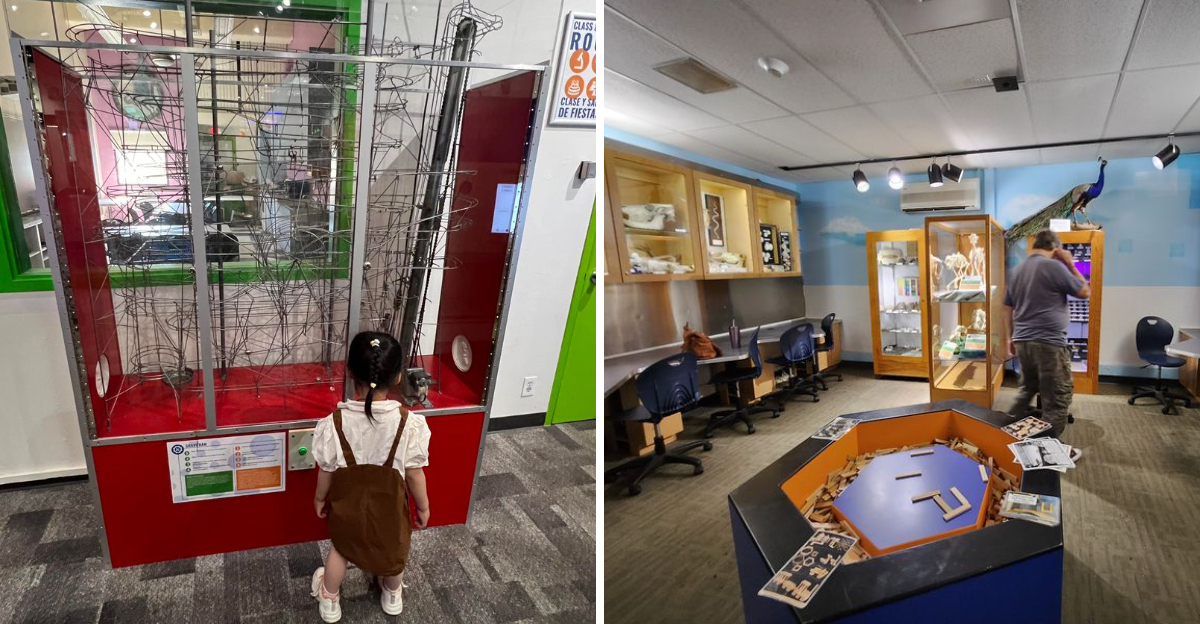
Kids aren’t supposed to touch anything at most museums. This one flips that rule completely upside down.
Buttons get pushed, levers get pulled, and nobody tells anyone to stop. Somewhere in the middle of it, a kid figures out how pulleys work without even realizing they just learned something. That’s the whole point here, and it works better than any lecture ever could.
Oregon families keep discovering this place almost by accident, then wondering why they didn’t visit sooner. Exhibits change often enough that repeat visits never feel repetitive. Nothing sits behind glass collecting dust. Everything invites hands, curiosity, and a little bit of chaos.
Oregon has plenty of places built for looking. This one was built for doing. Kids leave buzzing with questions, already asking when they can come back and build something new.
The Hands On Exhibit Floor Where Nothing Says Do Not Touch
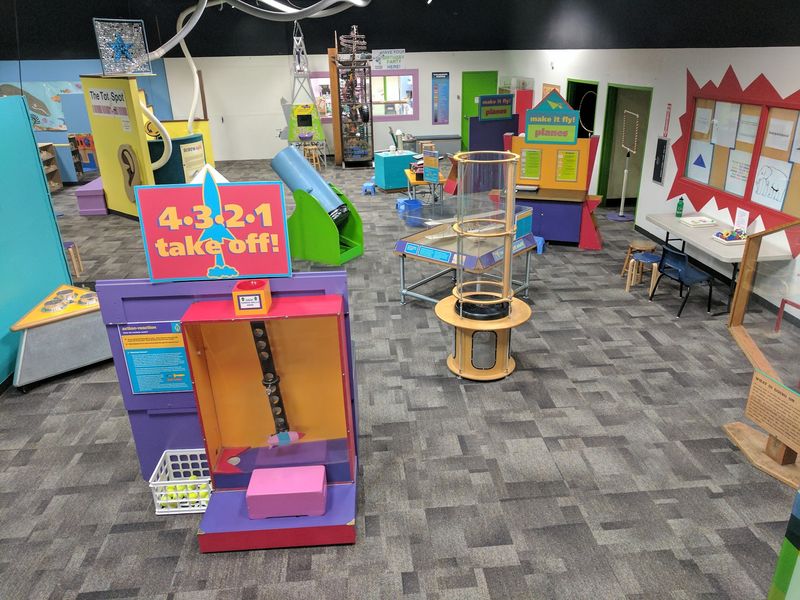
Curiosity moves fast in this room. Within about a minute of stepping onto the main floor, kids scatter like marbles, each grabbing whatever looks most tempting.
The whole space can be taken in at a glance, which sounds like a drawback until you watch how much is packed into it. Ball runs, magnets, light tables, air tubes, pulleys, and puzzle stations sit shoulder to shoulder, and most were built in the center’s own exhibit workshop.
That homemade quality gives the exhibits a charm that feels different from mass-produced museum pieces.
Because everything gets used hard, staff repair things on site rather than shipping them off, which is a nice detail for a place this size.
Plan for roughly an hour and a half if the children are between three and ten. Older kids and adults tend to gravitate toward the trickier physics stations, and honestly, adults get competitive there too. Friendly rivalries over who can beat a puzzle fastest are a common sight by the afternoon.
Bring water and let them wander without a route. The best moments here come from a child discovering something on their own, then dragging a grown-up over to see it happen again.
Stargazing Under the Planetarium Dome
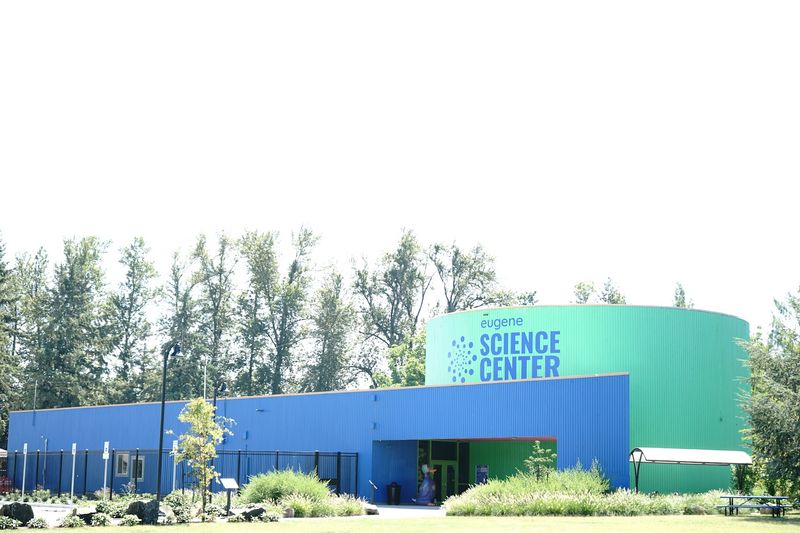
Ask anyone who has visited what stuck with them, and the dome usually comes up first. Seats recline, lights drop, and the ceiling fills with constellations that feel close enough to touch.
The planetarium went through a major renovation, with new projection equipment and replaced seating, so the experience is far more comfortable than the room’s modest size suggests.
Shows rotate through the year. Some cover constellations and satellites, others explore sounds in nature or the solar system, and the schedule shifts with new releases in summer. Checking the lineup ahead of a visit helps decide whether to build the day around a particular showtime.
Pre-K presentations are led live by an instructor rather than being pre-recorded, which means small children can ask questions out loud and actually get answers. That format works well for wiggly audiences. Parents often mention it as one of the more memorable parts of a visit with younger kids.
Combo tickets bundle a show with general admission, and buying that way makes sense if you are already planning a couple of hours here.
Check the day’s showtimes when you arrive so you can time the exhibit floor around it. Arriving a few minutes early helps you claim a good seat near the center.
Laser Light Shows That Turn the Dome Into a Concert
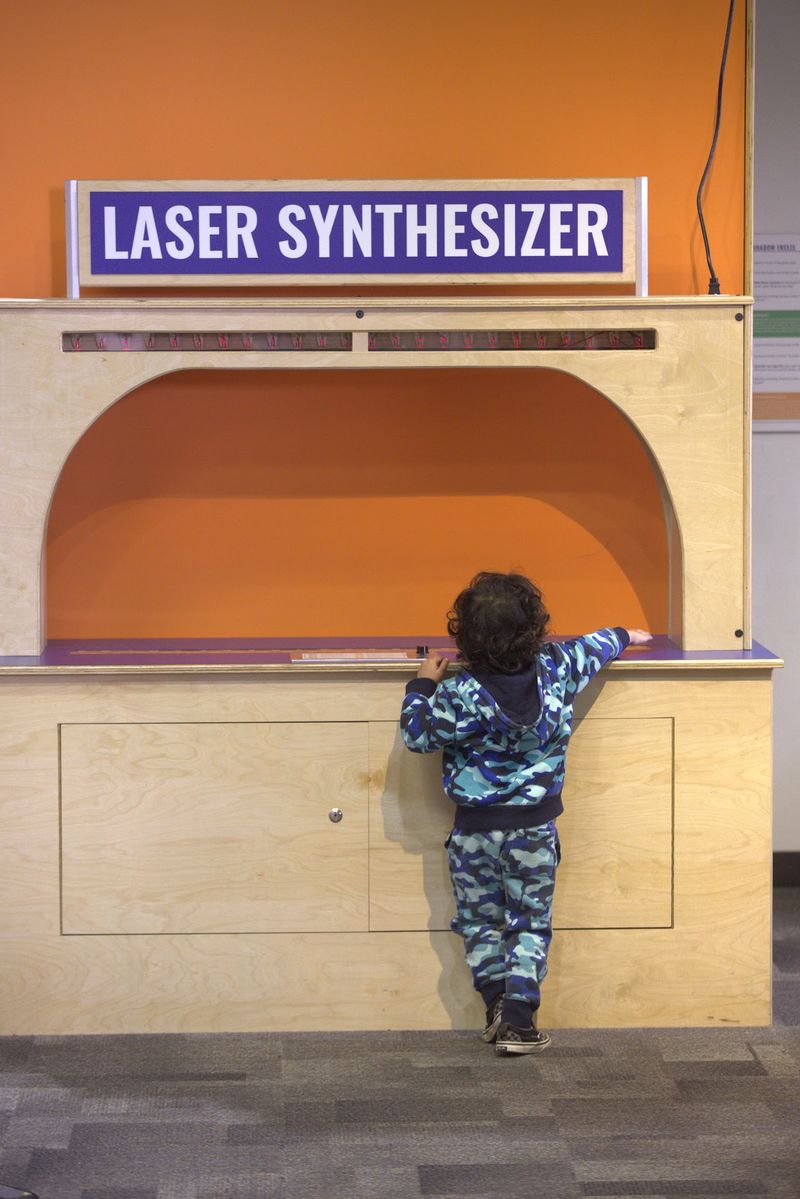
Something different happens after hours. The same dome that hosted a gentle constellation tour earlier in the day gets loud, colorful, and a little wild.
Laser shows are set to rock music, with beams tracing shapes across the curved ceiling in time with the beat. Pink Floyd is a recurring favorite in the lineup, and the classic-rock crowd shows up for it.
The contrast with the daytime programming is part of what makes the evening feel like its own separate event.
Friday is the night to plan around, since the center stays open later then than any other day of the week. That extended evening window makes it easier to catch a show without rushing through the exhibits first.
New laser programs get added periodically, so the rotation does not sit still.
Teens and adults who might feel a bit oversized among the toddler-height exhibits often find this is their part of the visit. It is also a low-key date-night option that costs less than most evening entertainment in town.
Groups of friends looking for something a bit different from a typical night out tend to enjoy it just as much. Seating is limited by the size of the room, so booking ahead is smart on busy weekends.
Tot Day and the Corner Built for the Smallest Visitors
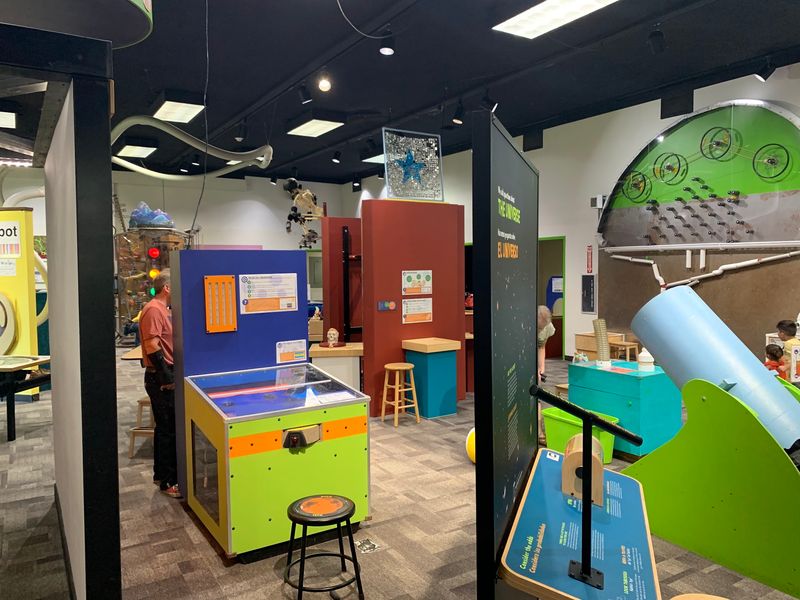
Toddlers get their own moment here, and parents notice the difference immediately. On designated Tot Days, extra activities are set up specifically for the under-five crowd while the rest of the museum stays open.
Little ones can crawl, stack, pour, and press buttons without an older kid barreling past. Families have described toddlers staying entertained for hours, which anyone with a two-year-old knows is close to a miracle.
Staff on these days also tend to be especially attentive to the youngest visitors, offering tips to parents along the way. A dedicated tots area exists on regular days too, tucked into the floor plan so caregivers can sit nearby and still see everything.
The scale of the building works in your favor with small children. You can spot your kid from almost anywhere, and there is no long trek back to the exit when a nap becomes urgent. That layout alone takes a lot of the usual stress out of a museum outing with toddlers.
Strollers fit through the space, though parking one near the entrance keeps aisles clear. Check the calendar before you drive over, since Tot Day happens on specific dates rather than every morning. Going on one of those days completely changes the visit.
The Cherry Blossom Path and the Park Setting Outside
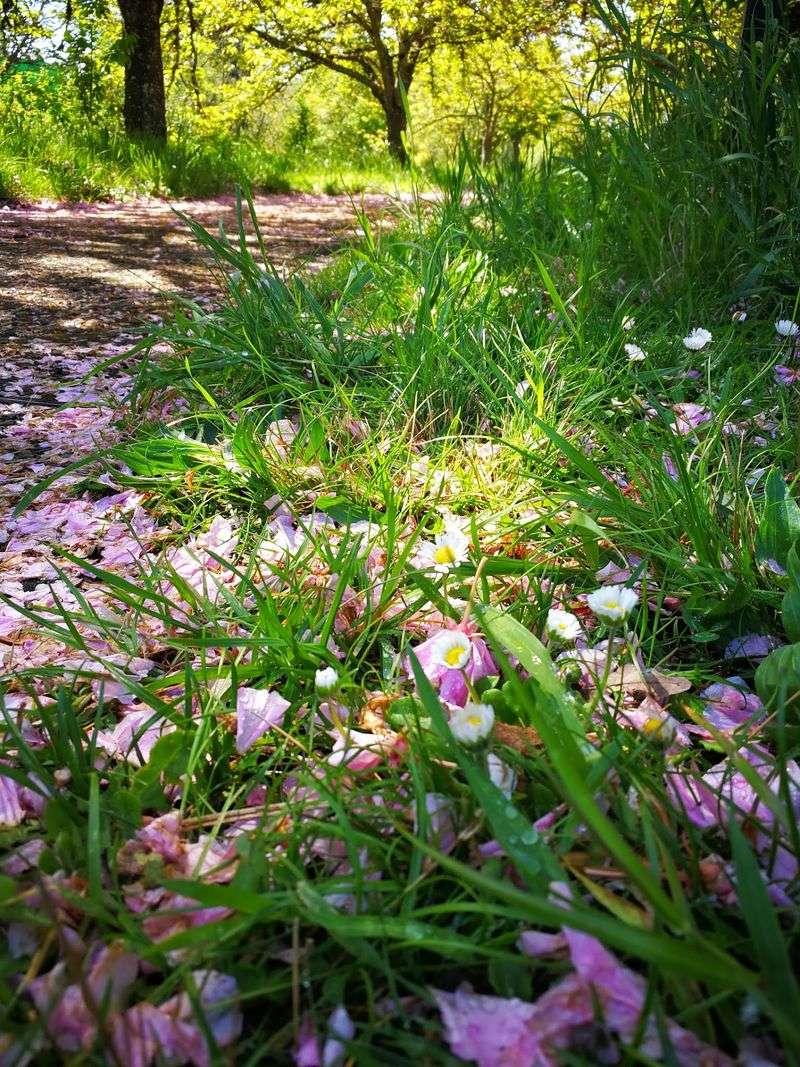
Getting to the front door is part of the fun in spring. A paved path runs through Alton Baker Park toward the building, and in late March and April it is canopied in pink cherry blossoms.
Petals drift down onto the walkway. Kids stomp through them. Adults stop for photos whether they planned to or not.
Parking sits some distance from the entrance, which surprises first-timers, so give yourself a few extra minutes for the stroll. Honestly, that walk is a bonus rather than a chore. Even without the blossoms, the shaded path through the park makes for a pleasant approach any time of year.
The center sits inside the park, close to the Willamette River trail system and just across from Autzen Stadium, which makes it easy to pair with a longer afternoon outdoors. Picnic tables sit outside if you want to eat before heading in.
Timing matters for the blossoms. Come too late in April and you will find green leaves instead of pink, so aim for March into mid-April if the trees are part of your plan. Checking recent photos online before the drive can help confirm whether the trees are still in bloom.
Birthday Parties and Group Experiments in the Back Room
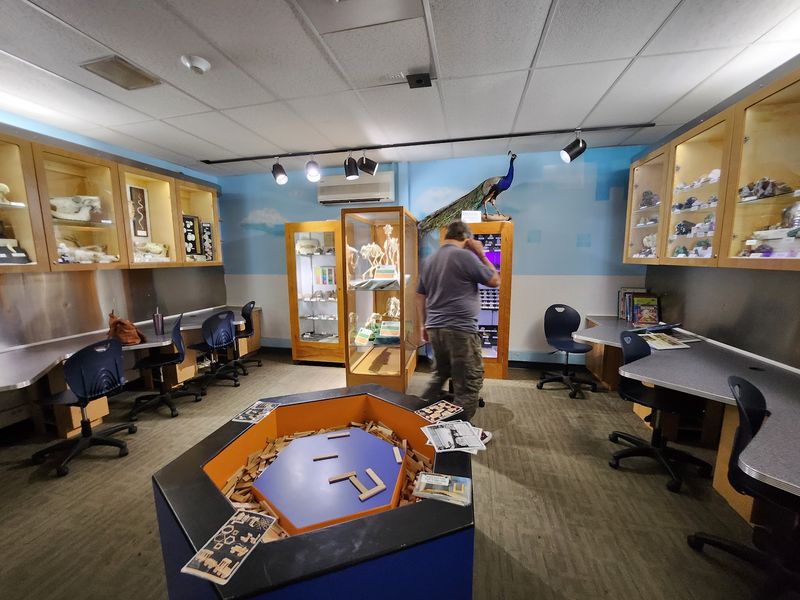
Behind the main floor there is a separate room where the messier science happens. Groups gather around tables for guided experiments and demonstrations that go deeper than the self-serve exhibits.
Birthday parties use this space, and the setup includes a hands-on experiment session run by staff. Families have found it holds attention remarkably well, including for kids who normally struggle to stay engaged at louder entertainment venues.
Staff tend to tailor the experiments loosely to the age group in the room, which keeps things from feeling too simple or too advanced. Party rooms here are roomy enough that a full guest list does not feel squeezed.
School field trips also filter through, which is worth knowing if you are visiting midweek during the school year. Mornings can get busy when two groups arrive at once. Afternoons tend to be calmer if flexibility allows for a later visit.
The auditorium hosts special classes and screenings as well, so a visit sometimes includes a short film followed by station-based experiments.
Booking in advance is essential for parties. Call ahead rather than assuming a weekend slot will be open, especially in the busier spring and early summer months.
Summer Camps, Memberships and Planning a Smooth Visit
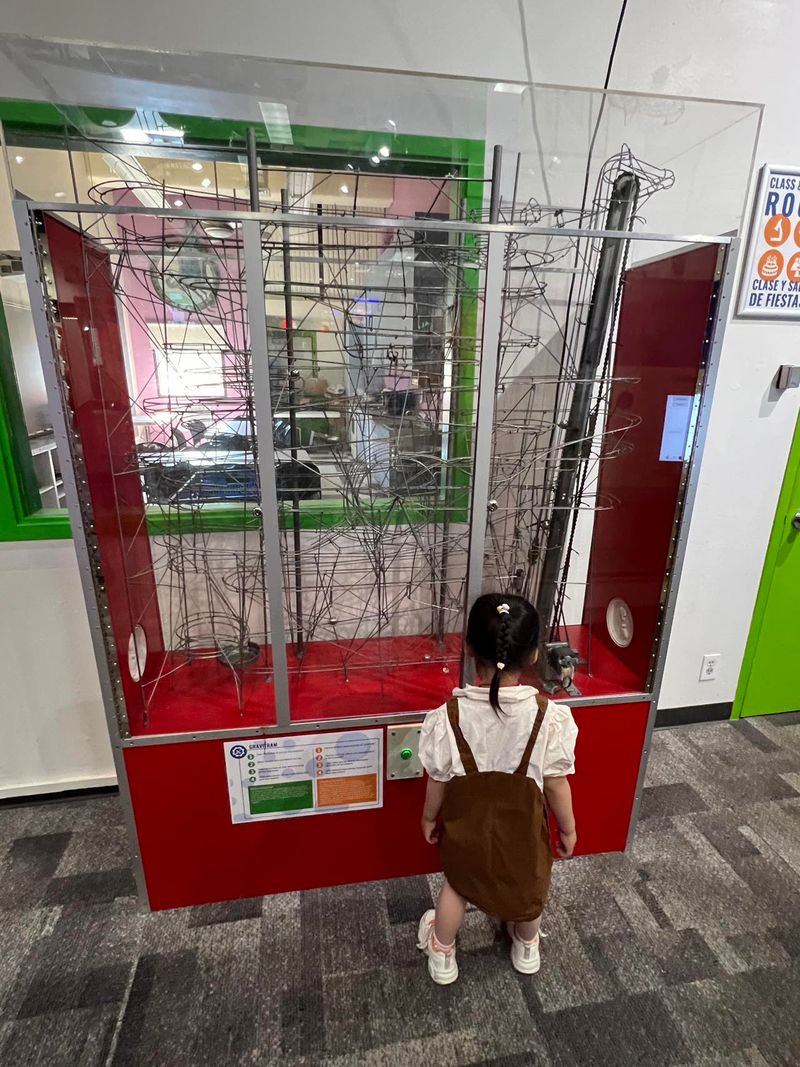
Summer changes the rhythm of the place. Camps run in small groups with a mix of indoor experiments, crafts, and outdoor time, and families who have tried other programs around town often rank these near the top.
Spots fill quickly and waitlists get long, so registering early in the year is the safest approach. Occasionally openings appear once summer has already started.
Memberships come with perks that add up if you live nearby or visit annually, and the center participates in the ASTC Passport network, which travelling families use at science museums nationwide.
That reciprocal access makes a membership worth considering even for families who split time between cities.
Doors open at 10 AM daily, with a 5 PM close most days and a later 7 PM finish on Fridays. Free admission days pop up around events like Earth Day, sometimes with a complimentary planetarium show attached.
Staff are consistently welcoming, and questions get answered patiently at the front desk. That kind of attentiveness tends to leave a lasting impression on first-time visitors.
Find it at 2300 Leo Harris Pkwy, Eugene, an easy stop on any Eugene itinerary.
