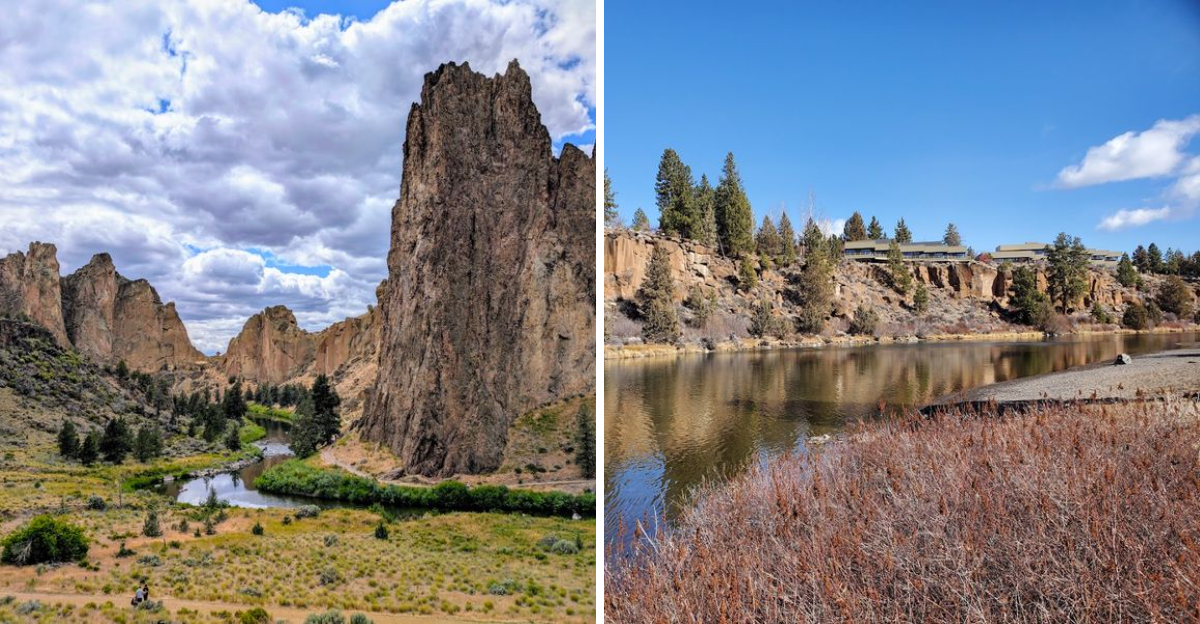
As temperatures rise and more people head outdoors, it helps to know where rattlesnakes are most active in Oregon. The western rattlesnake is the primary species in the state, generally found in regions east of the mountains.
They are most active from April through October, especially on warm, sunny days.
You are most likely to encounter them in high desert areas and sagebrush-covered flats. These habitats offer plenty of basking spots and hiding places in rocky outcroppings and rodent burrows. River basins and timbered canyons are also notable hotspots.
Areas with a mix of rocky terrain and open water tend to attract more wildlife, including snakes.
Oregon’s diverse landscape is home to these animals, and a little knowledge goes a long way. Staying aware of your surroundings can help ensure a safe and enjoyable experience outdoors.
1. Succor Creek State Natural Area
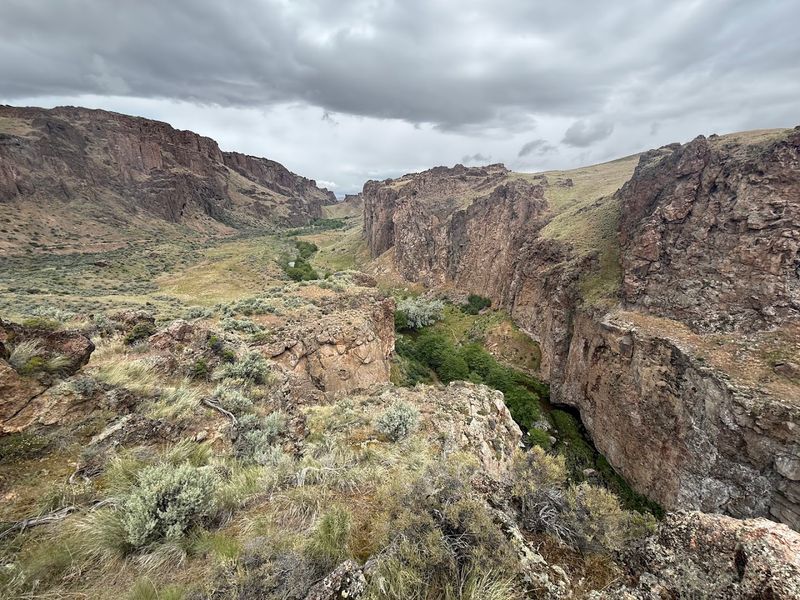
There is something almost prehistoric about Succor Creek. The canyon walls rise in sharp, layered columns of rhyolite, and the whole place feels like it belongs in a different era entirely. It is the kind of spot where you half-expect to find fossils underfoot, and honestly, sometimes you do.
Rattlesnakes are a known presence here, particularly on sun-warmed rock ledges and along the canyon floor where prey is plentiful. The Western rattlesnake thrives in exactly this kind of terrain: dry, rocky, and full of small mammals and lizards.
Hikers should watch where they step and avoid reaching into crevices or under flat rocks.
Early mornings and late afternoons are when snakes tend to be most active, especially during warmer months from late spring through early fall. The area draws rockhounds, campers, and nature lovers who appreciate its raw, unpolished beauty.
Bring sturdy boots and keep your eyes scanning the ground ahead of you. Succor Creek rewards the observant traveler, just make sure you stay alert to more than the scenery.
2. Owyhee River Canyon
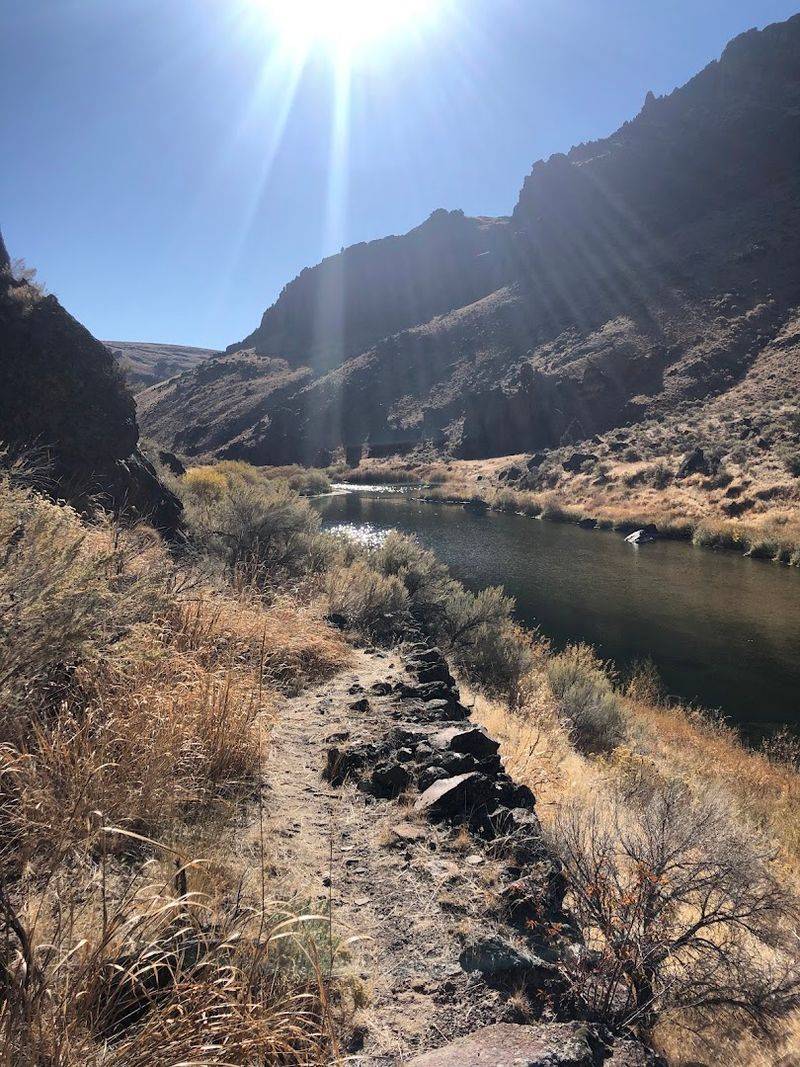
Remote does not even begin to cover it. The Owyhee River Canyon cuts through the far southeastern corner of Oregon like a secret the rest of the state forgot to mention. Getting there takes effort, and that is a big part of the appeal.
Rattlesnakes are regularly encountered along the rocky shorelines and canyon rim trails. The combination of warm basalt outcroppings and abundant rodent populations makes this one of the most snake-friendly environments in the state.
Floaters running the river have reported spotting them basking on boulders just above the waterline, especially in May and June.
The canyon is also home to golden eagles, bighorn sheep, and a stunning variety of wildflowers in spring, so wildlife encounters of all kinds are part of the experience.
Camping along the river means you are truly in their territory, so shaking out shoes in the morning and checking your gear before reaching in are smart habits. The Owyhee is wild in the best possible way. Just go prepared, and you will have a trip worth talking about for years.
3. Hart Mountain National Antelope Refuge
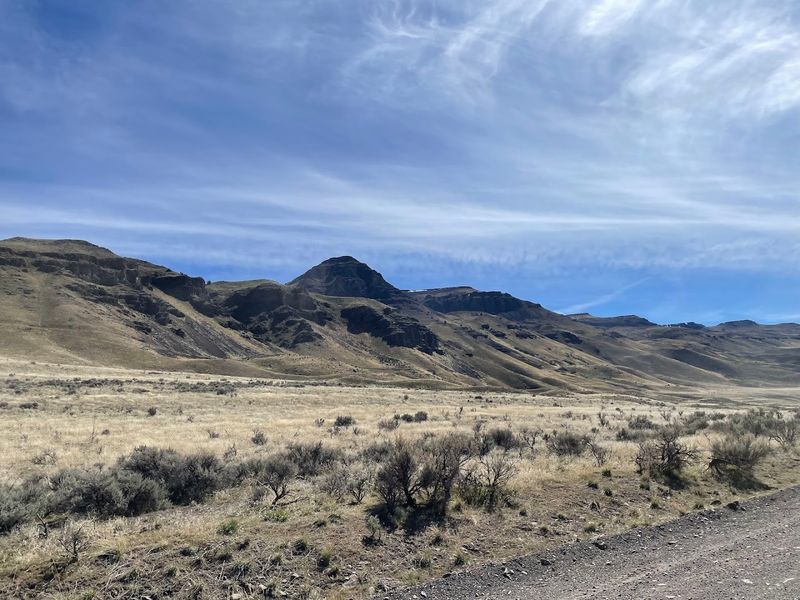
Hart Mountain has a scale that is hard to process at first. The plateau stretches out so wide and open that the sky seems to press down on everything, and the silence is the kind that actually rings in your ears. Pronghorn move across the sagebrush flats like they own the place, which, in fairness, they do.
Rattlesnakes are spotted here regularly, particularly near the rocky escarpments on the western edge of the refuge and around the hot springs area. The terrain transitions from open grassland to jagged rimrock, and those rocky zones are prime rattlesnake habitat.
They use the crevices for shelter and the open ground nearby for hunting.
Visiting in summer means temperatures can climb fast, and snakes often seek shade during midday heat. Dawn and dusk hikes are more likely to produce a sighting. The refuge has minimal infrastructure, which is exactly the point.
You are not here for comfort, you are here for the kind of wildness that feels increasingly rare. Keep your distance if you spot one, and appreciate the moment for what it is.
4. John Day Fossil Beds National Monument
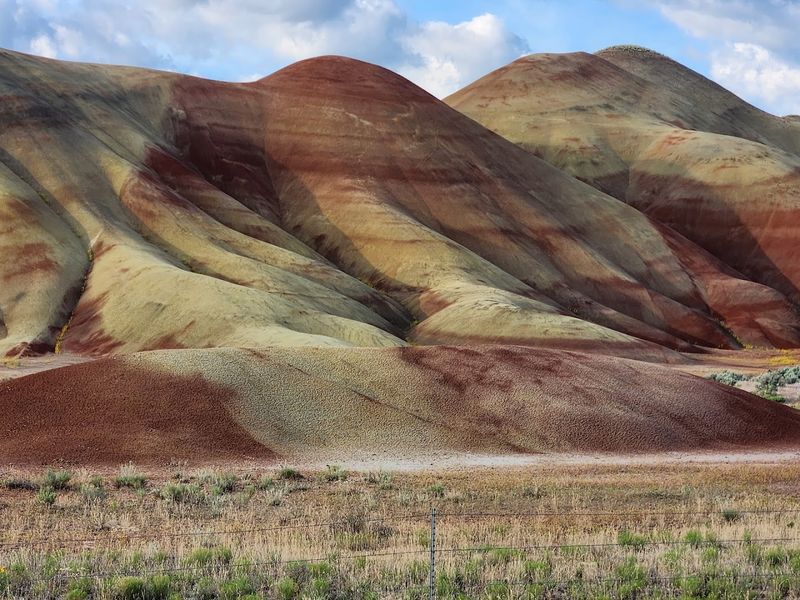
The Painted Hills unit of John Day Fossil Beds is one of those places that genuinely stops you in your tracks. The colors shift with the light throughout the day, moving from deep red to soft gold, and the landscape looks almost too surreal to be real. It also happens to be excellent rattlesnake country.
The dry, open terrain and rocky outcrops throughout all three units of the monument provide ideal conditions for Western rattlesnakes. Rangers have noted sightings near trailheads and along popular paths, particularly during warmer months.
The Clarno and Sheep Rock units, with their dramatic canyon walls and brushy creek beds, tend to have the highest activity.
Staying on marked trails is strongly encouraged here, both to protect the fragile fossil soils and to keep you away from rocky edges where snakes like to rest. Wearing long pants and closed-toe shoes is a simple precaution that goes a long way.
The monument is genuinely one of the most visually striking places in Oregon. Approach it with curiosity and caution in equal measure, and it delivers an experience that is hard to match anywhere in the Pacific Northwest.
5. Steens Mountain
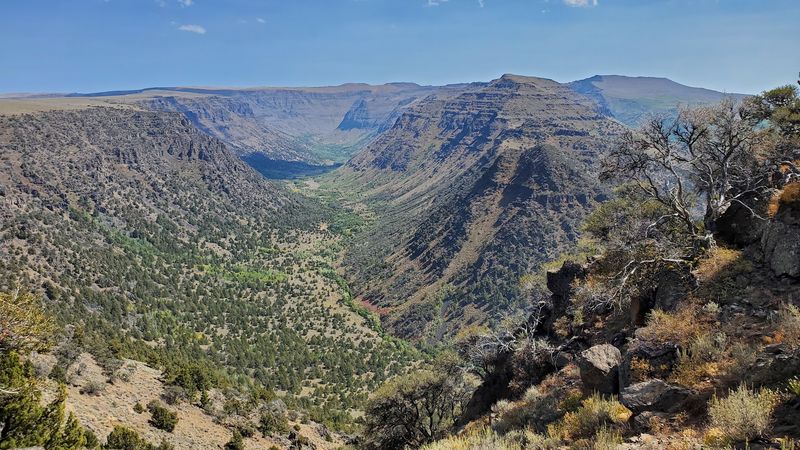
Steens Mountain is a fault-block mountain that rises nearly ten thousand feet above sea level, and the eastern face drops away in a near-vertical gorge that is genuinely jaw-dropping.
The western slope is gentler, rolling through aspen groves and meadows that feel worlds away from the desert below. Both sides have their own character, and both have rattlesnakes.
The lower elevations on the eastern and western flanks are where sightings are most common. Gorge rim trails, rocky creek crossings, and the dry sagebrush zones below five thousand feet are all active areas.
Hikers heading toward the Kiger Gorge overlook or the Blitzen Valley should stay alert, especially in the morning when snakes warm up on exposed rock.
Steens also sees significant temperature swings, sometimes dropping sharply even in midsummer afternoons. Rattlesnakes are most active when it is warm and calm. The mountain rewards patient visitors with wild horses, rare wildflowers, and views that stretch into Nevada on clear days.
It is a place that earns its reputation as one of Oregon’s most spectacular and least-visited wild landscapes. Come prepared and stay observant throughout your time here.
6. Smith Rock State Park
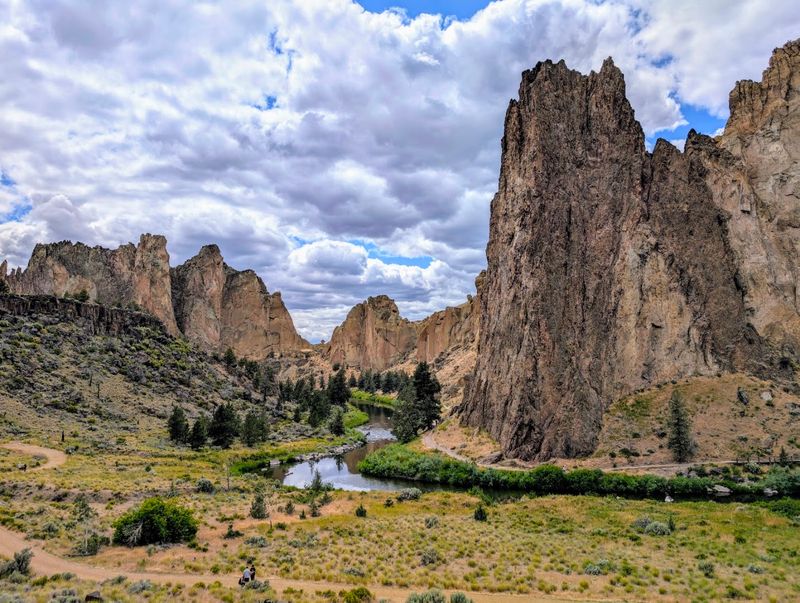
Smith Rock is the kind of place that makes you feel small in the best possible way. The volcanic crags shoot up hundreds of feet above the Crooked River, and the trail network winds through terrain that shifts from sandy riverbank to exposed rocky ridgeline within a single loop.
Rock climbers come from everywhere to tackle the famous routes here.
Rattlesnakes are a documented presence in the park, and the combination of rocky terrain, dry brush, and warm temperatures creates ideal habitat. The Misery Ridge trail and the canyon floor paths near the river are areas where sightings have been reported.
The snakes tend to favor the sunnier south-facing slopes and rocky ledges throughout the park.
Park staff regularly remind visitors to watch where they place their hands and feet, especially when scrambling near rock faces. Keeping dogs on leash is required and genuinely protective for both your pet and the wildlife.
Despite the snake activity, Smith Rock remains one of the most visited parks in the state, and for good reason. The scenery is extraordinary, the trails are well-maintained, and a little awareness goes a very long way here.
7. Deschutes River Canyon
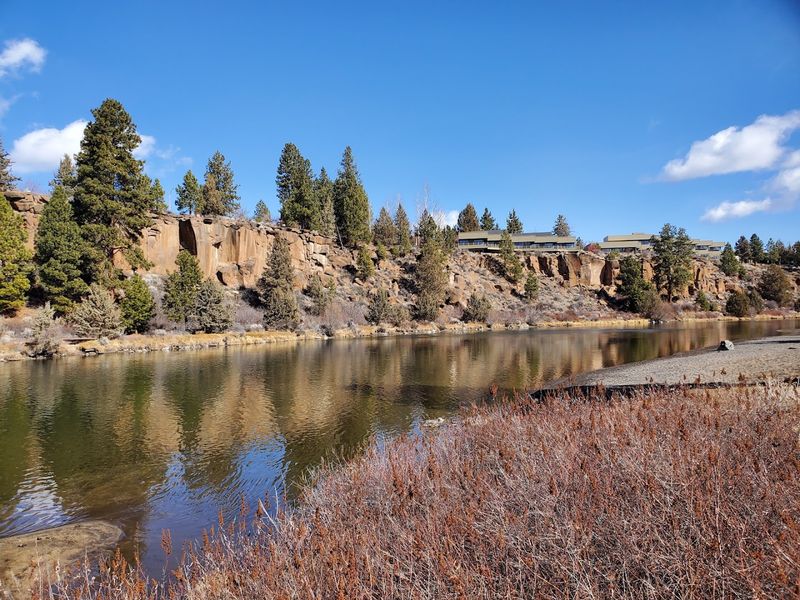
The lower Deschutes River canyon is a place that rewards the kind of traveler who likes to earn their scenery. The canyon cuts through layers of dark basalt, and the river runs green and fast below.
Rafters and fly fishers know this stretch well, but the canyon walls themselves deserve equal attention.
Rattlesnakes are regularly spotted on the rocky slopes above the river and along the dirt roads and trails that follow the canyon rim. The dry grasslands and sage flats on both sides of the river provide foraging territory, and the rocky canyon walls offer shelter and warmth.
Late spring through early fall is peak activity season.
One thing worth knowing is that the canyon has very little shade, which means both you and the snakes are dealing with intense sun exposure during midday. Snakes often retreat to rock overhangs and brush during the hottest hours, so early morning hikes carry a higher chance of an encounter.
The fishing and rafting here are genuinely world-class. Keeping your eyes open on the trail between casts adds a layer of adventure that most visitors come to appreciate rather than dread.
8. Alvord Desert
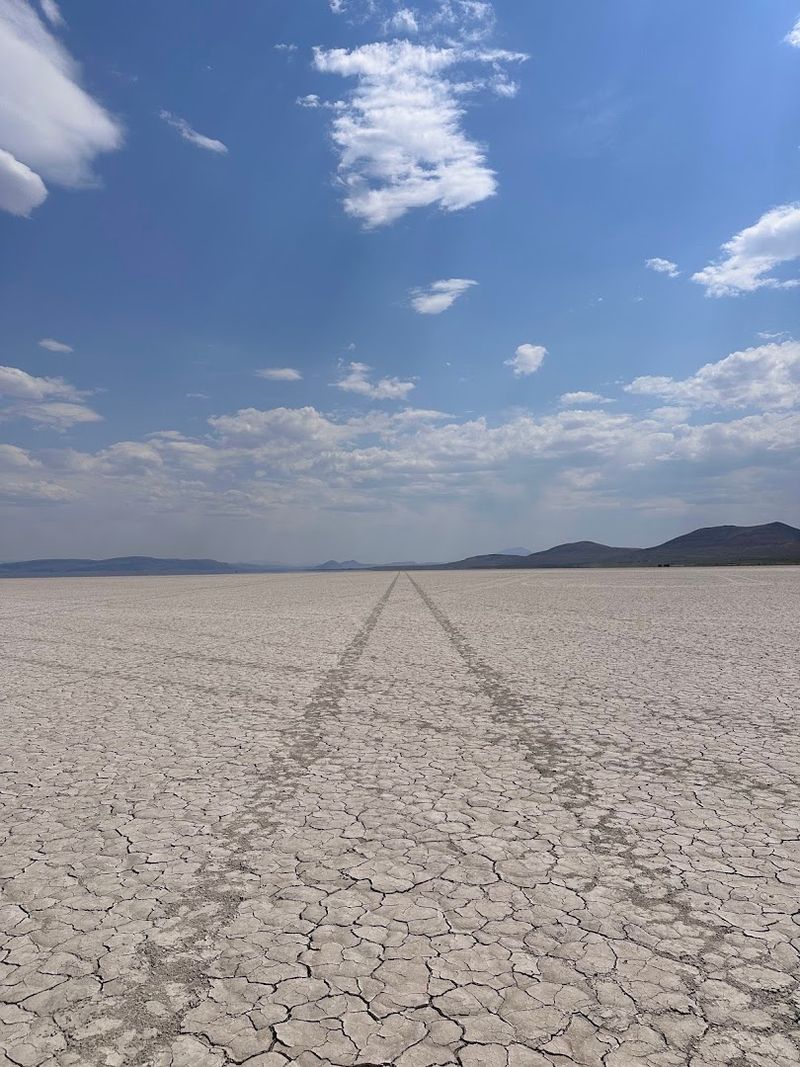
Stepping onto the Alvord Desert playa feels like landing on another planet. The cracked white surface stretches for miles in every direction, and the Steens Mountain wall rises dramatically to the west. It is one of Oregon’s most disorienting landscapes, and that is meant as a compliment.
The desert edges and transition zones where the playa meets rocky terrain and sagebrush are where rattlesnakes are most frequently encountered. The Alvord Hot Springs area and the gravel roads leading into the basin pass through scrubby, rocky ground that provides good cover.
Visitors camping near the playa edge should check around their tents and gear before settling in for the night.
The surrounding terrain has a surprising amount of life despite its stark appearance. Jackrabbits, kangaroo rats, and lizards are all common, which means the food supply for rattlesnakes is reliable.
Nighttime temperatures can drop sharply even in summer, so snakes are typically more active during the warmest daylight hours. The Alvord is a long drive from anywhere, which is precisely what makes it feel so special. Bring everything you need, because the nearest services are genuinely far away.
9. Malheur National Wildlife Refuge
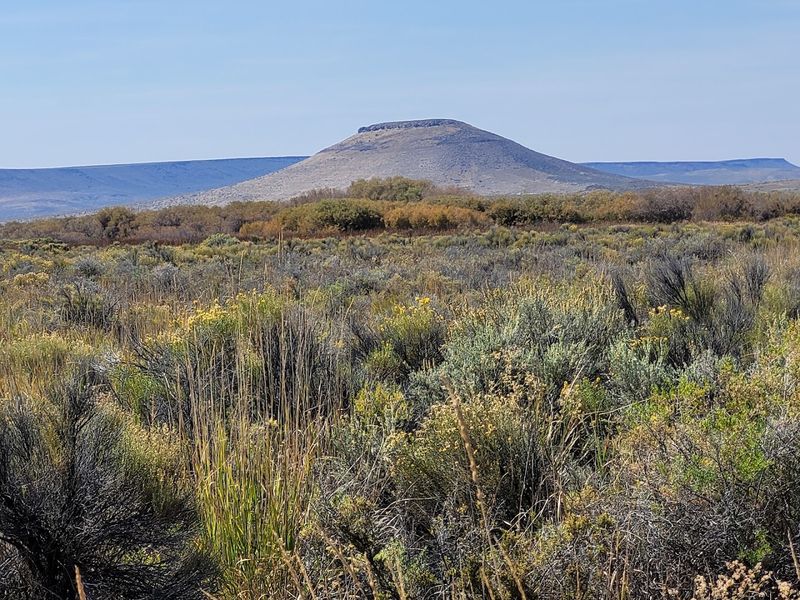
Malheur is famous among birders, and for very good reason. The refuge hosts an astonishing variety of migratory birds every spring and fall, and the landscape shifts between shallow marshes, open meadows, and dry rimrock uplands.
That diversity of habitat is exactly what makes it interesting for more than just birds.
Rattlesnakes are spotted in the drier upland sections of the refuge, particularly near the rocky rimrock areas and along the gravel auto tour route where terrain transitions from wet meadow to scrubland.
The snakes are not present in the marsh areas themselves but show up regularly where the ground gets rocky and dry. Birders scanning the sky sometimes get a surprise closer to their feet.
The refuge covers over 187,000 acres, so the chances of encountering a rattlesnake in any given spot are relatively low, but the possibility is real enough to warrant awareness. Wearing boots and staying on established paths keeps the risk minimal.
Malheur is one of those places that gives you a genuine sense of how rich and layered the high desert ecosystem really is. Every visit turns up something unexpected, and that unpredictability is most of the appeal.
10. Klamath Falls Area
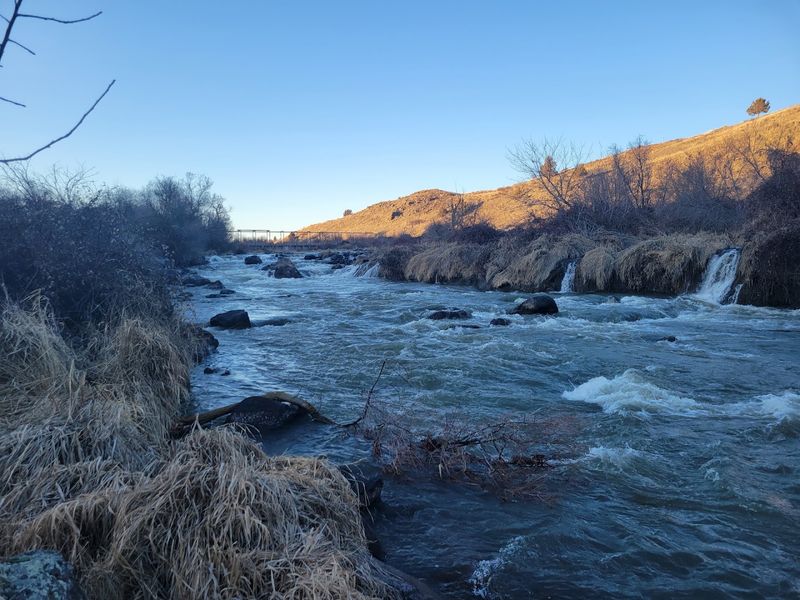
Klamath Falls sits at the edge of a region where the high desert meets volcanic plateau, and the surrounding terrain has a rugged, sun-bleached quality that feels distinctly southern Oregon.
The town itself is a solid base for exploring the broader landscape, which includes wetlands, forests, and open rocky hillsides in close proximity.
The dry, rocky slopes and sagebrush flats surrounding the city are known rattlesnake habitat. Locals are generally well-acquainted with the snakes and treat them as a normal part of the landscape rather than a crisis.
Hiking areas on the outskirts of town and along the rocky ridgelines above Upper Klamath Lake are the most frequently cited locations for sightings.
Spring and early summer bring the highest activity as snakes emerge from winter dens and begin moving across open terrain. Dog walkers and trail runners in the area are often the ones who encounter them first simply because they cover more ground.
The broader Klamath Basin is a genuinely underrated destination, rich with wildlife and dramatic scenery that most Oregon visitors miss entirely. Coming through here with open eyes and sensible footwear makes for a richer and safer experience overall.
11. Crooked River National Grassland
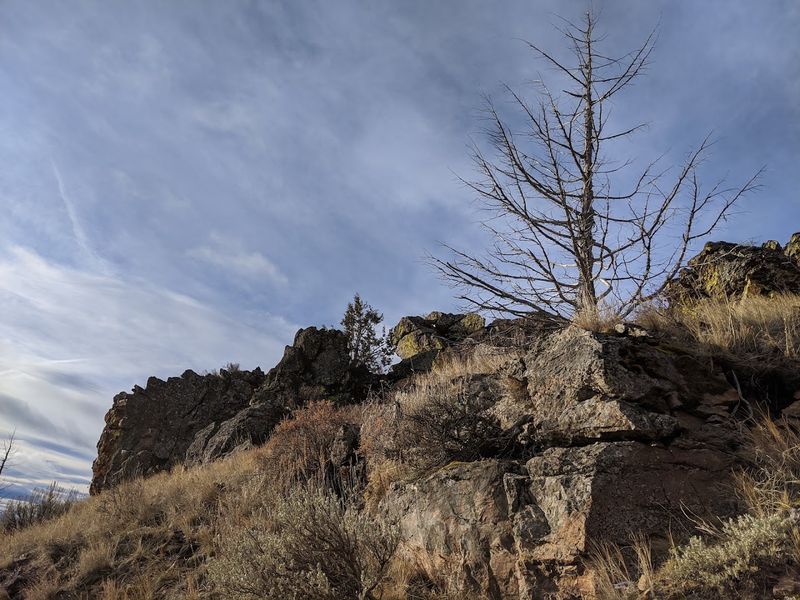
There is a quiet honesty to Crooked River National Grassland that I find genuinely refreshing. No dramatic peaks, no famous overlooks, just rolling terrain covered in bunch grass and juniper with the occasional volcanic rimrock breaking the surface. It is the kind of landscape that grows on you slowly.
Rattlesnakes are well-established throughout the grassland, particularly in areas where rocky outcrops meet open ground. The combination of rodent populations in the grass and shelter in the rocky zones creates ideal conditions.
The grassland also borders several canyon areas where sightings are more concentrated during warmer months.
Hunters, horseback riders, and hikers all use this area regularly, and most experienced visitors know to watch the ground carefully in rocky transition zones. Tall grass can conceal a resting snake, so sticking to visible paths and avoiding off-trail scrambles through dense vegetation is a wise habit here.
The grassland is also a solid spot for seeing mule deer, raptors, and the occasional coyote moving through. It is not the flashiest destination in central Oregon, but it has a calm, working-landscape character that feels authentic and worth a stop on any road trip through the region.
