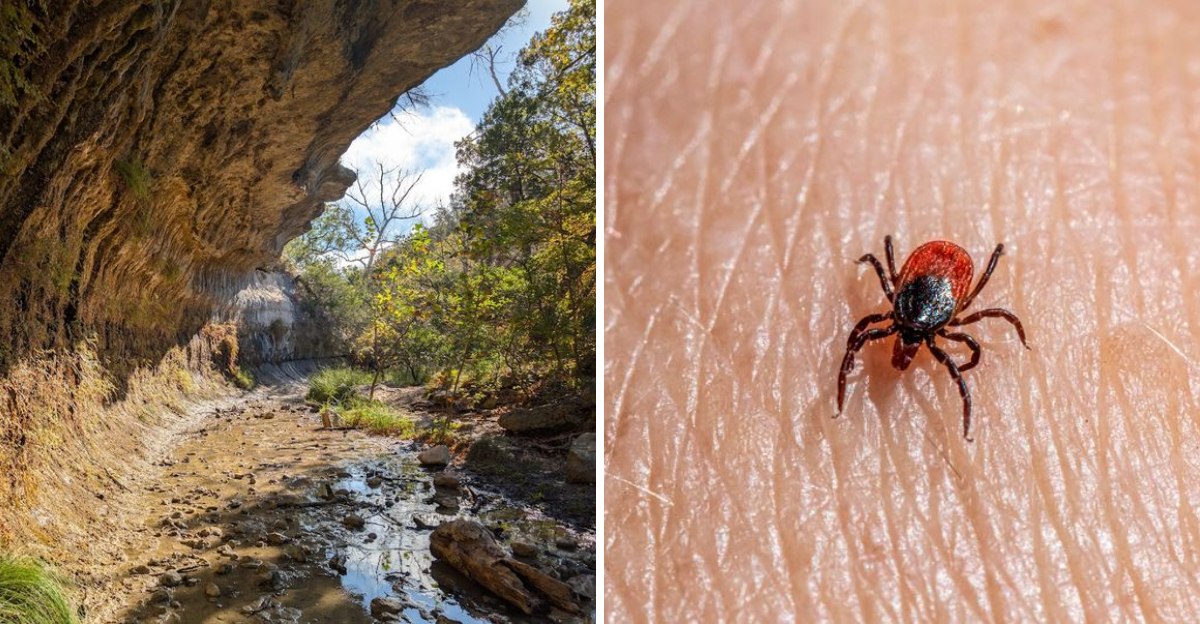
You love the outdoors. The ticks love you.
It is a relationship nobody asked for. And this summer, Texas is seeing higher tick activity in certain areas that you should know about before you head out.
Whether you are hiking, camping, or just enjoying your backyard, it helps to know where these little pests are most active. Some spots are worse than others, and knowing which areas to watch out for can make a big difference in your outdoor experience.
We are not trying to scare you. Just want you to be prepared.
Check your gear, wear the right clothing, and do a thorough tick check when you get home. A little prevention goes a long way.
The outdoors are still calling. Just be smart about answering.
1. Mason County
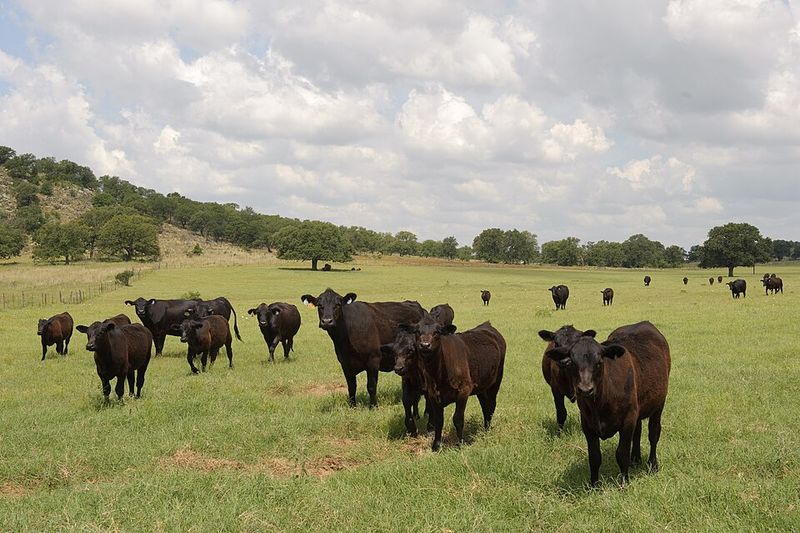
Mason County has a quiet, unhurried charm that makes you want to pull off the road and wander into the cedar and oak thickets stretching across the horizon. That same rugged, natural beauty is exactly what makes tick awareness so important here this summer.
Tick activity in Mason County is currently rated as moderate, with Lone Star ticks reaching their seasonal peak and driving most of the local tick-borne disease risk.
The landscape is roughly 80% natural land cover, including a healthy mix of forest and open brushy terrain. That combination of shaded edges, overgrown fields, and leaf litter creates a near-perfect environment for ticks to thrive.
Lone Star ticks are the dominant species here, and they are known for being particularly aggressive in their host-seeking behavior.
Gulf Coast ticks are also active in the brushier, grassier pockets of the county, while American Dog ticks tend to favor the more open, grassy stretches. Brown Dog ticks have been reported as well.
The primary health concerns tied to ticks in Mason County include Alpha-gal syndrome, ehrlichiosis, and STARI, all linked to the Lone Star tick.
If you are spending time outdoors here, whether hiking, hunting, or just enjoying the scenery, wearing long sleeves and using a reliable tick repellent is a smart move. Checking yourself thoroughly after any time in the brush is non-negotiable.
Mason County is worth every visit, just come prepared for what is lurking in those beautiful cedar thickets.
2. Anderson County
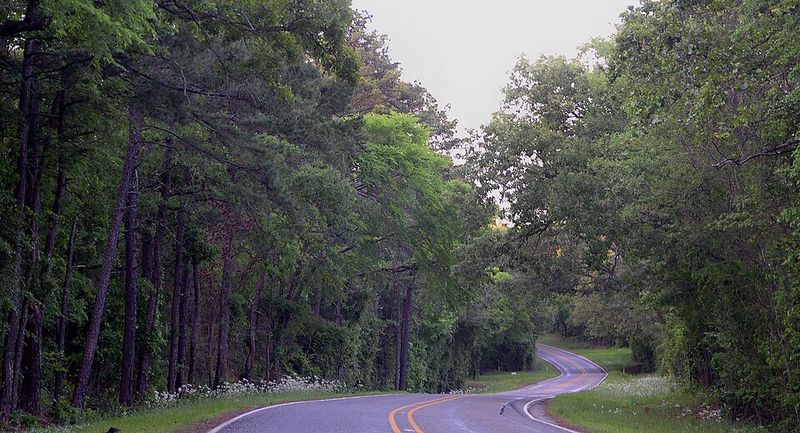
Anderson County sits in the heart of East Texas, where the forest thickens and the air carries that familiar mix of pine resin and humidity.
It feels wild and alive out here, and that energy extends right down to the ground level, where ticks are currently reporting some of the higher activity numbers in the state this summer.
Lone Star ticks are at their seasonal peak, making them the primary concern for anyone spending time outdoors in the county.
The land cover here is about 82% natural, with roughly a quarter of that being forest and the rest a patchwork of open fields and brushy zones. Lone Star ticks love those transitional edges where forest meets field, and Anderson County has plenty of them.
Gulf Coast tick adults are also active in the grassier and brushier habitats, while American Dog ticks show up in the more open, sun-exposed areas.
The main tick-borne illnesses to be aware of in Anderson County are Alpha-gal syndrome, ehrlichiosis, and STARI, all associated with the Lone Star tick. Deer ticks are a lesser concern in this region, but they are not entirely absent.
The dense, layered habitat of brushy edges, overgrown fields, and open pine woods is what makes this county such a productive environment for tick populations.
Outdoor time here is genuinely rewarding, especially for those who love birding, hiking, or simply exploring the East Texas landscape. Just tuck those pants into your socks, apply repellent generously, and do a full tick check before getting back in the car.
3. Big Thicket National Preserve
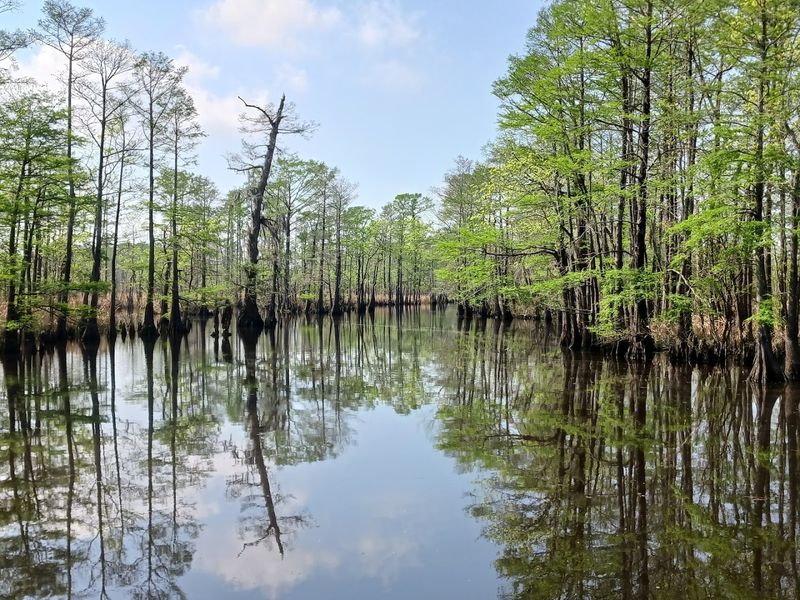
There is something genuinely otherworldly about Big Thicket National Preserve, where pine forests bleed into cypress swamps and the biodiversity rivals anything you would expect to find much farther south. It is one of the most ecologically rich places in Texas, and that richness comes with a catch.
Big Thicket is consistently flagged as a high-risk area for tick exposure, and for good reason.
The preserve’s environment, a layered mix of swamps, hardwood stands, wetlands, and dense pine forest, creates near-ideal conditions for tick populations to flourish.
Moisture stays locked in the canopy and ground cover for much of the summer, and the abundance of animal hosts, including deer, feral hogs, raccoons, and rodents, keeps the tick life cycle running efficiently.
The Lone Star tick and American Dog tick are the most commonly encountered species throughout the preserve.
Lone Star ticks are responsible for transmitting Ehrlichiosis and Alpha-gal syndrome, while American Dog ticks carry Rocky Mountain Spotted Fever and Tularemia. All of these diseases are a real possibility for anyone spending unprotected time on the trails here.
The trails themselves wind through exactly the kind of dense, humid vegetation where ticks wait on grass blades and low shrubs for a passing host.
Big Thicket is absolutely worth exploring, and its trails offer some of the most immersive natural experiences in the state. Wear protective clothing from head to toe, use DEET-based repellent on exposed skin, and treat your gear with permethrin before visiting.
Address: FM 420, Kountze, TX 77625
4. Sam Houston National Forest
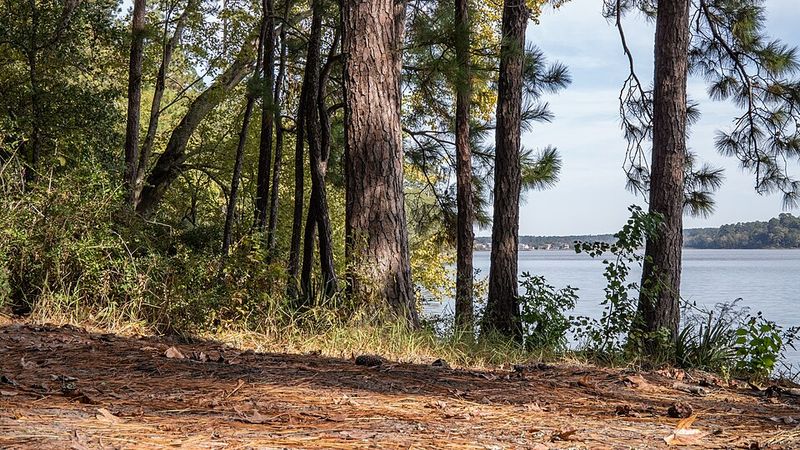
Sam Houston National Forest covers more than 160,000 acres of pine woodlands just north of Houston, and on a quiet weekday morning the place feels like it belongs to the trees and the birds alone. It is stunning, peaceful, and genuinely one of the best natural escapes in the state.
It is also one of the most tick-dense environments in Texas, a fact backed by actual research conducted in the area.
A study affiliated with Texas A&M University, running from May 2021 through May 2022, found that the Lone Star tick was the most abundant species in the forest, with larval populations peaking sharply in July. Blacklegged ticks were also numerous, with their larval activity spiking in the spring.
American Dog ticks were recorded as well, rounding out a trio of species that collectively cover nearly every trail and grassy corridor in the forest.
The popular Lone Star Hiking Trail, stretching over 90 miles through the forest, passes through exactly the kind of grassy openings and wooded sections where ticks wait to latch onto passing hosts.
Ehrlichiosis and Alpha-gal syndrome are the primary Lone Star tick concerns, while Rocky Mountain Spotted Fever and Tularemia are linked to the American Dog tick.
The increasing presence of Blacklegged ticks is also raising broader concerns about Lyme disease risk in the region.
This forest rewards every visit with its quiet grandeur, but preparation is everything. Long pants, quality repellent, and a post-hike tick check from head to toe are non-negotiable before stepping onto any trail here.
Address: 394 FM 1375 West, New Waverly, TX 77358
5. Fort Bend County
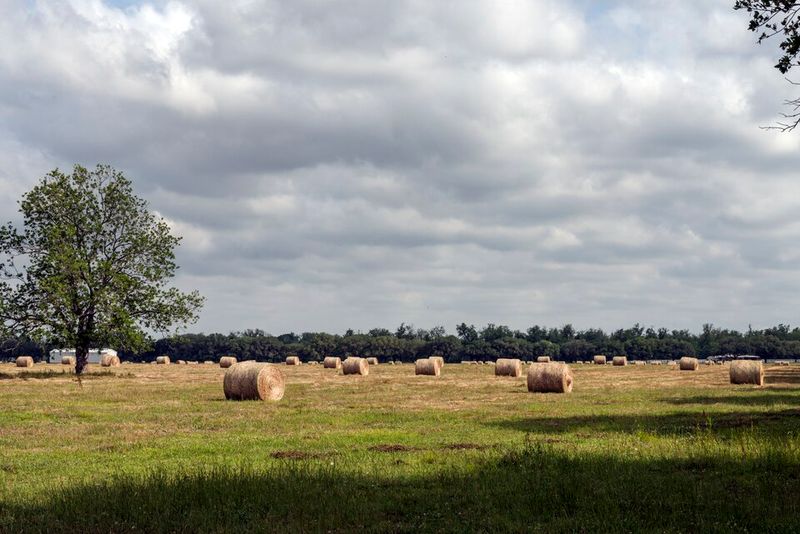
Fort Bend County sits within the Greater Houston metro area, and while it might not immediately read as prime tick territory, the greenbelts, parks, and wooded corridors woven throughout suburban neighborhoods tell a different story.
Deer have adapted remarkably well to living alongside human populations in this part of Texas, and wherever deer roam, ticks follow.
That dynamic plays out quietly in backyards, along jogging trails, and in the grassy edges of neighborhood parks across the county.
The warm, humid climate of the Houston region creates conditions that tick species find genuinely comfortable throughout the summer months.
Lone Star ticks are the most widespread and aggressive species in this part of Texas, and they are well-suited to the brushy edges and overgrown patches that appear throughout Fort Bend’s more naturalized spaces.
American Dog ticks, Gulf Coast ticks, and Blacklegged ticks are also part of the regional mix.
The diseases these ticks can carry include ehrlichiosis and Alpha-gal syndrome from Lone Star ticks, and Rocky Mountain Spotted Fever from American Dog ticks.
Alpha-gal syndrome, which triggers a red meat allergy after a Lone Star tick bite, is becoming more widely recognized across Texas and is worth understanding before spending extended time outdoors here.
Even routine activities like gardening, walking the dog, or letting kids play in the yard carry some level of tick risk during peak summer months in Fort Bend County. A quick daily tick check after any outdoor time goes a long way toward keeping everyone safe and comfortable throughout the season.
6. Travis County
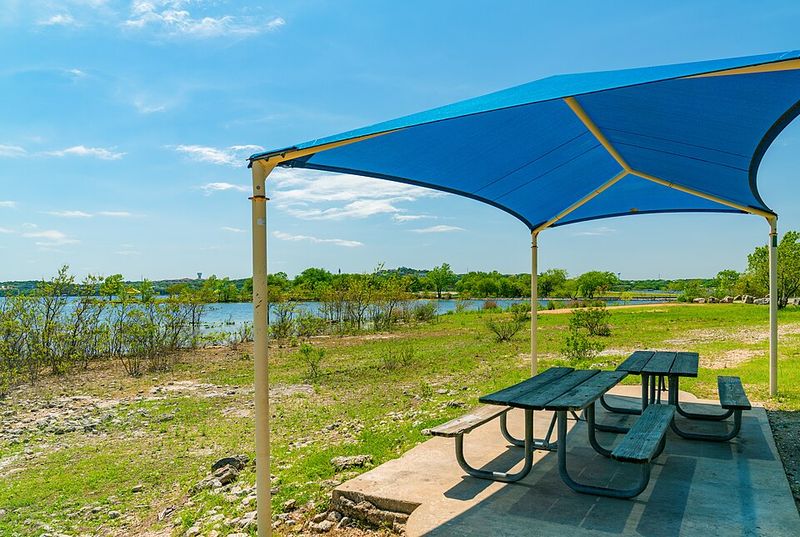
Austin has a way of making outdoor life feel effortless, with its miles of greenbelt trails, the cool draw of Barton Creek, and parks hidden into nearly every neighborhood. It is one of the great outdoor cities in Texas, and that is exactly why tick awareness matters so much here.
Travis County currently shows a lower tick activity rating compared to some other areas on this list, but that does not mean ticks are absent. They are very much present and active.
Lone Star ticks are well-established across Travis County and are considered the primary species responsible for human bites and local tick-borne disease risk. They are currently at their summer peak.
Gulf Coast ticks are also active in the brushier, grassier habitats found throughout the county, and American Dog ticks occupy the more open, sun-exposed grassy areas.
About 67% of Austin’s land is natural cover, with half of that being forest and the rest open or brushy terrain. Those wooded greenbelts and overgrown trail edges are exactly where Lone Star and Gulf Coast ticks prefer to wait for hosts.
The main health concerns include Alpha-gal syndrome, ehrlichiosis, and STARI, all carried by the Lone Star tick. Lyme disease is considered a minor but present concern in the broader area.
Deer have fully integrated into Austin’s suburban landscape, which keeps tick populations well-fed and active even in heavily used parks. Checking for ticks after every trail run or hike is a habit worth building, especially during the long, warm Austin summer months.
7. Texas Hill Country
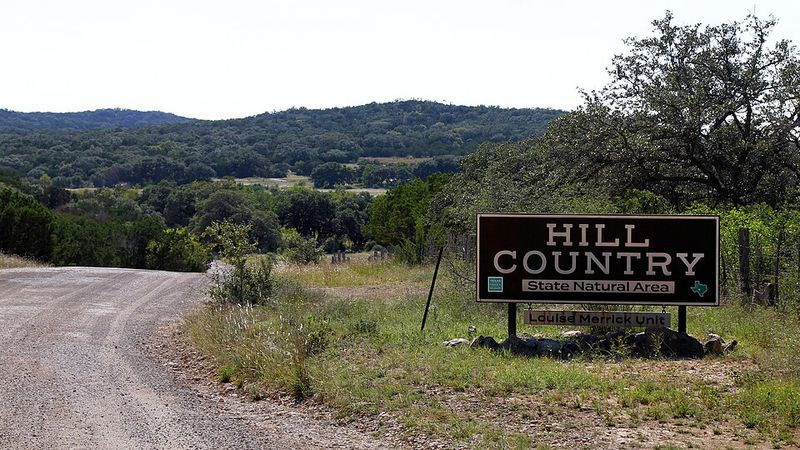
The Texas Hill Country has a magnetic pull that is hard to explain until you are standing in it, surrounded by rolling limestone ridges, cedar thickets, and the sound of a clear creek running somewhere just out of sight.
It is one of the most visited natural regions in the state, and its mix of scrub oak, juniper woodland, and open ranchland creates an environment where ticks are genuinely at home.
Tick season here typically intensifies from spring through fall, with wetter springs pushing numbers even higher due to ticks’ preference for moisture.
Lone Star ticks are common and notably aggressive in this region, known for actively pursuing hosts rather than simply waiting. American Dog ticks are also prevalent, often positioned in brush along deer trails and hiking paths.
Blacklegged ticks, which are medically significant in the San Antonio area bordering the Hill Country, are a growing presence worth monitoring.
Ticks here inhabit cedar thickets, oak woodlands, tall grasses near creek beds, shaded hiking trails, and overgrown ranchland, basically anywhere deer and livestock move freely. They are natural hitchhikers, climbing to the tips of grass blades to latch onto whatever passes by.
Health risks in the Hill Country include Lyme disease, Rocky Mountain Spotted Fever, Ehrlichiosis, Alpha-gal syndrome, and Tularemia.
Popular destinations like Enchanted Rock and the Guadalupe River trails draw large crowds during wildflower season, which coincides closely with peak tick activity. Long sleeves, good repellent, and a thorough post-hike check are your best tools for enjoying everything this beautiful region has to offer.
8. Lost Maples State Natural Area
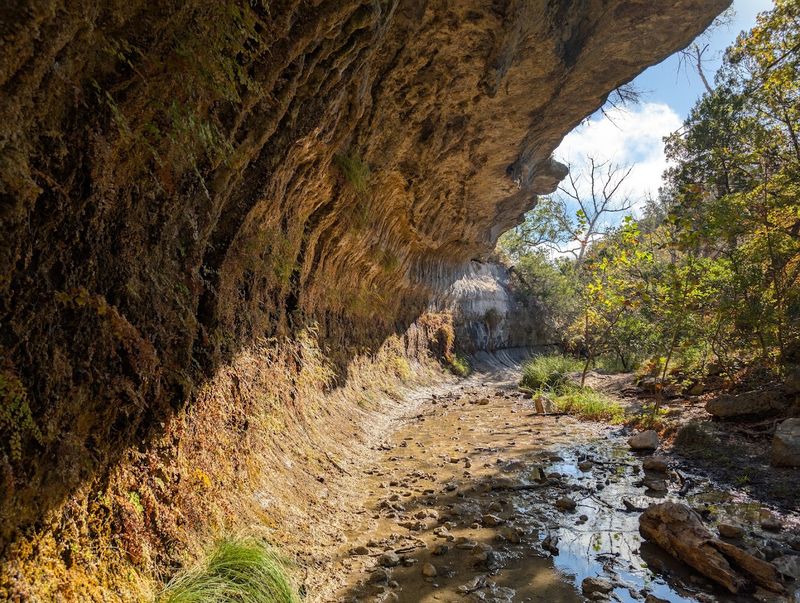
Lost Maples State Natural Area feels like a secret that the rest of Texas has not quite figured out yet, at least outside of fall foliage season. Hidden deep into the Hill Country near Vanderpool, it offers canyon trails, glimpses of the Sabinal River, and a quiet that is genuinely rare in a state this busy.
But that same lush, layered environment of leaf litter, shaded canyon floors, and dense shrubby undergrowth is precisely what makes it one of the more tick-prone destinations in the region.
The natural area shares the tick species profile of the broader Hill Country, with Lone Star ticks and American Dog ticks being the most frequently encountered.
Lone Star ticks are aggressive foragers, particularly active along the grassy trail margins and in the thick leaf litter that accumulates under the maple canopy.
American Dog ticks tend to favor the brushier, more exposed sections of trail.
Health concerns here mirror those found across the Hill Country, including Ehrlichiosis and Alpha-gal syndrome from Lone Star ticks, and Rocky Mountain Spotted Fever and Tularemia from American Dog ticks.
The Sabinal River corridor and the scenic overlook trails are beautiful, but they pass through exactly the kind of habitat where ticks are most active during summer months.
Visitors should treat clothing with permethrin before arriving and apply repellent to all exposed skin. Checking carefully after each hike, especially along the hairline, behind the ears, and around the ankles, is a routine that pays off here more than most places.
Address: 37221 RM 187, Vanderpool, TX 78885
9. Brazos County

Brazos County, home to Bryan and College Station, carries the energy of a college town with a surprisingly wild edge. Between the sprawling campus of Texas A&M and the wooded parks and creek corridors threading through the community, there is no shortage of outdoor space here.
Ticks have noticed. Local reports describe tick season as getting noticeably longer in recent years, and the warm, humid summers of Central East Texas are a big part of why.
Ticks thrive in tall grass, wooded areas, and even the manicured edges of urban parks throughout the county. Texas A&M’s affiliation with research conducted in the nearby Sam Houston National Forest gives Brazos County a well-documented regional context for understanding tick activity.
That research points to the Lone Star tick as the dominant species in East Texas forests, with American Dog ticks and Blacklegged ticks also well-represented.
The Lone Star tick is the primary driver of tick-borne disease risk across the eastern half of Texas, transmitting Alpha-gal syndrome and ehrlichiosis. Gulf Coast ticks and American Dog ticks round out the local risk profile, with the latter carrying Rocky Mountain Spotted Fever.
Summer is peak activity season, though ticks in this region can remain active from early spring well into fall.
Even backyard tick encounters are a real possibility in Brazos County, particularly for homes bordering greenbelt areas or creek drainage corridors.
Keeping grass trimmed short, using repellent consistently, and checking after every outdoor session are simple habits that make a meaningful difference throughout the season.
10. South Texas Brush Country
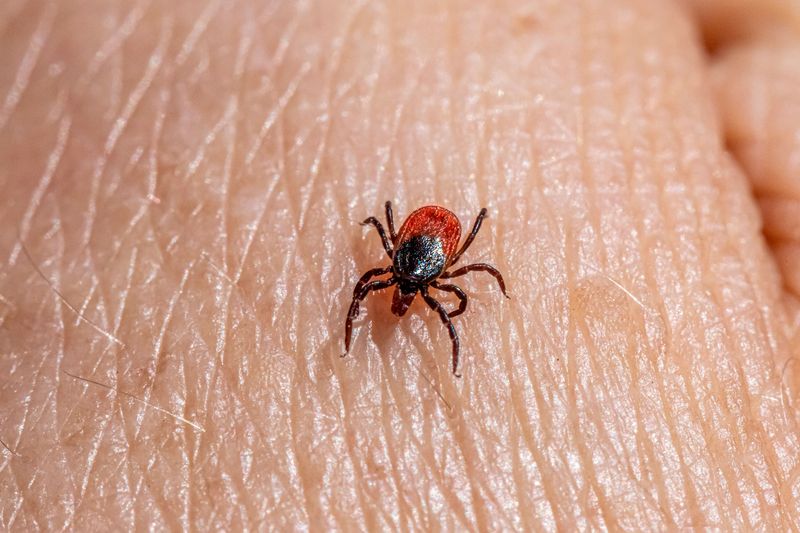
South Texas Brush Country operates on its own rhythm, one shaped by thorny mesquite, huisache thickets, and the kind of silence that feels almost physical once you get far enough from the highway. Hunters, ranchers, and birdwatchers have long known this landscape intimately, and so have ticks.
Unlike most of Texas, the milder winters here mean ticks never fully shut down, staying active for nearly the entire year and making summer just one chapter in a longer story of exposure risk.
Lone Star ticks and Gulf Coast ticks are the dominant species in this region. Lone Star ticks are active from early spring through late fall and are well-known for their bold, host-seeking behavior.
Gulf Coast ticks peak from April through September, thriving in the coastal grasslands, open marshes, and brushy areas near water that define much of South Texas. Brown Dog ticks are also present in the southern and western parts of the state.
The primary diseases associated with ticks in this region include Ehrlichiosis and Alpha-gal syndrome from Lone Star ticks. Gulf Coast ticks carry Rickettsia parkeri, which causes a form of spotted fever.
Murine Typhus and other spotted fever variants are also present in parts of southern Texas, adding to the range of health considerations for outdoor enthusiasts spending extended time in the brush.
Anyone working or recreating in the South Texas Brush Country should make tick prevention a daily habit rather than an afterthought. The landscape is extraordinary, but it demands respect, and a solid repellent routine is the most straightforward way to give it that.
