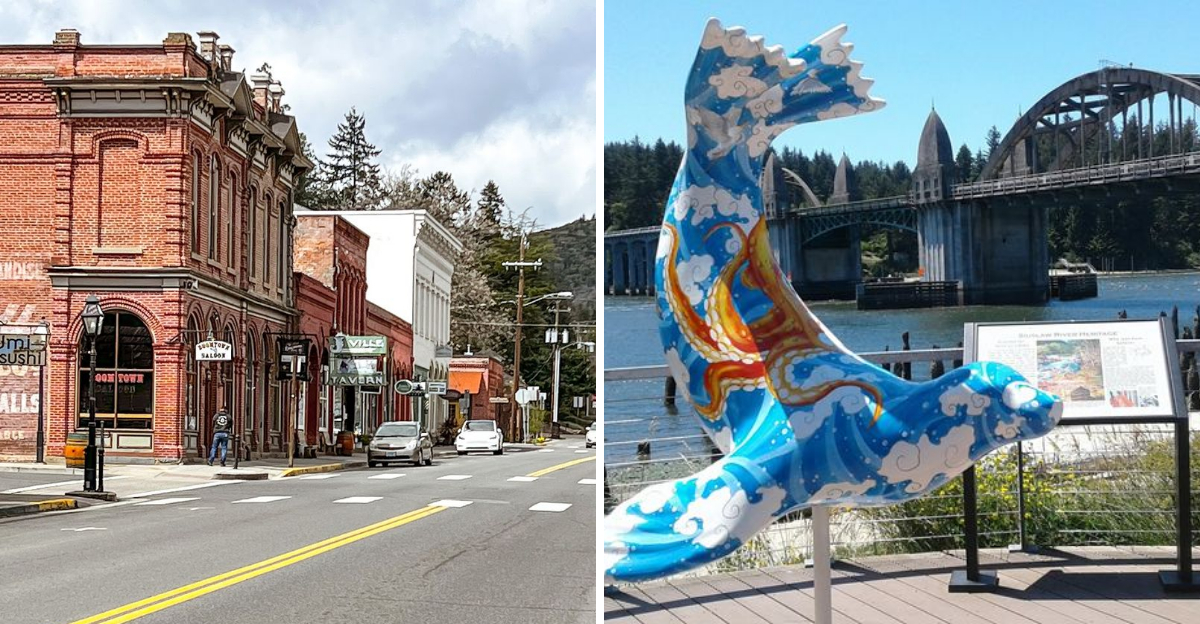
In 2026, a different Oregon is calling. One where affordability and lower stress are the main attractions.
A recent report highlights several cities in the state with lower home prices and a cost of living that will not drain your savings.
Coastal towns stand out as beacons of cost-effectiveness, with overall expenses well below the state average and median home prices a fraction of what you would pay in larger cities. In eastern Oregon, towns pair affordability with mountain views and access to the outdoors.
These places offer the quiet, slower pace many of us crave, where a morning stroll and wide-open skies are the main agenda. Oregon proves you can have a beautiful, less stressful life without the financial strain.
1. Ashland
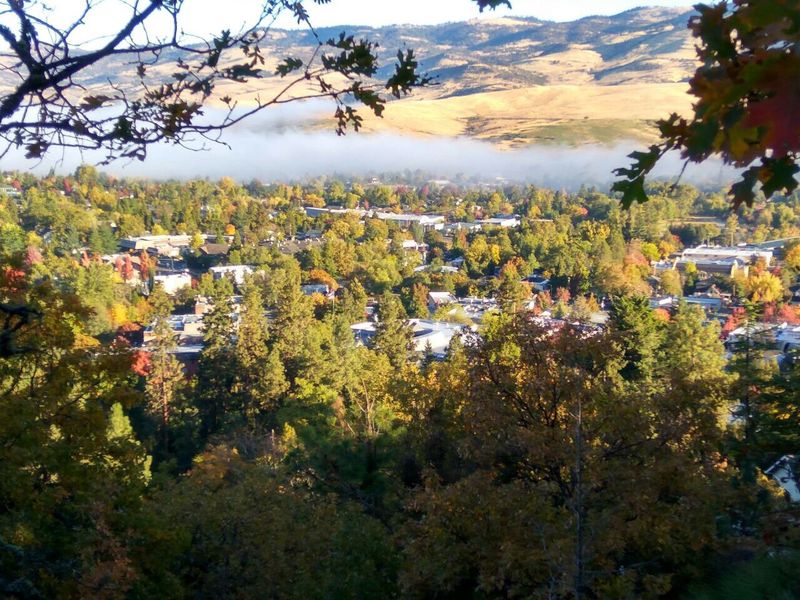
Ashland sits in the Siskiyou Mountains like it was placed there on purpose, tucked between peaks and creeks with a confidence that bigger cities tend to fake. The downtown has this unhurried energy that is hard to explain until you are actually walking through it.
Brick storefronts, independent bookshops, and small cafes spill out onto wide sidewalks.
The town is best known for the Oregon Shakespeare Festival, which brings a surprisingly cosmopolitan cultural energy to a place this size. But even outside festival season, Ashland hums with creativity.
Artists, retirees, and remote workers have all found their footing here.
Lithia Park runs right through the heart of town, offering hiking trails and open green space that most cities would envy. Housing costs remain noticeably lower than Portland or Eugene.
The surrounding landscape gives you hiking, skiing, and river access all within a short drive. Ashland rewards the curious traveler who takes their time.
2. Astoria
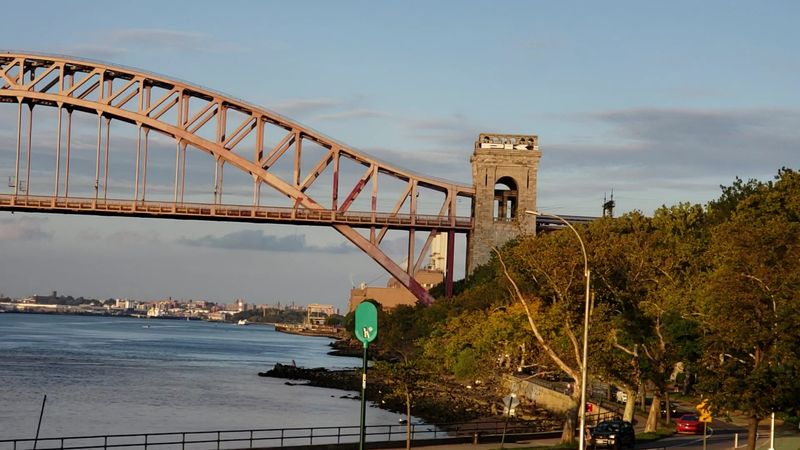
Perched at the very tip of the Oregon coast where the Columbia River meets the Pacific, Astoria has the kind of lived-in beauty that feels earned rather than curated. The Victorian houses stacked up the hillsides are genuinely old, not restored to look that way.
There is a salt-and-timber quality to the air that reminds you this town has always worked for a living.
Film buffs might recognize Astoria from a certain beloved 1980s adventure movie, but the town is far more than a pop culture footnote. The waterfront has transformed quietly over the past decade into a mix of galleries, coffee roasters, and small restaurants without losing its gritty maritime character.
Rent here is considerably more affordable than most coastal towns of similar appeal. The community is tight-knit without being unwelcoming.
Fog rolls in most mornings and burns off by noon, leaving behind a clarity that feels almost cinematic. Astoria grows on you fast.
3. Grants Pass
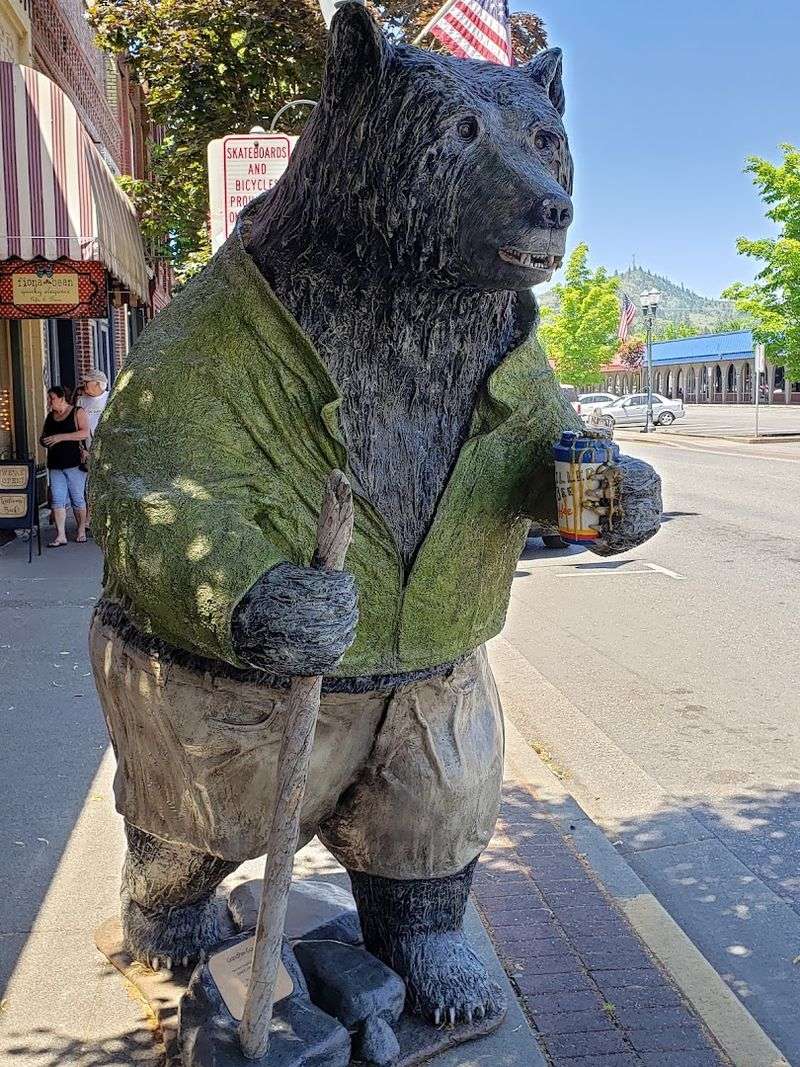
Grants Pass tends to get overshadowed by trendier Oregon destinations, which is honestly part of its appeal. The Rogue River runs right through the region, and the outdoor life here is serious without being performative.
Rafting, fishing, and hiking are not weekend hobbies in Grants Pass. They are just how people spend their time.
The downtown has a scrappy, independent spirit. Farmers markets, local diners, and small hardware stores outnumber chain businesses, which tells you a lot about the community’s character.
People here tend to know their neighbors and mean it when they wave.
Cost of living is one of the most compelling reasons people are relocating here. Housing prices remain well below the Oregon average, and the surrounding Josephine County offers land and space that feels almost generous by modern standards.
Summers are warm and long. Winters stay mild compared to most of the state. If outdoor living is your priority, Grants Pass delivers it without the inflated price tag.
4. La Grande
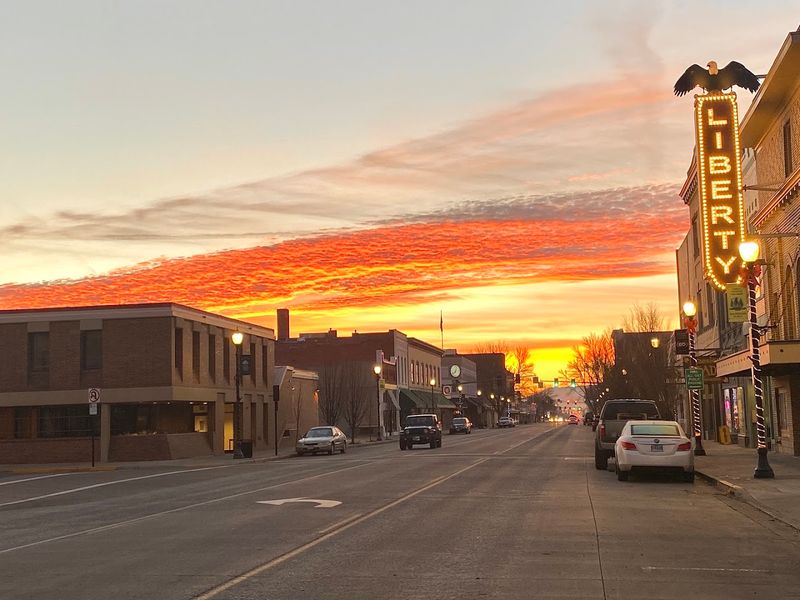
La Grande sits in the Grande Ronde Valley in eastern Oregon, cradled by the Blue Mountains on nearly every side. The setting alone is enough to make you slow down and actually look around.
Eastern Oregon gets overlooked by travelers who stick to the coast or the Cascades, and that is their loss entirely.
Eastern Oregon University anchors the town with a steady cultural energy, bringing music, theater, and lectures to a community that might otherwise feel isolated. The student population keeps things lively without overwhelming the local character.
Coffee shops and bookstores coexist comfortably with feed stores and farm supply shops.
Housing in La Grande is genuinely affordable by almost any measure. Wide, quiet streets and a manageable downtown make daily life feel uncomplicated in the best possible way.
The nearby Wallowa Mountains offer some of the most dramatic wilderness in the Pacific Northwest. Summers are warm and golden.
Winters bring real snow, which the mountain-minded among us consider a feature rather than a flaw.
5. Cottage Grove
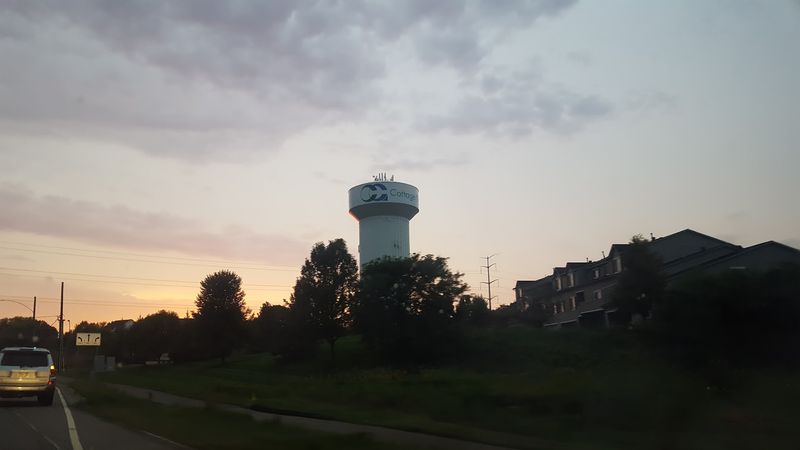
Cottage Grove has a nickname that it wears proudly: the Covered Bridge Capital of Oregon. That might sound like small-town boasting until you actually drive the bridge loop and find yourself stopping every few minutes to take it all in.
The bridges are genuine, the forests around them are dense and green, and the whole experience feels unhurried in a way that is increasingly rare.
The town itself sits just south of Eugene, which means you get access to a city without paying city prices or dealing with city traffic. Cottage Grove has its own distinct identity though, rooted in timber history and outdoor culture.
The Row River Trail is a converted rail line that cuts through the hills and is beloved by cyclists and hikers alike.
Housing costs here are noticeably lower than Eugene, and the community has a genuine small-town warmth. Local events, murals, and a revitalized Main Street give Cottage Grove a creative energy that belies its modest size.
It is the kind of place that surprises you.
6. Coos Bay
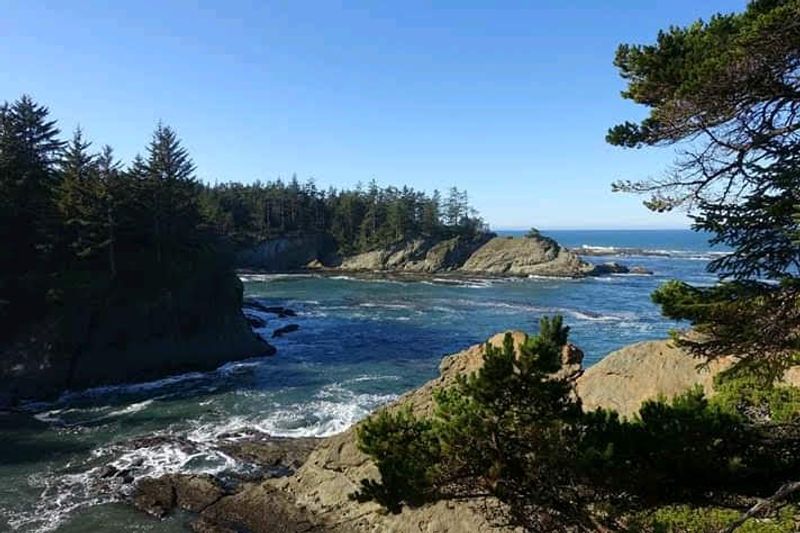
Coos Bay is Oregon’s largest coastal city, which still makes it feel like a small town by most standards. The bay itself is gorgeous in that moody, working-harbor way that glossy travel magazines tend to overlook in favor of prettier but less interesting places.
There is real history here, real industry, and a community that has reinvented itself more than once without losing its sense of self.
The Oregon Dunes National Recreation Area begins just north of town and stretches for miles, offering a landscape so strange and vast it almost feels foreign. Sandboarding, hiking, and off-road exploration attract visitors year-round.
The surrounding coastline is rugged and wild, with beaches that feel genuinely untouched.
Coos Bay’s cost of living is among the lowest on the Oregon coast. That combination of natural access and affordability is making it increasingly attractive to people leaving expensive cities.
The food scene is unpretentious and satisfying, leaning heavily on fresh seafood. Coos Bay does not try to impress you.
It just delivers.
7. McMinnville
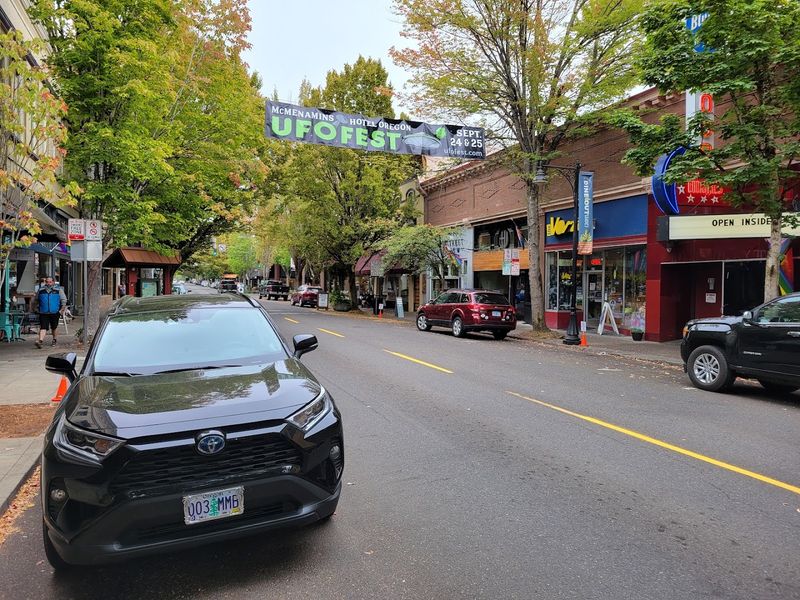
McMinnville sits at the heart of the Willamette Valley wine country, but the town itself is the real attraction. Third Street runs through downtown like a love letter to small-town commerce, lined with locally owned restaurants, boutique shops, and historic buildings that have been maintained with obvious care.
The energy is warm and unpretentious.
The town has grown considerably in recent years as Portland residents seek more space and a calmer rhythm without completely leaving civilization behind. McMinnville has absorbed that growth without becoming a suburb.
It still feels like its own place with its own personality.
The Evergreen Aviation and Space Museum is one of the more surprising cultural institutions in Oregon, housing Howard Hughes’ famous Spruce Goose alongside a remarkable collection of aircraft. Families with curious kids tend to spend far longer there than planned.
Farmland surrounds the town on every side, keeping the views open and the air clean. McMinnville manages to be both sophisticated and deeply livable at the same time.
8. Sisters
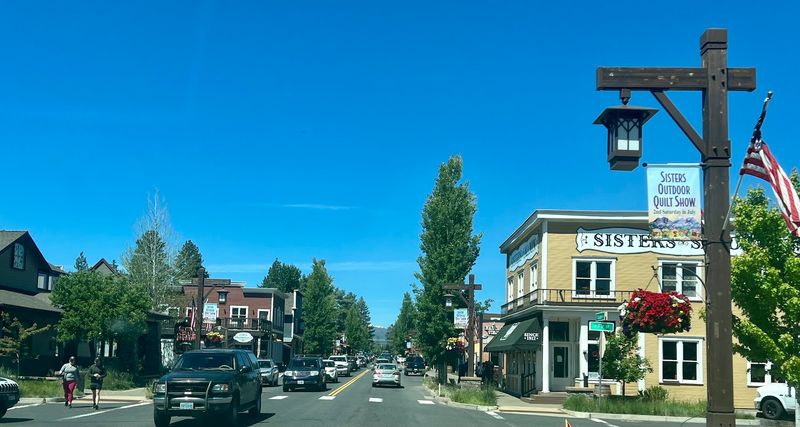
Sisters is one of those towns where the backdrop does most of the talking. The Three Sisters volcanoes rise in the distance behind a main street that looks like a Western film set, except it is entirely real and entirely functional.
The aesthetic is deliberate but not kitsch. It works because the mountains behind it are genuinely that dramatic.
The town draws outdoor enthusiasts from across the Pacific Northwest, and the trail systems nearby are exceptional. Mountain biking, skiing at Hoodoo, fly fishing in the Metolius River, and hiking through old-growth forest are all within easy reach.
Sisters is also known for its quilting festival, which draws thousands of visitors each summer and fills the streets with color and community energy. That contrast is part of what makes the town interesting.
Despite its growing popularity, Sisters has kept housing costs lower than Bend just down the road. The high desert climate means more sunshine than most of Oregon, which is a genuine quality-of-life bonus.
Sisters earns its reputation quietly and consistently.
9. Silverton
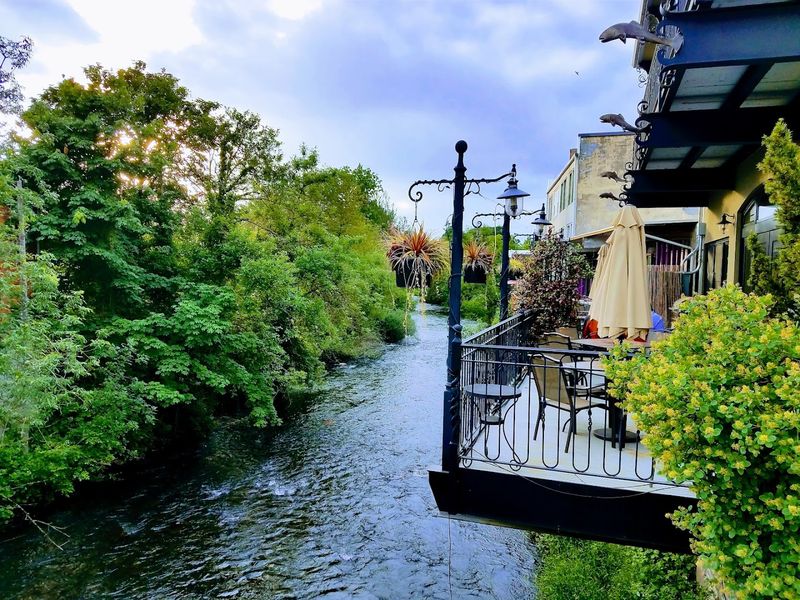
Silverton sits in the foothills of the Cascades east of Salem, and it has a quiet confidence that comes from knowing exactly what it is. The town is small, the streets are walkable, and Silver Creek runs through it with a gentle persistence that sets the pace for everything else.
There is a mural project here that has transformed blank walls into vivid community storytelling, which tells you something about the creative spirit of the place.
Silver Falls State Park is the crown jewel of the region, featuring a trail that passes behind ten separate waterfalls through old-growth forest. It is one of the most spectacular hikes in Oregon and it begins less than fifteen minutes from downtown.
That kind of access is genuinely extraordinary.
Housing costs in Silverton remain well below Salem, despite the town’s growing reputation as a desirable alternative. The farmers market, local bakeries, and community events give Silverton a social fabric that feels strong and genuine.
It is the kind of place where people choose to stay once they arrive.
10. Pendleton
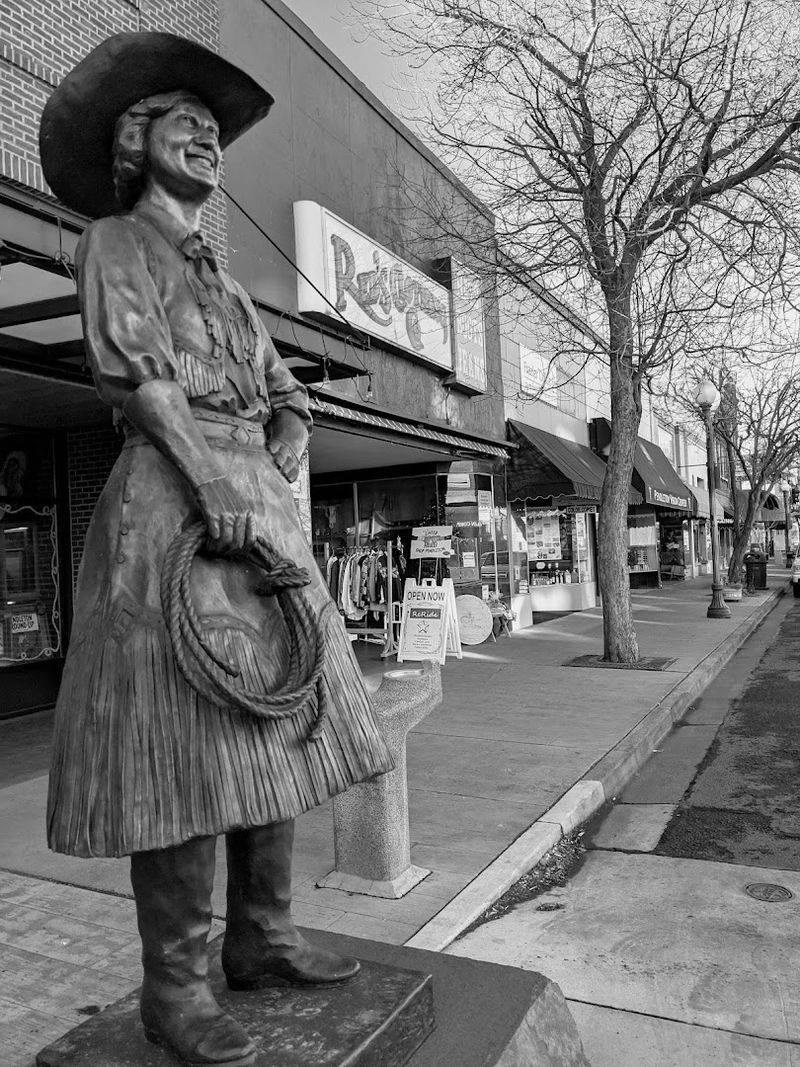
Pendleton is eastern Oregon’s most storied town, carrying a history that stretches from Native American culture through the cattle drives and wool trade that built the region.
The name alone carries weight, partly because of the famous woolen mill that still operates here and partly because of the Round-Up, one of the oldest and most celebrated rodeos in the American West.
The town wears its history without apology.
But Pendleton is more than its past. The downtown has a genuine vitality, with local restaurants, a craft scene, and community events that keep the calendar full throughout the year.
The Tamastslikt Cultural Institute just east of town offers one of the most thoughtfully presented explorations of Plateau tribal history in the Pacific Northwest. It is worth the trip on its own.
Cost of living here is among the lowest in Oregon. Wide streets, affordable housing, and the open landscape of the Columbia Plateau create a sense of space that city dwellers find almost disorienting at first. Pendleton rewards those who take it seriously.
11. Florence
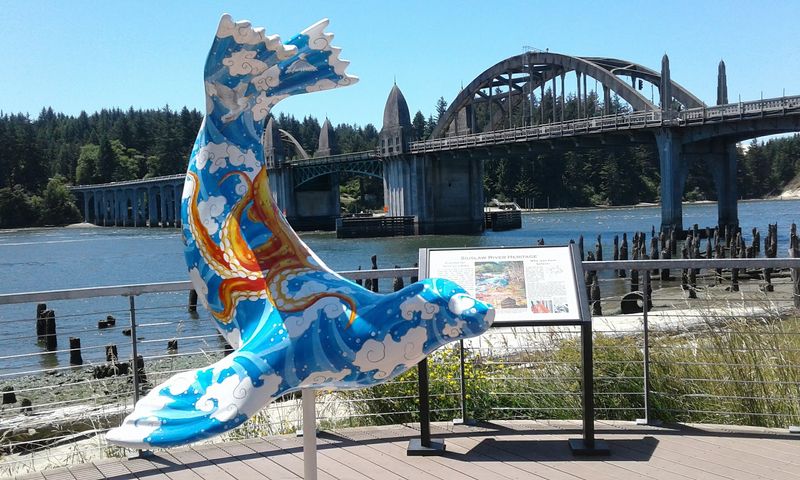
Florence occupies a stretch of Oregon coast where the Siuslaw River empties into the Pacific, and the geography gives the town a layered visual quality that photographs cannot fully capture. Old Town sits along the river with a charm that feels genuinely preserved rather than artificially maintained.
Fishing boats still use the docks. Local shops still sell things people actually need.
The Oregon Dunes stretch north from Florence for nearly fifty miles, creating a recreational landscape unlike anything else on the West Coast. Hiking the dunes at sunset is one of those experiences that quietly rearranges your sense of scale.
The coast south of town is equally dramatic, with sea lion caves, rocky headlands, and beaches that stay uncrowded even in summer.
Florence has attracted a significant retiree community, which has contributed to a calm, well-maintained atmosphere without making the town feel sleepy. Housing costs are reasonable for a coastal location.
The pace here is slow by design. Florence is the kind of place that makes you wonder why you ever lived anywhere more complicated.
12. Jacksonville
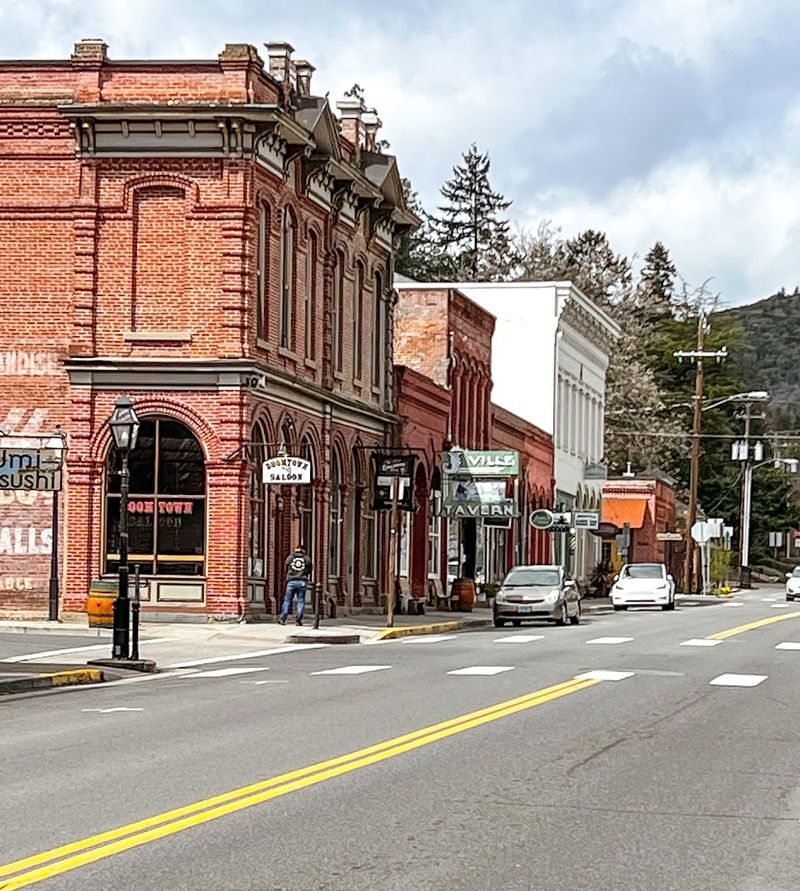
Jacksonville might be Oregon’s most perfectly preserved historic town. The entire community is a National Historic Landmark, which sounds like a designation that would make a place feel like a museum, but Jacksonville somehow avoids that trap entirely.
People live here. They run businesses, raise families, and go about their lives surrounded by 19th-century gold rush architecture that has been maintained with real care.
The Britt Festivals bring world-class music to an outdoor amphitheater carved into a hillside each summer, drawing audiences who come for the concerts and end up staying for the town.
The surrounding Applegate Valley is wine country in the making, with small vineyards and farm stands dotting the back roads.
Jacksonville sits just outside Medford, which means urban amenities are close when you need them. But the town itself operates at a completely different frequency.
Quiet mornings, historic walking routes, and a community that genuinely values what it has built here over generations. Jacksonville is living proof that affordable and beautiful are not mutually exclusive.
