Some film historians trace the term ‘cliffhanger’ to the dramatic silent-film serials shot along New Jersey’s Palisades.
Silent-film star Pearl White helped make those rocky cliffs famous through her daring screen adventures in the 1910s.
That’s the detail I can’t get over. Audiences left theaters wondering if she’d survive the drop, and they came back next week to find out.
Before California grabbed the spotlight, this corner of New Jersey was busy with cameras, studios, and daring stunts. D.W.
Griffith even landed his first acting role on these same Palisades.
Today, the spot is a calm, leafy park with sweeping river views. You’ll also find a second story here, one that reaches back to the American Revolution.
Honestly, I’d absolutely make a detour for either one.
The Cliffs That Taught Movies How To Leave You Hanging
Every binge-worthy season finale owes a small thank-you note to a wall of rock in New Jersey. Fort Lee Historic Park sits on top of the Palisades, the tall cliffs where early filmmakers shot thrilling serials.
The term cliffhanger grew out of those very films. Heroes got stuck in danger at the end of an episode, sometimes literally hanging off the rocks.
Audiences had to wait a whole week to learn what happened next. That simple trick kept people buying tickets again and again, and storytellers still use it today.
The Palisades Interstate Park system even includes a spot known as Cliffhanger Point. So the nickname isn’t just movie trivia, it’s tied to a real place you can stand near.
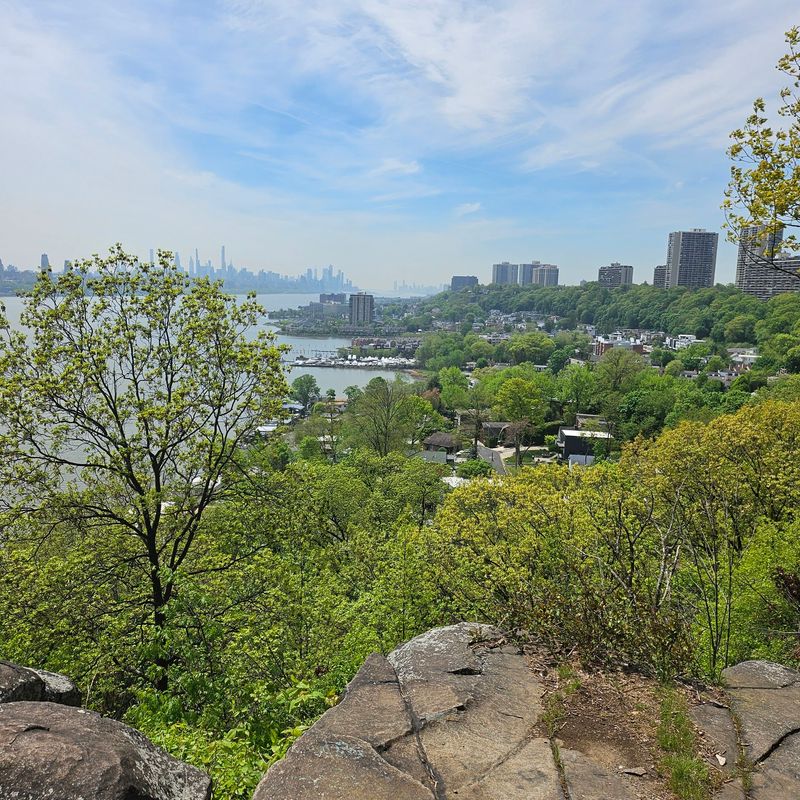
Fort Lee Historic Park is part of that same Palisades Interstate Park system. Standing near the edge, you can see why directors loved this backdrop so much.
The cliffs drop sharply toward the Hudson River, which made every stunt look scarier on screen. No special effects team needed, just gravity and a brave performer.
Next time a show ends on a shocker, you’ll know exactly where that habit started. Pretty cool bragging rights for a park bench view.
Pearl White Made Danger Look Like Her Day Job
Pearl White was basically the action hero of her time, long before capes and green screens. She became famous for daring stunts in serials filmed on the Palisades.
Her best-known series was The Perils of Pauline from 1914. Each chapter tossed her into a fresh mess, and fans could not look away.
Another of her serials, The House of Hate from 1918, kept the thrills coming. Many scenes put her in risky spots, including dangling high over the cliffs.
Okay, that’s impressive for an era with heavy cameras and no safety apps. Her popularity helped turn these weekly adventures into a huge craze across the country.
When you visit Fort Lee Historic Park, the river view below gives her stunts real weight. Those rocks aren’t a painted set, they’re the genuine article.
It’s fun to stand at an overlook and do the math on how high she was. Spoiler alert, it’s a long way down, so stay behind the railings.
Kids who love superhero movies might get a kick out of her story. She proves bold heroines were grabbing audiences more than a century ago.
A Future Movie Legend Got His Start Up Here
D.W. Griffith later became one of the most famous directors in film history.
One of D. W.
Griffith’s earliest screen appearances, and his first starring film role, was filmed partly on the Fort Lee Palisades.
That role came in Rescued from an Eagle’s Nest, a 1907 film from Thomas Edison’s company. Yes, that Edison, the inventor everyone learns about in school.
The plot involves an eagle snatching a baby and a brave rescue on the cliffs. It sounds wild, and it looked pretty wild for audiences in those early days.
Edison’s ties to New Jersey run deep. He built the Black Maria, the first motion-picture studio, in West Orange in 1893.
So filmmakers heading to these cliffs were continuing a story the state already started. Fort Lee Historic Park lets you see the same rugged scenery that framed those early scenes.
I have to admit, the idea of a famous director starting out as an actor dodging a fake eagle makes me smile. Everyone begins somewhere, right?
Bring this tidbit along on your walk. It turns a nice view into a front-row seat for movie history.
Why Filmmakers Hopped A Ferry To Get Here
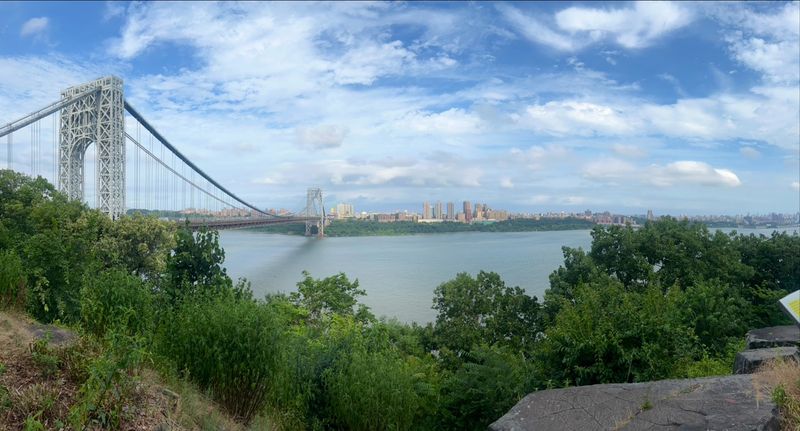
Commuting to work by ferry sounds fancy now, but it was everyday life for early movie crews. Many hopped across the Hudson from New York City to reach Fort Lee.
The trip was short, which made it easy to shoot here and head home. On top of that, the area offered cliffs, woods, and open land all in one place.
That variety mattered a lot. Directors could film adventure stories, westerns, and dramatic rescues without traveling far at all.
Building studios was also easier here than in crowded Manhattan. Soon, several studios were operating within blocks of each other during the 1910s.
The Champion Film Company became the first permanent studio in the Fort Lee and Coytesville area. Names like Universal, Fox, Goldwyn, and Metro also had roots in town.
Then there was Solax, the first studio founded and directed by a woman, Alice Guy-Blaché. Now that is a lot of firsts for one small town.
From the overlooks at Fort Lee Historic Park, you can trace that old ferry route with your eyes. The skyline across the water makes the whole story click.
So Why Did Hollywood Steal The Show?
Blame the weather, mostly. New Jersey winters were tough on a business that needed lots of light and warm hands.
The Hudson River sometimes froze, which made crossing a real headache. Coal shortages during cold months made heating studios harder too.
Meanwhile, California offered steady sunshine and milder weather all year. Production costs there were lower as well, which got the attention of studio bosses.
Stricter fire rules in Manhattan after a studio fire added more pressure. Little by little, through the 1920s and 1930s, the industry packed up and moved west.
Fort Lee’s busiest movie years ran from about 1907 into the mid-1920s. Plenty of films were made here between 1908 and 1927.
The funny part is that Hollywood’s big studios grew partly from companies that started in this town. It’s a bit like the cool kid moving away and forgetting where they learned their best moves.
Standing in Fort Lee Historic Park on a crisp winter day, you might feel that chill yourself. It helps you understand why sunny California looked so tempting.
Bring Your Camera Because This View Steals Scenes
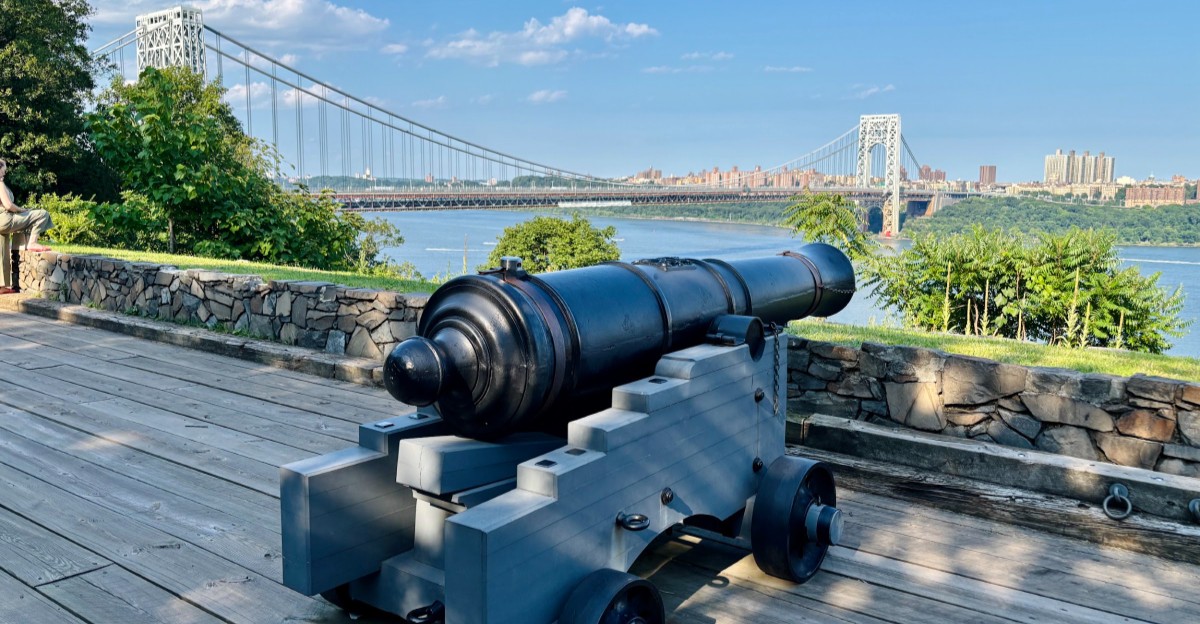
The George Washington Bridge practically poses for you here. Few places put you this close to its massive towers and long sweep over the Hudson.
Fort Lee Historic Park sits at 2018 Hudson Terrace, Fort Lee, NJ 07024, right beside the bridge. Several overlooks give wide views of the river below.
Look south, and the Manhattan skyline stretches across the horizon. On a clear day, it feels like a movie set built just for your phone.
Fitting, right? A place tied to early filmmaking still delivers one of the best backdrops around.
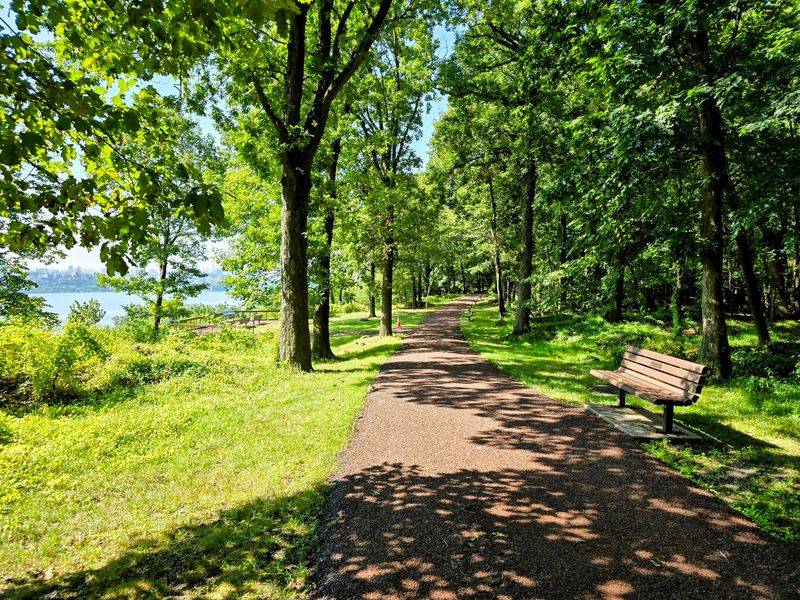
Paved walkways and benches make it easy to pause and soak in the scene. Tall trees add shade, which is a nice bonus on warm afternoons.
Sunny mornings, cloudy evenings, or colorful fall days each give the view a different mood. Try a few visits in different seasons and compare your shots.
Just remember to stay behind railings near the cliff edge. The drop is real, and Pearl White already handled the risky stunts so you don’t have to.
Plot Twist, The Park Has A Revolutionary Backstory Too
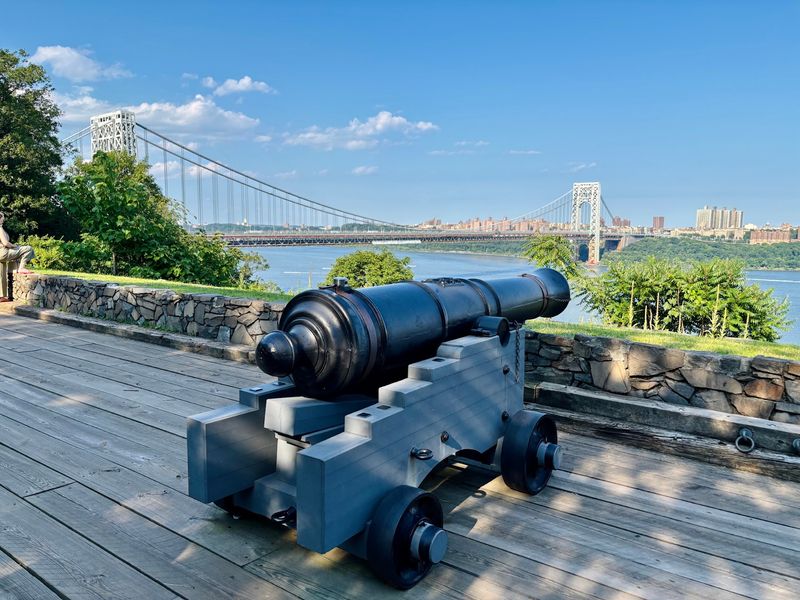
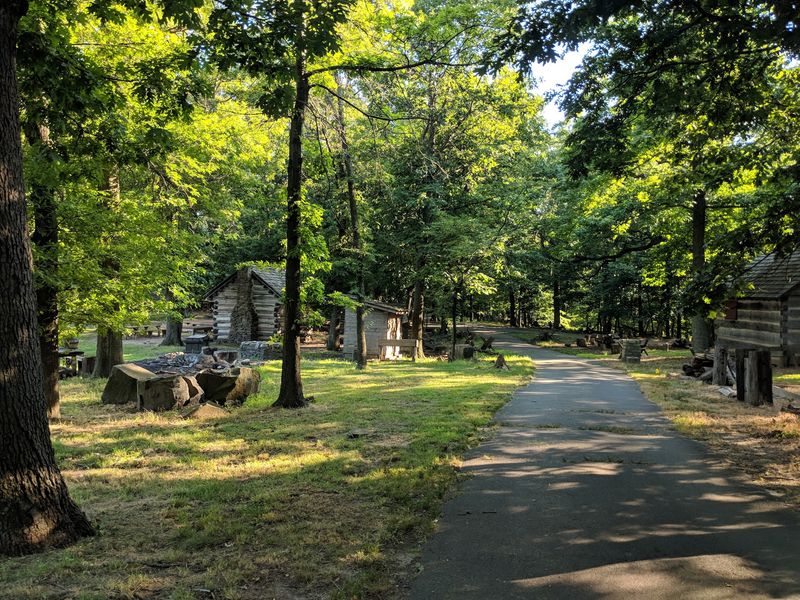
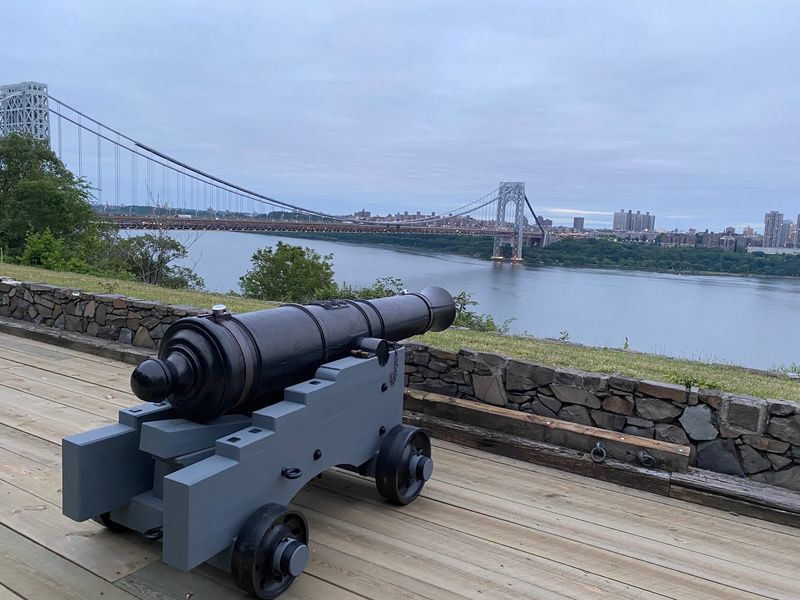
Long before cameras rolled, soldiers of the Continental Army camped on these cliffs. That gives Fort Lee Historic Park a second headline story worth your time.
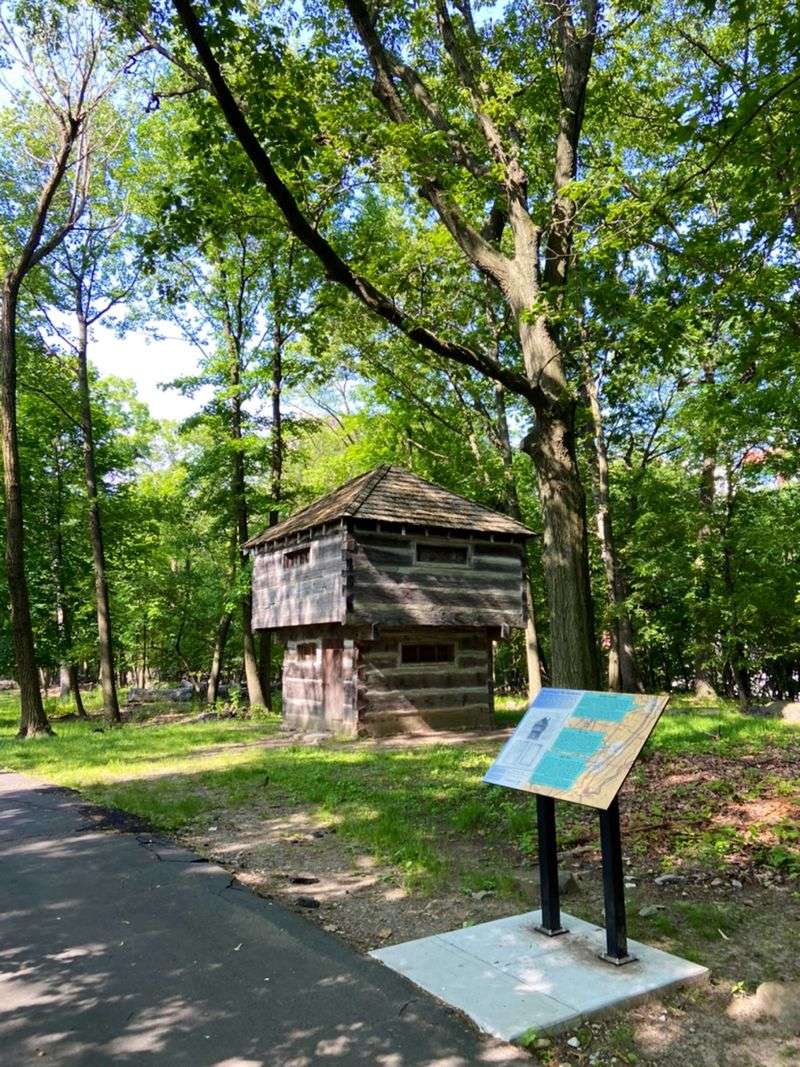
The park features a reconstructed camp from the American Revolution. You can wander past wooden huts built to show how soldiers and officers lived.
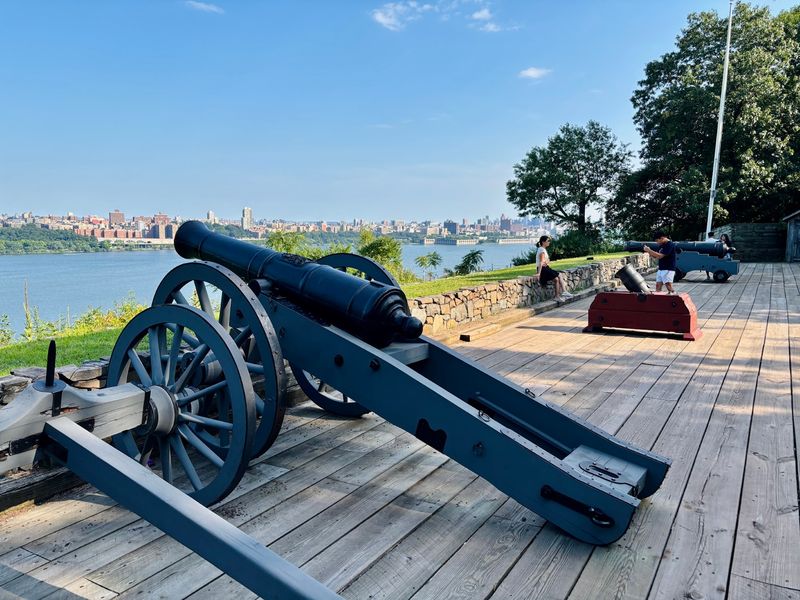
Cannons sit in a recreated gun battery facing the river. The spot was chosen to guard the Hudson from British ships sailing upstream.
Yep, the same cliffs that made stunts look scary also made great lookout points. High ground was useful whether you were filming heroes or watching for warships.
Information panels around the grounds explain what happened here in plain language. They’re handy for kids working on history projects or anyone who loves a good story.
I’m not sure what’s more surprising, the movie history or the colonial history. Getting both in one walk feels like a double feature.
Take your time around the huts and battery. Picture life up here without heaters, phones, or even a decent winter coat, and suddenly your commute seems easy.
Plan Around The Visitor Center Hours And Save Yourself A Headache
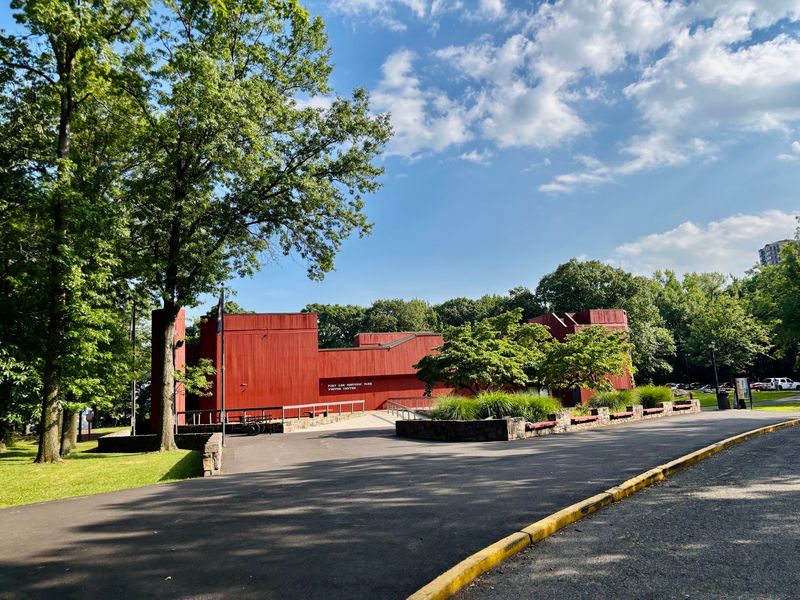
Timing matters more than you’d think. From November 1 through March 31, the visitor center opens Wednesday through Sunday from 10 AM to 4:45 PM.
From April 1 through October 31, it opens daily during those same hours.
It’s closed on Mondays and Tuesdays, so plan around that if exhibits are your goal. The grounds and views still make a nice stop on other days.
Inside, displays explain the role this location played during the American Revolution. Uniforms and equipment from the era help the story feel real.
The park is run by the Palisades Interstate Park Commission. That’s the same group that cares for the wider stretch of cliffs along the river.
Parking is metered, so bring a payment option before you settle into your stroll. Fair warning, rates can change by day.
Pets aren’t permitted in the park, so leave the pup at home this time. Comfortable shoes are a smart call for the paths and overlooks.
Fort Lee Historic Park also hosts cultural and historical programs during the year. Checking the schedule ahead of time could turn a simple walk into a special outing.
Keep The Movie Magic Going Just Down The Road
A park visit can easily turn into a full movie day. The Barrymore Film Center sits at 1 Park Avenue in Fort Lee, a short trip away.
It opened in October 2022 with a 253-seat cinema and a 2,500-square-foot film museum. Both celebrate the town’s role as an early home of American movies.
Programs include screenings, live performances, and workshops. Festivals like the Alice Guy-Blaché Women in Film Festival and Reel Jersey Film Festival keep the calendar busy.
There are thoughtful options too, like Coffee and Classics for seniors. Sensory-Friendly Screenings welcome guests who need a calmer setting.
The Fort Lee Film Commission, founded in 1999, also works to protect this legacy. It marks historic film sites and runs events like the Cliffhanger Film Festival.
That name fits perfectly, considering what happened on the cliffs nearby. New Jersey clearly hasn’t forgotten its starring role.
Start with the views at Fort Lee Historic Park, then catch a show in town. It’s a great way to see where movie history began and where it lives on today.
