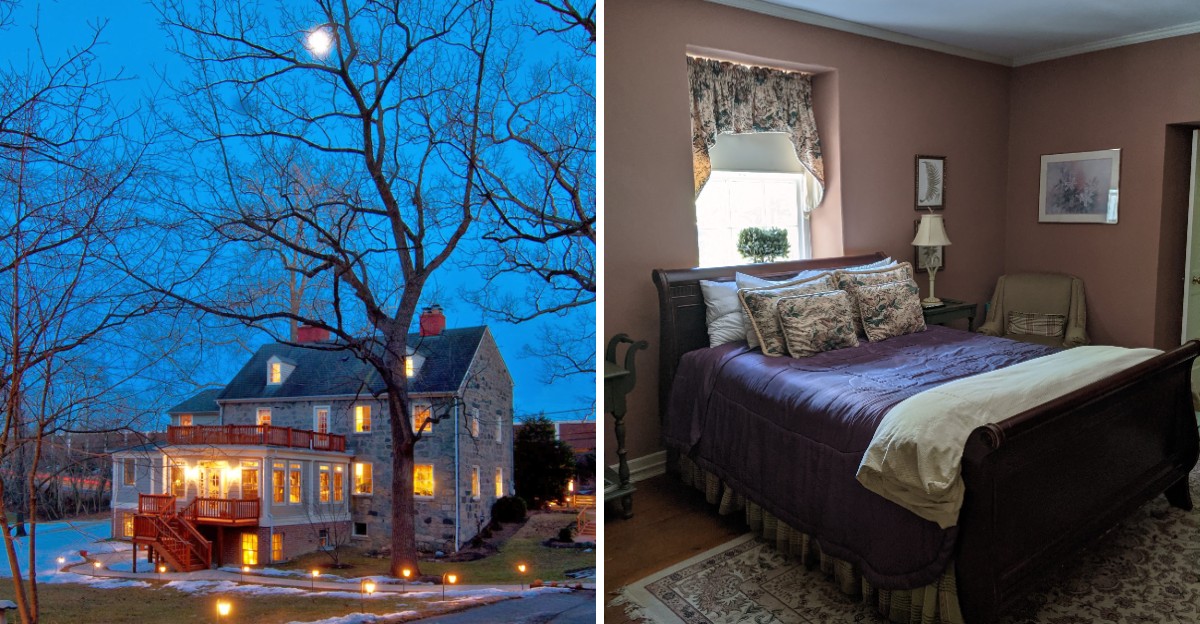
Before interstates and rest stops, travel was a different kind of experience. You moved slower, planned more carefully, and relied on places that offered a bed and a hot meal.
This Maryland inn was one of those places. Travelers stopped here for generations, and the building still carries that history.
The rooms, the common areas, and the details all hint at a time when hospitality was more personal. You can walk through spaces where stagecoach passengers once rested and imagine what the journey used to feel like.
Locals treat it as a landmark, while visitors often leave with a new appreciation for how travel used to work. A reminder that some stops were built for more than convenience.
The kind of place that makes history feel tangible.
Quaker Roots and a Revolutionary Beginning
History buffs tend to get a little giddy here, and honestly, that reaction makes sense. The story of this house starts in a time when Maryland was still a colony finding its footing.
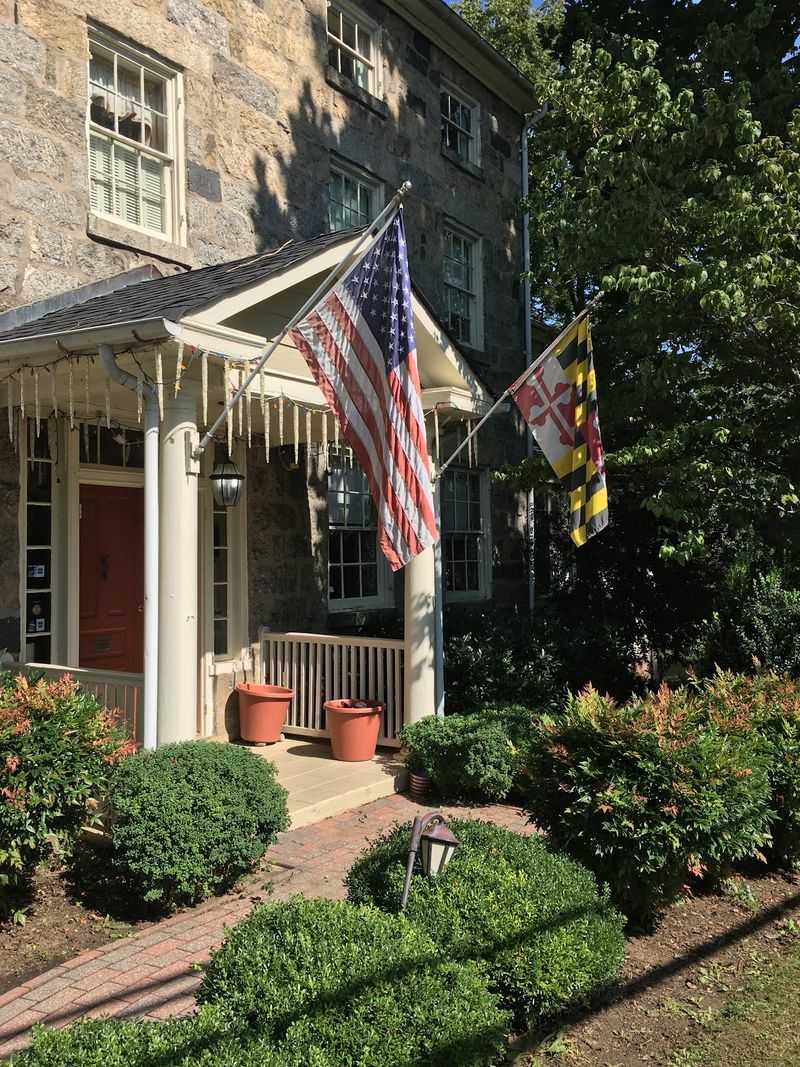
Records from the Howard County Historical Society point to the year 1755, when the land was part of a 100-acre tract owned by Henry Pierpont, a Quaker. The stone house itself rose around 1780, right in the middle of the American Revolution.
Back then, nobody called it an inn. It was a farmhouse on a large plantation, built for hard work and long winters.
That changed in the early 1800s. As more people traveled through the young nation, the farmhouse opened its doors as a public house.
Weary riders and families found shelter, food, and a place to rest their horses.
Local lore says famous names may have passed through, including George Washington and John Quincy Adams. Scholars of the period believe Washington likely stopped somewhere along this route, since he traveled through the area often.
Nobody can say for sure which bed he slept in. Still, the idea is pretty fun to think about over breakfast.
For visitors today, the best way to enjoy this layer of the story is simply to slow down. Notice the age of the stone.
Think about the Quaker family who first worked this land. A little imagination turns an ordinary overnight stay into a quiet trip through nearly 250 years of Maryland life, without needing a single museum ticket.
Stone Walls Twenty Inches Thick
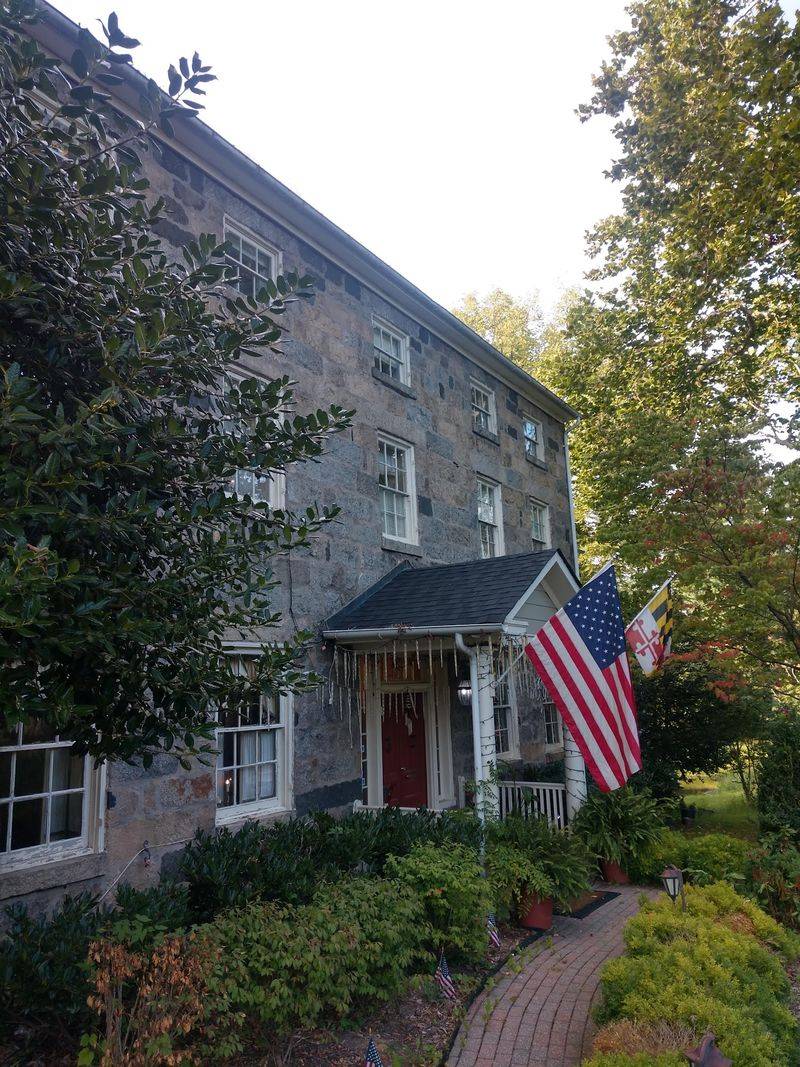
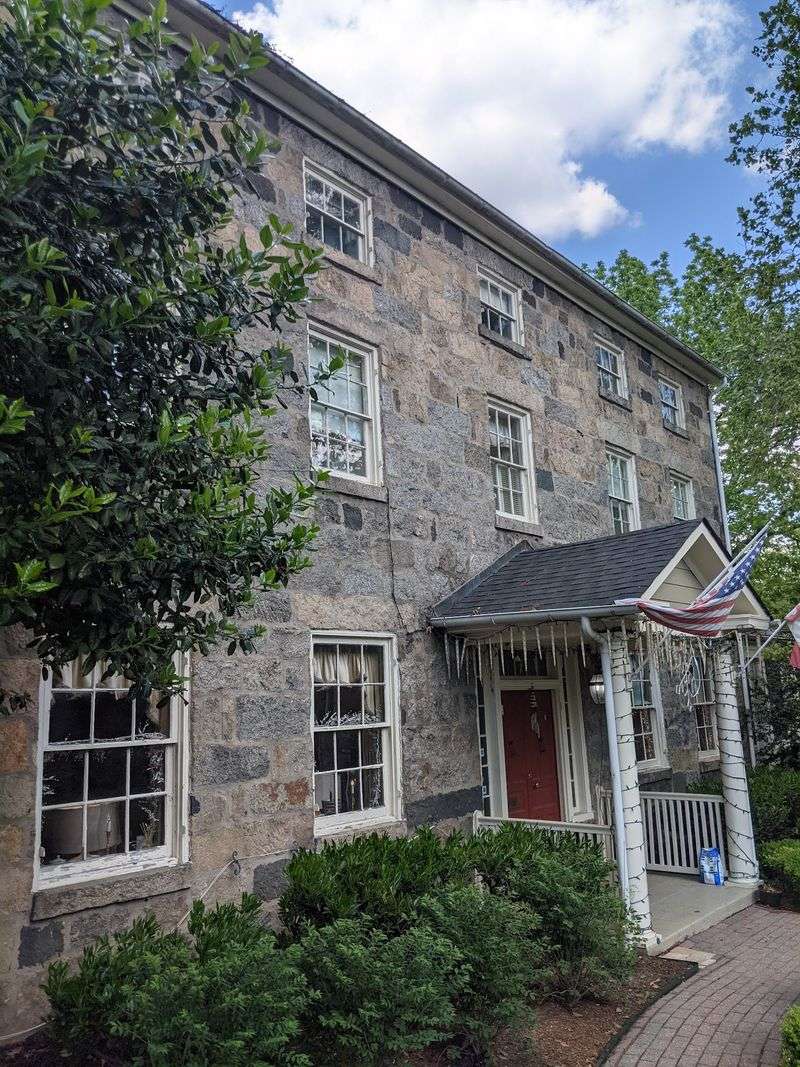
Twenty inches of solid stone. That number alone explains why this building has outlasted wars, storms, and centuries of changing fashion.
The architecture follows a Late Georgian or Early Federal style, and it shows the influence of Pennsylvania Quaker and German building traditions. Those builders liked things strong and simple, without fussy decoration.
The result is a three-story stone house, two rooms wide and two rooms deep, with a central hall running through the middle. A modified gabled roof sits on top, and two interior brick chimneys poke up like old friends who never left.
Inside, heart pine floors carry a warm, honey-colored glow. Deep window sills make perfect perches for a book or a morning cup of tea.
The wood trim was shaped by hand, so look closely and small differences pop out here and there.
A grand center hall greets guests at the front door. From there, a wide staircase leads upward, and yes, it can feel steep on the way to the third floor.
Some ceilings run low, and a few stairs creak with personality.
Here is a helpful tip for anyone who loves old houses. Bring comfortable slippers and take a slow lap around the common rooms before heading out for the day.
Run a hand along the sills and notice how the walls swallow outside noise. Ten fireplaces with original mantels are scattered through the home, and each one tells a slightly different story about craftsmanship long before power tools came along.
Life on the Old Columbia Pike
Forget smooth asphalt and cruise control. Early travelers in Maryland dealt with mud, ruts, and roads that could swallow a wagon wheel whole after a good rain.
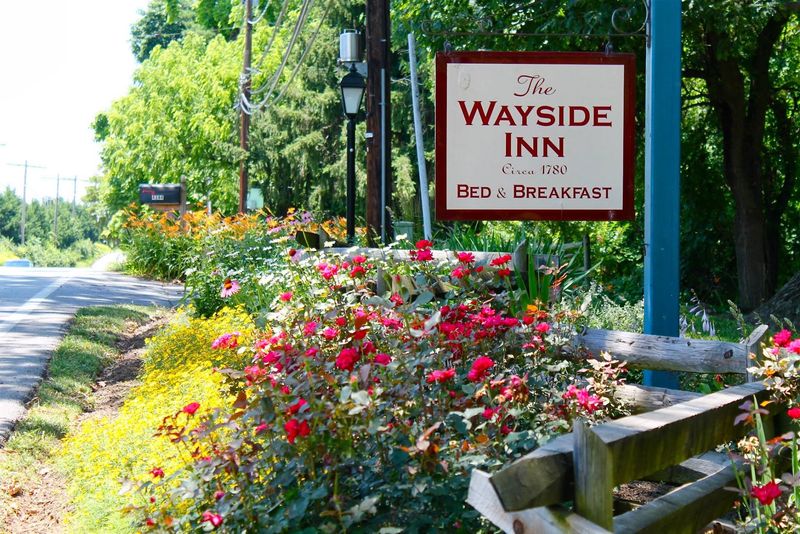
The inn sits on Columbia Road, which runs parallel to the Old Columbia Pike. That pike later became US Route 29, the busy highway many drivers zip along today without a second thought.
In the old days, though, this route was a main link between Washington, Ellicott City, and Baltimore. Every mile took real effort.
So imagine the relief of spotting a sturdy stone house near the roadside. A stop here meant a hot meal, a warm room, and a break for tired horses.
Merchants, farmers, and families on the move all needed places like this. Without them, long trips would have been miserable.
Modern guests get a funny little twist on that same experience. The inn is easy to find just off US 29, so the journey is far quicker than it once was.
Still, pulling into the quiet lot after a busy drive carries a hint of that old relief.
Try this on the next visit. Drive a short stretch of Columbia Road slowly and picture it as a dirt track lined with fields.
Then consider how far a horse could go in one day. Suddenly the idea of a roadside inn makes perfect sense.
It was not a luxury back then. It was survival, with a side of good cooking.
Candles in Every Window
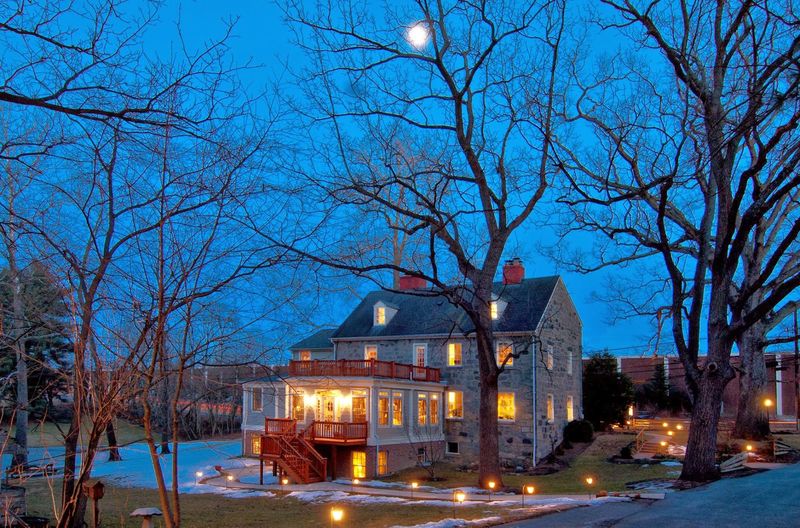
Some traditions start with a holiday. This one may have started with a mother’s hope, and that makes it hard to forget.
During the Civil War, Ellicott City mattered a great deal to the Union because of its railroads. Soldiers were stationed in the area to guard those lines, and the town felt the weight of the conflict.
The Wayside Inn may have offered rooms to soldiers during those uneasy years. Records are thin, but the timing fits the story of a busy roadside house.
Around this period, accounts of candles burning in every window began to appear. One popular belief says a widow lit them to guide her son home from the war.
Night after night, the small flames flickered against the dark Maryland fields.
Whether every detail is true or not, the image sticks. A lit window has always meant welcome.
For travelers on a lonely road, it meant safety too.
Visitors who enjoy history with a little heart should keep this story in mind at dusk. Step outside as the sky turns blue and look back at the house.
The glow from inside feels different once the legend is part of the picture.
Ellicott City has plenty of Civil War history to explore beyond the inn as well. Pair a stay with a stroll through the old town and its railroad heritage.
The two stories fit together nicely, like pieces of the same quilt stitched over many decades.
Cozy Suites With a Modern Twist
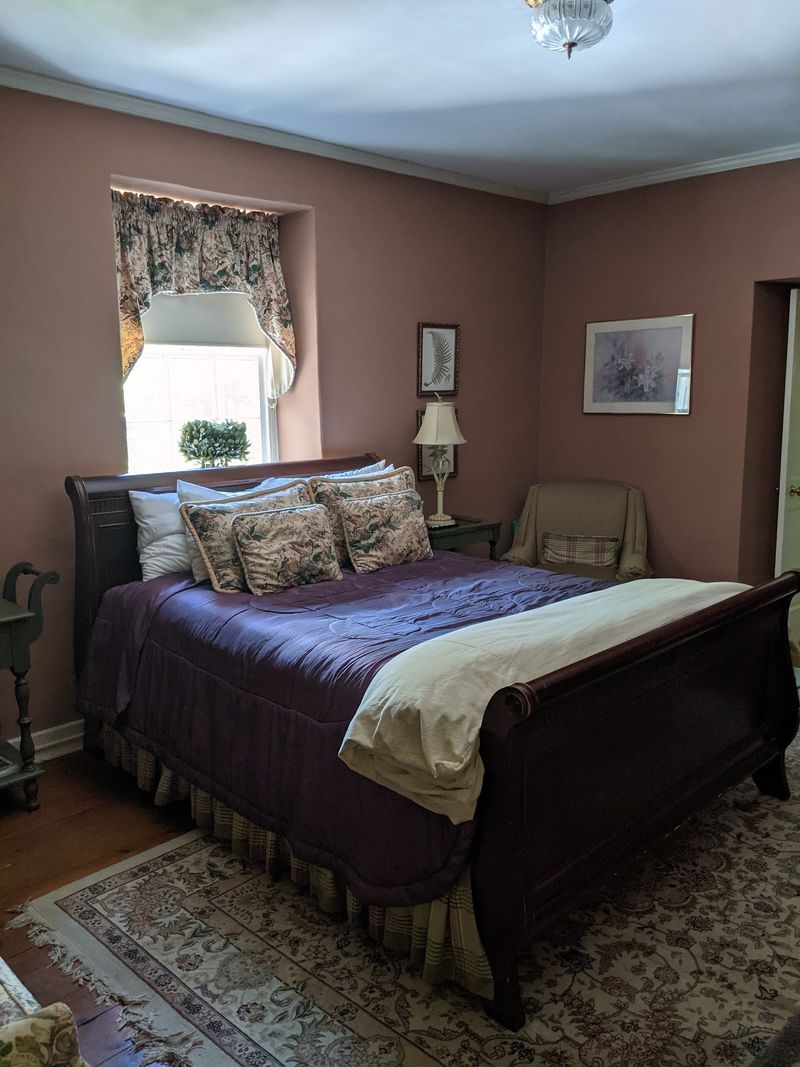
Old houses can be charming, but nobody wants a chilly room without hot water. Luckily, this inn found a smart balance between the past and the present.
Big renovations in 1998 refreshed the home, and a three-story addition went up in 2003 and 2004. Today the property has six to seven bedroom suites and seven bathrooms.
Rooms carry period decor along with free Wi-Fi and TVs. Many offer two-person spa tubs or claw-foot tubs, and some have fireplaces or private terraces.
Guests often talk about the jetted tubs with real affection. After a cold evening out, soaking in warm water beside a fireplace sounds pretty unbeatable.
Room names add a fun touch too, like the Terrace Room with its private entrance, the Banneker Room, and the Pierpoint Room.
Common spaces help the house feel like a home rather than a hotel. A library with a fireplace offers games and afternoon snacks.
There is also a sun room with a porch, a dining room, and a lounge stocked with newspapers and magazines.
A few practical tips go a long way here. Third-floor rooms mean climbing a wide but steep staircase, so pack light if stairs are a challenge.
Ask the host about fire logs and how to reach them with questions, since calling may work better than texting. Older buildings can run a bit cool in places, so a cozy sweater is never a bad idea.
Small preparations make a historic stay feel easy and relaxing.
Breakfast That Brings Strangers Together
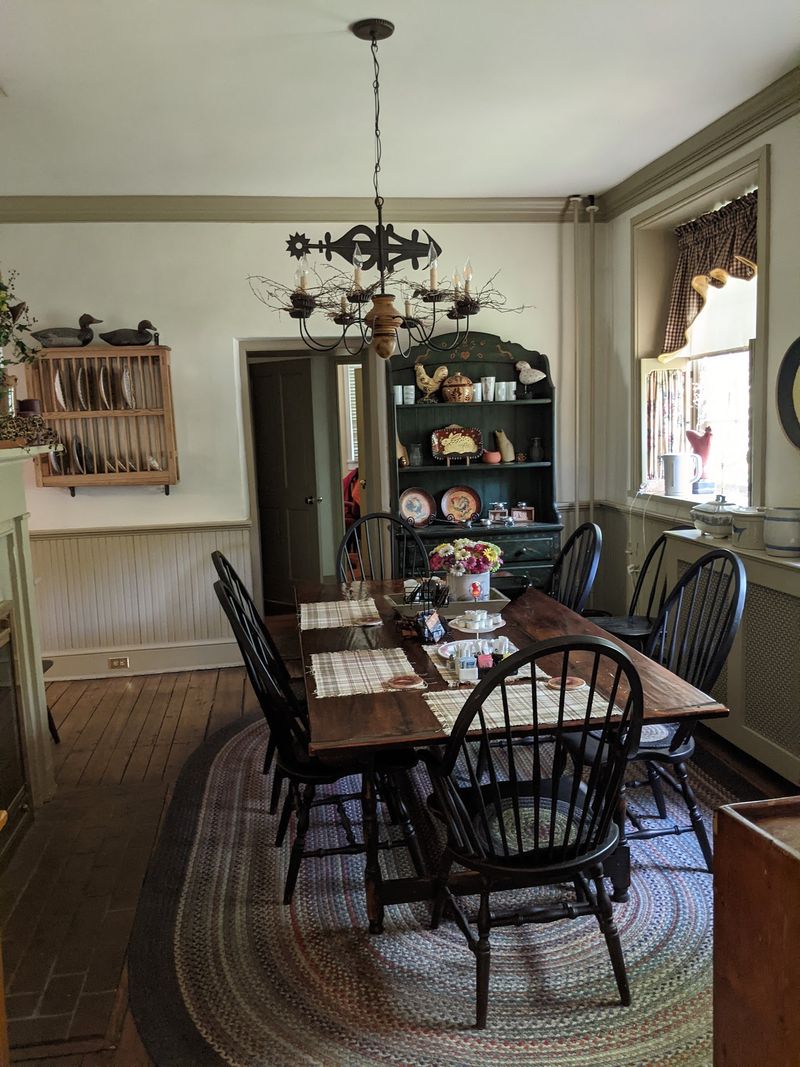
Morning at a bed and breakfast is a little like a surprise party, except the surprise is French toast. And at this inn, breakfast gets plenty of love.
A multi-course gourmet meal is served each day, often in the bright sun room or the dining room. Past guests have described dishes like French toast with a homemade citrus syrup, cheesy egg casseroles, sausage, and plenty of fresh fruit.
One six-cheese egg dish has earned some loyal fans. Coffee, tea, and hot chocolate are usually available too.
Hosts here have a reputation for paying attention to special diets. Several guests mention gluten-free versions of breakfast favorites prepared with care.
Anyone with an allergy should mention it when booking, so the kitchen can plan ahead.
There is also something charming about the shared table. Guests sit together, pass the fruit bowl, and swap stories about where they are headed next.
Early travelers on the Columbia Pike surely did the same thing, just with less maple syrup and more mud on their boots.
One helpful note is worth remembering. Breakfast is generally enjoyed downstairs rather than carried up to the rooms.
Plan to come down hungry and give yourself time to linger.
The hosts sometimes share bits of the house’s history during the meal, which turns breakfast into a tiny history lesson. That mix of good food and good stories might be the most old-fashioned thing about the whole inn, and it is a tradition worth keeping alive.
A Pond, Two Acres, and a Very Old Oak
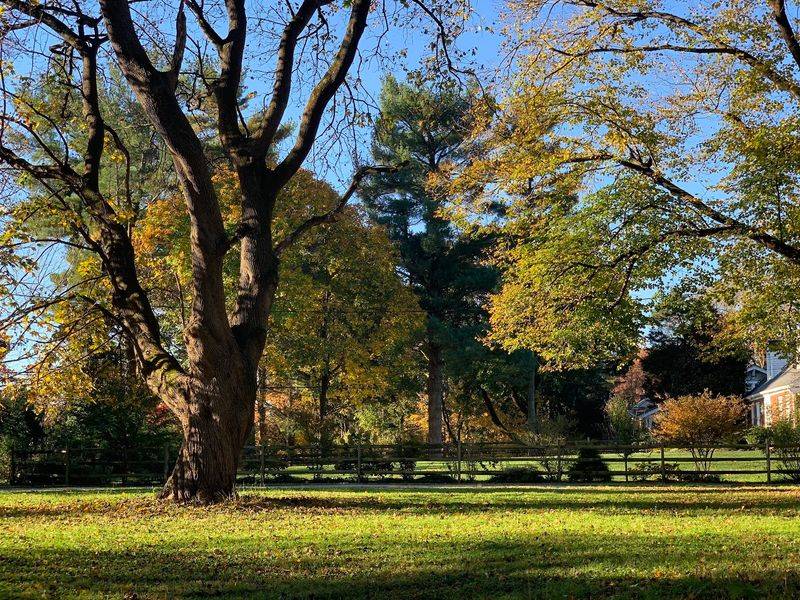
Trees do not usually get fan mail, but the white oak out front might deserve some. Certified in 2023, it is estimated to have been planted around 1787.
That is the same year the U.S. Constitution was signed.
Think about it for a second. This tree was a sapling while the founders argued about how the country should run, and it is still standing tall today.
The property covers nearly two acres, which gives guests room to breathe. A calm pond sits on the grounds, and snapping turtles are known to come up and lay eggs there.
Spotting one is a quiet little thrill, though keeping a respectful distance is always smart.
Guests who visit in colder months often say they want to return when it is warm. That makes sense.
Sunny days invite lazy time on the patio, a stroll around the pond, or a few photos beneath those huge branches.
Keep expectations relaxed here. A large lot takes a lot of care, and outdoor spaces can look different from season to season.
The charm is in the setting more than in perfect landscaping.
For the best experience, head outside early in the morning. Birds tend to be busy, the air feels fresh, and the old oak casts long shadows across the lawn.
Bring a camera, then put it away for a few minutes. Standing near something that has lived for over two centuries is the kind of moment that photos never fully capture.
Footsteps, Ghost Stories, and Nearby Adventures
Ghost stories and old stone houses go together like cocoa and marshmallows. So it is no shock that this inn has a spooky side.
The October 2024 edition of Washingtonian magazine listed The Wayside Inn among the leading haunted hotels in the Mid-Atlantic. Guests have reported footsteps in empty halls, doors that seem to open on their own, and glimpses of a female figure.
Some tales mention a white dress drifting past. Whether that sounds thrilling or slightly terrifying is a personal choice.
Skeptics can simply enjoy the creaky floors and old-house sounds. Believers might want to keep a nightlight handy.
Either way, it makes for great breakfast conversation.
When daylight returns, there is plenty to explore. The inn sits at 4344 Columbia Rd, Ellicott City, MD 21042, just minutes from historic Ellicott City with its shops and old mill town streets.
Patapsco Valley State Park is about four miles away, offering trails, river views, and shady woods. Golfers can find Fairway Hills Golf Club roughly two miles down the road.
Baltimore and Washington D.C. are also close enough for day trips.
One practical tip before booking is worth sharing. Recent information suggested a possible temporary closure, so check the official website or contact the inn directly to confirm current status.
Plans run smoother with a quick confirmation. Once everything checks out, pack a sense of adventure.
Between history, legends, and nearby trails, a stay here offers far more than a pillow and a pancake.
