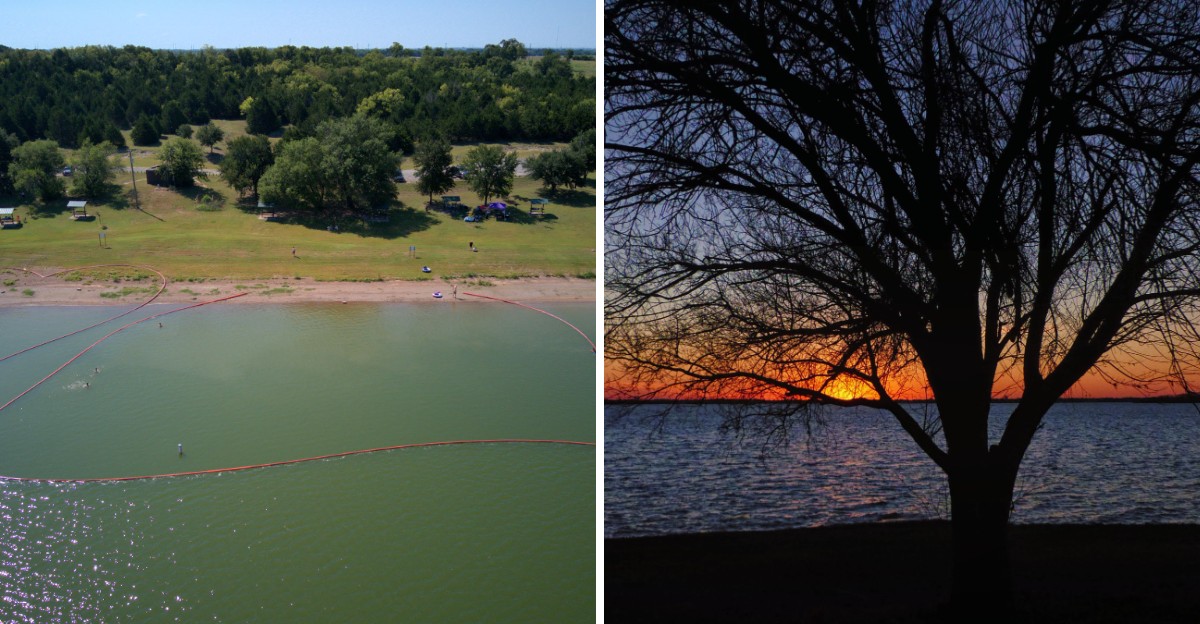
Beneath this Texas reservoir lies river-bottom land that people once used for farming and travel. What looks like an ordinary stretch of lake today was shaped by a massive change to the landscape.
A dam built on the East Fork of the Trinity River began holding back water in 1953. The project helped control flooding and later became an important water source for surrounding communities.
Before construction, survey teams investigated archaeological material in areas scheduled to be flooded, leaving a record of earlier activity on the land.
I find that contrast striking when you think about people fishing or boating across the same area today. The water has become part of everyday recreation, yet the valley beneath it has a much longer story.
The lake’s surface gives little hint of how different this landscape once appeared.
The Water Covers a Farming Story Most Boaters Never Hear
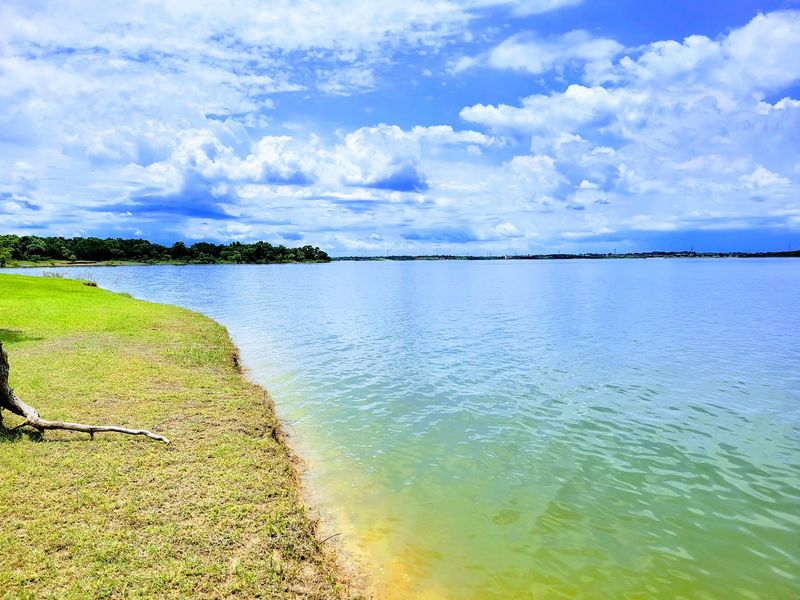
Lavon Lake looks like it has always been here. It hasn’t, and that’s what makes it so fascinating.
This freshwater reservoir sits in southeast Collin County, Texas, on the East Fork of the Trinity River. It lies about 20 miles northeast of Dallas, close to the city of Wylie.
Before 1953, much of this area was dry farmland. The soil belonged to the Blackland Prairie, a region famous for dark, fertile dirt.
Settlers loved it because crops grew well and creeks like Bear Creek supplied water.
There was one big problem, though. The East Fork flooded with the seasons and soaked the best bottomland.
Farmers could lose a year of hard work to rising water.
So the government stepped in with a plan. Ironically, the fix for too much water was a whole lot more water, held behind a dam.
Today the lake is owned by the United States government. The U.S.
Army Corps of Engineers, Fort Worth District, runs it.
Next time you cruise across the surface, remember what used to be there. Fields, fences, and family homesteads once filled this space.
That quiet history gives every boat ride a little extra depth, and not just the measurable kind.
Native Communities Called This Land Home Centuries Earlier
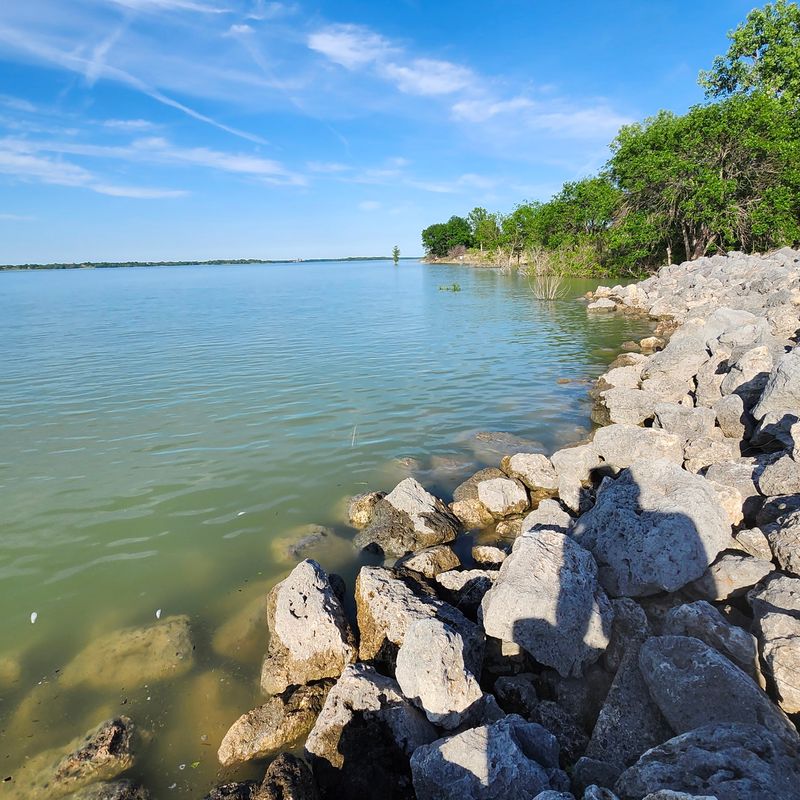
Long before any farmer planted cotton here, other families lived along these creeks. Native American peoples knew this land well.
Groups connected to the area include the Cherokee, Delaware, Kickapoo, Tonkawa, and Caddo. Each brought their own traditions to the North Texas prairie.
Near Sister Grove Creek, archaeologists uncovered evidence of large camps. Some date back to around A.D. 900, and others to about 1600.
That’s a long timeline of people choosing this exact spot.
Why here? The same reasons later settlers liked it.
Fresh water flowed nearby, and the land supported plants and animals that kept communities fed.
I believe that detail changes how you see the shoreline. Every quiet cove might sit near ground where families cooked meals, raised kids, and told stories by the fire.
Sister Grove Creek still feeds into the lake today. It’s a small thread connecting the present to a very old past.
If you visit, take a moment to look at the creek areas a little differently. You won’t find signs marking every camp, and you shouldn’t dig around looking for artifacts.
Just enjoy knowing this place has welcomed people for well over a thousand years.
A Town Named After a Postmaster’s Son Still Hangs On
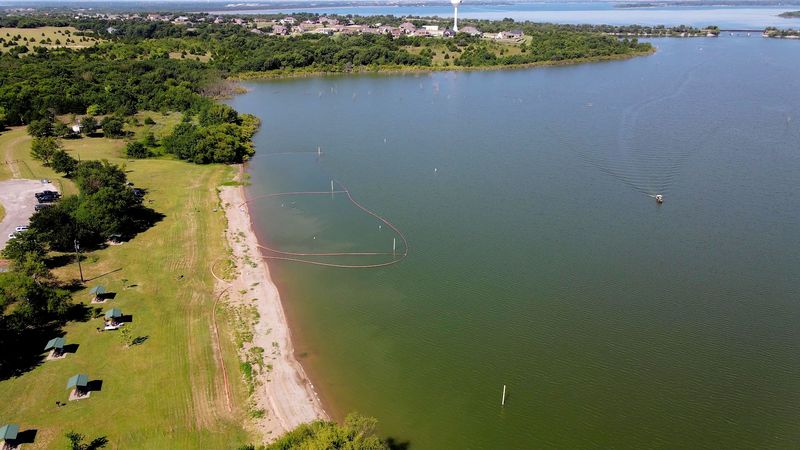
Thompson Switch doesn’t exactly roll off the tongue. Luckily, the town got a better name.
The community of Lavon was settled in the early 1850s. It first carried the name Thompson Switch, after postmaster Elbert C.
Thompson.
Later, the town was renamed to honor his son, Lavon “Bud” Thompson. So yes, a whole lake now shares a name with a kid nicknamed Bud.
That’s a pretty great legacy.
By the 1880s, Lavon had grown to about 300 people. It worked as a hub for farming and trade in the area.
Here’s the surprising part. When the lake arrived, the town didn’t vanish.
Its population and number of businesses stayed fairly steady between 1940 and 1980.
What did change was who showed up. Before, most visitors were farmers coming to trade.
After the water rose, boaters, anglers, and picnickers started rolling in instead.
That shift tells you a lot about how the area adapted. Lavon kept its identity while the land around it transformed completely.
Drive through today and you’re passing a place that survived a major change. Not every Texas farm town can say that.
Farm Communities Nearby Felt the Change Too
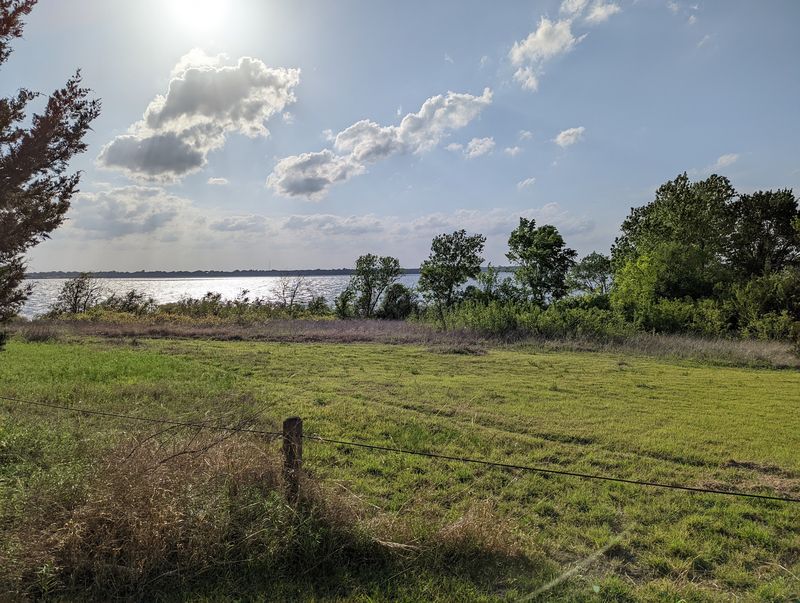
Lavon wasn’t the only community touched by the rising water. Several farm and ranch towns nearby felt it as well.
Lucas and Copeville are two examples. Both were rooted in agriculture, with families who depended on the rich prairie soil.
When the reservoir took shape, the landscape around these communities shifted. Some bottomland that families had worked disappeared under the water.
It’s easy to think of a lake as just scenery. But for people living here in the early 1950s, it meant real decisions about land, homes, and livelihoods.
On the flip side, the dam also brought protection. Seasonal floods had long damaged crops on the fertile lowlands.
Controlling that water helped land that stayed above the shoreline.
That’s the tricky balance behind many Texas reservoirs. Something is lost, and something else is gained.
Today, Lucas has grown into a quieter residential area, while Copeville keeps a smaller, rural feel. Both still sit near the lake’s edges.
A scenic drive between them makes a nice add-on to a lake day. You’ll see open country that hints at what the whole area looked like before the water came in.
A Revolutionary War Veteran Rests Close By
Here’s a fact that stops people mid-sentence. A veteran of the American Revolution is buried near this North Texas lake.
His name was John Abston, and he passed away in 1856. His grave was in the Abston Cemetery, also known as Old Bellew Cemetery.
That cemetery is now part of Lake View Cemetery. The connection shows just how deep family roots run in this area.
Think about the timeline for a second. Abston lived through the birth of the United States, then ended up on the Texas frontier.
That’s quite a life story.
Graves like his remind us that real families settled here generations ago. They built homes, farmed land, and laid loved ones to rest nearby.
When the reservoir project changed the landscape, history like this was not simply forgotten. It became part of the region’s shared memory.
If you enjoy history, a respectful visit to a local cemetery can be meaningful. Walk quietly, read the names, and leave everything as you found it.
It adds a thoughtful pause to a weekend of fishing and picnics. Sometimes the most interesting part of a lake trip happens away from the water.
Building the Dam Took Five Years of Work
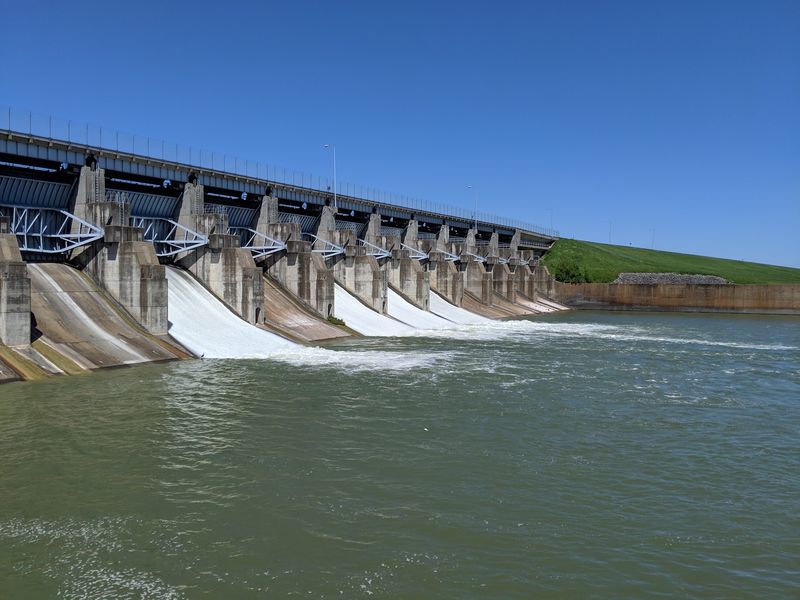
Congress gave the green light in March 1945. Then came the long, muddy job of actually building it.
Construction started in January 1948. Crews worked for years, and the project was mostly finished by early 1953.
On September 14, 1953, workers began holding back water on purpose. Slowly, the river valley started filling up.
That date marks the true birth of the lake. Fields that had seen plows for generations began disappearing under rising water.
The project had several clear goals. Flood control came first, protecting the fertile bottomland in southeastern Collin County.
Conservation storage was another big one. The water supports municipal, industrial, and irrigation needs across the region.
Recreation rounded out the list. Honestly, that’s the part most of us appreciate on a sunny Saturday.
The lake was first called Lavon Reservoir. Over time, the official name became Lavon Lake.
I like knowing the backstory before visiting. Standing near the dam feels different when you realize what it took to build and what it changed.
It’s a working structure, not just a pretty view, and it still does its job every single day.
Your Fishing Line Drifts Over Old Pastures
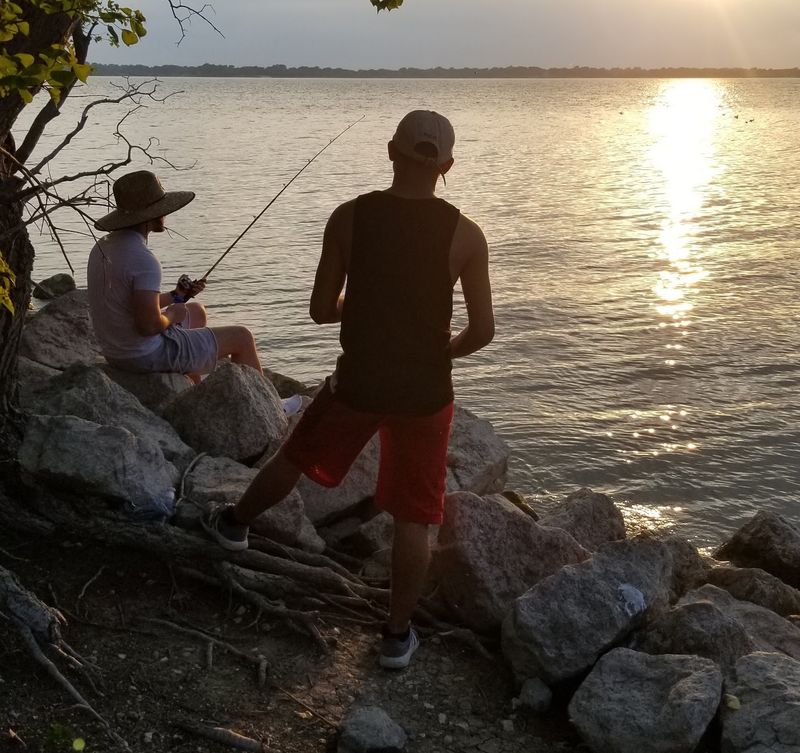
Crappie don’t care about history. Still, they’re swimming over land where cattle once grazed.
Fishing is one of the biggest draws at Lavon Lake. Anglers come for bass, crappie, and catfish in these Texas waters.
The Corps of Engineers manages the lake, and several parks along the shore offer boat ramps. That makes it fairly easy to launch and get on the water.
Bank fishing works too. You don’t need a fancy boat to enjoy a quiet morning with a rod and a cooler of snacks.
Before you go, grab a Texas fishing license if you need one. Check current state rules on size and bag limits so you stay legal.
A practical tip: keep vehicles away from the water’s edge. Corps lakes have rules about where you can drive, and they protect the shoreline.
Early mornings tend to feel especially peaceful out here. The water is calm, and the light is soft.
There’s something fun about casting over old farmland. Every tug on the line comes from a spot that once held crops, fences, or family trails.
Not a bad trade, if you ask the fish.
Pitch a Tent Where Farmers Once Watched the Sky
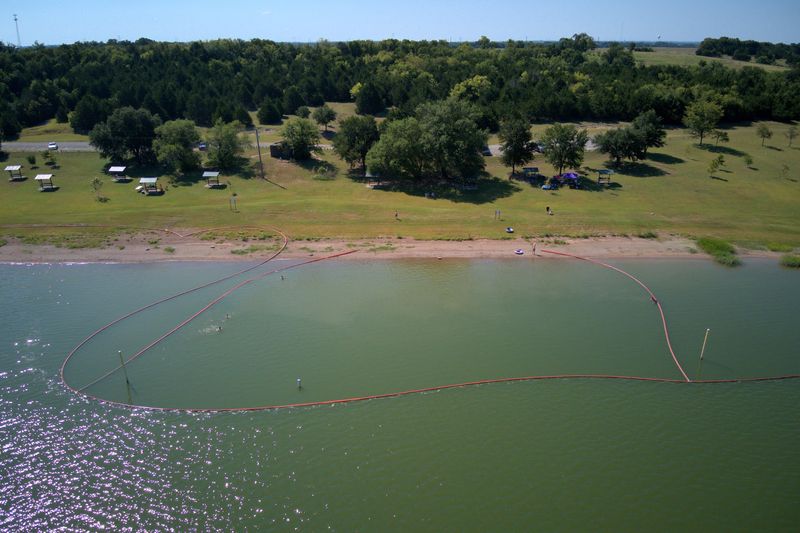
Camping here comes with a bonus. You’re sleeping near land with more than a thousand years of human history.
Lavon Lake has several parks run by the Corps of Engineers. Some offer campsites, picnic areas, and restrooms.
Parks like Lavonia Park and East Fork Park have long served campers. Operating status can change, so check with the Corps before you pack the car.
Picnics are a classic choice here. Pack sandwiches, fruit, and plenty of water, then claim a table near the shore.
Many parks charge a small day-use fee. Bring a little cash or check payment options ahead of time.
Rain can soak low campsites quickly. Pick higher ground if storms are in the forecast, and pack extra tarps just in case.
Also, this is natural Texas land. Snakes live here, so watch where you step and keep a flashlight handy at night.
Most importantly, clean up after yourself. Leaving your spot tidy helps keep these parks open and pleasant for everyone.
When night falls, the quiet feels earned. The same sky once stretched over farmhouses and prairie fields below, and it’s still just as wide.
Save Your Evening for a Sunset Over Sunken History
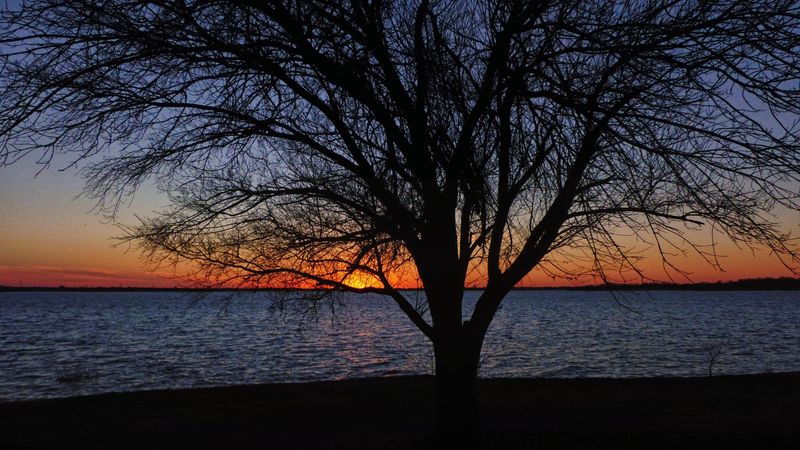
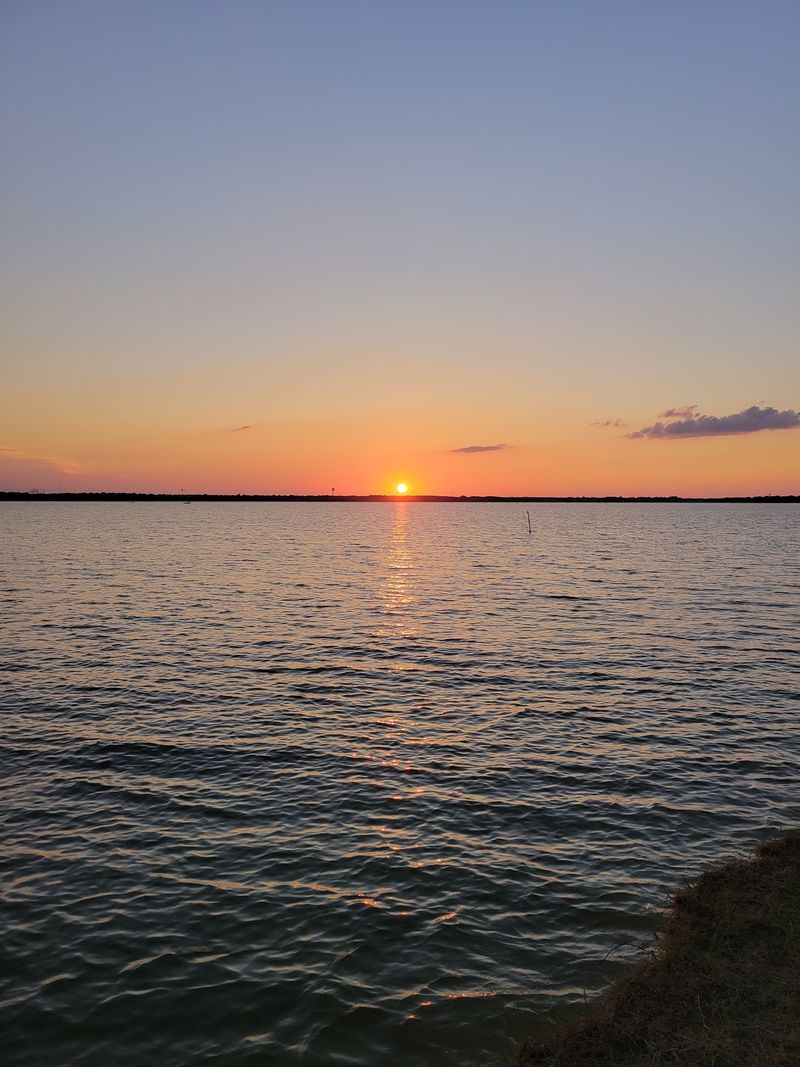
Golden hour hits differently when you know the story. The sun sets over water that used to be fields.
Sunsets are a favorite reason to visit this part of Texas. The open water gives you a wide, clear view of the western sky.
Sunset Beach on the lake is a spot many photographers enjoy. The name pretty much tells you the plan.
Bring a camera, or just your phone. Even simple shots look great when orange and pink light spreads across the surface.
Kayaks and paddleboards add another option. Paddling out during golden hour lets you watch colors shift right on the water around you.
Plan around park hours, though. Some areas ask visitors to leave around dusk, so check rules before settling in for the show.
A folding chair, bug spray, and a light jacket make the evening more comfortable. Breezes off the lake can cool things down fast.
As the light fades, think about the families who once farmed here. They watched sunsets over this same valley after long days of work.
Now you get to watch it too, from a very different view. That feels like a pretty special way to end the day.
