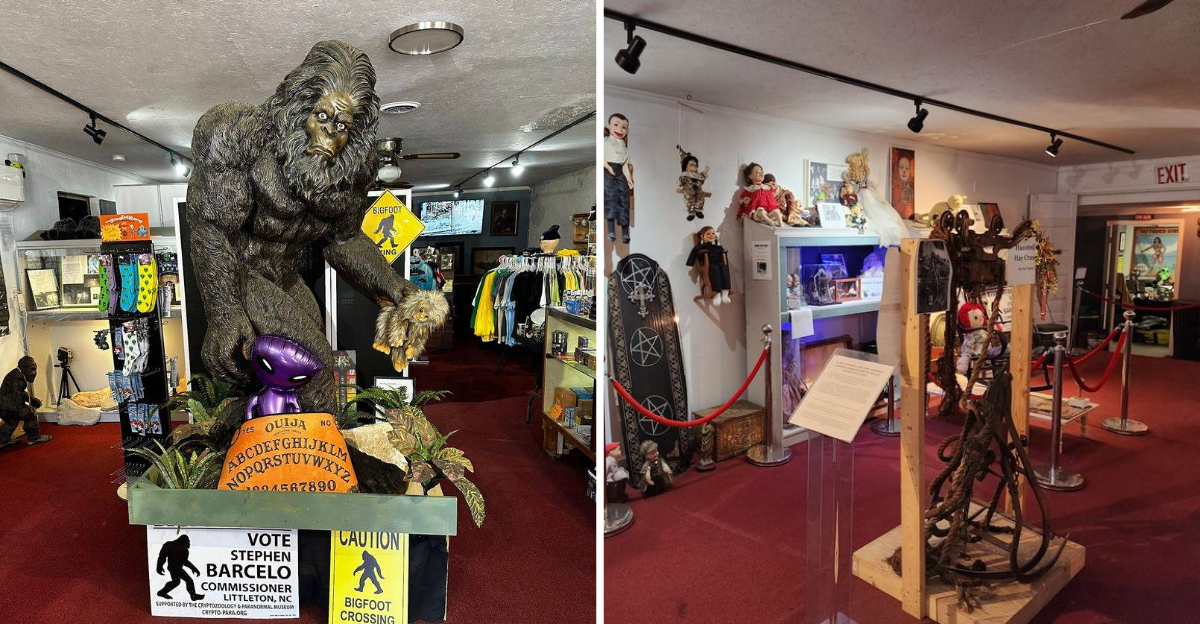
A small museum on a North Carolina main street holds a mix of strange clues, local stories, and objects that seem to stare back.
Bigfoot footprints, haunted dolls, UFO reports, and ghost-hunting tools all share the same rooms, and the whole place feels like someone opened a cabinet full of mysteries and said, take your time.
I like museums that feel personal, and this one has that quality in spades. The exhibits are not behind thick glass or roped off at a distance.
They are placed where you can lean in and look closely, the kind of setup that makes you feel like you are poking through someone’s private collection. The building itself is unassuming from the street, and that makes the discovery inside feel even better.
The staff are happy to talk about the displays, and they do not rush you through the rooms. The mix of material matters because it shows how people try to understand things they cannot easily explain.
Odd stops that give you plenty to talk about later are exactly the kind of thing I keep driving off the highway for.
Bigfoot Footprints That Make the Room Feel Taller
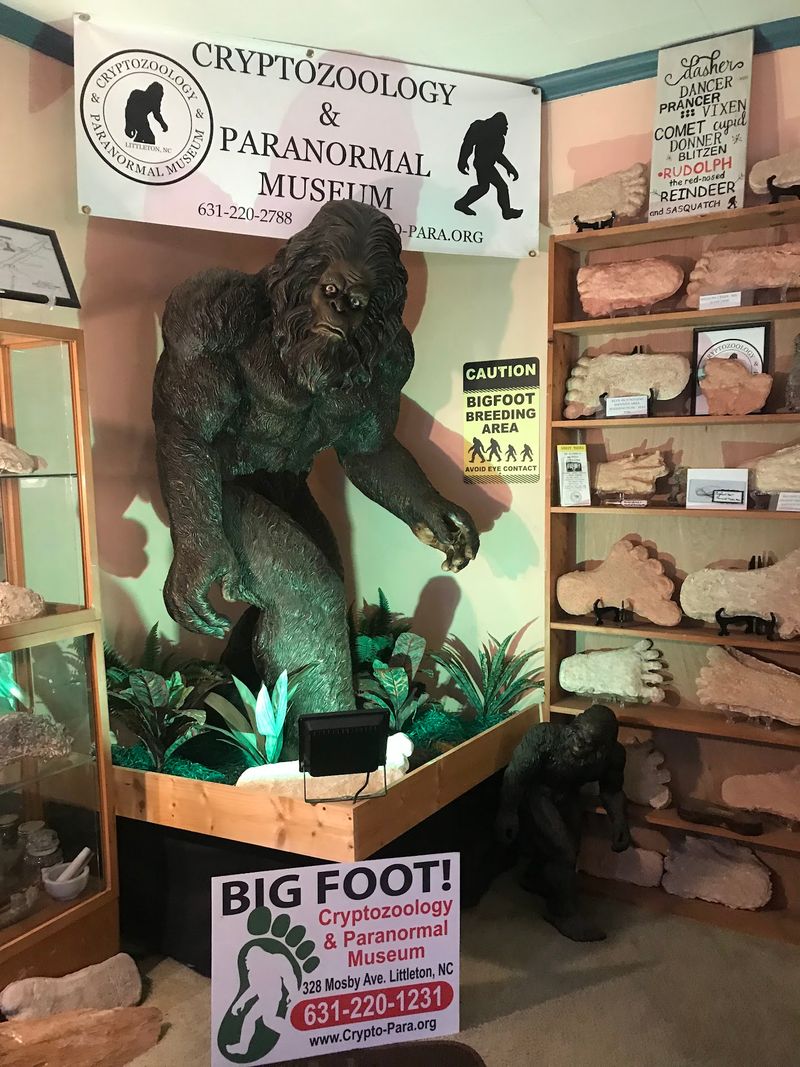
The footprint casts were the first things that made me slow my pace, because they turn Bigfoot from a campfire idea into something you can measure with your eyes. Some casts at the museum connect to local searches, including work tied to nearby North Carolina’s Medoc Mountain State Park, where sightings have been reported.
Plaster casts may look simple, but they ask good questions. How long is the track?
How deep is it? What kind of ground held the print?
Even if you are not sure what made it, those details help visitors think like field researchers instead of just fans of spooky stories.
For families, this section is an easy place to start because kids can compare the prints to their own feet. I would take time here, read labels closely, and notice how the museum treats Bigfoot as a puzzle, not just a monster.
It makes the small room feel much bigger, as if the woods outside Littleton are quietly waiting for someone to look down and notice the next clue.
Mrs. Beasley and the Locked-Case Chill
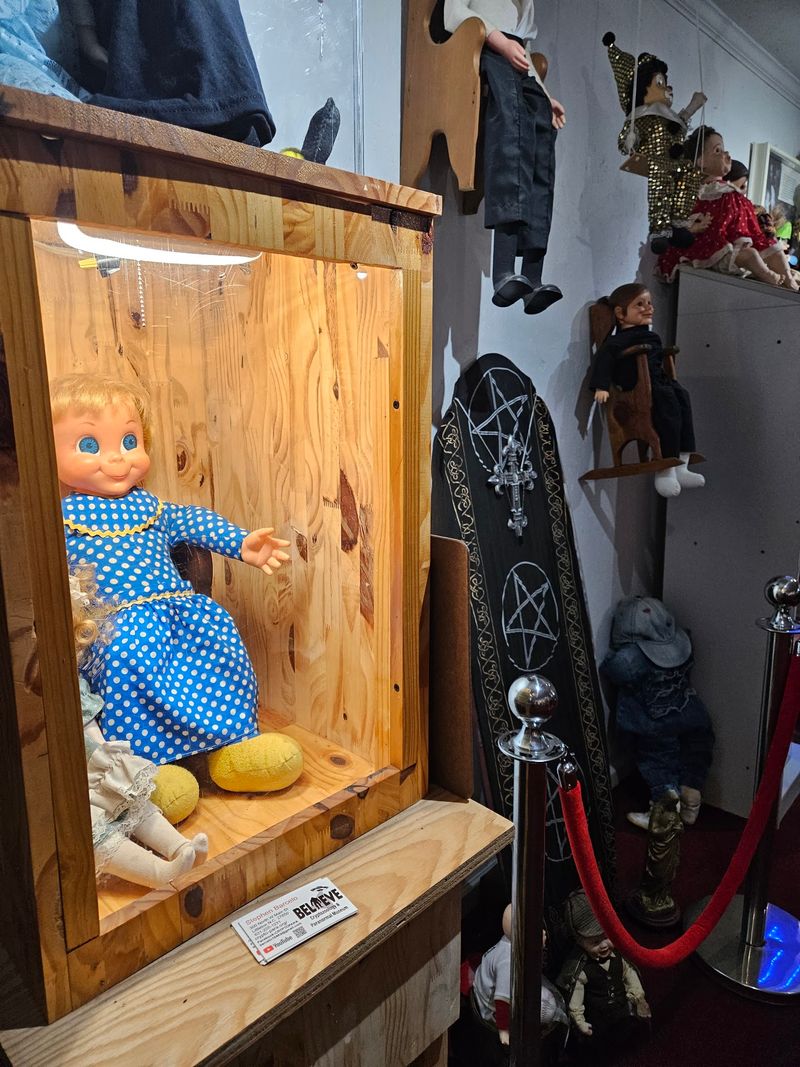
Mrs. Beasley has the kind of presence that can make a quiet visitor suddenly study the floor. The doll is reported to move within her locked case, and whether you believe that or not, the display creates one of the museum’s most memorable pauses.
Haunted objects work differently from footprint casts. A cast asks you to think about evidence in dirt, while a doll asks you to think about memory, fear, and the stories people attach to everyday things.
That is why the paranormal side of the museum feels so personal.
My advice is to give this area time without trying too hard to scare yourself. Look at the case, notice the way the object is presented, and think about why dolls are so common in ghost stories.
They look human enough to feel familiar, but still enough to feel strange. In a tiny museum, that effect gets stronger because there is not much space between you and the glass.
A Bigfoot Room With Local Woods on Its Mind
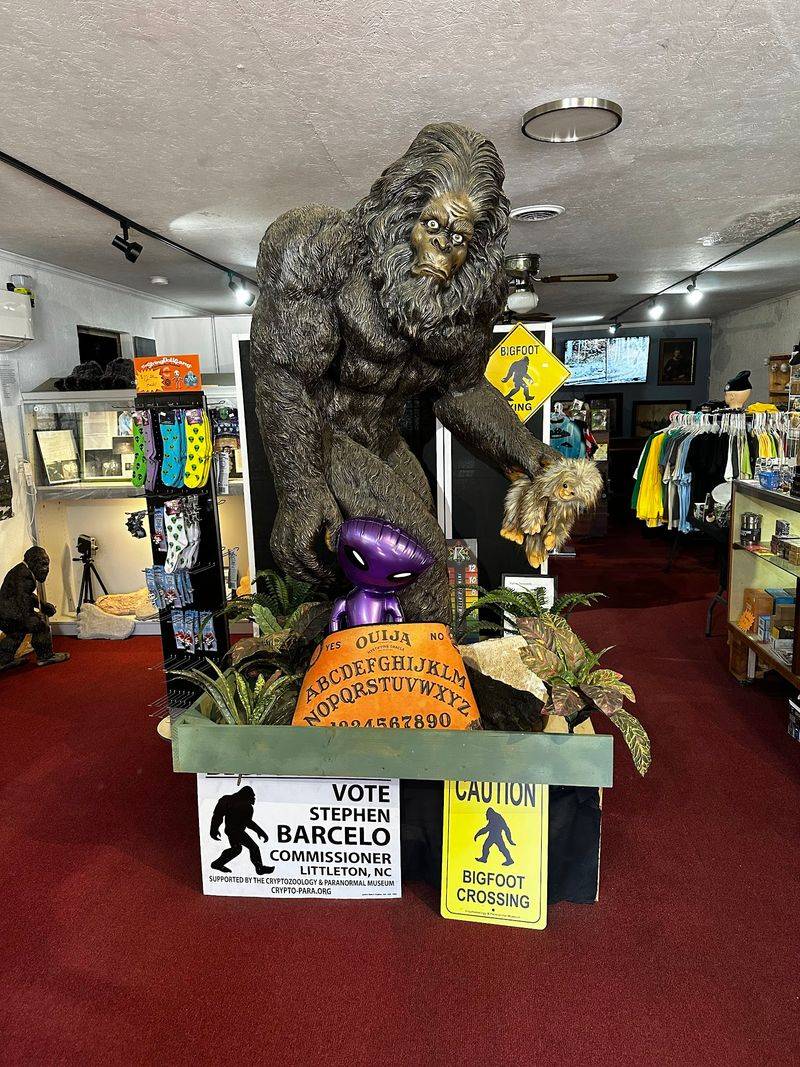
I liked that the Bigfoot material does not feel far away from Littleton. The museum places the creature in a local setting, which makes the exhibits feel less like movie props and more like notes from nearby woods, roads, and late-night drives.
Medoc Mountain State Park comes up often in connection with area sightings, and that gives travelers a natural next step if they want to make a themed day of it. You can visit the museum first, learn what kinds of signs people watch for, then explore the park with a more careful eye.
That does not mean you should wander off trail or treat the forest like a stage set. Good Bigfoot searching is mostly patient looking, listening, and respecting the land.
Bring water, wear comfortable shoes, and keep expectations playful. The fun comes from paying attention to broken branches, muddy spots, bird sounds, and the way a normal trail can suddenly feel full of questions.
Haunted Objects That Turn Curiosity Into Carefulness
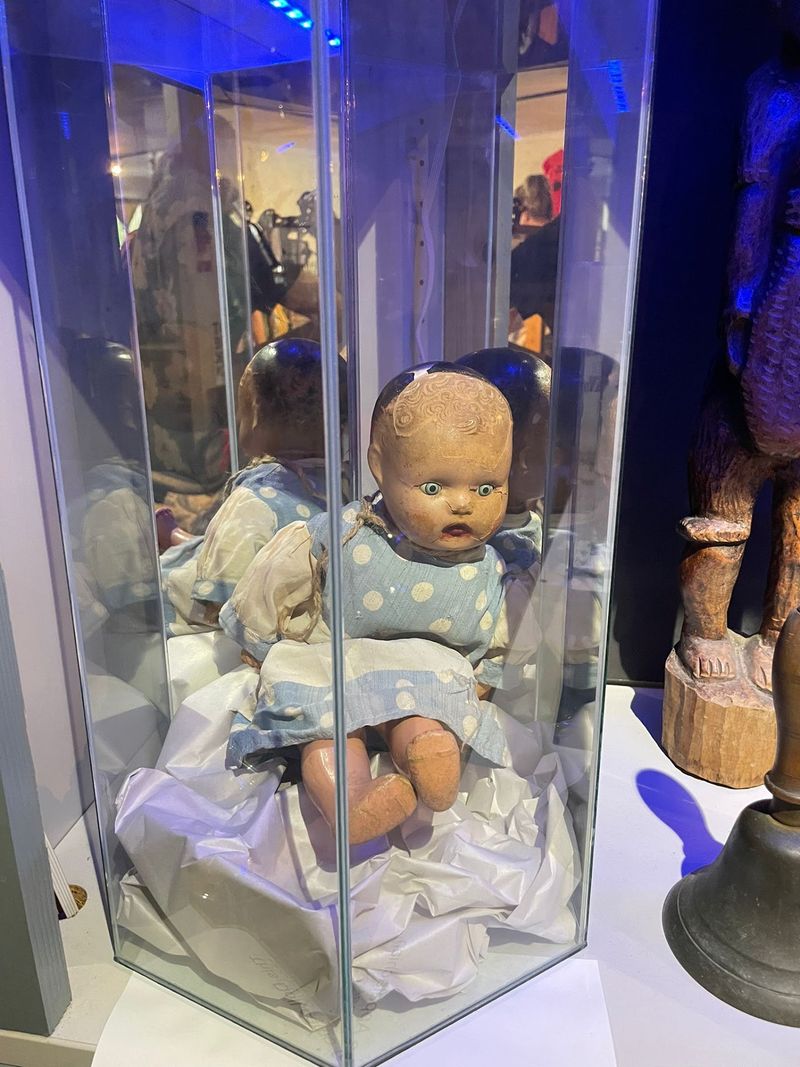
A shelf of odd objects can be funny at first, until you notice how carefully people watch them. The museum includes haunted items beyond Mrs. Beasley, including possessed dolls and unusual pieces that have gathered stories over time.
This part of the visit reminded me that museums do not always need giant halls to hold attention. A small case can do plenty when the labels make you wonder where an object came from, who owned it, and why someone believed it carried strange energy.
If you visit with younger kids, you may want to guide the conversation in a calm way. Talk about folklore, family stories, and how different people explain things they cannot prove.
That keeps the mood fun instead of overwhelming. For adults, the best approach is open-minded but grounded.
You do not have to accept every claim to enjoy the atmosphere. The real reward is seeing how ordinary items become extraordinary when people connect them to strange moments, old houses, and unexplained events.
UFO Reports Add a Skyward Twist
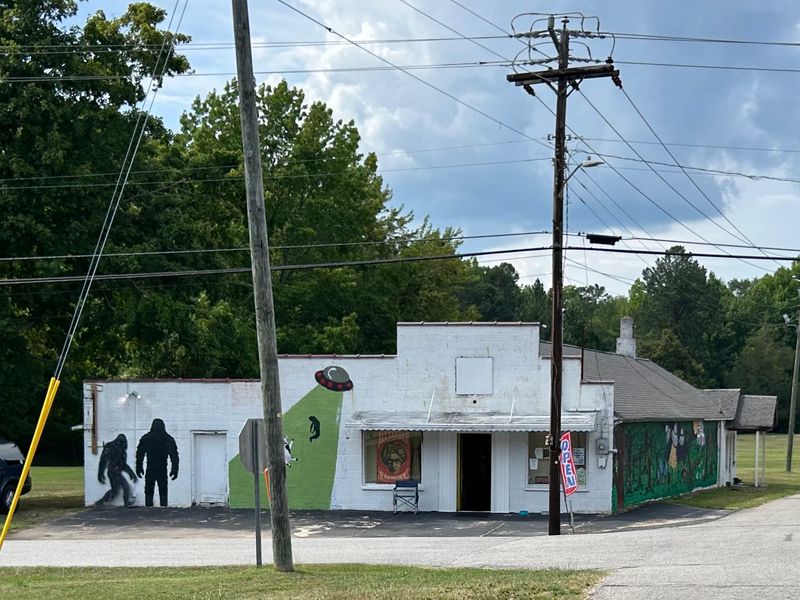
After looking at footprints and dolls, the UFO section changes the direction of your imagination completely. Suddenly the mystery is not in the woods or inside a glass case, but above town, in the wide Carolina sky.
The museum displays UFO sighting testimonials and photographic evidence, which gives this corner a different kind of rhythm. Instead of staring at an object, you read accounts and picture someone looking up at the right strange second.
The best part is how it broadens the museum’s focus from cryptids and ghosts to unexplained experiences in general.
I found this section useful because it shows how people collect clues in many forms. A footprint, a photo, and a written report are all attempts to hold onto a moment that passed quickly.
Visitors should read with curiosity and patience. Ask what the witness noticed, what the photo shows, and what questions remain.
That mindset makes the exhibit more interesting than simply deciding yes or no right away.
The Fake Section Keeps the Mystery Honest
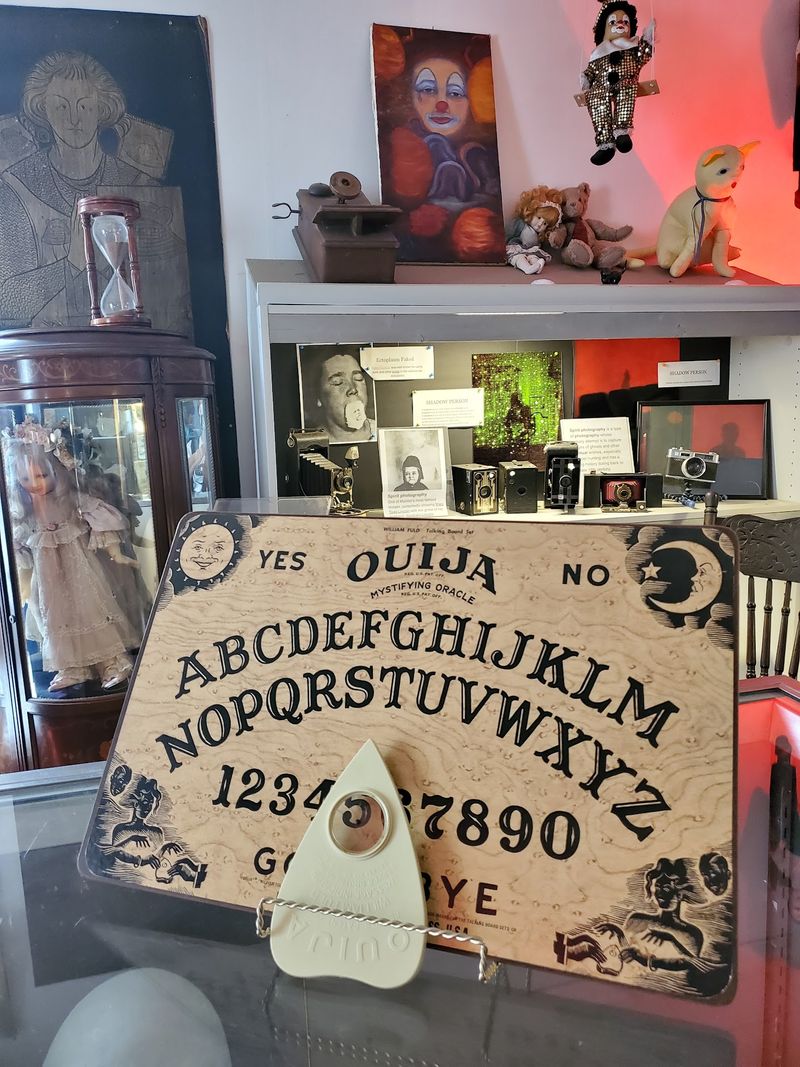
The fake section gave me one of my favorite surprises, because it proves the museum has a sense of humor and a useful bit of caution. A Feejee mermaid style display reminds visitors that not every strange thing should be accepted too quickly.
That matters in a place filled with Bigfoot clues, haunted dolls, and UFO reports. When a museum shows known fakes, it teaches visitors how easy it is to be fooled by a dramatic shape, a creepy face, or a story that sounds exciting.
Curiosity works best when it brings a little common sense along.
This is a great section for students and families because it turns the visit into a lesson about evidence. Ask what makes an object look real, what details raise doubts, and why people create hoaxes in the first place.
Far from ruining the fun, the fake section makes the rest of the museum stronger. It says mystery is welcome here, but questions are welcome too.
Ghost Hunts Give Littleton After-Dark Energy
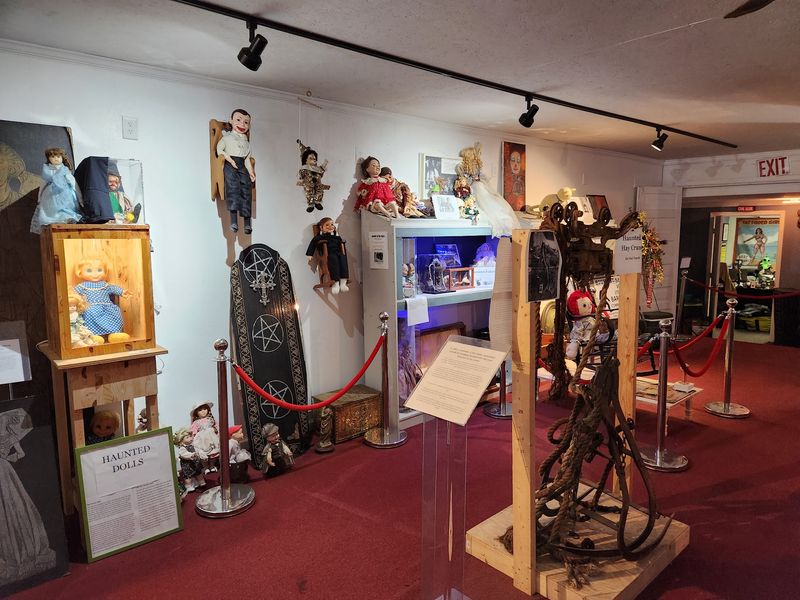
The museum does not stop at display cases, and that is where Littleton starts to feel like part of the exhibit. Walking tours and ghost hunts take visitors into the historic district, turning old streets and buildings into places to watch, listen, and wonder.
Tour options can range from shorter outings to longer investigations, with overnight experiences also listed by the museum. Guests may use meters, including K-II meters, to look for possible changes in energy during paranormal investigations.
For many travelers, using the tools is half the fun because it makes the night feel hands-on.
A good ghost hunt needs more than a brave face. Wear comfortable shoes, bring a charged phone, and follow the guide’s rules, especially around private property and historic places.
I would also bring patience. Strange moments do not arrive on command.
Sometimes the best memory is simply hearing a quiet street, seeing old walls in low light, and realizing how many stories a small town can hold after sunset.
A Tiny Main Street Stop With a Big Personality
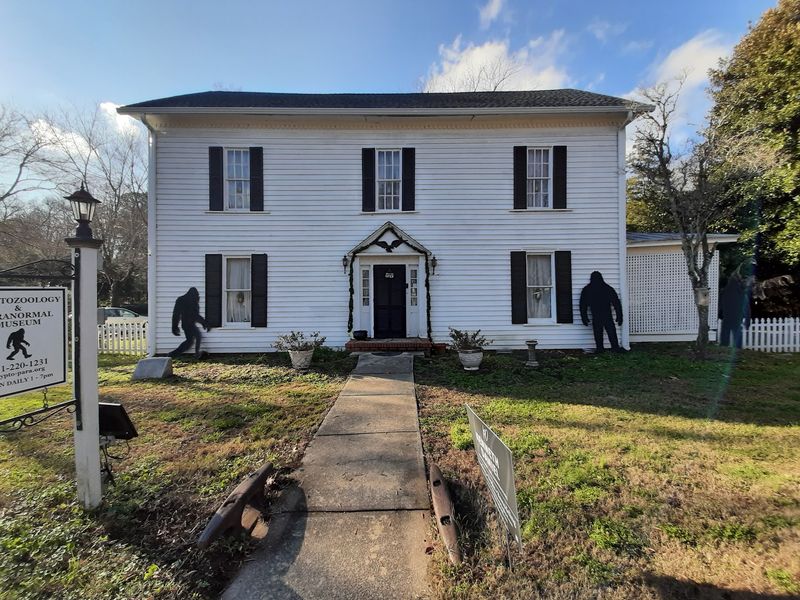
The building’s small scale is part of its charm, not something to rush past. Founded in 2015 by Stephen Barcelo, a former journalist, the museum grew from personal paranormal experiences and a deep interest in cryptozoology.
Part of the story connects to the historic Alston House, an old fixer-upper reportedly dating back to the 1850s, where Barcelo and his wife settled after moving from Long Island. That background helps explain why the museum feels more personal than polished.
It has the energy of a passion project, with objects, reports, and local lore gathered into a compact space.
Before going, check the current hours on the museum website, crypto-para.org, because small attractions can have changes. Plan enough time to read, ask questions if staff are available, and stroll nearby Main Street afterward.
The stop works best when you treat it as a curious travel detour, not a giant institution. Address: 300 N Main St, Littleton, North Carolina 27850.
