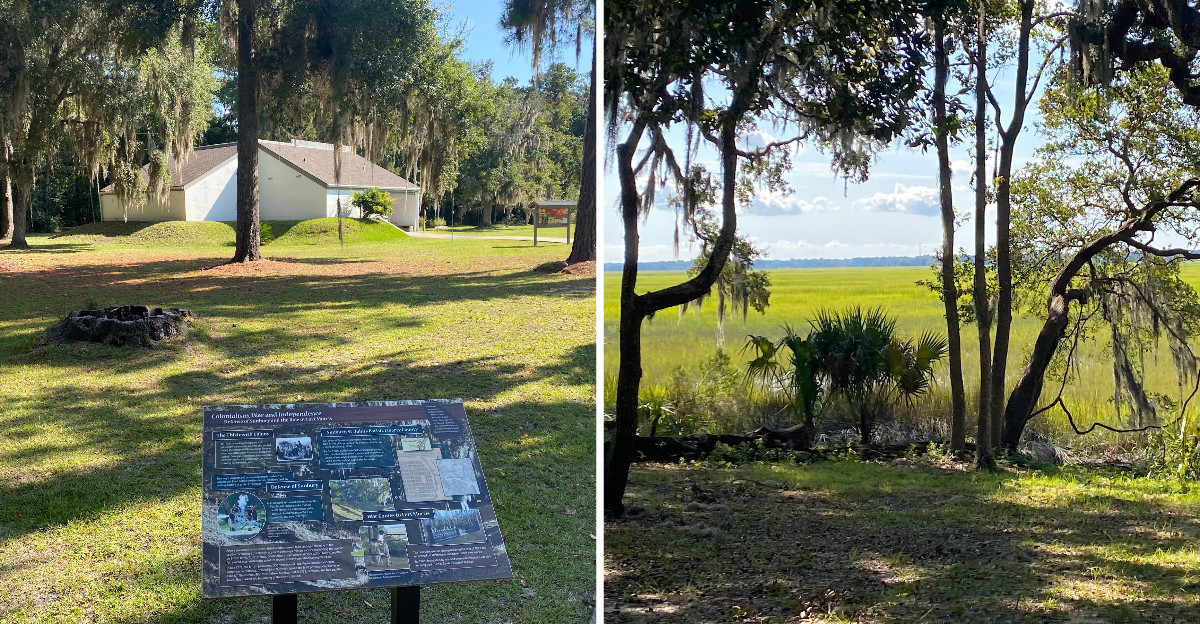
Colonel John McIntosh read a British surrender demand and fired back four words: Come and take it. That bold reply happened on November 25, 1778, right on a quiet bluff above a river in coastal Georgia.
Today the spot is a small state historic site near Midway, about 40 miles south of Savannah. The famous story drew me in, but the marsh views, fiddler crabs, and a picnic lunch under live oaks kept me there.
The fort is small, yet it packs a big punch of history, nature, and coastal flavor. Walking the earthworks, it is easy to imagine the soldiers who once stood guard here.
The river still moves past the bluff, and the marsh grass still sways in the breeze. Hours disappear while exploring the grounds.
Here is how the visit unfolded, one memorable moment at a time.
Four Words That Sent 500 Soldiers Packing
My favorite history stories are the ones with attitude, and this one has plenty. In November 1778, Lieutenant Colonel Fuser marched about 500 British troops toward Fort Morris.
Armed ships floated in the Medway River to back them up.
Inside the fort, Colonel John McIntosh had roughly 200 Continental soldiers and local militia. Fuser sent a formal demand for surrender, expecting an easy win.
McIntosh answered with the now famous line, Come and take it.
Guess what happened next? The British did not have enough cannons or extra men for a full attack, so they turned around and left.
That gutsy reply spread fast and became a rallying cry for Patriots across the colonies.
The story has a twist, though. Just two months later, in January 1779, a much larger British force came back, surrounded the fort, and the outnumbered Americans had to surrender.
Knowing both endings made the place feel more real to me, because courage does not always mean winning every round.
Before you go, read a little about McIntosh. You will enjoy spotting the exact places where the drama played out, and kids love repeating his line all afternoon.
A Small Museum With a Big Backstory
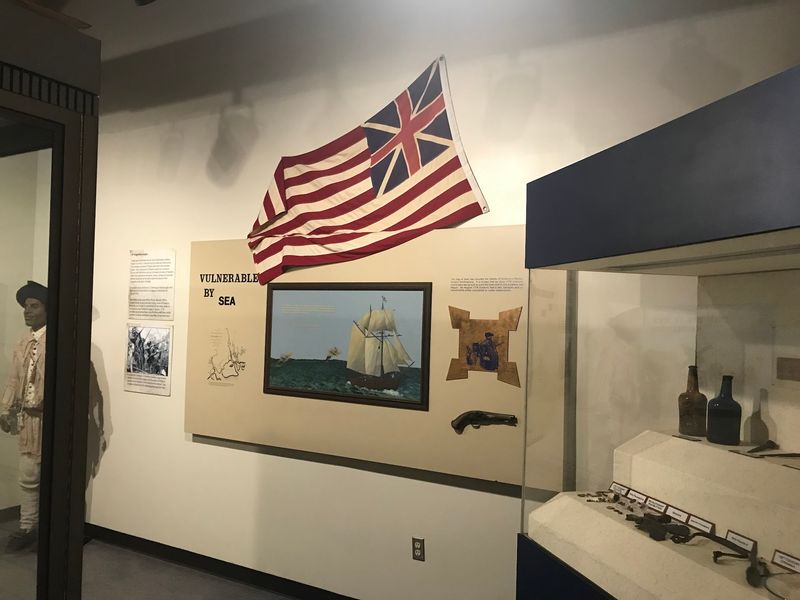
I almost skipped the visitor center to rush outside, and I am so glad I didn’t. The museum is compact, but every case and panel has something worth reading.
A short film, around ten minutes long, sets the scene beautifully.
The biggest surprise for me was learning about Sunbury. This colonial seaport once rivaled Savannah as a busy trading town.
Ships came and went, merchants did business, and the fort existed to protect it all.
Today Sunbury is called a ghost town, and only a few traces remain. Learning how such a lively port faded away was honestly as gripping as the battle itself.
Artifacts help you picture daily colonial life, from simple tools to bits of pottery.
Staff here really know their stuff and are happy to answer questions. The museum is usually staffed Friday through Sunday, while other days offer self-guided visits.
Calling ahead at 912-884-5999 is a smart move if you want the full experience.
There is also a small gift shop near the exit. I grabbed a postcard, and it now sits on my fridge as a little reminder of that defiant November day.
Climbing the Earthworks Where Soldiers Stood Guard
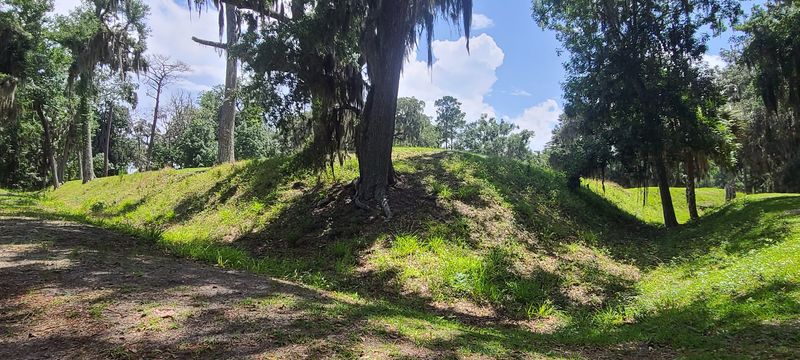
Forget towering stone walls. Fort Morris was built from wood and earth, and today the earth is what remains.
Grassy mounds trace the shape of an irregular four-sided fort, wrapped by a parapet and a moat.
At first the mounds looked like gentle hills to me. Then I read the signs, followed the outline, and suddenly I could picture soldiers crouched along the walls watching British ships.
That moment gave me goosebumps.
Cannons sit near the edges, and a flagpole rises above it all. Signs placed around the site explain what happened at each spot, so you never feel lost.
The walking is easy, even for younger kids or grandparents.
Here is a fun fact many visitors miss. The site also played a role during the War of 1812, so the fort’s story did not end with the Revolution.
My tip is to walk the full outline slowly. Stop at each sign, look out toward the river, and imagine 500 British troops waiting for an answer.
Wear comfy shoes and bring bug spray, since mosquitoes can be eager guests near the marsh, especially on warm afternoons.
Marsh Views That Made Me Slow Down
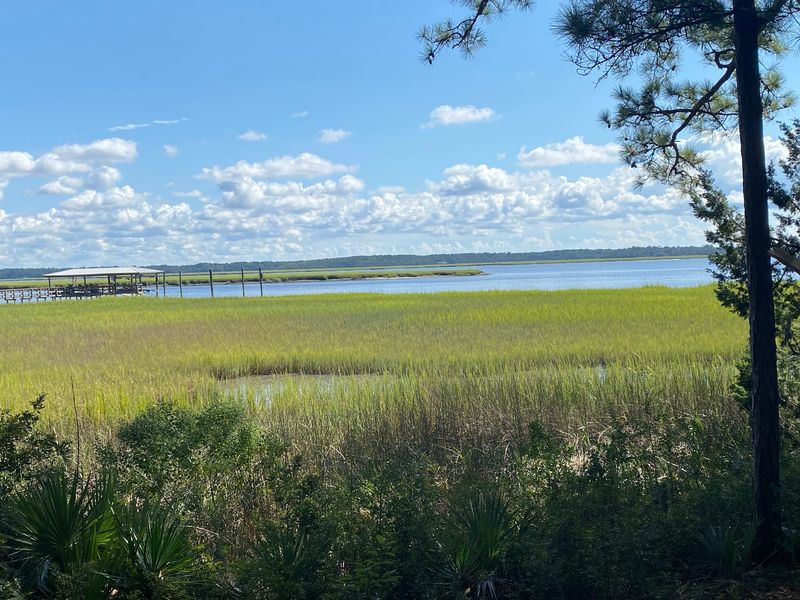
Something about salt air makes me breathe a little deeper. From the eastern end of the fort, the view opens across golden marsh grass toward the Medway River and St. Catherines Sound.
It is calm, wide, and quietly gorgeous.
I found a spot to sit and just took it in for a while. Tidal creeks curl through the grass like ribbons, and the colors change with the light.
Morning looks silvery, while late afternoon glows warm and soft.
Look down, too. Tiny fiddler crabs scurry across the mud, waving their one oversized claw like they are directing traffic.
Kids find them endlessly funny, and honestly, so did I.
The view also explains why the fort stood here in the first place. From this low bluff, soldiers could watch boats approaching Sunbury long before they arrived, which made it a perfect lookout.
Bring a camera or just your phone, because the scenery deserves a few photos. Even better, set the phone down for a few minutes.
Listening to the breeze in the grass and the distant bird calls was one of the most peaceful parts of my whole coastal Georgia trip.
Trail Time Under the Live Oaks
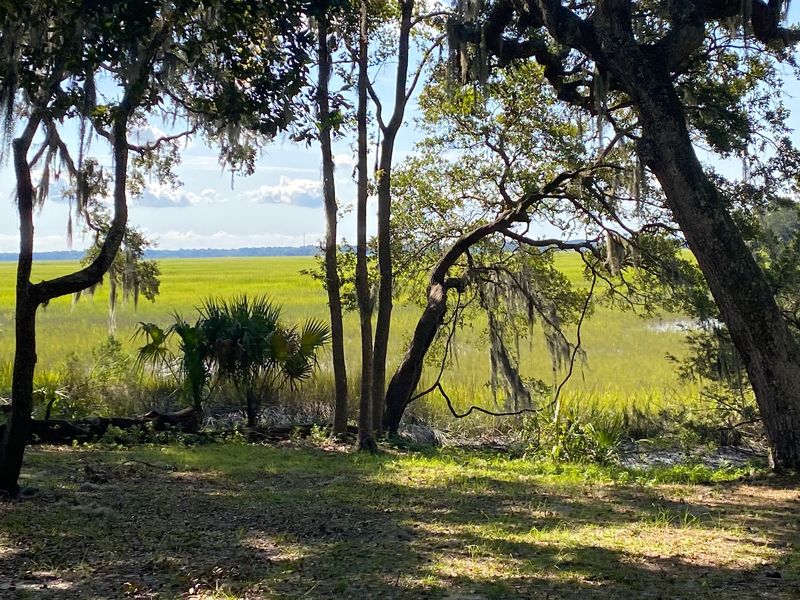
After all that history, my legs wanted a stretch, and the nature trail delivered. The loop runs about one mile through coastal forest, with blazed markers that keep you on track.
Spanish moss sways overhead like soft gray curtains.
Shade from the live oaks keeps things cooler on sunny days. Along the way, the path brushes close to the water, giving you more glimpses of the marsh.
It is short enough for kids but pretty enough to linger.
Birders, you are in luck. Visitors have spotted woodpeckers, goldfinches, and even colorful painted buntings around the park.
Binoculars and field guides are available to borrow, which is a sweet bonus if you forgot yours.
Butterflies flutter around the open areas in warmer months. Dogs on leashes are welcome, so your furry friend can tag along for the adventure.
Families should ask about the Junior Ranger program at the visitor center. Kids complete a booklet while exploring, and it turns the visit into a fun scavenger hunt.
Plan on an hour or two total if you want to enjoy the fort, museum, and trail without hurrying through any of them.
Picnic Lunch With a Side of Lowcountry History
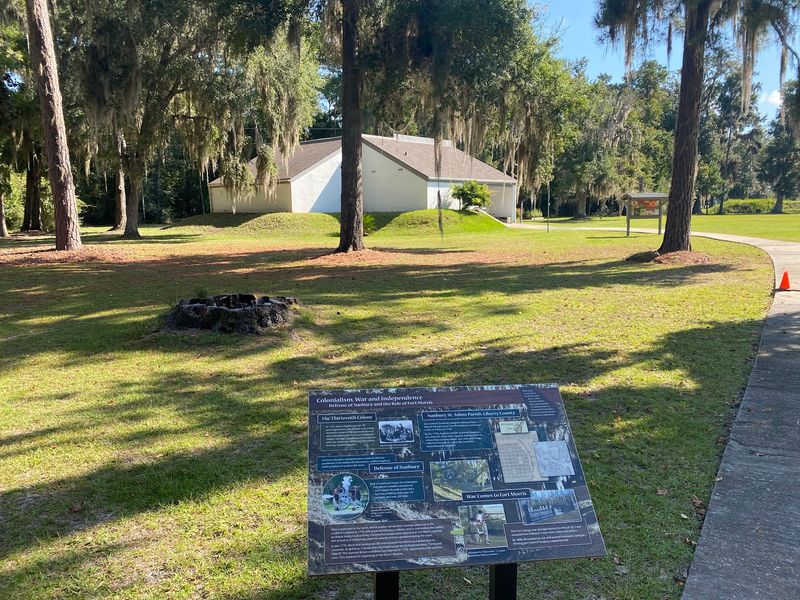
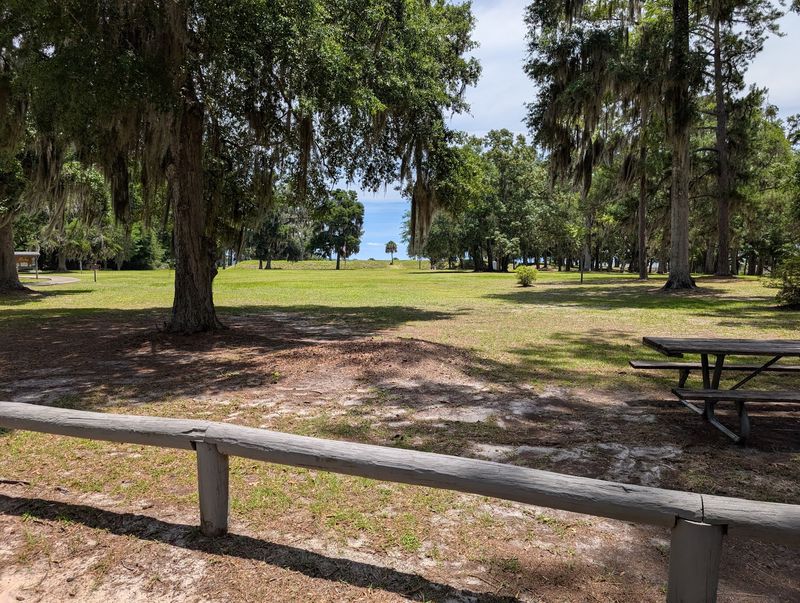
Food tastes better outdoors, and I packed a simple lunch to prove it. The park has picnic areas shaded by trees, so finding a cozy table was easy.
A gentle breeze off the marsh kept things comfortable.
Eating here got me thinking about what people ate long ago. Puritan settlers arrived around Midway in 1752 and became rice planters, building a strong farming economy.
Rice was the crop that shaped this whole coast.
Enslaved Central and West Africans did much of that work, and their descendants created the Gullah Geechee culture. Their cooking traditions, with rice, seafood, and rich flavors, still influence Lowcountry tables today.
The Geechee Kunda Cultural Arts Center in nearby Riceboro helps keep that heritage alive.
For your own picnic, think local. Boiled peanuts, a rice salad, or fresh fruit all feel right at home here.
Visiting in December? The Colonial Christmas celebration features colonial area treats, music, and a cozy bonfire.
Sampling old-fashioned goodies while learning their history is a delicious way to connect with the past, and it makes the holiday season feel extra special on the Georgia coast.
Cannon Booms, Reenactors, and a Seafood Finale
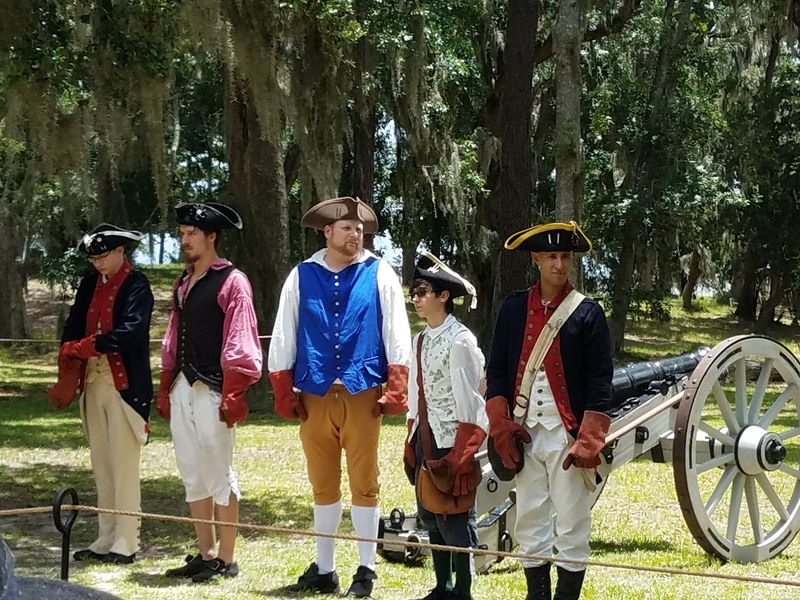
Nothing wakes you up like a cannon blast echoing over the marsh. Fort Morris hosts history programs throughout the year, and the reenactments are a real treat.
Volunteers dress in full period clothing and fire muskets and cannons.
Each November, the park honors McIntosh’s 1778 stand. Hearing that famous reply shouted again on the very same ground is pretty thrilling.
Fourth of July events have featured rifle demonstrations and hands-on fun like making butter.
Out front of the visitor center, kids can try old-time games that children played centuries ago. It is a playful way to learn without feeling like school.
When hunger strikes afterward, Sunbury Crab Company sits just down the road. This family-owned spot serves fresh local seafood with beautiful water views, and you can even arrive by boat.
Melody’s Coastal Cafe in Midway is another friendly choice, with a made-from-scratch kitchen, burgers, pizza, and tacos.
The site is open daily from 9 a.m. to 5 p.m., though holidays can change hours. Admission is about $4.50 for adults and $3 for children, a small price for this much history.
Address: 2559 Fort Morris Rd, Midway, Georgia 31320
