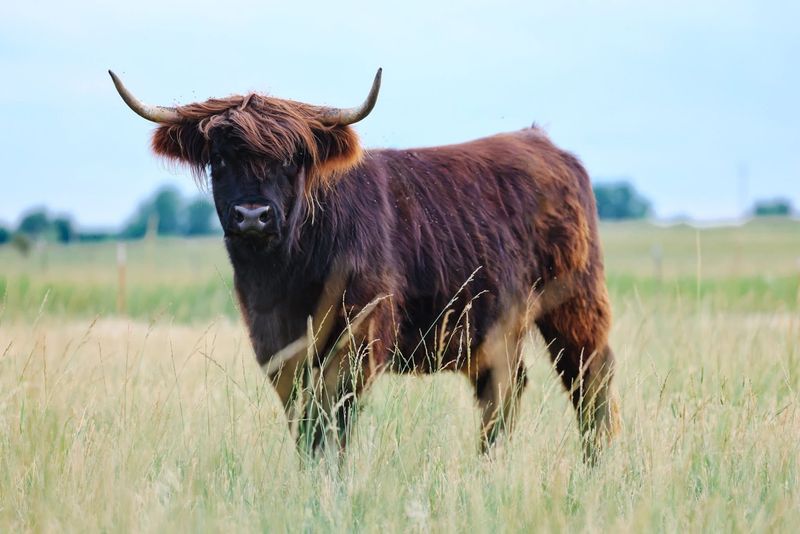
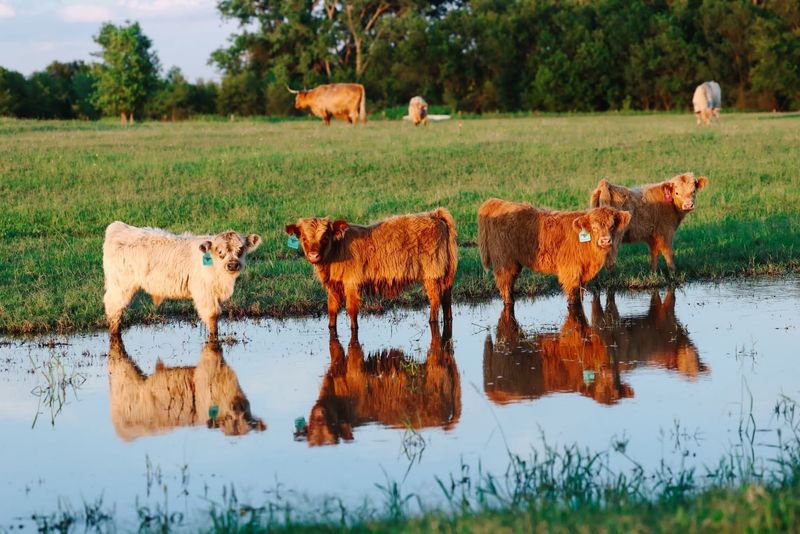
I went looking for a quick country detour and found myself face to face with a cow that looked like a walking orange shag rug. Somewhere off a quiet road in Oklahoma, a small ranch raises Highland cattle, the fuzzy Scottish breed with sweeping horns and bangs that hide their eyes.
Within minutes I wanted a brush in my hand and an afternoon with nowhere else to be. If you think farm stops are only for kids, this one might change your mind.
A Shaggy Herd Under Open Prairie Sky
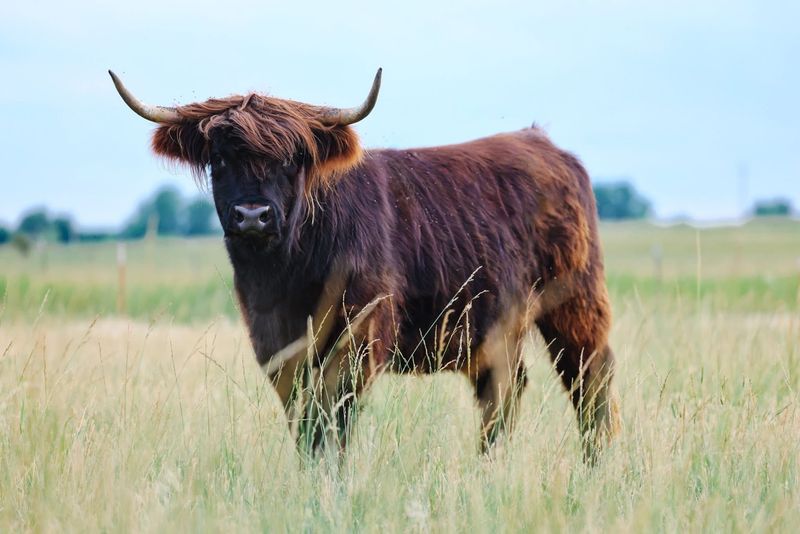
Picture flat, wind-brushed farmland stretching to the horizon, then add a cluster of long-haired cattle with horns curving like handlebars. That surprising scene is what greets visitors at Rocking K- Highlands, a working ranch in north central Oklahoma devoted to Highland cattle.
Plenty of ranches in the state run sleek black Angus or rangy longhorns. This one focuses on a breed that looks like it wandered out of a storybook, with thick coats in shades of red, cream, and black.
The animals are the reason people come, and honestly, they deserve the attention.
Unlike a big agritourism park with hayrides and gift shops, the ranch feels personal and low-key. It operates as a cattle operation first, raising Highlands and selling them to folks who want to start or grow their own herds.
Visitors often arrive curious, then leave talking about how beautiful the animals and the property turned out to be.
For adults who enjoy animals, rural scenery, or a slower kind of road trip, the appeal is easy to understand. There is no flashy setup here.
Instead, you get open pasture, friendly cattle, and the simple pleasure of being close to a breed most Oklahomans rarely see in person.
From Scottish Hillsides to Oklahoma Grass
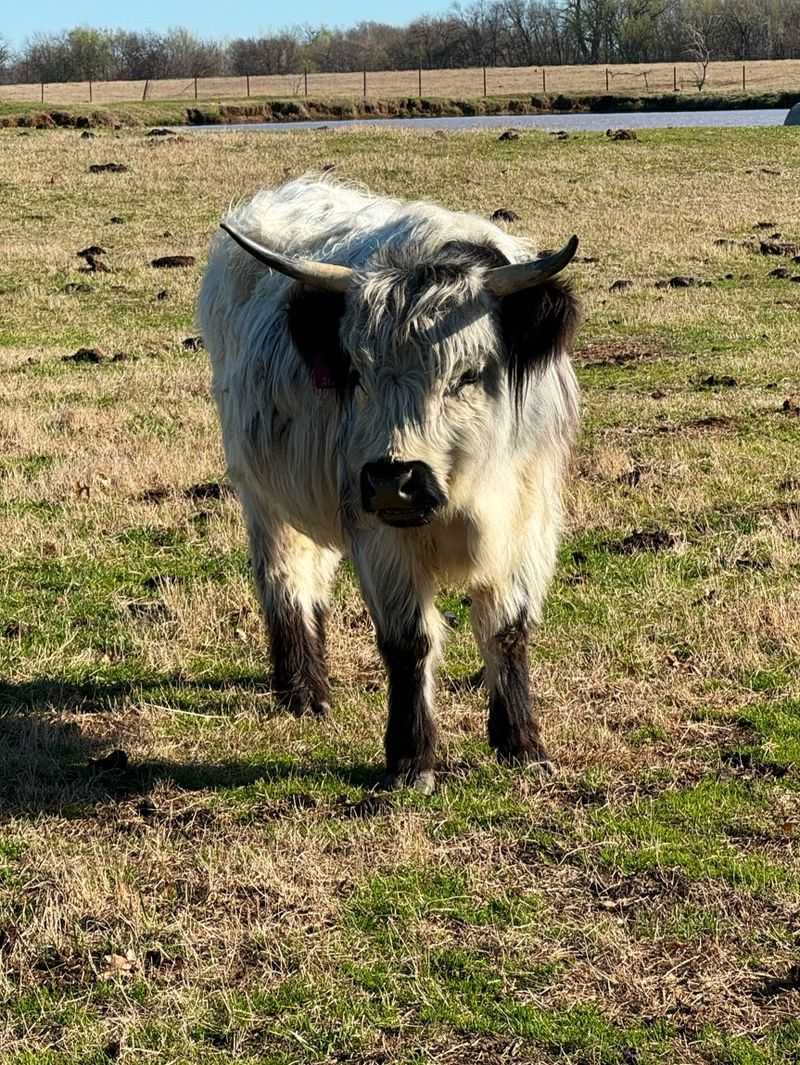
Long before they charmed anyone in Oklahoma, Highland cattle were surviving rain, wind, and rocky ground in the remote hills of Scotland. Farmers there valued them for toughness, and the breed is often described as one of the oldest registered cattle breeds in the world.
That famous coat has a job. Highlands grow a double layer of hair, a soft undercoat topped by long, oily outer strands that shed water and block cold winds.
The fringe over their eyes, sometimes called a dossan, helps keep flies and weather away.
Here is a fun bit of trivia: a group of Highland cattle is traditionally called a fold rather than a herd. The name comes from the stone shelters Scottish farmers once used to protect them on harsh nights.
So how does a cold-weather breed handle Oklahoma summers? Breeders typically make sure the animals have shade, water, and room to shed their heavier coats as temperatures climb.
Many owners find the cattle adapt well with good care.
Knowing a little history makes a visit richer. When you run your hand through that thick hair, you are touching centuries of practical breeding, carried all the way from the Scottish Highlands to the Great Plains.
Brushes, Bangs and That Famous Fluff
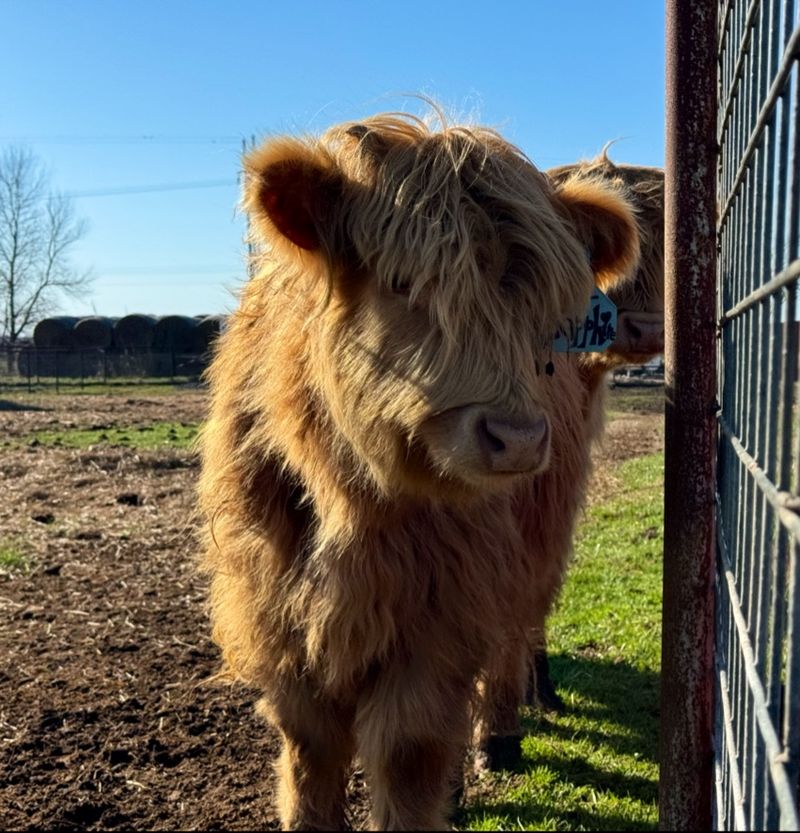
Grab a stiff brush, find a sunny spot by the fence, and suddenly an ordinary afternoon turns into something close to therapy. Brushing a Highland is the moment most people picture when they plan a trip to meet these cattle, and for good reason.
Highlands are generally known for calm, easygoing personalities, especially animals that have been handled regularly since they were young. Many seem to enjoy a good grooming session, leaning into the bristles the way a dog leans into a scratch behind the ears.
Their hair is surprisingly soft underneath the coarse outer layer.
Grooming also has real value for the animals. Brushing helps loosen shedding hair in spring, keeps coats tidy, and gets cattle used to people, which makes them easier to manage on a working ranch.
At a breeder like Rocking K- Highlands, hands-on time may depend on the day, the animals, and the purpose of your visit. Some guests come to admire the cattle, while others are shopping for their own.
Asking ahead about brushing or close contact is the smart move.
Wear closed-toe shoes and clothes you do not mind getting dusty. Fluffy hair has a way of following you home.
Tara’s Know-How and a Kind Welcome
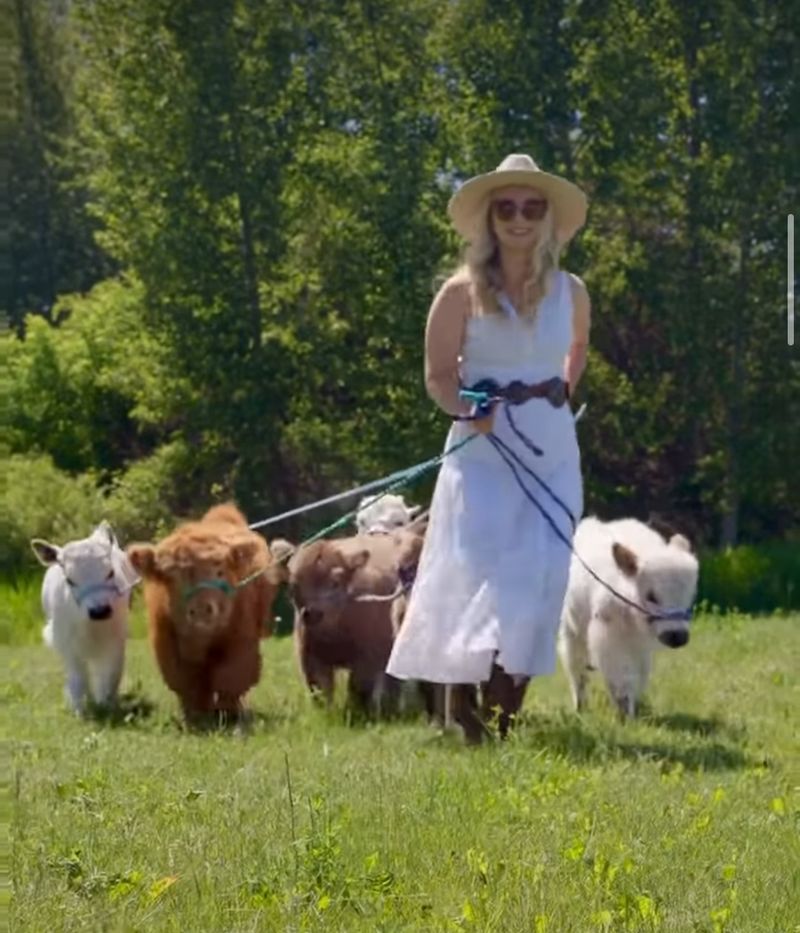
Good animals matter, but good people often make the trip. Visitors to Rocking K- Highlands regularly mention how kind the staff are, and one name comes up warmly: Tara, whose knowledge of the breed leaves a strong impression.
That kind of expertise is valuable if you are new to Highlands. Questions about feeding, handling, coat care, or how the breed copes with Oklahoma weather can be answered by someone who works with these cattle every day.
Guests have described leaving the ranch feeling more confident and excited about raising their own.
Buyers seem especially pleased. Families who purchased cattle here have praised both the people and the facilities, saying they were very happy with the animals they brought home.
Others have talked about planning to expand their herds and continue working with the ranch.
For casual visitors, that same patience means you are unlikely to feel rushed or out of place. Curious adults, grandparents, and kids who want to learn something real about livestock can all benefit from a conversation.
In a world of self-guided tours and screens, there is something refreshing about a place where a real person takes time to explain what makes her animals special. It turns a quick stop into an education.
Tonkawa, Kay County and the Road North
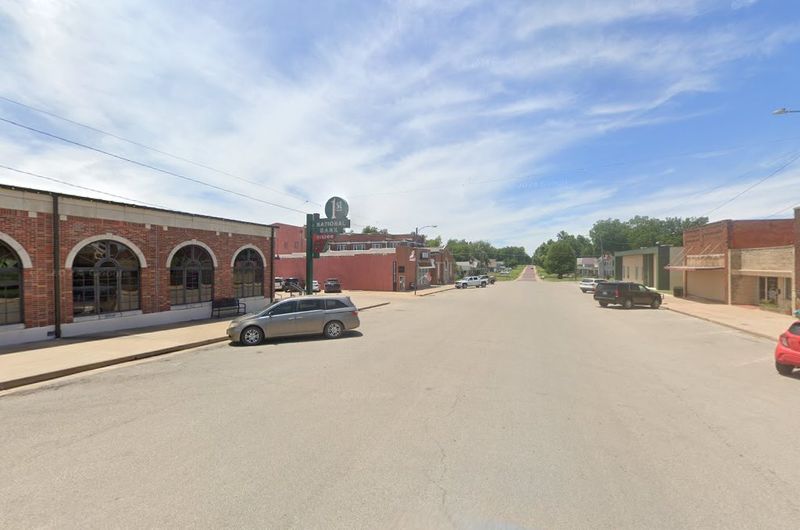
Now for the big reveal. Rocking K- Highlands sits near Tonkawa, a small town in Kay County close to the Kansas line, with a mailing address in the 74653 ZIP code.
Tonkawa is an easy place to reach. Interstate 35 runs right past town, so drivers from Oklahoma City can typically make the trip in about an hour and a half.
Coming from Tulsa usually takes a little longer, roughly two hours depending on your route. Ponca City is a short hop to the east, and Wichita sits not far north for Kansas travelers.
The town carries the name of the Tonkawa Tribe of Indians of Oklahoma, a federally recognized nation whose headquarters are in the area. It is a reminder that this corner of the state holds deep history alongside its wheat fields and grain elevators.
Because the ranch lists a town and ZIP rather than a street address, check the official website at rockingkbarhighlands.com or reach out before heading out. Rural directions can be tricky, and confirming the route saves frustration.
Once you are close, expect quiet roads, wide fields, and that satisfying feeling of finding something special in a place most travelers only pass on the interstate.
Who Leaves Happiest From a Ranch Stop
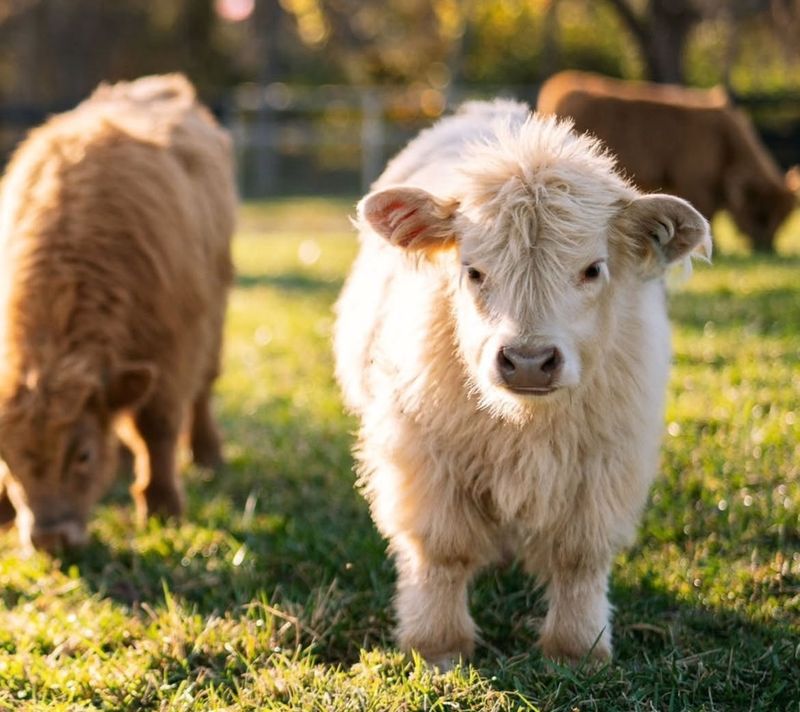
Some people come for photos. Others come with a trailer and a plan.
Rocking K- Highlands quietly serves both, which gives it a mood unlike a typical petting farm.
Hobby farmers and small-acreage owners may get the most out of a visit. Highlands are popular with folks who want a hardy, manageable breed for pasture, and buying from a breeder with well-kept facilities offers real peace of mind.
Several buyers have shared that they were thrilled with their purchases.
Animal lovers without a single acre to their name still find plenty to enjoy. Watching these cattle move across a field, flipping their bangs and swinging those horns, is calming in a way that is hard to describe.
One recent guest summed up the feeling with pure, enthusiastic love.
Grandparents and parents looking for a low-cost, low-stress outing can bring kids along too, as long as everyone follows ranch rules around livestock. Children usually remember a fuzzy calf far longer than another trip to the mall.
The atmosphere leans peaceful rather than busy. Expect farm sounds, open air, and a chance to talk shop or simply stand at the fence and admire some very photogenic cows.
Hours, Booking and Prairie Weather
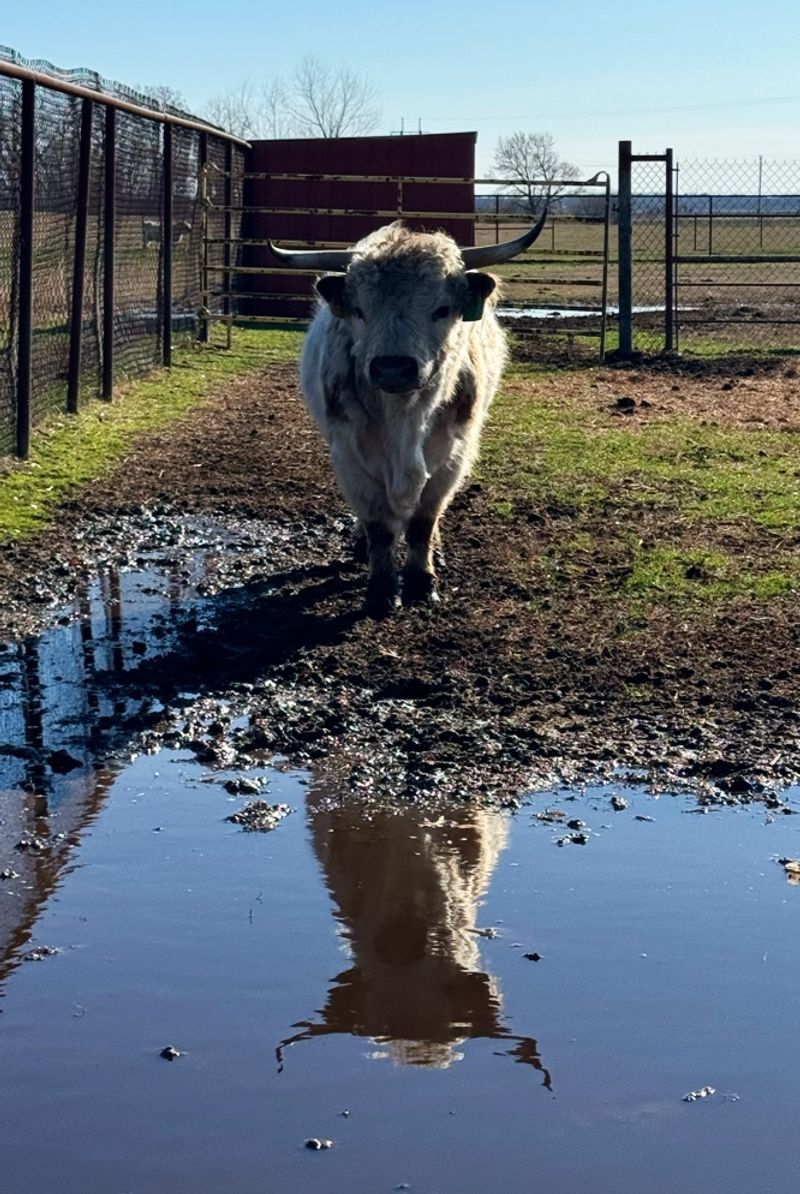
Planning is simple, with a few smart checks. The ranch typically lists hours of 9 AM to 4 PM, seven days a week, which makes weekend road trips especially convenient.
Even so, a working ranch is not a theme park. Chores, sales, weather, and animal needs can shift schedules, so contacting the ranch through its website before you go is wise.
Asking whether visits require an appointment and whether brushing or close contact is available may save you a wasted drive.
Pricing for visits is not widely published, so confirm any costs directly. If you are interested in buying cattle, ask about available animals, registration, and transport well in advance.
Oklahoma weather deserves respect. Summer afternoons often climb into the high 90s, and north central winds can be fierce, so morning visits tend to feel more comfortable for people and cattle alike.
Spring brings storm season, and checking the forecast is just good sense.
Pack water, sunscreen, a hat, and sturdy closed-toe shoes. Leave dogs at home unless the ranch says otherwise, since livestock can get nervous around unfamiliar pets.
A little preparation keeps the focus where it belongs, on those wonderfully woolly cows.
Worth the Detour Off Interstate 35
Funny how the smallest stops leave the biggest impressions. Rocking K- Highlands does not have a ticket booth, a snack bar, or a parking lot full of tour buses, and that is exactly its charm.
What it offers instead is honest and memorable: rare cattle with personality to spare, a knowledgeable rancher who clearly cares about her animals, and the quiet beauty of north central Oklahoma farmland. For anyone curious about Highlands, whether as future owners or simply fans of a fluffy face, the visit can feel like a gift.
Adults especially may appreciate the pace. There is no pressure to hurry from one attraction to the next, just time to ask questions, take pictures, and maybe run a brush through a coat that seems too soft to be real.
Pair the stop with a meal in Tonkawa or Ponca City, and you have an affordable day trip that feels far richer than the miles suggest. Reach out ahead, plan around the heat, and keep expectations grounded in ranch life.
Chances are good you will drive home a little calmer, a little dustier, and already thinking about when you can come back to see the herd again.
