Most of us learned in school that America’s oil story started in Pennsylvania, and we never thought twice about it. Then you walk into an old brick building in West Virginia, expecting a quick look around, and find yourself still reading signs three floors later with a head full of questions.
The truth is that our own hills and river valleys were pumping oil right alongside, and maybe even a hair ahead of, the famous wells up north. It is a story of salt, fire, fortune, and grit, and it deserves a spot in every West Virginian’s memory.
A Pumping Story Older Than the Textbooks
Ask most folks where the American oil industry began and they will point to Titusville, Pennsylvania, in August 1859. Here in West Virginia, though, plenty of history lovers will politely raise a hand and say, not so fast.
Oil was flowing from a well near a spot called Burning Springs that very same year.
Some historians have even suggested the Burning Springs well may have started production a single day ahead of Edwin Drake’s famous strike. That claim is debated, so take it with a grain of salt, which turns out to be fitting, as you will soon see.
What nobody really disputes is that when the Civil War began, Burning Springs and Titusville were reportedly the only two producing oil fields in the entire world.
A small, crowded, wonderfully old-fashioned museum keeps that story alive, along with a sister site out in the countryside where the original well still stands. Together they make a convincing case that our state, then still part of Virginia, sat right at the front of the line in the global race for black gold.
Before we get to the museum itself, though, the story has to start somewhere unexpected. It starts with salt.
Salt Makers, Nuisance Oil, and a River Called Old Greasy
Picture a saltmaker in the early 1800s, cursing at a brine well that keeps coughing up smelly black goo. To him, oil was a pest.
It ruined good brine, and so much of it was reportedly dumped into the Kanawha River that boatmen nicknamed the waterway Old Greasy.
Long before that, Native Americans knew about the burning springs, natural gas vents and oil seeps along the Little Kanawha, Kanawha, and Big Sandy rivers. George Washington himself visited one on the Kanawha in 1775 and made a note of it.
People clearly understood something unusual was bubbling up from these hills.
The real turning point came from tools, not discoveries. As early as 1806, the Ruffner brothers developed drilling jars and casing to reach deeper salt deposits.
Those inventions later became standard equipment for oil drilling all across the country, which means a good chunk of the industry’s toolkit was born in a West Virginia salt yard.
By 1826, oil gathered from local wells was already lighting lamps in workshops and factories. That is one of the earliest documented commercial uses of oil in the nation, more than thirty years before anyone in Titusville picked up a drill.
The Rathbone Brothers and Their 500-Barrel Gamble
Every boom needs a family willing to bet the farm, and Burning Springs had the Rathbones. Brothers J.
Cass Rathbone and John V. Rathbone had spent years skimming oil off the surface of the Little Kanawha River and selling it as a medicine called rock oil.
In 1852, a salt well they drilled near the springs was abandoned because it produced more oil than salt. Imagine being disappointed by that today!
In 1859 the brothers leased the oily old well, and Samuel D. Karnes began pumping about seven 40-gallon barrels a day.
Encouraged, the Rathbones went all in. In 1860 they drilled a dedicated well down 303 feet and hit what became the famous Rathbone Well.
Accounts say it produced around 500 barrels per day, a staggering number for the time.
Word traveled fast, and by 1861 a full rush was underway in what had been quiet wilderness. Early drillers often relied on the spring pole method, using a bent tree’s natural bounce to drive a chisel into the ground, slow work that took real patience.
That well is still there, restored and considered by many to be the oldest surviving oil well anywhere.
Boomtown Lights and the Night the River Caught Fire
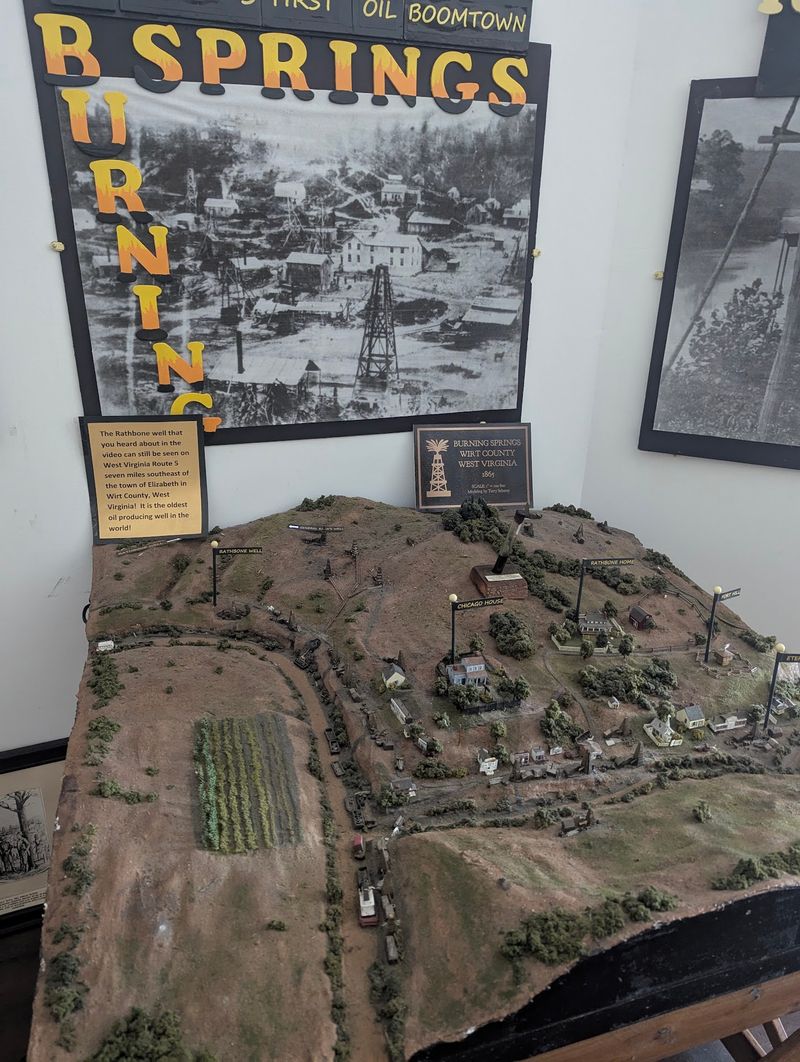
Around 100 people lived near Burning Springs before the oil came. Within roughly a year, estimates put the crowd at 10,000, with some records claiming as many as 15,000.
A town about a mile and a half long sprang up along the riverbank, packed with hotels, stores, machine shops, blacksmiths, and oil supply businesses. Barrel makers kept busy, and barges carried crude downriver to Parkersburg.
Gas escaping from the wells even lit the streets, which must have looked magical to new arrivals.
Then came May 9, 1863. Confederate General William E.
Jones led a raid on the oilfield, often described as the first military attack on an oilfield in modern history. His troops set derricks, equipment, and storage tanks ablaze to keep the Union from benefiting.
Jones claimed 150,000 barrels went up in flames, though historians today tend to estimate somewhere between 22,000 and 120,000. The Little Kanawha itself reportedly burned for miles, and only a few buildings were left standing.
Here is the remarkable part. Production restarted within a year, and the Rathbones sold their interests in 1865 for about $400,000.
West Virginia grit, it seems, was there from the very beginning.
An 1874 Building on Parkersburg’s Third Street
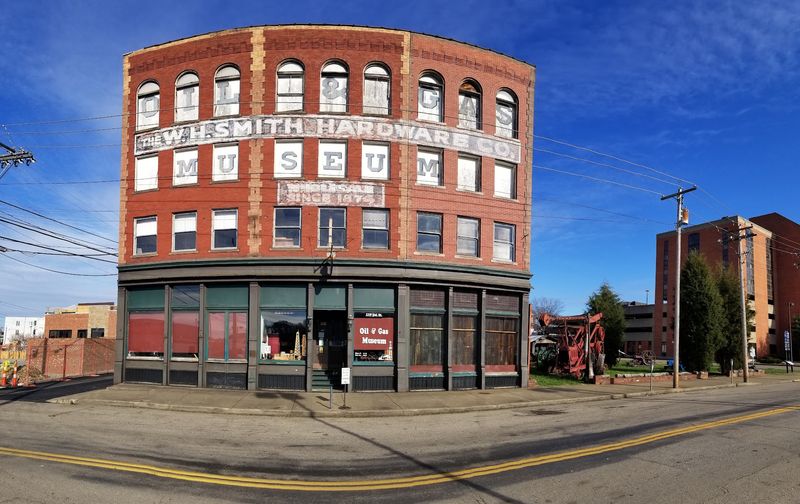
All that crude floating down the Little Kanawha had to end up somewhere, and that somewhere was Parkersburg. The river town grew into a major refining hub, turning oil into kerosene for lamps and lubricants for machinery, and it gained wealth and political clout along the way.
So it makes perfect sense that the main home for this history sits right in downtown Parkersburg. The Oil and Gas Museum occupies an old building that visitors say dates to 1874, and plenty of guests are simply glad it is still standing.
One longtime fan put it plainly, praising the city for keeping at least one historic structure from the wrecking ball.
From the sidewalk, it looks modest. Step inside, and people keep using the same idea to describe it: the building seems bigger on the inside, with rooms and halls that appear to go on forever.
The museum is part of the Museums of the Mid-Ohio Valley family. It also serves as the parent of the smaller Burning Springs site, which you can visit out in Wirt County.
Think of downtown as the library and Burning Springs as the actual scene of the story. Seeing both gives you the full picture.
Three Floors of Treasures, Tools, and Marble
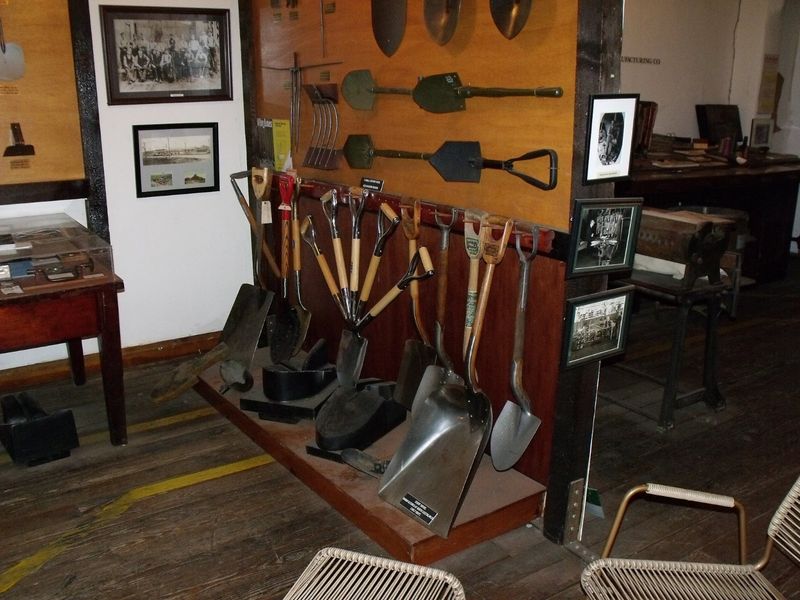
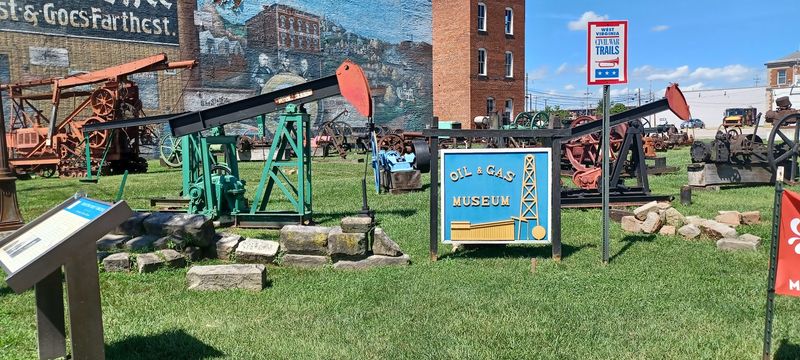
Fair warning: the name on the door undersells what is inside. Yes, there is plenty about drilling, pumping, and refining, but visitors regularly point out that the collection spills far beyond oil and gas.
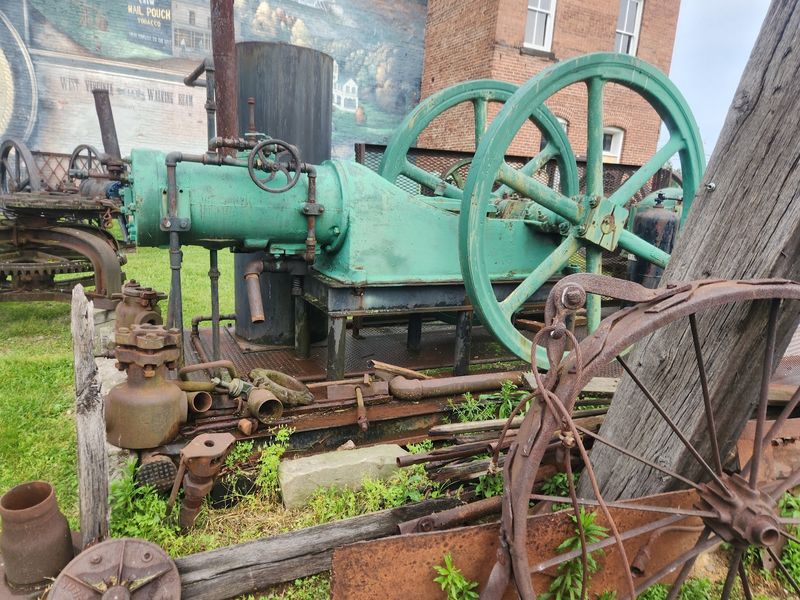
Three floors are packed with antiques, historical items, and what one guest lovingly called the tools that built America. You will find exhibits touching on the Civil War and World War I, plus a fun history of old gas stations and the products distilled from crude.
One family even donated photos of the gas station their relatives opened during the Depression.
A couple of spots get special mention. The marble room is a favorite, and the basement, crowded with parts and pieces of machinery, delights anyone who likes seeing how things work.
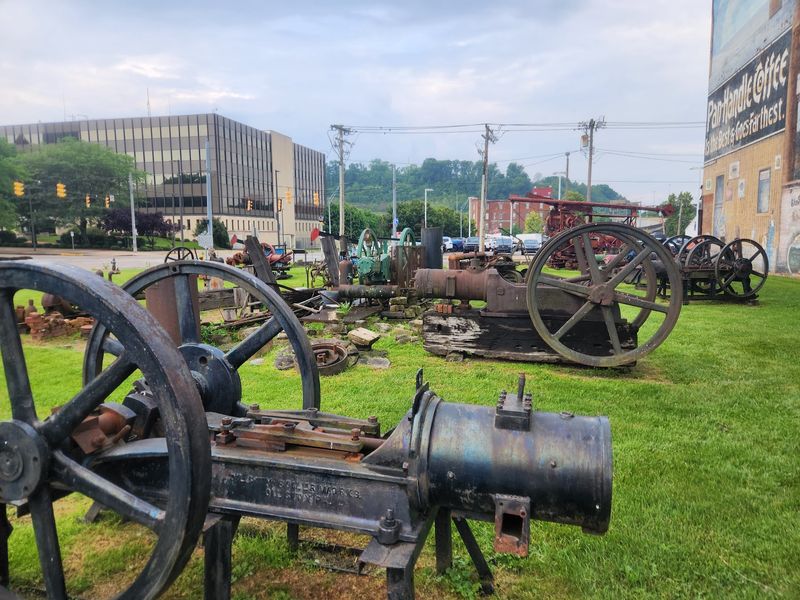
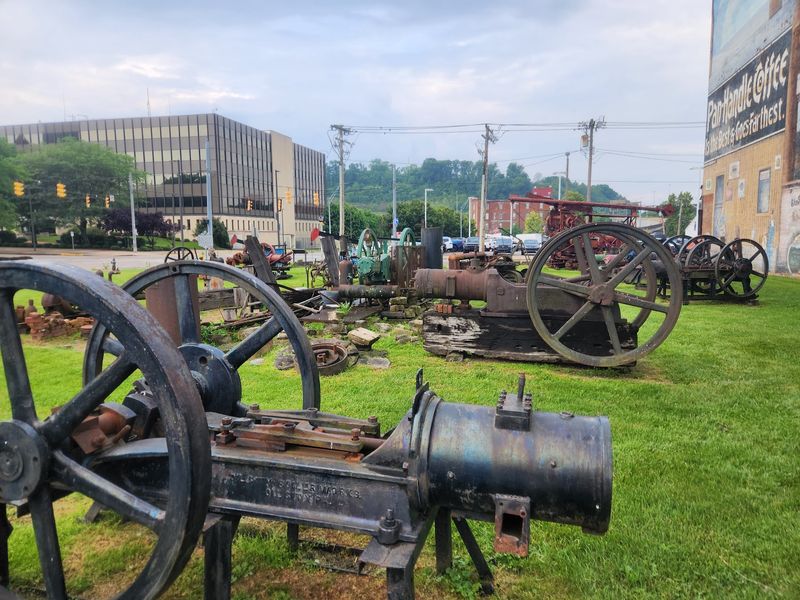
Outside, a side yard holds old tractors and equipment. One traveler who arrived after closing still enjoyed wandering among them in the evening and snapping photos.
The sheer amount can feel overwhelming in the best way. Several guests admit they ran out of time and plan to return, and one compared it to a small-town version of the Smithsonian.
Pace yourself, wear comfy shoes, and expect to linger.
Friendly Faces, Old Floors, and Who Will Love It
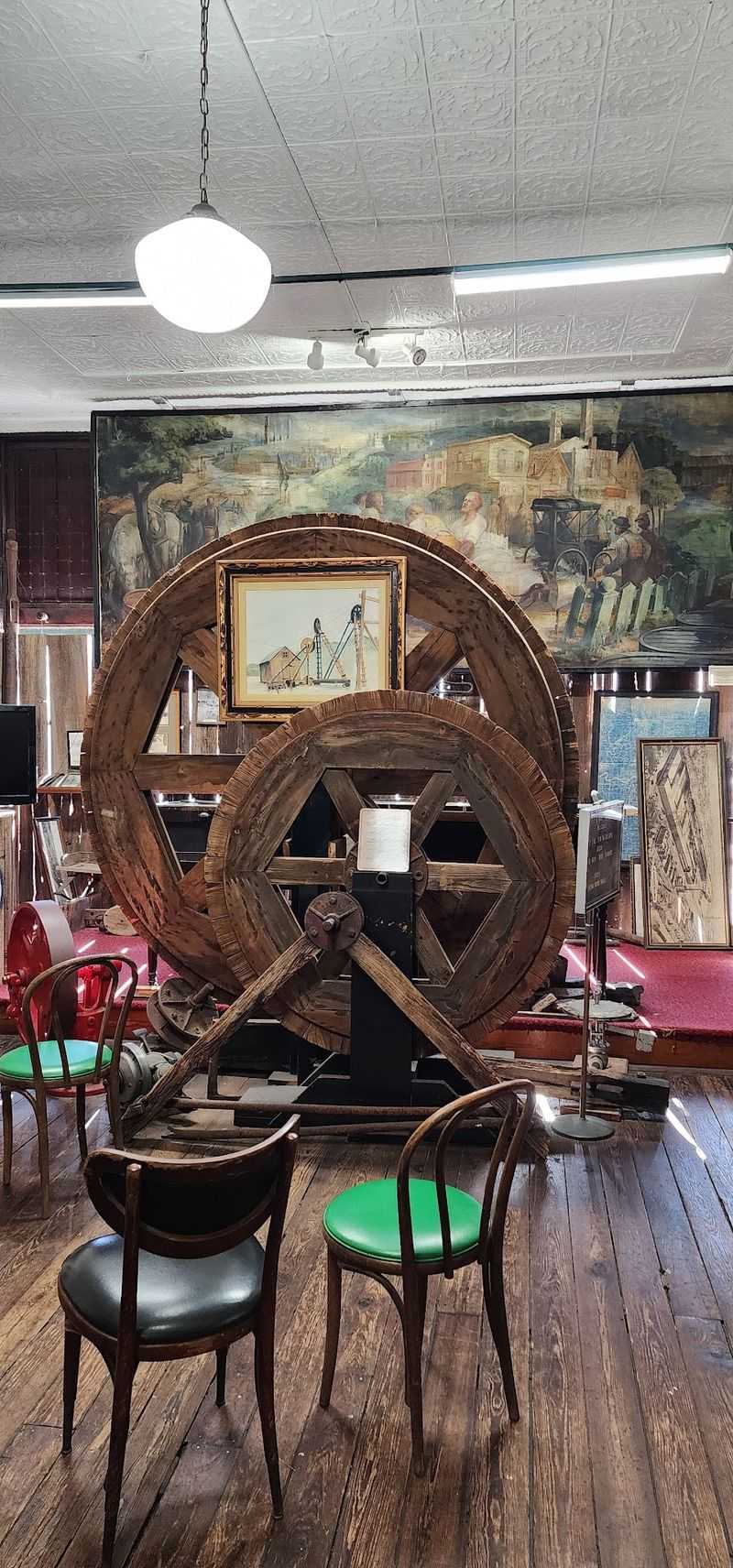
Here is a place where the people matter as much as the artifacts. Friendly staff come up again and again in visitor comments, with folks praising helpful guides and a curator whose knowledge of the area overflows with stories and local facts.
The feel is casual rather than polished. You will not find fancy touchscreens on every wall, just room after room of real objects and lots of signs to read.
History buffs, antique collectors, and retirees who remember kerosene lamps and full-service gas stations tend to feel right at home.
Kids can have a ball too. One parent described exploring from top to bottom with their child and having a great time.
A few honest heads-ups help set expectations. Because the building dates to the 1800s, it is not fully accessible, and at least one visitor noted that the elevator needed repairs and narrow aisles could be hard to navigate with a wheelchair.
Comfort can vary with the season as well. Some guests mention air conditioning, while another found it too warm on a hot day, so summer visitors may want to come earlier in the afternoon.
Going in with patience pays off nicely here.
Planning a Visit and a Gentle Verdict
Ready to go? The museum is generally open Wednesday through Friday from 11 AM to 5 PM, and Saturday and Sunday from noon to 5 PM.
It is closed Mondays and Tuesdays.
Admission has been reported at around $7 for adults, though that figure comes from a few years back, so check the Museums of the Mid-Ohio Valley website for current prices. Free parking is available behind the building, according to recent visitors.
One smart tip: confirm hours before a long drive. A handful of travelers found the doors locked during posted times because of staffing issues, so a quick check online can save some heartache.
You will find the museum at 119 3rd St, Parkersburg, WV 26101. To round out the trip, head to Burning Springs Park on Route 5 near Elizabeth in Wirt County, reached from the Mineral Wells exit off Interstate 77.
The 31-acre roadside park with its signs and the restored Rathbone Well is open anytime, and the museum building there is by appointment.
Is it worth it? For anyone proud of where West Virginia came from, this pairing is a quietly wonderful way to spend a day.
Do you remember an old oil derrick near your hometown?
