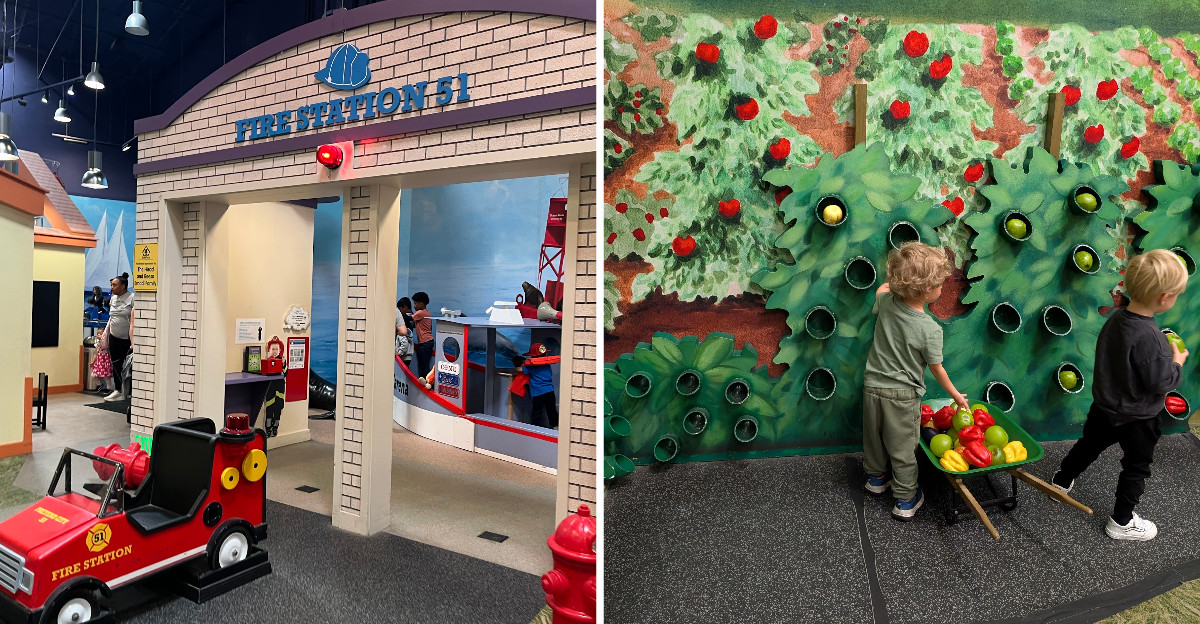
Somewhere in California, children can push tiny shopping carts through a grocery store, repair a pretend race car, and deliver packages around a miniature city. Nobody earns a paycheck, but the opportunities to try different jobs seem almost endless.
The child-sized streets connect a post office, a farm, a fire station, and a restaurant where young chefs prepare imaginary meals. Traffic lights and crosswalks add another layer of realism, turning everyday routines into playful adventures.
I love how the entire place gives children room to create their own stories. Parents become shoppers, customers, and passengers while their little ones take charge of everything from grocery runs to emergency calls.
Instead of watching adults handle the world, children get to explore it on their own terms. Every corner offers another chance to experiment, make decisions, and discover something new through play.
Welcome To A Town Where The Mayor Is Probably Four
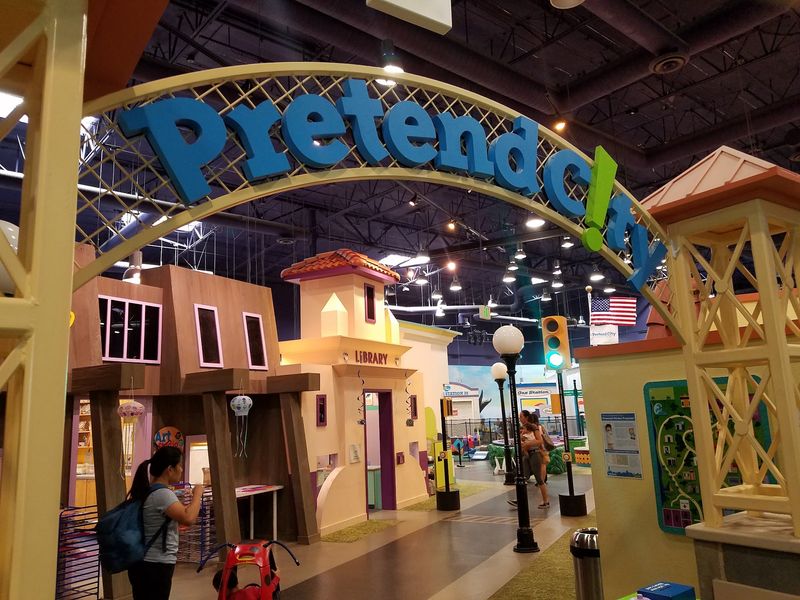
Pretend City Children’s Museum in Irvine is built like a real little town. Streets, shops, and public buildings fill the space, all sized for small hands and short legs.
The idea is simple and pretty brilliant. Kids learn how a community works by actually working in it, one pretend job at a time.
Every area connects to something children already know from daily life. Grocery runs, mail delivery, emergency calls, and car repairs all get their own spots.
That familiarity is what makes the play click so fast.
Children wander from one zone to another without needing a schedule. One minute they’re stocking shelves, and the next they’re answering a fire call.
Nobody tells them which story to play.
The museum focuses on learning through play for young children. Imagination, problem-solving, and independence all get a workout here.
It just happens to look like a wildly busy afternoon in a very small city.
Parents still have a role, of course. You might get assigned as a shopper, a patient, or a hungry customer.
Accept the part with grace, because the casting director is usually tiny and very serious.
A visit here feels less like a museum tour and more like a fresh story. Each kid writes their own plot, and the town provides the stage.
Your Kid Is About To Become The Pickiest Grocery Shopper Ever
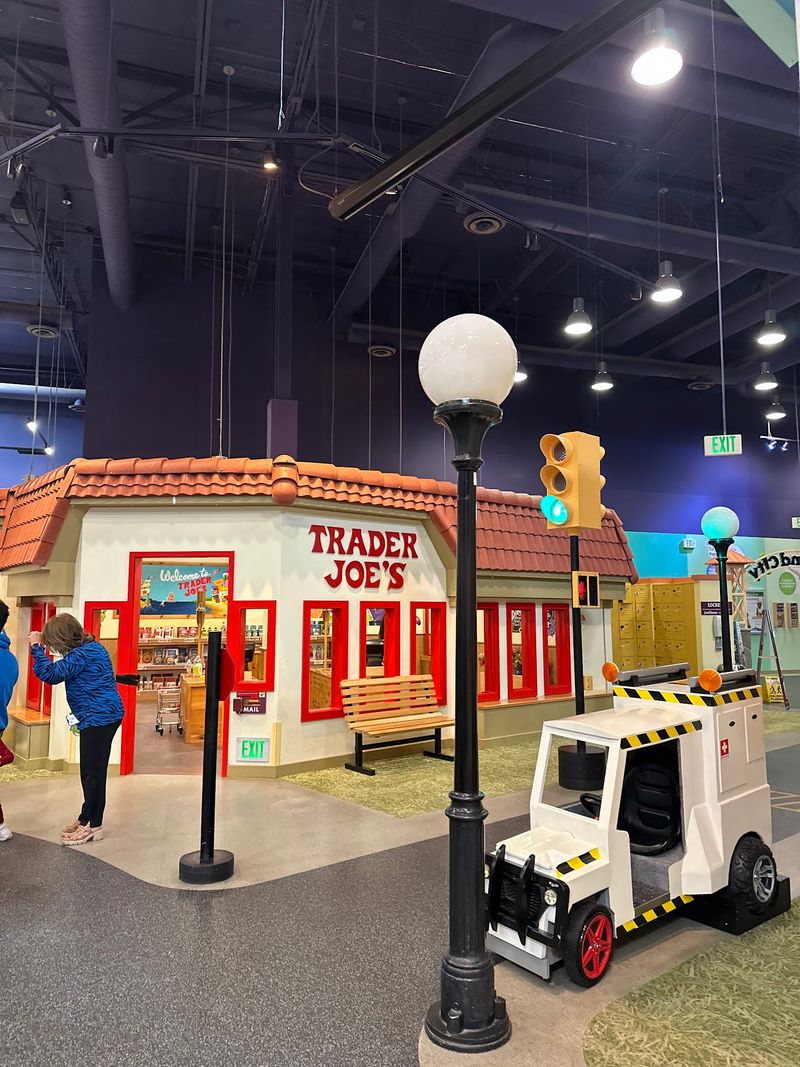
Tiny shopping carts change everything. In the pretend Trader Joe’s market, kids grab their own cart and fill it with play groceries.
This might be the most popular errand in town. Little shoppers browse shelves, choose items, and head to checkout like they’ve done it a hundred times.
Shopping play sounds simple, but it packs in real skills. Kids practice making choices, sorting items, and taking turns at the register.
Some even start reading labels with surprising focus.
The best part is the role-swapping. One child shops while another runs the checkout counter.
Then they trade, and the whole story starts again.
Here’s a friendly tip for parents. Help put items back on the shelves before you move on.
The next young shopper will appreciate a fully stocked store.
You may also notice something funny at home afterward. Your next real grocery trip could include a small consultant with strong opinions about produce.
Consider it a sign the lesson stuck.
For toddlers especially, this zone feels like a big deal. Pushing a cart that fits them is pure independence on wheels.
Expect a proud grin and at least one very full basket of pretend snacks.
Real Tools, Tiny Mechanics, And A Race Car That Needs Help
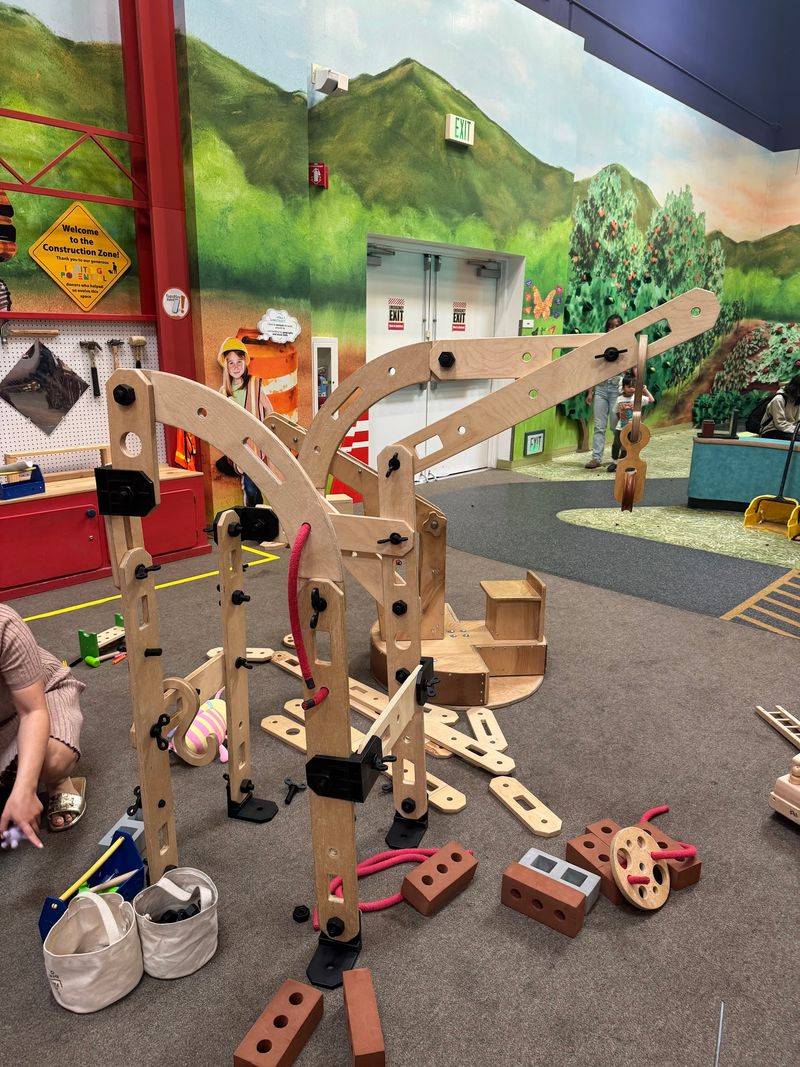
The miniature garage gives young mechanics a chance to explore car repairs through hands-on pretend play. Children can examine vehicle parts, experiment with child-friendly tools, and imagine themselves running a busy repair shop.
That detail makes young mechanics feel like the real thing. Turning a tool and seeing a part move is deeply satisfying when you’re five.
A gas station sits nearby with cars ready to fuel up. Kids can pull in, fill the tank, and roll back onto the road.
The whole routine mirrors what they see from the back seat.
Hands-on fixing builds patience and problem-solving. Kids figure out what goes where, then put it all back together.
Mistakes just mean another try.
Parents should plan for some extra time here. Little mechanics can get very attached to a single repair job.
It’s hard to argue with that kind of focus.
The garage also fits kids who love movement and machines. Building, twisting, and fixing keeps busy hands happy.
It’s a great spot for children who aren’t into quieter play.
Who knows, you might be raising a future engineer. At the very least, you’ll have someone eager to inspect your tires.
Just keep the real wrench at home.
Sirens, Badges, And Packages That Must Arrive On Time
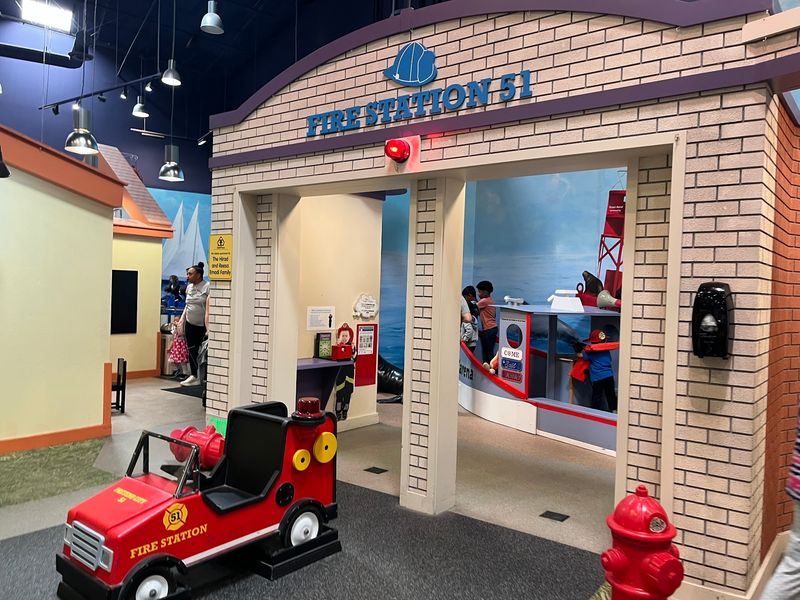
Emergency calls happen all day in this town. Kids can suit up at the fire station or keep the peace at the police station.
These spots let children explore helpers they see in real life. Firefighters and officers feel less scary once you’ve played the role yourself.
Then there’s the mail. The post office and a pretend UPS delivery van let kids sort and deliver packages.
Grown-ups often provide the pushing power for the van.
Delivery play is surprisingly organized. Kids pick up a parcel, choose a destination, and complete the route.
It’s a sneaky lesson in planning and responsibility.
The streets add another layer of learning. A pretend traffic light system with crosswalks shows kids how road safety works.
Red means stop, even in a city built for preschoolers.
Community helpers make great conversation starters. Ask your child what a firefighter does, or where a letter goes.
Their answers might be charmingly creative.
Many families find these zones a highlight. They combine action, teamwork, and a sense of importance.
After all, somebody has to deliver that urgent box of imaginary goodies, and your kid is clearly the best driver in California.
Harvest Time Comes Early On This Tiny Farm
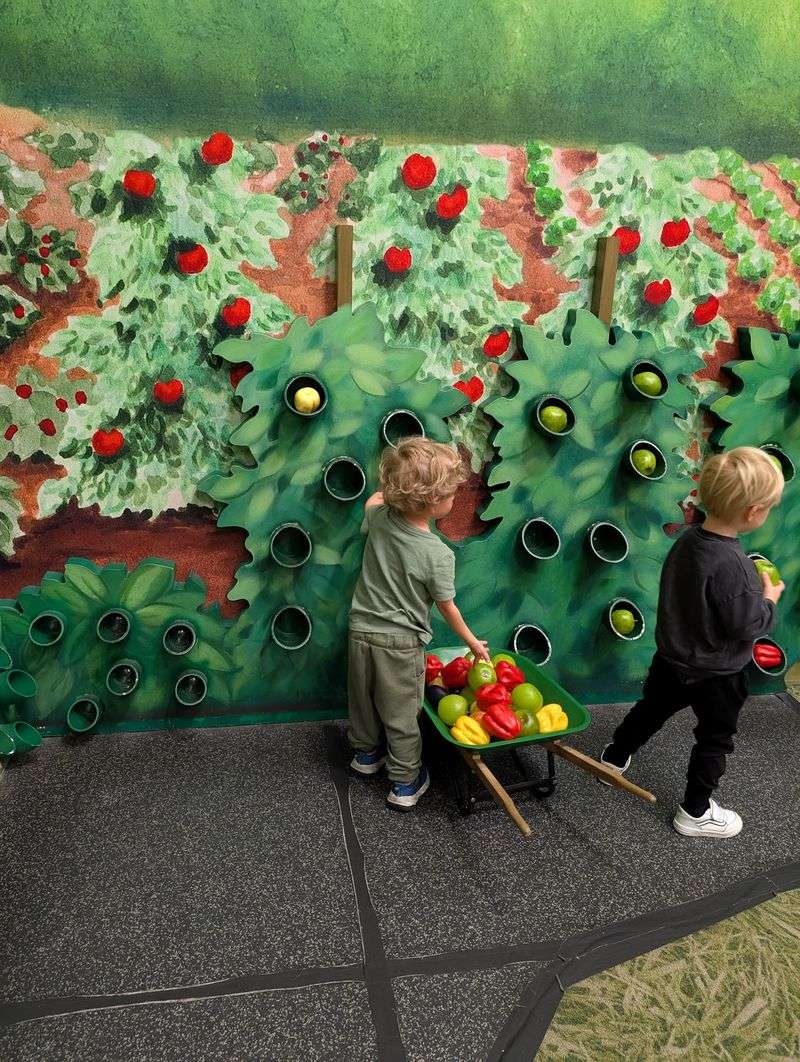
Carrots that never wilt might be the dream. On the museum farm, kids harvest play fruits and vegetables from garden beds.
Planting and picking turns food into a story. Children start to see where groceries come from before they hit the store shelves.
The farm connects nicely with other parts of town. Harvest a few veggies, then cook them in the restaurant or shop for more at the market.
Kids love following food from start to finish.
Little farmers practice sorting, counting, and naming foods along the way. It’s easy learning that never feels like homework.
Toddlers especially enjoy the simple picking motion.
Parents can join in with gentle questions. Which veggie is orange?
What grows on a tree? These small chats stretch the play without slowing it down.
This area tends to feel calmer than the busier zones. It works well as a reset when energy runs high.
A few minutes of harvesting can settle an overexcited kid.
The farm also suits mixed ages nicely. Older kids can run the operation while younger siblings help gather the crops.
Everyone gets a job, and nobody has to wake up at dawn to feed animals.
Order Up! The Chefs Are Short And Very Busy
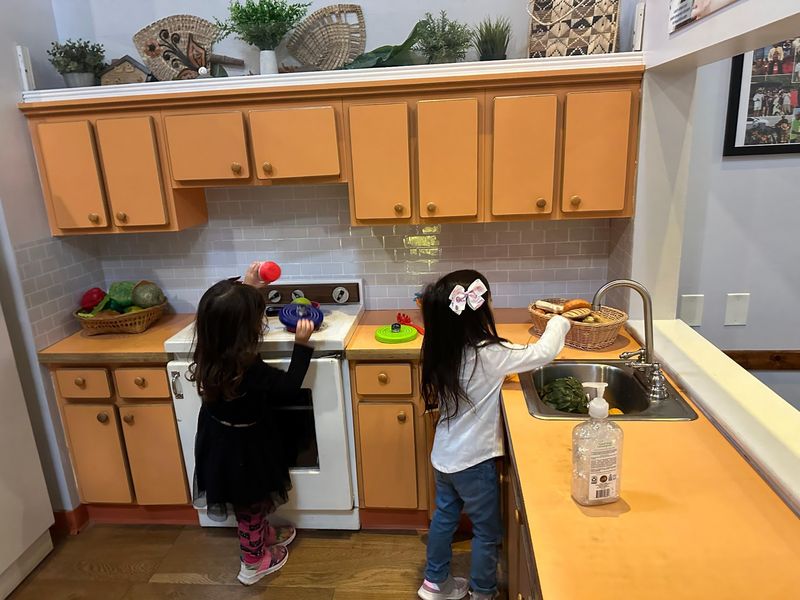
Grown-ups make excellent customers. In the pretend restaurant, kids cook play meals and serve them to anyone willing to sit down.
Take a seat at the counter and wait for your order. The menu changes based on whatever your chef dreams up.
Cooking play builds early social skills. Kids take orders, prepare dishes, and deliver them with care.
Some even practice manners like asking what you’d like.
Restaurant play also encourages teamwork. One child cooks while another serves, and soon the kitchen hums along.
It’s like a real shift, minus the dishes.
Here’s a fun parenting move. Order something silly and see how your chef responds.
Creativity often shows up in the most delightful ways.
The restaurant fits nicely into a longer story. Farm-picked produce can become today’s special.
Shopping trips can stock the pantry first.
Need real food during your visit? You can bring your own snacks to the cafe area, and vending machines are available.
Your kids may still insist on serving dessert in the play kitchen afterward, so save a little room for imaginary pie.
Splash, Dig, Paint, And Then Grab A Quiet Book
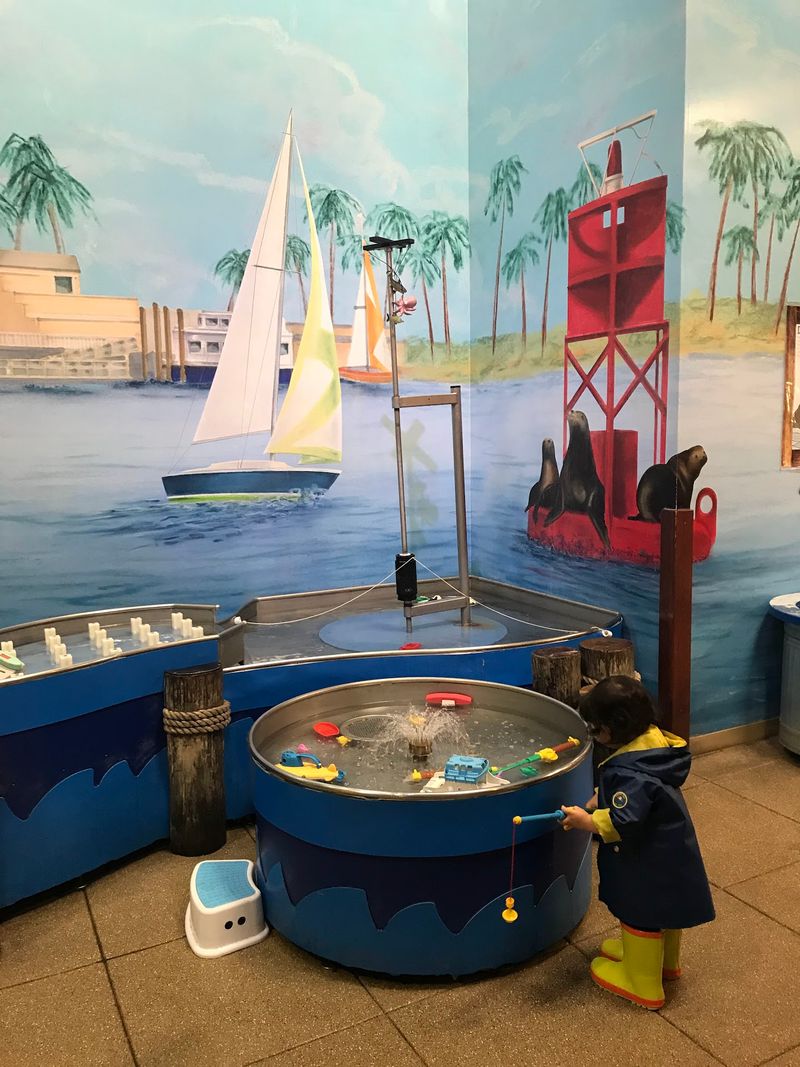
Water aprons exist for a reason. The water play area gives kids boats, fish, and plenty of splashing room.
A full sandbox sits nearby with sand toys ready for digging. Between the two, sensory play gets serious attention here.
The art studio adds a creative twist. Sensory materials in the art room rotate throughout the month, so repeat visits can feel fresh.
Little artists always find something new to touch and explore.
Need a calmer moment? The library offers books for kids who want a break from the bustle.
Some children even check out books as part of their play.
Toddlers get their own space too. Toddler Town gives the youngest visitors a spot built for their stage.
That makes the museum friendlier for babies who are just finding their feet.
Families with nursing infants can use the nursing room. It’s a thoughtful touch for parents juggling multiple ages.
Small comforts like that make a long visit easier.
Mixing messy and quiet play is smart planning. Splash first, read next, and paint after that.
Your kid gets a balanced day, and you might even get five peaceful minutes while someone flips through a picture book.
Plan Your Trip Before The Parade Says Goodbye
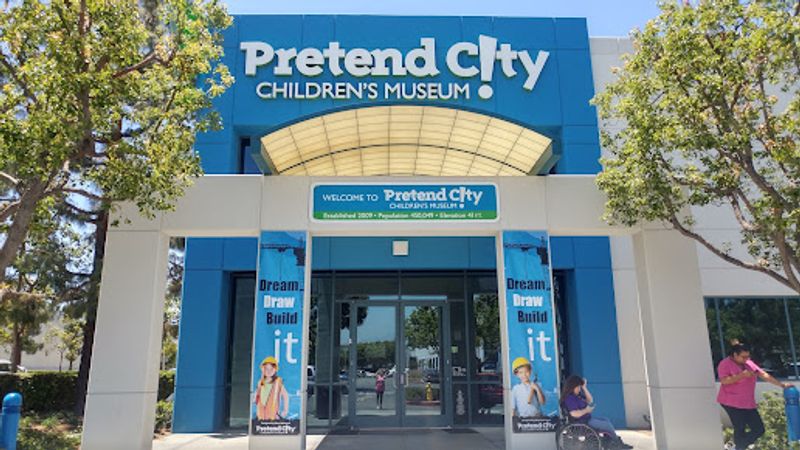
Leaving a pretend city is hard. The museum does a parade out to the front door near closing, which helps tiny citizens say goodbye.
That clever routine saves plenty of parents from a standoff. Nobody wants to argue with a mechanic in the middle of a repair.
You’ll find the museum at 29 Hubble, Irvine, CA 92618. Free parking is available, with extra spaces in the back lot.
The front lot can fill up fast.
Hours run from 10 am to 4 pm, Wednesday through Sunday. The museum is closed Mondays and Tuesdays.
Afternoons go quickly, so arrive early if you can.
Comfortable shoes are a smart call for grown-ups. You’ll walk a lot while following your kid from job to job.
Bringing water and snacks for yourself helps too.
Kids over 12 months need a ticket, so plan for the littlest ones as well. The museum is best for babies, toddlers, and early elementary kids.
Older siblings can still have fun as helpers.
Irvine makes an easy family stop in Southern California. Pair your visit with a relaxed lunch and an early nap.
After a full shift in town, your little worker will probably need one.
