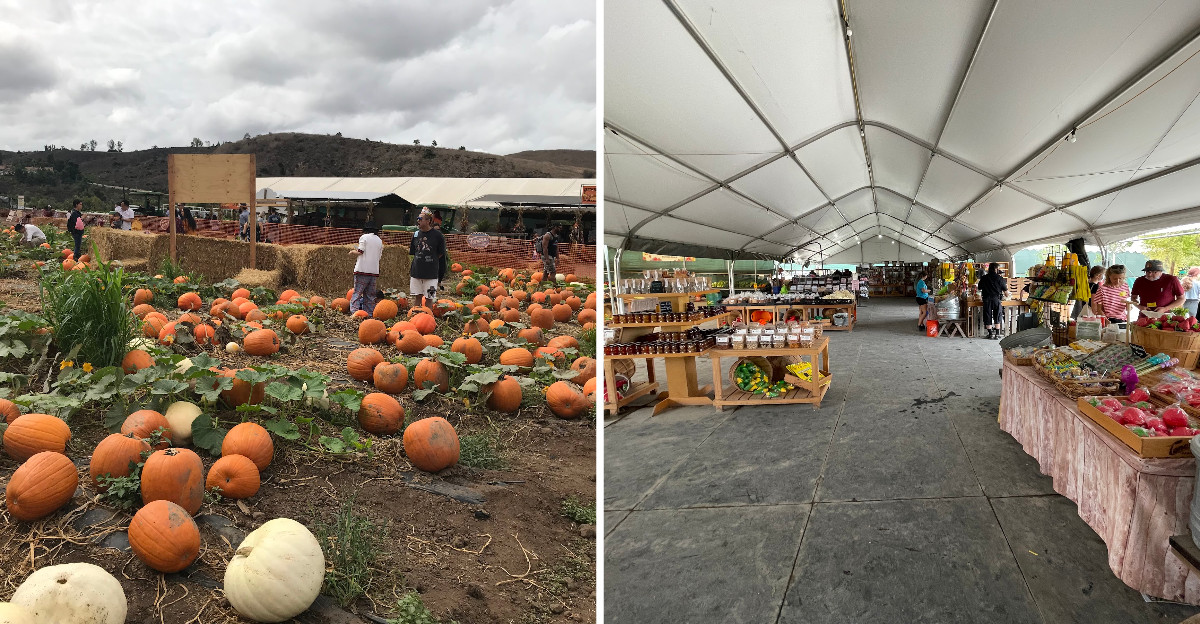
Surrounded by highways, neighborhoods, and modern development, a California family farm continues growing fresh produce while welcoming thousands of children for hands-on agricultural experiences. Its story stretches back more than a century, beginning with a Japanese immigrant who arrived in America in the early 1900s.
The family faced major challenges during World War II, but later generations continued farming as surrounding agricultural land gradually disappeared. In 1998, the operation moved to its current location and began developing educational tours.
I find it interesting that children can still pull carrots from the ground, pick seasonal strawberries, and ride through working fields in the middle of a modern city. The experience connects everyday food with generations of farming history.
During the holidays, the property also transforms into a glowing winter attraction with thousands of lights.
A Family Story That Started Long Before the Strawberries
The Tanaka family’s farming story began with Takeo Tanaka, who emigrated from Hiroshima, Japan, to California in the early 1900s.He farmed the land and raised a family who would carry his work forward.
That path wasn’t smooth. During World War II, Takeo’s son George Tanaka fled to Utah in 1942 to avoid forced incarceration, later returning to Orange County with his wife in 1945.
After that time, the family returned and started farming again. That kind of comeback says a lot about patience and grit.
George Tanaka continued the family’s agricultural work, and his son Glenn later helped transform the business into the working farm and educational attraction visitors know today.
The farm settled at its current Irvine spot in 1998. Glenn opened the fields to visitors, and the idea took off with schools and families.
I believe that’s what makes this place feel special. You’re not visiting a theme park dressed up as a farm.
You’re visiting a working farm run by a family with deep California roots. Every tour carries a bit of that history along for the ride.
Kids may come for the strawberries. They’ll leave knowing a little more about the people who grew California’s food for generations, and why those stories matter.
Your Kids Will Brag About Pulling Carrots Out of Real Dirt
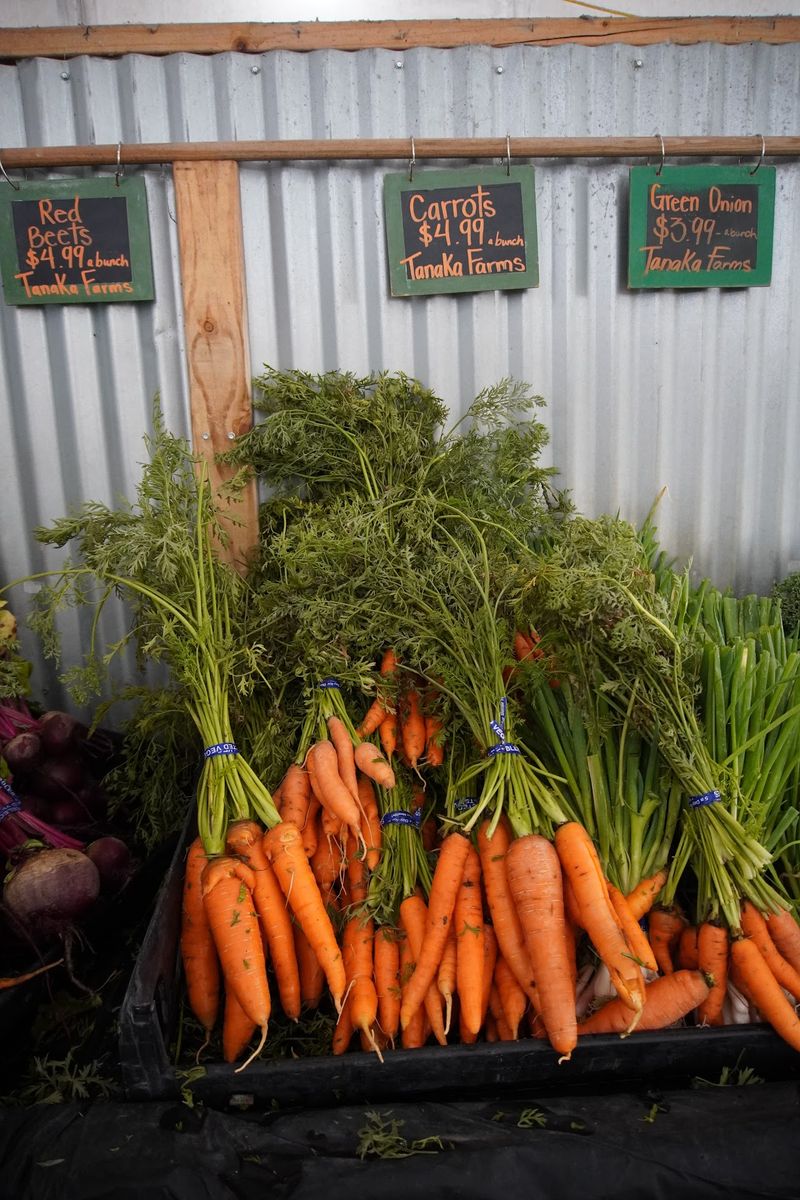
Carrots are sneaky. They hide underground, and kids love that moment when one pops out of the soil.
That surprise is a big part of the fun on the farm tours at Tanaka Farms. Families ride a wagon around the fields and stop to pick produce along the way.
Depending on the season, picks can include strawberries, melons, vegetables, and pumpkins. The farm plans tours around what’s growing at the time.
Some tours include a bonus crop too. That might send you home with something you didn’t expect, like celery or Brussels sprouts.
School groups visit throughout the year for field trips. Teachers get a hands-on lesson, and students get muddy shoes as proof.
Guides talk about the crops as the wagon rolls along. It’s an easy way for kids to connect a plant in the ground with food on their plate.
Here’s a practical tip. Wear closed-toe shoes you don’t mind getting dirty, because this is a real farm with uneven ground.
Bring sunscreen and water as well. Southern California sun doesn’t take days off, even in the cooler months.
Tours often require reservations, so book ahead. Popular dates can fill up before you even finish breakfast.
Spring Strawberries Turn Grown-Ups Into Kids Again
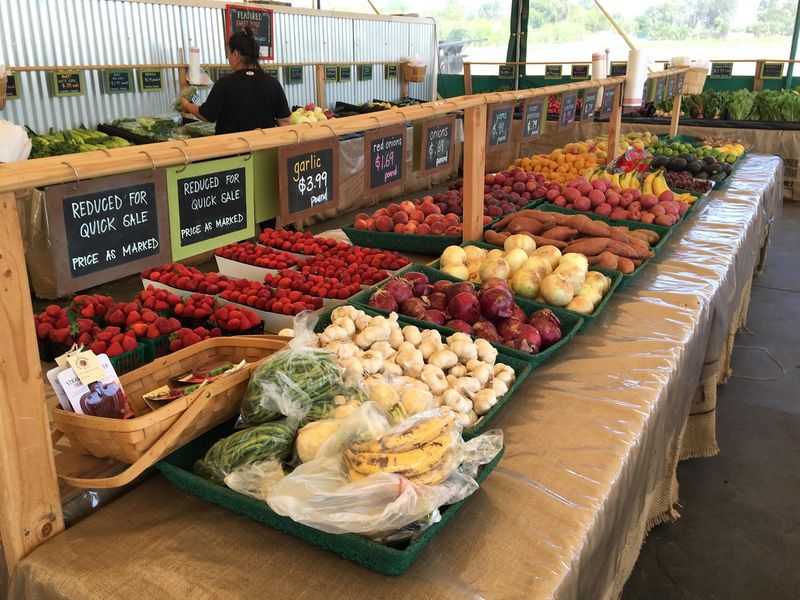
Red, ripe, and still warm from the sun. A strawberry picked straight from the plant just hits differently.
The U-pick strawberry tour is one of the most popular seasons at Tanaka Farms. It usually runs in spring, when the fields are full of fruit.
Families head out to the rows and fill a basket themselves. Little kids tend to eat almost as many as they pick, which feels like part of the deal.
The tour also includes a wagon ride around the property. You’ll pass other crops and learn what’s growing nearby.
Strawberries have deep ties to Japanese American farmers in Southern California. Many families once grew them across Orange County and beyond.
So picking berries here connects to a bigger story. That’s a pretty tasty history lesson.
A few tips help. Reserve ahead, since spring weekends book quickly.
Morning slots tend to be cooler and more comfortable. Hats and sunscreen are smart choices too.
Bring a little patience for younger pickers. The best berries are fully red, so teach them to skip the white-shouldered ones.
And yes, wash them before snacking at home. Good luck making them last the whole drive back.
Summer Melons Make the Heat Totally Worth It
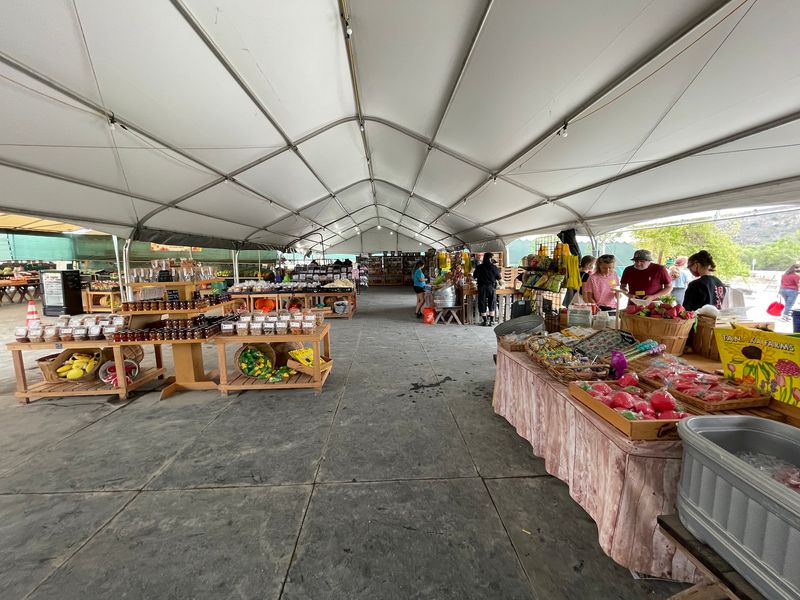
Hauling a watermelon you picked yourself is a summer flex. Kids carry them like trophies.
When the weather warms up, Tanaka Farms offers a summer melon tour. Families ride out to the fields and choose melons straight from the vine.
Depending on the year, you might find watermelons and other melon types. Vegetables in season often join the haul.
It’s a great way to show kids that summer fruit doesn’t just appear in stores. Somebody plants it, waters it, and waits for weeks.
Picking a good melon takes a little skill. Look for a solid feel and a dull, not shiny, rind on watermelons.
A creamy yellow spot underneath often means it rested on the ground and ripened well. That’s a fun detail to share with curious kids.
Summer in Irvine can get hot, so timing matters. Earlier tours are usually easier on everyone.
Pack water bottles and wear light clothes. A hat helps a lot out in open fields.
After the tour, the farm market sells more produce if you want extra. Your fridge might need some rearranging once you get home.
Honestly, that’s a nice problem to have.
Fall Brings a Pumpkin Patch That Feels Like a Festival
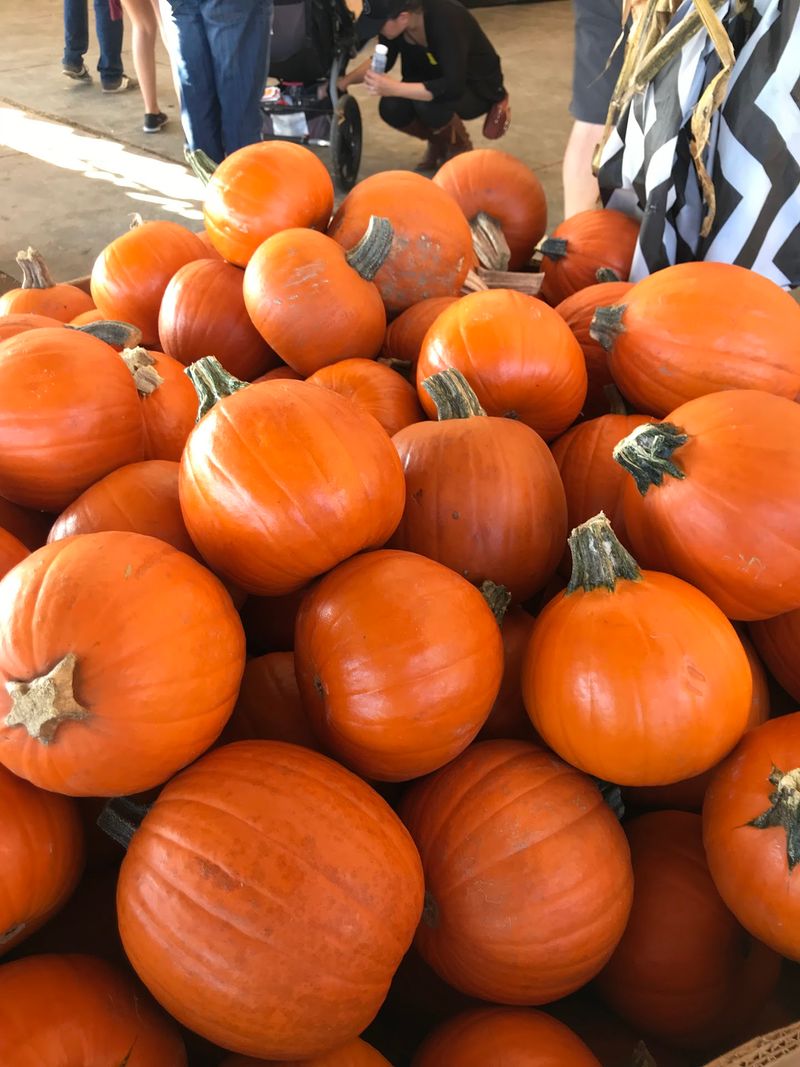
Pumpkins in every size and color take over the farm each fall. Orange is just the start.
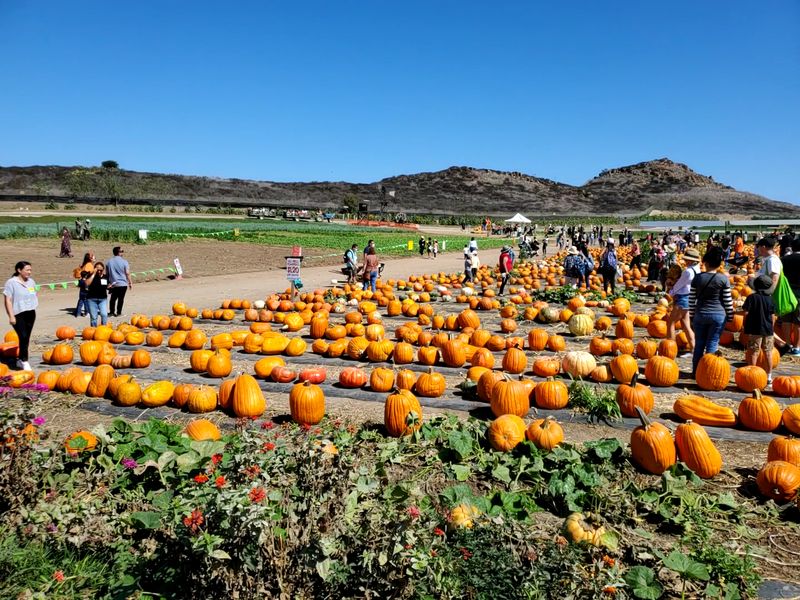
The Pumpkin Patch at Tanaka Farms is one of its biggest seasonal events in California. Families hunt for the perfect pumpkin across a wide, spacious patch.
There’s more to do than pick. The fall event has included wagon rides, a corn maze, and the famous pumpkin cannon.
Yes, a pumpkin cannon. It’s exactly as fun to watch as it sounds.
Kids can also wander through photo spots and play areas. Some activities need extra tickets, so plan your budget before you go.
Reservations are typically required for the pumpkin patch. Booking ahead saves you from showing up to a sold-out day.
Weekdays can feel calmer than weekends. That’s handy if your kids prefer more room to roam.
School field trips visit in the fall too. Plenty of classrooms come home with mini pumpkins and big stories.
Dress in layers, because afternoons can be warm while mornings stay cool. Comfortable shoes are a must on bumpy farm ground.
Pick a pumpkin your child can carry. It keeps the walk back from turning into a workout for you.
Goats and Donkeys Are Ready for Their Close-Up
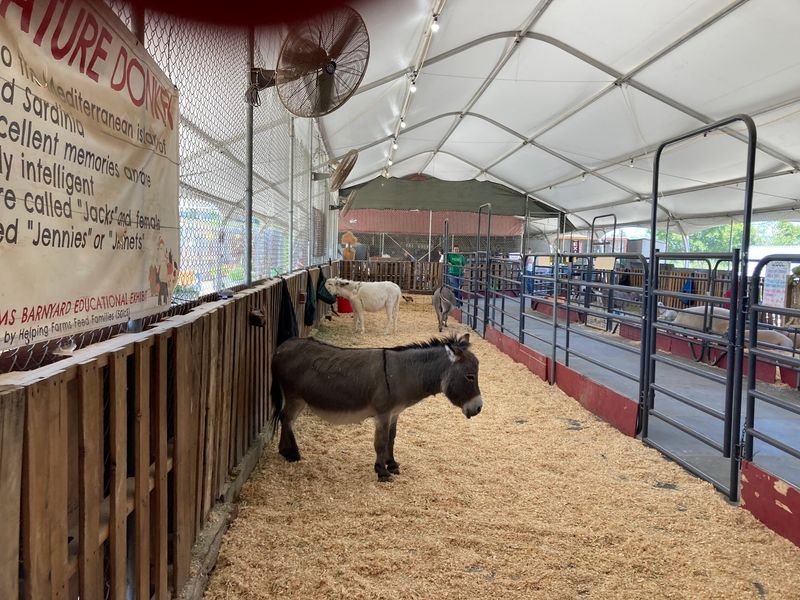
Goats have a talent for looking curious and slightly mischievous at the same time. Kids pick up on that right away.
Tanaka Farms has a barnyard area with farm animals for visitors to meet. Animals have included goats, sheep, donkeys, cows, and chickens.
It’s a gentle way for little ones to get comfortable around animals. Many city kids rarely see a donkey up close.
Hand-washing stations sit nearby, which parents will appreciate. Use them before snacks, every single time.
Teach kids to move slowly and keep their voices calm. Animals respond better to quiet hands than loud squeals.
Remind them not to feed animals anything unless staff allow it. Farm animals have specific diets, even if they act like everything looks delicious.
The barnyard pairs well with a tractor or wagon ride. Together, they make an easy morning for younger kids.
Access and fees can change by season or event. Check the farm’s current details before your trip.
Bring a camera or phone with space for photos. A goat staring into the lens is basically guaranteed.
Afterward, picnic areas give everyone a place to rest. Little legs usually need a break after all that excitement.
Winter Nights Glow With Thousands of Lanterns
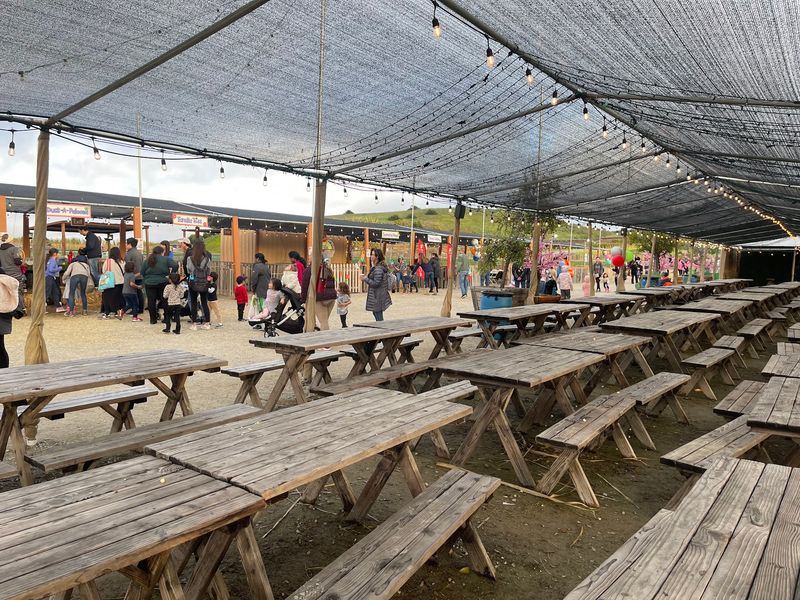
A farm at night doesn’t sound exciting until it’s covered in glowing lights. Then it becomes something kids talk about for weeks.
The Hikari Festival of Lights is a winter event at Tanaka Farms. Hikari means light in Japanese, which is a lovely nod to the family’s heritage.
Fields that would usually rest for the season get decorated with festive lanterns. The display stretches across areas like the corn maze and gardens.
Visitors can take a wagon ride through the lit-up farm. It’s a cozy way to see everything without tiring out small feet.
Extra activities have included crafts, games, and food. Some need tickets, so plan a little budget for those.
Winter nights in Southern California can get chilly. Bring warm jackets, hats, and maybe a blanket for the ride.
Comfortable shoes still matter after dark. The ground stays uneven, and lights don’t fix bumpy dirt.
The festival makes a nice holiday tradition for families. It feels festive without being overwhelming.
Dates and details change each year, so check before planning. Popular nights may require reservations.
I like how it shows a whole new side of the farm. Same fields, totally different mood.
Save Room for the Farm Market on Your Way Out
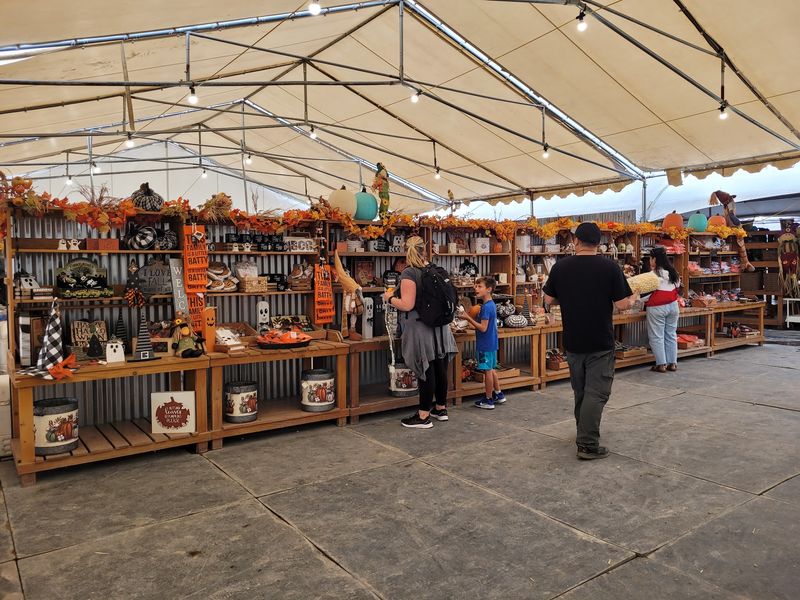
Fresh strawberries, local veggies, and jars of treats wait near the exit. Walking past without buying something takes serious willpower.
The market at Tanaka Farms sells produce grown on the farm and other goodies. It’s open daily from 9 a.m. to 5 p.m.
You can stop by just for groceries, even without a tour. That makes it handy for locals who want something fresher than the supermarket.
What’s on the shelves depends on the season. Spring leans toward strawberries, while fall brings pumpkin-themed items.
The farm also offers a CSA program. Members receive regular boxes of farm produce, which is a great way to eat with the seasons.
A grill on site has served food on certain days, including weekend breakfasts. Hours can vary, so check before you count on a meal.
Shopping here supports a family farm that’s lasted for generations. That’s a pretty good feeling to bring home with your veggies.
Bring a sturdy bag or cooler for the drive. Ripe fruit bruises easily in a hot car.
Let kids pick one new vegetable to try. They might surprise you once they see where it grew.
Farm Fields Still Thrive Right in the Middle of Irvine
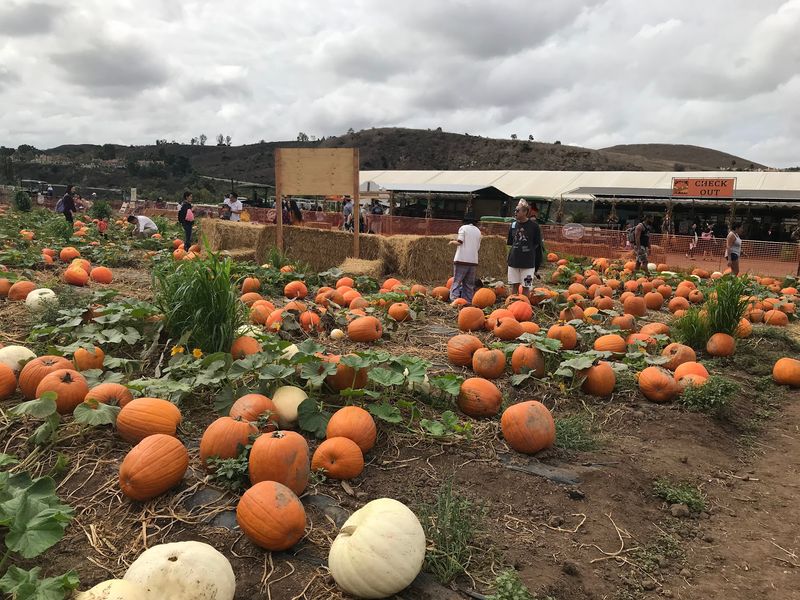
Housing, offices, and freeways surround it, yet the fields keep growing. That contrast feels kind of amazing.
You’ll find Tanaka Farms at 5380 3/4 University Dr, Irvine, CA 92612. It sits near the Quail Hill area, close to major roads.
Orange County was once filled with farmland. Many Japanese American families grew strawberries and vegetables across the region.
Today, the farm keeps that history visible. A wall display shares stories of Japanese American farming families from Southern California.
It’s worth slowing down to read a few. Those stories add real meaning to a fun day out.
Getting there is simple for most Orange County families. Parking is on site, and fees may apply depending on the visit.
Restrooms are basic, since this is a working farm. Plan ahead with little ones before arriving.
Nearby, Irvine has plenty of parks and trails for extra adventure. The farm makes an easy anchor for a full family day in California.
The fields can change a lot by season. Visiting more than once shows kids how farming really works.
And that might be the best lesson of all. Food comes from patient hands and a little bit of dirt.
