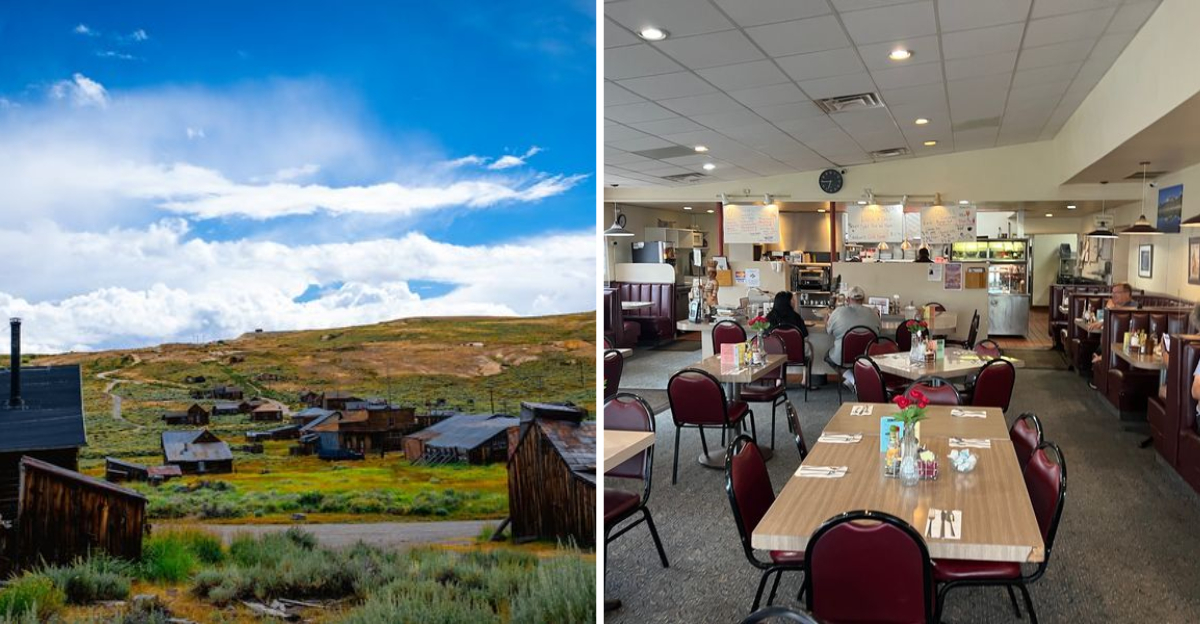
High in California’s Eastern Sierra, an abandoned mining settlement stands almost exactly as generations of residents left it. Weathered wooden buildings, old storefronts, and household objects offer a rare glimpse into a once-thriving community.
Reaching the site requires traveling along a remote mountain road, including a final stretch of rough dirt. The isolated setting makes the surviving buildings feel especially striking against the surrounding hills.
I find it fascinating that preservation here means protecting structures without making them look new again. Visitors can peer through windows at furnishings and everyday objects that help tell the story of the people who once lived there.
The town has no restaurants or regular food service, so exploring requires a little preparation. For anyone interested in the region’s Gold Rush history, the combination of preserved streets and dramatic mountain scenery makes this an unusual destination.
The Washboard Road That Guards Bodie
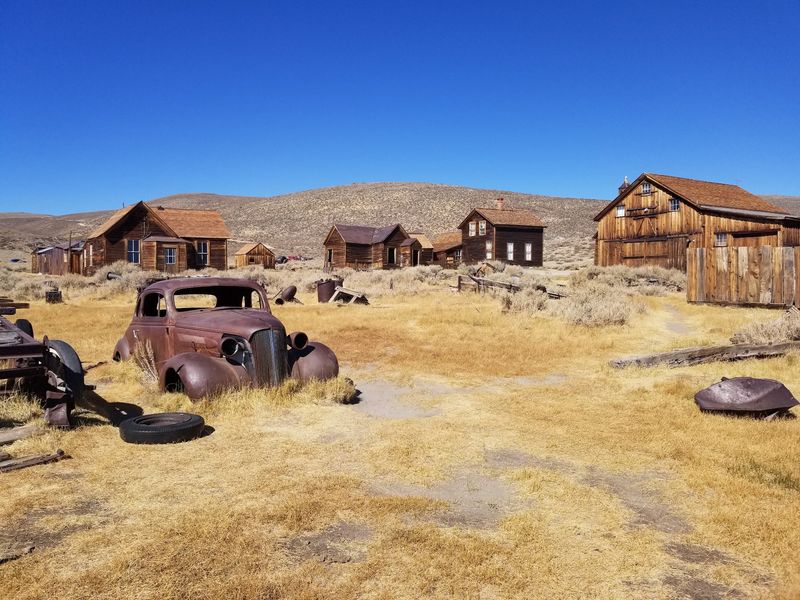
My rental car rattled like a maraca for the final three and a half miles, and I laughed the whole way. Bodie sits at the end of State Route 270, and while the first ten miles are paved, the last stretch is unpaved washboard that shakes loose anything not bolted down.
Almost any vehicle can handle it if you take it slow. Dust is the real enemy, so switch your air system to recirculate before you hit the dirt.
Snow can make the road inaccessible during winter, while rain can leave unpaved sections muddy and difficult to navigate. Before traveling, check the latest road conditions through California State Parks and Caltrans, especially during the colder months.
I liked how the rough approach filtered the crowds. By the time you park, you have already worked for the view, and the town feels less like a tourist stop and more like a discovery.
Bring a full tank of fuel from Lee Vining or Bridgeport, because there is nothing out here. No gas, no cell signal worth trusting, no shops.
Arrested Decay, A Town Left Exactly As It Fell
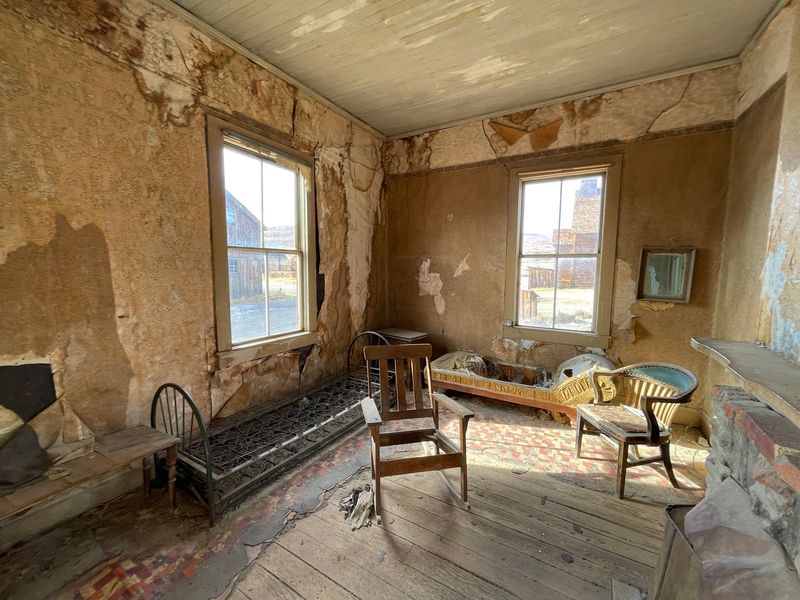
Peering through a dusty window at a table still set for dinner did something strange to my sense of time. Bodie is preserved in what the state calls arrested decay, which means nothing gets restored or prettied up.
Buildings are simply kept from collapsing.
You see peeling wallpaper, sagging ceilings, ragged curtains, and shelves of goods that were never packed. Around 110 historic buildings remain today, a small fraction of the structures that once filled this bustling mining town.
What surprised me most was the lack of fences and boardwalks. You wander freely through open fields and along dirt streets, which makes the whole place feel unstaged.
That freedom comes with responsibility. Broken glass, rusted machine parts, and old nails are scattered around, so sturdy closed shoes matter and kids need close watching.
Some houses have curtains drawn and small signs out front because park staff actually live in them. I found that oddly comforting, proof that a few people still call this ghost town home.
Read every sign you pass. The details about who lived where turn the silence into something you can almost hear. Unlike many restored historic attractions across California, Bodie preserves the weathered appearance of its original structures.
That approach allows visitors to appreciate the town’s history without modern reconstructions changing its character. Each faded doorway, worn wooden wall, and abandoned storefront contributes to the feeling of walking through a place where everyday life once unfolded.
Inside the Historic Standard Mill on a Guided Tour
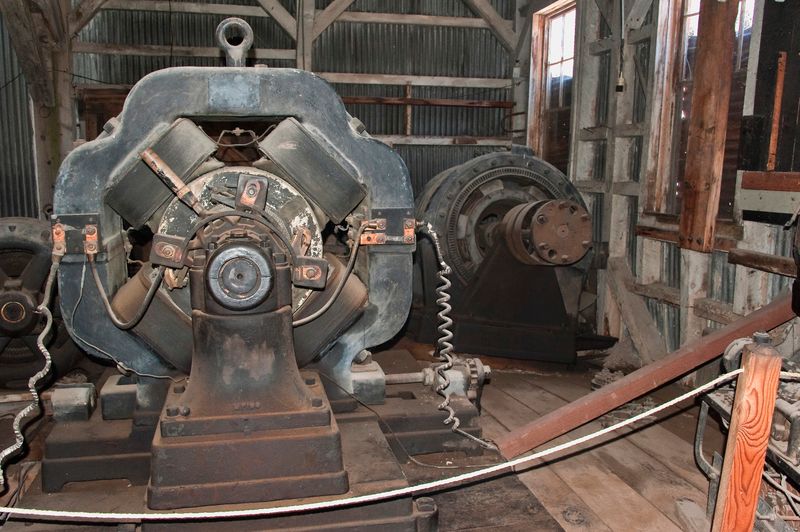
Tickets for the stamp mill tour sell out, and I nearly missed mine. The Standard Mill is the one building visitors can actually enter, and only with a guide, so it feels like getting handed a key to the town.
Buy tickets at the museum early in your visit. Sales stop roughly ten minutes before each tour departs, which catches plenty of people off guard.
Inside, the guide walks you past the crushing stamps, the shaker tables, and the electrical room that once powered the operation. Hearing how ore was pulverized and sorted made the scale of Bodie’s gold rush suddenly click for me.
Guides share genuinely useful numbers too. At its peak Bodie ranked among the largest towns in California, and the schoolhouse held hundreds of students at once.
The mill is dark, uneven, and full of heavy machinery, so watch your footing and expect a slow pace. Hard hats and safety talks are part of the deal.
Guided tours of the Standard Mill are seasonal, and the park has confirmed that they have concluded for the remainder of 2026. Visitors planning a future trip should check the official park schedule before expecting access to the building.
The Museum, the Booklet, and the Mid-Day Closure Nobody Warns You About
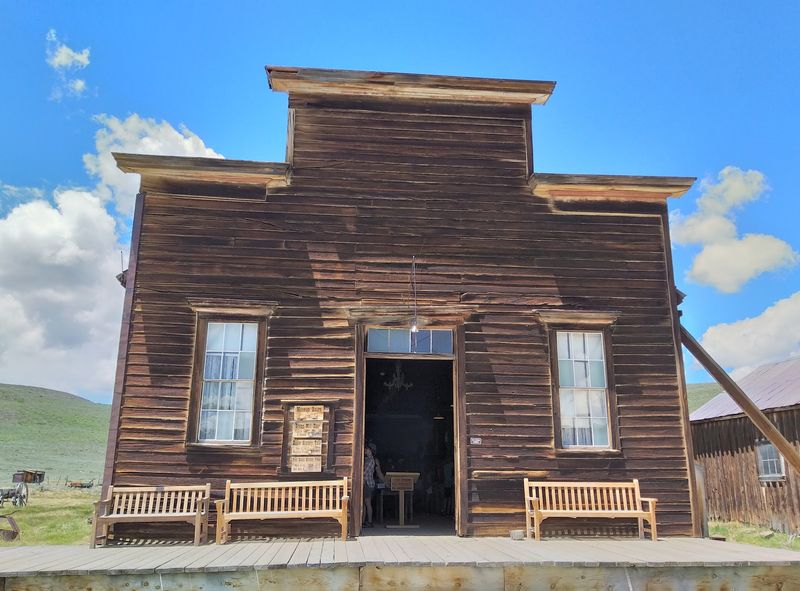
Learn from my mistake and hit the museum first. Housed in the old Miners Union Hall, it holds display cases of Gold Rush era artifacts, photographs, tools, and a small gift shop corner.
Staffing here can be thin, and the museum sometimes shuts for an hour in the early afternoon even when posted park hours say otherwise. Nobody at the entrance kiosk necessarily mentions it.
The self-guided tour booklet sold inside is the single best purchase you can make. It maps the streets, names the families, and turns a field of gray wood into a real neighborhood.
There is also a short film in a small theater. It is dated, but it fills in background if you have never studied the era.
Bodie State Historic Park currently operates on its winter schedule, from 9 AM to 4 PM daily. Summer hours are generally longer. Admission is $8 for adults and $5 for children ages 4 through 17, while children ages 3 and younger enter free.
Visitors should bring cash as a backup and check the park’s latest notices before traveling, since winter road conditions can restrict access.
Wind, Sun, and Not a Scrap of Shade
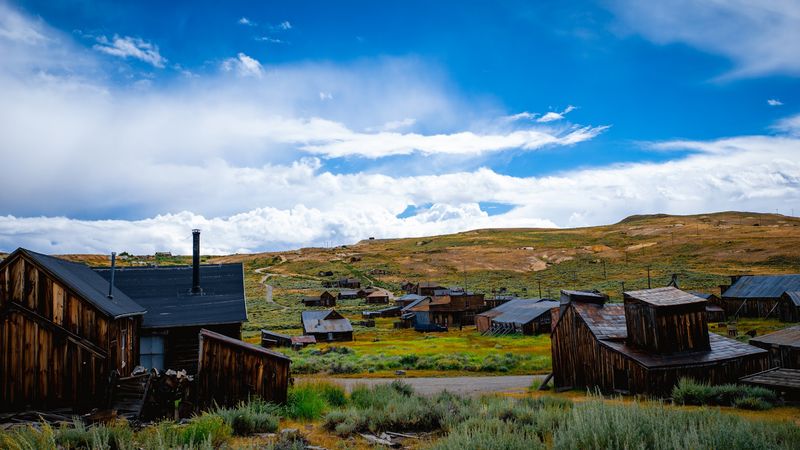
Nothing prepared me for the wind. Bodie sits in an exposed bowl near 8,400 feet, and gusts pick up the dirt and hurl it down the streets in visible sheets.
Shade is essentially nonexistent. I got sunburned in October, which tells you how thin the air is up here and how little the cool temperature protects you.
Pack sunscreen, a hat that actually stays on your head, sunglasses, and more water than seems reasonable. There is no food service anywhere in the park, so bring your own snacks or a full lunch.
Two restroom locations exist, one near the parking area with running water. Soap and towels are not guaranteed, so hand sanitizer earns its place in your bag.
A picnic area sits about a mile north of town past the parking lot, and it is a pleasant spot to eat before or after walking.
Give yourself at least two to three hours. Serious history fans and photographers routinely spend most of a day, and late afternoon light on the weathered wood is worth waiting for.
The Cemetery on the Hill and the Curse People Whisper About
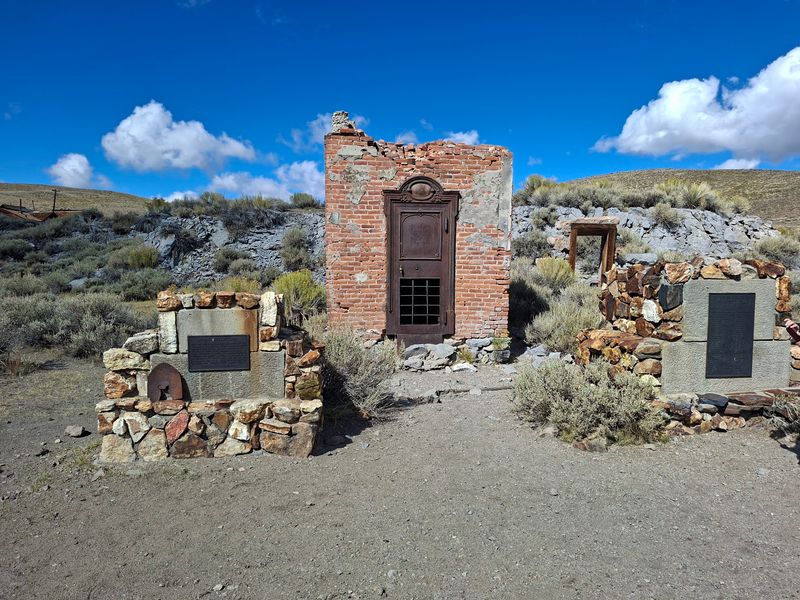
Up the slope above town, the cemetery quietly rearranged how I felt about the whole place. Rows of leaning markers, iron fences, and small family plots sit in dry grass with the ghost town spread out below.
Bodie’s story traces back to prospector Waterman S. Body, also known as William Bodey, who discovered gold in the surrounding hills in 1859. The settlement later adopted a variation of his surname and grew into a bustling mining community.
Reading the dates on the stones tells you plenty. Many are children, a reminder that life at this elevation, in these winters, was brutally hard.
Then there is the famous Bodie Curse, the long-running belief that taking anything from the park, even a rusty nail or a pebble, brings bad luck until you send it back. Rangers reportedly receive returned items with apologetic notes.
Whether or not you buy into it, the practical message is perfect. Leave everything exactly where it lies.
A separate cemetery pamphlet is available at the museum and it is worth grabbing. Walking the rows with names and stories in hand beats guessing.
Where to Find Breakfast Before Exploring the Ghost Town
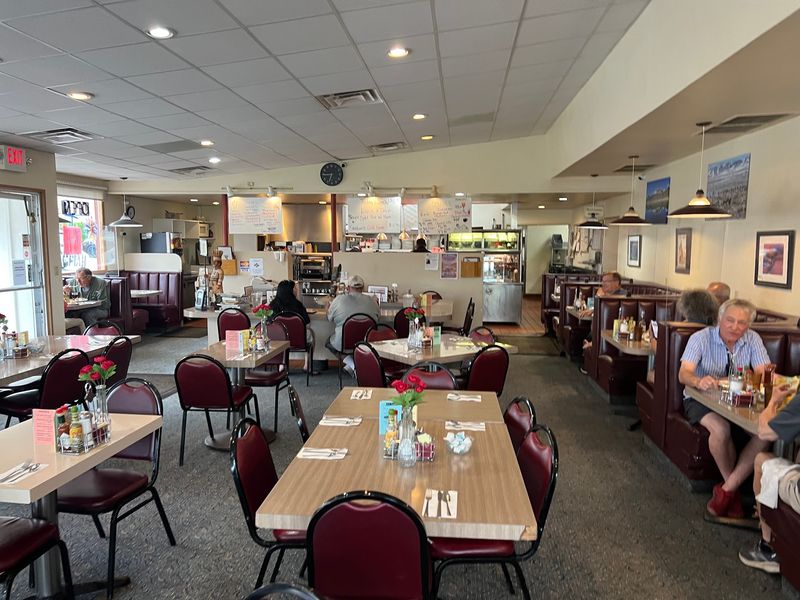
Since there are no restaurants inside Bodie State Historic Park, visitors should plan their meals before arriving. One option is Nicely’s Restaurant in Lee Vining, a small community along Highway 395 near Mono Lake.
The restaurant serves breakfast, lunch, and dinner, with familiar American dishes and homemade specialties. It offers a convenient place to eat before heading toward the remote historic park or after spending several hours exploring the area.
According to the Lee Vining Chamber of Commerce, Nicely’s generally operates daily from 7 AM to 8 PM. Seasonal changes are possible, so checking current hours is worthwhile.
The restaurant is separate from the ghost town, and reaching Bodie requires an additional drive along mountain roads. Filling the gas tank and carrying snacks and water are sensible precautions before setting out.
Address: Bodie State Historic Park, State Route 270 (Bodie Road), Bridgeport, California 93517.
