Imagine sinking into a naturally heated mineral pool while snowy mountain peaks rise beyond the steam. In California, one state park offers that contrast, with soaking water kept around 103 degrees even as winter transforms the surrounding meadow.
The water begins its journey underground at a much higher temperature before being cooled for visitors. Nearby, a second pool offers a cooler swim, while pine forests and mountain trails make the setting feel far removed from everyday routines.
I love the idea of spending a chilly afternoon surrounded by snow without having to give up the warmth of a comfortable pool. It’s the kind of winter outing that feels both adventurous and surprisingly peaceful.
The pools operate on a limited schedule during colder months, and mountain storms can affect access. Checking conditions before traveling is part of planning this escape.
The Hot Pool Is Where Winter Suddenly Stops Mattering
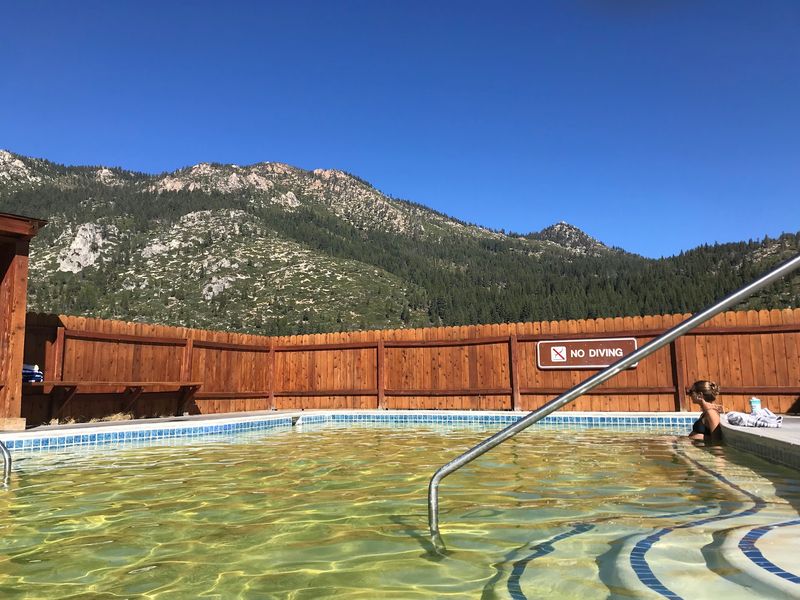
Hot water and fresh snow don’t usually share the same view. At Grover Hot Springs State Park, they do it all winter long.
The park sits in a high valley west of Markleeville, in California’s Alpine County. Its famous concrete pool is fed by a natural spring that flows from the ground far too hot to touch.
Park crews cool the water before it reaches the soaking pool. The result usually lands somewhere around 102 to 104 degrees.
That’s toasty enough to melt stiff legs but not so hot that you feel cooked.
Winter is when the setting really shows off. Snowy ridges ring the meadow, and cold air sits on top of the warm water.
Steam drifts off the surface like the pool is quietly breathing.
Benches line the pool’s edges, so you can sit and soak without treading water. Lifeguards watch over both pools during open sessions.
That makes it feel calm and controlled rather than wild and remote.
Bring your own swimsuit and towel rather than relying on rental availability. Arriving prepared makes the changing-room stop easier before your scheduled soak.
Hydration matters more than you’d guess. Hot water plus high elevation can make you lightheaded fast.
Pack a water bottle and take breaks often, even if you feel great.
A Chilly Neighbor Pool Turns Soaking Into a Game
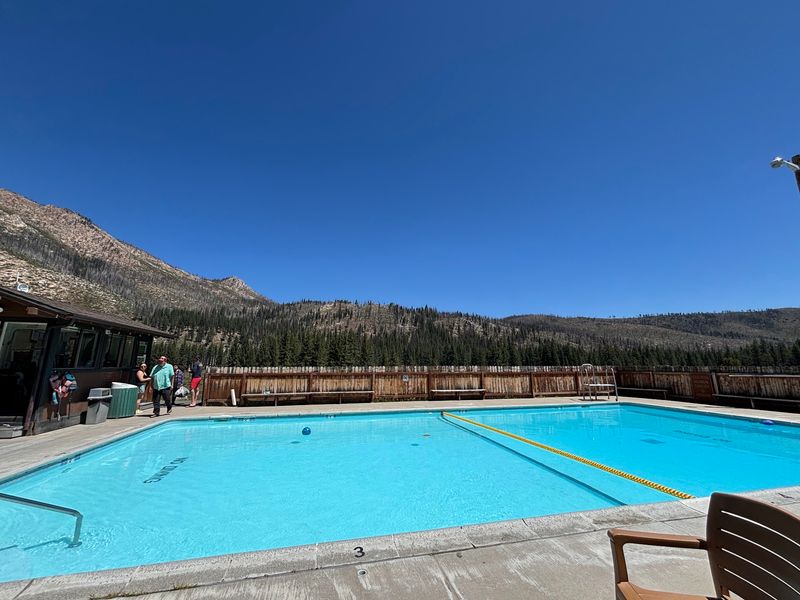
Right next to the hot pool sits its cooler sibling. Think of it as the reset button for anyone who stays in the heat a little too long.
The cool pool is a regular swimming pool, lightly treated with chlorine. The hot pool uses bromine instead.
Neither one has a strong chemical or sulfur smell, which surprises plenty of first-timers.
Many soakers like to go back and forth. Warm up in the hot water, then hop into the cooler pool for a quick shock.
Repeat until you feel brand new, or until your session ends.
The cooler pool also gives you room to stretch out. The hot pool can feel snug when it fills up.
Kids especially enjoy having space to paddle around without bumping into relaxed grownups.
Outdoor showers sit near the pools, along with a drinking fountain. Rinsing off before and after a soak is simple.
The changing rooms are basic but handy, with a shower and restroom in each.
A quick tip on timing: your body cools down faster than expected in winter air. Step out of the cold pool and head straight back to the warm one.
Good luck resisting a few more laps.
Those Yellow Streaks Are Minerals, Not a Mystery
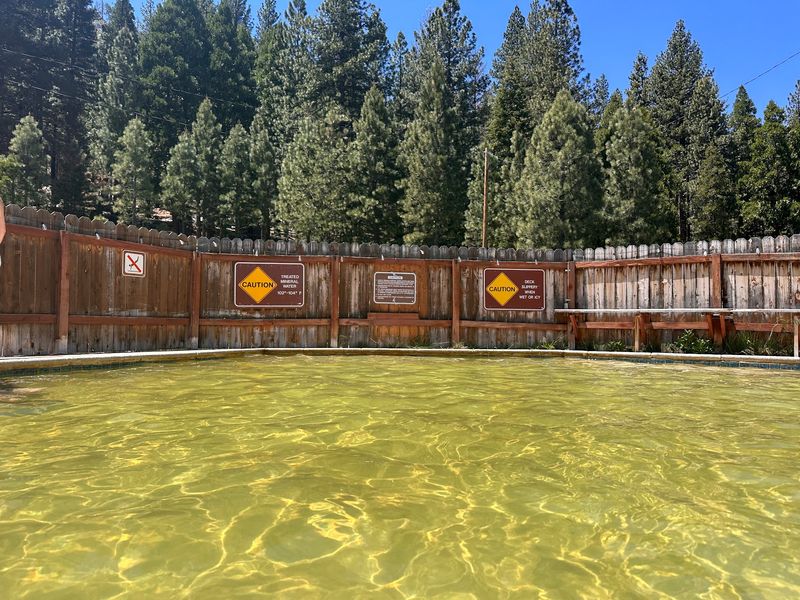
Crystal-clear water? Not here, and that’s actually the fun part.
The spring carries dissolved minerals up from deep underground. As the water flows into the pool, those minerals can leave a slight tint and some sediment.
You might spot yellowish traces along the edges.
That’s simply what natural spring water looks like when it hasn’t been filtered into perfection. It’s a sign the water really comes from the earth.
Nobody poured it from a fancy bottle.
Some people feel a little unsure at first. Then they settle back, relax, and forget about it within minutes.
The warm water does most of the convincing.
The pool gets drained and cleaned on a regular schedule. Staff members also keep the water lightly treated to keep things sanitary.
So the color comes from geology, not neglect.
Here’s a fun fact for the drive home. Hot springs like this one form when water seeps deep into the ground.
Heat from the earth warms it, and pressure pushes it back up to the surface.
Not every hot spring in California is open to the public, either. Many sit on private land or require long hikes.
Having one in a state park, with lifeguards and changing rooms, feels like a pretty sweet deal.
You Will Want To Know the Session Schedule Before You Go
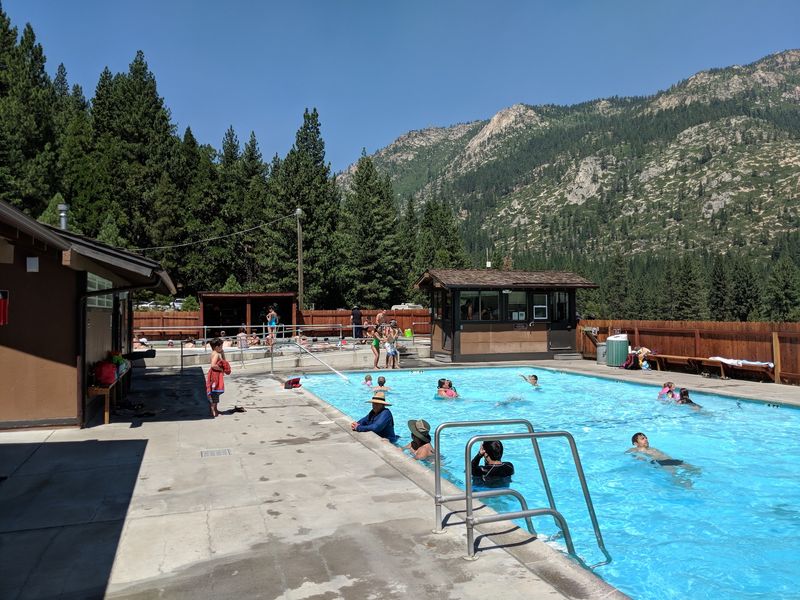
Timing is everything at this pool. Soaking happens in set sessions, not all day long.
Each session typically runs about an hour and a half. A short break follows so staff can reset before the next group.
You’re free to leave early if you’ve had enough heat.
The pool complex currently operates Friday through Monday, according to California State Parks’ November 2026 update. It is closed Tuesday through Thursday under the published schedule.
Tickets are sold at the park on a first-come, first-served basis. Because winter storms and maintenance can affect access, visitors should check the official park website for the latest operating information before traveling.
Capacity is limited, which keeps the pool from turning into a human soup. Popular weekends can fill fast.
Arriving early is a sensible idea because admission is limited and tickets are sold on a first-come, first-served basis.
Plan to eat outside the pool complex and check the posted rules about drinks and reentry. A picnic before or after your soak is an easy way to enjoy more of the park.
A day-use fee covers parking, and the pool has its own separate fee. A California State Parks pass can help with parking costs.
Winter storms can also affect the road and the schedule. Mountain weather changes quickly.
Checking conditions the morning of your trip can save you a long, disappointing drive.
Your Legs Earn That Soak on the Waterfall Trail
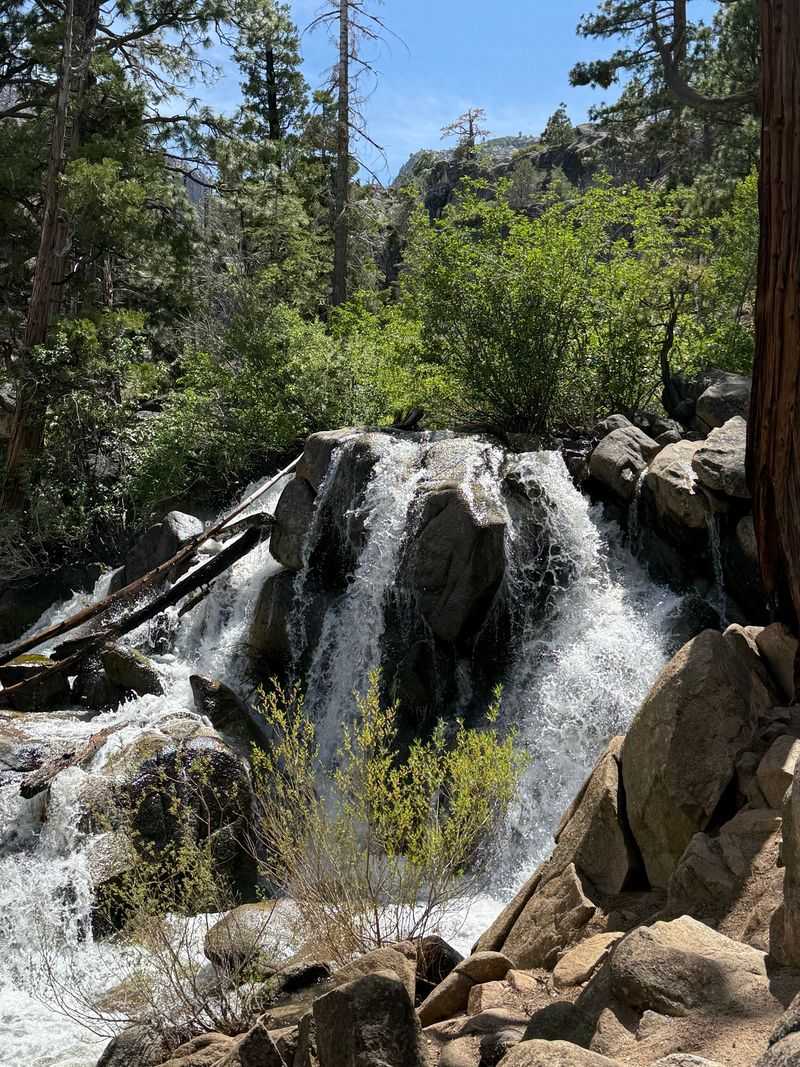
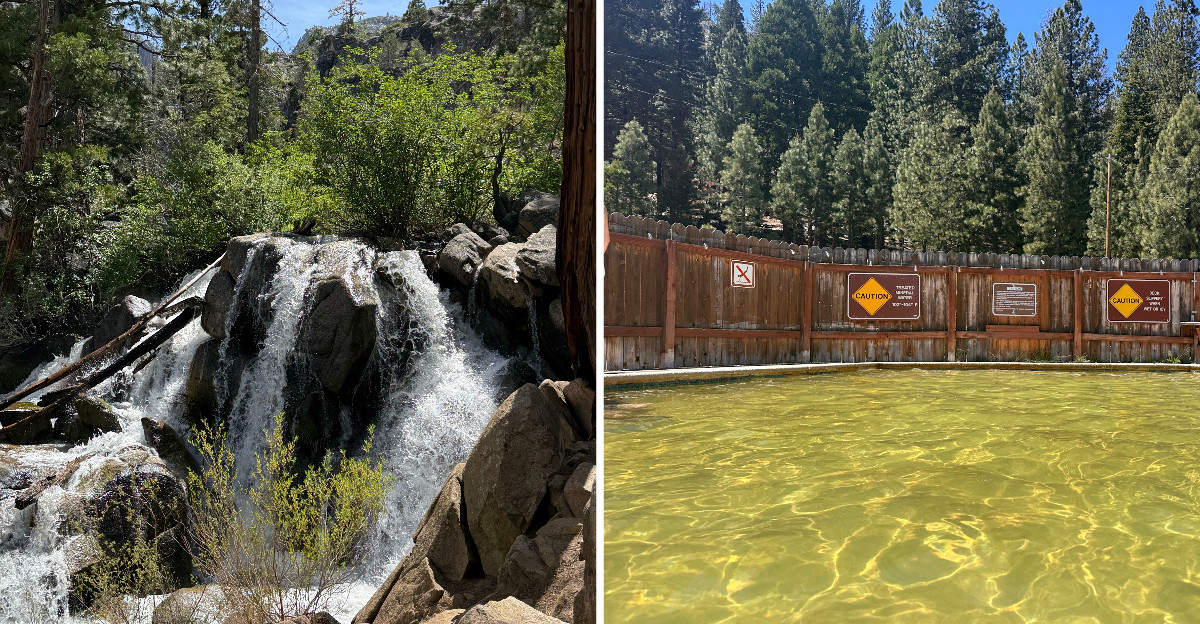
Waterfalls and hot springs make a pretty perfect combo. This park happens to have both.
A trail leads from the park toward a waterfall on Hot Springs Creek. The walk starts across an open meadow, then heads into rockier terrain.
Interpretive signs along the way share bits about the land and its history.
Plan on roughly three miles round trip, depending on your route. The path is mostly gentle, though it gets trickier near the falls.
Reaching the very best views takes good balance or a willingness to get your shoes wet.
Spring is usually when the falls look their strongest. Melting snow feeds the creek and pumps up the flow.
Later in the year, the water often slows to a calmer trickle.
Winter hikers should expect snow and ice on the trail. Sturdy boots and maybe traction spikes can make a big difference.
Daylight also fades early in the mountains, so start in the morning.
Wildfire has touched this area, and you’ll see its marks on some trees. Still, the meadow and creek remain lovely.
New growth slowly fills in the gaps.
The best part might be the ending. Hike out to the falls, then wander back to the pool.
Your sore calves will thank you for the warm water.
Camping Here Means Waking Up Next to the Pool
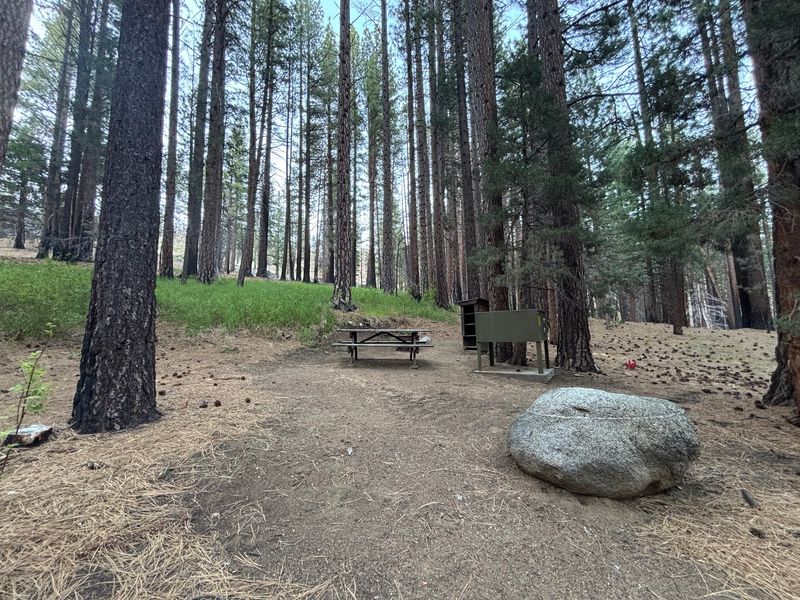
Sleeping a short stroll from a hot spring sounds almost too easy. The park’s campground makes it happen.
Sites spread out beneath pine trees, with mountains rising beyond the meadow. Each typically comes with a picnic table, fire ring, and bear-proof food locker.
Restrooms with flush toilets and drinking water serve the campground.
Those bear lockers are not decoration. Black bears live in these mountains, and they have impressive noses.
Keep every scrap of food and anything scented locked up whenever you’re not using it.
Leashed dogs are welcome in the campground, which makes this a solid pick for pet owners. Dogs generally aren’t allowed on trails or in the pool area, so plan accordingly.
Bigger RVs and trailers may struggle with size limits and tight turns. Check length restrictions before you book.
A smaller rig or tent setup tends to fit much better.
Camping arrangements change significantly in winter. The regular summer campground closed in October, and the park’s picnic area now serves as a smaller winter campground with 25 sites available on a first-come, first-served basis.
Winter camping does not require reservations, but trailers and motorhomes are limited to 18 feet. Visitors should prepare for snow, freezing temperatures, and changing mountain road conditions.
At night, the stars come out in force. High elevation and little light pollution make for a busy sky.
Bundle up, find a spot by the creek, and enjoy the show.
Picnics and Meadow Strolls Fill the Hours Between Soaks
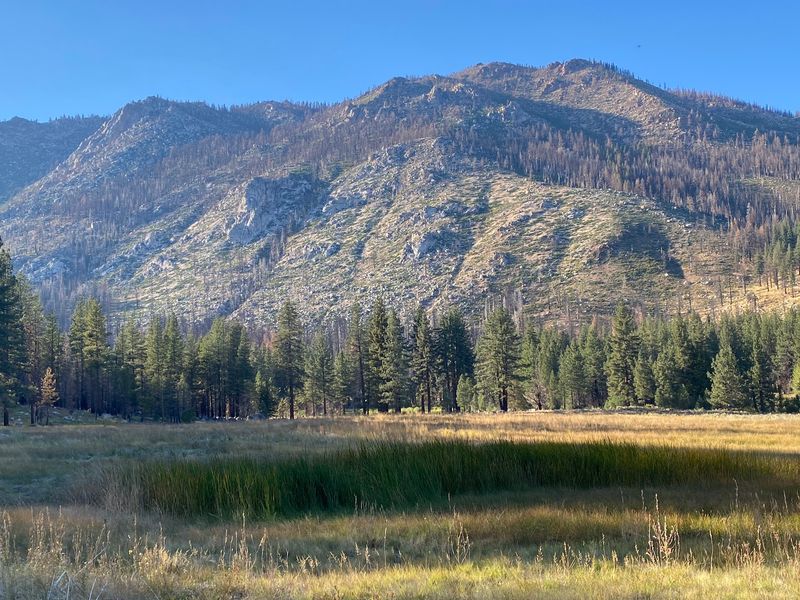
Not every moment needs to be spent in hot water. The rest of the park is worth slowing down for.
A wide meadow stretches across the valley floor. In summer it turns green, and in winter it glows white under snow.
Early morning light makes it especially pretty.
The day-use picnic area sits among trees with plenty of room to spread out. Pack lunch, grab a table, and refuel before your session.
Since food isn’t allowed at the pool, this is your snack headquarters.
Wildlife sightings add a little bonus. Bright blue Steller’s jays flit through the pines with loud opinions.
Deer sometimes graze along the meadow edges, especially at dawn and dusk.
Hot Springs Creek runs through the park and adds a soothing soundtrack. In warmer months, its chilly water feels refreshing on tired feet.
Treat its banks gently and keep an eye on kids nearby.
The park sits at about 5,900 feet above sea level. Some visitors feel the altitude, especially after driving up from lower ground.
Taking things slow on your first day helps a lot.
Finding the Park Is the Easy Part
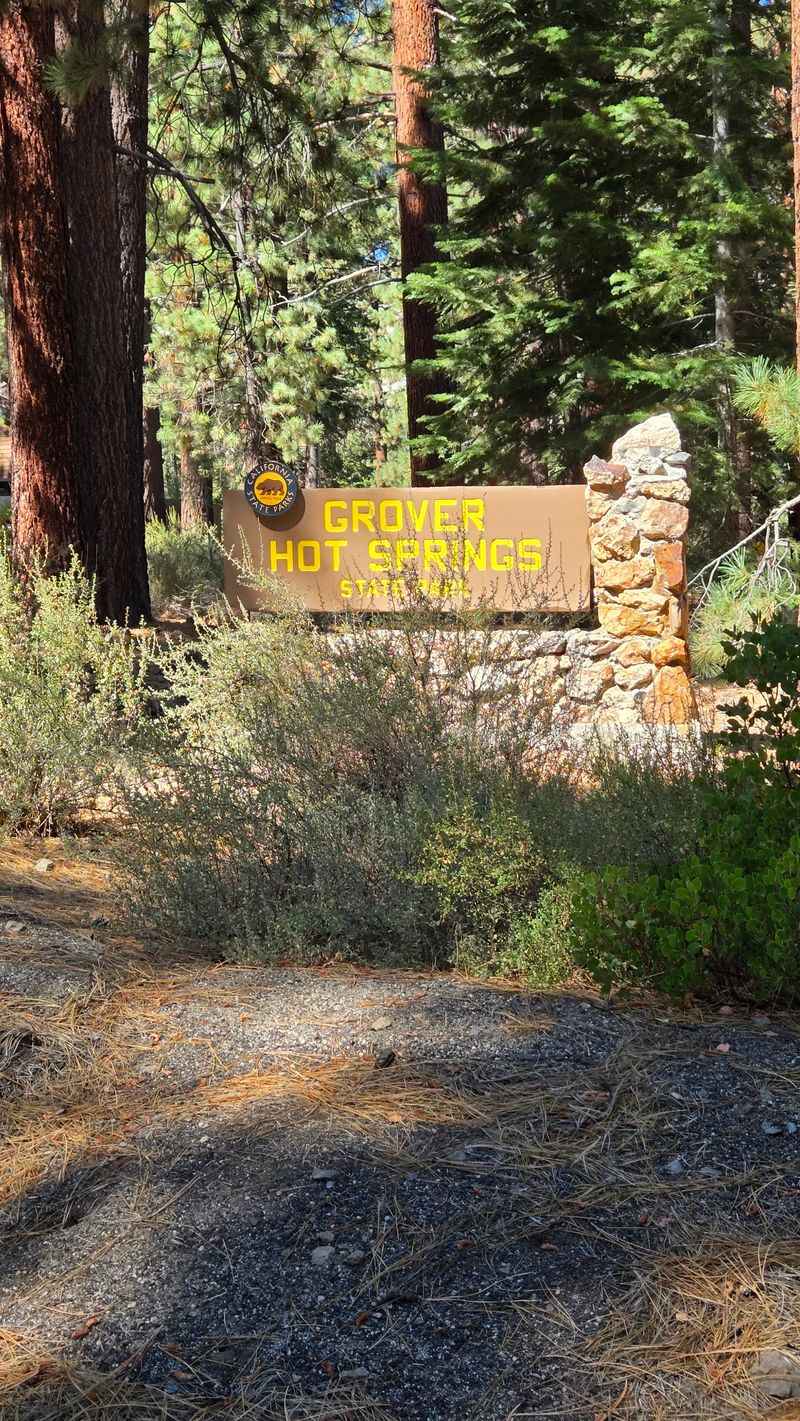
Getting there is half the adventure, and the drive is gorgeous.
The park’s address is 3415 Hot Springs Rd, Markleeville, CA 96120. From the tiny town of Markleeville, it’s roughly four miles west.
Hot Springs Road leads right up the valley to the entrance.
Markleeville serves as the seat of Alpine County, the least populated county in California. That small-town feel shows up the moment you roll in.
Expect quiet streets and big mountain views.
South Lake Tahoe sits about an hour’s drive away, depending on conditions. That makes the park a popular side trip for Tahoe vacationers.
Sacramento folks often make the trek, too.
Cell service can be spotty in these mountains. Download maps before you leave town.
A paper map in the glove box never hurts either.
Once you spot the meadow opening up, you’ll know you’re close. Then it’s just a matter of finding your swimsuit.
Markleeville Makes a Charming Last Stop
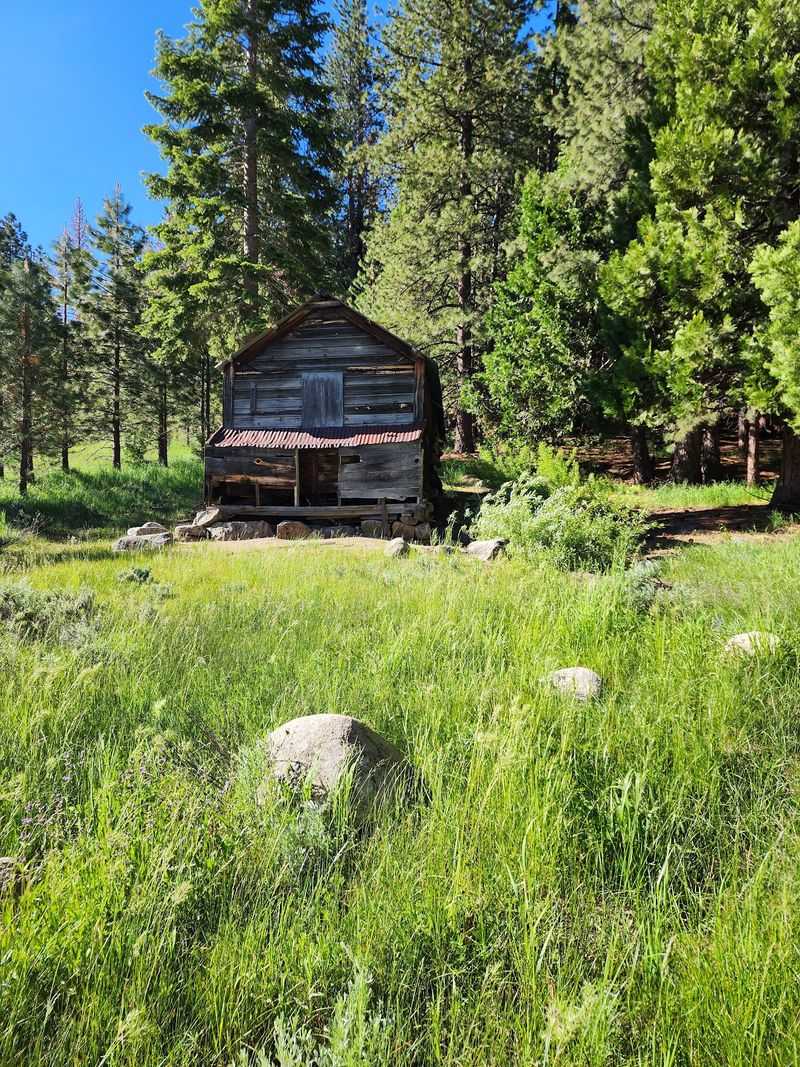
A good soak deserves a good wrap-up. Tiny Markleeville delivers just that, only a few minutes down the road.
The Markleeville General Store stocks the basics you might have forgotten. Think snacks, supplies, and maybe a souvenir hat or two.
It’s a handy stop before heading back to Grover Hot Springs State Park.
History buffs can check out the Alpine County Museum. It shares stories from the area’s mining days and early settlers.
The old jail and schoolhouse on the grounds add a fun peek into the past.
The Washoe people lived in and traveled through this region long before towns appeared. Their connection to the land goes back thousands of years.
Keeping that in mind adds meaning to every visit.
Together, the town and the park make a perfect California mountain day. Hot water, fresh air, and small-town charm.
Honestly, what more could a chilly traveler want?
