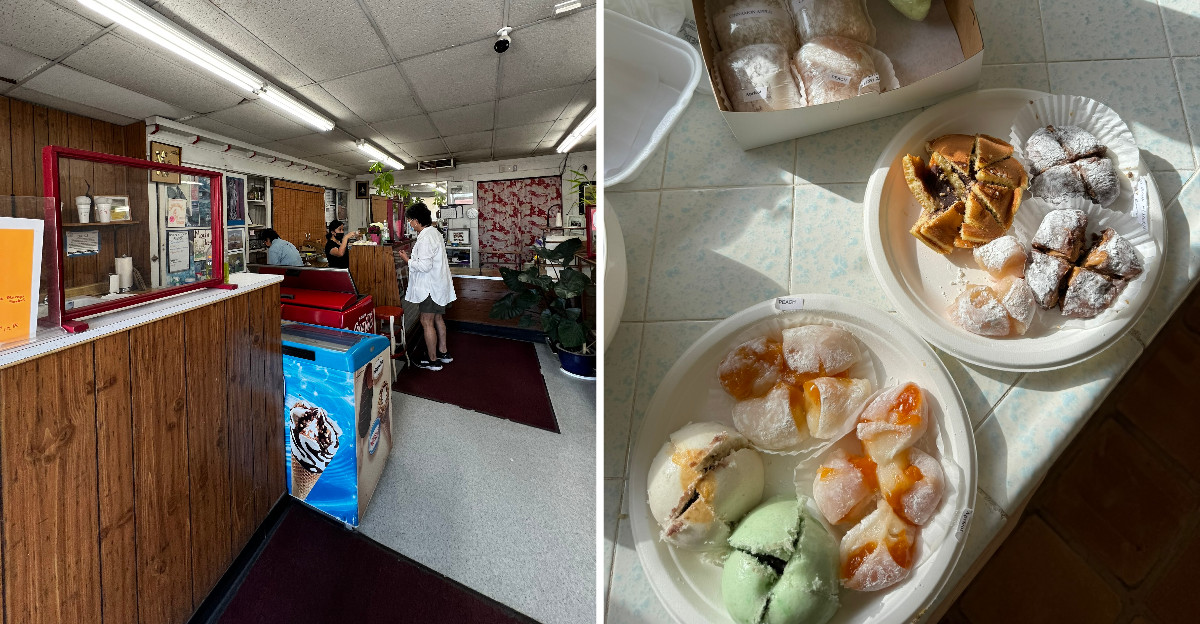
Some family businesses survive for generations, but few carry a story quite like this Japanese confectionery in California. Founded in 1915, it has endured forced wartime displacement, changing neighborhoods, and more than a century of shifting tastes.
Today, the third-generation owner still prepares traditional mochi by hand, using recipes passed down through her family. Customers arrive early because the small shop often sells out before its short business day ends.
I find it remarkable that a business with such a long history still operates on a cash-only basis and asks visitors to wear masks. The handmade sweets include traditional bean fillings alongside colorful fruit varieties.
Yet the most surprising part of the story may be its uncertain future. The current owner has continued working well into her seventies, and there is no confirmed family successor waiting to take over the business.
A Shop That Started Making Sweets Back In 1915
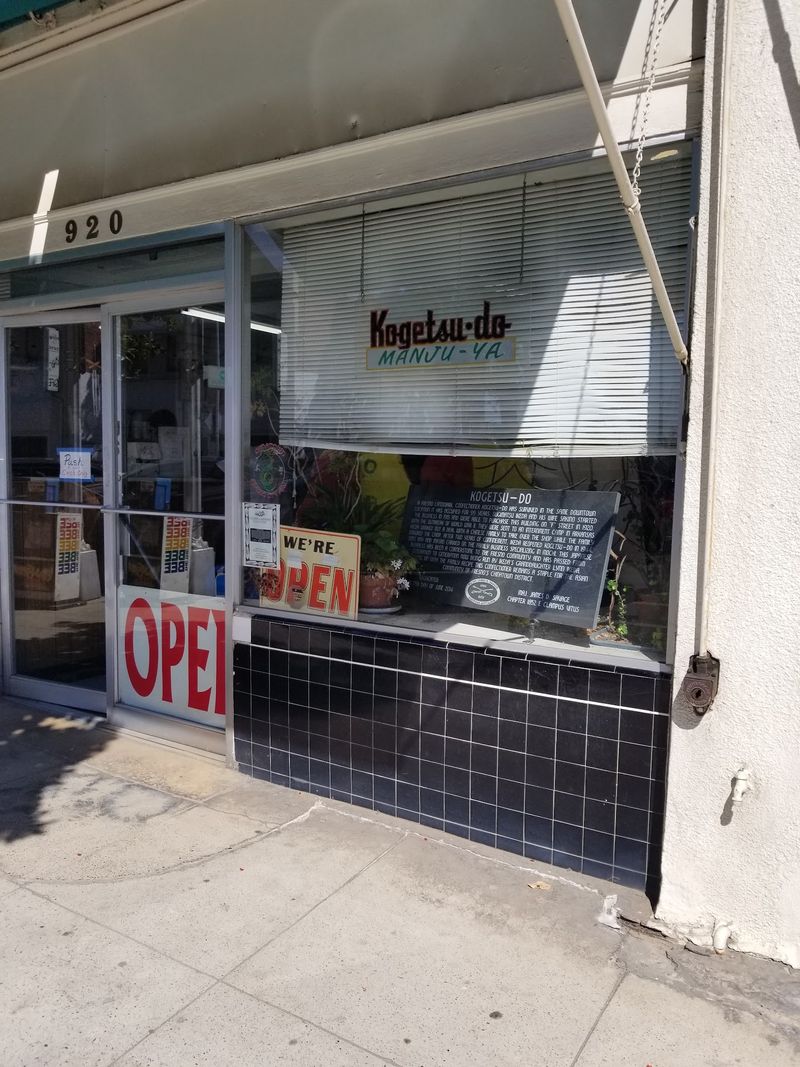
In 1915, Japanese immigrants Sugimatsu and Sakino Ikeda opened a confectionery on Kern Street in Fresno’s Chinatown. The family later moved the business to F Street, where Kogetsu-Do continues operating today.
The shop also survived one of the most difficult chapters in Japanese American history. During World War II, the Ikeda family was forcibly incarcerated, and a Chinese family temporarily operated the business until the Ikedas returned.
That kind of staying power is rare anywhere. In California, where businesses seem to rebrand every few years, it feels almost unbelievable.
The shop has passed through generations of the same family. Each one kept the recipes and routines close instead of chasing trends.
You won’t find a flashy makeover or a trendy pop-up menu here. The focus stays on handmade mochi and traditional treats, made the way the shop has always made them.
I believe that’s exactly why people care so much about this place. It’s a working piece of Fresno history that still sells you something sweet.
Fresno’s Chinatown once held many Japanese American businesses. Few of them survived the decades, which makes this little shop feel even more precious.
When you stop by, you’re doing more than buying dessert. You’re supporting a family tradition that has lasted longer than most buildings around it.
Not bad for a shop that measures success in rice dough. Honestly, few modern startups can claim a track record anywhere close to this one.
So treat the visit with a little respect. A 110-year streak deserves at least a smile and exact change.
Set An Alarm Because The Mochi Won’t Wait For You
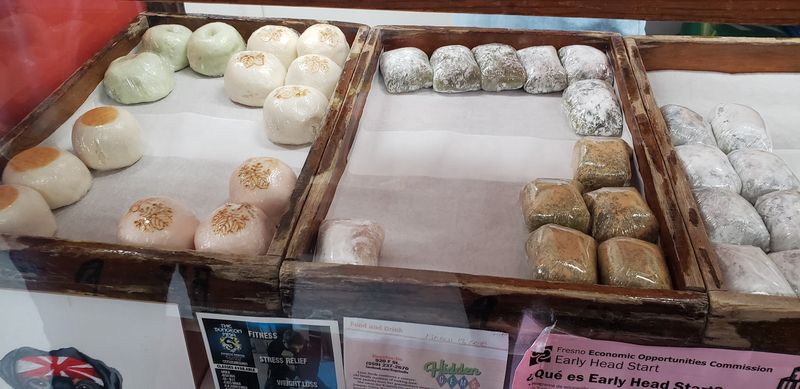
Early birds win big here. The doors open at 9 a.m., and the shop closes at 1 p.m., but the treats often vanish much sooner.
Everything is made fresh that morning in limited batches. When it’s gone, it’s gone, and no secret back room is hiding more.
Hours are short and the week is even shorter. The shop opens Friday through Monday and stays closed Tuesday through Thursday.
That schedule can catch people off guard. Checking ahead before a long drive is a smart move, since closures and breaks do happen.
Pre-orders are your best backup plan. The shop recommends ordering ahead, especially since demand has grown so much in recent years.
A quick phone call can save you a sad trip home. It also means your favorite flavors will be waiting with your name on them.
The inside of the shop is very small. Expect a line that may stretch out the door when things get busy.
Patience pays off, though. Standing outside for a bit is a small price for mochi made just hours earlier.
I can’t think of a better reason to wake up early on a weekend. Coffee can wait, but these sweets apparently cannot.
Red Bean And White Bean Fillings Keep The Classics Alive
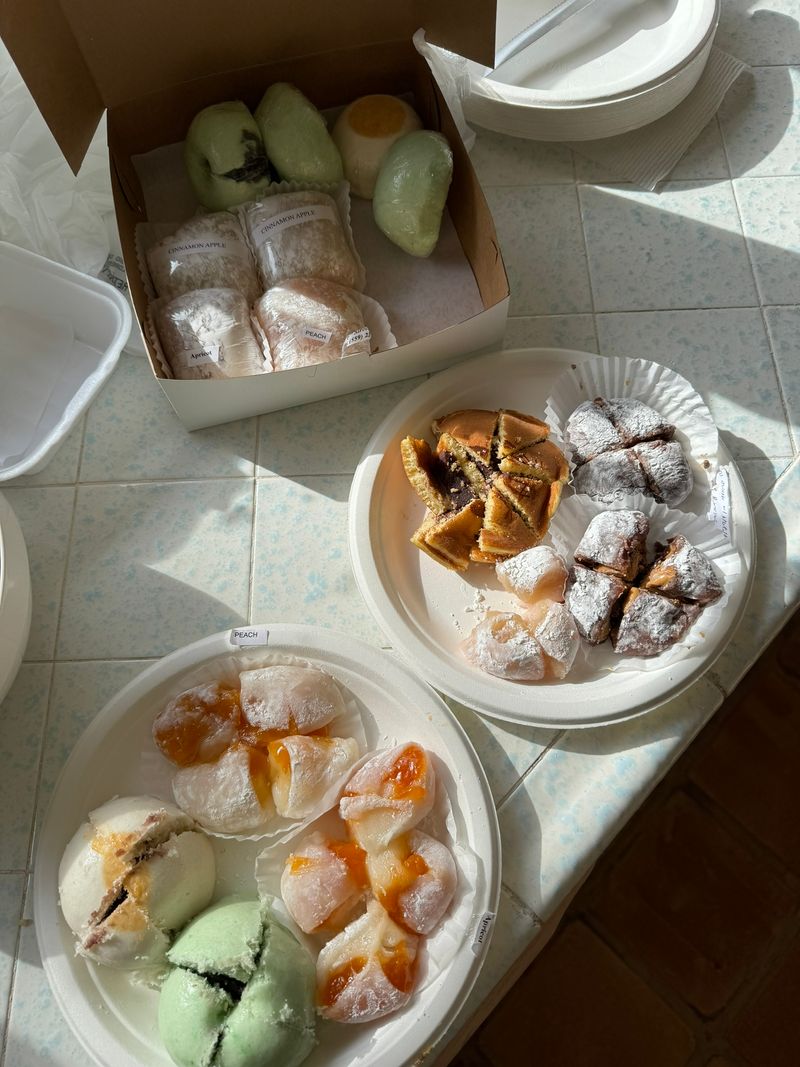
Sweet bean paste is the heart of traditional Japanese confections. At Kogetsu-Do, red bean and white bean mochi carry that tradition forward every morning.
Red bean, often called adzuki, has a mellow, earthy sweetness. White bean filling tends to be lighter and softer in flavor.
These are the flavors that built the shop’s reputation. They connect today’s customers to the same recipes enjoyed by families decades ago.
Mung bean filling has also appeared on the trays. It’s another classic option for anyone who likes gentle, not-too-sugary sweets.
Green tea mochi with red bean filling is a fun twist worth looking for. The tea-tinted dough adds color and a subtle earthy note.
If you’ve only had mochi from a grocery store freezer, prepare for a change. Fresh mochi made that morning is soft in a way packaged versions rarely match.
My advice is to try one of each bean filling side by side. It’s the easiest way to discover which style you actually love.
Bean desserts might sound unusual to some first-timers. Trust the century of practice behind them, because this family clearly knows what it’s doing.
Classic flavors last for a reason. These have outlived plenty of food fads.
Fruit-Filled Mochi Brings A Juicy Surprise
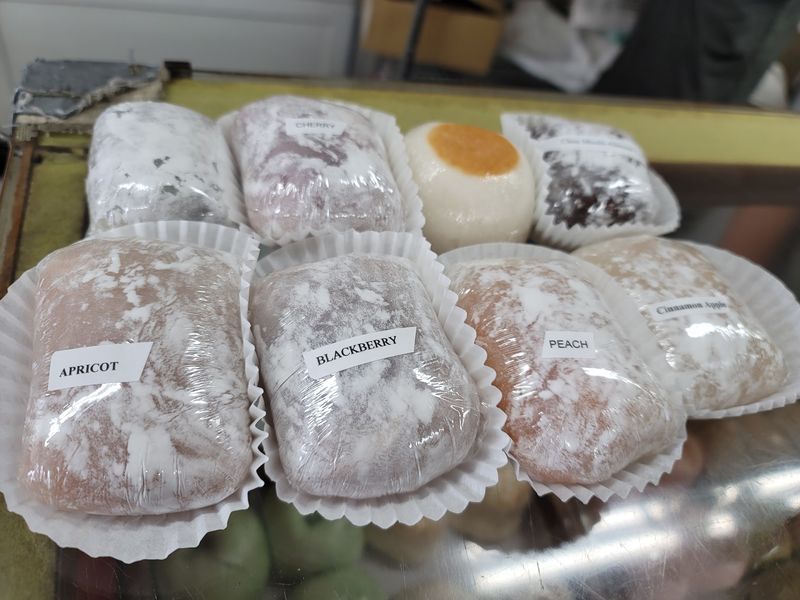
Peach inside mochi? That’s the kind of pairing that makes people do a double take.
Kogetsu-Do offers fruit-filled mochi alongside its bean classics. Flavors like peach, apricot, strawberry, and cinnamon apple have shown up on the lineup.
Fresh berry fillings appear too. Some fruit fillings lean jammy and sweet, while others feature real pieces of fruit tucked inside.
Chocolate mochi also makes an appearance. A chocolate cherry version has popped up before, which sounds like dessert showing off a little.
Boysenberry is another flavor that has been part of the mix. It’s a nice nod to the fruit-growing roots of the Central Valley.
Fresno sits in one of California’s richest farm regions. Fruit fillings feel right at home in a shop surrounded by orchards and vineyards.
Flavors can change, so don’t panic if your top pick isn’t there. Think of it as an excuse to try something new.
Some of these mochi are pretty large. Sharing is kind, but nobody will judge you for keeping one all to yourself.
I like how the fruit options balance the old-school bean flavors. Together, they make the counter feel both nostalgic and playful.
Snow Cones Show Up When The Valley Heats Up
Fresno summers are no joke. Temperatures can climb high, and a cold treat suddenly feels like a basic need.
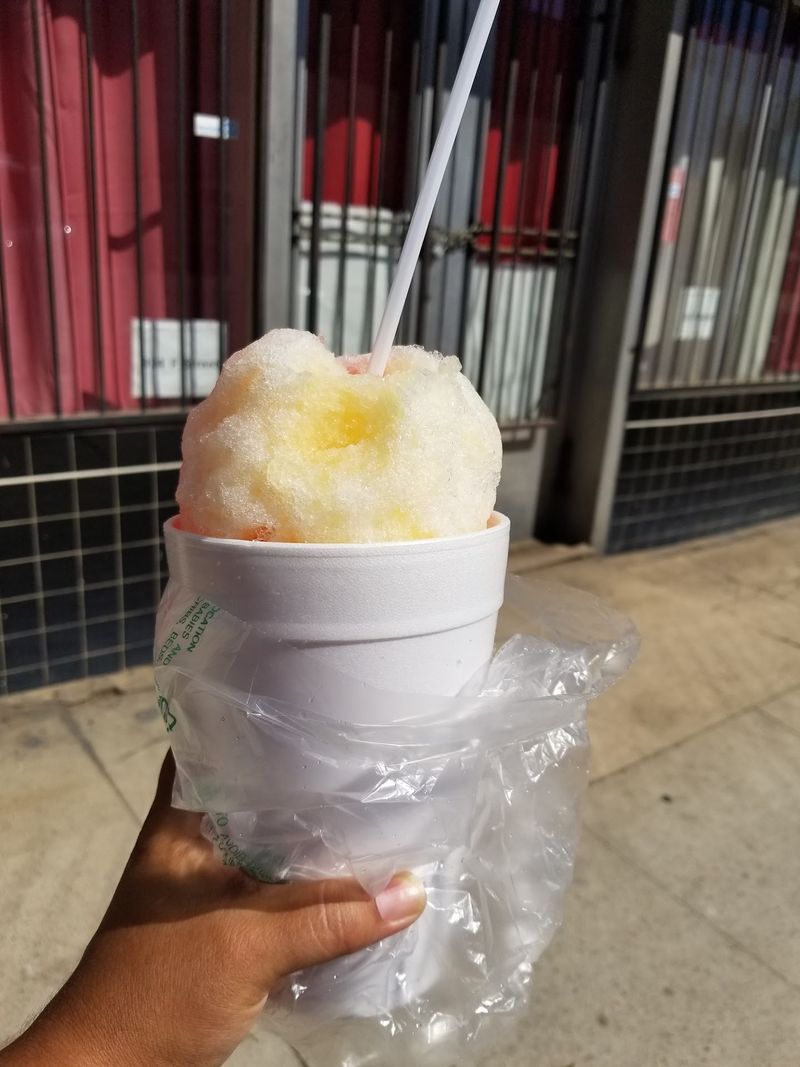
During warmer months, Kogetsu-Do serves snow cones made with homemade syrups based on a family recipe. The shop normally offers them from March through October, so visitors planning a winter trip should not expect them to be available.
Shaved ice has a long history in Japanese sweet traditions. Seeing it at a century-old confectionery makes perfect sense.
Snow cones are made by hand, one at a time. If you’re ordering a big batch for friends, a little patience goes a long way.
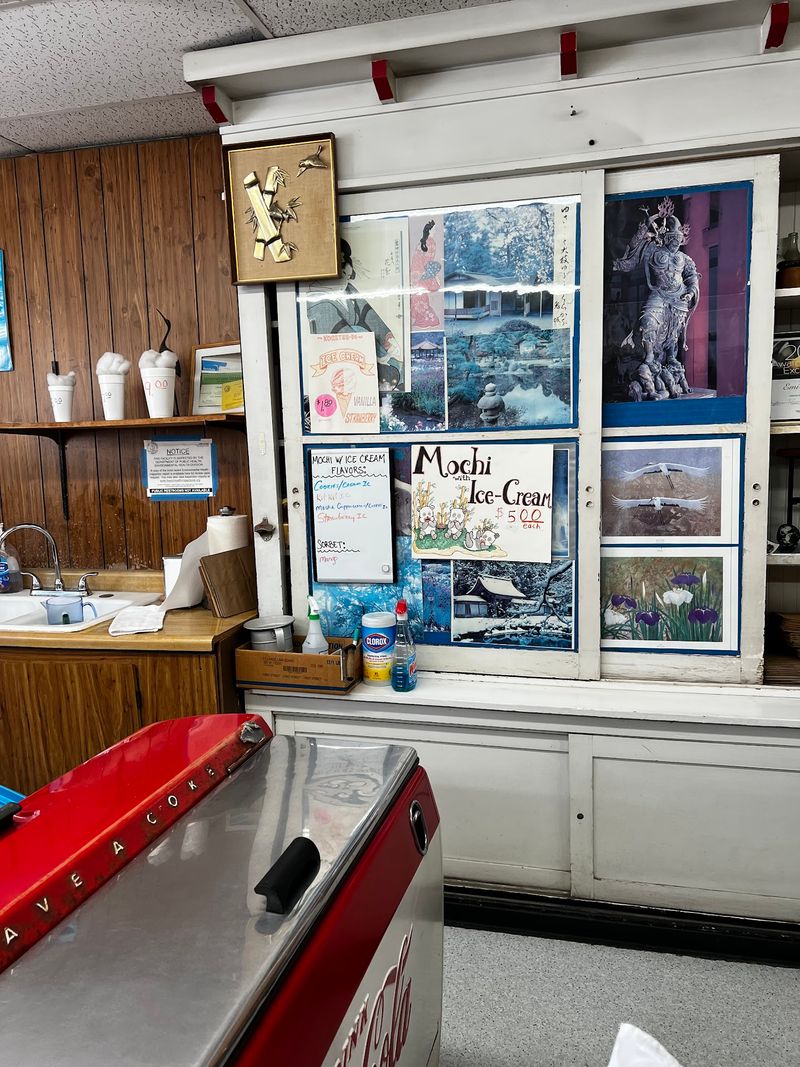
Mochi ice cream has also been part of the shop’s story. Some past versions were famously big, closer to a burger than a bite.
Availability can shift with the season. Asking at the counter is the easiest way to find out what’s ready that day.
A cold snow cone and a box of mochi make a solid combo. One cools you down while the other gives you something to look forward to later.
I believe every hot day deserves a treat like this. It’s simple, sweet, and connected to generations of tradition.
Just don’t let it melt in the car. That’s a lesson best learned only once.
Masks On, Please, Because The Rules Stay Put
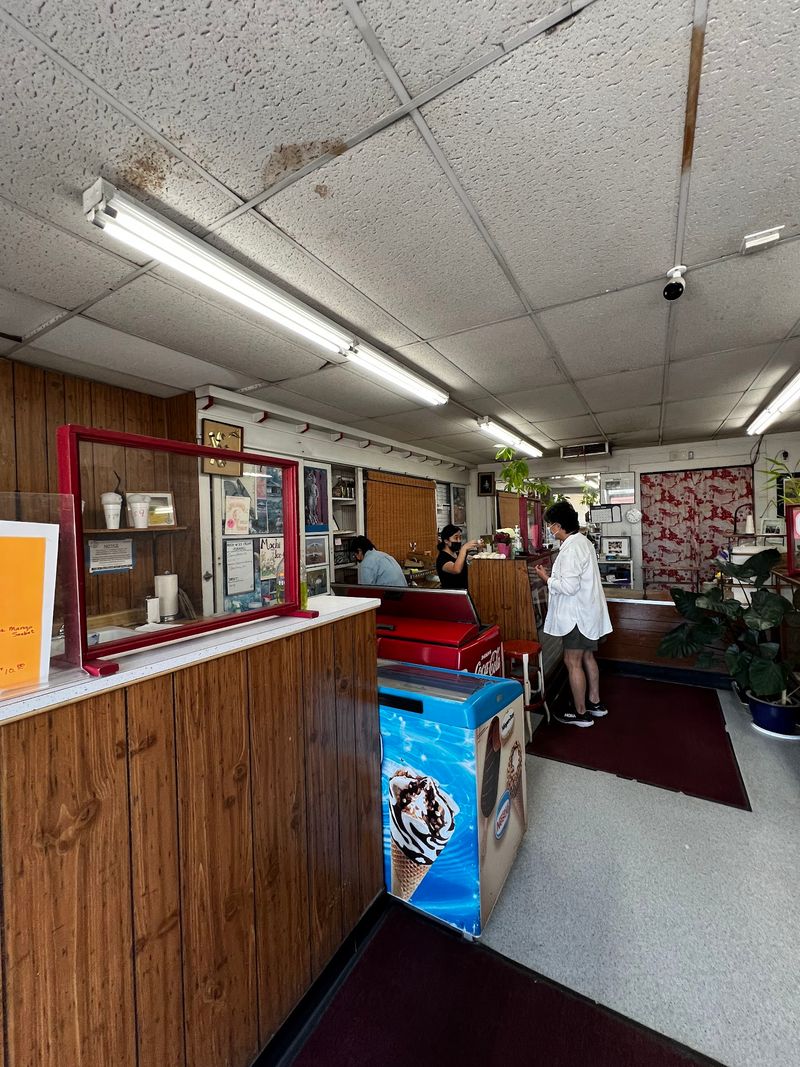
Many businesses dropped mask rules long ago. This shop kept them.
Customers at Kogetsu-Do are asked to wear a mask inside. If you forget yours, the staff may offer something to cover your face.
It’s a small, family-run space with older family members behind the counter. Protecting the people who make the sweets helps keep the doors open.
Think of it like taking off your shoes at a friend’s house. The house rules belong to them, and following them shows respect.
Packing a mask in your car or bag is the easiest fix. Then you can focus on the important decision, which is picking flavors.
The rule fits the shop’s bigger personality. It runs on its own terms rather than following whatever every other store is doing.
Cash only, short hours, and masks might sound like a lot. Together, they show a business that knows exactly what it values.
I like that consistency, honestly. It feels sincere in a world where policies change every week.
A little preparation makes the visit smooth. Bring cash, bring a mask, and bring a good attitude to match.
Find It On F Street In Fresno’s Old Chinatown
Some of Fresno’s deepest history sits along a few humble city blocks. Kogetsu-Do Confectionery lives right in the middle of it.
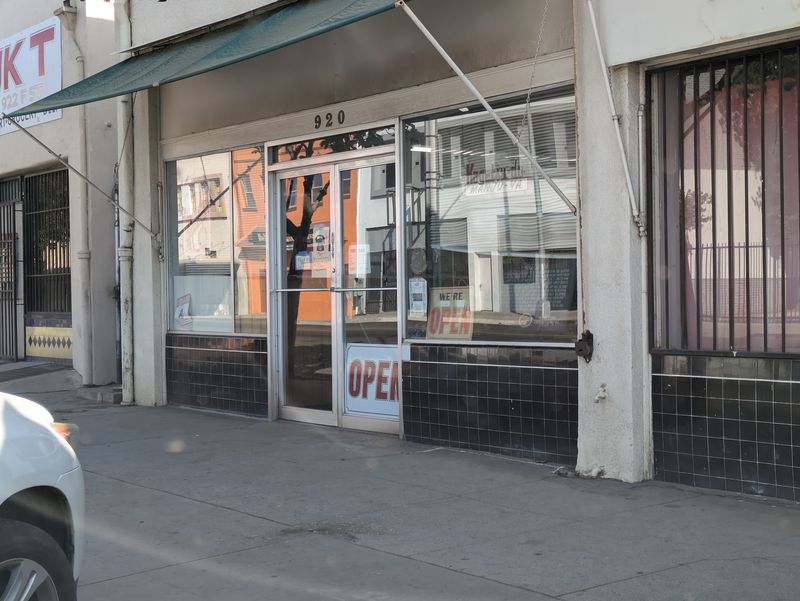
You’ll find the shop at 920 F St, Fresno, CA 93706. It’s in the city’s historic Chinatown, west of the railroad tracks from downtown.
This neighborhood was once home to Chinese, Japanese, and other immigrant communities. Shops, markets, and family businesses filled its streets for generations.
Today, the area looks far quieter and less commercial than many shopping districts. Visiting during the shop’s daytime hours keeps things easy and simple.
Parking near a small storefront can take a minute to figure out. Give yourself a little extra time, especially if you’re racing the sell-out clock.
The location adds meaning to every bite. You’re tasting sweets made in the same community where the shop first began in 1915.
Fresno also sits in the heart of California’s Central Valley. That makes the shop an easy stop on a road trip between bigger cities.
I believe places like this help a neighborhood remember itself. One little sweet shop can hold more history than a museum display.
Plus, the museum doesn’t usually hand you mochi on the way out.
A Family Recipe Book That Never Went Digital
No app, no loyalty program, no influencer menu. Kogetsu-Do keeps doing what has worked for more than 110 years.
The sweets are made by hand each morning in small amounts. That choice limits how much the shop can sell, but it protects the quality.
Modern businesses often grow by making more, faster. This family chose to keep things small, personal, and steady instead.
Attention on the shop’s long legacy has brought in new fans. That’s one big reason the trays empty so quickly these days.
Supporting a place like this is easy. Show up early, order ahead when you can, and be kind at the counter.
A quick thank-you means more than you’d think. The people making these treats start their work long before the doors open.
Every box of mochi carries generations of practice. Grandparents, parents, and children have all played a part in keeping it going.
I can’t imagine a better kind of souvenir from California. It’s fresh, handmade, and backed by a family story over a century long.
So plan your weekend morning around it. Some traditions are worth showing up for, especially ones that taste this good.
