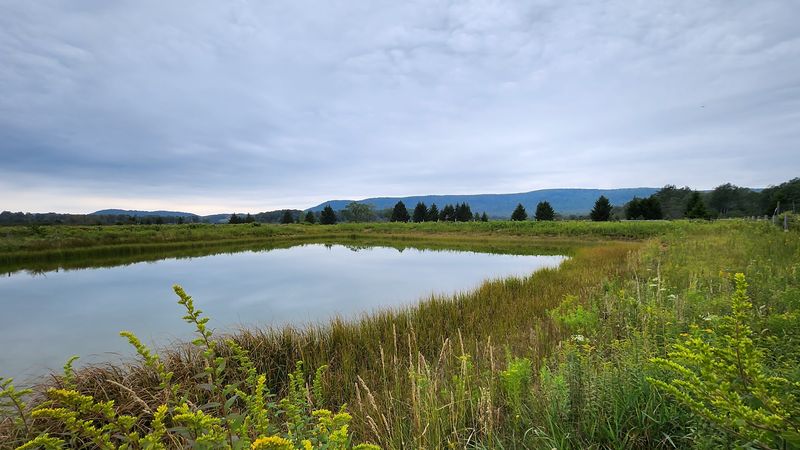
More than 8,400 acres of wetland sit at roughly 3,200 feet up in the mountains. That’s bogs, marshes, and swamp forest perched where you’d expect only ridges and rock.
It feels like a slice of Canada wandered south and decided to stay.
I like how the residents match the setting. An endangered flying squirrel lives here.
So does a threatened salamander found almost nowhere else on Earth.
This corner of West Virginia also costs nothing to explore. No entry fee, miles of trails, and boardwalks that keep your boots dry over the soggy parts.
I can’t imagine a better deal for a curious grown-up with a free weekend.
So how did a cold, northern-style wetland end up in the Alleghenies? And what else is hiding out there in the grass?
America’s 500th Wildlife Refuge Sits In A Bathtub-Shaped Valley
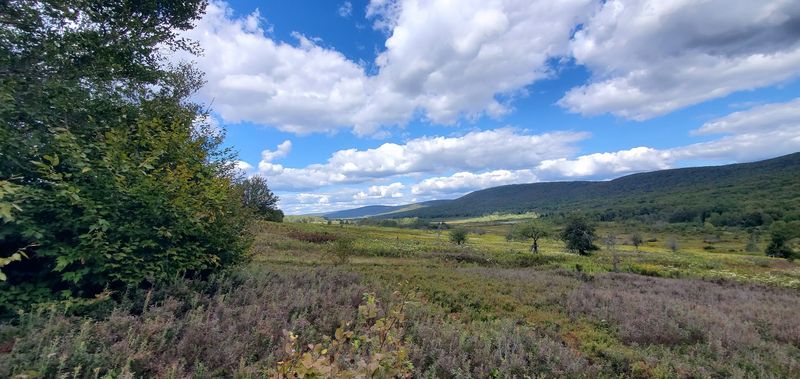
Mountains usually shed water fast. Canaan Valley does the opposite, holding it in a broad, bathtub-shaped bowl high in the Allegheny Mountains.
The Canaan Valley National Wildlife Refuge protects a big chunk of that bowl. Established in 1994, it became the 500th national wildlife refuge in the country, according to the U.S.
Fish and Wildlife Service.
Today the refuge covers roughly 18,986 acres of wetlands and uplands. That’s a lot of room for a lot of quiet.
Nearly 70 percent of the valley now sits under some form of protection.
The valley floor rests at about 3,200 feet above sea level. That height matters more than you’d think.
It keeps things cool, damp, and surprisingly northern for a spot this far south.
The refuge sits in Tucker County, close to the mountain towns of Davis and Thomas. Neighboring public lands wrap around it, including the Monongahela National Forest and Canaan Valley Resort State Park.
So the refuge isn’t a single trail or one pretty overlook. It’s a patchwork of meadows, bogs, and forest edges you can explore from many access points.
Think of it less as an attraction and more as a whole landscape that happens to have a visitor center.
The Wetland That Breaks The Appalachian Record
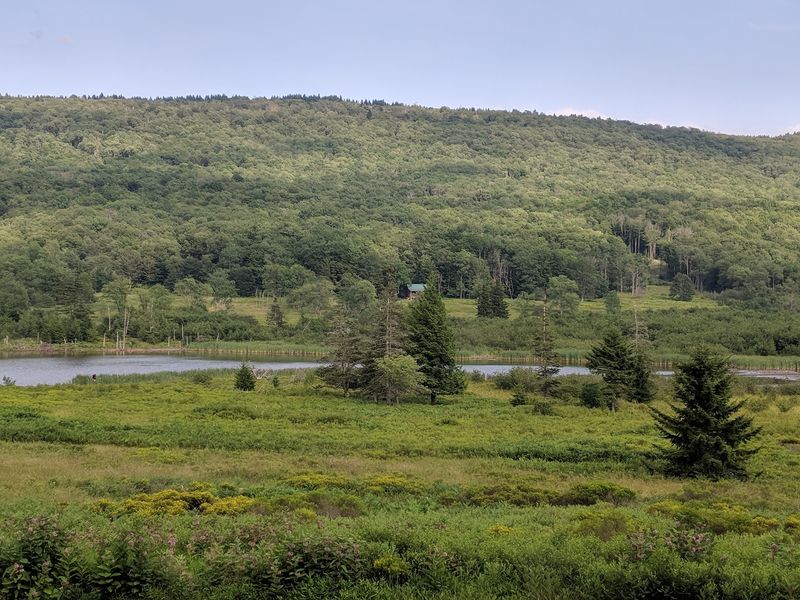
Here’s the headline fact: this valley cradles the largest high-elevation wetland in the Appalachian Mountains. The complex stretches across more than 8,400 acres.
It’s also the biggest wetland in West Virginia. That’s quite a title for a state better known for steep hills than soggy ground.
Scientists often call it a boreal relict community. In plain words, it’s a leftover pocket of northern-style habitat.
The plants and animals here look more at home in Maine or Canada.
The wetland isn’t one big pond. It’s a mosaic of swamp forests, alder thickets, open marshes, and bogs.
Some of the conifer swamps here are considered globally rare.
Water is the quiet engine behind all of it. The Blackwater River begins in this valley and winds through the wetlands before leaving the bowl.
Downstream, that same river tumbles over the famous Blackwater Falls. So every time you admire that amber waterfall, you’re seeing water that started its trip right here.
That’s a fun bit of trivia for your next road trip conversation.
Wetlands like this also filter water and store it slowly. The valley does a lot of work without anyone noticing.
Rare Residents You Won’t Find In Your Backyard
Some neighbors are hard to meet. The West Virginia northern flying squirrel is one of them, and it calls this valley home.
The refuge also shelters the threatened Cheat Mountain salamander. Both depend on the cool, moist habitats that make Canaan Valley so unusual.
Don’t count on spotting either one on a casual stroll. The squirrel glides around at night, and the salamander keeps a very low profile.
Still, knowing they’re out there adds a little thrill to every step.
The bigger cast is easier to find. Over 580 plant species and at least 288 animal species have been documented in the valley.
Bird lovers get the jackpot. Around 198 bird species have been recorded, from American woodcocks and barred owls to geese and wild turkeys.
Mammals round out the roster nicely. Deer, raccoons, beavers, and bobcats all live within the protected land.
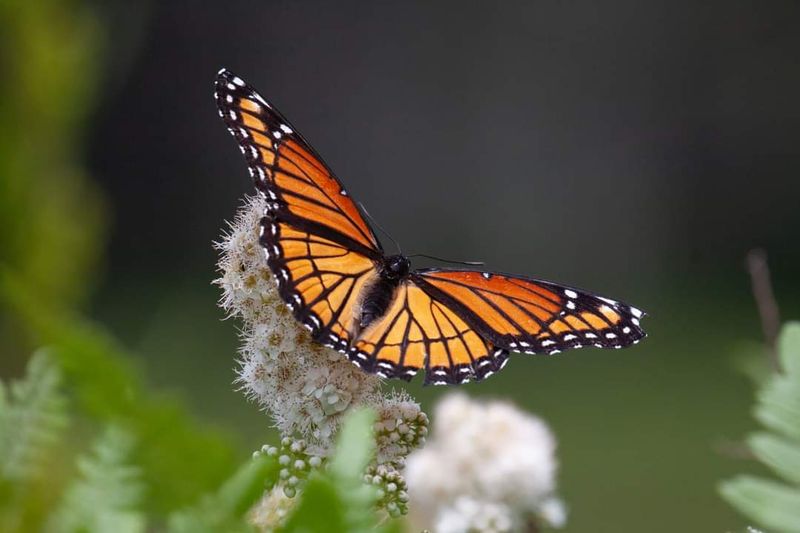
Smaller wonders count too. Pollinators like the clearwing hummingbird moth drift through the flowers in warmer months.
Watch one hover over a blossom, and you’ll see why it gets mistaken for a tiny bird.
Bring binoculars and some patience. The valley rewards people who slow down.
Boardwalks That Keep Your Boots Surprisingly Dry
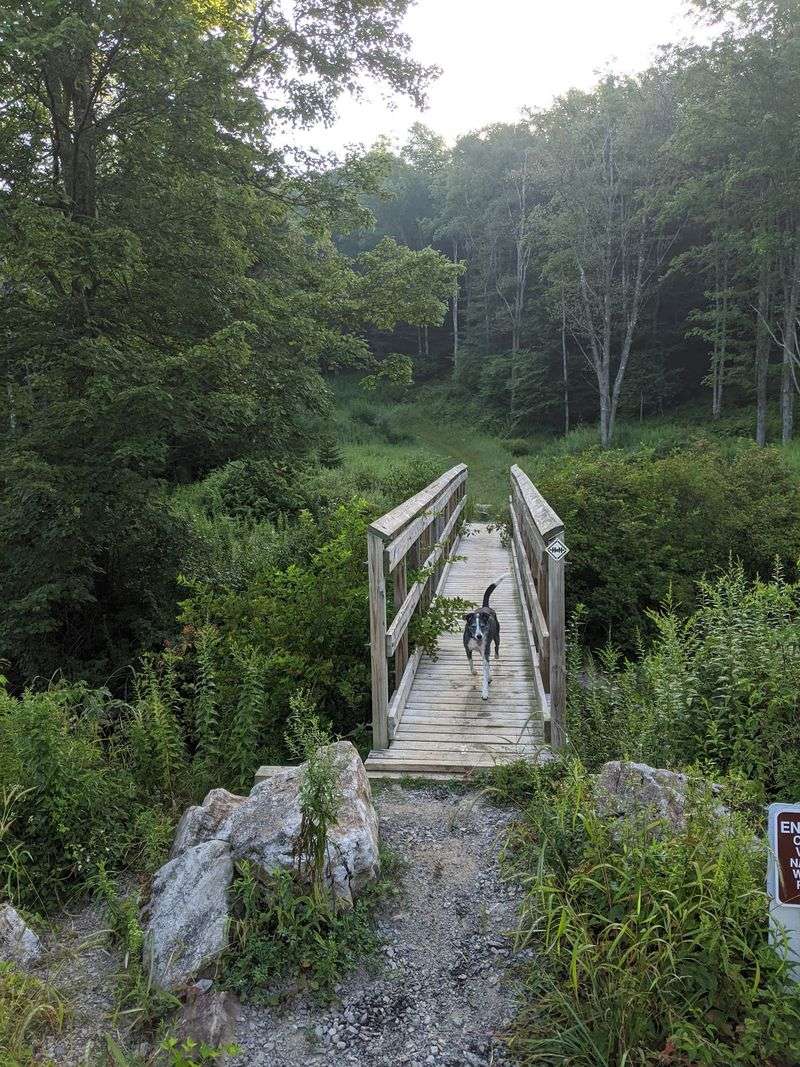
Wetlands and dry socks don’t usually go together. The refuge solves that with walkways at many of the water crossings along its trails.
The Freeland Boardwalk is the easy favorite. It’s a scenic half-mile loop with a bubbling spring along the way.
That length makes it a smart pick for small kids, older relatives, or anyone short on time. You get the full wetland feel without committing to a big hike.
Want more miles? The refuge has about 31 miles of roads and trails open for walking.
Roughly 23 miles are open to bicycling too.
The Beall Trail offers rolling terrain and wide views. It eventually ducks into a shady, canopy-covered path through the woods.
For a longer outing, trails like Glade Run Crossing, Middle Valley, Sand Run, and Cabin Mountain link together nicely. A few muddy patches can pop up, so wear shoes you don’t mind cleaning.
Download a trail map before you go. Cell service can be spotty across much of the valley, and the map saves a lot of guessing.
Parking at the main trailheads is generally easy to find.
Snowshoes, Ski Tracks, And A Winter Plan B
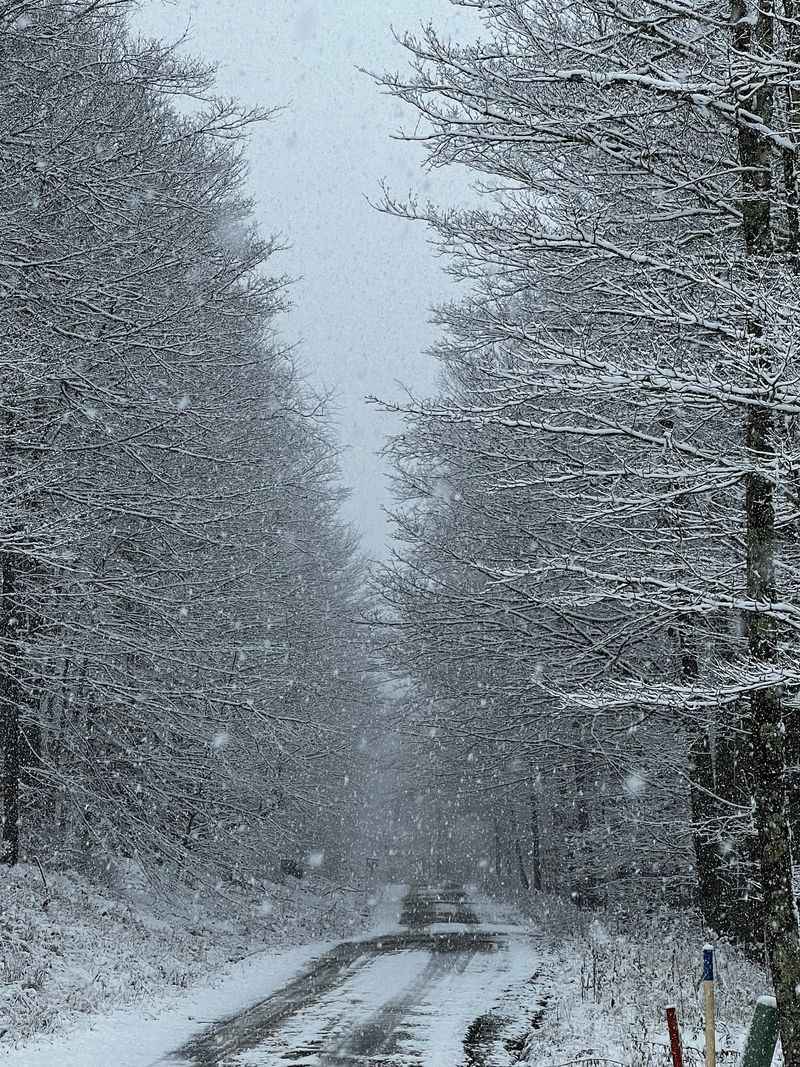
Plenty of nature spots go quiet when snow falls. Canaan Valley just changes outfits.
The same trails that welcome summer hikers open up for cross-country skiing and snowshoeing in winter. That high elevation helps the valley hold onto its snowy reputation.
Ranger-led snowshoe tours have been offered here, including loops of about three miles from the White Grass area. Guides share stories about the valley’s early days while you crunch along.
Those outings suit beginners and seasoned snowshoers alike. Check the refuge calendar for current programs, since offerings may change from season to season.
Weather is the wild card. Conditions can swing from pleasant to rough quickly, any time of year.
Pack layers, water, and snacks, even for a short trip. There’s no water or electricity in most of the refuge, so plan ahead.
Hunters and anglers also use the land in season. Both are permitted with the proper West Virginia licenses and any required refuge permits.
Winter can feel wonderfully empty out here. If you love a hushed trail and a cold nose, this might become your favorite season in the valley.
From Clear-Cut Hills To Protected Ground
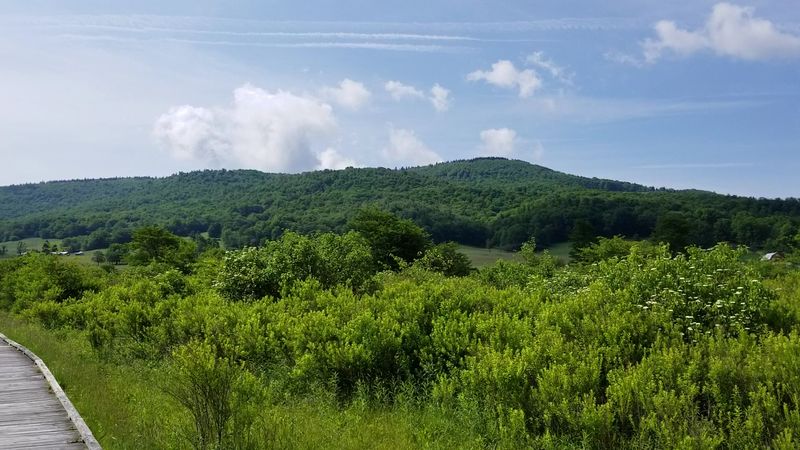
Early explorers weren’t exactly charmed. Some reportedly nicknamed the Blackwater River the River of Styx, which tells you how harsh this land felt.
Settlement attempts date back to 1748 with Henry Fansler. The rugged climate often discouraged long stays, according to the West Virginia Encyclopedia.
Industrial logging arrived around 1880 and changed everything. By 1922, the valley had been completely clear-cut, and destructive fires followed.
Recovery took decades. Regeneration efforts helped shape parts of what became the Monongahela National Forest nearby.
Then came the protection milestones. In 1974, part of the valley was named a National Natural Landmark for its boreal ecosystem.
The refuge followed in 1994. More recently, the West Virginia Division of Natural Resources launched its Natural Areas Program in 2021.
Its first designations included 2,000 acres of Canaan Valley wetlands. The Nature Conservancy has also acquired the Dobbins Slashing area, protecting more than 800 acres between the refuge and the national forest.
It’s a comeback story worth telling at the dinner table. Land once stripped bare now ranks among the most protected places in West Virginia.
Your First Stop Should Be The Friendly Visitor Center
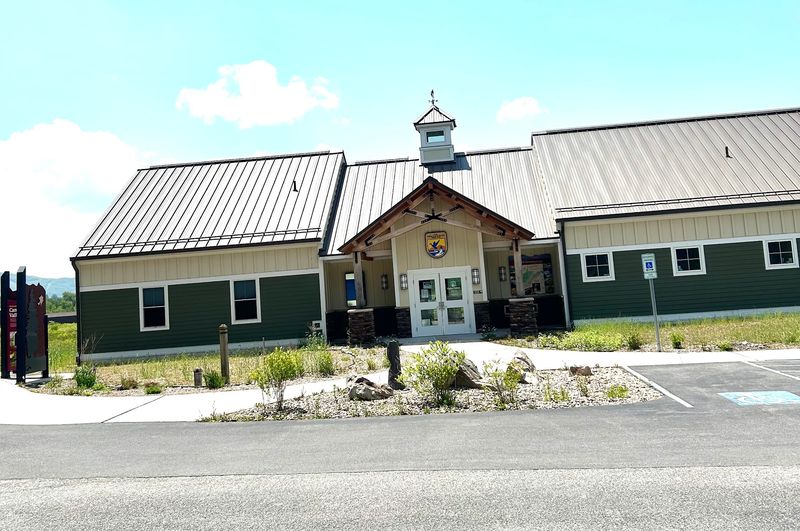
Good news for planners: the refuge is free. There are no fees to explore any of it.
The grounds are open daily from dawn to dusk. The visitor center keeps shorter hours, opening Wednesday through Saturday from 10 a.m. to 4 p.m.
You’ll find it at 6263 Appalachian Hwy, Davis, WV 26260. It makes a natural launch point before you head to the trails.
Inside, displays explain the natural and cultural history of the valley. Exhibits on the area’s landforms help the whole landscape make sense.
Staff and volunteers are known for being knowledgeable and welcoming. Ask for a trail map and some suggestions, and they’ll point you toward a good walk.
Gardens outside invite a short wander, too. In summer, those blooms can draw butterflies and other pollinators.
Birders have favorite spots worth asking about. Cortland Road, the Beall Tract, Timberline Road, and the Freeland Road boardwalk are easy to reach.
More adventurous paths branch off A-Frame Road in the north end and Camp 70 Road from Davis. Grab directions first, since GPS can get confused on back roads.
A Quiet Valley Worth Building A Weekend Around
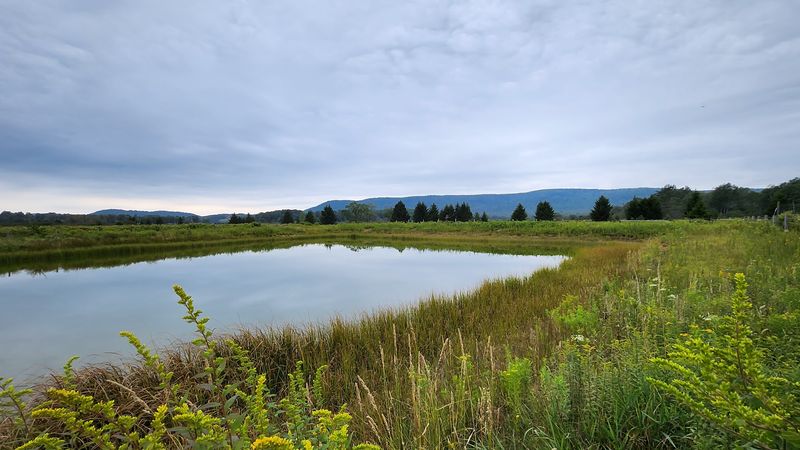
Few free places deliver this much. A record-setting wetland, rare wildlife, and miles of trails, all without a ticket.
The Canaan Valley National Wildlife Refuge suits a certain kind of traveler best. If you like slow walks, birdsong, and wide-open sky, you’ll fit right in.
Families get easy wins like the half-mile Freeland Boardwalk. Grown-ups get room to think, photograph, and simply unplug for a while.
Every season brings a different personality. Summer stays cool, fall glows, winter invites snowshoes, and spring wakes up the wetlands.
Getting here is manageable from many East Coast cities. The valley sits about three hours from Pittsburgh and Washington, D.C.
Pair your visit with nearby favorites in West Virginia. Blackwater Falls State Park, Dolly Sods Wilderness, and the arts-friendly towns of Davis and Thomas are all close.
Pack layers, download that map, and leave some extra time. Rushing through a place like this feels like skimming a good book.
Find a bench, listen for a woodcock, and let the valley do its thing. You may leave planning your next trip before you’ve reached the car.
