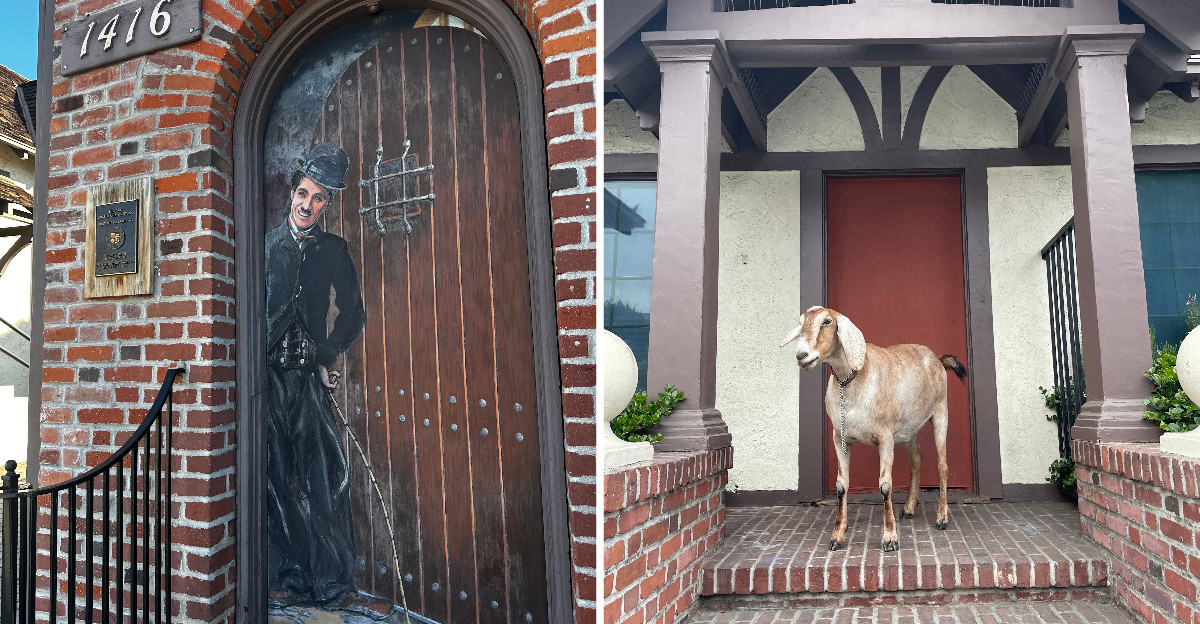
Storybook cottages with peaked roofs and cozy windows sit in the middle of a California neighborhood, looking like they were pulled straight from a fairy tale. A young filmmaker built them in 1917, when he was only 28 years old, so he could make movies his own way.
Those same charming buildings still stand today, their Tudor-style details and playful architecture drawing curious glances from anyone who passes by. Over the years, the lot has hosted tramps, superheroes, lawyers, legendary musicians, and even a famous frog.
Walking past these cottages, it is easy to feel the history pressed into every brick and beam. Few places in California feel this playful and packed with stories.
The filmmaker went on to become one of the most recognizable faces in the world, but this little village remains one of his most personal creations. A visit here is a reminder that creativity can take root anywhere, even in the middle of a busy city.
A 28-Year-Old With a Big Dream
Picture yourself at 28, already the most famous comedian on the planet, and deciding you want your own movie studio. That is exactly what Charlie Chaplin did.
Born on April 16, 1889, he started building his studio in November 1917.
His reason was simple and pretty relatable. Chaplin wanted creative freedom, the kind where nobody could rush him or tell him how to shoot a scene.
Owning the whole lot meant he could take his time, try things over and over, and get every laugh just right.
I love thinking about how bold that move was. Most people his age were figuring out their first real jobs, while he was planning a developing plant, a cutting room, and offices all his own.
The studio opened for business in January 1918, and most of the construction wrapped up by around 1919.
Here is a fun detail that makes me smile. Chaplin actually filmed the construction of his studio, so there is real footage of the buildings rising from the ground.
If you enjoy history, hunting down that footage online before you visit adds a whole new layer to the trip, because you can compare the old clips with what still stands on the corner today.
From Orange Groves to a Movie Lot
Oranges, lemons, and peaches once grew right where famous films would later be made. Before any camera rolled here, the corner of La Brea Avenue and Sunset Boulevard was farmland.
Chaplin bought a five-acre plot that held a ten-room house surrounded by fruit trees.
That image stuck with me as I stood across the street watching traffic zoom by. It is hard to imagine a quiet orchard in a spot that now hums with cars, buses, and people heading to work.
Still, it reminds you how young Hollywood really was back then.
In those days, Los Angeles was still growing into itself, and wide-open land was easier to find. Chaplin saw the potential in this sunny patch and turned it into a place where stories could come to life.
The fruit trees gave way to stages, sets, and workshops.
My tip for visitors is to take a moment on the southeast corner and just look around. Try to picture rows of trees swaying in a warm breeze instead of billboards.
It is a small mental exercise, but it makes the history feel personal, and you will likely find yourself noticing details on the old cottages you might have missed otherwise.
A Storybook English Village in Hollywood
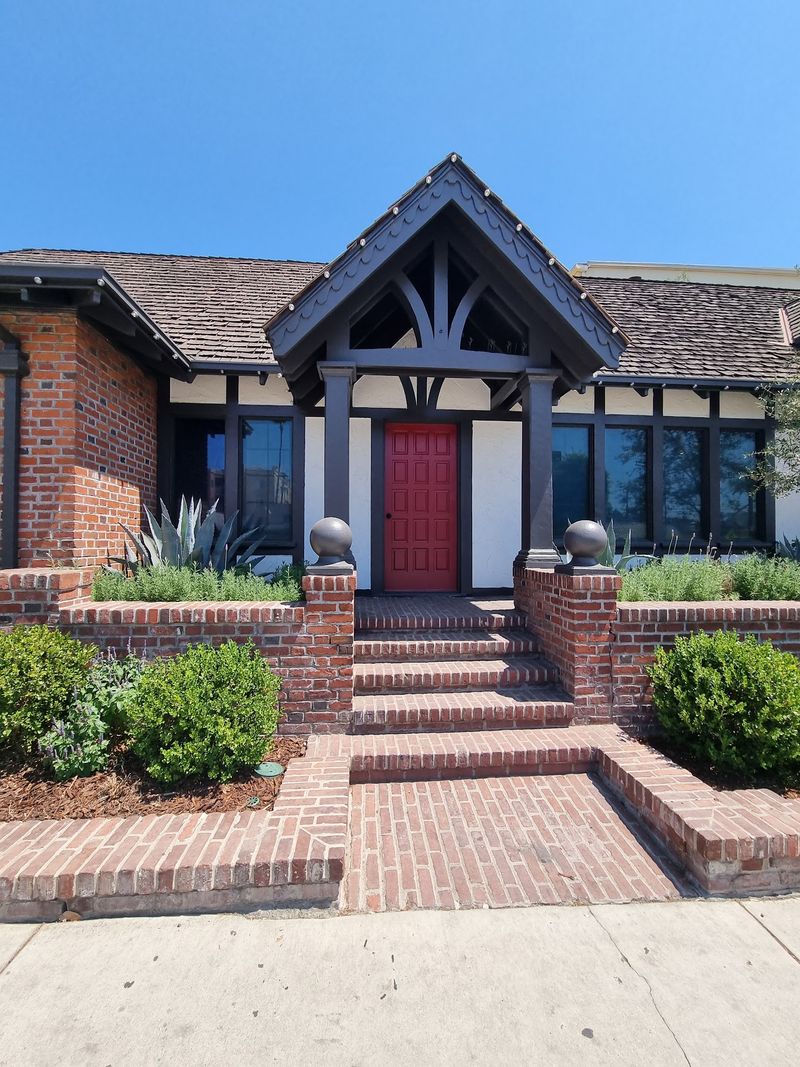
Nothing prepared me for how cute these buildings are in person. Chaplin grew up in London, and he designed his studio to look like a charming English village street right here in California.
The result is a row of cottages with steep roofs and cozy details.
People have called it a fairy-tale cottage complex and even eccentric Peter Pan architecture. Both descriptions fit perfectly.
Honestly, I half expected a friendly baker to pop out of one of the doors.
Behind those sweet facades, though, serious work took place. The cottages along La Brea held offices, a screening room, and a film laboratory, so the pretty outside hid a busy movie machine inside.
For photographers, this is the highlight of any stop here. Morning and late afternoon light make the timber details and rooftops glow, and the contrast with modern Hollywood around it is striking.
Just remember to stay on the public sidewalk, since the grounds are private.
I think the design says a lot about Chaplin himself. He was a global star, yet he chose to surround his workday with a little piece of home.
That mix of fame and nostalgia is part of what makes the buildings so memorable, even more than a century later.
Where The Kid and City Lights Were Born
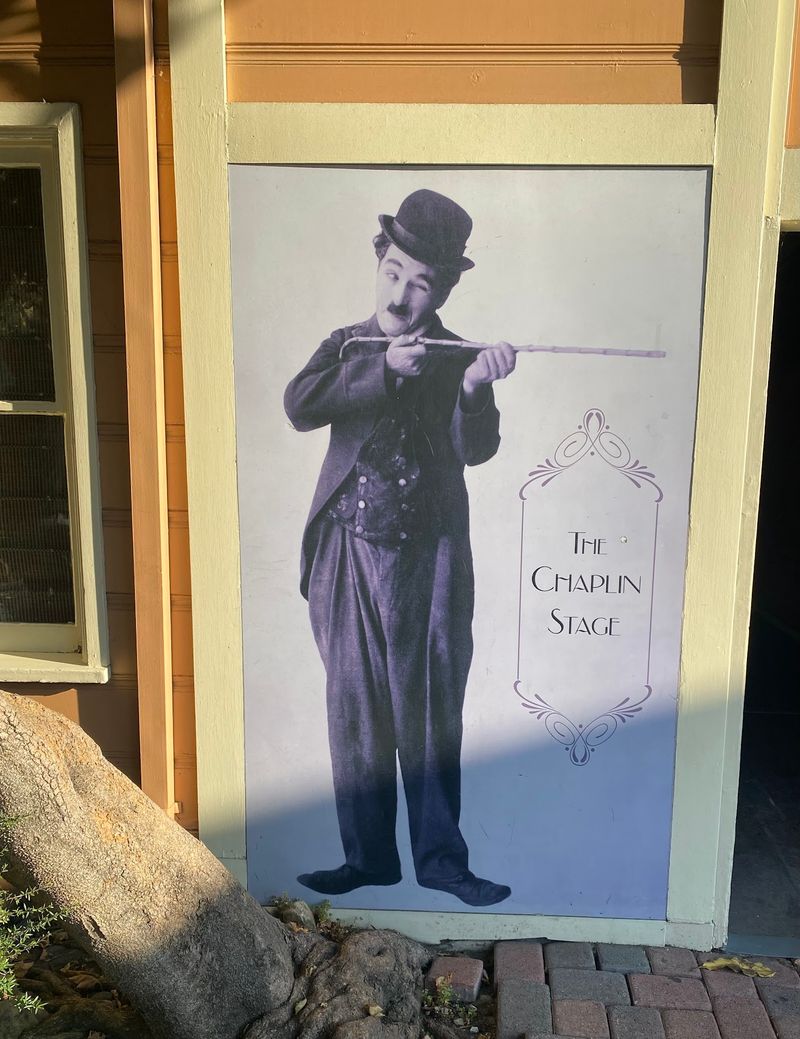
Some of the greatest comedies ever made started right here. Chaplin filmed The Kid in 1921, The Gold Rush in 1925, and City Lights in 1931 on this lot.
Later came Modern Times in 1936 and The Great Dictator in 1940.
When I learned that list, I went home and watched City Lights again, and it hit differently. Knowing the scenes were shaped just steps from the cottages I had seen made the movie feel closer somehow.
The studio grounds had everything a filmmaker could want back then. There was a back lot with outdoor sets, twin open-air stages, a carpenter’s shed, garages, a film vault, and dressing rooms.
It was like a tiny town built for making magic.
His final film shot here was Limelight in 1952. Soon after, in October 1952, Chaplin left the United States, and he sold the studio in 1953.
A fun bit of trivia for fans is that his concrete footprints once sat in front of Sound Stage 3. They were later moved to Red Skelton’s home in Palm Springs.
My advice is to watch at least one Chaplin classic before visiting, because it turns a quick photo stop into something much richer.
Superman, Perry Mason, and Red Skelton
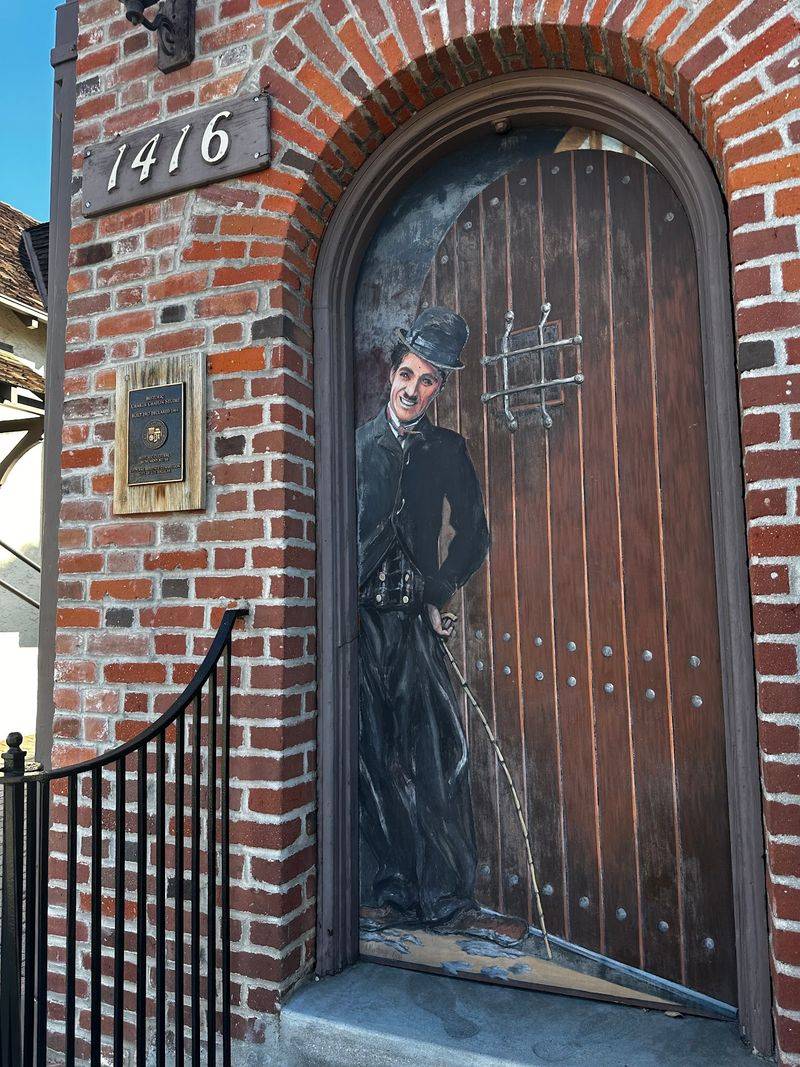
Here is something that surprised me. After Chaplin sold the lot, it became a TV hotspot.
A Chicago television company leased the property, and it was known as Kling Studios for a while.
During that time, The Adventures of Superman, starring George Reeves, was filmed here. I love the idea of the Man of Steel sharing space with cottages built for the Little Tramp.
It is such a funny and wonderful mix.
Comedian Red Skelton owned the studio from 1958 to 1962, and The Red Skelton Show was produced on the lot. Then CBS took over and used it for Perry Mason from 1962 to 1966.
That courtroom drama had millions of fans tuning in every week.
What strikes me most is how the place kept adapting. The buildings did not get torn down when silent films faded.
Instead, they welcomed a brand new form of entertainment and kept right on working.
If you enjoy classic TV, it is worth watching an old episode of either show before your trip. You probably will not spot the cottages on screen, but knowing the history adds a playful thrill when you finally see the lot in person on La Brea.
The Music Years at A&M Records
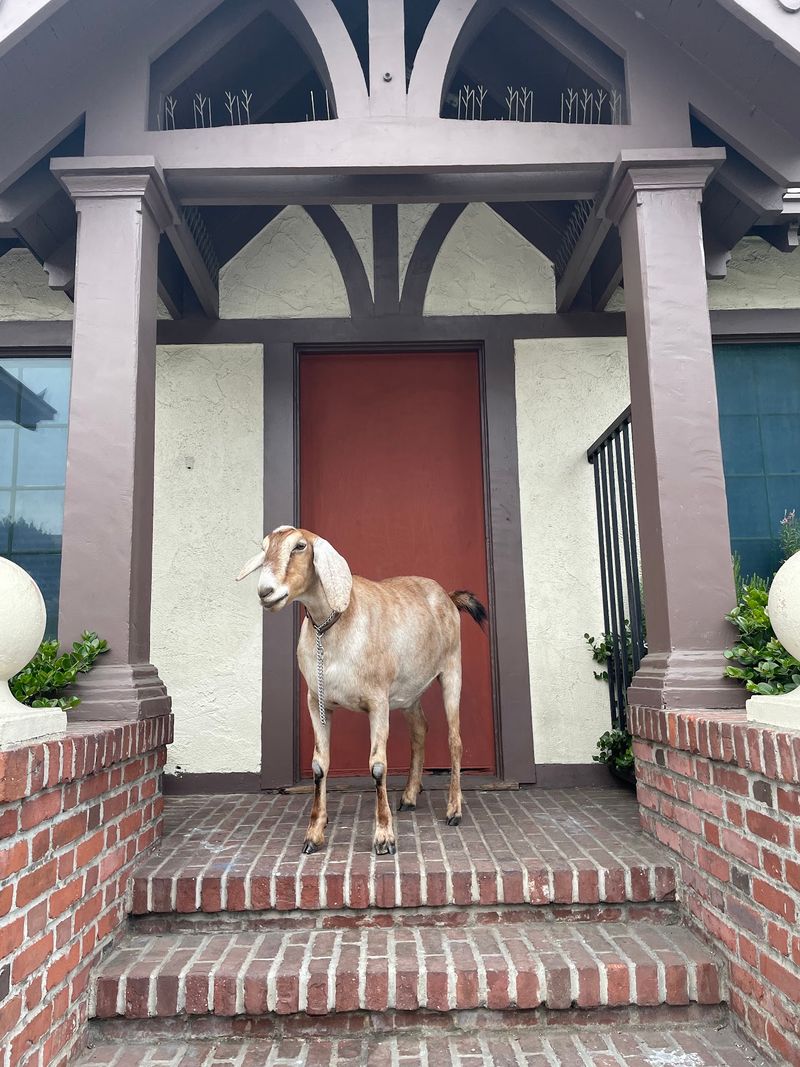
Turn up the volume, because this chapter is loud in the best way. From 1966 to 1999, the lot served as headquarters for A&M Records and Tijuana Brass Enterprises.
The old movie studio became a music powerhouse.
Artists like Bruce Springsteen and the Rolling Stones recorded here. Peter Frampton’s famous Frampton Comes Alive album was recorded on the lot too.
That is a pretty amazing guest list for a group of storybook cottages.
The biggest moment came in 1985. The song and video for We Are the World were recorded here with an all-star group of musicians, all coming together to help people in need.
Every time I hear that song now, I picture those peaked roofs.
Also during these years, in 1969, the Los Angeles Cultural Heritage Board named the studios a historic cultural monument. That decision helped protect the original 1917 buildings so future visitors could still enjoy them.
My suggestion is to make a small playlist of songs connected to the lot and play it as you head over. It sets the mood beautifully.
You might find yourself humming along as you snap photos from the sidewalk, and honestly, that is part of the fun.
Kermit, the Muppets, and a New Chapter
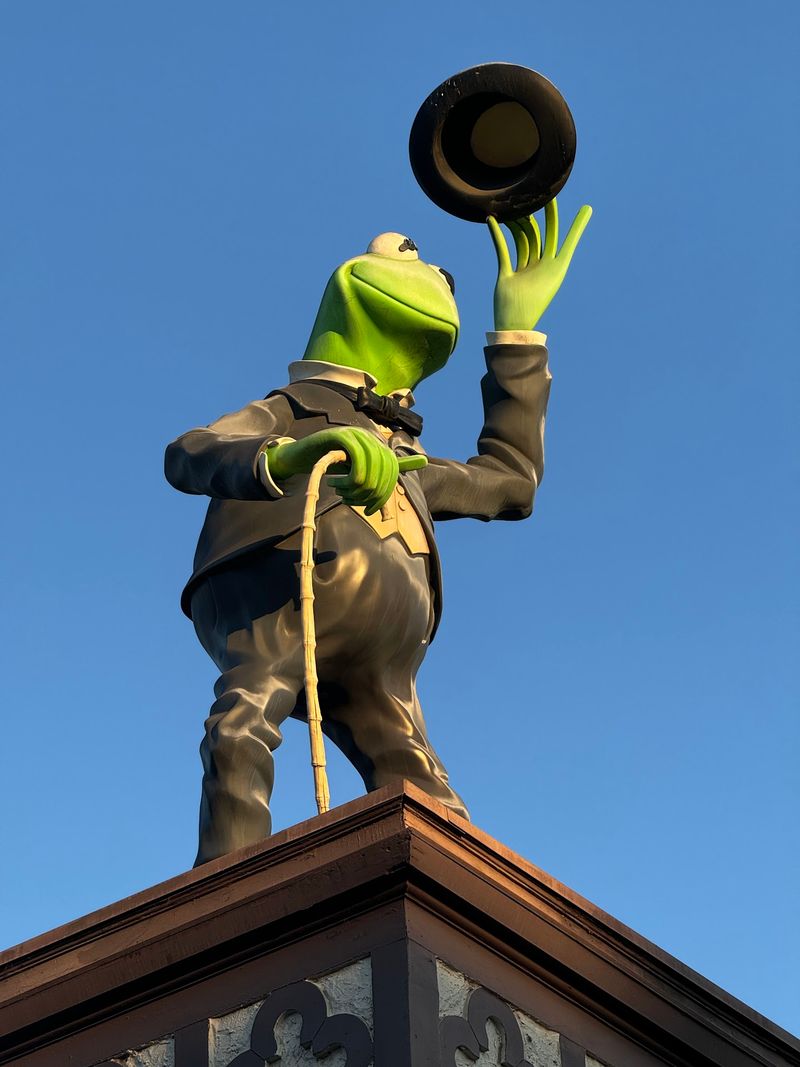
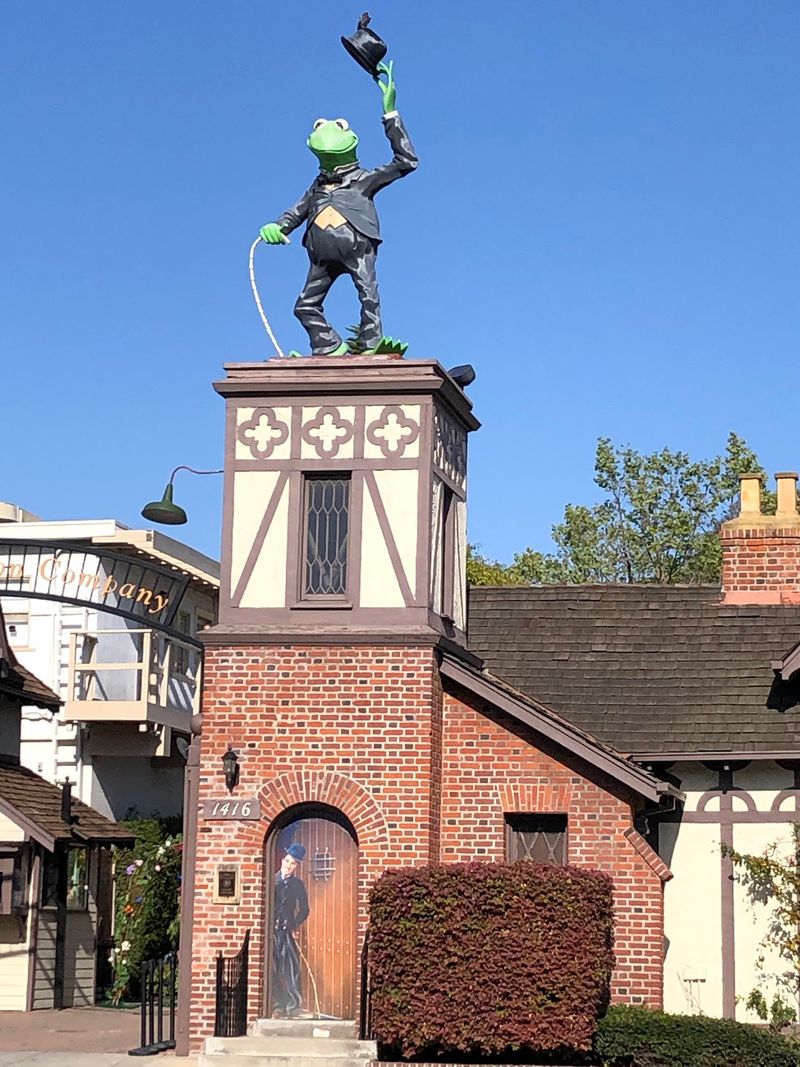
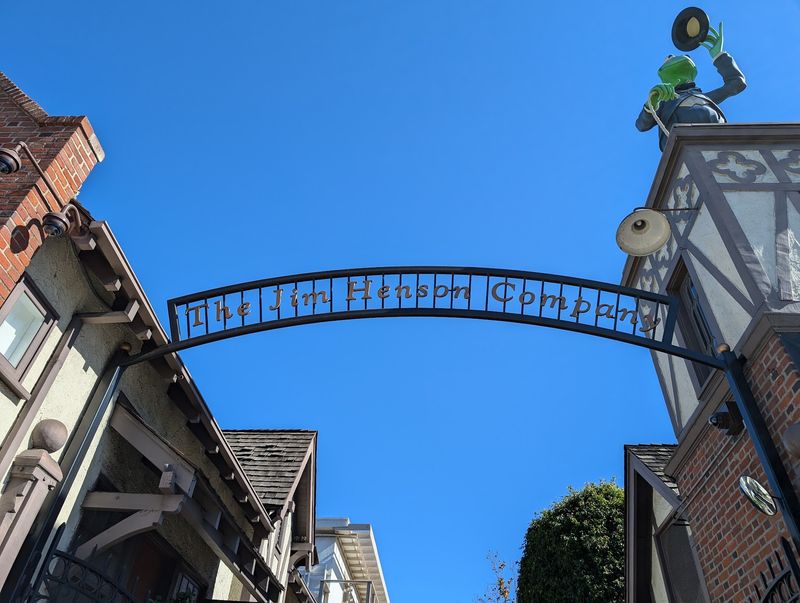
My favorite quirky detail has to be the frog. In 2000, The Jim Henson Company bought the lot, and a statue of Kermit dressed as Chaplin’s Tramp stood at the entrance.
It was the perfect tribute, blending two legends of gentle comedy.
Muppet fans will recognize the lot from the 2011 movie The Muppets, where it played the abandoned Muppet Studios. Knowing that made me laugh, since the real place looks anything but abandoned.
Now the story keeps going. Musician John Mayer and filmmaker McG announced plans to buy the property in November 2024, and the deal was finalized in January 2026.
They renamed it Chaplin Studios, bringing the founder’s name back to the front.
The lot is still a working production and recording facility, with new improvements planned for 2026. It is private and not generally open to the public, so the best way to enjoy it is from the sidewalk.
My practical tip is to visit on a clear day and bring a good camera. Take in the cottages, think about everyone who worked here over a century, and appreciate that a 28-year-old’s dream still stands.
Address: 1416 N. La Brea Avenue, Hollywood, California
