There is a funny rule about popular beach towns. The people who live there still have errands.
That can get complicated in this Indiana community once crowds arrive from Chicago. Visitors come for the dunes, the lake, the trails, and the small-town atmosphere, while locals are trying to buy groceries, meet friends, get to work, and find a parking space.
By midday, the difference is obvious. Downtown is packed.
The trails are packed. The beach is packed.
The town has not suddenly become bigger. It simply has thousands of temporary residents who all want the same experience.
That does not make the visitors unwelcome. It just makes an ordinary day feel very different for the people who never actually leave.
Millions of Visitors, One Small Town
Picture a town of about 14,000 residents hosting a party for millions. That is basically summer in Chesterton, because more than 4.6 million people visited the Indiana Dunes in 2025, making it the top tourist attraction in the whole state.
Roughly 60 percent of those visitors come from outside Indiana. A big share drives in from Chicago and its suburbs, since the lakeshore is close enough for a quick day trip.
The math gets wild fast.
On a hot Saturday, the number of out-of-town guests can easily outnumber the people who actually live here. Grocery aisles feel tighter, coffee lines stretch longer, and the friendly wave between neighbors gets lost in a sea of unfamiliar faces.
None of this means visitors are unwelcome. It simply means the town’s normal rhythm gets stretched like a rubber band every warm weekend.
Here is a fun bit of history. The Indiana Dunes only became a national park in 2019, after decades as a national lakeshore, and that upgrade put it on many more travel lists.
For a calmer trip, aim for weekdays or the shoulder seasons of late spring and early fall. The sand is just as soft, the lake is just as pretty, and the town has a lot more room to breathe.
Locals tend to appreciate that kind of thoughtful timing more than anyone realizes.
Stuck at State Road 49 Again
Brake lights. Lots of them.
Anyone who has driven State Road 49 on a sunny weekend knows the slow crawl toward the dunes all too well.
The intersection of State Road 49 and Indian Boundary Road is a well-known trouble spot in Chesterton. Delays pile up there as beach traffic mixes with residents just trying to grab groceries or get to work.
A five-minute errand can quietly turn into a twenty-minute test of patience.
The problem is serious enough that bigger agencies have stepped in. The Northwestern Indiana Regional Planning Commission and the Indiana Department of Transportation have both studied traffic flow and worked on projects to ease congestion across the region.
Road conditions and incidents are tracked regularly, which shows how steady the issue has become.
For locals, the extra traffic shapes daily choices. Many plan errands early in the morning or later in the evening to dodge the rush.
Some skip certain roads entirely during peak beach hours.
Visitors can help a lot with small moves. Arriving before mid-morning beats the worst lines and usually means better parking too.
The South Shore Line train also offers a car-free way to reach the Dunes area from Chicago, which takes a few vehicles off busy roads. Patience at four-way stops goes a long way, and a friendly wave never hurts anyone.
New Fire Stations, Bigger Plans, Same Small Budget

Growth has a funny way of showing up in places nobody notices at first. In Chesterton, it shows up in plans for new police and fire stations, along with improvements to the local library.
Town officials have been working on long-range plans to keep up with rising demand. More people on the roads and beaches means more calls for help, more wear on streets, and more pressure on public spaces.
Services built for a quiet town now serve a busy destination.
Parks feel the squeeze too. A parks foundation was created to raise money for new and improved park amenities, which says plenty about how much residents want better places to play and relax.
Trash cans fill faster in summer. Restrooms get heavier use.
Playgrounds stay busy from morning to dusk.
Leaders openly admit the challenge of balancing growth with small-town character. It is a tricky puzzle with no perfect answer.
Visitors can lighten the load in simple ways. Pack out trash, especially at busy beach spots and trailheads.
Use designated parking areas instead of squeezing onto neighborhood streets. Treat town parks with the same care given to a favorite backyard.
Those small habits keep public spaces nicer for everyone, and they ease the strain on crews who work hard every season to keep Chesterton looking clean, safe, and welcoming.
Why Buying a House Here Feels Like a Race
A cute house goes up for sale on a leafy street. Within weeks, sometimes days, it is gone.
That quick turnover is normal in Chesterton right now. The local housing market rates as very competitive, and home values have climbed sharply over the past year.
Homes often sell in less than two months, faster than in earlier years.
Part of the pull comes from the same things tourists love. Easy access to the dunes, a walkable downtown, and a reasonable drive to Chicago make the town attractive to newcomers.
Some buyers want a permanent home, while others want a weekend getaway close to the lake.
For longtime residents and young families raised here, that competition can sting. Kids who grew up in Chesterton sometimes struggle to buy a place in their own hometown.
Renters face similar pressure as demand stays high.
The shift also changes neighborhood life a little. A street full of year-round neighbors feels different from one where several houses sit empty during the week.
Anyone considering a move should explore the town during the off-season, not just on sunny July weekends. Visit the library, walk the quiet streets in November, and chat with shop owners.
Getting to know the real community first helps newcomers become true neighbors, which is exactly what Chesterton has always valued most.
Saturday Mornings at the European Market
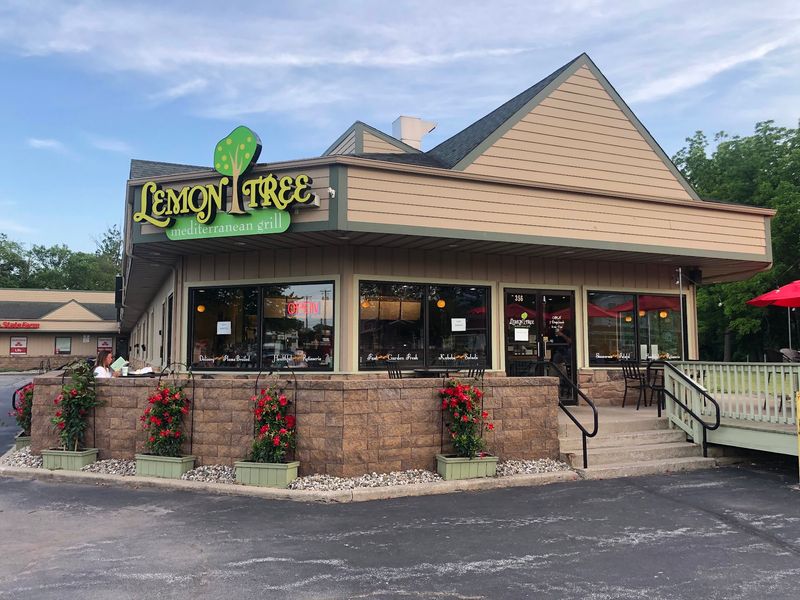
Fresh bread, bright flowers, and handmade crafts fill downtown every Saturday from May through October. The Chesterton European Market is one of the town’s proudest traditions, and it draws shoppers from all over the region.
Downtown Chesterton also packs in unique shops, galleries, and restaurants. Tourism helps keep many of these businesses alive, which is a real plus.
Without visitor spending, some storefronts might sit dark.
Still, catering to crowds can slowly change what downtown offers. Shops may lean toward souvenirs and quick bites instead of the everyday goods locals rely on.
The town has even recognized the need to help visitors find dining and shopping spots more easily, which shows how central tourism has become.
Change also means some goodbyes. Trusty Spot Records and Tees, a beloved downtown shop, has closed, and its loss stung for people who treated it as a hangout.
Small, quirky stores like that give a town its flavor.
Here is the bright side. Visitors hold real power to support local character.
Skip the chains and spend at independent shops, bakeries, and galleries. Chat with vendors at the market and ask about what they make.
Buying a jar of local honey or a handmade piece of art keeps money in town and keeps the downtown personality alive for years to come.
Old Hometown Charm Meets New Faces
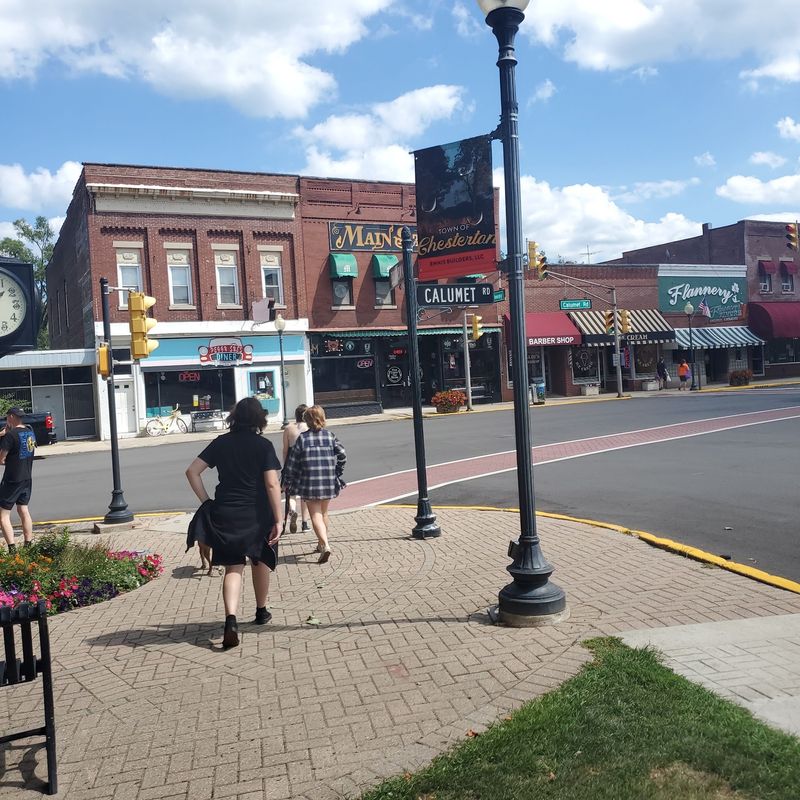
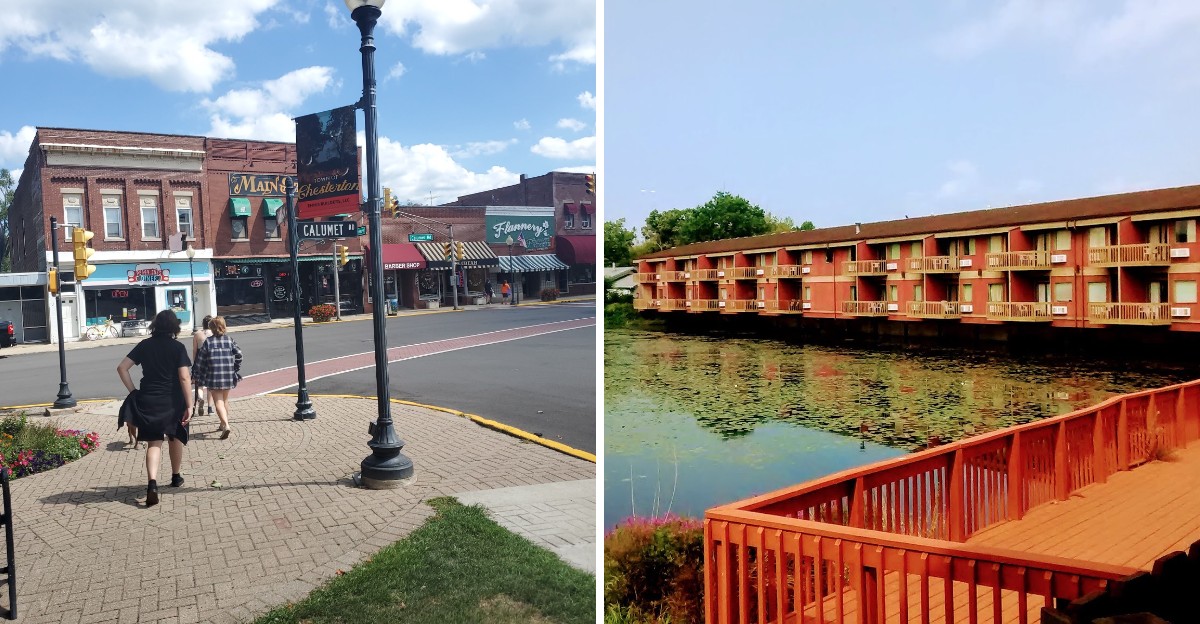
Brick storefronts, flower planters, and a slower pace give Chesterton its hometown feel. Even with around 15,000 residents, the town works hard to stay friendly and familiar.
That goal gets tougher every year. Town officials have openly talked about a tension between longtime residents who resist change and newer residents who want growth.
Both sides care about the place. They just picture its future differently.
Add millions of tourists to the mix and the pressure builds. Familiar faces at the diner get replaced by strangers.
Quiet streets pick up noise. Traditions that once felt small and personal start to feel like attractions.
Here is a fun fact worth knowing. Chesterton, Porter, and Burns Harbor together are known as the Duneland area, a nickname that ties local identity directly to the sand hills nearby.
The good news is that small-town character is not just a feeling. It lives in habits, like holding doors, learning names, and slowing down.
Visitors can join in rather than rush past.
Try a relaxed stroll through downtown instead of racing straight to the beach. Attend a community event and simply enjoy it as a guest.
Read local history signs and ask questions. Respecting quiet hours in residential areas matters too.
When visitors act like temporary neighbors, the charm that drew them here in the first place sticks around much longer.
Can a Quiet Dune Trail Still Exist
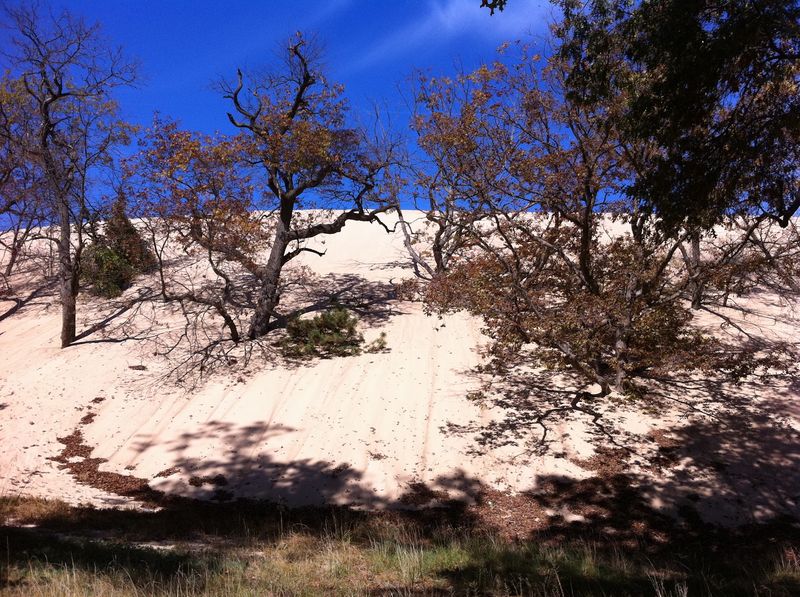
Wind, sand, and the soft crash of Lake Michigan waves make the Indiana Dunes feel magical. Yet on peak summer days, that magic often comes with a long line of hikers on the stairs.
Both Indiana Dunes State Park and Indiana Dunes National Park surround Chesterton with miles of beaches, towering dunes, and winding trails. People come to hike, swim, watch birds, and explore unusual habitats.
The parks hold a surprising mix of plant life, from prairie flowers to forest ferns.
Locals often treasure these spaces as their backyard escape. Busy weekends can turn peaceful hikes into slow shuffles, and favorite beach spots disappear under umbrellas by mid-morning.
Popular climbs like the Three Dune Challenge at the state park can feel crowded fast.
Quiet moments still exist, though. They just take a little planning.
Early mornings are golden, literally and otherwise. Sunrise hikes offer cool air, bird songs, and empty sand.
Weekday visits in September often bring warm water with far fewer people. Winter delivers a frosty, almost secret version of the dunes that few tourists ever see.
Visitors can also protect what makes these places special. Stay on marked trails to keep fragile dune plants from washing away.
Leave shells and wildflowers where they are. Treating the dunes gently means both locals and travelers get to enjoy them for generations.
