Some of the best stops in Oklahoma never announce themselves with billboards or bright signs. I pulled off the highway expecting a quick stretch and a look around, and I walked out hours later carrying a story I could not stop thinking about.
The doors cost nothing to walk through, yet what waited inside felt priceless. If you want proof that your own state holds something worth the drive, keep reading.
A Free Museum on the Edge of Shawnee
Tucked along South Gordon Cooper Drive in Shawnee, roughly 40 minutes east of Oklahoma City, sits the Citizen Potawatomi Nation Cultural Heritage Center. The address is 1899 S Gordon Cooper Dr, and from Tulsa the drive usually runs under two hours, an easy yes for a Saturday outing.
Admission is free. Visitors bring that up again and again, often with a little surprise in their voice, because the place feels polished enough to charge a ticket.
A donation box sits near the front for anyone who wants to help keep the work going.
So what exactly is it? Part museum, part archive, part gathering spot, the center tells the history of the Citizen Potawatomi Nation from the tribe’s own point of view.
It is run by the Nation itself, which shapes how every gallery speaks to you.
Families stop in while passing through town, and tribal members come to reconnect with their roots. Retirees and history buffs find plenty to read, while the interactive panels keep younger visitors busy pressing buttons.
Whoever you are, the doors open wide, and the experience leaves a stronger impression than the modest outside might suggest at first glance.
The People of the Place of Fire
Long before Oklahoma had a name, the Potawatomi lived around the Great Lakes. They call themselves Nishnabe, and they are known as the Fire People, a title tied to their role in keeping a council fire once shared with the Odawa and Ojibwe.
That idea of tending a flame runs quietly through the whole center. Exhibits treat the Nation as a living culture rather than a closed chapter, explaining both historical and present-day life for Citizen Potawatomi people.
Here is a detail many visitors miss at first. The Potawatomi language appears throughout the galleries, and people who pay attention often leave knowing a few words they did not know walking in.
It is a small gift, but a meaningful one.
Guests with Anishinaabe roots from far away have described the visit as deeply emotional, a rare chance to see their wider family history honored so carefully. Others simply appreciate how respectfully the values and achievements of the tribe are presented.
Knowing this background before you arrive makes everything inside land harder. The center is not just about where the Potawatomi came from.
It is about how a people kept their fire burning through every move that followed.
Seven Fires and the Opening Galleries
Eleven galleries wait inside, and the story begins with prophecy. The Seven Fires exhibit gathers Potawatomi oral traditions into one opening experience, showing early ways of life, conflicts the people faced, and the removals that would shape their path.
Visitors often praise how smoothly the museum flows. You move in a timeline, starting with the earliest teachings and walking forward toward the present, so the history unfolds almost like chapters in a book.
Expect reading. Quite a bit of it, honestly.
Yet the center balances text with interactive video panels and narrated touch screens that bring historical images and documents to life, which helps when attention starts to drift.
One longtime guest gave a cheerful tip worth repeating: press all the buttons, because that is where the good stuff hides. Videos earn steady compliments, and several people suggest sitting through them rather than skimming past.
A fair heads-up from visitors is that a monitor or two may act up now and then. It rarely spoils the visit.
The opening galleries set the tone, grounding you in the ancestral teachings and the deep tie to land that the rest of the museum keeps returning to.
Removal, Resilience, and a 40-Foot Mural
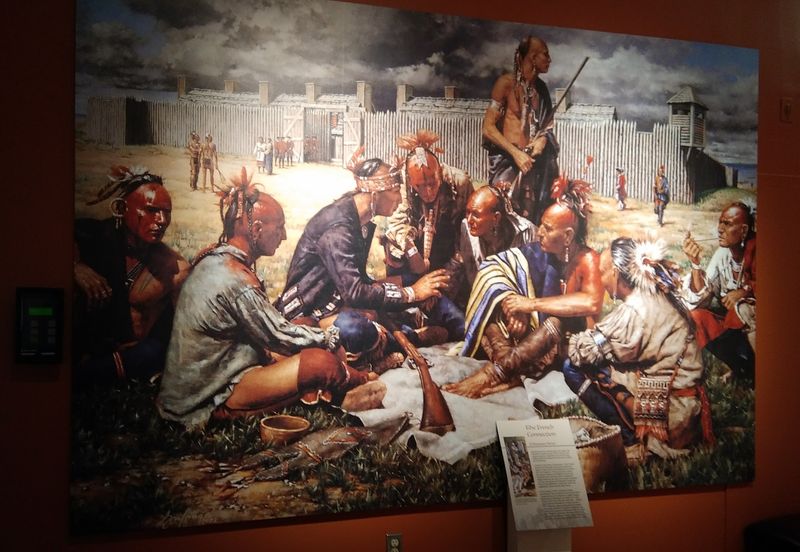
In 1838, Potawatomi families were forced to walk roughly 660 miles from Indiana to Kansas. The Removal exhibit faces that chapter directly, and it is the part of the museum many guests remember most.
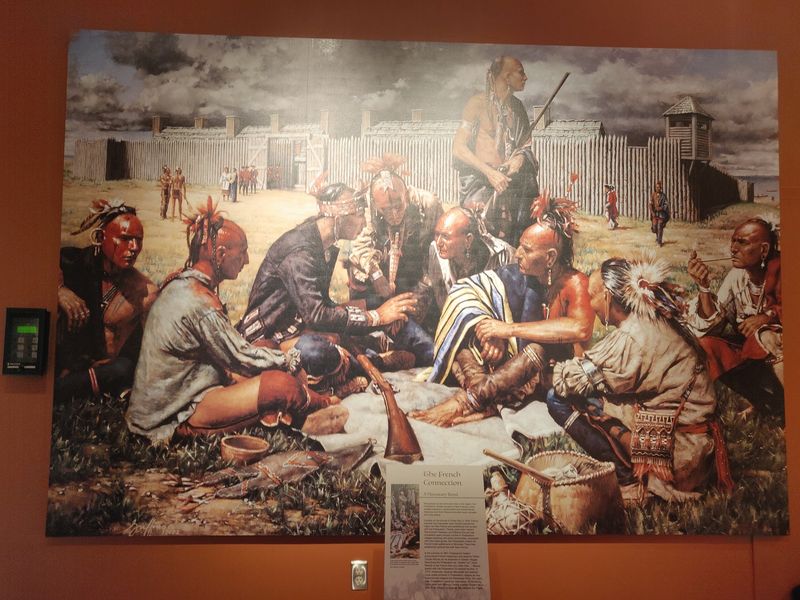
A striking 40-foot mural stretches across the space. Interactive maps trace the route, while mannequins dressed in traditional 19th-century clothing give the history a human scale you cannot get from a textbook.
Bring patience and an open heart here. The exhibit does not soften the hardship, though its larger message points toward strength rather than loss alone.
That strength shows in what came next. By the early 1870s, the Potawatomi had re-established themselves in Indian Territory, the land we now call Oklahoma.
Their journey home is really the backbone of the whole center.
Parents of older kids may find this gallery opens great conversations on the ride back. It is serious material, presented with care, and it gives real weight to the word resilience.
Many adults say this is the room that turned a casual stop into something they still talk about weeks later.
Wigwam, Star Knowledge, and Hand Games
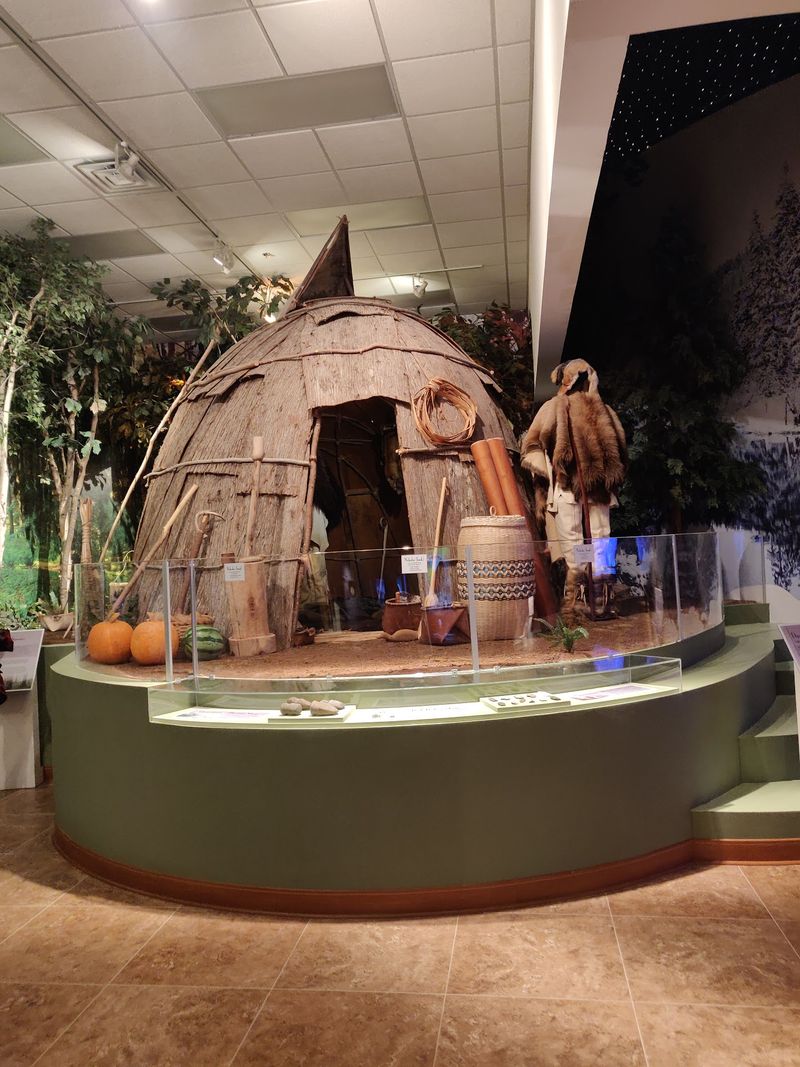
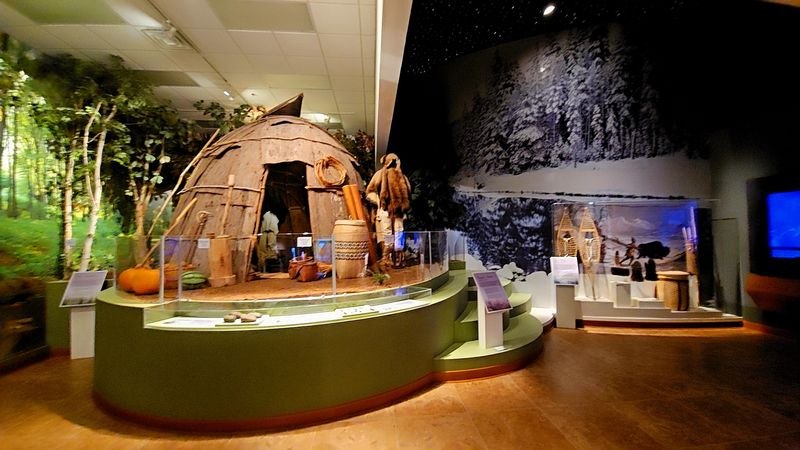
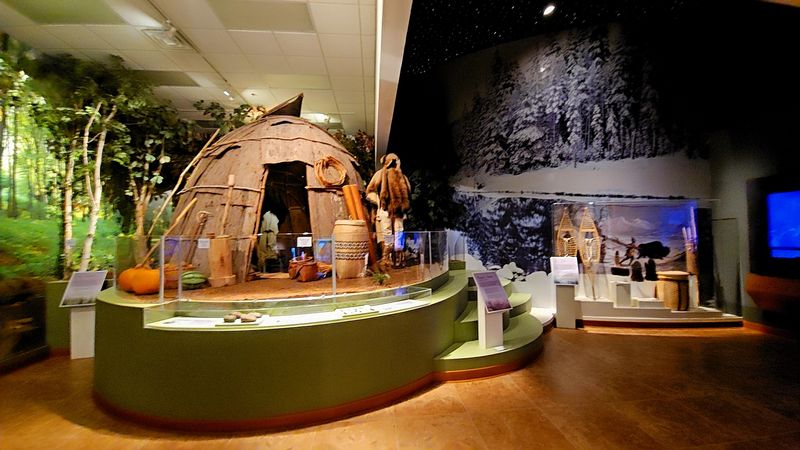
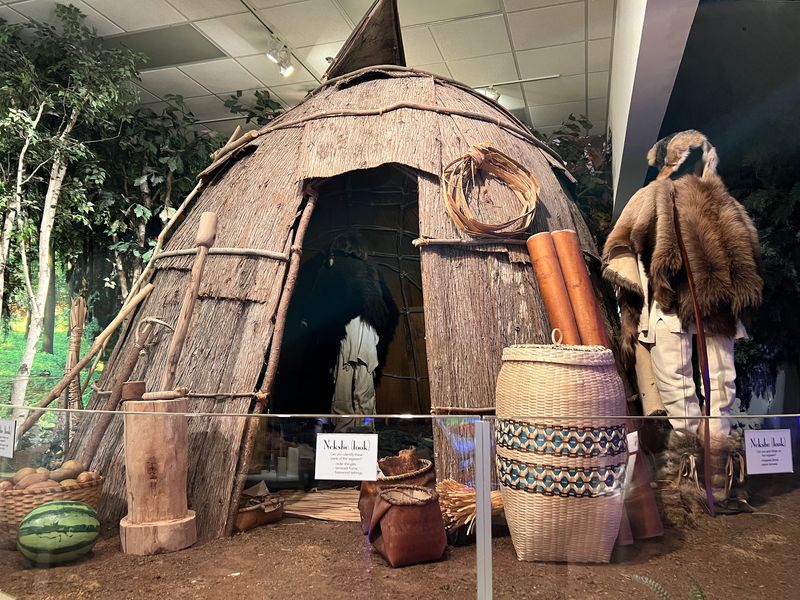
Ask a returning visitor about their favorite spot, and the wigwam comes up fast. One guest remembered seeing it as a child two decades earlier and was thrilled it still stands for new generations to enjoy.
The full-scale wigwam anchors the Gete Neshnabek Zhechgéwen gallery, which focuses on traditional life. Around it, interactive displays explain Potawatomi medicine, the sacred four directions, classic hand games, and star knowledge.
Star knowledge is a quiet delight. Learning how the Potawatomi read the night sky changes the way you might look up during the drive home across the dark Oklahoma prairie.
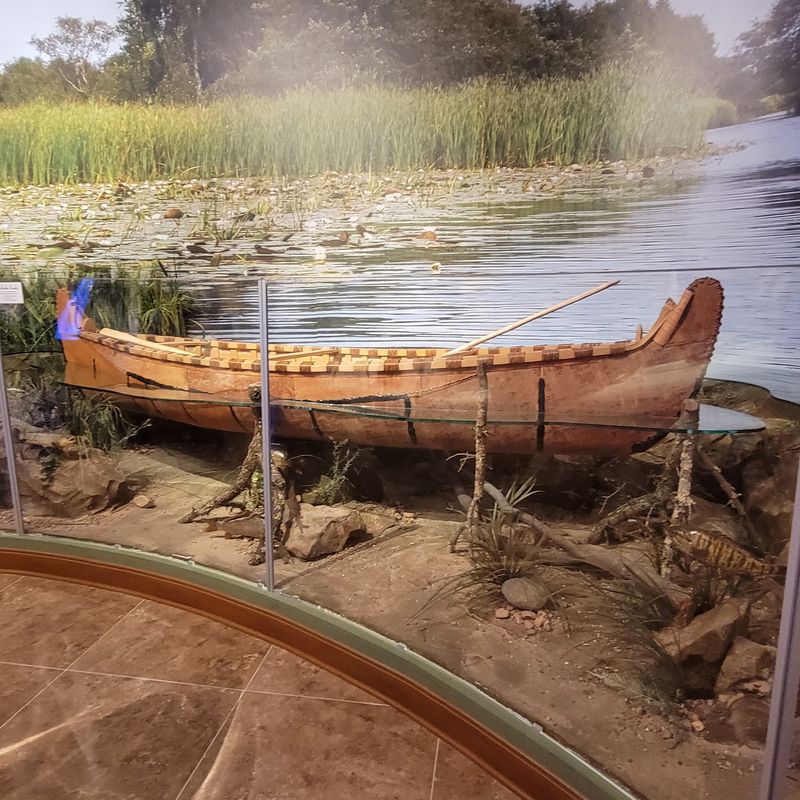
Craftsmanship deserves a mention too. Visitors point to reproductions of traditional skills, including a hand-carved canoe and paddles, which show the patience and know-how behind everyday tools.
Kids tend to gravitate toward this gallery because so much can be explored hands-on. Adults, meanwhile, often linger at the medicine and directions panels, soaking up ideas that feel thoughtful and grounded.
Statues and artwork fill gaps between displays, and the result is a space that feels lived in rather than locked behind glass. It is easily the warmest corner of the building.
Honoring Veterans in the Wédaséjek Memorial
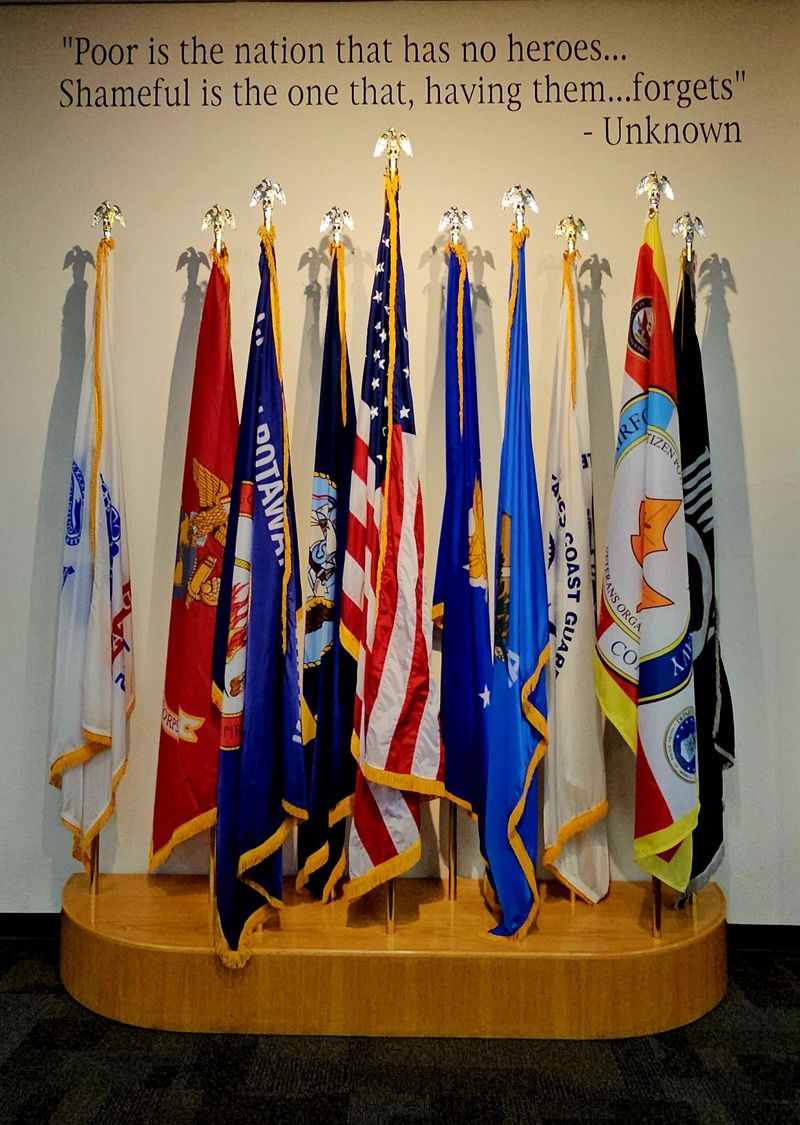
Generations of Potawatomi men and women have served, and the center makes sure their stories are not forgotten. The Wédaséjek gallery, a veterans memorial, offers a calm, reflective pause in the walk through history.
Wédaséjek is a Potawatomi word connected to warriors. Here, it frames tributes to service members across many eras, honoring their sacrifices and personal stories with dignity.
The mood shifts in this room. Voices drop a little, and people slow their pace to read names and look closely at photographs.
For grandparents and retirees who served themselves, this gallery can hit close to home. Families with veterans in their own line often find it a natural place to share stories with younger relatives.
It also widens the picture of what the museum covers. Rather than stopping in the 1800s, the center carries the Nation’s story into modern times, showing contributions that stretch far beyond the removal years.
Visitors who mention how well the museum moves from the tribe’s beginnings to the present day are often thinking of moments like this one, where history clearly connects to people still part of the community.
Bourbannais’ Cabin Out Back
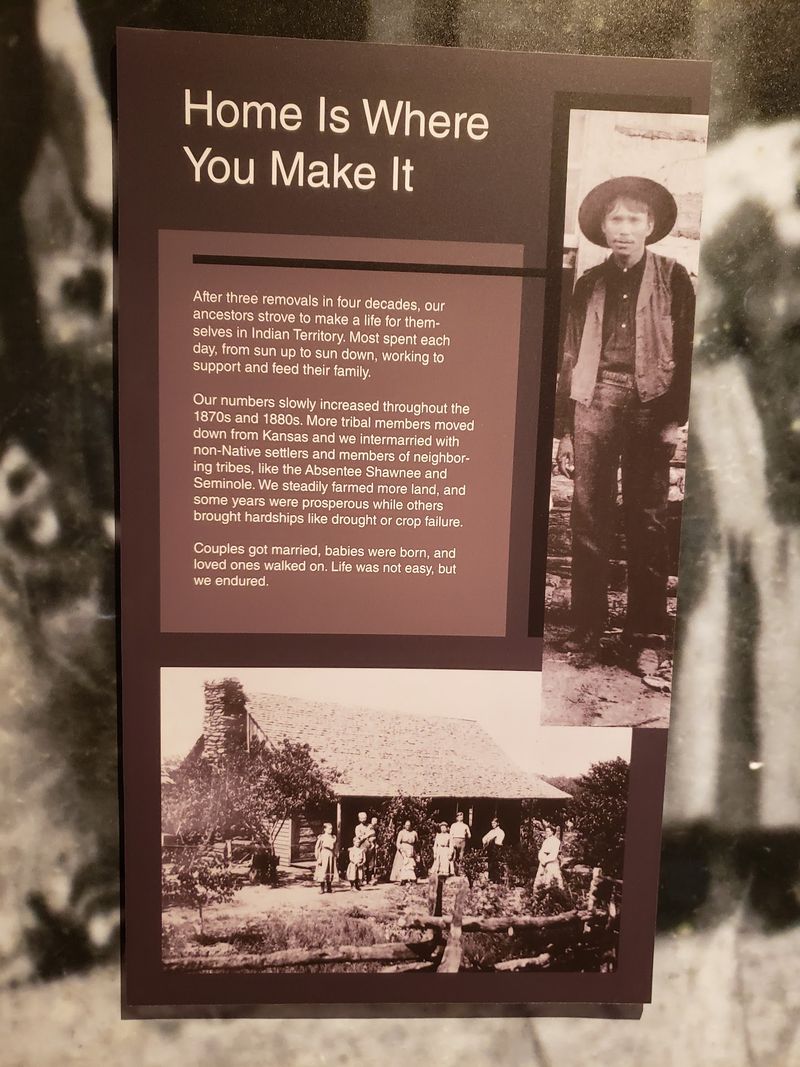
Step outside before you leave. Sitting on the grounds is the Bourbannais’ Cabin, one of the first homes built by original Potawatomi settlers in what was once called Shawneetown.
Fun fact for history fans: the cabin predates the famous Oklahoma land run. That makes it a rare, still-standing link to the earliest days of Potawatomi life in the territory.
There is something special about seeing a real structure after hours of exhibits. Walls, logs, and doorways turn the story of resettlement into something you can actually stand beside.
Oklahoma weather plays a part in this stop. Summer heat and spring wind can be intense, so plan your outdoor look for a cooler morning or bring water if you visit in July or August.
Preserved places like this one carry a special kind of charm for anyone who loves old general stores, Route 66 landmarks, or family homesteads. It is humble and unfussy, yet it quietly finishes the arc of the museum’s main message.
After the long journey depicted inside, here stands proof of a people building a home once again on new ground.
Gift Shop Finds From a Dollar Up
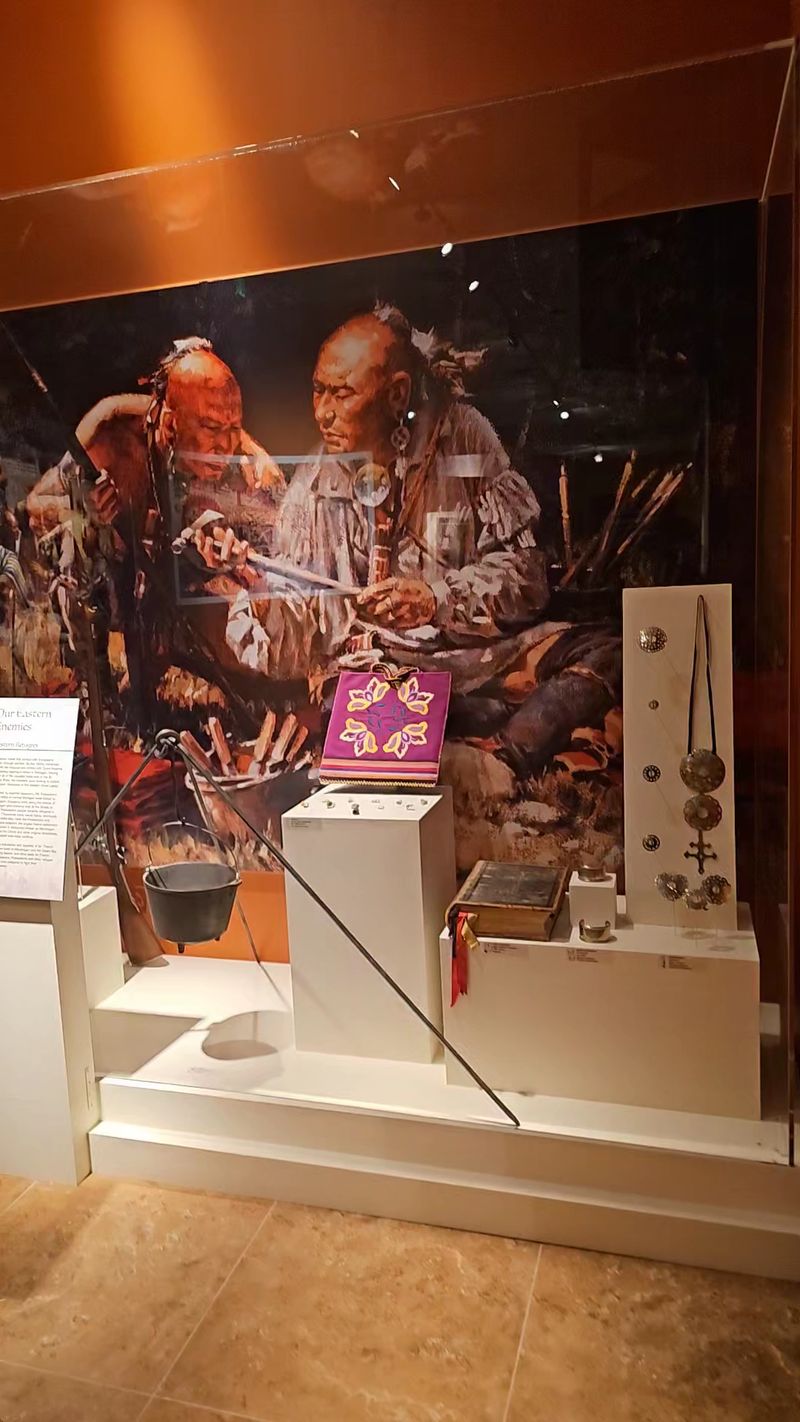
Few gift shops earn this much chatter. Visitors mention the Potawatomi shop more than almost anything else, and for good reason.
Local artists make much of the beaded jewelry, and shelves often hold plenty of Native artist products alongside books and keepsakes. Higher-end art pieces sit near tiny treasures that may cost a dollar or less.
One parent recalled their kids happily spending $1 each on small teeth strung on leather cords. That price range makes the shop friendly for little budgets and souvenir-hunting grandkids.
Shopping here also supports the work behind the museum. Buying an authentic, locally made piece puts money back into the community instead of into a mass-produced trinket from overseas.
Budget-minded travelers will appreciate the math. You can tour the whole museum for free, pick up a meaningful souvenir for a few dollars, and still drop something in the donation box on the way out.
It is the kind of affordable day trip Oklahoma families rarely find at bigger attractions. Leave a few extra minutes, because browsing tends to stretch longer than planned once you start spotting handmade details.
Friendly Staff, Archives, and Who Will Love It
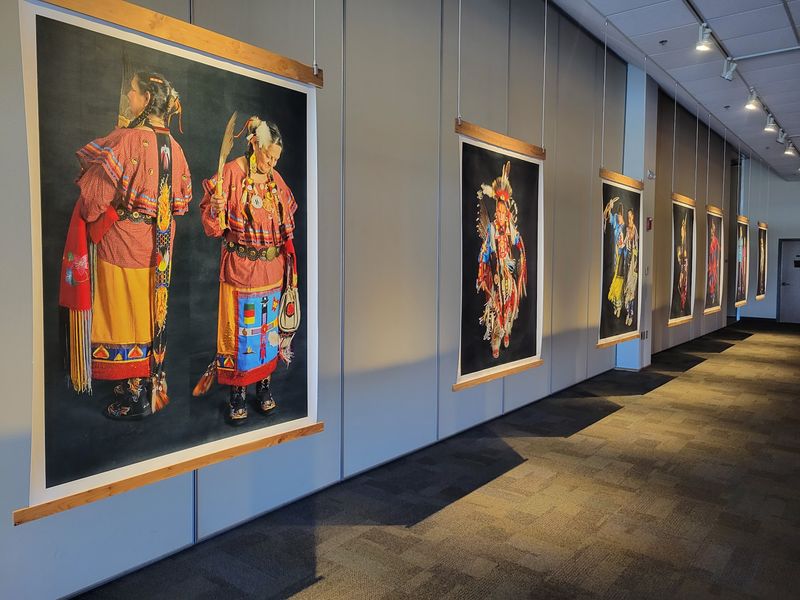
Warm welcomes come up constantly. Visitors describe the staff as friendly, helpful, and genuinely knowledgeable about the tribe, which makes questions feel encouraged rather than awkward.
Beyond the galleries, the center offers a research library, archives, and a family research center. Tribal members tracing ancestors and newcomers who recently married into the Nation alike find these resources valuable.
Who suits this place best? Honestly, almost anyone curious.
Solo travelers enjoy the quiet pace, couples spend an easy afternoon, and families find enough interactive screens to keep kids engaged.
Plan on one to several hours. Some people breeze through in about an hour, while others say they could spend half a day reading every panel.
One practical gripe: a few guests wish for more benches to rest tired feet. Building in a short break, perhaps in the gift shop or outside near the cabin, helps.
The building itself is clean, modern, accessible, and well maintained according to visitors. Updates in recent years have kept it feeling fresh, and repeat guests say they spot something new every single time they come back.
Hours, Tours, and a Worthwhile Detour
Planning is simple. The center typically opens 8 am to 5 pm Monday through Friday and 10 am to 3 pm on Saturday, with Sundays closed, so weekend travelers should aim for Saturday morning.
Admission remains free, though donations are welcome. Guided tours may be available by appointment, and calling ahead at 405-878-5830 is the smartest way to check current hours or arrange a group visit.
Timing tip: the annual CPN festival brings big crowds, and some regulars make the museum part of their yearly trip. Expect busier galleries then, but a lively community atmosphere.
Shawnee sits right off Interstate 40, making this an easy stop between Oklahoma City and points east. Pair it with a local lunch and you have a full, inexpensive day.
So is it worth the drive? For anyone who values preserved history, respectful storytelling, and a day that costs next to nothing, the answer leans strongly yes.
It is not a giant museum, and nobody pretends otherwise. Yet the story of a people finding home again lingers well after you pull back onto the highway, and that feeling is hard to put a price on.
