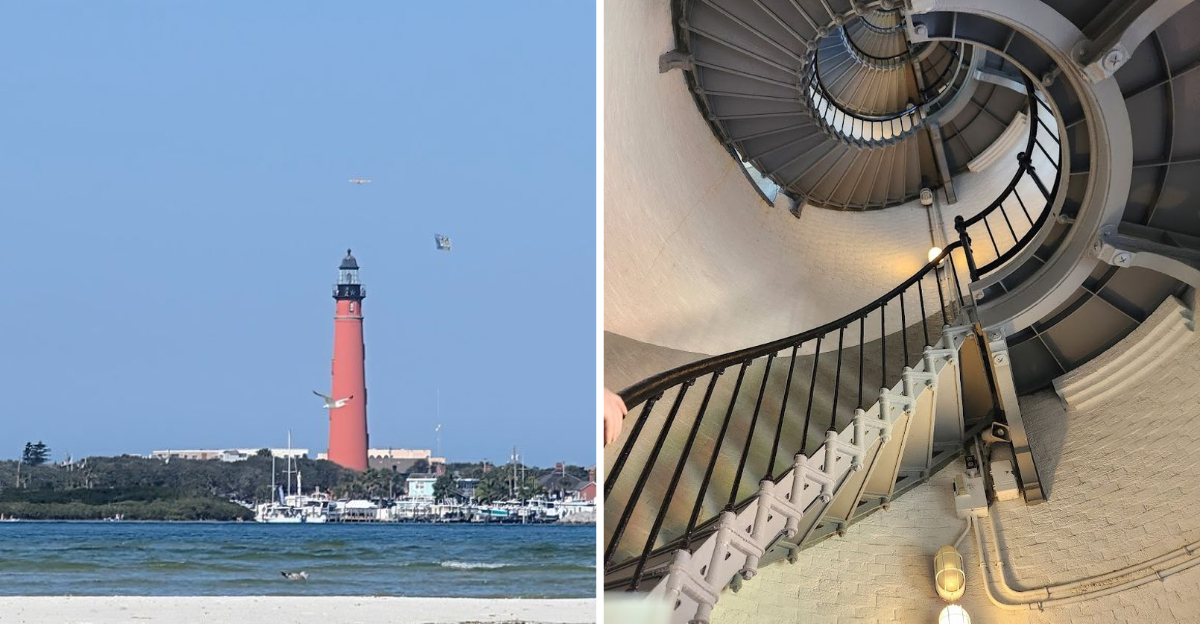
Some coastal landmarks don’t just sit there quietly, they pull you in right from the parking lot. This tall red-brick lighthouse in Florida is one of those rare spots where the climb becomes part of the fun instead of something to rush through.
The staircase winds upward in a way that makes you curious how many steps are left, and the payoff at the top is a full sweep of ocean and shoreline that feels almost unreal.
Down below, old keeper homes and small exhibits add a layer of history that sneaks up on you in the best way. It’s one of those outings that ends up staying in your head longer than expected.
The Climb Up Florida’s Tallest Lighthouse Tower
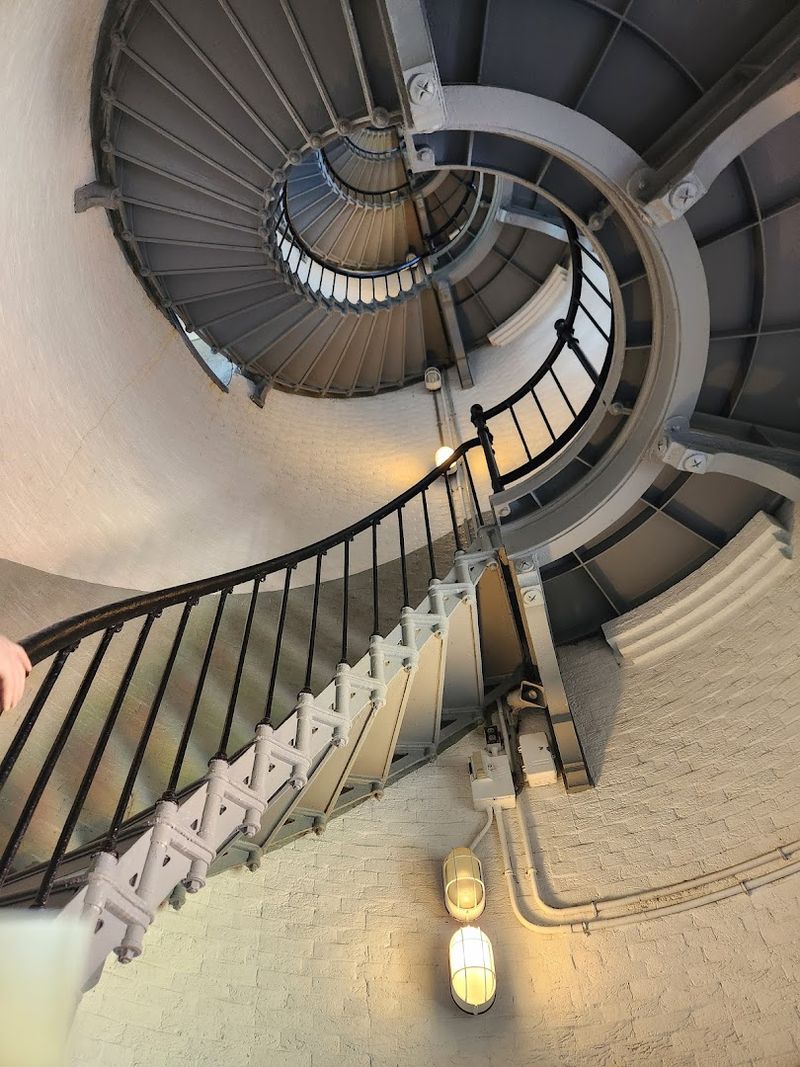
There is something oddly thrilling about starting a spiral staircase climb and not being able to see where it ends. At the Ponce de Leon Inlet Lighthouse, that climb involves 203 steps winding tightly upward inside a 175-foot brick tower, and every single one of them is worth it.
The stairs are steep and narrow, so the site recommends closed-toed shoes with non-slip soles and low heels before you even think about heading up.
The ascent itself feels like traveling back in time. The interior walls are painted a soft light grey, which keeps things feeling open rather than cramped, and there are spots along the way to pause, catch your breath, and take in small details of the tower’s construction.
You can actually visit the gallery level where the light keepers once worked, which very few lighthouses allow.
Once you push through to the top, the payoff is immediate. Panoramic views of the Atlantic Ocean, the inlet, and the surrounding inland waterways stretch out in every direction.
The ocean breeze hits you all at once, cool and constant, making that breathless climb feel like the best decision you made all day. Going back down is trickier than going up, so take your time.
A National Historic Landmark with a Fascinating Past
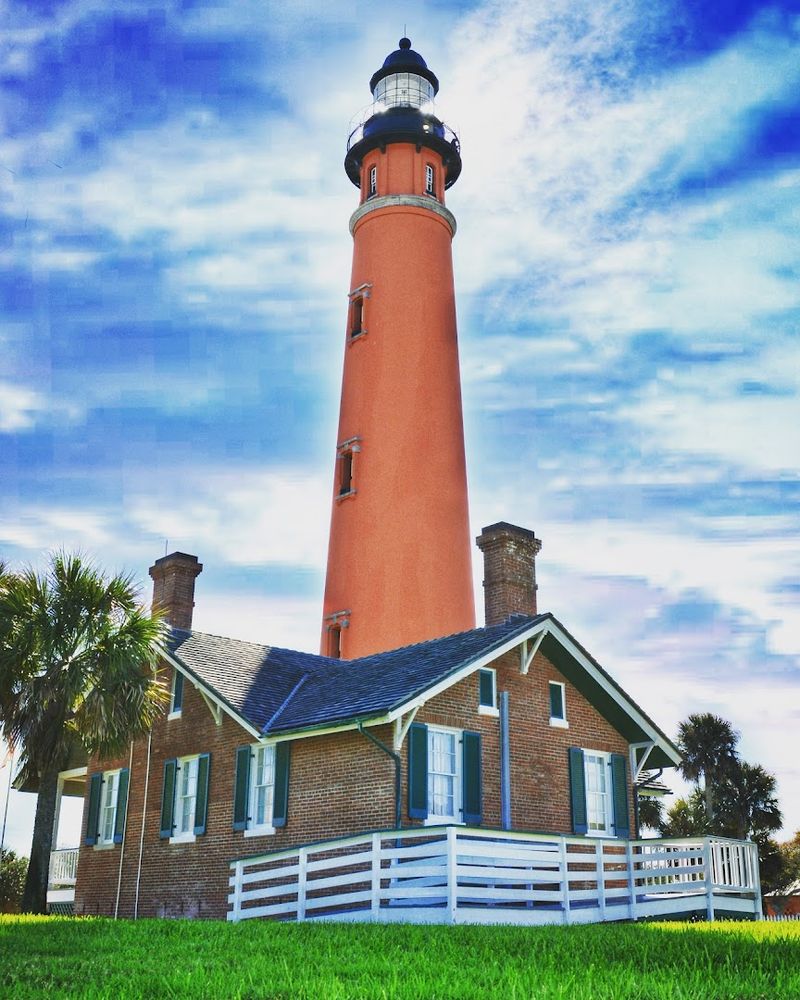
Not many lighthouses in the United States carry the title of National Historic Landmark, but this one earned it in 1998. The Ponce de Leon Inlet Lighthouse was completed in 1887 and is considered one of the most complete large light stations still standing in the country.
It originally went by a very different name: the Mosquito Inlet Lighthouse. The name was changed to Ponce de Leon Inlet in 1927, largely to appeal to tourists and support local real estate development.
That little detail says a lot about how much Florida’s coastal communities have always understood the power of a good story. The lighthouse itself was built from red brick and granite, materials chosen for durability against the harsh coastal weather.
After more than a century, the structure still stands remarkably intact.
The site includes not just the tower but also three restored keepers’ dwellings, an oil house, and a pump house. Each building has been carefully preserved to reflect what life looked like for the families who actually lived and worked here.
History feels tangible in a way that a textbook never quite manages. Visiting here is less like reading about the past and more like briefly stepping into it, without the dramatic fanfare.
Exploring the Keepers’ Dwellings and Museum Exhibits
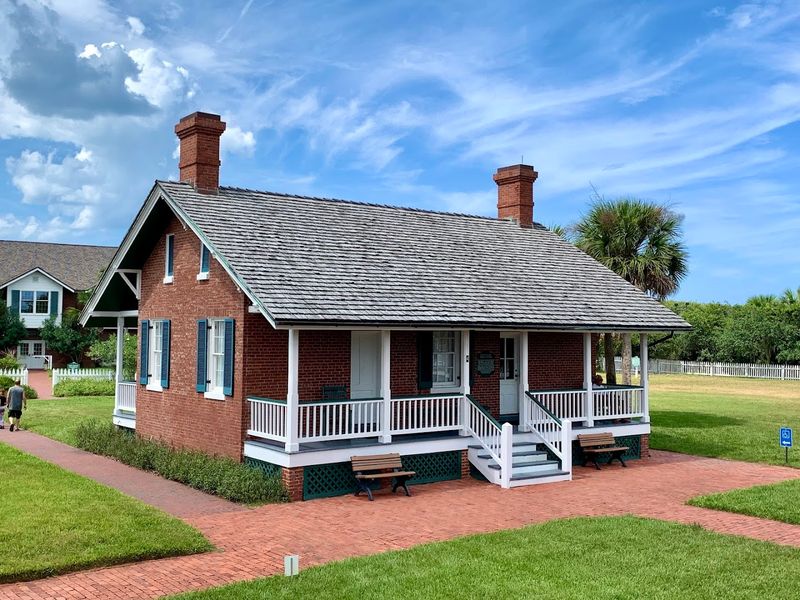
Most lighthouse visits mean staring up at a tower from the outside and calling it a day. Here, the experience goes much deeper than that.
The three keepers’ dwellings have been restored and filled with exhibits that tell the real, human story of what it meant to live and work at a remote light station in the late 1800s. You can actually walk through the rooms, not just peer in from a doorway.
The exhibits cover a range of topics, from the history of Fresnel lenses to the work of the U.S. Life-Saving Service, which predated the modern Coast Guard.
The detailed scale models on display are particularly impressive, giving you a clear sense of how the entire light station was originally laid out. Everything is organized and labeled in a way that makes it easy to explore at your own pace without feeling rushed or overwhelmed.
Families with kids tend to do especially well here. There is enough variety across the different buildings to hold attention for a solid afternoon.
The outdoor areas between the buildings are well-kept and pleasant, with a calm atmosphere that makes wandering feel genuinely enjoyable rather than obligatory. The staff throughout the grounds are consistently friendly and happy to answer questions.
The Stunning Fresnel Lens Collection
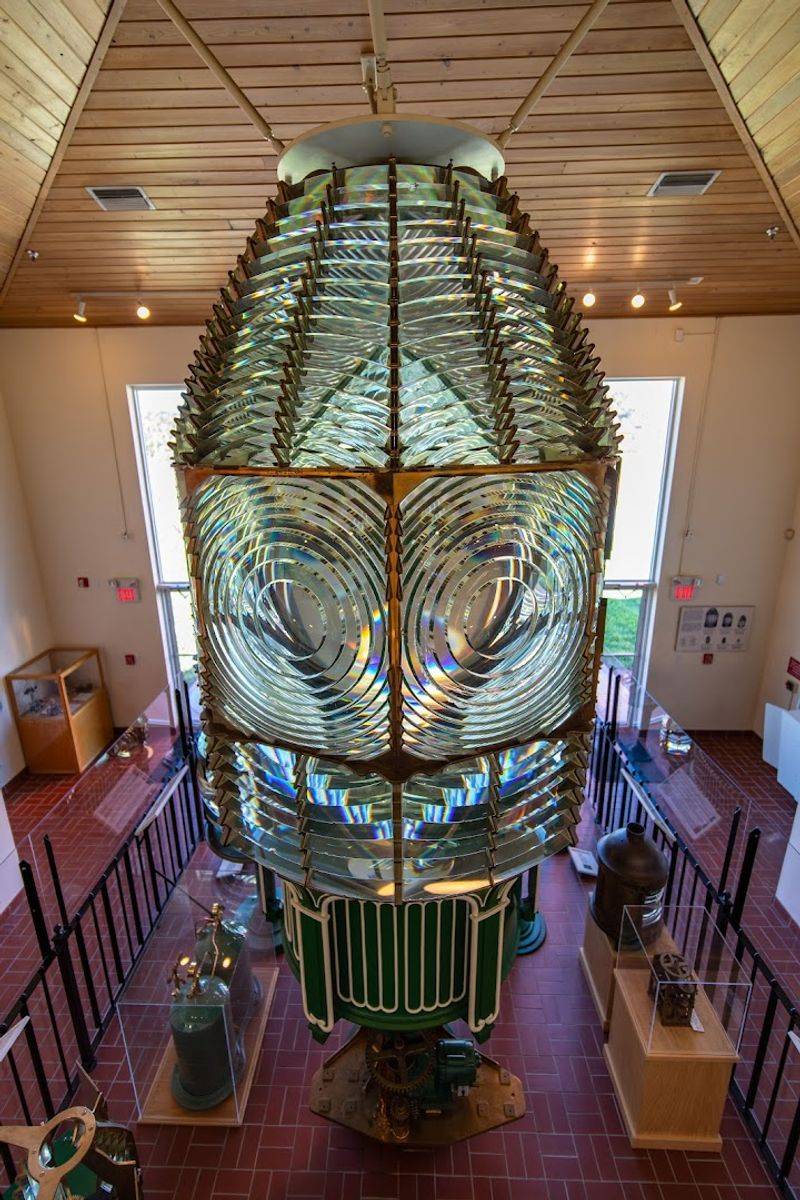
Before LED technology and GPS navigation, Fresnel lenses were the most advanced light-amplifying technology in the world. The Ponce de Leon Inlet Lighthouse Museum has one of the most impressive collections of these historic lenses you will find anywhere in Florida.
The current operational light at the top of the tower uses a third-order rotating Fresnel lens, which remains one of the most striking pieces of maritime engineering you can see up close.
What makes these lenses so captivating is the way they interact with light. The concentric rings of precisely cut glass prisms are designed to bend and concentrate light into a focused beam visible far out at sea.
Even sitting still in a museum setting, the craftsmanship is genuinely breathtaking. It is the kind of object that makes you appreciate how much ingenuity went into solving problems before modern technology existed.
The exhibits surrounding the lenses explain how they work, how they were manufactured in France during the 1800s, and how they were carefully transported and installed at light stations across the country. Lighthouse enthusiasts will find this section particularly rewarding.
Even visitors with no prior interest in maritime history tend to linger here longer than expected, drawn in by the sheer beauty and complexity of the glass.
The Constance D. Hunter Historic Pacetti Hotel Museum
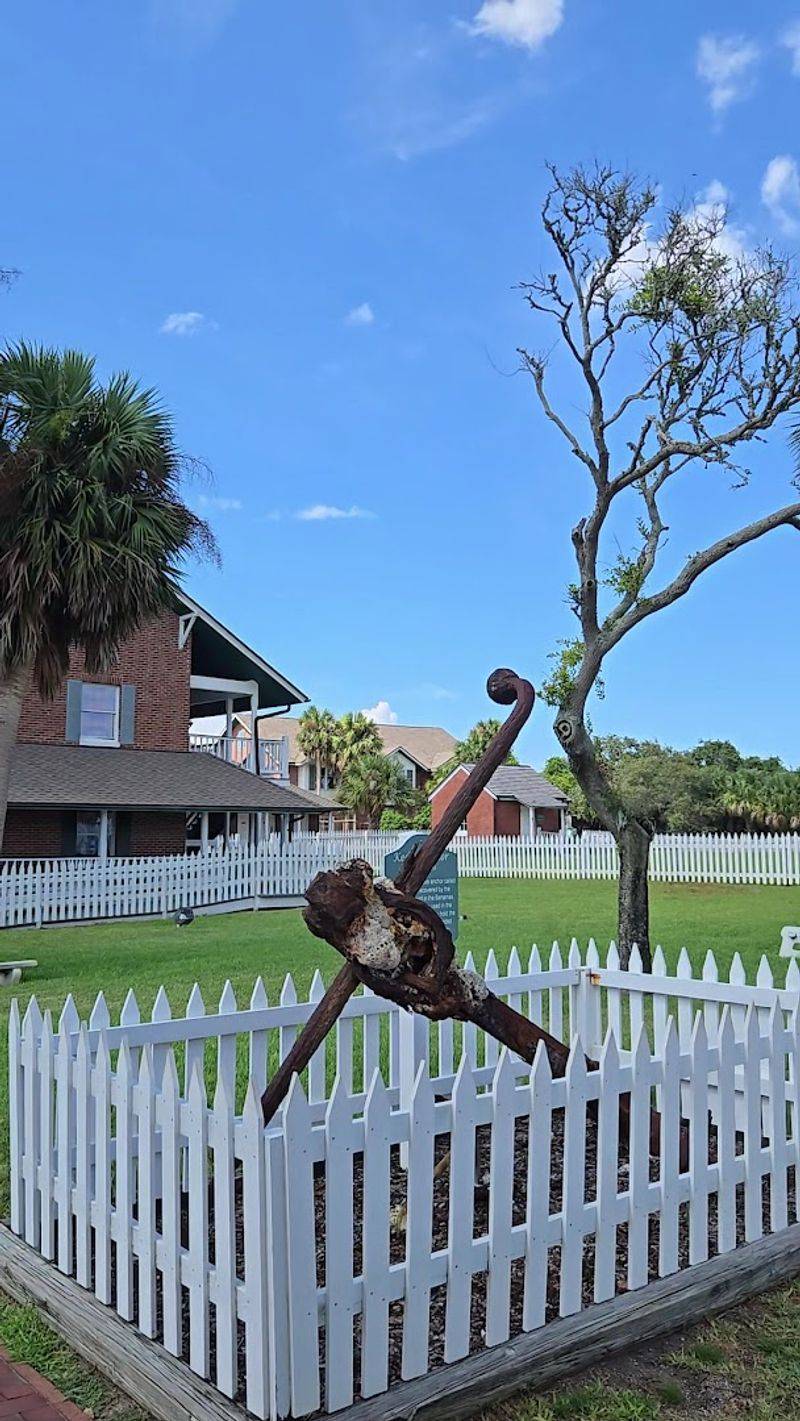
A short walk from the lighthouse grounds leads to one of the most overlooked gems in the area. The Constance D.
Hunter Historic Pacetti Hotel Museum is a beautifully restored historic building that most visitors almost miss entirely. Several reviews mention nearly walking past it without realizing what it was, so it is worth asking the staff at the gift shop to point you in the right direction before you start exploring.
The hotel dates back to a fascinating period in Florida’s coastal history and has been thoughtfully restored to highlight its architectural character. The building itself is impressive, with details that speak to a very different era of travel and hospitality along the Florida coast.
It sits on an exceptional property that feels serene and a bit removed from the busier parts of the lighthouse grounds.
There is a small parking lot nearby if walking from the main lighthouse area is not practical. The restoration work is meticulous, and the overall atmosphere around the building is quiet and contemplative.
It rounds out the full Ponce Inlet experience in a meaningful way, adding another layer of local history that connects the lighthouse story to the broader community that once thrived here. Definitely do not skip this one.
Views of the Atlantic Ocean and the Halifax River
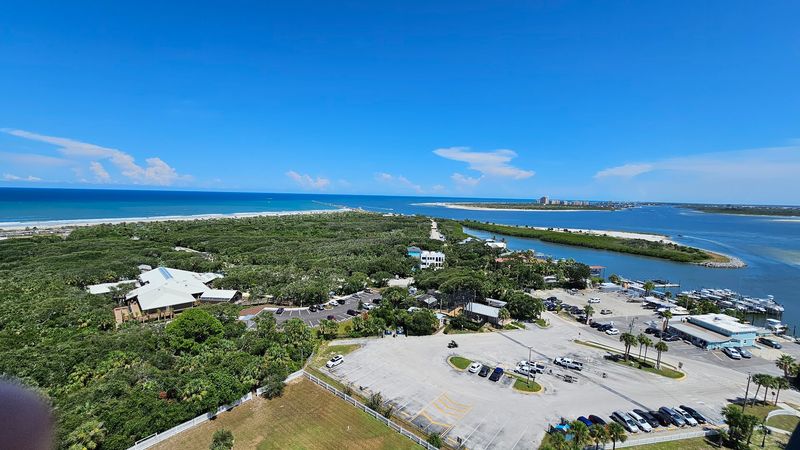
The view from the top of the tower is the moment the whole climb pays off. To the east, the Atlantic Ocean stretches out to the horizon, deep blue and endlessly wide.
To the west, the Halifax River winds through the Florida landscape in a completely different palette of greens and earth tones. Getting both perspectives from a single vantage point is genuinely rare, and it makes this lighthouse feel unlike any other coastal lookout I have experienced.
The inlet itself is visible directly below, where the river meets the ocean in a swirling mix of currents and color. On a clear day, you can trace the coastline for miles in both directions.
The Canaveral National Seashore adds a stretch of undeveloped barrier island to the view, keeping the landscape looking wild and natural rather than overdeveloped.
That ocean breeze at the top is something reviewers mention constantly, and for good reason. After the effort of 203 steps, the wind wrapping around the lantern room feels like a genuine reward.
The light plays differently up there too, brighter and more expansive than anything you feel at ground level. Spend a few minutes just looking before reaching for your camera.
The view deserves a moment of pure appreciation first.
Planning Your Visit, Tips, Tours, and What to Expect
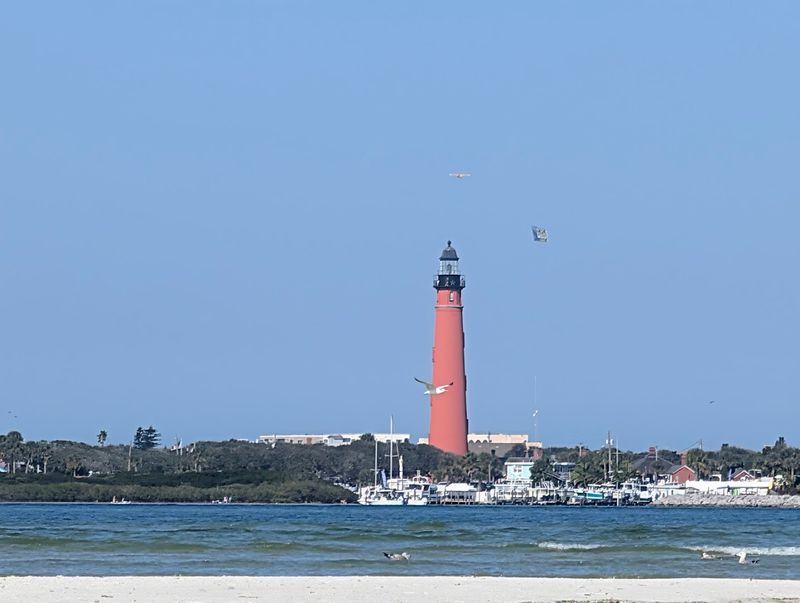
Getting the most out of a visit here takes just a little bit of planning. The lighthouse and museum are open daily from 10 AM, with extended evening hours running until 9 PM throughout the week.
They are closed on Thanksgiving and Christmas Day. Arriving earlier in the day tends to mean shorter waits and a less crowded experience on the staircase, which can get tight when multiple groups are climbing at once.
For those wanting something more personal, the site offers special “Climb with the Keeper” tours outside of normal operating hours. These are limited to just eight participants and require good physical condition, but they offer an intimate and memorable way to experience the tower.
It is worth checking the official website at ponceinlet.org or calling ahead at 386-761-1821 to ask about availability.
The gift shop near the entrance is genuinely well-stocked and worth browsing before or after your tour. There is also a small ice cream shop across the street that makes for a sweet finish after the climb.
Pets are not permitted past the gift shop entrance, so plan accordingly if you are traveling with animals. Parking is plentiful, and the overall layout of the grounds is easy to navigate on your own without a guide.
Address: 4931 South Peninsula Drive, Ponce Inlet, Florida
