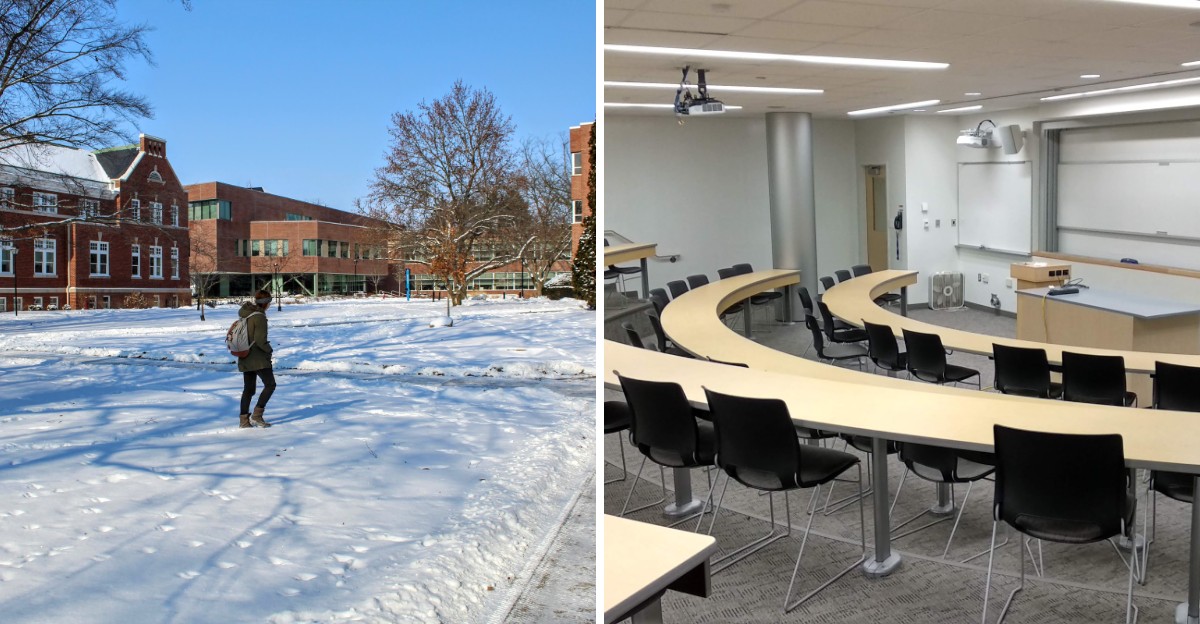
Zero dollars in tuition for families earning up to $100,000 a year. That’s the deal one small Indiana college is putting on the table.
I had to read it twice.
The offer starts with students entering in fall 2027. It grew out of an earlier version that capped family income at $60,000.
That jump changes the math for a lot of households.
I like how the school pairs the deal with real substance. Students call professors by their first names.
Classes average about 12 people. There’s even a student-run horse program.
I can’t imagine a better time to look closer at a campus that rarely makes national headlines. It sits on hundreds of acres of woods, prairie, and streams.
So what else is happening out there besides free tuition?
The Tuition Bill That Could Actually Read Zero
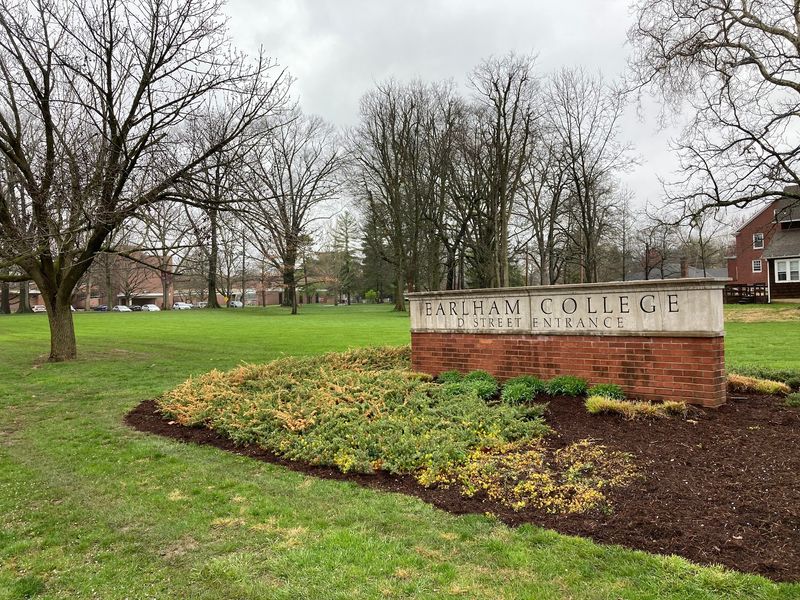
Earlham College just made one of the boldest money moves in Indiana higher education. Its INspire Earlham program now covers full tuition for Indiana students whose families earn $100,000 or less.
The expanded version was announced in September 2026. It kicks in for the class entering in fall 2027, so current high school juniors should pay close attention.
The program isn’t brand new. It launched in 2021 for families earning $60,000 or less, and the school has now raised that ceiling considerably.
A few steps are required, and none of them are wild. Students must be admitted and complete the FAFSA.
They also need to apply all federal, state, and institutional aid they qualify for.
Once those pieces line up, the college covers the remaining tuition gap. That opens the door to a full four-year bachelor’s degree without tuition costs.
My practical tip is simple. File the FAFSA early, because it unlocks everything else in this deal.
Keep in mind that tuition is only one slice of college costs. Ask the financial aid office how housing and meals fit your situation.
Still, knocking out the biggest line item is a pretty great place to start.
Call Your Professor by Their First Name. Seriously.
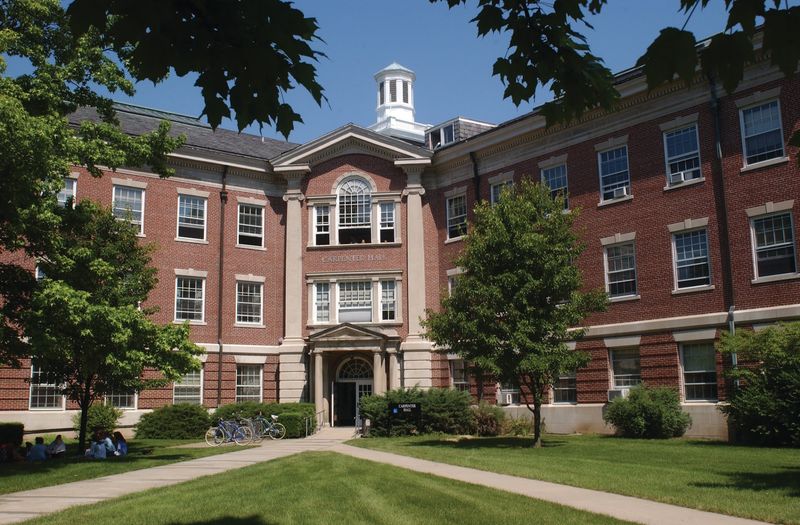
First names are the norm here, even for faculty and staff. That habit comes straight from the college’s Quaker roots.
Earlham was founded in 1847 by the Religious Society of Friends. It started as the Friends Boarding School and became Earlham College in 1859.
History buffs will enjoy this one. Earlham was the second Quaker college in the world and the first to be coeducational.
Non-Quaker students began enrolling in 1865.
Those early values still shape daily life. Integrity, peace, social justice, and mutual respect show up in classes and campus decisions.
Community-based decision-making is a big part of the culture.
Even the vocabulary reflects it. New students are called first-year students instead of freshmen.
Does a name swap really matter? I believe it does, because it signals that everyone’s voice counts.
A shy student might feel braver asking a question when the professor is simply Sarah or Tom.
The Earlham School of Religion opened on campus in 1960. It adds another layer to the school’s long spiritual and academic story.
For families exploring options, this culture is worth discussing at home. A non-hierarchical campus feels different from a giant lecture-hall university.
Hundreds of Acres of Woods Make the Best Classroom
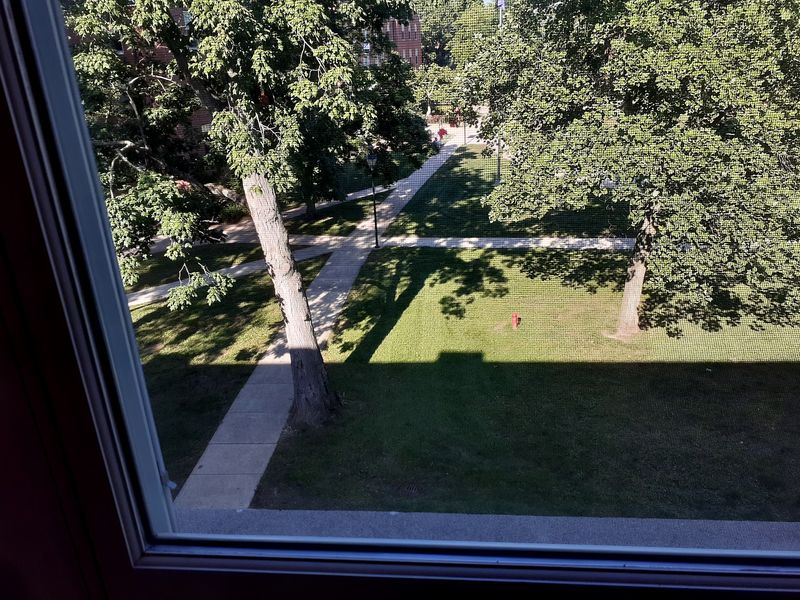
Most campuses have a quad. Earlham has woods, streams, ponds, old fields, and prairie spread across a sprawling property.
Sources list the campus at either 535 or 800 acres. Either number is huge for a small liberal arts school on the southwestern edge of Richmond, Indiana.
Here’s the fun part. The land holds an old-growth forest and a rock preserve, which is rare for a college backyard.
These natural areas aren’t just scenery. Students use them for real scientific research.
A biology lab can happen outside instead of under fluorescent lights.
Biology and Environmental Science rank among the most popular majors here. That makes sense when your field site is a short walk away.
Recreation happens out there too. A walk between classes can turn into a quiet stroll past ponds and tall trees.
If you visit, bring comfortable shoes and allow extra time. The landscape deserves more than a quick glance from the parking lot.
I can’t think of a better stress reliever during finals week. A little prairie air beats another hour of scrolling, every single time.
Artists and Scientists Got Seriously Nice Buildings
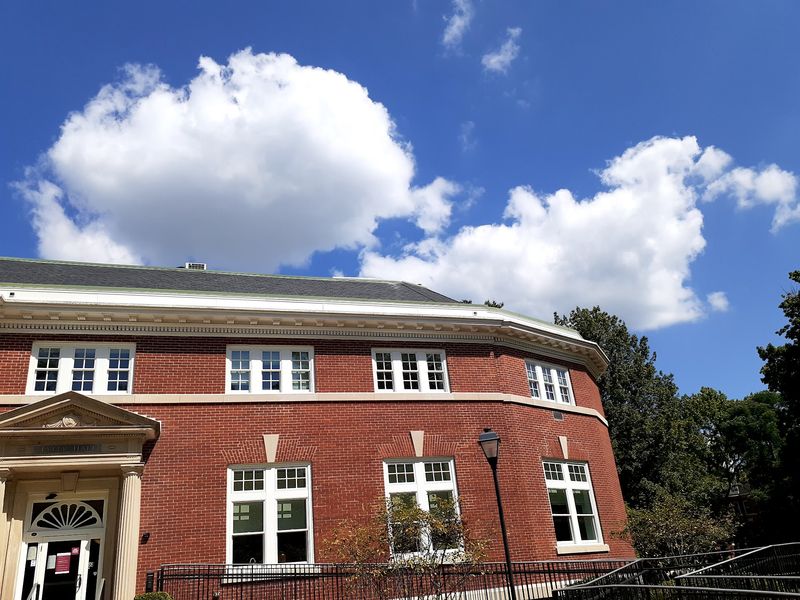
Two of Earlham’s showpiece buildings earned LEED Gold certification. That’s a big green stamp for energy-smart design.
The Center for Visual and Performing Arts was dedicated in 2014. It packs in studios for photography, metals, ceramics, painting, drawing, and weaving.
Music students get plenty too. There’s a rehearsal hall, recording facilities, and practice rooms for those endless scales.
A black box performance space rounds out the building. These flexible rooms let student actors try bold ideas without a giant stage.
Science fans get their own upgrade. The Center for Science and Technology was dedicated in 2015.
Pairing modern labs with a living forest outside is a smart combo. Students can collect samples in the woods and study them indoors the same afternoon.
For prospective students, ask to see the studios and labs on a tour. Facilities tell you a lot about what a school truly values.
Weaving and metals studios aren’t common at small colleges either. If you love making things with your hands, these spaces could be the deciding factor.
Who knew a tuition article would lead to a loom?
Saddle Up for a Program Run Entirely by Students
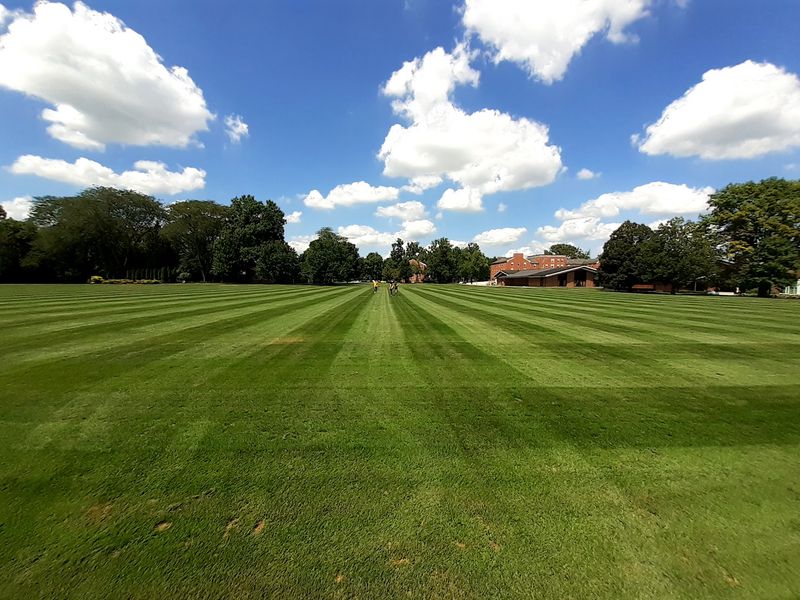
Horses, hay, and student leadership all come together in one surprising place. Earlham College runs the only entirely student-run equestrian program in the United States.
Read that again. Students handle the operation, which teaches responsibility far beyond any textbook.
Lessons are offered to students and community members alike. That means Richmond neighbors can share the experience too.
Running a barn is real work. Horses need care every day, whether it’s sunny or freezing.
Students who join learn scheduling, teamwork, and problem solving. Those skills look great on any resume, even for future accountants.
My advice? If you’ve always wanted to ride, ask about beginner lessons when you visit.
Starting from zero is completely fine.
Experienced riders may enjoy taking on bigger roles. Teaching others is one of the fastest ways to sharpen your own skills.
I love that a small college trusts students with something this important. It says a lot about how the school views young adults.
So yes, a degree here might come with free tuition and a horse to brush. Not a bad trade for showing up early on Saturday.
Five Thousand Reasons to Pack a Suitcase
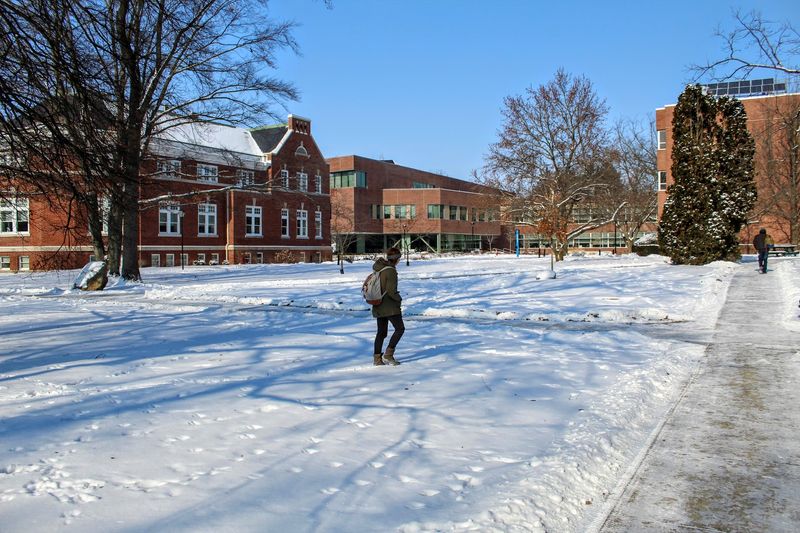
Every student gets a guarantee here. The Epic Advantage Program provides up to $5,000 for hands-on learning experiences.
That money can support internships, field studies, or international travel. It turns classroom ideas into real-world practice.
Travel is clearly a big deal. Nearly 70 percent of Earlham students study abroad at some point.
That’s a striking number for any school. At many colleges, studying abroad feels like a rare extra.
Plan early if this excites you. Talk with an advisor during your first year about which program fits your major.
International Studies is one of the popular majors. But biology, business, and psychology students can travel too.
The campus itself already feels global. Students come from 77 countries, making up about 20 percent of the student body.
So your roommate might teach you a phrase in a new language before you ever board a plane. That’s free practice, and nobody grades your accent.
Combining the tuition program with Epic Advantage funding could stretch a family budget much further. I believe that pairing deserves a serious look from any Hoosier family planning ahead.
Climb a Wall, Swim Some Laps, Then Cheer at Schuckman Court
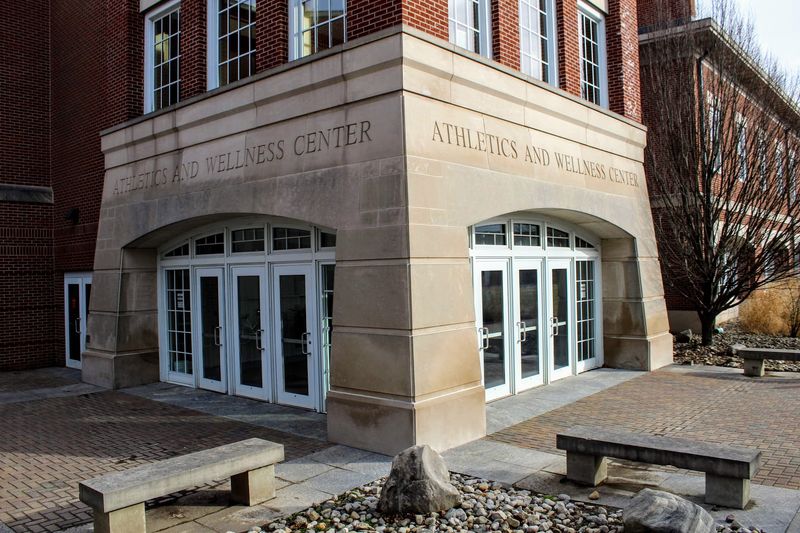
A climbing wall sits inside the Athletics and Wellness Center. That alone makes gym class sound way more interesting.
The center opened in 1999 and covers a lot of ground. You’ll find an energy center, a group fitness studio, racquetball courts, tennis courts, and a running track.
Swimmers get Weber Pool. It measures 25 meters with six lanes, perfect for laps or a team workout.
Game nights happen at Schuckman Court. This performance gymnasium seats 1,800 fans.
Outdoors, Darrell Beane Stadium opened in 2007. It hosts football and has a running track.
Baseball players use Randal R. Sadler Stadium, built in 2013 with a turf surface.
Turf means fewer rainouts, which every Indiana spring needs.
Even non-athletes can benefit. A quick workout or a climb can clear your head after a long study session.
Student-athletes should ask coaches detailed questions during visits. Knowing the team culture matters as much as the facility.
Families can check the athletics calendar and catch a game. It’s an easy, low-pressure way to feel the campus energy before making any decisions.
Indiana’s Oldest Natural History Collection Lives Here
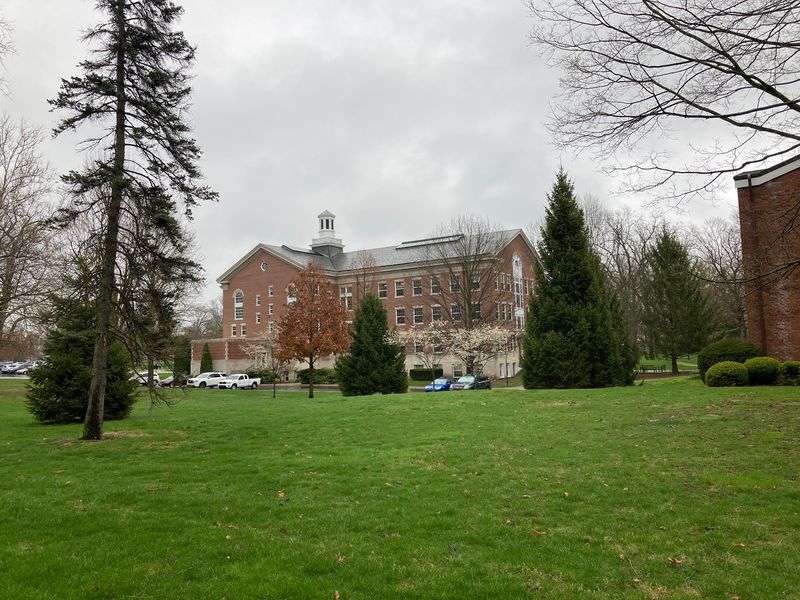
Back in 1853, someone at Earlham started collecting. That effort became Indiana’s first natural history collection.
Today it lives in the Joseph Moore Museum on campus. It’s a fascinating stop for curious kids and adults.
For students, the museum is more than a display case. It offers hands-on scientific research opportunities.
Imagining a college freshman, sorry, first-year student, handling real specimens is pretty exciting. That kind of access usually comes much later at big universities.
Families touring campus should add the museum to their list. It gives younger siblings something fun while older kids ask about majors.
The collection also connects nicely with the outdoor natural areas. Science here moves from forest to lab to museum.
I like that a small college has kept this treasure going for so long. It shows patience and a love of learning that fits the Quaker spirit.
Check museum hours before you go, since college schedules can shift. The main campus office keeps weekday hours from 8 am to 5 pm.
Fossils, specimens, and Indiana history in one building? That’s a better field trip than most of us got in school.
Small Classes, Big Results, and a Campus You Can Find Easily
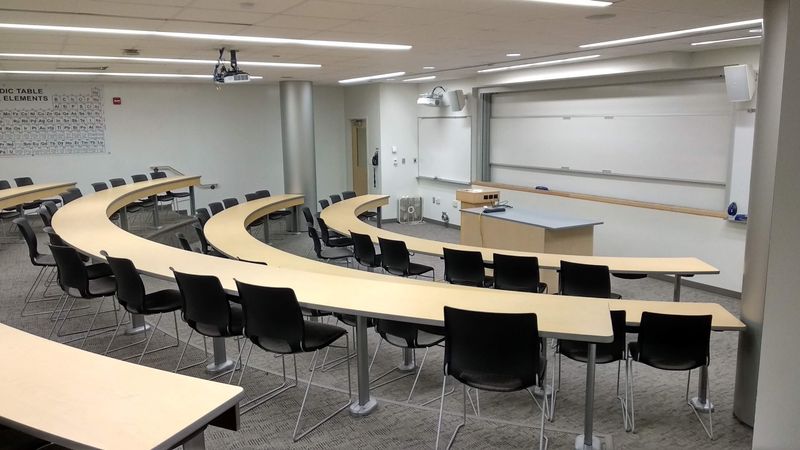
Twelve students. That’s the average class size at Earlham College, and it shapes everything.
The student-faculty ratio sits somewhere between 7 to 1 and 9 to 1, depending on the source. Either way, hiding in the back row gets tricky.
The results back it up. Within six months of graduation, 91 percent of students seeking work or more school land jobs, service roles, or graduate spots.
Alumni have earned the Pulitzer Prize, a Rhodes Scholarship, and Guggenheim Fellowships. Not bad for a school this size.
Campus life stays close-knit too. About 94 percent of students live on campus in halls, theme and friendship houses, or apartments.
More than 60 student-run clubs keep evenings busy. The Dining Commons offers vegetarian, gluten-free, and halal options.
Earlham also helps its hometown through the Revitalize Richmond initiative, which supports downtown property rehabilitation.
Ready to visit? The campus sits at 801 W National Rd, Richmond, IN 47374, on the city’s southwestern edge.
The college holds full accreditation, renewed for 10 years in 2024. With free tuition possible, this Indiana campus deserves a spot on your tour list.
