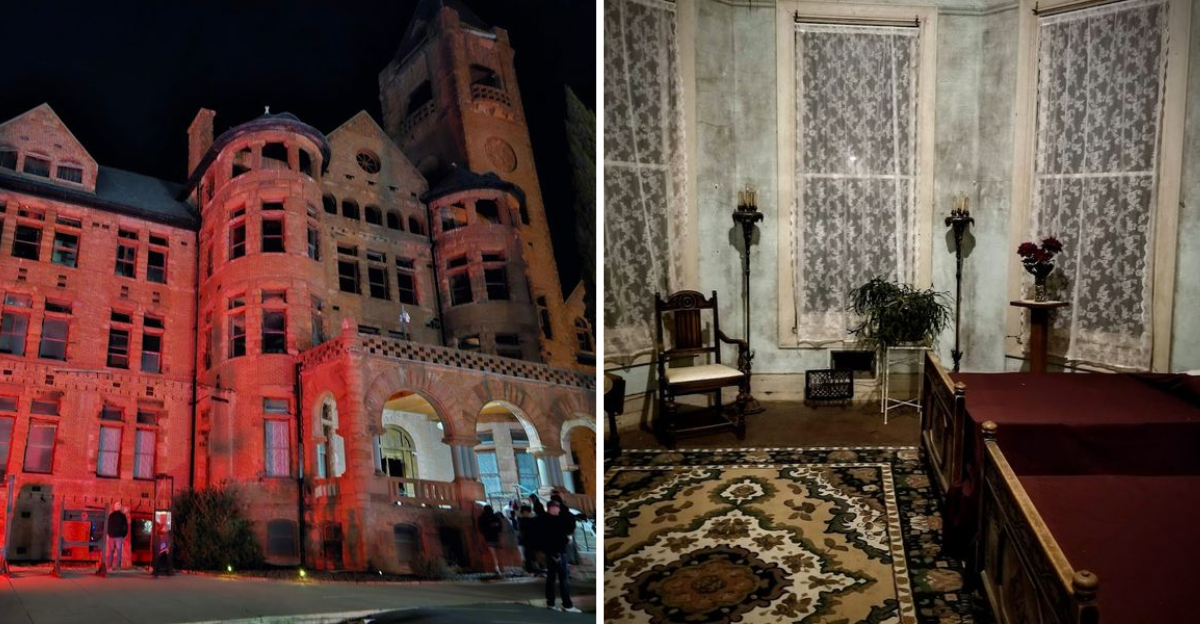
Northern California holds historic institutional buildings that reflect late 19th-century reform architecture and the complex social history of early state correctional systems. On a hillside overlooking rolling foothills, a large Romanesque Revival structure built in the 1890s stands as one of the most recognizable examples of its kind in the region.
Constructed originally as a reform school for youth, the building later fell into decades of abandonment, leaving behind a haunting blend of decay and architectural grandeur.
Brick towers, arched windows, and weathered facades preserve traces of its past use while ongoing preservation efforts aim to stabilize and restore the site. Northern California historic reform school landmarks like this reveal layered stories of education, discipline, and changing attitudes toward rehabilitation.
A Reform School Disguised as a Castle
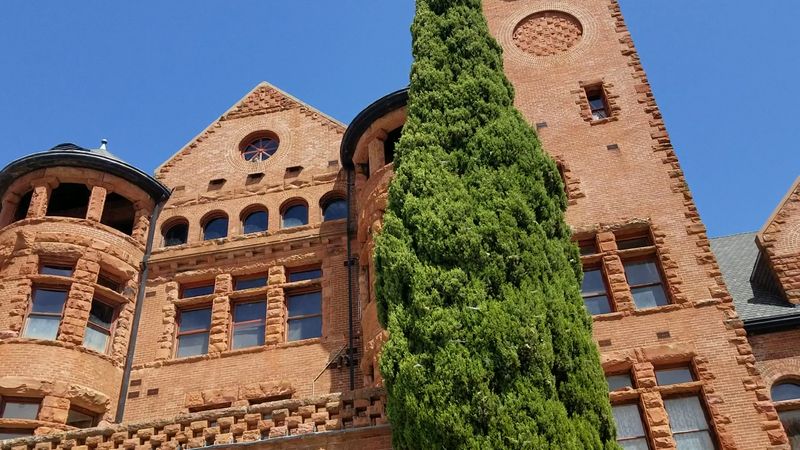
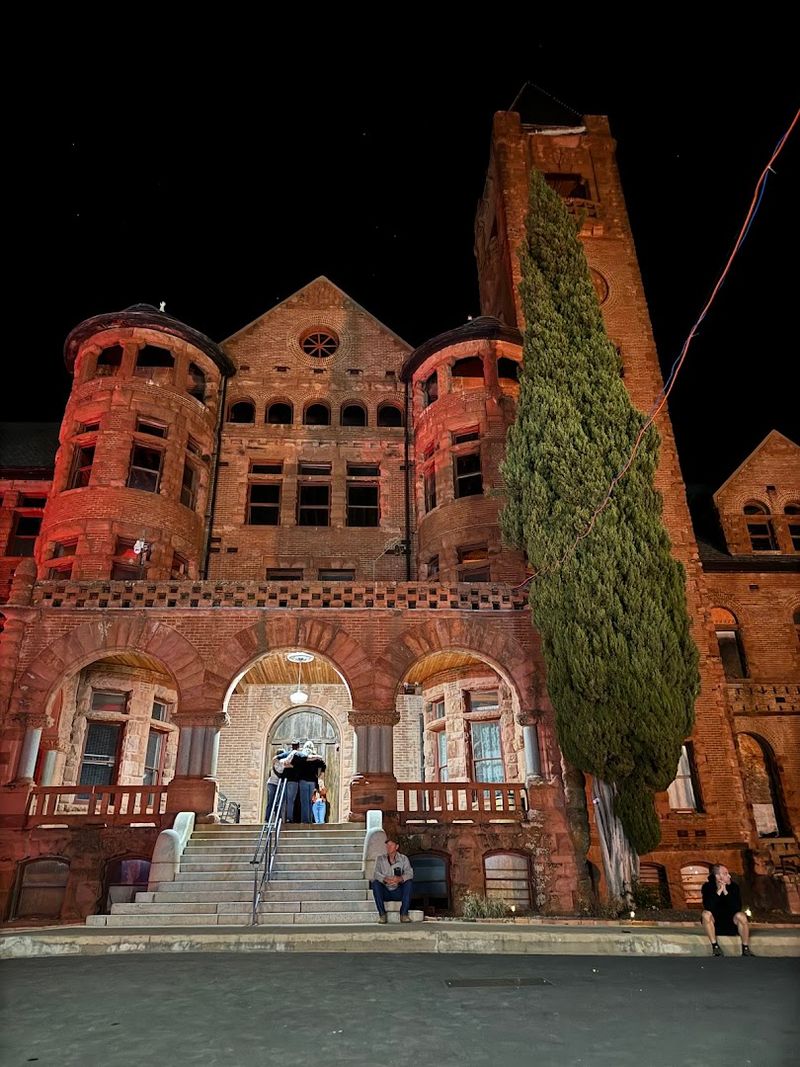
Most people expect a prison when they hear the word “reform school,” but Preston Castle was designed to look nothing like one. The architects chose the Romanesque Revival style deliberately, with the idea that a dignified, school-like building might inspire better behavior in the boys sent there.
The result is a structure that genuinely looks like a European castle, complete with turrets, arched windows, and thick red brick walls.
The cornerstone was laid in December 1890, and the building officially opened in June 1894. Bricks were manufactured at San Quentin and Folsom prisons, while sandstone was quarried from the hills near Ione itself.
That blend of materials gives the castle its distinctive warm, reddish color that catches the late afternoon sun in a way that feels almost cinematic.
Boys sent here were juvenile offenders, many of them very young, who were supposed to be rehabilitated rather than simply punished. Early reports, however, described harsh conditions inside, including overwork and mistreatment by staff.
The gap between the castle’s grand appearance and the reality of life within its walls is something you feel the moment you step through the front door.
The Bones of a Building Still Standing
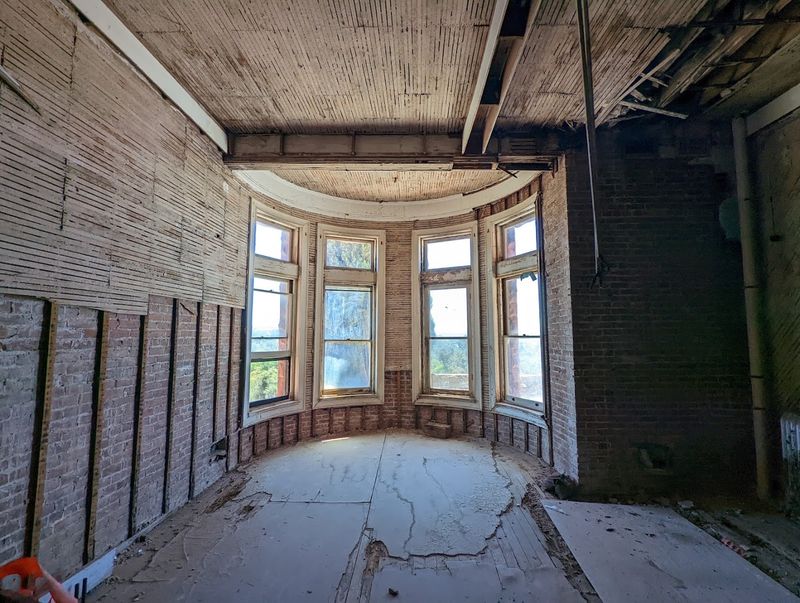
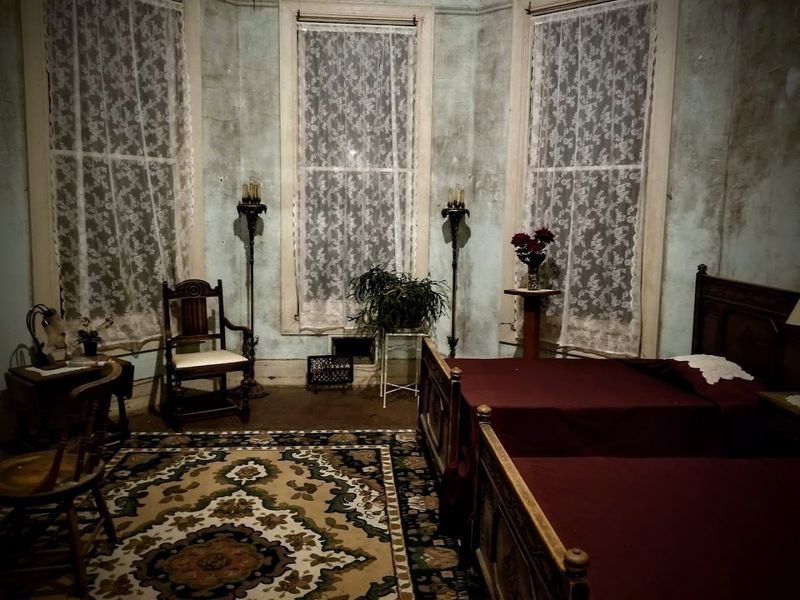
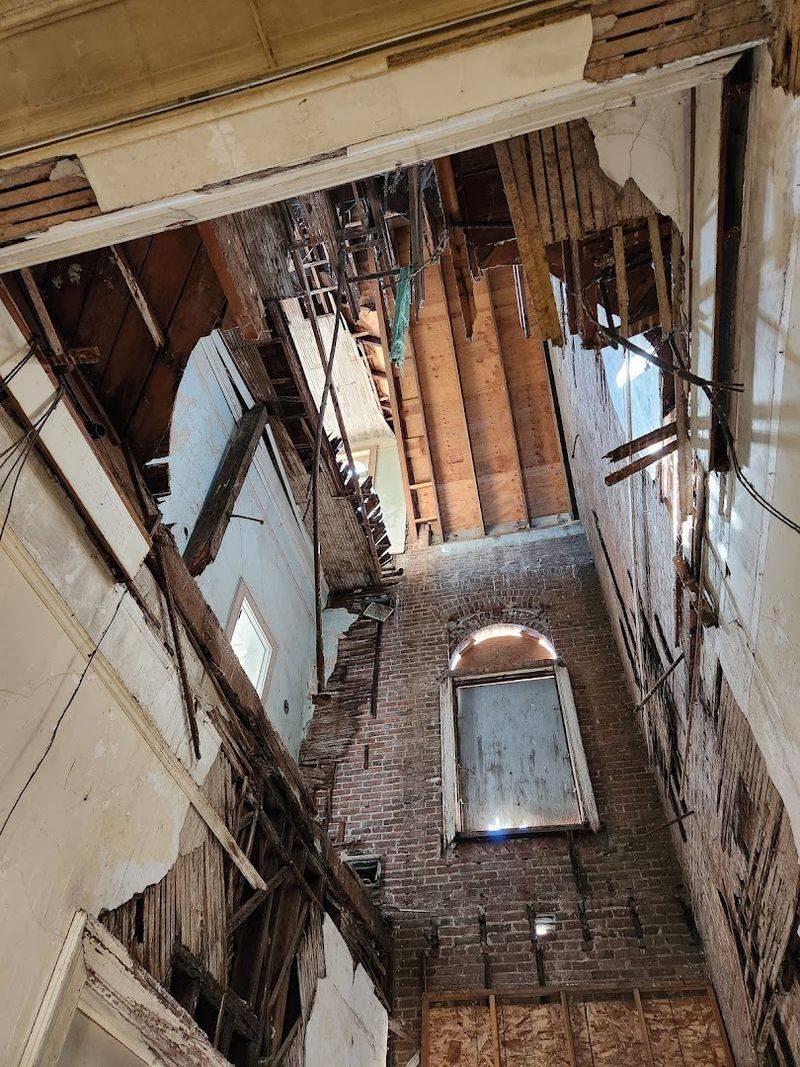
Inside Preston Castle, the decay is breathtaking in the most unsettling way. Paint peels from walls in long curling strips, plaster has collapsed in heaps on the floor, and wooden staircases groan underfoot.
Only two of the five floors are currently open to visitors, because the upper levels remain structurally unsafe, but what is accessible is more than enough to leave a lasting impression.
The building was vacated in 1960 when newer facilities replaced it, and for decades it sat exposed to the elements with no real protection. Rain, heat, and neglect did serious damage.
Yet the bones of the structure, its arched doorways, ornate brickwork, and tall ceilings, survived in ways that feel almost miraculous given the timeline.
Arrows on the floor guide self-guided tour visitors through the accessible areas, and knowledgeable docents are stationed at key points throughout the building. Chatting with them is honestly one of the best parts of the visit.
They share stories and context that no sign or pamphlet could fully capture. The Preston Castle Foundation has been working since acquiring the building in 2014 to stabilize and restore it, with full restoration costs estimated at a staggering sum.
Ghosts That Refused to Leave
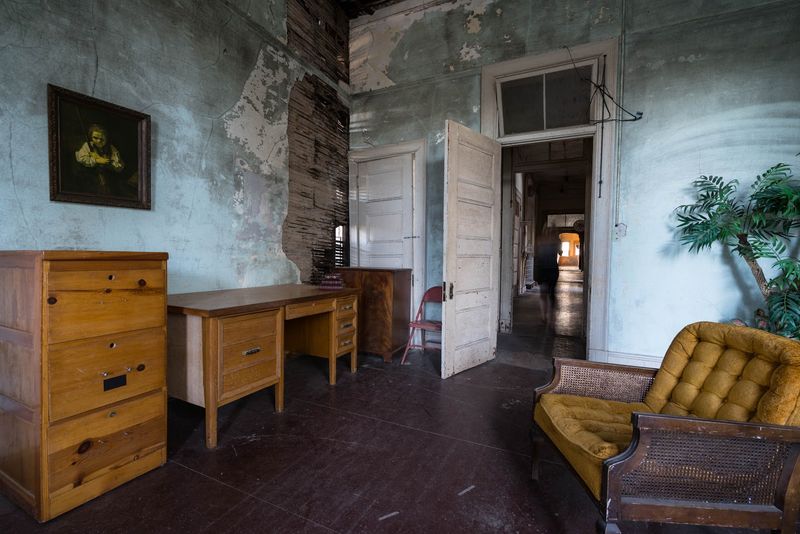
Preston Castle has earned a reputation as one of Northern California’s most actively haunted locations, and the stories behind that reputation are not vague or generic. Specific names, specific rooms, and specific events give the paranormal history here a weight that is hard to dismiss.
The most well-known figure is Anna Corbin, a housekeeper who was terminated in the castle’s basement in 1950 in a crime that was never solved.
Her presence is reportedly felt most strongly in the basement and in the apartment she once occupied. Another spirit frequently mentioned is Samuel Goins, a ward who was shot during an escape attempt in 1918.
Visitors and investigators have reported apparitions, disembodied voices, cold spots, growls, shadow figures, and unexplained equipment interference during investigations.
The castle has been featured on television programs including Ghost Adventures and Ghost Hunters, which brought national attention to the site. Private and public paranormal investigations are available to book through the foundation.
Visitors who have participated describe experiences ranging from dowsing rod reactions to voices captured through audio equipment. Whether you believe in the paranormal or not, the atmosphere inside Preston Castle at night is genuinely hard to shake.
Famous Names Who Passed Through These Walls
Not everyone who passed through Preston Castle faded into anonymity. A handful of its former wards went on to become recognizable names in American culture, which adds a fascinating layer to the already complex history of the place.
Country music legend Merle Haggard spent time here as a young man before going on to build one of the most celebrated careers in American music.
Eldridge Cleaver, the writer and civil rights activist, also has a connection to this institution, as does Neal Cassady, the countercultural figure who inspired characters in Jack Kerouac’s writing. These are not small footnotes.
They are reminders that the boys sent to Preston came from every kind of background and carried enormous potential, even when the system around them was failing.
Knowing these names while walking the corridors adds a strange intimacy to the experience. You find yourself looking at the empty cells and worn doorways differently, wondering which room a particular young man might have slept in or what he was thinking.
History has a way of becoming very personal in a place like this, where the walls feel like they genuinely remember.
Tours, Events, and How to Experience It Right
Visiting Preston Castle is not a drop-in experience, and that is actually part of what makes it special. Tours are available through a reservation system on the foundation’s website, and arriving at least 30 minutes before your scheduled time is strongly recommended.
Every visit begins with a short history and safety video, which sets the context nicely before you start exploring.
Both guided and self-guided tour options are available. The self-guided format lets you move at your own pace, follow the floor arrows, and stop as long as you like in any given room.
Guided tours are smaller and more personalized, which is ideal if you want deeper conversation with the docents. Either way, the staff and volunteers are consistently described by visitors as knowledgeable, warm, and genuinely passionate about the castle’s story.
Special events include Halloween haunted house experiences, oddity fairs, photography sessions, and paranormal investigation nights. The Halloween events in particular draw large crowds and use the castle’s atmosphere to incredible effect.
After your visit, the small town of Ione is worth a short wander. There are a few local restaurants and shops just a few minutes away that make for a pleasant end to an intense day.
Why This Place Deserves to Be Saved
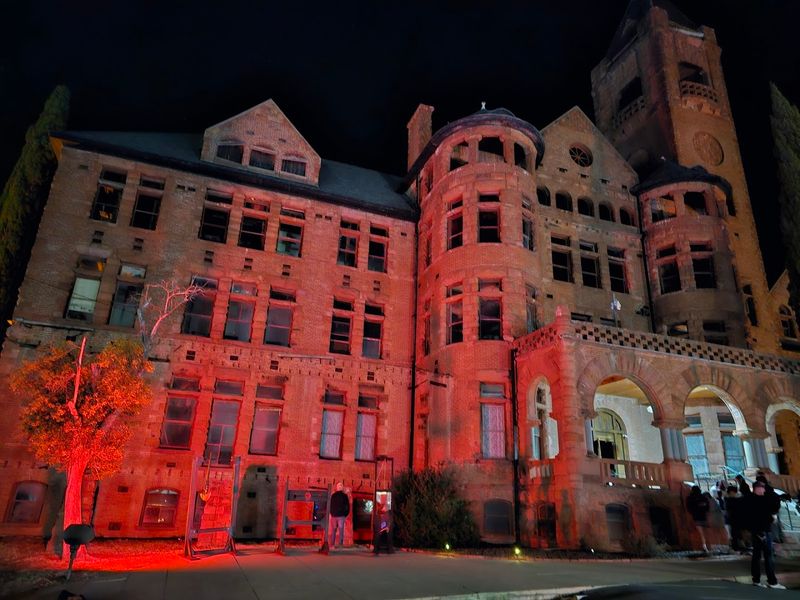
Preston Castle is a California Historical Landmark, number 867, and it is listed on the National Register of Historic Places. Those designations matter, but they do not guarantee survival on their own.
The Preston Castle Foundation has been the real force behind keeping this building standing, relying heavily on donations, volunteer labor, and the revenue from tours and events to fund ongoing restoration work.
The scale of what needs to be done is significant. Full restoration has been estimated to cost tens of millions of dollars, and only a fraction of that has been raised so far.
Yet the progress that has already been made is visible and genuinely impressive. Rooms that were once completely inaccessible have been stabilized, exhibits have been created, and the grounds are maintained with care.
There is something deeply worthwhile about a community choosing to preserve a complicated history rather than erase it. Preston Castle does not hide its difficult past.
It presents it honestly, through exhibits, docent conversations, and the raw physical evidence of the building itself. Visiting is a way of contributing to that preservation, and it leaves you with the kind of thoughtful, lingering feeling that only real places with real histories can produce.
Address: 900 Palm Drive, Ione, CA 95640
A Childhood Lost Behind Stone Walls
The boys sent to Preston School of Industry were rarely hardened criminals. Many arrived for minor offenses like truancy, petty theft, or simply being poor and parentless in early 20th-century California.
Their ages ranged from eight tao eighteen, and most had nowhere else to go.
Life inside was regimented and harsh. Wake-up bells, strict labor assignments, and little room for childhood laughter defined their days.
Some boys spent years learning trades like farming, baking, and printing in hopes of building a better future.
Yet the echoes of their struggles still seem to linger in every cracked corridor and crumbling stairwell today.
Records from the era describe overcrowded dormitories, rigid discipline enforced by staff, and an environment where silence often carried more weight than conversation. Despite the strict structure, small moments of humanity still surfaced: shared meals, handwritten letters home, and friendships formed in unlikely corners of the institution.
Some former students later credited the school with giving them skills that helped them survive adulthood, while others carried more complicated memories that never fully faded.
