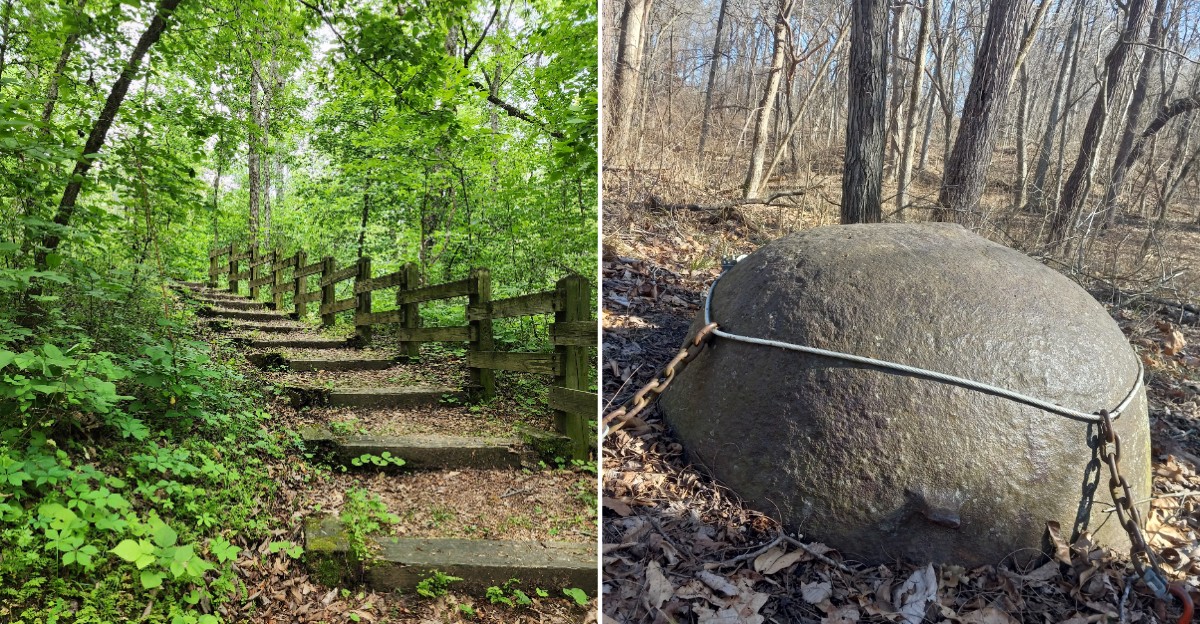
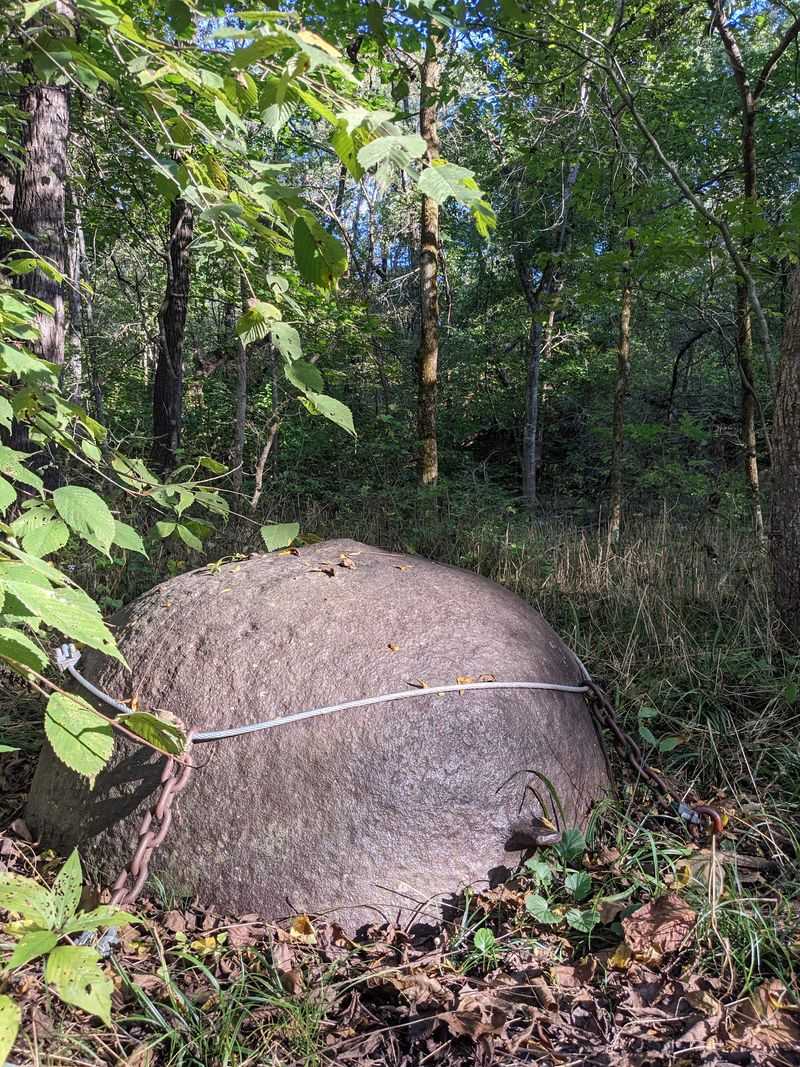
A cast-iron kettle sits in the woods where two brothers once boiled salt water into a frontier fortune. Their father was Daniel Boone.
Yes, that Daniel Boone.
The brothers ran dozens of kettles over stone furnaces in a quiet Missouri valley. At their busiest, crews made about 130 bushels of salt a day.
That salt rode keelboats all the way to St. Louis.
I love that the story is still in the ground. Old wooden posts poke up from a salty creek.
On the right day, the springs can even give off a sulfur smell.
I can’t imagine hauling brine by hand for a living. Then again, pioneers needed salt to keep meat from spoiling.
So how did a famous family’s side hustle shape an entire state’s map?
The Boone Name Is On The Sign, But Nathan And Daniel Morgan Did The Work
Famous dads get all the credit, don’t they? At Boone’s Lick State Historic Site, the real stars are Nathan and Daniel Morgan Boone, two sons of frontiersman Daniel Boone.
Around 1805 or 1806, the brothers started making salt in this valley in what’s now southwestern Howard County. They teamed up with James and Jesse Morrison to get the business going.
The site sits in Missouri farm country, between the small towns of Lisbon and Petersburg. It covers roughly 50 acres of rolling fields and wooded hills.
That’s a lot of quiet for such a big story.
I like that the place doesn’t try to be flashy. The grounds stay unstaffed, and Arrow Rock State Historic Site manages them.
You get the history mostly on your own terms.
The Boone name pops up all over Missouri maps, from roads to counties. This valley helps explain why.
The brothers turned a natural salt spring into a working frontier industry.
So when you pull in, give Nathan and Daniel Morgan a little nod. Their father had plenty of fame already.
They earned this spot the hard way, one boiling kettle at a time.
Animals Found These Salty Springs Long Before Any Boone Did
Deer and other wild animals were the first customers here. They gathered at the salt springs to lick minerals from the ground, which is exactly where the word lick comes from.
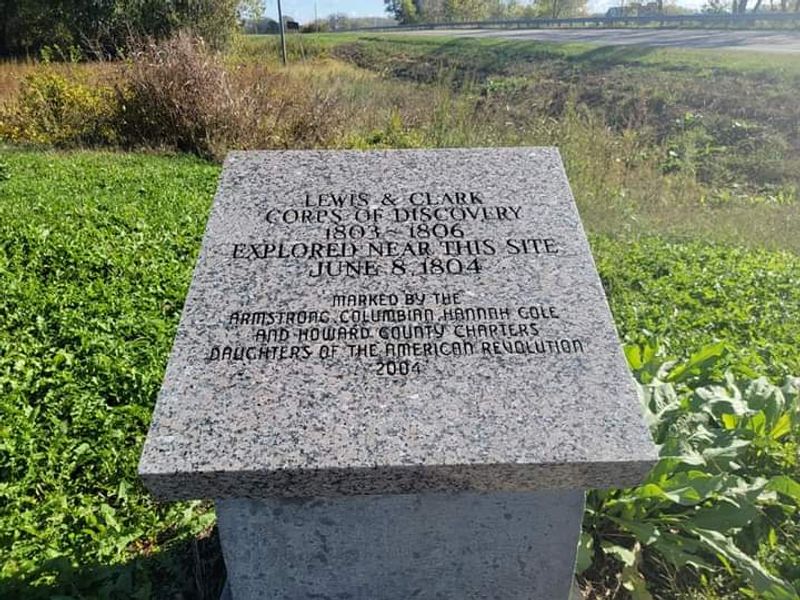
Lewis and Clark took note of these licks in 1804. That was just before the Boone brothers set up shop nearby.
Talk about getting a famous review.
Salt was a huge deal back then. Without fridges, pioneers used it to preserve meat and tan animal hides.
A steady salt supply could make life on the frontier much easier.
Natural brine bubbled up from the ground in this valley. The water carried enough salt to be worth boiling down.
That made the spot valuable to anyone willing to do the heavy work.
Today, outdoor exhibits explain the unusual saltwater environment that still exists here. It’s a neat chance to see how nature shaped a business.
The creek even carries the fitting name Salt Creek.
Keep your eyes open for wildlife along the water. The salty stream still draws its share of critters.
In a way, the original customers never really stopped showing up for a taste.
Boiling Brine Was Hot, Smoky, And Seriously Big Business
Forty kettles and one furnace. That’s how the operation started, with six to eight men making 25 to 30 bushels of salt each day.
The method sounds simple but took real muscle. Workers poured brine into iron kettles set over stone furnaces.
The fire boiled off the water, and salt crystals stayed behind.
Now think about the firewood that job needed. Those furnaces had to keep going for hours to get results.
It was hot, smoky work in every season.
As demand grew, so did the crew. The business expanded to 15 to 20 workers.
Daily output jumped to about 130 bushels.
That’s a lot of salt for a frontier valley. It shows how much settlers depended on it for food and daily chores.
The Boone brothers clearly found a product people couldn’t skip.
Interpretive panels along the trail walk you through each step. They make it easy to picture the steam and the clanging kettles.
Reading them first will help everything else on the walk make more sense.
Your Salt Shaker Owes A Little Something To Missouri River Keelboats
Getting salt to customers took more than a wagon. The Boone brothers shipped their product by keelboat down the Missouri River to St. Louis.
Keelboats were long wooden boats built for river work. Crews moved heavy cargo on them before steamboats took over.
Salt was a perfect load because people always needed more.
St. Louis was a growing trading hub at the time. Salt from this valley helped feed and supply that busy town.
A small creek operation was suddenly part of a much bigger system.
That’s what I find so cool about this place. A quiet spring in the woods connected to river trade across the region.
It feels tiny today, but its reach was anything but small.
Commercial salt making here ended around 1833. By then, the area had changed a lot.
Settlers had poured into central Missouri, and the frontier had moved farther west.
Standing near the springs, it’s fun to trace that journey in your head. Brine became salt, salt became cargo, and cargo became supper on someone’s table.
Not a bad run for a salty creek.
A Famous Road Started Here And Eventually Turned Into Interstate 70
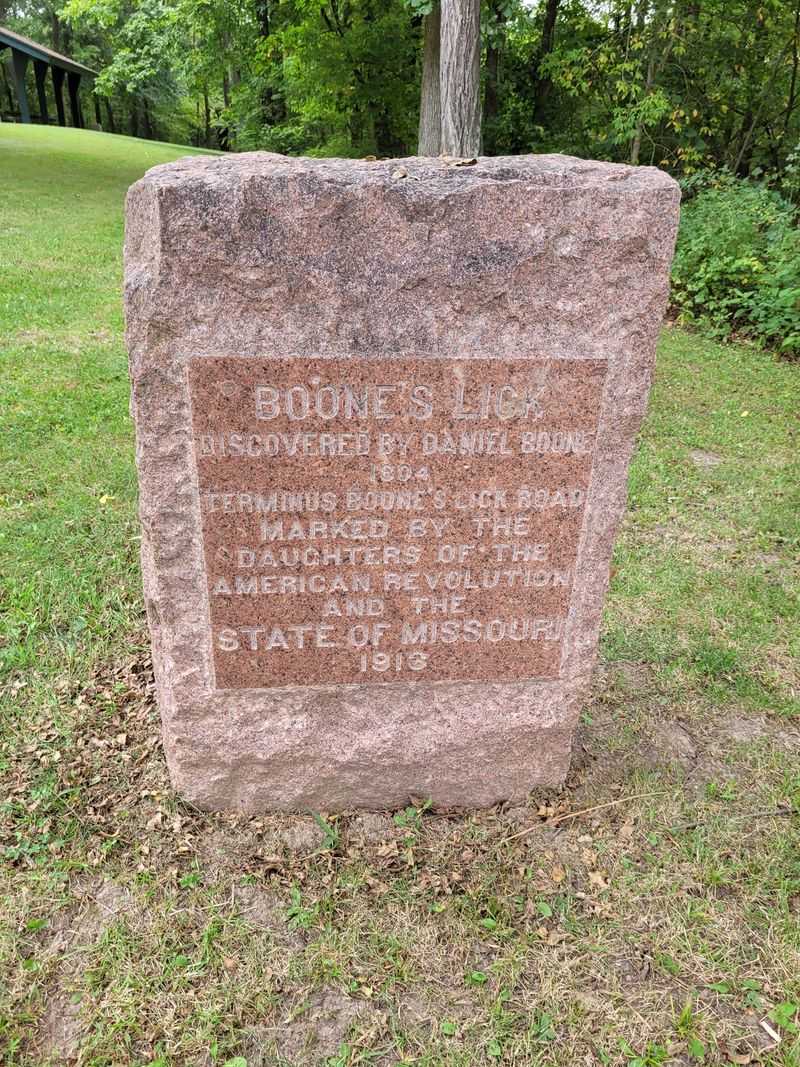
Ever cruised down Interstate 70 across Missouri? You may have followed part of a path first used by Native Americans and later widened for salt-hungry settlers.
That path became the Boone’s Lick Trail, also called Boone’s Lick Road. The Boone brothers blazed it from St. Charles to the salt springs.
Traffic grew so much that the old trace had to be widened.
In the early 1800s, this road was a key route from eastern to central Missouri. Families used it to move west and start new farms.
It helped the region grow on its way to statehood.
The trail’s end point at Franklin became the starting line for the Santa Fe Trail in 1821. That created a continuous route from St. Charles to Santa Fe.
A salt road suddenly linked to a famous trade route.
Parts of the trail later shaped U.S. Highway 40 and Interstate 70.
So your modern road trip has very old roots. Pretty wild for a route that began with animals hunting salt.
Next time you hit traffic on I-70, try a little perspective. At least nobody’s asking you to haul kettles.
Lace Up For A Short Trail With One Steep Surprise
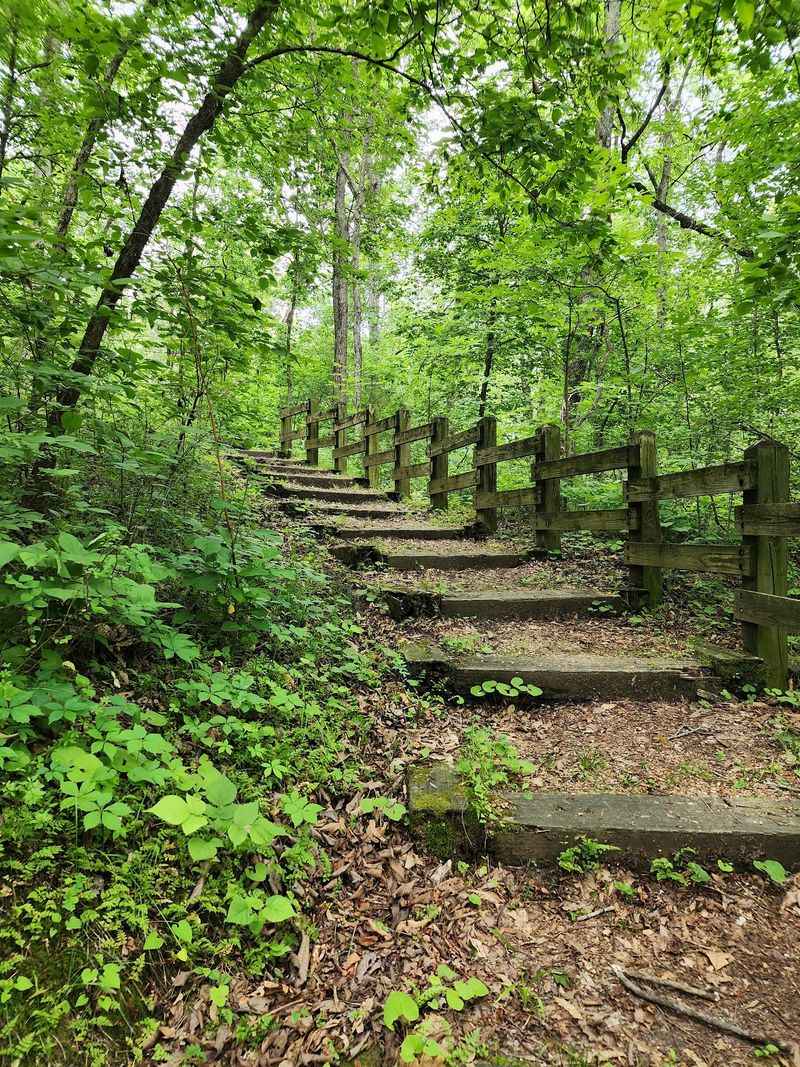
Good news first. The walking trail here is short and winds down into the spring valley where the salt works once stood.
Now the honest part. The path includes a steep hill, so sturdy shoes are a smart move.
Going down is easy, but coming back up will remind your legs they exist.
Interpretive panels line the way and explain how salt was produced. Each stop adds another piece of the story.
By the bottom, you’ll understand the whole process.
The trail passes through wooded hills that feel calm and tucked away from busy roads. It’s a nice change from crowded tourist stops.
You get history and a little nature workout together.
Warm months bring bugs near the creek, so bring insect repellent. Water is another good item to pack.
A small backpack makes the trip more comfortable.
Kids can enjoy the walk too, as long as someone keeps an eye on the slope. Take breaks at the signs and let everyone catch their breath.
Reading about sweaty salt workers makes the climb back feel a bit less dramatic.
An Original Kettle And Creek Posts Still Wait At The Bottom
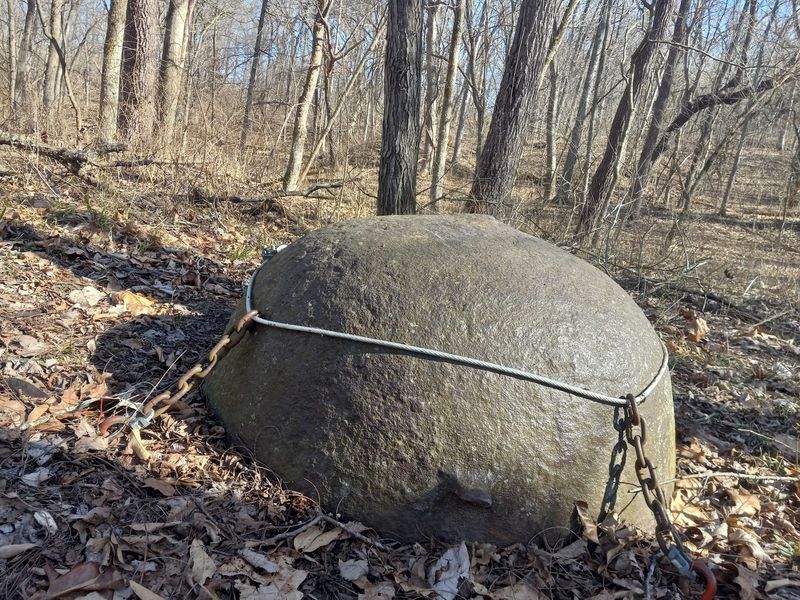
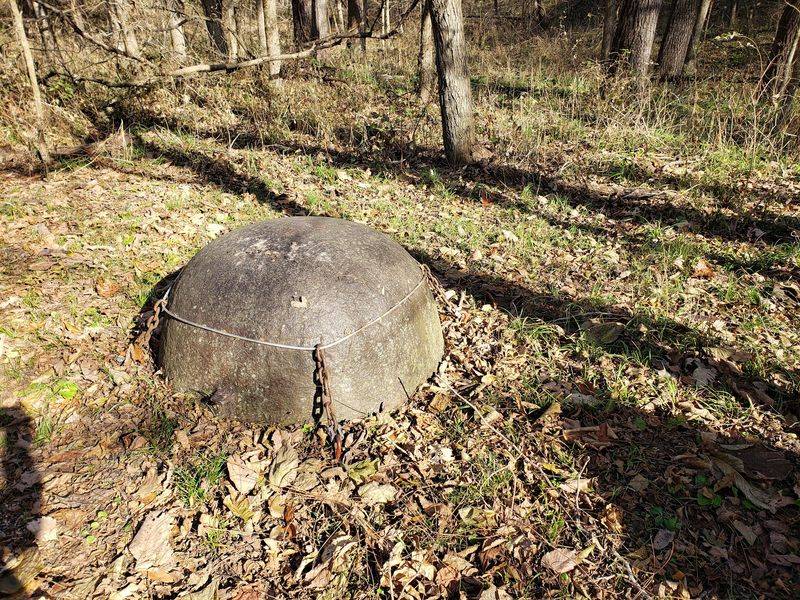
Here’s the payoff. An original cast-iron salt kettle sits near the springs, a real survivor from the old operation.
Look closely at Salt Creek too. Wooden posts rise from the water, leftovers from the frontier salt works.
You’ll also spot remnants of two well casings.
Plants can hide some of these pieces, especially in summer. Slow down and scan the area carefully.
Spotting the old wood feels a bit like a treasure hunt.
When conditions are right, you might smell sulfur near the springs. It’s not exactly perfume, but it’s real.
That scent comes straight from the salty water that started everything.
I love that these objects stay right where history happened. There’s no glass case between you and the creek.
It makes the past feel close enough to touch, though please don’t.
Take a few minutes to just stand there and look around. Picture the furnaces glowing and crews moving brine.
The kettle is quiet now, but it carries one of the best stories in Missouri.
Archaeologists Found Way More Hiding Under The Ground
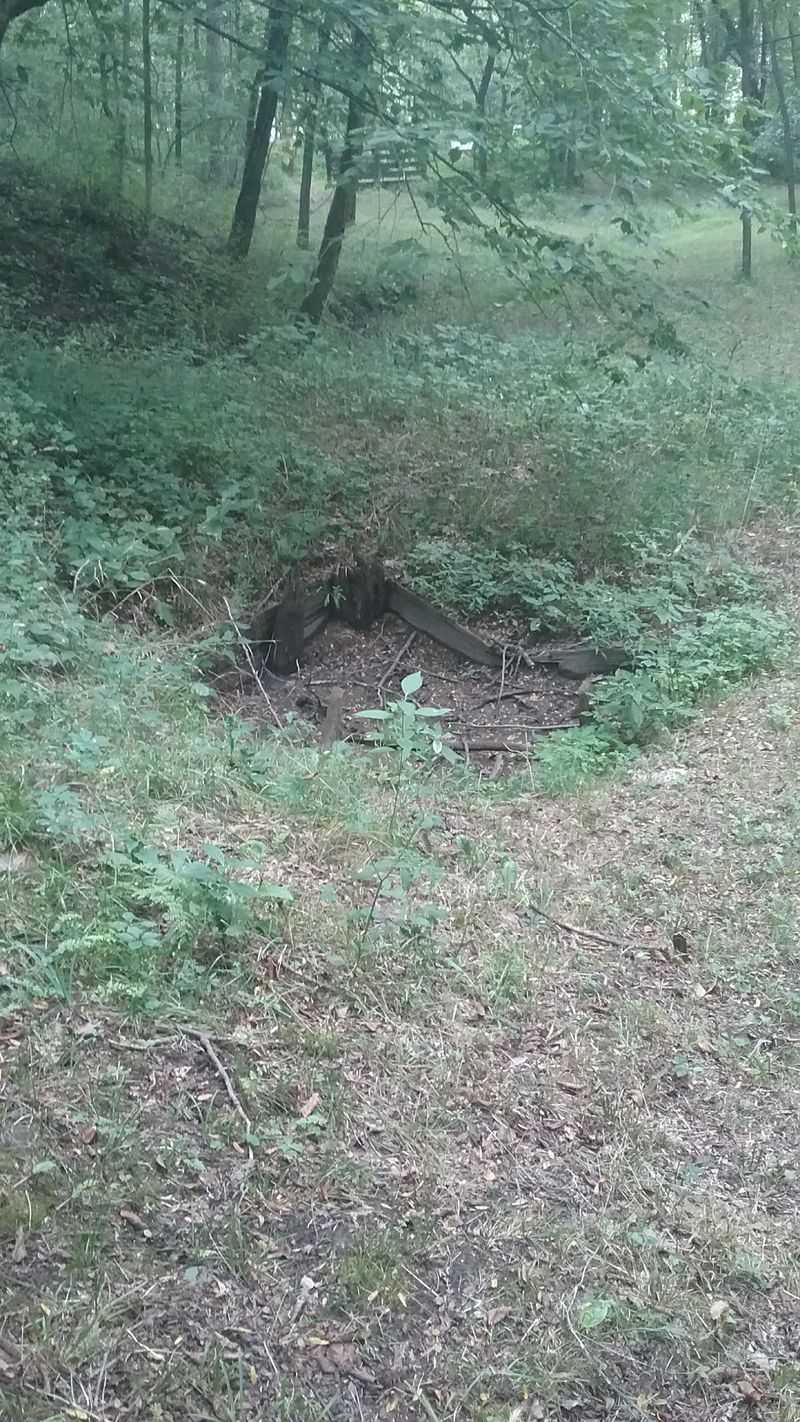
What you see is only part of the story. Archaeological digs have uncovered many more remnants buried beneath the site.
Researchers found six rock-lined furnaces, and possibly as many as ten. They also found more well casings and two log cabins.
There was even a system for lifting brine.
The coolest find might be a ten-foot octagonal drive shaft. Workers hand-hewed it from a single log.
It was part of a tread wheel that dipped and raised brine from the wells.
That’s clever engineering for the early 1800s. No electric pumps, just muscle, wood, and smart design.
The Boone crew clearly knew how to solve problems.
Some artifacts from the salt business now sit at the Arrow Rock State Historic Site visitor center. If you want a closer look, that’s your next stop.
It pairs nicely with a walk through the valley.
Knowing what’s underground changes how the site feels. Every grassy patch might cover another piece of history.
Suddenly that peaceful valley looks like a giant, quiet time capsule.
Pack A Lunch And Plan Your Visit Before You Roll Out
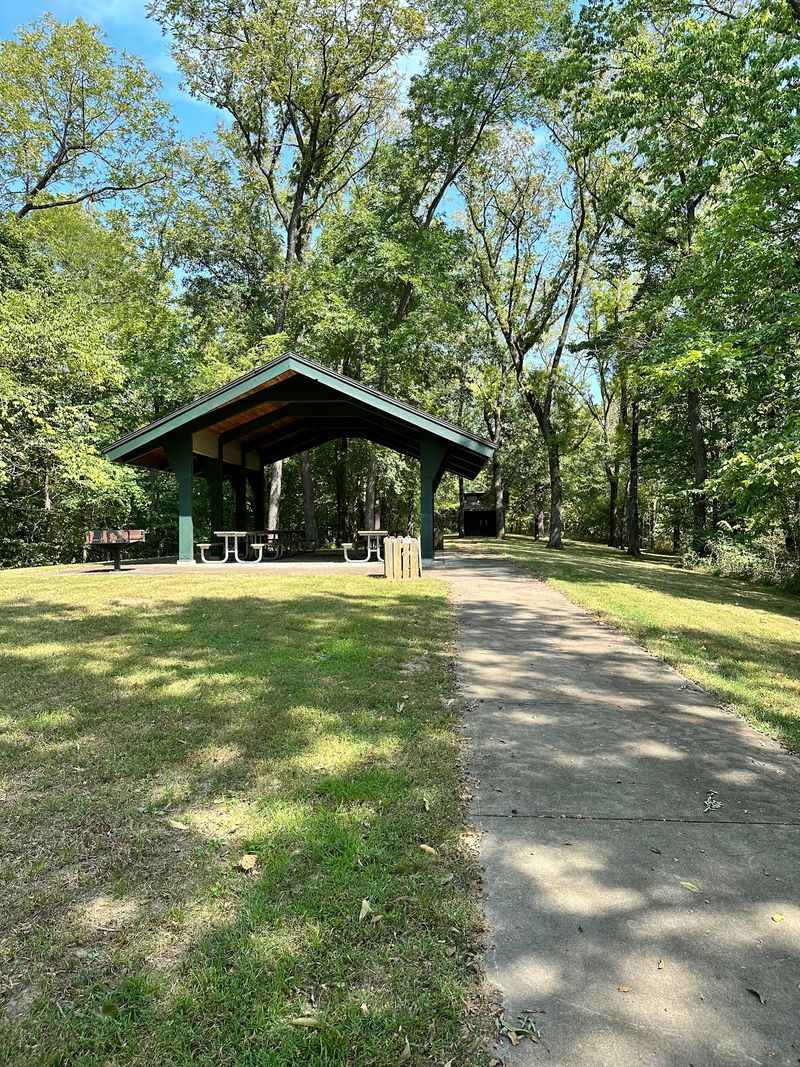
Picnic tables plus history make a pretty great afternoon. Boone’s Lick State Historic Site offers picnic facilities, so bringing lunch is a smart call.
The address is Highway 187, Boonesboro, MO 65250, in Howard County. It’s about 13 miles northwest of Boonville, off Route 87.
Rural roads lead the way, so a map helps.
The grounds stay open from sunrise to sunset all year. Bad weather like heavy snow or ice can cause temporary closures.
Checking conditions before you leave can save you a wasted drive.
Since nobody staffs the site, plan to be self-sufficient. Pack water, snacks, and anything else you’ll need.
Then you can relax without worrying about supplies.
Fall can be an especially lovely time to go, with colorful wooded hills. Spring brings fresh greenery along the trail.
Either way, the scenery adds a lot to the trip.
Want to build a full day? Head to Arrow Rock State Historic Site afterward to see related artifacts.
Between the trail, the kettle, and a sandwich in the shade, this Missouri stop delivers plenty of flavor.
