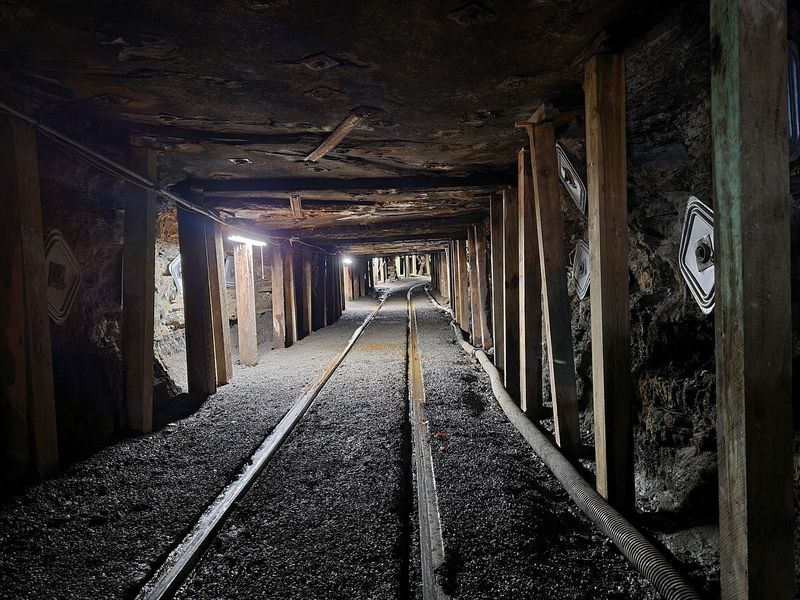
Some places surprise you when you least expect it. What looks like a quiet park in West Virginia hides an entire world beneath your feet, one where old rail cars still rumble deep into the mountain.
Climb aboard, and you’ll travel back more than a century to see how ordinary folks carved a living from coal. It’s the kind of stop you almost drive past, then never forget.
A Hidden World Beneath New River Park
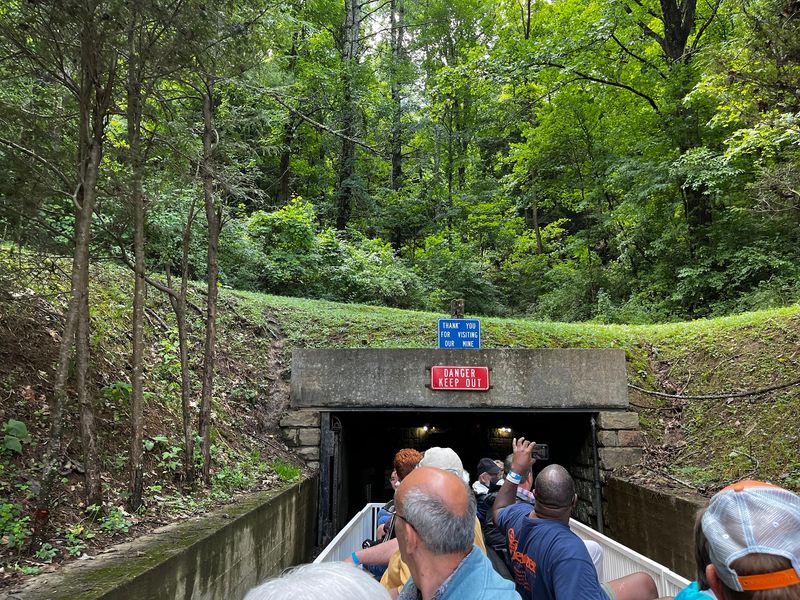
Tucked into the rolling green of New River Park sits an entrance most people would never guess leads underground. What appears to be a peaceful patch of lawn actually opens into the old Phillips-Sprague Mine, a genuine piece of West Virginia’s coal history you can walk right into.
Located in Beckley, this history museum draws visitors from all over, many arriving on their way to the nearby New River Gorge and stumbling onto it by happy accident. Folks who stop describe it as one of the most worthwhile detours they made in the entire state.
Rather than glass cases and roped-off displays, the site invites you to step directly into the tunnels where miners once labored. The mine anchors a larger complex that includes a museum, restored coal camp buildings, and a gift shop.
With a rating that hovers near perfect across nearly three thousand reviews, this unassuming green space has quietly earned a reputation as a must-see. It’s proof that some of the Mountain State’s richest treasures sit not on the surface, but hidden deep within the hills themselves.
Riding the Man Trip Into the Dark
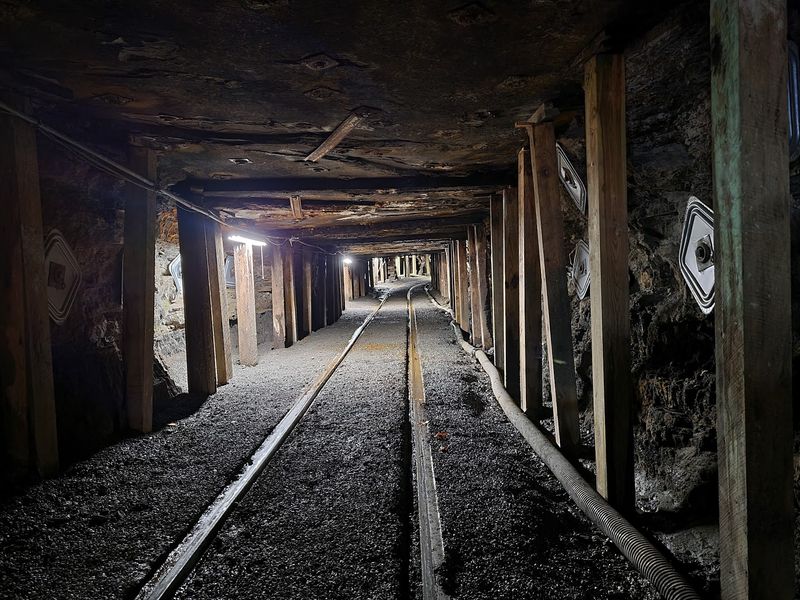
Climbing aboard the open rail car, once used to ferry miners to the coal face, is where the adventure truly begins. The car glides forward, and within seconds the sunlight vanishes behind you as the mountain swallows the track whole.
Cool air greets you almost immediately, holding steady around 58 degrees no matter the season. Visitors often mention how refreshing that chill feels after the summer heat outside, though many wisely tuck a light jacket into their bag first.
The tour runs roughly 45 minutes and carries you approximately 1,500 feet into the hillside, about 150 feet below the surface. Because this is a drift mine, the entrance runs horizontally into the slope rather than plunging straight down, letting the car roll gently deeper.
Lamps on the car cut through the darkness while the guide narrates each turn and chamber. Regulars note the train sits a bit narrow, so those with knee troubles should take their time, but nearly everyone finds it manageable and thoroughly worth the ride.
Feeling the tunnels close in around you brings the miner’s daily world into sharp, unforgettable focus.
Guides Who Actually Worked the Coal Face
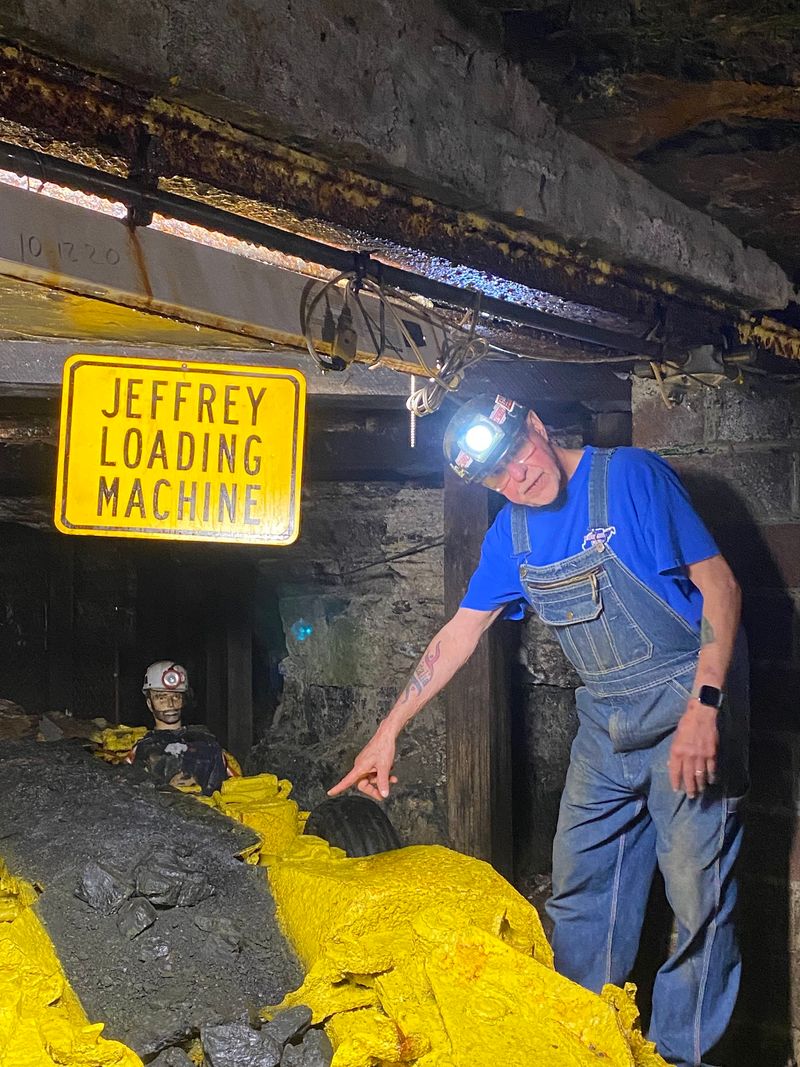
Meeting a guide named Don, Gerald, Wilson, or Dorsey changes everything about this tour. Many of the folks leading you through the tunnels are retired miners themselves, some third-generation, who spent decades in the very passages you’re rolling through.
Their stories carry a weight no textbook could match. Visitors frequently share how one guide, a child of a miner who grew up in the coal houses before working underground himself, brought them to both laughter and tears within the same tour.
These men explain old and new equipment, demonstrate techniques, and answer every question with the ease of someone who lived it. Reviewers rave that Gerald, a former miner and inspector, added layers of insight simply because he had walked that ground for years.
What really wins people over is how the guides connect with everyone, gently teasing the grown-ups while keeping restless kids engaged with interactive bits along the way. One even earned praise as a fine singer.
Hearing firsthand about the hardships and pride of mining life turns a sightseeing stop into something deeply personal, the kind of memory that lingers long after you’ve climbed back into daylight.
How the Black Gold Was Wrestled Loose
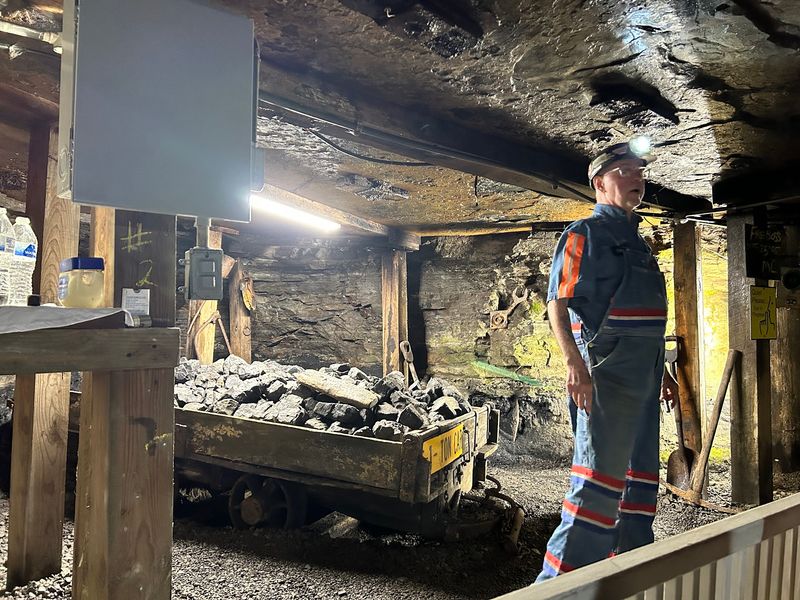
Picture stooping in a space barely four feet tall, hour after hour, and you begin to grasp what mining once demanded. The tour lays this reality bare, walking you through the methods that shaped a miner’s grueling day.
Back when the Phillips-Sprague Mine ran commercially in the early 1900s, most work was done by hand. Miners drilled into the seam with hand augers, loosened the coal, then shoveled it by the ton onto small rail cars called buggies.
A strong loader might fill five or more of those cars in a single day, a feat of endurance that seems almost impossible now. The guides often demonstrate the tools, letting you handle the weight of the labor for yourself.
Cramped seams, choking dust, and the constant risk of a shifting roof made every shift dangerous. Yet miners leaned on one another, forming bonds where each man’s safety rested in his neighbor’s hands.
Later, cutting and loading machines slowly eased the strain, though never erased it. Standing among the actual equipment, both old and modern, gives you a three-dimensional classroom that speaks louder than any diagram ever could about this demanding trade.
Wandering the Restored Coal Camp
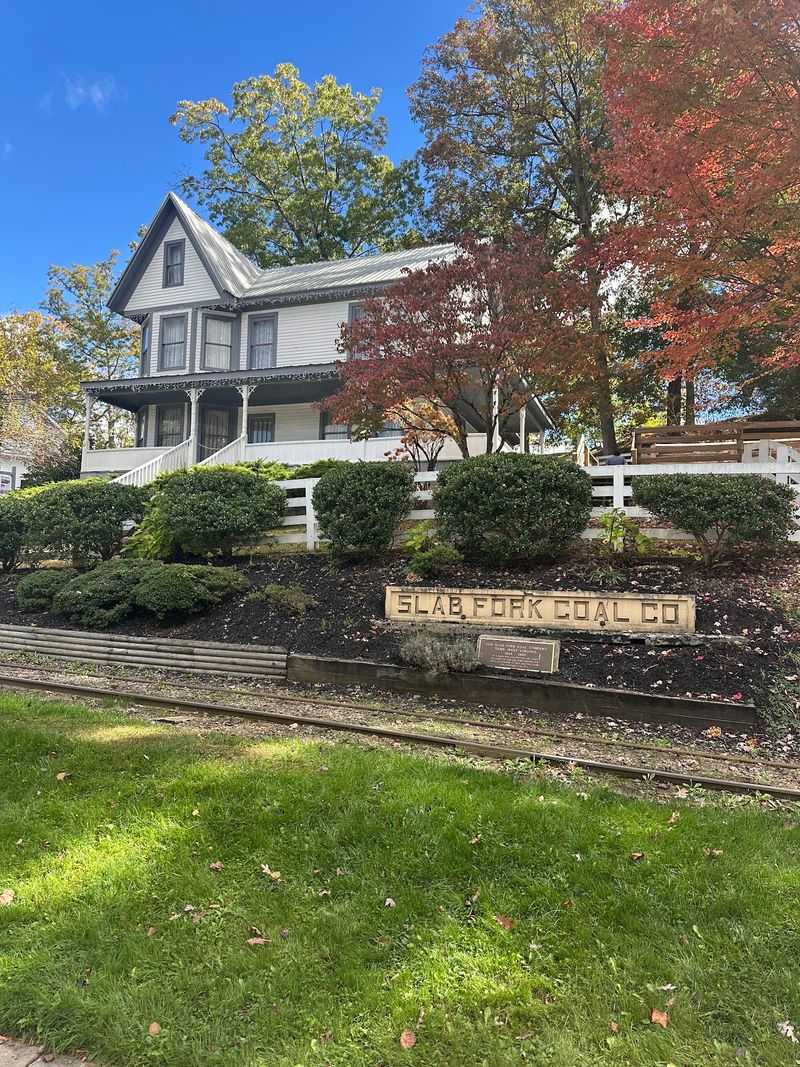
Blinking back into the sunlight, you’ll find the story continues above ground in a lovingly recreated coal camp. These company towns once formed the beating heart of mining life, offering housing and services to the families who poured into West Virginia for work.
Strolling through the buildings, visitors love peeking inside a company store, the very kind where miners bought goods on credit and gave rise to the old saying about owing your soul to it. Original furniture from the era fills several rooms.
A one-room schoolhouse and a modest church round out the settlement, each showing how tightly knit these communities really were. A humble miner’s shanty stands in quiet contrast to grander dwellings, offering an honest look at everyday life.
Reviewers consistently mention how well kept the grounds are, with tidy lawns and cheerful flowers framing the historic structures. Many say the homes and school were their favorite part after the mine itself.
Plan extra time here, because the camp, museum, and youth museum reward slow exploration. Together they reveal that coal mining wasn’t merely a job, it was an entire way of life for generations of proud West Virginia families.
When King Coal Ruled the Mountain State
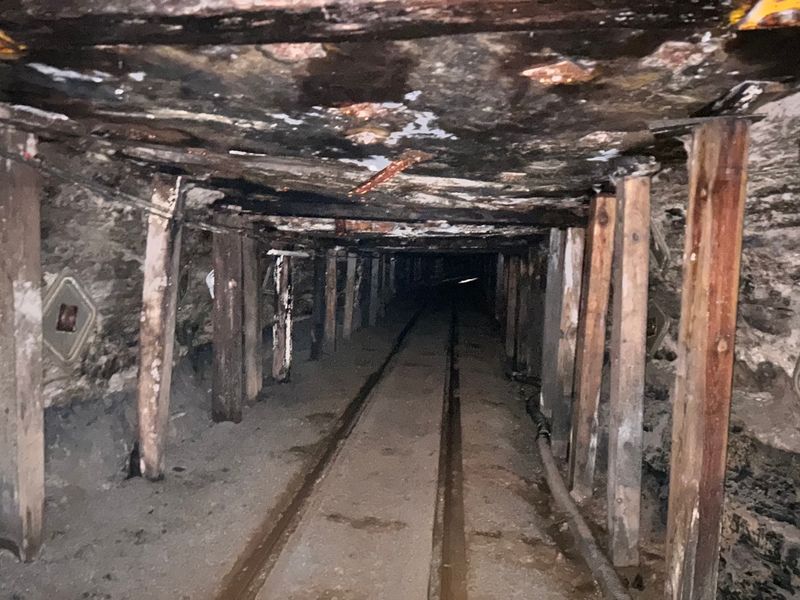
Long before this became a tourist stop, West Virginia’s hills promised a fortune buried in stone. Coal was known here as far back as the mid-1700s, but the real boom arrived with the railroads late in the 19th century.
As rail lines threaded through the rugged Appalachians, they unlocked coalfields that had been impossible to reach. Almost overnight, an agrarian state transformed into an industrial powerhouse fueling the nation’s factories, ships, and homes.
Demand soared through the early 1900s, and West Virginia climbed to become a national leader in bituminous coal production. That surge pulled in workers from every direction, creating a remarkable mix of people in the coalfields.
African Americans from the South seeking fresh opportunity arrived alongside immigrants from Italy, Hungary, Poland, and Russia. Southern West Virginia’s population reportedly quadrupled between 1880 and 1920, a staggering testament to coal’s magnetic pull.
For locals and retirees who cherish the state’s heritage, this era often shines as the good old days when coal truly reigned. The Beckley mine lets you stand inside that history, feeling the scale of an industry that once defined the entire region’s identity and prosperity.
Grit, Sacrifice, and Unbreakable Community
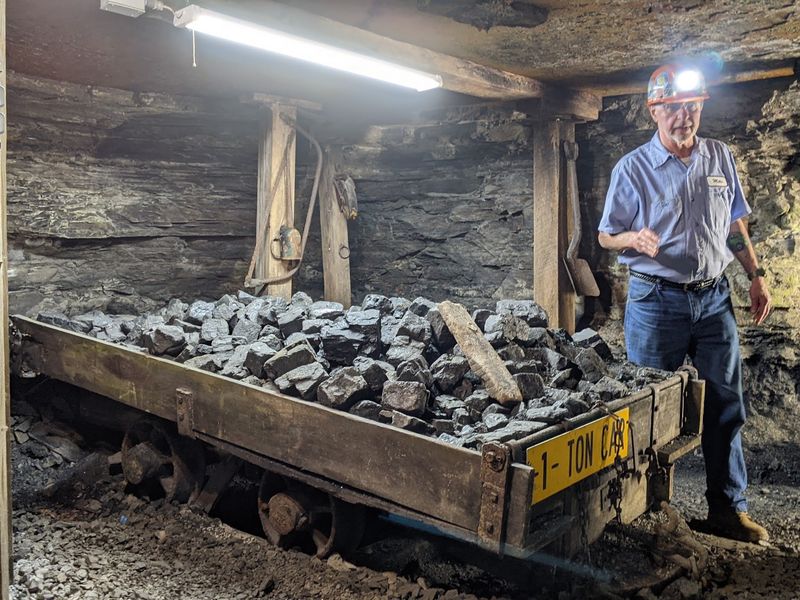
Behind the prosperity stood countless workers who paid dearly for the coal they pulled from the earth. The industry was notoriously hazardous, and West Virginia often led the nation in mining accidents during the early 20th century.
Roof collapses, fires, and other tragedies struck far too often, while safety rules stayed weak or barely enforced. Miners also endured long hours, low pay, and dependence on company towns for their homes and goods.
Boys as young as twelve sometimes worked beside their fathers, learning the trade and facing identical dangers. Yet from these hardships grew a fierce solidarity that defined the coalfields.
Miners pooled bits of their meager wages to help sick or injured coworkers, and they risked themselves to rescue trapped neighbors during emergencies. Their push for fairer conditions fueled powerful labor movements, including efforts to organize the state’s workers.
Guides at the mine weave this legacy of courage into their tours with quiet power. Visitors often leave describing a deeper appreciation for the people whose true grit, as one put it, genuinely helped build America.
It’s a story of struggle, yes, but even more so of resilience and the strength found in standing together.
From Working Mine to Living Classroom
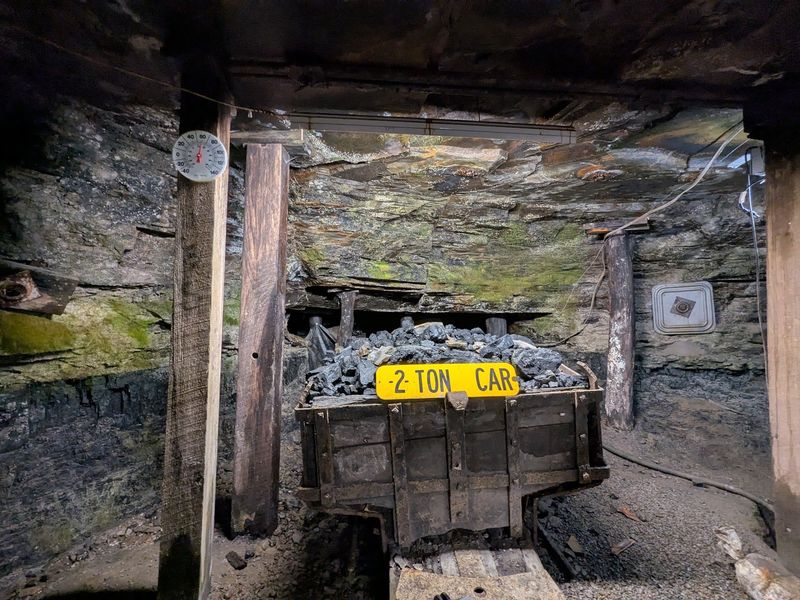
The tunnels you explore carry a transformation story all their own. Opened around 1889 with commercial shipments beginning in 1906, the Phillips-Sprague Mine worked the prized Beckley Seam for nearly five decades.
That seam was treasured for its height, reaching up to 12 feet in spots, and for coal that ran low in impurities and high in carbon. By 1953, with much of the seam mined out and the industry shifting, operations finally ceased.
Rather than let the site fade away, the City of Beckley saw a rare opportunity. The roughly 27-acre property was purchased with dreams of a public park, and during construction crews rediscovered the historic mine entrance.
That discovery sparked a bold idea to preserve the tunnels as an educational attraction. Nearly a decade of work followed, clearing passages, bolting the roof, improving ventilation, and widening the entry for visitors.
On July 23, 1962, the Beckley Exhibition Coal Mine welcomed its first guests. It became one of the earliest sites anywhere in America, and indeed the world, to offer such a direct underground experience, ensuring the miners’ legacy would be honored for generations to come.
A Cornerstone of Coal Heritage Country
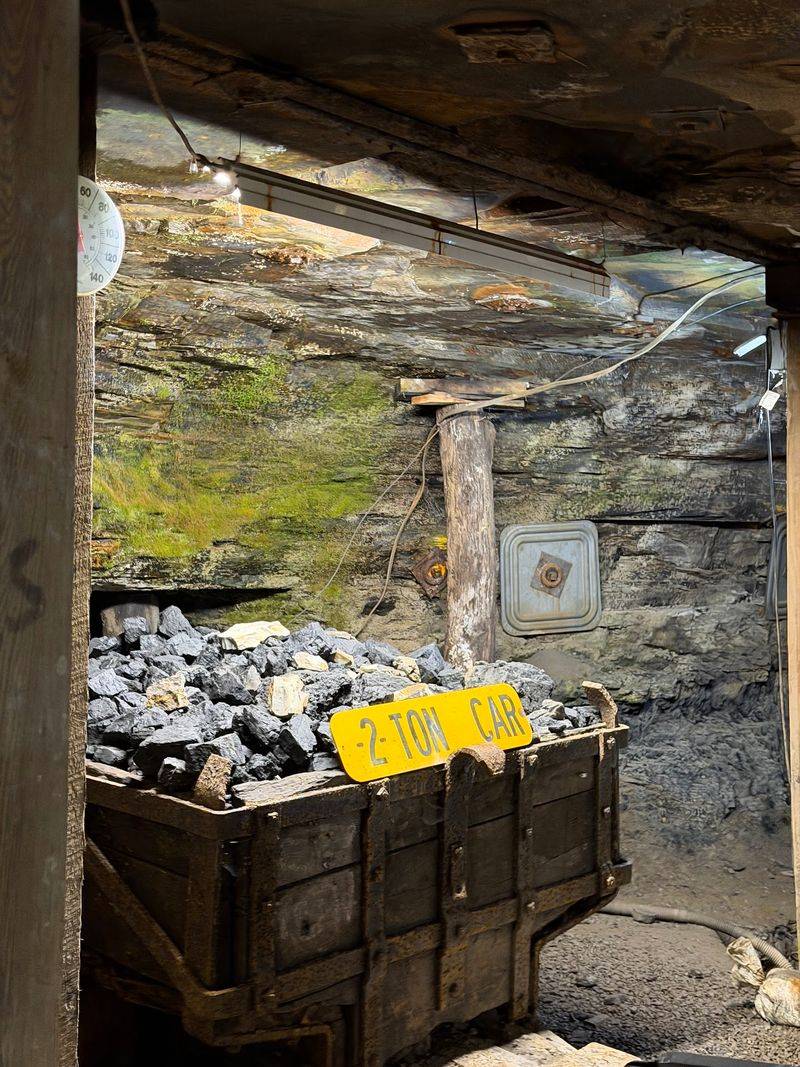
Far more than a single attraction, this mine sits at the heart of West Virginia’s broader coal heritage. It forms a key piece of the National Coal Heritage Area, a network dedicated to preserving the culture of the state’s famous smokeless coalfields.
The larger story here isn’t only about geology or dollars. It’s about the people who shaped this land and were shaped in return, a rich blend of working-class culture, ethnic diversity, and hard-earned pride.
Travelers can follow the Coal Heritage Trail, which winds more than 187 miles through 13 counties, passing miners’ homes, company stores, and other remnants of the boom-and-bust years. The Beckley mine often stands out as an essential stop.
For locals and retirees, many with personal or family ties to the industry, the site strikes a deeply nostalgic chord. It celebrates the determination of ordinary people who powered a nation one lump at a time.
Visitors regularly describe leaving with newfound respect for that legacy. By keeping these stories alive, the mine helps fuel small-town pride and offers a heartfelt link back to when coal truly was king across the Mountain State.
Planning Your Own Trip Underground
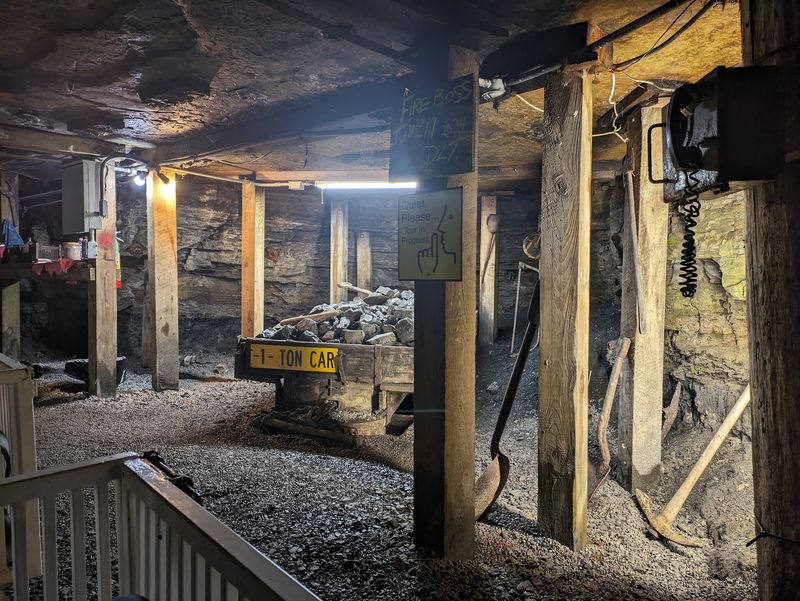
Ready to plan your own descent? Tours run throughout the day, and reviewers happily report that walking in without a reservation is easy, with friendly cashiers who sometimes wave you straight onto a departing tour and let you pay after.
Give yourself around 2 to 2.5 hours to soak in everything, from the underground ride to the coal camp, museum, youth museum, and gift shop. Families with young kids are wise to arrive earlier in the day so nothing feels rushed.
Admission is affordably priced, with adult tickets reported around $22, seniors near $18, and children about $12, and visitors mention a generous senior discount. Many call it more than fair for all you receive, and staff note that tips for guides are appreciated.
Pack a light jacket for that steady 58-degree chill, and a brimmed hat helps with the occasional drip from the tunnel ceiling. Before leaving, swing by the fudge counter for fresh-baked coal cookies.
You’ll find it at 513 Ewart Ave, Beckley, WV 25801. Whether you’re a lifelong West Virginian or just passing through, this warm, well-kept slice of history is genuinely worth the stop.
