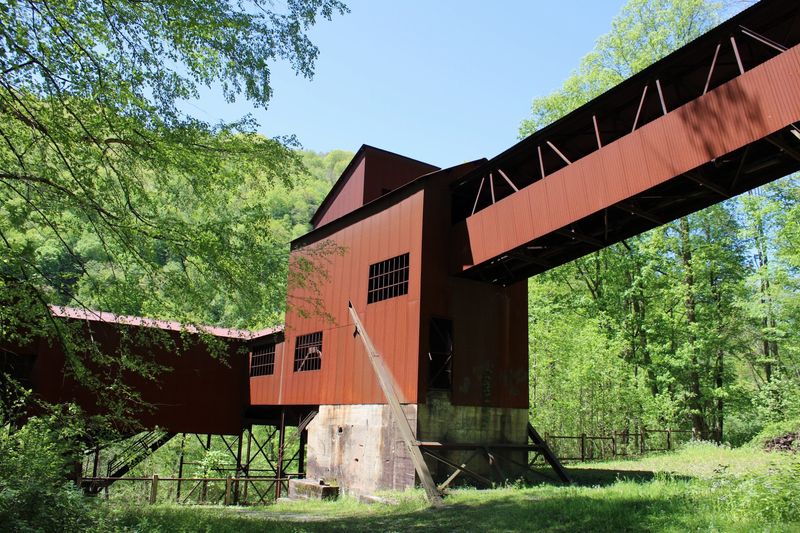
Tucked deep in a green gorge in West Virginia, there’s a place where a whole coal town once buzzed with life and now stands quiet, waiting for curious folks to wander through. The road down feels a little wild, but at the bottom you’ll find towering steel, old brick ovens, and stone foundations that tell a story bigger than you’d ever guess.
It’s the kind of spot that catches you off guard, sticking in your memory long after you drive away. Come see how one hardworking hollow shaped a piece of American history.
A Coal Town Frozen in the Gorge
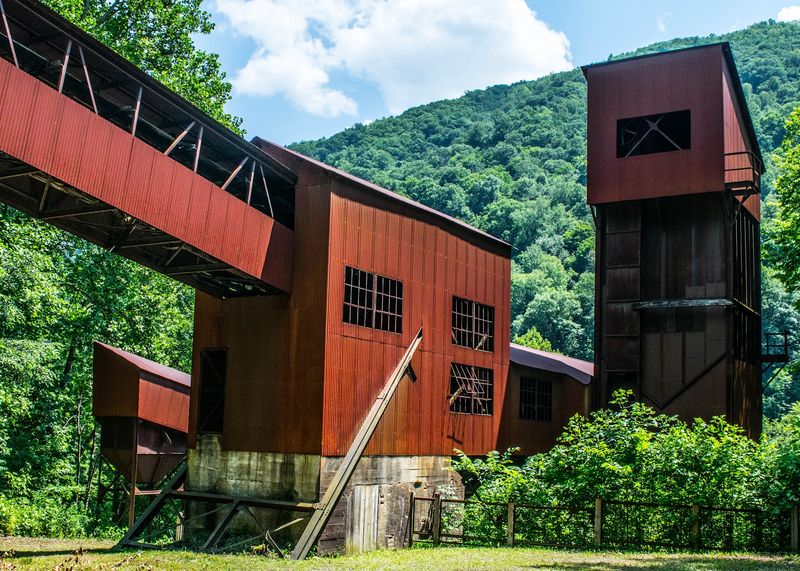
Down at the bottom of the New River Gorge, where the river churns past sandstone cliffs, sits one of the best-preserved coal mining complexes left in the whole country. Nuttallburg is not a museum with velvet ropes.
It’s the real thing, standing right where the miners left it.
Managed today by the New River Gorge National Park and Preserve, the site lets you walk freely among rusted steel, brick ovens, and mossy stone foundations. Visitors often say photos simply don’t prepare you for the scale of it all.
What makes this spot special is how quiet and uncrowded it feels. You wander at your own pace, imagining the clatter of coal cars and the hum of a busy company town.
The setting alone earns its keep, tucked into forest and mountains with the sound of water always nearby. Even folks who never cared much about industrial history walk away impressed.
For West Virginians, it’s a proud reminder of the grit and sweat that built these hollows, and it’s completely free to explore.
From English Dream to Boomtown
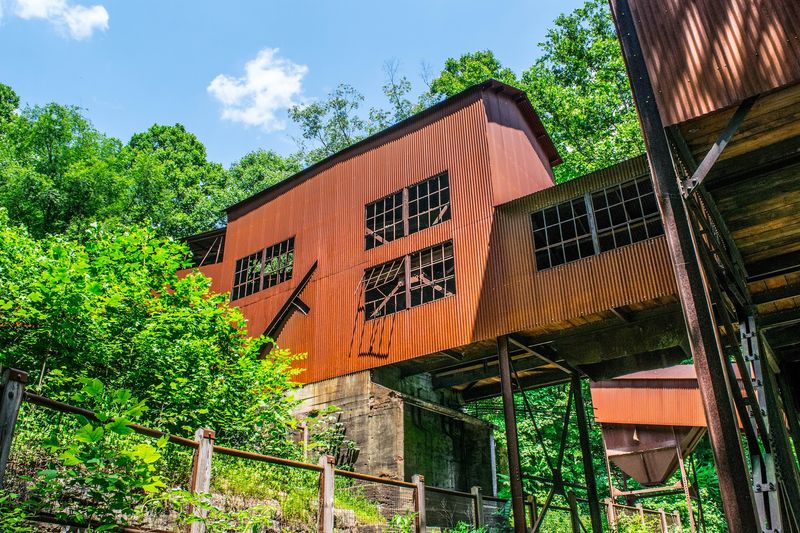
Back in 1870, an English businessman named John Nuttall started buying up land in this rugged corner of West Virginia, betting that a railroad was coming. He guessed right.
By 1873, the Chesapeake & Ohio Railway had pushed through the gorge, and Nuttallburg became the second town in the New River Gorge to ship prized smokeless coal. That clean-burning bituminous coal was in high demand, and the little town grew fast.
Through the years the population climbed, reaching around 500 residents by the 1920s. Homes clung to the hillsides, and the whole community revolved around the rhythm of the mine.
It’s a classic Appalachian boom story, the kind older West Virginians know in their bones. A man with a vision, a railroad, and a mountain full of coal turned an isolated hollow into a working town.
Walking the grounds now, you can feel that history in the air. The foundations and rusting machinery are quiet witnesses to decades of hard, hopeful work, when this hidden valley helped power a growing nation one rail car at a time.
The Towering Tipple That Still Commands the Valley
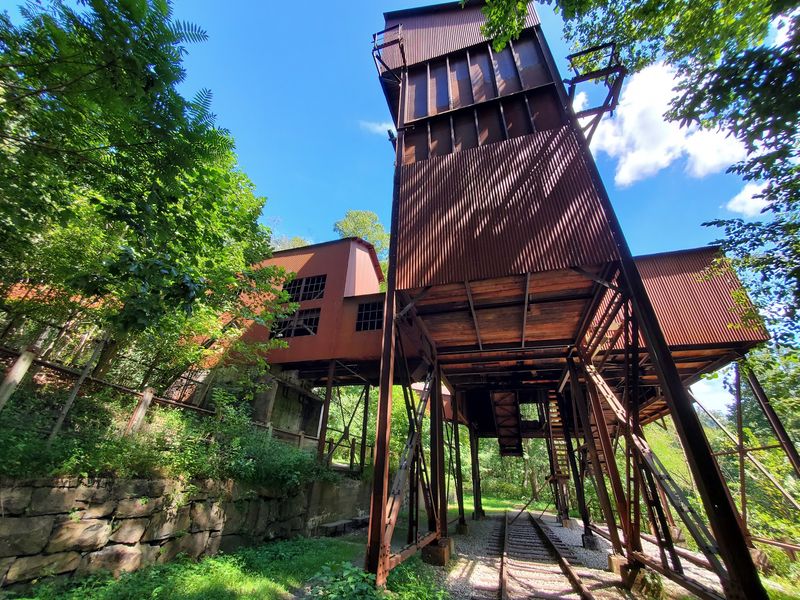
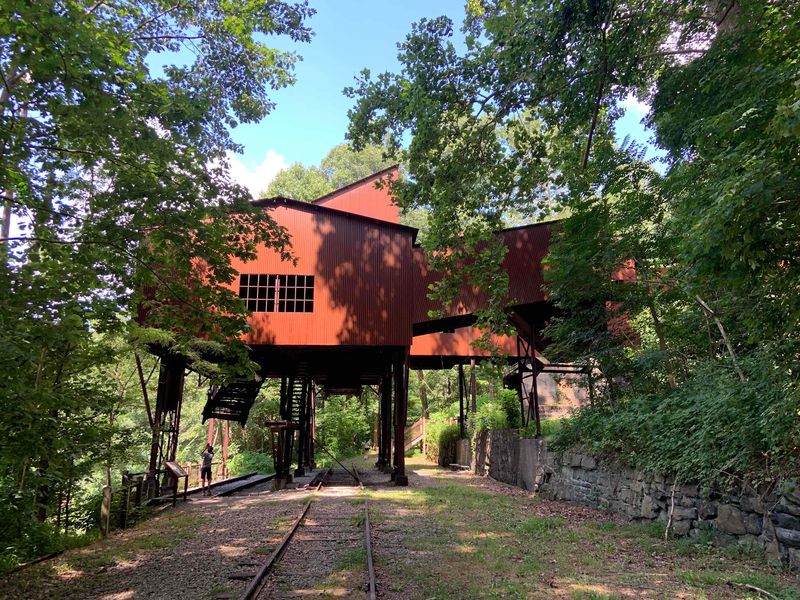
The first thing that stops people in their tracks is the massive coal tipple, a rusted steel giant that rises above the old railroad tracks like a sleeping machine. You can walk right underneath it and crane your neck up through the beams.
Coal was sorted and loaded into rail cars here, and the scale of the framework hints at just how much work poured through this spot day after day. Visitors describe it as far larger and more intact than they expected.
This particular tipple, the third built on the site, went up between 1923 and 1924 during Henry Ford’s involvement. It was a serious upgrade meant to speed up processing and keep the coal moving.
Regulars mention that it’s in surprisingly good shape for its age, holding up against decades of weather and forest creeping in around it.
Standing beneath the beams, it’s easy to picture the noise and dust that once filled the air. For many, this rusted landmark becomes the photo they show everyone back home, a true symbol of West Virginia’s coal-mining backbone.
Henry Ford’s Surprising Chapter
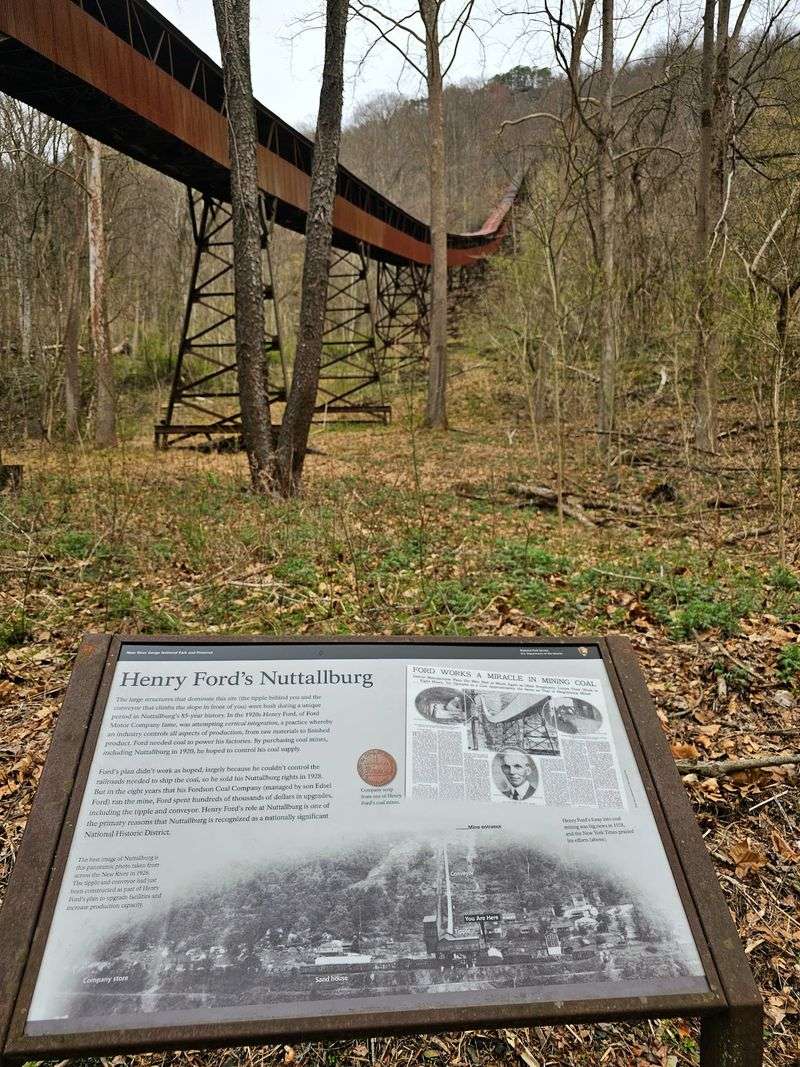
Here’s the detail that surprises nearly everyone who visits: the same Henry Ford of automobile fame once ran the mines at Nuttallburg. Folks read the signs and shake their heads in disbelief.
During the 1920s, Ford leased the operation through his Fordson Coal Company, chasing an idea called vertical integration. He wanted his own coal to feed his own steel mills, controlling everything from mountain to factory.
Ford poured money into modernizing the site, adding a new tipple and an ambitious conveyor system. For a while, the little gorge town was tied to one of the biggest names in American industry.
The plan didn’t pan out. Ford struggled to control the railroad shipping that carried his coal to market, and he sold his interests in 1928.
Visitors often say learning about this connection was the most fascinating part of their trip, a genuine plot twist in the hills of West Virginia. It’s a reminder that even remote hollows sometimes crossed paths with history’s biggest players, and that ambition alone couldn’t always tame the challenges of the mountains.
The Conveyor That Climbed the Mountain
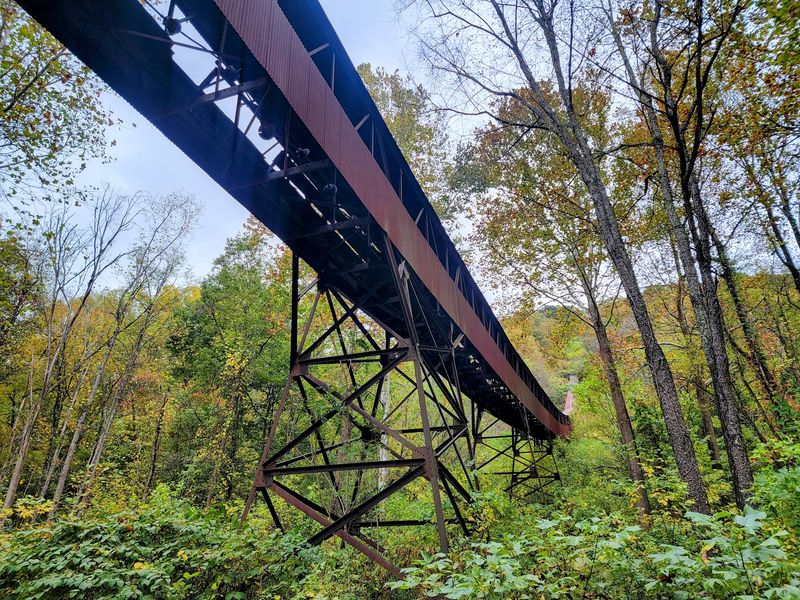
Look up the steep hillside and you’ll spot one of the site’s real marvels, a conveyor stretching a remarkable 1,385 feet down the mountain. It’s a jaw-dropper of early engineering.
Built in 1926 under Ford’s influence, this gravity-powered system carried coal from the mine opening, roughly 600 feet above the valley floor, straight down to the tipple below. At the time, it ranked among the longest coal conveyors anywhere in the world.
Following its line up the slope gives you a real sense of the terrain these workers battled every single day. The mountain was steep, the work was constant, and the machinery had to be clever to keep coal flowing.
Adventurous visitors hike up the Conveyor Trail to see more, though several note the upper stretches are quiet and lightly traveled. One reviewer even brought a nine-year-old along without trouble.
At the very top sits the headhouse, where the conveyor met the mine portal. That’s where each load of coal began its long ride down.
For anyone who loves how things were built and moved, this stretch is pure fascination.
A Long Bank of Beehive Coke Ovens
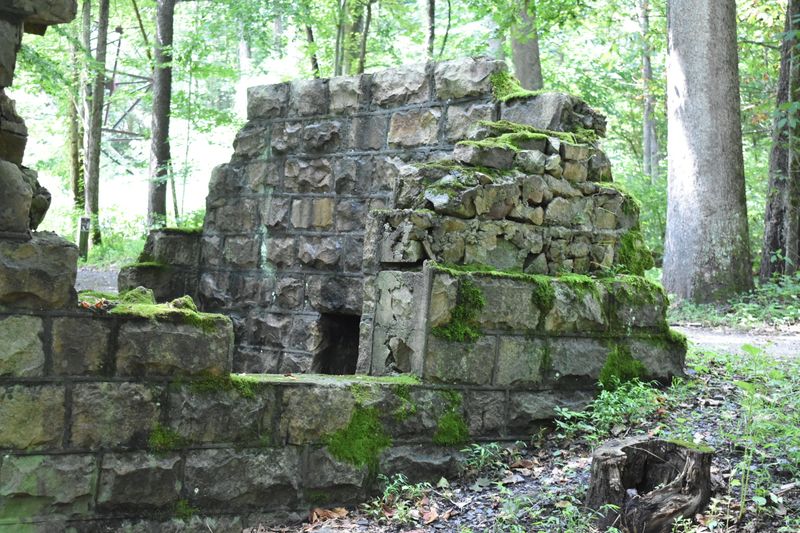
Scattered near the river and along the old rail grade sits a long line of beehive-shaped brick coke ovens, some peeking out from the greenery that has crept over them for decades.
John Nuttall himself began building 80 of these ovens starting in 1873. Inside them, raw bituminous coal was baked into coke, a hotter-burning fuel that steel makers wanted badly.
These ovens were the heart of the town’s early profits, turning ordinary coal into something more valuable and shipping it out on the railroad. They kept the money coming in during Nuttallburg’s earliest years.
By around 1920, changing markets and new technology left them idle, and nature slowly took over. Today many are overgrown, but their curved brick openings still line the path like quiet doorways to the past.
Visitors frequently point to the coke ovens as a highlight, with kids and grandkids curious about what these strange structures once did. Standing beside them, you get a hands-on link to the very beginning of coal work in this gorge, back when everything was done with sweat, brick, and fire.
Walking the Old Rail Grade
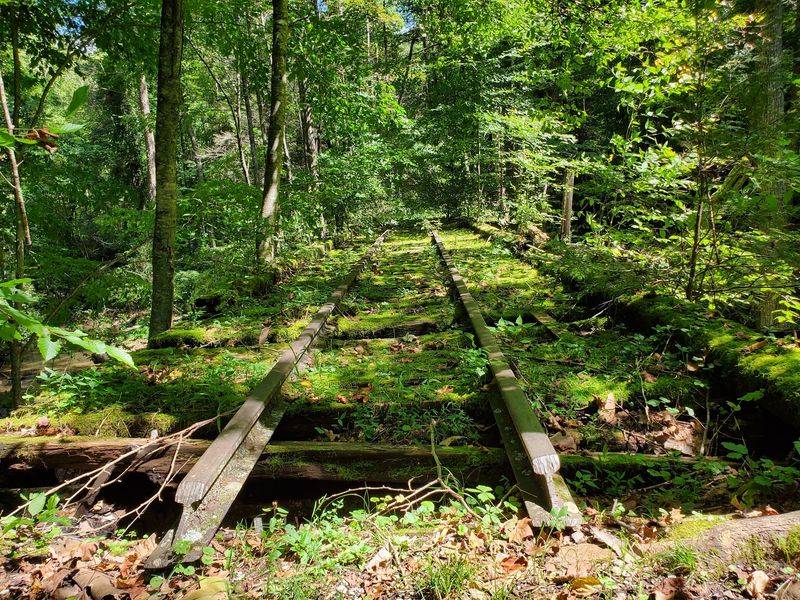
Everything at Nuttallburg circled back to the railroad, and strolling the old rail grade puts you right in the middle of that story. The path follows the former Keeneys Creek branch line, a spur of the C&O Railway.
Once, coal cars rumbled along here, carrying smokeless coal out to markets across the country. Now it’s a peaceful trail, but bits of old track and railroad sidings still poke through, hinting at the busy days.
The grade also ran right past the residential and commercial heart of town. Nearby you’ll find the foundations of company houses and the faint outline of the company store, where miners once traded tokens for goods.
Lucky visitors sometimes still catch a modern train passing through the gorge, a neat surprise that ties past and present together. Several folks mention hearing that whistle echo off the cliffs.
Following this quiet, level route feels like walking through layers of time. The old grade connects the machinery, the homes, and the river into one clear picture of how a coal town lived and breathed along a set of iron rails.
Foundations of a Vanished Community
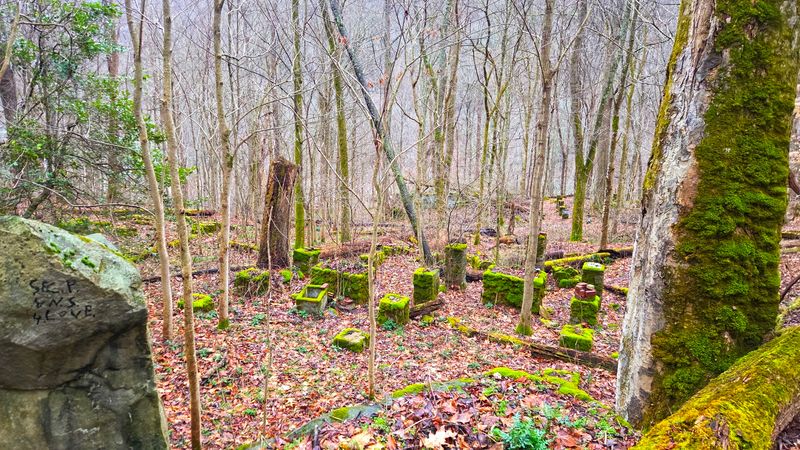
Beyond the big machines, the most touching part of Nuttallburg might be the smallest: the stone foundations of homes and gathering places, now cradled by moss and ferns.
More than 100 company houses once clung to these hillsides, filled with families who worked and played here. Add in schools, churches, a powerhouse, and a clubhouse, and you had a full, living town.
Time has taken most of the buildings, leaving only outlines and stone bases as quiet reminders. Visitors say the informational signs do a fine job filling in the missing details as you walk.
One reviewer noted the site shares history about coal towns and segregation before 1930, adding a serious, honest layer to the story. It’s a place that remembers the full picture, not just the machinery.
Poking around these foundations, you can almost hear children on porches and neighbors chatting after a long shift. For West Virginians especially, it stirs up that deep, familiar feeling of hometowns that once thrived and slowly faded.
The bones of the town remain, inviting you to imagine the everyday lives lived within these vanished walls.
Waterfalls, Rapids, and a Ghostly Bridge
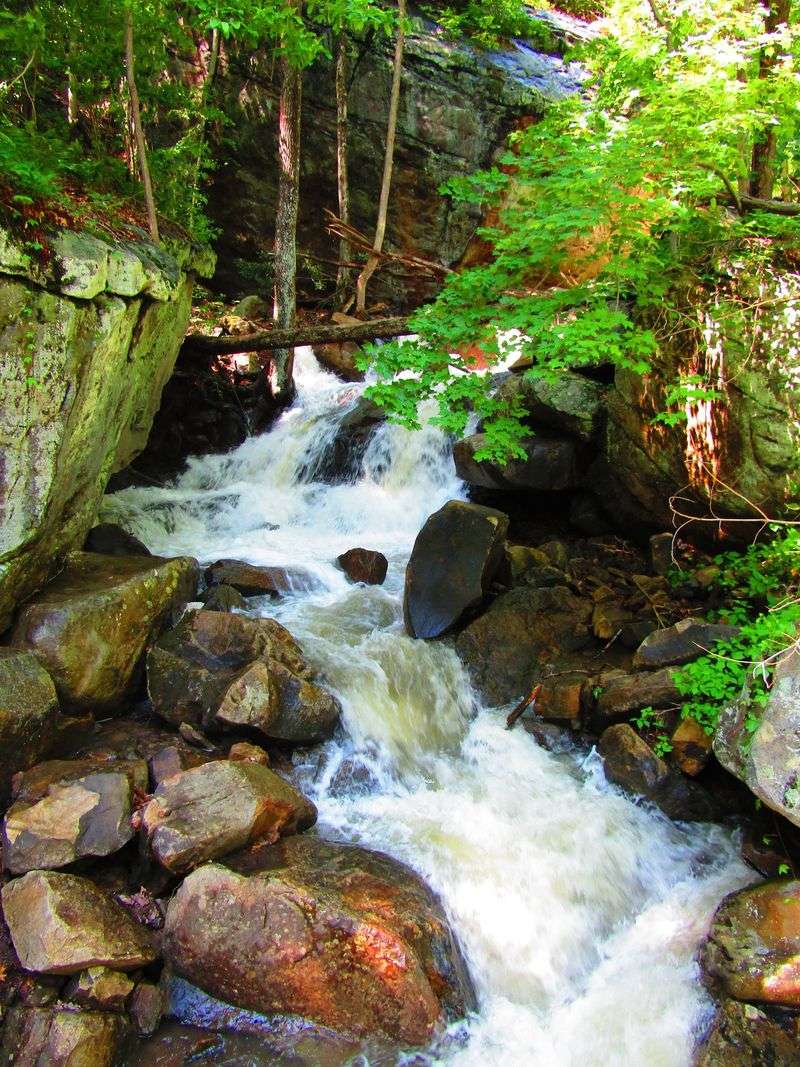
Half the fun here isn’t the ruins at all, it’s the wild scenery wrapped around them. The drive down passes little waterfalls tumbling off the rock walls, and folks love pulling over for a look.
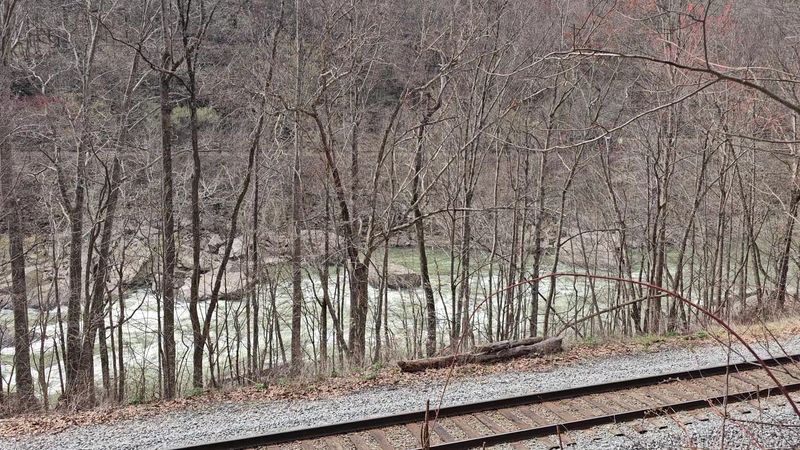
Down at the site, the New River rolls by with churning rapids. Visitors often spend a relaxing while watching whitewater rafters float past far below, a peaceful bonus to the history lesson.
Then there’s the abandoned suspension bridge, built in 1897 by the famous John A. Roebling Sons Company, the same firm behind the Brooklyn Bridge.
It once linked Nuttallburg with more housing across the river in South Nuttall.
Several adventurers call the old bridge a fun side quest, an unexpected extra to stumble upon. It adds one more layer to an already rich landscape.
Between towering cliffs, forested slopes, and the constant sound of moving water, the natural beauty here rivals the manmade wonders. Fall foliage, according to more than one visitor, makes it even more spectacular.
It’s a spot where West Virginia’s rugged scenery and its industrial past sit side by side in perfect harmony.
The Wild Drive Down and What to Expect
Let’s be honest about the road, because everyone talks about it. Getting to Nuttallburg means a slow, winding descent of roughly 15 to 30 minutes from the Canyon Rim area, down Keeneys Creek Road into the gorge.
The route is narrow, sometimes one lane, with a mix of pavement and gravel and a few steep, blind turns. Little pull-offs let cars pass one another, so patience and courtesy go a long way.
Plenty of everyday cars have made the trip just fine, from a Chevy Spark to a RAV4, though large vehicles and trailers are best left behind. Drivers also warn there’s no cell service, so plan ahead.
Once you arrive, you’ll find parking and a park restroom near the main site, with some accessible parking a bit closer to the tipple. The lower trails are described as easy and rewarding.
Take the drive as part of the adventure rather than a chore. Reviewers agree the scenery along the way, waterfalls and rock walls included, makes the careful trip absolutely worth it once you reach the bottom.
Planning Your Own Step Back in Time
Ready to see it for yourself? Nuttallburg is open daily from 7 am to 7 pm, and best of all, it’s completely free to visit as part of the New River Gorge National Park and Preserve.
Most folks spend around two hours wandering the Tipple Trail, Town Loop Trail, and Conveyor Trail, reading the signs and soaking it all in. Wear close-toed shoes, bring water, and pack a little patience for the road.
The site sits in Fayette County at the end of County Route 85/2, Fayetteville, WV 25840. A stabilization project completed in 2011 keeps the key structures safe and easier to explore.
With a rating of 4.7 stars from over 200 visitors, it clearly leaves a strong impression. People love that it isn’t commercialized, letting you explore at your own quiet pace.
If you enjoy history, mountain scenery, and a touch of adventure, this one belongs on your list. For West Virginians proud of their coal heritage, it’s a moving, unforgettable place where the past still stands tall.
Bring the family, take your time, and let these silent ruins tell their story.
