Picture arriving at a grand old resort in West Virginia, famous for its mineral springs and fancy dining rooms, never guessing what waits below your feet. Beneath all that polish sits a hidden Cold War secret that stayed quiet for over 30 years.
It was built to shelter the entire United States Congress if the worst ever happened. Once you learn the story, you will never look at this peaceful mountain the same way again.
A Secret Hidden Under a Grand Old Resort
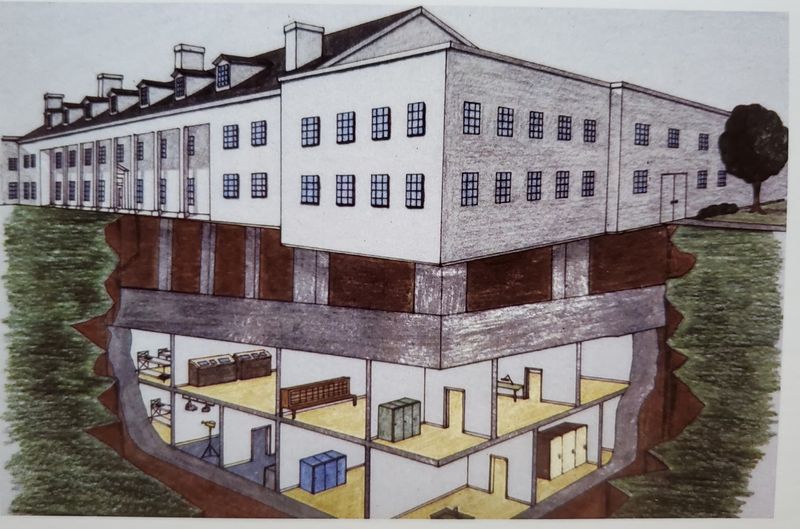
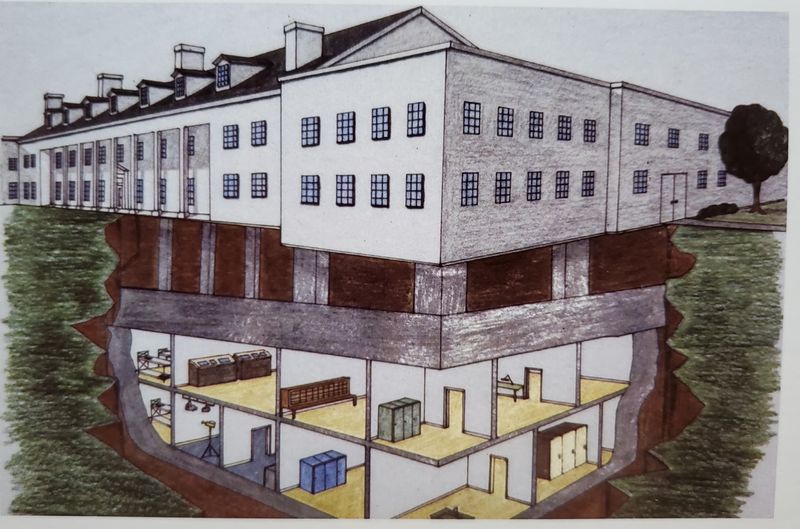
Few places manage to hide something this big in plain sight. Beneath The Greenbrier resort in White Sulphur Springs, West Virginia, rests a massive underground bunker that was built to shelter every member of Congress during a national emergency.
The resort itself has welcomed guests since 1778, long famous for its natural mineral springs and stately charm. That reputation made it the perfect disguise.
Visitors strolled the manicured grounds for decades, never suspecting what sat buried in the hillside below them.
Officials chose this spot carefully. It was roughly a four-hour drive from Washington, D.C., which meant it stayed far enough away to feel safe yet close enough for a quick evacuation if leaders needed to reach it fast.
What makes the story so remarkable is how ordinary the place looked from the surface. Guests sipped morning coffee and played on the lawns while a fortress waited quietly beneath.
Today the bunker stands as a genuine piece of American history, and folks across West Virginia take real pride in knowing this national secret was tucked away right here in their mountains.
The Cold War Fears That Sparked the Idea
Back in the tense years of the Cold War, leaders worried constantly about what a sudden attack might do to the country’s government. Out of that fear came one of the boldest secret plans in American history.
President Dwight D. Eisenhower is credited with conceiving the project.
The goal was simple but enormous: keep the government running no matter what happened to Washington. If disaster struck the capital, someone still had to make decisions and lead the nation.
The facility carried mysterious code names like Project Greek Island and the U.S. Government Relocation Facility.
Those bland titles helped keep curious eyes from guessing the truth.
Weapons technology at the time relied largely on aircraft to deliver an attack, which meant leaders would have precious hours to escape the city. That window of time is exactly what made a mountain hideaway in West Virginia so practical.
Understanding the worry of that era helps explain why anyone would build such a place. It was not paranoia so much as planning, a way to protect the fragile machinery of democracy during a genuinely uncertain chapter of history.
Building a Fortress in Total Secrecy
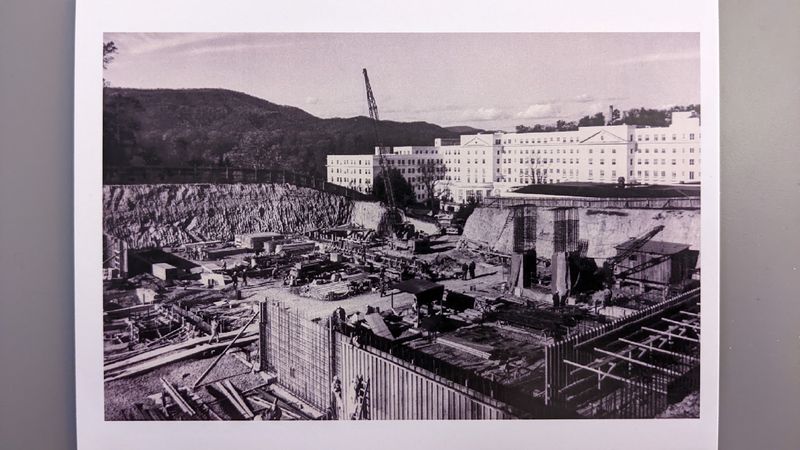
Digging began in 1958, and the sheer scale of the work was almost impossible to hide completely. Trucks rolled in loaded with concrete and steel, and locals in White Sulphur Springs certainly noticed the unusual activity.
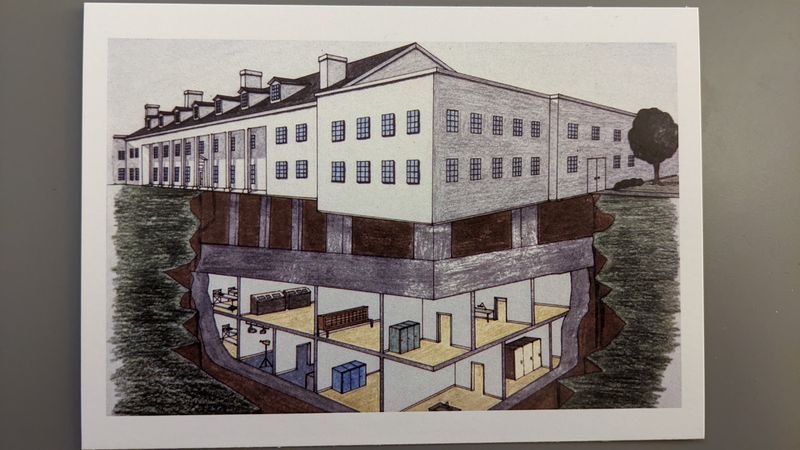
The clever cover was a brand-new addition to the hotel called the West Virginia Wing. All the bunker construction happened beneath and behind that project, so the extra materials and workers seemed to belong to an ordinary hotel expansion.
Even so, plenty of townsfolk quietly figured out that something bigger was going on. What is truly striking is how they handled it.
Rather than gossip, they treated it as an open secret and simply kept quiet for years.
The complex was finished between 1961 and 1962, right at the height of Cold War tension. Getting a project this large built without the story leaking to the wider public says a lot about the loyalty and discretion of the community.
That hometown silence remains one of the most human parts of the whole tale. Ordinary neighbors guarded a national secret simply because they understood it mattered, and they held that trust for decades.
720 Feet Into the Mountainside
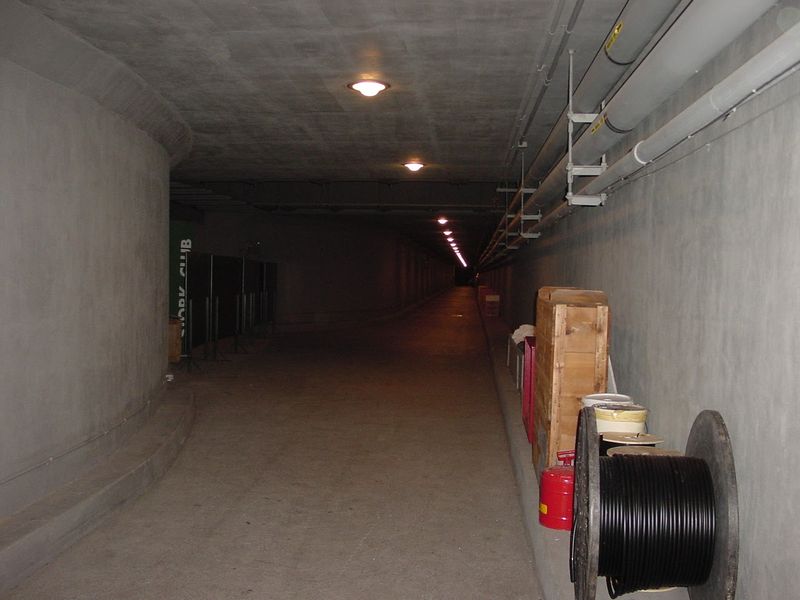
Engineering on this scale still amazes people who tour it. The bunker was carved 720 feet into the hillside, tucked safely under thousands of tons of West Virginia rock and earth.
Space was never in short supply down there. The complex spans somewhere between 112,000 and 112,544 square feet, an underground area large enough to swallow a small town’s worth of buildings.
Protection came from walls of concrete measured between three and five feet thick. That kind of construction was designed to withstand pressures far beyond anything an ordinary building could handle.
Standing inside those corridors, visitors often say the sheer heft of the place hits them first. It feels less like a basement and more like a vault built to outlast almost anything.
The mountain itself does a lot of the work. By burying the facility so deep, planners gave the structure a natural shield on top of all that reinforced concrete.
For anyone who loves history and engineering, walking through a corridor knowing hundreds of feet of solid rock sits overhead is a genuinely humbling experience, and it makes the ambition of the whole project feel very real.
The Massive Blast Doors at the Entrance
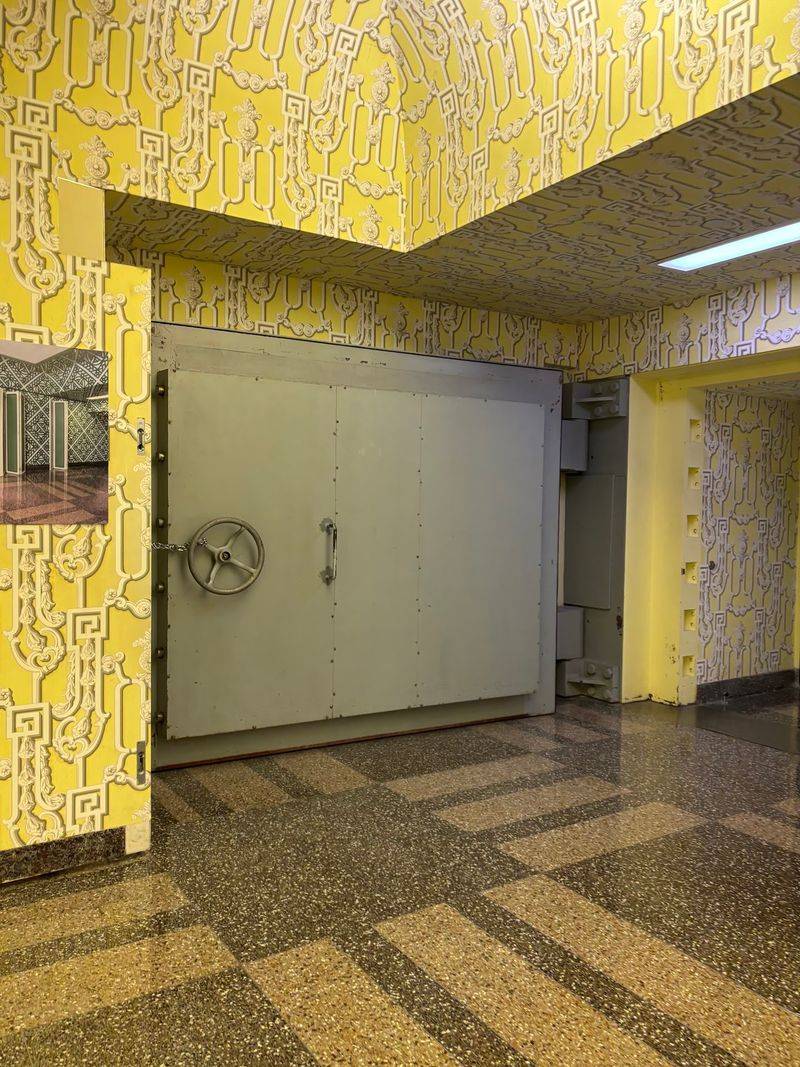
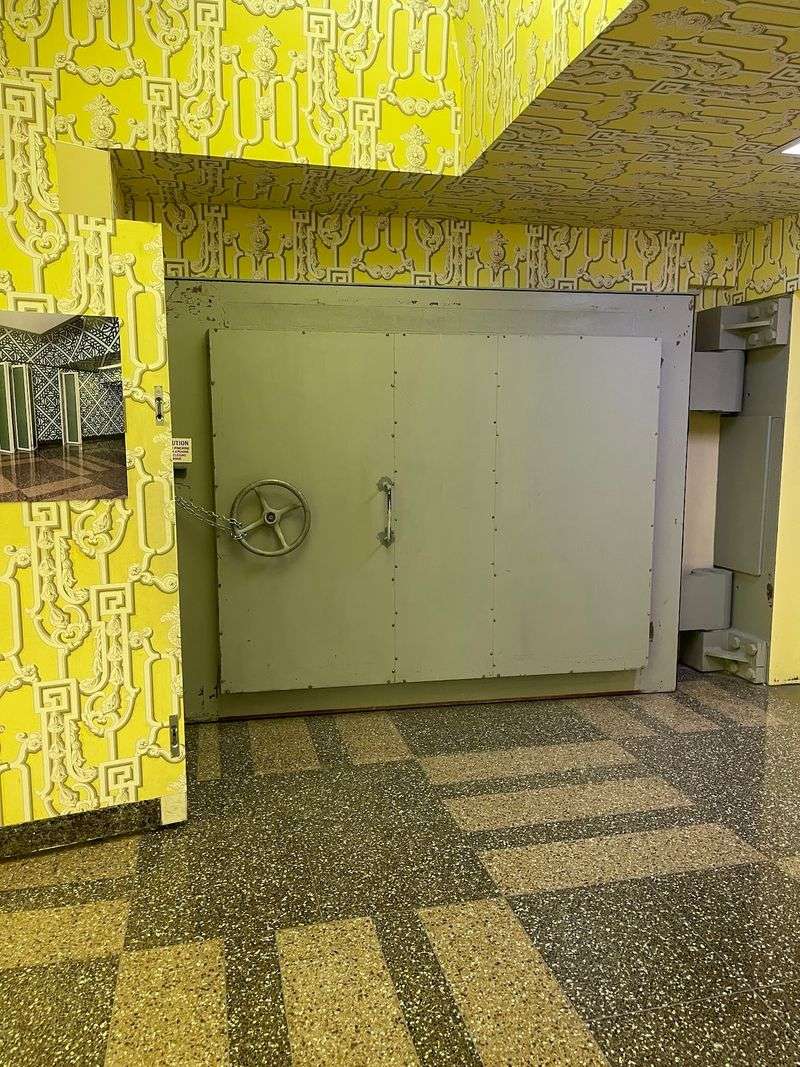
Guides love pausing at the entrance, and for good reason. The way into the bunker was sealed by an enormous blast door reported to weigh around 25 tons, or roughly 24 tons by some accounts.
A door that heavy sounds unmovable, yet it was engineered to swing when needed. Standing beside it, tour groups often go quiet, struck by the raw scale of the thing.
These giant doors are among the few original features that survive largely intact today. Much of the interior has changed over the years, but the massive steel entrances still speak clearly about the building’s true purpose.
Blast doors come up again and again when visitors describe their favorite moments. There is something about seeing a real one up close that photos and books simply cannot capture.
The doors were meant to seal the facility off completely, protecting everyone inside from the dangers outside. That single design detail tells the whole story of why this place existed.
For many guests, this is the highlight of the entire walk. A door built to shield a nation’s leaders makes the history feel solid, heavy, and unforgettable, right there under your fingertips.
Rooms Ready for the House and Senate
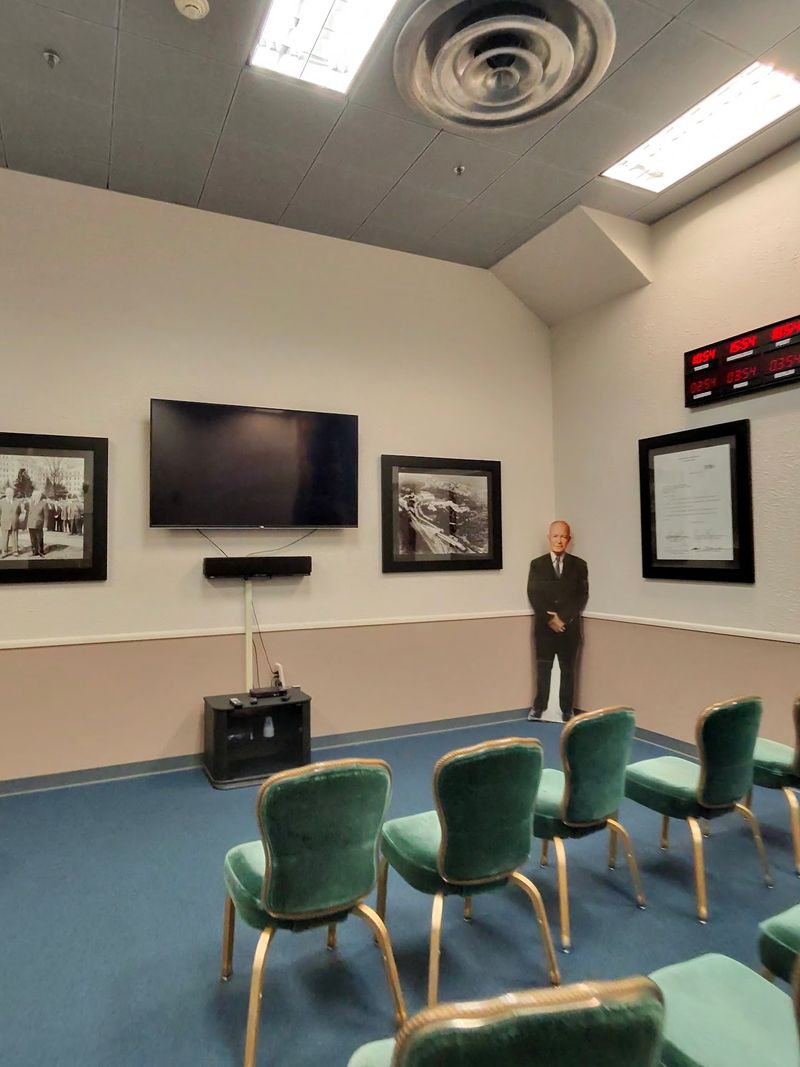
Everything down here was designed to keep the government working, right down to the meeting spaces. The bunker held separate chambers built specifically for the House of Representatives and the Senate.
One of the most memorable touches sits in the assembly room. It came equipped with a painted backdrop of the U.S.
Capitol building, ready to serve as a stage for emergency news broadcasts.
Imagine leaders speaking to the nation from deep underground, with that familiar Capitol image behind them to reassure a frightened public. The detail shows just how carefully planners thought through every scenario.
The Congress rooms come up often among visitors as a standout part of the tour. Seeing where lawmakers would have gathered brings the whole abstract plan down to a very human level.
These chambers were not decoration. They were functional spaces meant to let democracy carry on even in the worst circumstances imaginable.
Walking through them, you get a real sense of the strange mix of ordinary and extraordinary that defined this place. It was a working government building, hidden in a mountain, waiting quietly for a day that thankfully never arrived.
That quiet readiness is what lingers with most guests.
Everything Needed to Survive for 60 Days
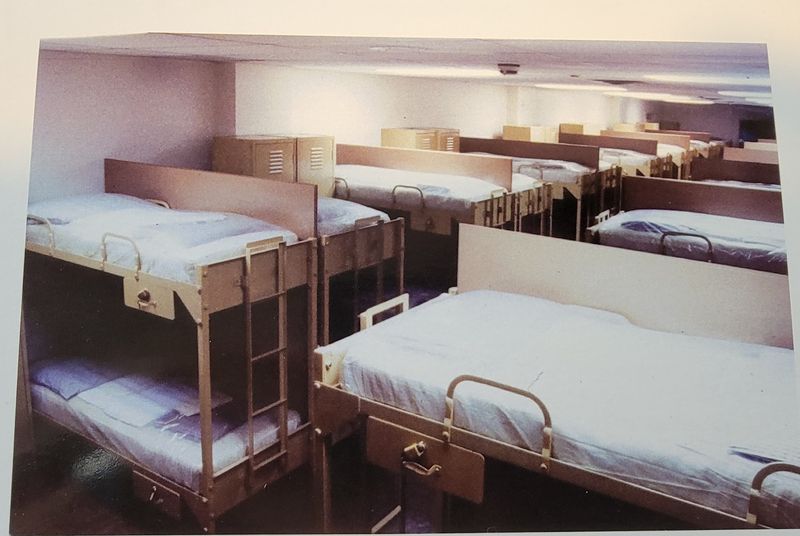
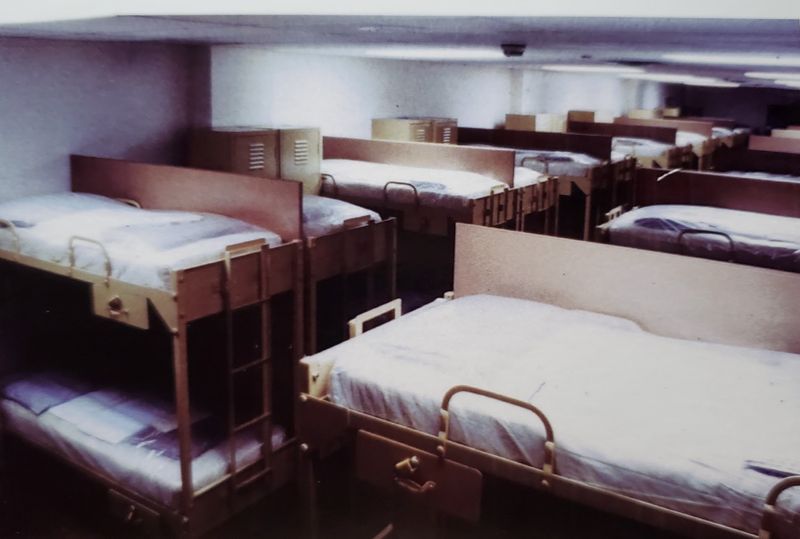
Survival underground takes far more than thick walls. This facility was stocked and staffed to keep up to 1,000 or 1,100 people alive and functioning for a full 60 days.
The list of amenities reads like a small city packed into a mountain. There were 18 dormitories for sleeping, a cafeteria that could seat 400 people at a time, and a clinic complete with medical facilities.
Behind the scenes ran the essentials that made it all possible. A power plant kept the lights on, a water supply system provided fresh water, and food stores were laid in to last through those two long months.
One visitor noted how hard it is to imagine Congress locking themselves away for over two months, starting with just a week of fresh food before switching to long-term stored supplies. It is a striking thought.
Every dormitory, kitchen, and clinic was there for one reason: to let the government keep running while the world outside recovered. The planning was thorough almost to the point of disbelief, and touring the living areas makes that ambition feel remarkably real and surprisingly human.
The Decontamination Showers and Clinic
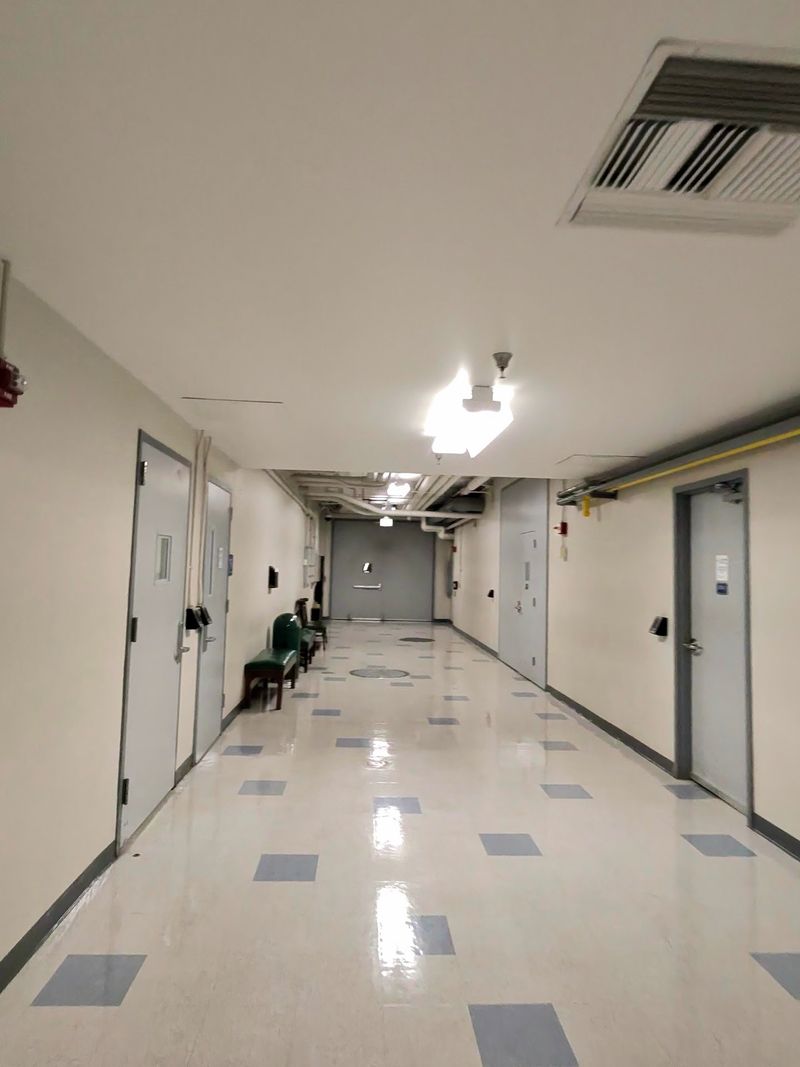
Some of the most sobering stops on the tour show just how seriously planners took the dangers of the era. Arriving officials would have been guided through high-pressure decontamination showers designed to wash away any fallout dust.
After the shower, each person would be checked with a Geiger counter and handed a fresh set of clothes. Only then could they move deeper into the safety of the facility.
The medical side was equally thorough. Reports describe a full medical staff, an operating room, and even dental facilities, all tucked away underground and ready for use.
These details make the whole place feel far more real than any storybook could. Someone genuinely mapped out how to keep hundreds of people healthy in an emergency, down to the last shower and instrument.
Worth knowing for planning ahead: a couple of spots, including the decontamination showers and a room holding water and diesel tanks, are not accessible for guests using wheelchairs or scooters.
Standing in these areas, visitors often feel the weight of what this facility was truly built for. It was not a museum exhibit back then, it was deadly serious preparation, and that seriousness still echoes through the halls today.
Undercover Workers Who Kept It Ready
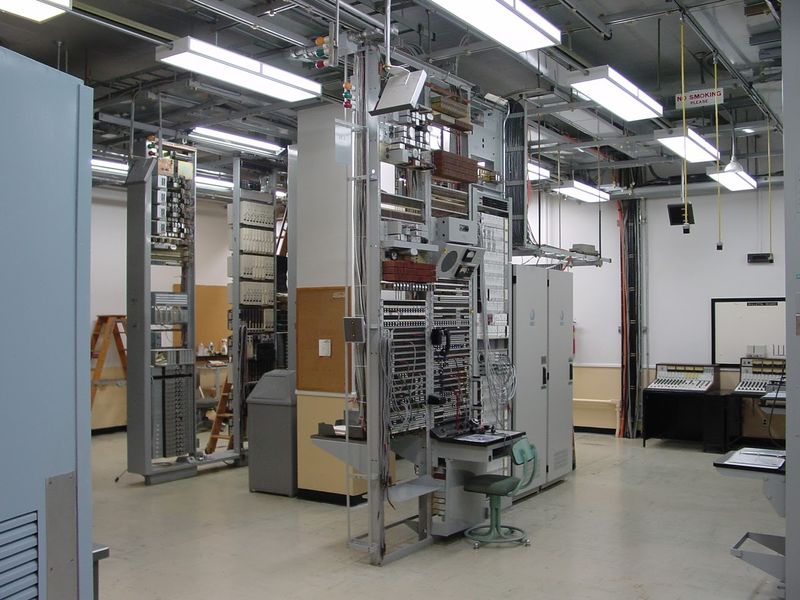
Keeping a secret bunker in perfect working order for decades took a very special kind of crew. A small group of government employees quietly maintained the facility year after year, always ready for the call.
Their disguise was clever. To the outside world, they appeared to be ordinary hotel television and audio-video repair technicians, blending right into daily resort life.
In reality, these workers rotated fresh supplies, tested systems, and kept everything in full operational readiness for more than 30 years. Guests passed them in the halls without a second thought.
The double life these employees led is one of the tour’s most fascinating threads. They carried a national secret to work every single day and never let it slip.
It took discipline and loyalty to keep up the act for so long. Food had to stay stocked, machinery had to run, and the whole cover story had to hold together seamlessly.
Learning about these quiet caretakers adds a warm, very human layer to the story. Behind all the concrete and steel were real people doing an extraordinary job while pretending it was completely ordinary, and their dedication kept the promise of the place alive.
The Reporter Who Revealed the Secret
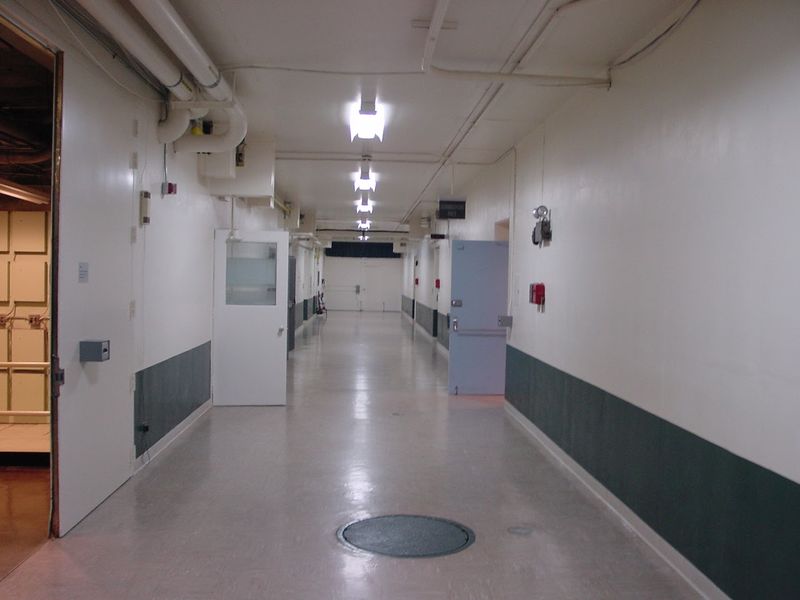
Every great secret eventually meets its match, and this one lasted an impressive 30 years before the truth came out. In 1992, Washington Post reporter Ted Gup published an article revealing the bunker’s existence to the world.
His piece, titled The Ultimate Congressional Hideaway, pulled back the curtain on one of the nation’s best-kept secrets. Once the story ran, there was no putting it back.
The government’s response was swift. Because the bunker’s whole defense depended on staying hidden, exposure made it useless overnight, and officials moved quickly to decommission the facility.
By 1995, the government had terminated its lease, and a new chapter began. The Greenbrier soon started offering public tours, turning a Cold War secret into a genuine piece of living history.
There is a certain irony in how the very thing that protected the bunker, its secrecy, is also what ended its mission the moment it was gone. Visitors often reflect on that as they walk through.
Thanks to that single article, everyday folks can now stroll the same corridors once meant only for the nation’s leaders. A journalist’s curiosity opened the door to a story West Virginia is proud to share.
What the Tour Feels Like Today
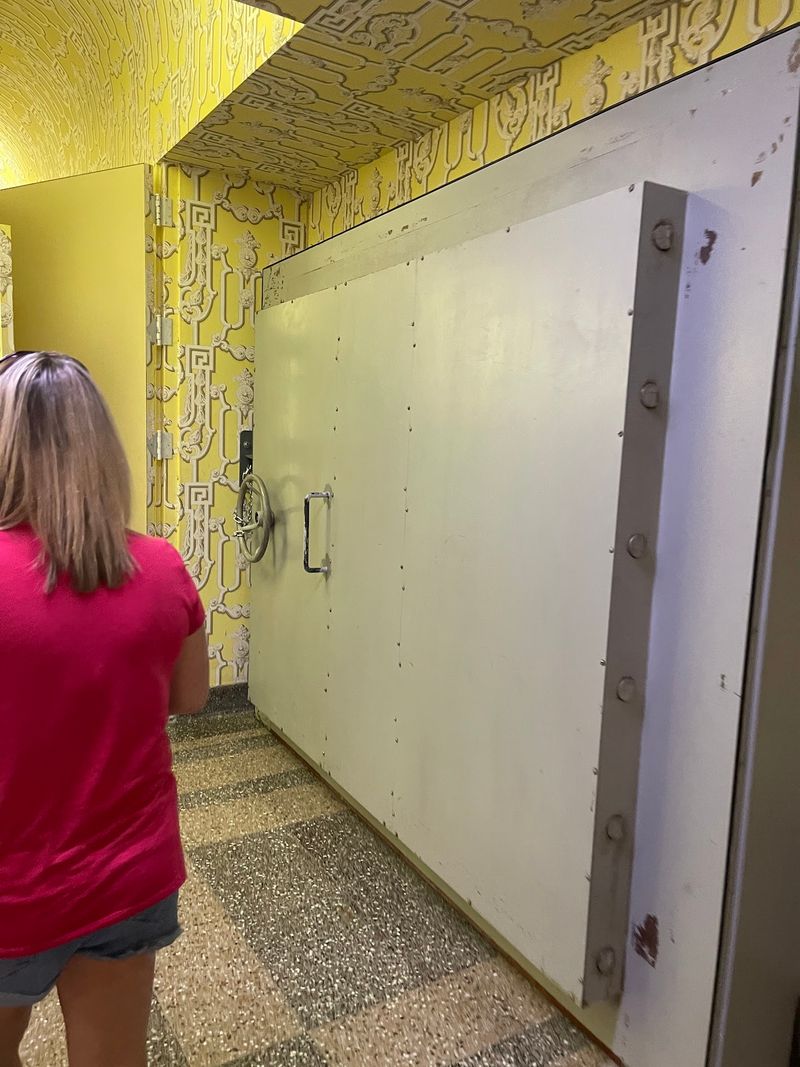
Curious what it is actually like to visit? Expect a walk of roughly 90 minutes led by a guide, moving through preserved corridors and chambers that once waited in silence.
Guides earn the highest praise from visitors again and again. Many mention how knowledgeable and engaging they are, with some describing storytellers so good they could listen to them for hours.
A few honest notes help set expectations. Parts of the facility remain off limits because a company uses the space for secure data storage, so you will not see every room, and a small museum area helps fill in the picture.
Some longtime fans who toured years ago feel a little wistful, since earlier versions showed more. Others walk away thrilled, calling it a must-see and mind-blowing look at hidden history.
One quirky detail: fans of the video game Fallout 76 often show up, delighted to visit a real-life fallout bunker.
The experience suits history lovers most of all. If you enjoy stories of secrets, engineering, and the Cold War, the atmosphere down here delivers a memorable afternoon that stays with you long after you climb back into the daylight.
Rules, Reservations, and Getting There
A little planning makes this visit go smoothly. Tours run daily from 9:30 AM to 3:30 PM, and reservations ahead of time are strongly recommended since slots can fill up, so booking a day or more in advance is smart.
Be ready to part with your phone. Photos are not allowed inside, and visitors leave phones, purses, backpacks, and other items in provided lockers outside the tour, a rule tied to the data storage company now using part of the space.
You do not have to be a hotel guest to join. Day visitors typically park in the train station lot across from the main entrance and hop the frequent Greenbrier shuttle in.
Do not stress about the fancy setting. Plenty of guests arrive dressed casually, even straight from hiking, and the staff are consistently described as friendly and welcoming.
The resort sits at 101 Main Street West, White Sulphur Springs, WV 24986. The address is easy to plug into any map before you head out.
Reservations can be arranged through the resort’s website. Sorting the details early means you can simply relax and soak up the history once you arrive.
Is a Visit Worth Your Time and Money
So does this hidden mountain marvel live up to the legend? For most history buffs, the answer leans toward yes, though it helps to know what you are walking into.
Some visitors feel the ticket price, reported around $50, runs a touch high for what remains, since much of the original interior was gutted when the space became a data farm. Newer displays now fill in the gaps to show how things once looked.
Others come away genuinely wowed, calling it a fascinating and unforgettable slice of Cold War history. The gap between those views often comes down to expectations and whether you toured it in earlier years.
What nearly everyone agrees on is the quality of the guides and the sheer weight of the story. Standing where the nation’s leaders would have sheltered is something a book or video simply cannot match.
Plan to make a day of it. Many folks enjoy roaming the beautiful grounds before or after, adding value to the trip.
If you love secrets, engineering, and American history, this West Virginia treasure earns its place on your list. It is a proud reminder of an era our mountains quietly helped guard.
