Two centuries of stagecoach passengers, boarders, and hungry locals have passed through the rooms of that long white building in Ohio, and I did not expect a Tuesday dinner to turn into a history lesson.
The structure has been feeding and housing travelers since 1818, and the floors creak in the best possible way while the ceilings feel low and cozy, the kind of room that makes you lean in closer to the people you are with.
I came for dinner and stayed for the stories, mostly because everyone working there seems genuinely glad you asked about the place.
The pot roast arrives tender and the hand-cut fries are crisp, but the real draw is the setting, a building that has held the same shape for over two centuries.
The wood is dark and worn, and the windows are small and set deep into the walls, the kind of details that remind you that people have been eating in this same room for generations.
This is the kind of place where the food holds up to the setting, and the setting holds up to the history.
A Building That Predates Almost Everything Around It
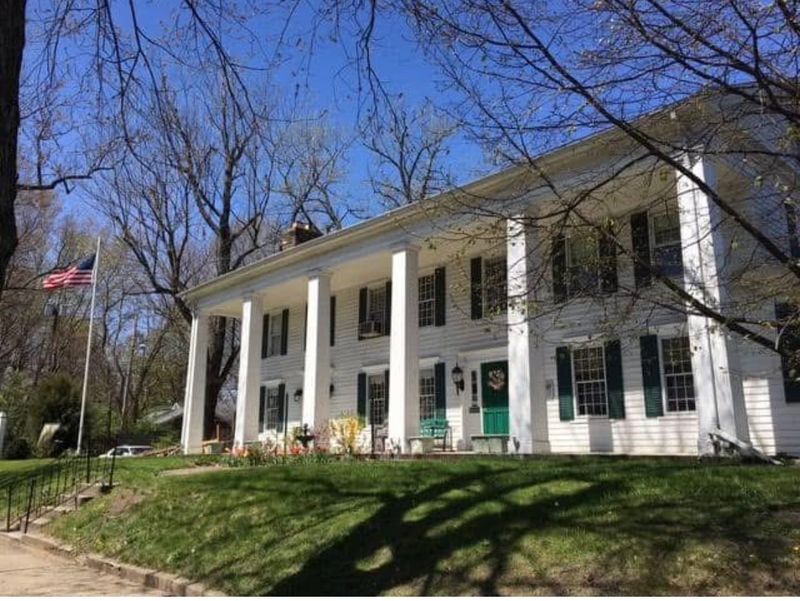
The first thing that struck me was the shape of the place. It looks like a farmhouse that kept growing, which is basically what happened.
Construction started in 1812 by the Rider family, and by 1818 the building was renting rooms and serving meals to travelers passing through northeast Ohio. That date is where the restaurant gets its name, and it is not decoration.
Back then this stretch of road was a stagecoach route, and a hostelry like this one was the difference between a warm bed and a cold night. The building also carries documented ties to the Underground Railroad, a detail that quietly reframes every hallway you walk down.
What I appreciate is how little has been scrubbed away. Recent renovations freshened up the space without erasing it, and the original floors were deliberately kept.
You can feel the age in small ways. Door frames sit a little lower, rooms connect at odd angles, and the whole layout follows logic from a century most of us only read about.
Arrive fifteen minutes early and just look around. The architecture is half the meal here.
Scratch-Made Cooking With Portions That Mean Business
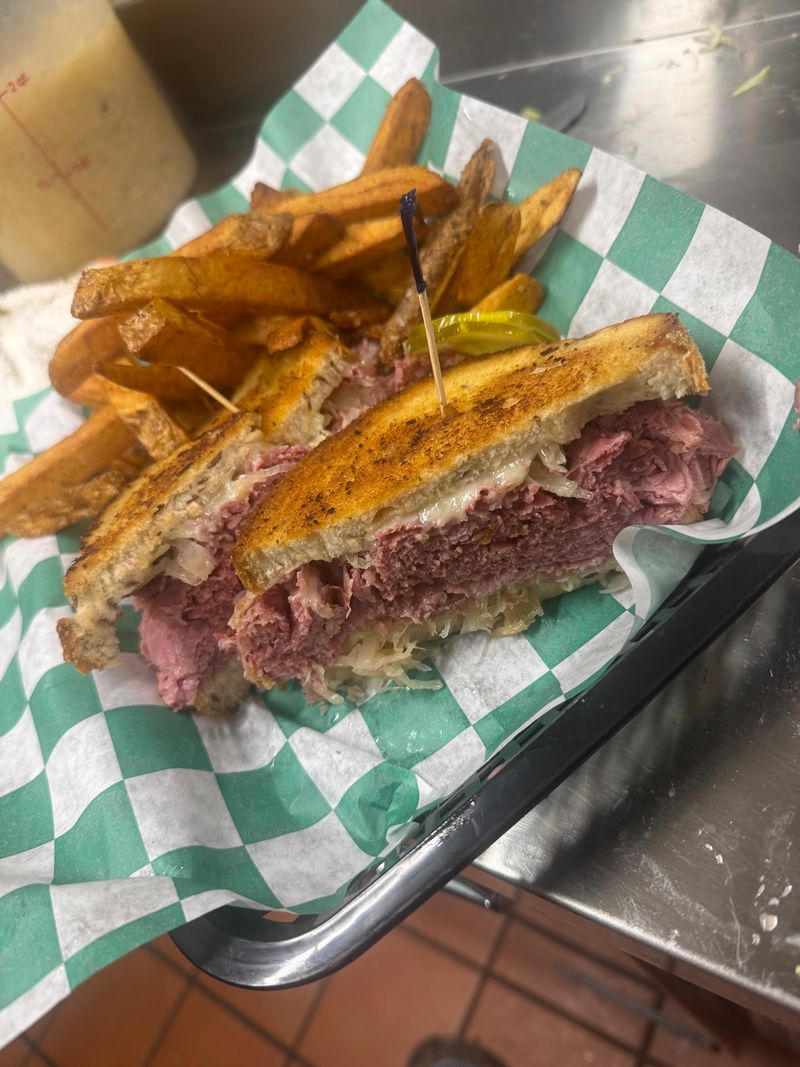
Generous is the word that kept coming to mind. The kitchen here works from scratch, and the plates arrive looking like someone expected you to be hungry.
Pot roast is the dish people keep circling back to, and rightly so. It tastes like a Sunday dinner someone spent all day on, served with none of the fuss.
The hand cut fries deserve their own paragraph. Thick, crisp, closer to fair fries than fast food, and there are enough of them to share whether you planned to or not.
Burgers run through the menu in several forms, from the Classic with hand-crafted Angus patties to the Empire Burger. The Pot Roast Dip splits the difference between sandwich and comfort food.
Sides are actual sides too, not a spoonful pretending to count. Coleslaw shows up in a real portion, which I noticed immediately.
Daily specials rotate through the week, including taco nights and wing nights. If you plan around the calendar, you eat very well for very little.
Come hungry. Boxes go home regularly.
The Patio Wrapped in Trees
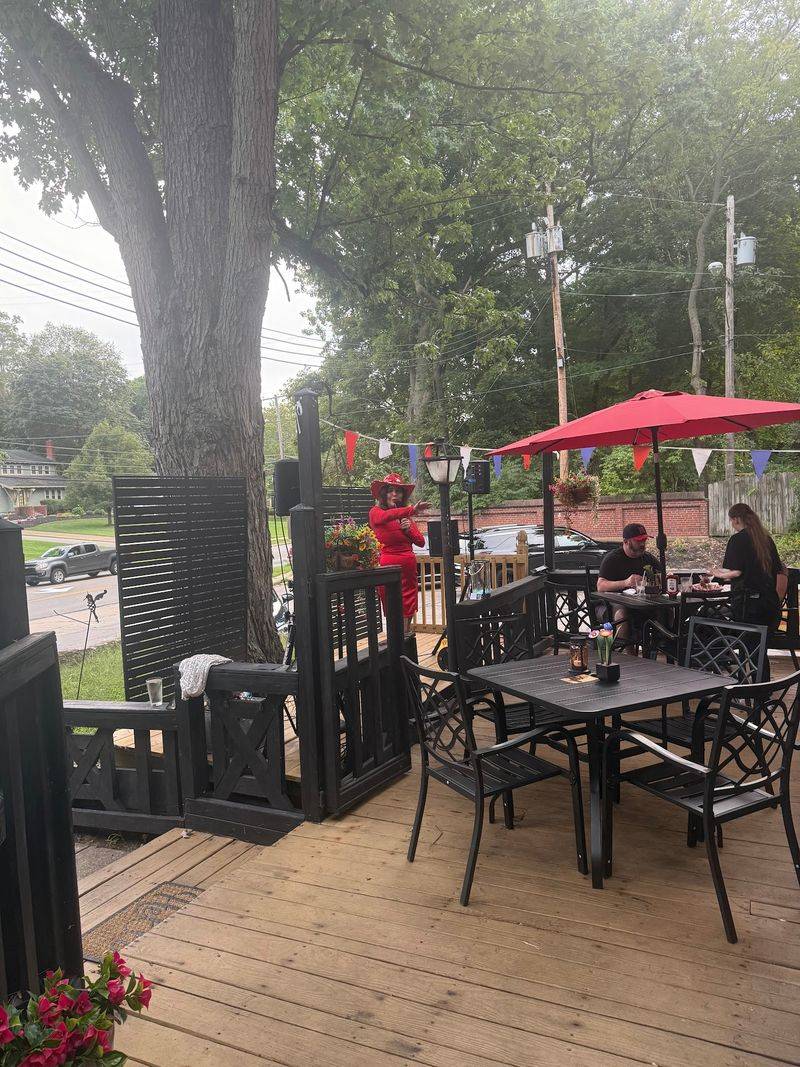
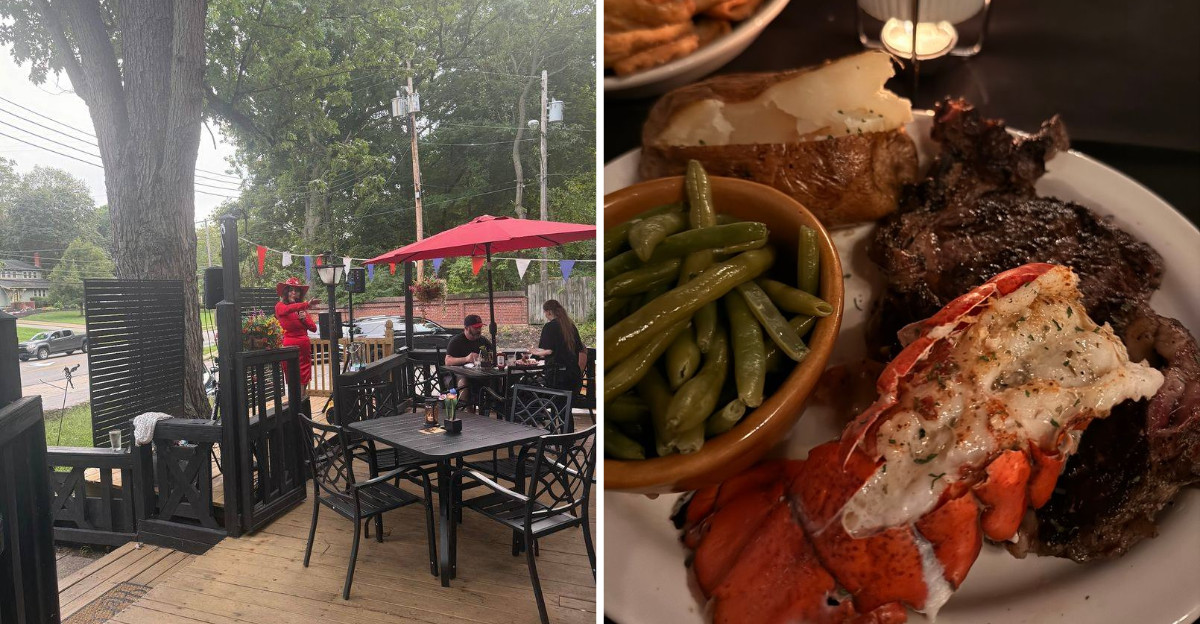
On a warm afternoon I skipped the indoor seating entirely, and I would do it again. The patio sits under real shade from mature trees, which makes it feel more like someone’s backyard than a restaurant add-on.
It is easily one of the most talked-about parts of the property, and after one late lunch out there I understood why. Breezes move through, the leaves do the heavy lifting on shade, and nothing feels rushed.
Live music turns up out here on Sundays, which pairs nicely with a slow meal and no particular schedule. The sound stays gentle rather than overwhelming.
Windy days can be a little brisk, so bring a light layer if the forecast looks moody. That is the only real catch.
Brunch on the patio might be the sweet spot. Steak and eggs, chicken and waffles, and a shaded table make for a lazy Sunday that feels almost too easy.
Get there before the peak rush if you want a prime seat, because the good tables fill fast in summer.
Seafood Nights and Cut-to-Order Steaks
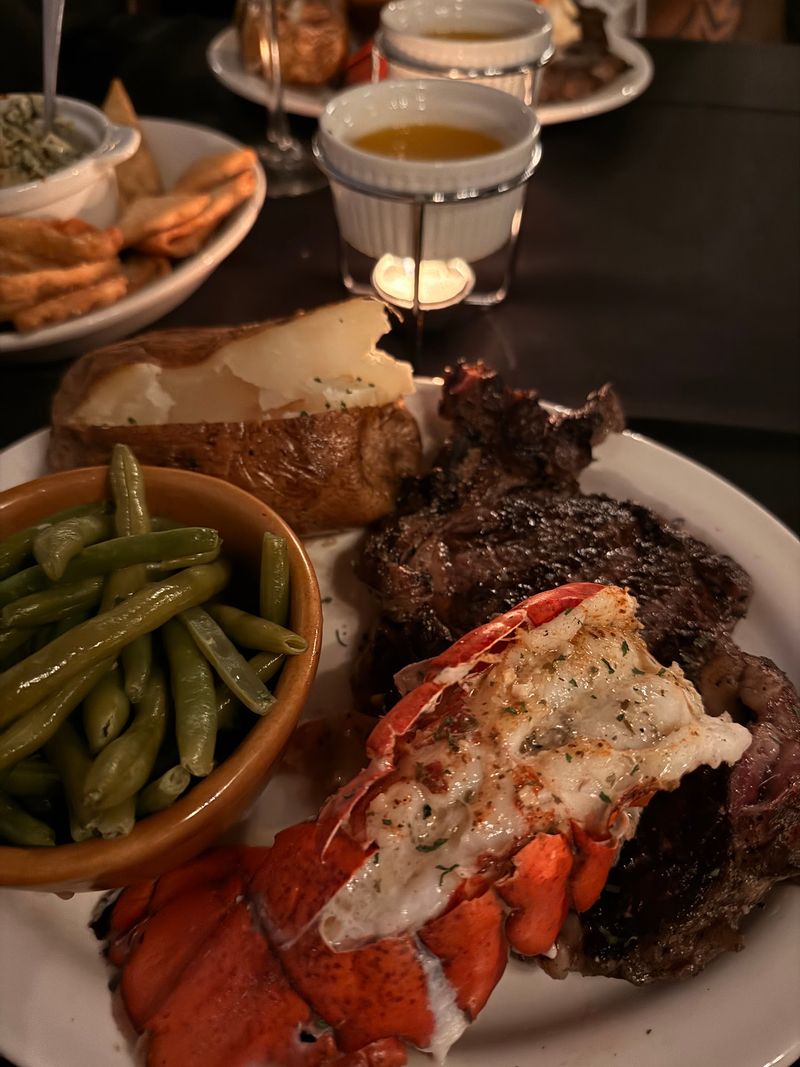
Friday changes the whole rhythm of this place. All you can eat crab legs and perch turn a quiet historic inn into a proper local event.
Fish gets treated seriously here. You can pick breaded, battered, or baked, which is a small choice that tells you a lot about the kitchen’s attitude.
Beer Battered Fish and Chips shows up alongside Lemon Garlic Salmon, so the range covers both crispy comfort and something lighter. Perch fans seem especially loyal.
On the meat side, the ribeye is cut to order, and that detail matters. I have heard it ranked among people’s all-time favorites, and the prime rib dinner holds similar weight.
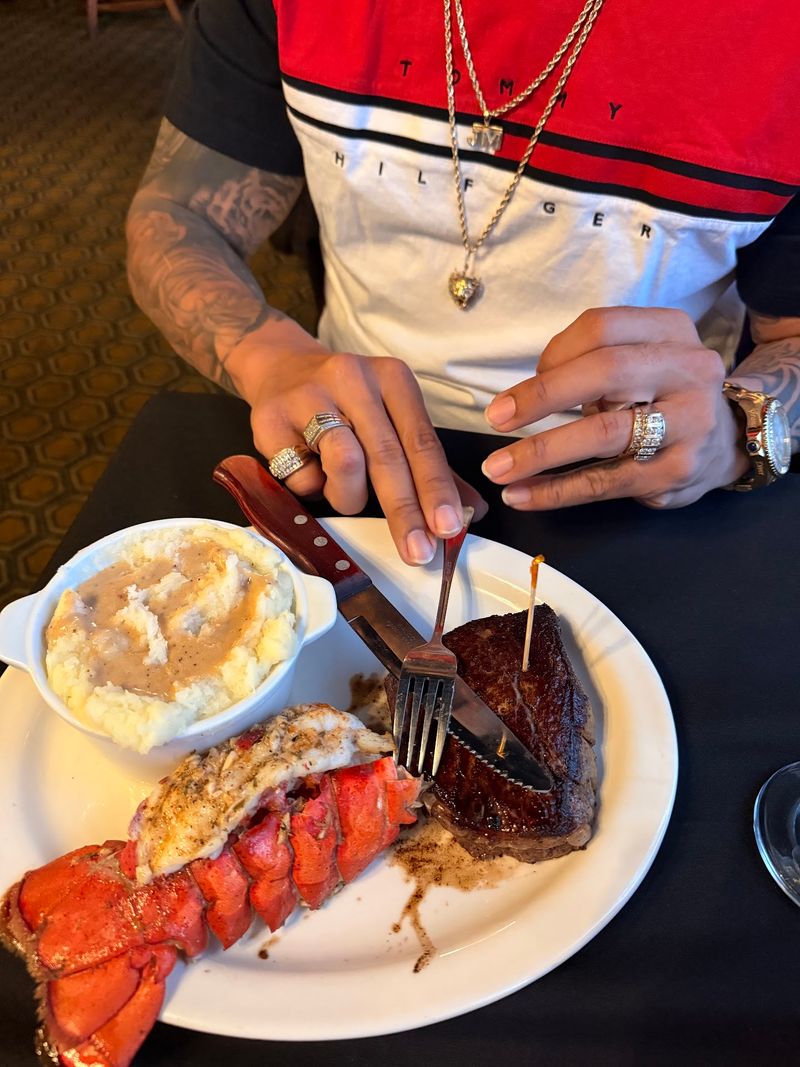
Filet mignon and lobster tail appear for bigger occasions, seasoned carefully and cooked to temperature. Country Fried Steak covers the other end of the spectrum entirely.
My advice is to check which night you are visiting before you decide what to order. The specials shift, and the seafood evenings are the ones locals build their week around.
Reservations help on those nights. Considerably.
Staff Who Treat the History Like a Shared Secret
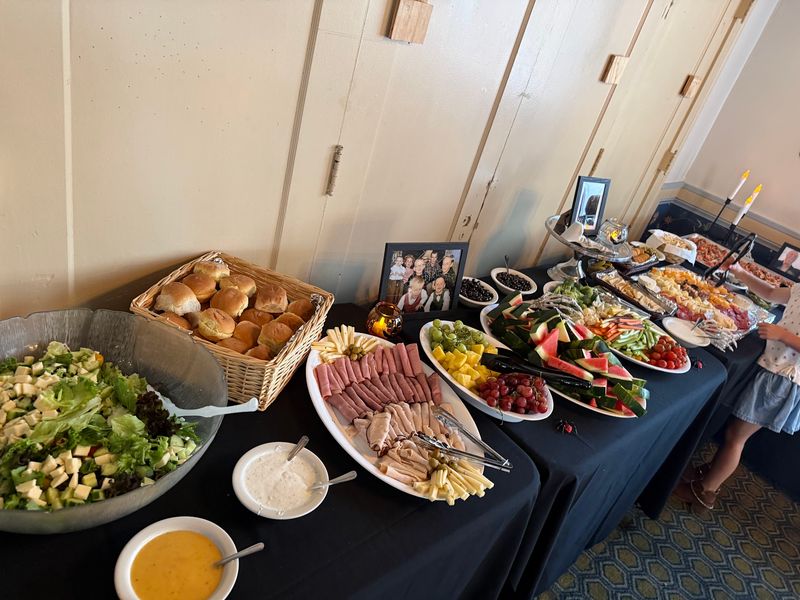
Curiosity gets rewarded here, which is rare. Ask about the building and you may end up on an impromptu walk through parts of it.
The owners are hands-on in a way you notice without anyone announcing it. Cooking, checking in, explaining the age of the walls, all of it happens naturally.
Dietary restrictions get handled with real care rather than a shrug. That kind of flexibility makes a big difference when you are the person at the table with a list of things you cannot eat.
Service leans warm and chatty instead of formal, matching the building’s personality. Water glasses stay full and questions get answered honestly.
What sticks with me is how proud everyone seems of the place itself. A 200-plus-year-old inn could easily be treated as a gimmick, and it simply is not.
If you are even mildly interested in the history, say so early in the meal. That is when the good details come out, and it turns a nice dinner into something you actually tell people about later.
Sunday Brunch Is the Quiet Highlight
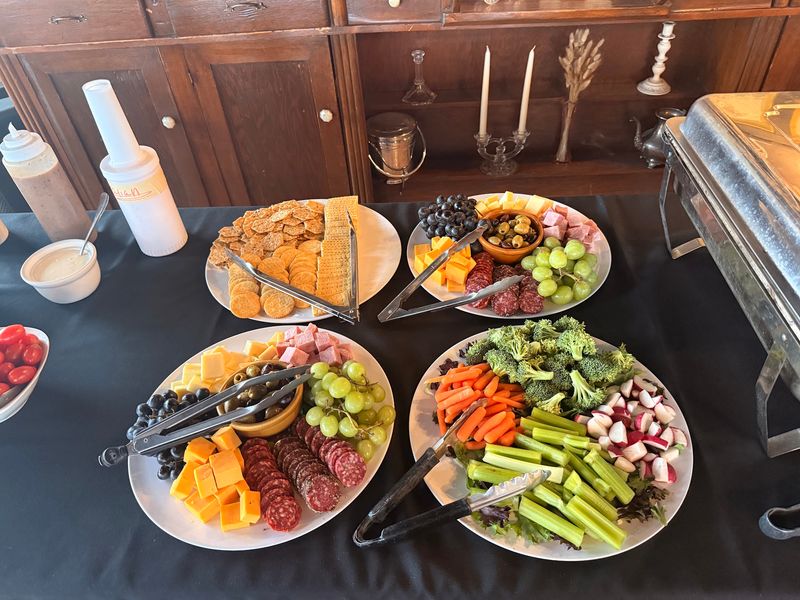
Nobody told me brunch here was worth the trip, so consider this me telling you. Morning light through old windows makes the whole building feel different.
Steak and eggs came out exactly as ordered, and the chicken and waffles across the table disappeared fast. Both felt homemade rather than assembled.
Breakfast items are made fresh daily, and that shows up in small ways. Eggs taste like eggs, potatoes actually have edges.
The pace is slower than dinner, which I loved. Nobody hovers, nobody rushes you toward the door.
Patio seating opens the experience up even more on nice mornings. Shade plus coffee plus no agenda is a solid combination.
Sunday also brings patio entertainment later in the day, so a long brunch can drift into an afternoon without much effort. That is a genuinely pleasant way to spend a weekend in Lake County.
My suggestion is to treat brunch as the low-key introduction to this place. It costs less than dinner, the rooms are calmer, and you get the same historic setting with fewer people around.
Rooms Upstairs for Anyone Who Does Not Want to Drive Home
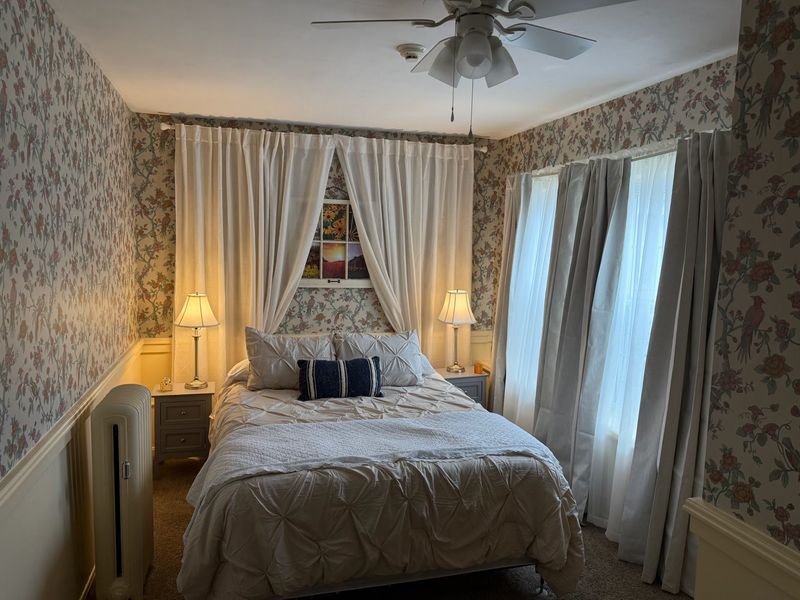
Here is the part that turns dinner into a whole weekend. The inn still rents rooms, exactly as it did back in 1818.
Staying overnight changes the experience entirely. You get the building after the dining rooms quiet down, which is when the age of the place really settles in.
Rooms lean comfortable and characterful rather than sleek, and prices stay reasonable. That combination is increasingly rare at historic properties.
Owners share stories about the inn’s past with guests who show interest, and there is plenty of past to share. Two hundred and thirteen years of it, by their own count.
Breakfast made fresh each morning is part of the appeal. Waking up and walking downstairs to a scratch kitchen is a small luxury.
For visitors exploring Lake County, wineries, Lake Erie, and the Mentor area sit within easy reach. Using the inn as a base makes more sense than a highway hotel.
Book ahead in warmer months. Word about this place has spread, and weekends fill up.
Planning Your Visit to Mentor Avenue
Getting here is easy, which surprised me given how tucked-away it feels. The inn sits right on Mentor Avenue, a short drive from Mentor and about forty minutes east of Cleveland.
Weeknights are the calmest, especially if you want the pub side and a relaxed meal. Weekends bring music, larger parties, and more energy.
Calling ahead is smart for groups. Larger reservations are handled thoughtfully, and giving the kitchen notice genuinely improves everyone’s night.
Private events work well in this building too. Graduation parties, showers, and anniversaries all fit, and custom menus are an option worth asking about.
Catering and group dining round out what they offer, so the place stretches beyond a standard restaurant visit. That flexibility comes from having two centuries of practice hosting people.
Bring an appetite, bring someone who likes old buildings, and leave room for the house-made lava cake or fried ice cream. Both are worth the extra ten minutes at the table.
Whether you come for one dinner or a full weekend, this old hostelry still does the job it was built for.
Address: 792 Mentor Ave, Painesville, Ohio 44077
