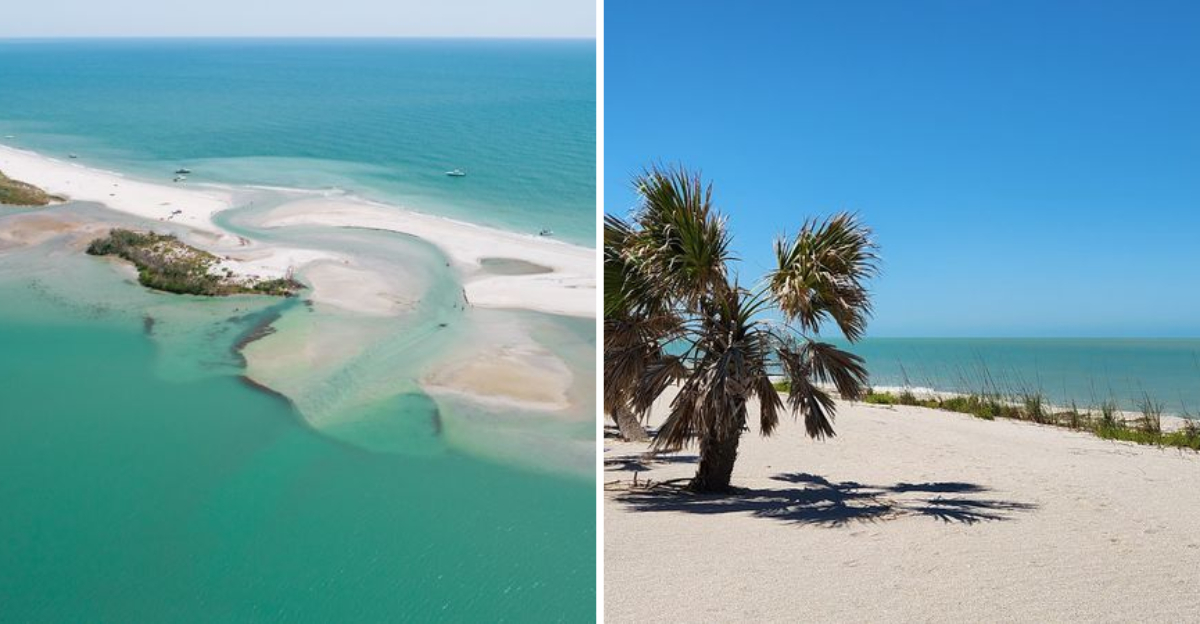
Florida’s Gulf Coast still holds barrier islands where access alone shapes the entire experience, keeping development out and nature fully in control.
One remote island park stretches for miles of untouched shoreline, reachable only by boat, where sand, sea, and wildlife define the landscape without interruption.
Wide beaches remain largely empty, shared only with shorebirds and sea turtles, while dolphins often appear along the route in and out, reinforcing the sense of separation from the mainland.
With no roads, resorts, or background noise, the environment stays entirely natural from arrival to departure. This remote boat-access barrier island state park in Florida with untouched beaches and wildlife offers a rare sense of isolation along the coast.
Getting to the Island, The Boat Ride Sets the Tone
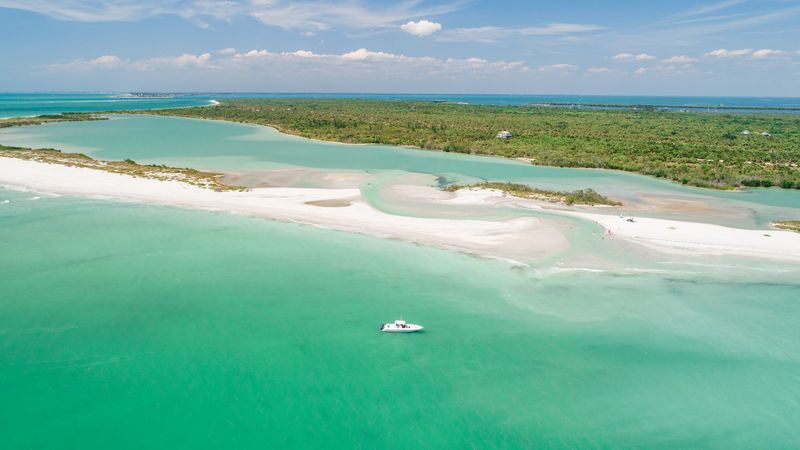
The trip to Cayo Costa is part of the experience, not just a means to get there. You can arrive by private boat, kayak, or charter, and each option gives you a slightly different view of the Gulf as it opens up around you.
Bottlenose dolphins are a regular sighting along the way, often riding the wake of boats and surfacing just close enough to make you forget everything else you were thinking about.
The docks at the park are well-maintained and offer plenty of room, though arriving early on weekends is a smart move since space fills up. Once you tie up or disembark, a short walk on sandy, well-kept paths leads you toward the beach.
There are clean restroom facilities with running water along the way, which is a genuinely nice touch for a place this remote.
A tram runs from the dock area to the campground and beach, making the journey easy even if you are carrying gear. Bikes are also available to rent if you want to cover more ground.
The whole arrival experience feels like the island is slowly revealing itself, one small detail at a time.
Nine Miles of Shoreline With Almost No One on It
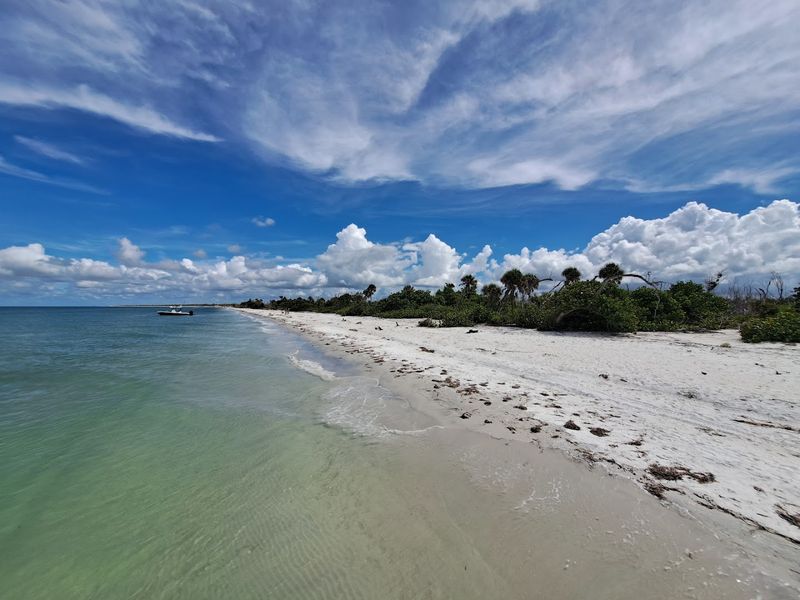
Nine miles of beach sounds like a lot until you are actually standing on it and realizing you might not see another person for a full hour. Cayo Costa’s shoreline faces the Gulf of Mexico and stays almost entirely undeveloped, which means the sand is soft, the water runs a remarkable shade of clear blue-green, and the whole scene feels genuinely untouched.
Weekday visits feel especially private. The water is calm enough for swimming and clear enough to see your feet even when you are waist-deep.
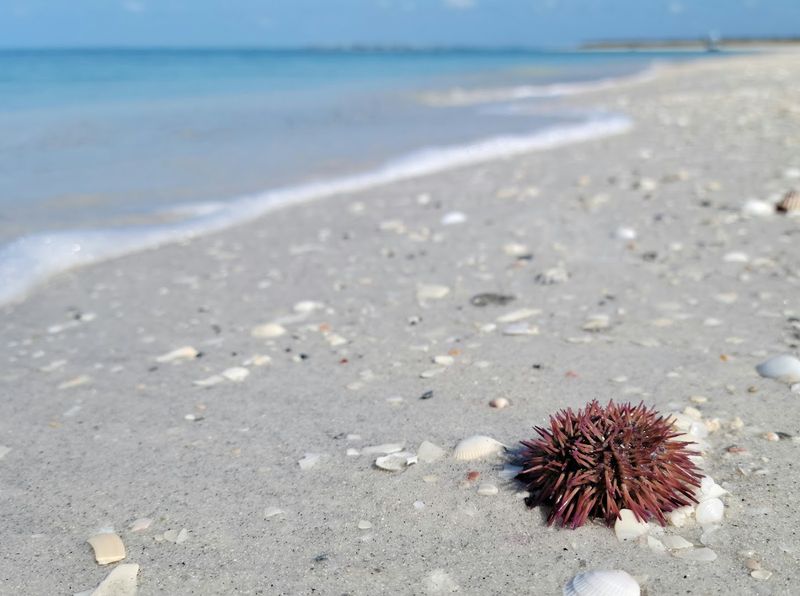
Shelling is consistently good here, and after a storm the beach can turn into something close to a treasure hunt, with whelks, sand dollars, and lightning conchs scattered across the wet sand.
The flat, open stretches of beach are ideal for long walks, and the further you go from the main access point, the more the island starts to feel completely yours. There are also wooded beach sections and sandbars offshore that reward anyone willing to explore.
Bring shade because the sun out here is relentless, and sunblock is non-negotiable. The beach does not have vendors or umbrellas for hire, so packing your own gear is essential.
Dolphins That Patrol the Shore Like They Own the Place
Bottlenose dolphins at Cayo Costa are not a once-in-a-while highlight. They are a daily presence along all nine miles of beach, and watching them move through the shallows feels almost casual after a while, like seeing a neighbor out for a morning walk.
Early morning and late afternoon are the best times to spot them close to shore, when the light is softer and the water activity picks up.
They tend to travel in small groups, sometimes surfacing repeatedly in the same stretch of water before moving on. Seeing them from the beach is one thing, but catching a glimpse from the boat on the way over is something else entirely.
They ride bow waves and leap in ways that seem almost deliberate, like they enjoy the audience.
Porpoises are also occasionally spotted offshore, adding another layer to the marine life experience. The dolphins here are wild and unbothered by human presence, which actually makes the sightings feel more meaningful.
There is no performance, no feeding program, just animals going about their day in water that has not been crowded out or disrupted. It is one of those things you do not forget quickly.
A Birdwatcher’s Island With Over 230 Species
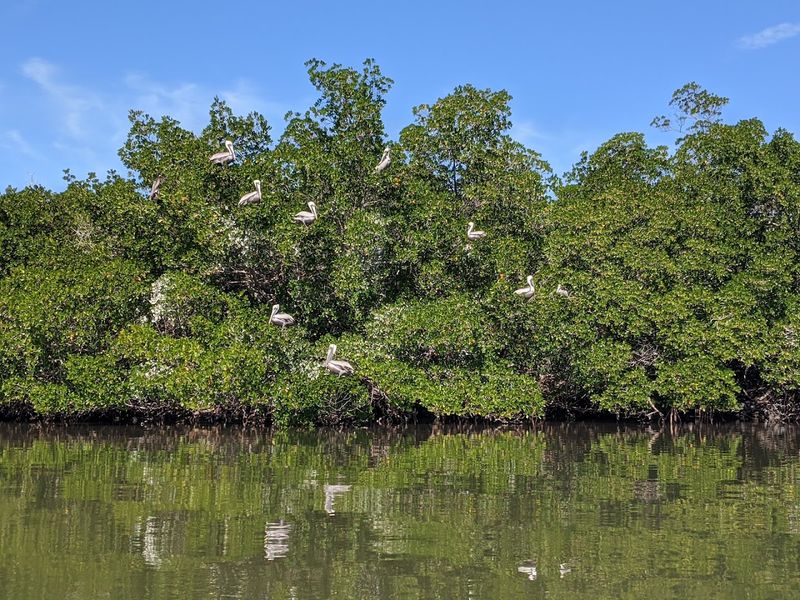
Cayo Costa is part of the Great American Birding Trail, and that designation is not just an honorary title. Over 230 bird species have been recorded on the island, which makes every walk through the park feel like flipping through a field guide in real time.
Spring and fall bring migratory birds through in impressive numbers, and the variety during those seasons is genuinely hard to match anywhere nearby.
Herons, ibises, pelicans, and roseate spoonbills are common sights along the water’s edge. Bald eagles occasionally pass overhead or perch in the tall trees near the interior trails, which always causes a small stir among visitors.
Snowy egrets pick through the shallows with focused precision, and frigate birds glide overhead with those unmistakable angular wingspans.
Painted buntings, American oystercatchers, black skimmers, and least terns are among the more sought-after species for birders making the trip specifically to add to their lists. Owls and hawks move through the wooded interior trails, and the quieter you are, the more you tend to see.
Bringing binoculars is a strong recommendation, not just a casual suggestion. The island rewards patience, and even a short sit near the shoreline will usually deliver something worth watching.
Sea Turtle Nesting Season and the Volunteers Who Protect It
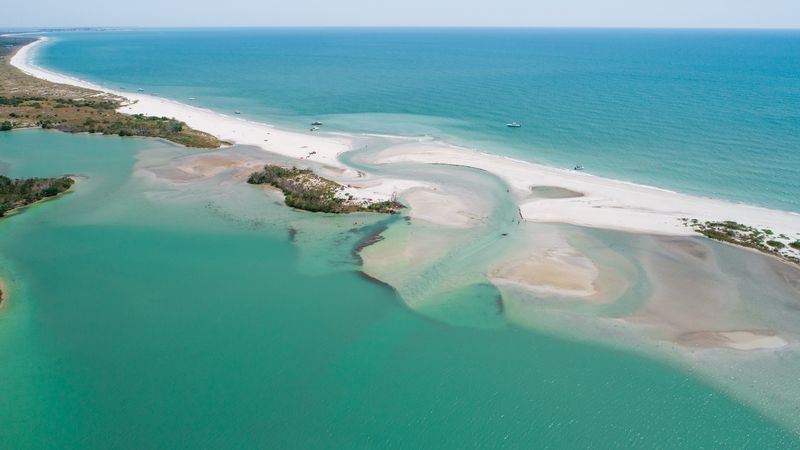
From March through October, Cayo Costa’s beaches transform into one of Florida’s most active sea turtle nesting grounds. Four species use the island: loggerhead, green, hawksbill, and Kemp’s ridley, with loggerheads being the most frequently spotted.
Park staff and dedicated volunteers patrol the beach every morning during nesting season, marking and protecting each nest they find before the day’s visitors arrive.
Mid-summer is generally the best window for visitors who want a chance of actually seeing turtle activity, whether that means fresh tracks in the sand or, if timing is right, a nest beginning to hatch. The nests face real threats from raccoons, foxes, ghost crabs, and high tides, which is exactly why the daily patrols matter so much.
Human disturbance is also a concern, and the park takes the protection of these nests seriously.
Gopher tortoises are another reptile worth keeping an eye out for near the campground area. They move slowly and tend to ignore people entirely, which makes them oddly charming to watch.
The whole turtle program at Cayo Costa is a quiet reminder that some of the most important conservation work happens in small, consistent daily actions rather than large dramatic gestures.
Camping Under Palm Trees With No Light Pollution
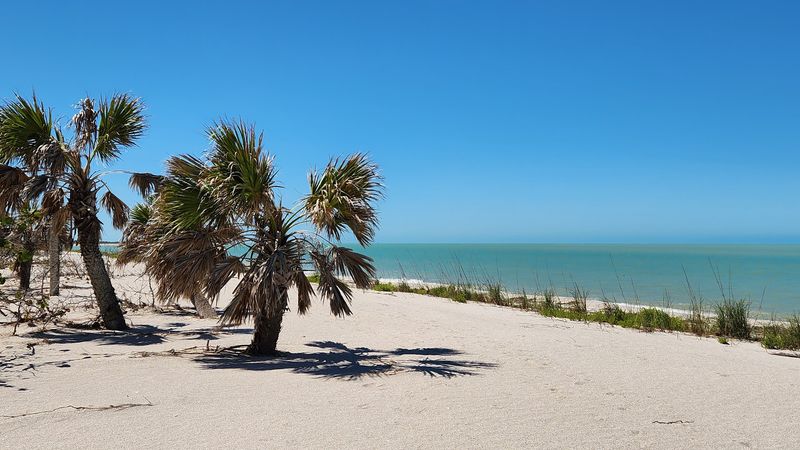
Camping at Cayo Costa is not the kind of experience that comes with a lot of comfort buffers. No electricity at the tent sites, no hot water in most areas, and the bugs, especially the no-see-ums, are genuinely ferocious during warmer months.
But the people who come back year after year, and there are many of them, will tell you that is exactly the point.
The campsites are set among palm trees, and the breeze carries the smell of saltwater in a way that makes it hard to feel stressed about anything. Dark skies over the island mean actual stargazing, the kind where you can see the Milky Way without straining.
Falling asleep to the sound of soft waves is the kind of thing that resets something in you.
Cabins are available for those who want a step up from tent camping, offering slightly more shelter without straying too far from the rustic feel. The camp store carries basic supplies, but packing everything you need before you arrive is the smarter approach.
Bikes can be rented to explore the trails, and the tram runs on a regular schedule. Bringing bug protection is not optional here.
It is the difference between a magical trip and a miserable one.
Trails, History, and the Quieter Side of the Island
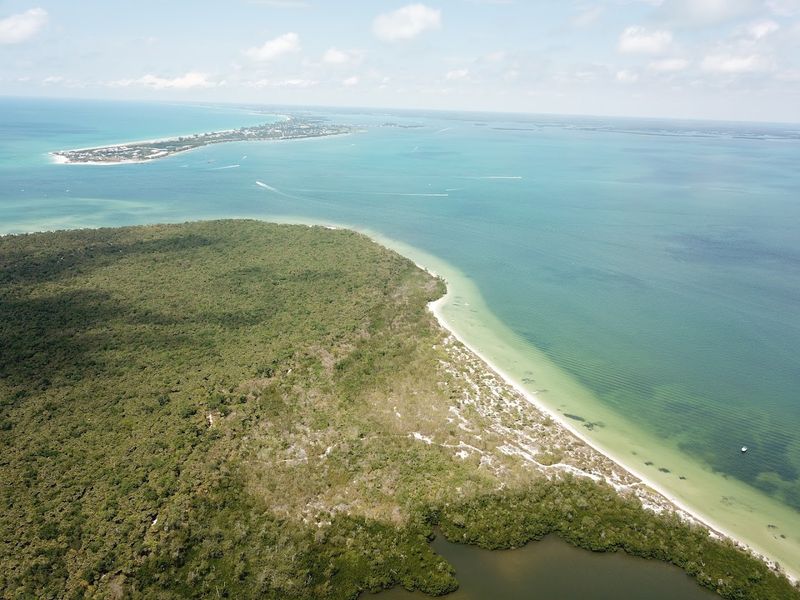
Most visitors head straight for the beach, which means the interior trails at FLorida’s Cayo Costa stay refreshingly quiet. The park covers 2,506 acres of diverse habitat, including pine flatwoods, mangroves, oak hammocks, and coastal scrub.
Walking or biking through these areas gives you a completely different perspective on the island, one that has nothing to do with sand or surf.
The historic Pioneer Cemetery is accessible on the return route from Murdock Point and adds a layer of human history to what otherwise feels like pure wilderness. Early settlers lived on this island long before it became a state park, and the cemetery is a small, quiet reminder of that.
It is easy to walk past without stopping, but worth a few minutes of reflection if you do notice it.
Rangers at the station are genuinely helpful and can point you toward trails suited to your pace and interest. Maps are available, and the staff tends to know exactly where recent wildlife activity has been spotted.
The trails are flat and manageable for most fitness levels. Bringing water is essential because there are no vendors anywhere on the island once you leave the dock area.
The whole interior of Cayo Costa moves at a pace that feels almost forgotten in the modern world.
