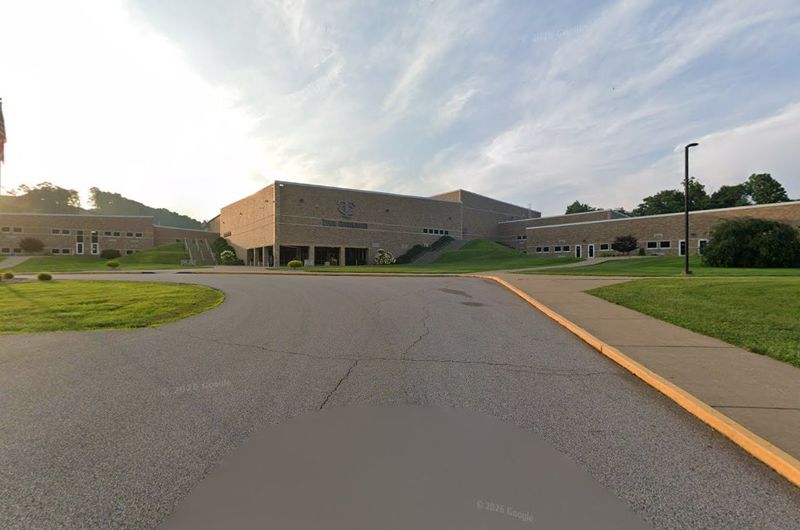
Some kids in rural West Virginia can spend well over an hour on a school bus, one way. Stack the ride home on top of that, and a school day can stretch far past the final bell.
Those long rides are one piece of a bigger story. Enrollment across the state has been shrinking for years, and county boards keep voting to close or merge schools to balance tight budgets.
I keep thinking about what a school means in a small town. It’s often the polling place, the ballgame on Friday night, and the gym where the community gathers after a flood.
So what really changes when that building goes dark? The answers touch families, jobs, home values, and even how people hold onto their hometown pride.
I wanted to understand the ripple effects, one by one.
1. Shrinking Enrollment
Empty desks tell the story before any budget spreadsheet does. Public school enrollment in West Virginia has dropped for years, and fewer students means less money flowing to counties.
State school funding is largely tied to how many kids are enrolled. When the headcount slides, county boards often face a hard choice between cutting programs and consolidating buildings.
Several factors may be behind the decline. Families have moved away for work, birth rates have fallen, and some parents now choose homeschooling or the state’s Hope Scholarship program.
Officials and local reporting have pointed to these trends as county leaders weigh closures. You’ll often see the same reasoning in board meetings from the northern panhandle to the southern coalfields.
Losing students isn’t a sign that a town has stopped caring, though. Many of these communities have fought hard to keep their schools open, packing hearings and writing letters.
Still, the numbers create pressure that’s tough to ignore. A building designed for hundreds of children may now serve a fraction of that, with the same heating bills and repairs.
Understanding this piece helps the rest of the picture make sense. Closures rarely happen out of nowhere, and enrollment is usually where the conversation starts.
2. Longer Bus Rides
Mountain roads don’t care about the school schedule. When a neighborhood school closes, kids often get bused to a consolidated building that may sit miles away over twisting two-lane routes.
West Virginia has long had state guidelines meant to limit bus ride times for younger students. In practice, rugged terrain and long distances can push some routes well past what parents would like.
Think about what that means for a seven-year-old. An early pickup in the dark, a long ride, a full school day, then the trip back home before supper.
Longer rides can also cut into sleep, homework time, and after-school activities. Some families say it’s hard to stay for practice or tutoring when the next ride home is far away.
Bad weather adds another wrinkle. Snow, ice, and washed-out roads can make remote routes slower and trickier for drivers.
None of this means consolidation never works. Bigger schools can offer more classes, but the bus ride is often the cost families feel first.
If you live in a rural county, it’s worth asking your district about route lengths. Knowing the real numbers helps you plan, and helps you speak up at meetings.
3. The Heart Of Town
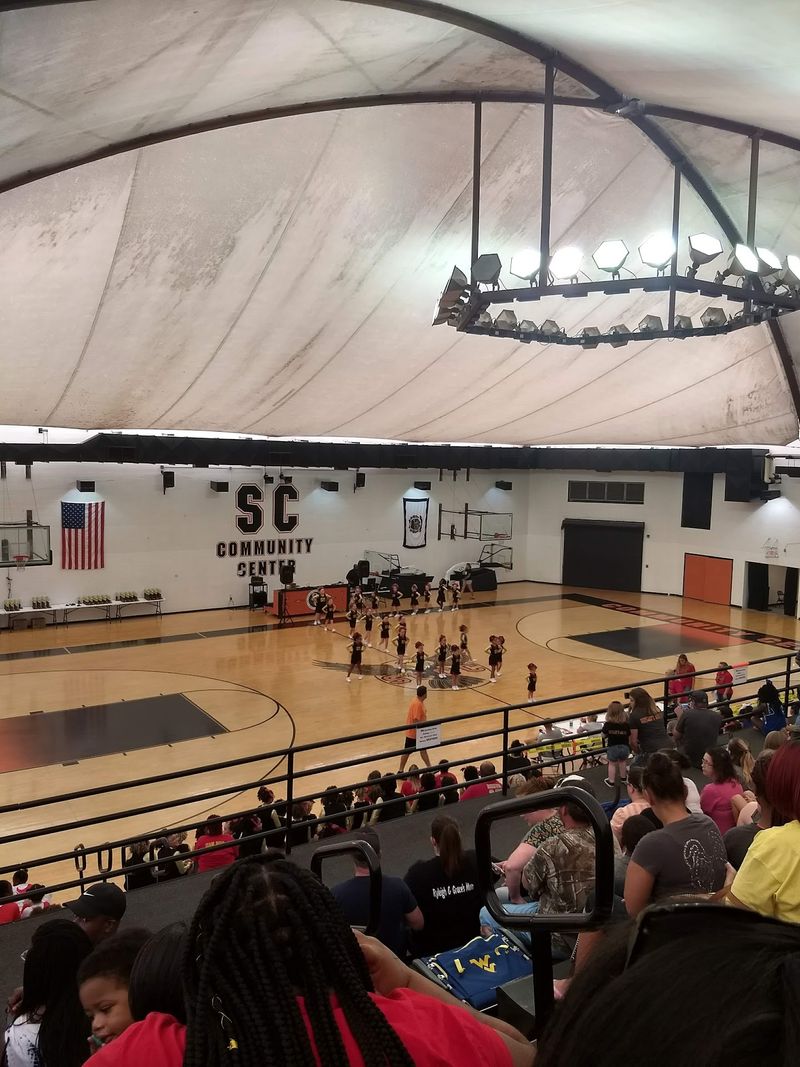
Ask an old-timer where the town gathers, and the answer is often a gym floor. In many small West Virginia communities, the local school does far more than teach reading and math.
Schools frequently host voting, community meetings, holiday programs, and fundraising dinners. Some have served as shelters or relief centers when storms and floods hit nearby hollows.
That’s why closures can sting so much. Losing the building can mean losing the one large public space in a town without a library, theater, or community center.
You can see why residents push back so hard at board hearings. For them, the school is woven into family history, with parents and grandparents walking the same halls.
Some towns try to keep that gathering spirit alive after a closure. Former school buildings have sometimes been turned into community centers, though that takes money and steady volunteers.
If your hometown school is on the list, ask what will happen to the property. Local groups occasionally get a chance to propose new uses before a building sits empty.
The loss is real, but so is the stubborn pride these towns carry. That pride often finds a new home somewhere.
4. Friday Night Lights
Mascots carry more emotion than you’d expect from a cartoon animal. When high schools merge, communities often have to pick new team names, colors, and sometimes even a new rivalry.
Sports in West Virginia’s small towns are about more than wins. A Friday night game can be the biggest social event of the week, drawing folks who graduated decades ago.
Consolidation can mean bigger rosters and stronger programs. It can also mean fewer roster spots for kids who might have started at a smaller school.
Here’s the tricky part for students. A teenager who played three sports at a tiny school may have to compete harder for one spot at a combined school.
Travel matters too. Longer distances can make it tougher for parents to attend games, especially for those working shifts or caring for relatives.
On the bright side, merged teams sometimes build new traditions surprisingly fast. Former rivals can end up cheering in the same bleachers within a season or two.
If you have a young athlete, look into how a merger affects programs and schedules. A little homework now can save some heartbreak later.
5. Local Jobs
Cafeteria cooks, custodians, bus drivers, and aides keep schools humming. In many rural counties, the school system ranks among the largest employers around.
A closure doesn’t always mean layoffs. Staff are often transferred to other schools, but the commute may get longer and the shifts may change.
For a small town, losing those daily paychecks nearby can still matter. Workers who once grabbed lunch or gas locally might now spend that money in another town.
Teachers face their own shifts. Some move with their students, while others may retire or look at openings in different counties or states.
West Virginia has struggled with teacher shortages in certain areas and subjects. Consolidation is sometimes pitched as a way to stretch limited staff across more students.
If you or a family member works in a school, keep an eye on board agendas. Transfer and seniority rules can shape where people land after a closure.
It’s also a good reminder to support the folks who stay. Those familiar faces in the lunch line and the bus seat often hold a community together.
6. Home Values
Real estate agents love the phrase good schools nearby. When a town loses its school, that selling point can fade, especially for younger families shopping for a house.
Research elsewhere has suggested that school closures can influence where families choose to live. The effect varies a lot by place, so it’s hard to predict any one town’s outcome.
In West Virginia, homes in many rural areas are already relatively affordable compared with national averages. That can still attract buyers, including retirees and remote workers.
Here’s a practical angle if you’re thinking about buying. A town without a school may offer lower prices, but you’ll want to check commute times to the new consolidated building.
Sellers might want to highlight other strengths. Outdoor recreation, quiet streets, and short drives to work or shopping can matter just as much to certain buyers.
Retirees in particular might care less about school zones. For them, a peaceful hometown with low costs can be a big win.
Either way, do your local homework. Talk to a county assessor or agent who knows the area rather than relying on national trends.
7. Bigger Course Catalogs
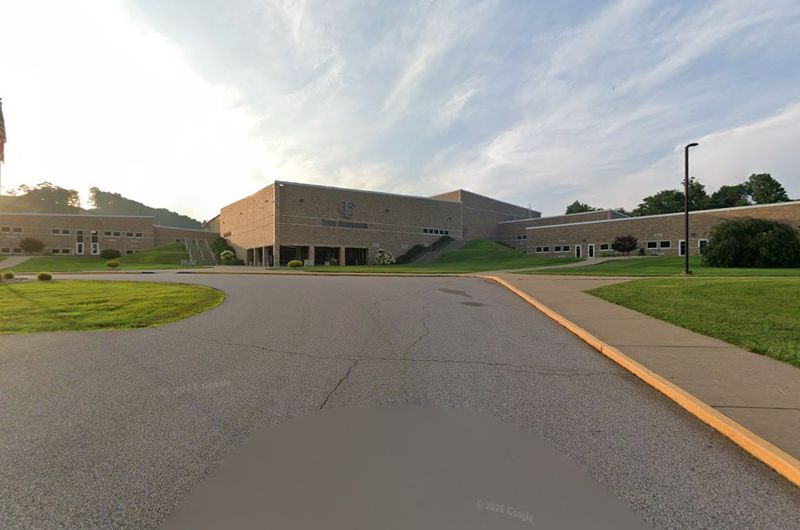
Calculus, robotics, and foreign languages can be tough to offer with just a handful of students. That’s one of the strongest arguments supporters make for consolidation.
Bigger schools can sometimes afford specialized teachers and equipment. Students may gain access to advanced placement classes, career tech programs, or newer labs.
For some kids, that’s a real upgrade. A teen dreaming of engineering or nursing could find more pathways at a larger campus.
West Virginia has also invested in virtual learning options over the years. Online courses can help fill gaps, though not every student thrives learning through a screen.
Parents might ask a few smart questions after a merger. Which new courses are available, how big are class sizes, and will counseling staff grow with enrollment?
The tradeoff is personal attention. Small schools are often praised for teachers who know every family, and that closeness can be harder to keep in a bigger building.
Neither model is perfect. The best outcome usually comes when families stay involved and push for the programs their kids need.
8. Empty Buildings
Old schools make stubborn neighbors. Once the doors close, a large building still needs a roof, heat, and someone to keep an eye on it.
Counties often try to sell, lease, or transfer closed schools. Some have found second lives as community centers, offices, or other local uses across West Virginia.
Others sit vacant for years. An empty building can become costly to secure and maintain, and that burden doesn’t vanish just because classes stopped.
Here’s where community energy really counts. Local groups, churches, or small businesses sometimes step up with ideas for reusing these sturdy structures.
Many older schools have solid brick walls, big windows, and gyms that could host events. Reuse projects can preserve memories while giving the town something new.
If you’re curious about your old school, check county board minutes or ask local officials. Surplus property decisions are typically handled in public meetings.
There’s something hopeful in that process. A hallway that once echoed with recess bells might someday host a farmers market or a quilting circle.
9. Family Schedules
Morning routines get rewritten fast when the school moves farther away. Parents may need to leave earlier, rearrange work hours, or line up new childcare.
Families who drive their kids can feel the cost at the gas pump. Longer trips add up over a school year, especially with more than one child.
Working parents face another puzzle. Picking up a sick child or attending a parent-teacher conference takes more time when the building sits across the county.
Grandparents often step in to help. In many West Virginia families, they’re already part of the daily school run, and closures can lean on them even more.
A little planning can ease the strain. Carpools with neighbors, after-school programs, and checking bus schedules early can make a real difference.
It’s also smart to ask the new school about communication. Text alerts and online portals can keep you updated without extra trips.
Change like this can feel overwhelming at first. Most families find a new rhythm, especially when neighbors pitch in together.
10. Hometown Pride
Class reunions don’t need an open building to keep going. Plenty of alumni groups across West Virginia still gather for schools that closed decades ago.
That loyalty says a lot about mountain communities. People keep yearbooks, trophies, and team jackets long after the last bell rang.
Memories can become a tool for the future. Some towns create small displays, historical markers, or online groups to share photos and stories from their old schools.
You can help keep that history alive too. Scanning old photos, labeling names, and sharing them with family members adds real value for the next generation.
Local historical societies and libraries often welcome these items. A donated yearbook might help someone trace their grandparents’ school days.
Pride also shows up in action. Residents who fought to save a school often channel that energy into new causes, from youth sports to park cleanups.
Closures change a town, but they don’t erase its spirit. If anything, they remind folks how much their hometown means, so tell us which school you still cheer for.
