There’s a scent that drifts through the mountain air each spring, sharp and sweet all at once, and folks in West Virginia know exactly what it means. Somewhere on a shady hillside, a wild green treasure has pushed up through the leaf litter, and people will drive hours just to fill a bag.
It smells like garlic and onion had a woodland reunion, and it tastes like the first real day of spring. Once you understand the pull of it, you’ll never look at a plain patch of woods the same way again.
The Pungent Promise of Spring’s First Green
Picture damp woods still holding winter’s chill, where oak and sugar maples stand bare and the ground smells of rich, wet earth. Out of that quiet forest floor bursts the wild ramp, known to botanists as Allium tricoccum and to mountain folk simply as a taste of spring.
A cousin of onion and garlic, the ramp carries an aroma that manages to be both earthy and savory at once. It’s one of the very first fresh greens to appear after a long, dormant winter, which makes each patch feel like a small miracle.
The prime harvesting window runs from late March through April, before the leaves yellow and vanish by May.
Ramps favor moist, shady northern-facing slopes, often gathering in vast patches that carpet the ground in green. They emerge early to soak up sunlight before the canopy leafs out, a clever trick that lets them flourish in fleeting light.
For many West Virginians, that first pungent whiff isn’t just a plant waking up. It’s a signal that spring has finally reached the mountains.
Generations Rooted in Ramp Traditions
Long before ramps landed on fancy restaurant menus, they filled a real need for the people of Appalachia. Indigenous communities and early Scotch and Irish settlers relied on them as a spring tonic, a way to revive tired bodies after lean winter months.
These wild leeks were more than food. Families historically believed they could help with colds, croup, earaches, and even insect bites.
That heritage still hums beneath every modern forage, tying today’s diggers to the resourceful spirit of their ancestors and the good old days when the mountains provided both supper and remedy.
You can feel that connection most at the spring gatherings that sweep across West Virginia each year. Ramp dinners and festivals aren’t just events, they’re rooted cultural experiences that pull neighbors together around a shared table and a shared memory.
Often organized by churches, fire departments, and community groups, these dinners mix lifelong residents with curious newcomers. Folks trade stories of past digs over plates piled high.
It’s a down-home kind of fellowship, offering a glimpse of a slower, more connected way of mountain life.
The Great Ramp Rush Up the Hillside
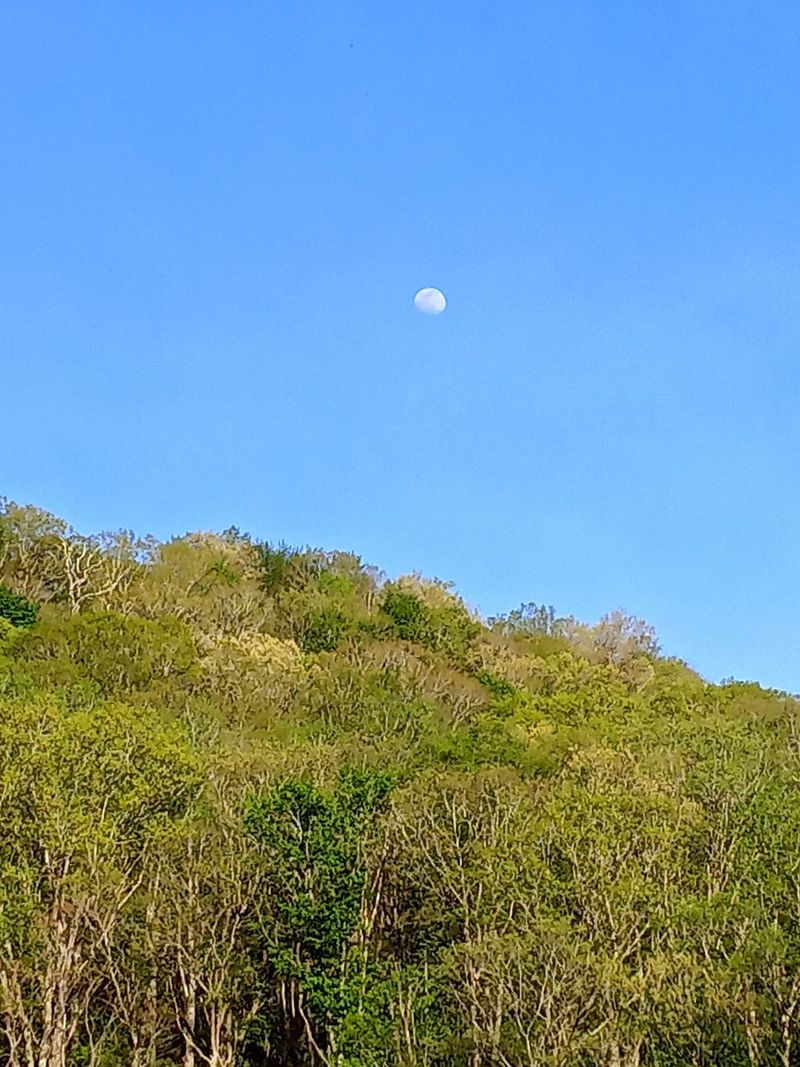
Ask anyone who grew up in these hills and they’ll tell you spring brings an itch that only a hillside full of ramps can scratch. The annual ramp rush sends people driving for hours, chasing a fragrant treasure hidden beneath the leaf litter.
Some follow word of mouth, some follow family tradition, and some simply know the land better than a map ever could. There’s a genuine thrill in the hunt, in navigating winding roads and trekking through the woods toward a spot that may be a closely guarded secret passed down for generations.
Arriving is its own reward. The air fills with that unmistakable aroma, and you know the drive was worth every mile, whether you’re on family ground or a public patch in the Monongahela National Forest.
Digging comes with responsibility, though. Experienced foragers take only what they need, loosening the soil with a hand trowel and leaving roots behind so the patch can return.
That careful ritual, from the long drive to the final gentle scoop, turns simple gathering into a lasting bond with the mountains.
Feasts, Festivals, and the Flavor of the Mountains
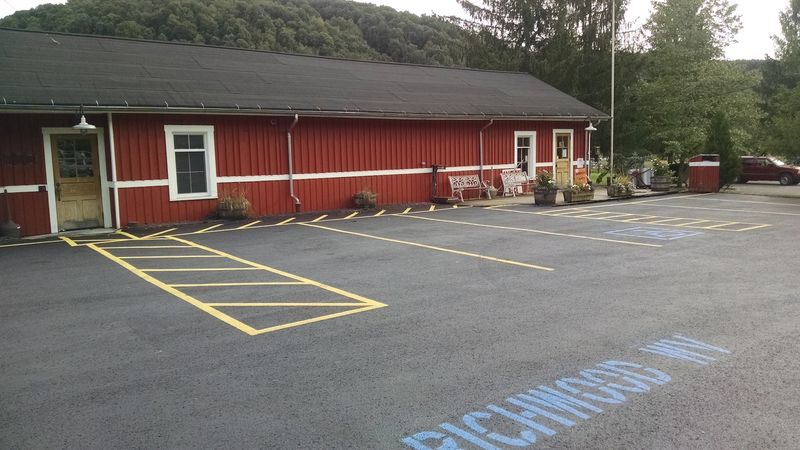
When the hillsides finally give up their pungent bounty, whole communities answer with a burst of celebration. Springtime in West Virginia means lively festivals and communal dinners that turn the humble wild leek into the star of the show.
These feasts are jubilant gatherings, with the smell of ramps mingling with laughter and live music. From tiny church suppers to town-wide parties, they honor a plant that stands for resilience, community, and the flavor of the mountains.
Many have run for decades, organized by local volunteers who keep the tradition alive.
Leading the pack is Richwood, proudly crowned the Ramp Capital of the World. Its Feast of the Ramson is reportedly the country’s longest-running ramp feast, a tradition spanning over 85 years.
Each spring the event draws more than a thousand hungry revelers for a massive meal of ramp-infused dishes served with ham, beans, and potatoes. Elsewhere, Huntington hosts Stink Fest and Elkins offers its Ramps and Rails Festival, complete with crafts and scenic train rides.
Together they showcase everything from ramp pizza to ramp ice cream.
From Forest Floor to Fork

Fresh from the hillside, ramps light a creative fire in West Virginia kitchens. Their flavor marries the sharp bite of garlic with the sweet whisper of onion, which makes them wildly versatile and impossible to ignore.
They can stand alone as the main event or slip quietly into a recipe, adding an unmistakable Appalachian essence to any plate. Many traditional recipes skip exact measurements entirely, leaning instead on dashes, handfuls, and the seasoned instinct of the cook.
That intuitive, home-style approach is half the charm.
The oldest ways remain the most beloved. Folks fry ramps with potatoes, scramble them into eggs, or serve them alongside hearty ham and beans for comforting meals passed down through generations.
Newer cooks have gotten adventurous too. During the short season you might find ramp burgers, ramp dip, ramp spring rolls, or even ramp pizza on local menus.
Because the season is so brief, many preserve the harvest into ramp salt, ramp BBQ sauce, and ramp vinegar, stretching that bold, earthy kick well past spring. However it’s prepared, the ramp always tastes like the West Virginia mountains.
The Art of Sustainable Foraging
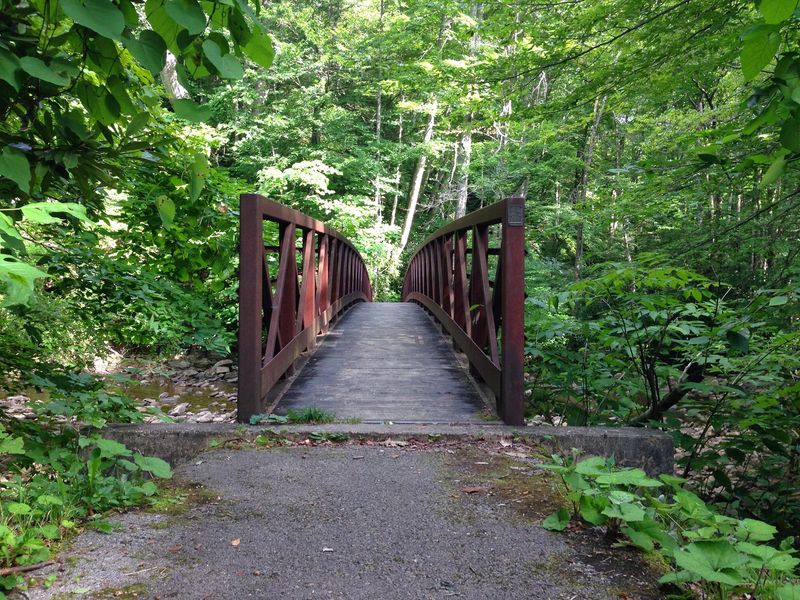
Popularity is a double-edged blessing for West Virginia’s ramps. As the plant trends on menus across the country, overharvesting becomes a real threat to native patches, and that puts responsibility squarely on every forager’s shoulders.
Ramps are slow to bounce back. A single plant can take up to seven years to reach maturity, and its seeds may need a year or more just to germinate.
Those numbers alone turn casual digging into an act of mindful stewardship.
On public lands like the Monongahela National Forest, guidelines help keep things in balance. Personal use is typically capped at about two gallons per person, roughly a grocery bag or around 180 whole plants.
Method matters just as much as quantity. Experienced diggers only harvest from patches with more than 100 plants and never take more than about a fifth of a clump.
A hand trowel or digging knife beats a shovel, since it cuts beneath the bulb without disturbing neighboring roots. Some folks even replant tiny rootlets to help the patch recover.
Follow those habits and you become part of keeping this spring tradition alive for years to come.
Richwood, the Ramp Capital of the World
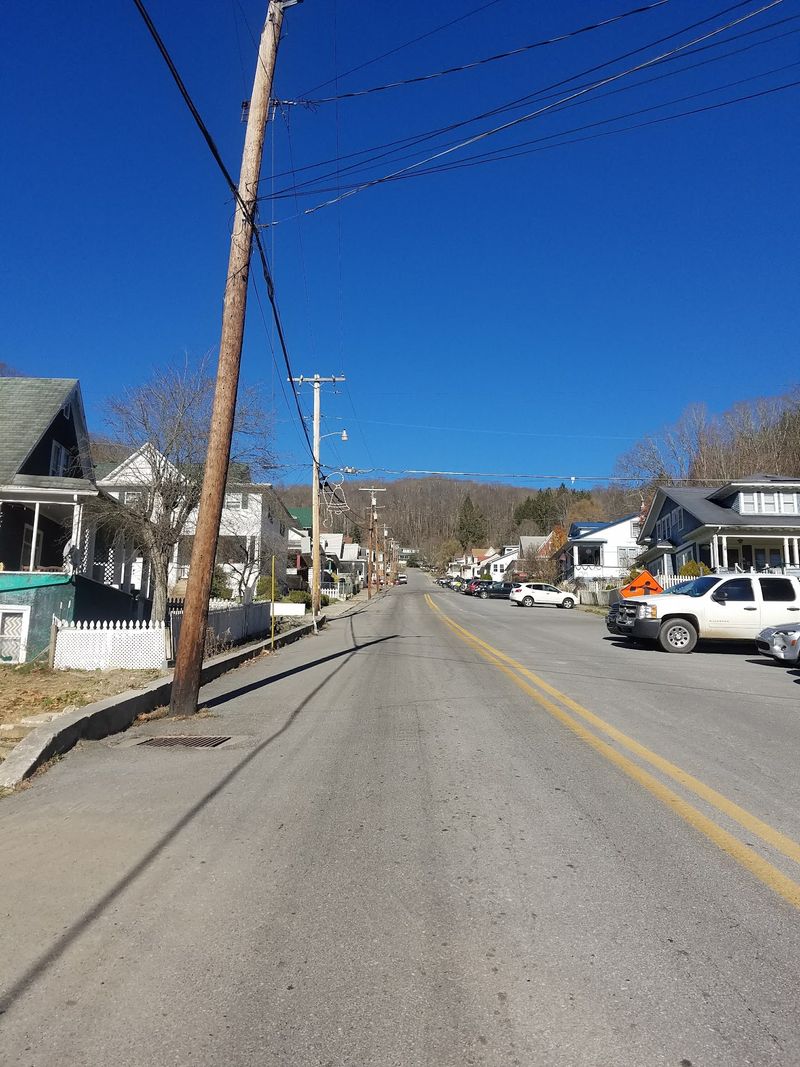
Family foraging spots stay hushed and secret, but one town happily wears its ramp love out loud. Tucked deep in the mountains of Nicholas County, Richwood holds the proud title of Ramp Capital of the World.
Here the spirit of ramp season comes fully alive. Visitors arrive not to dig, but to soak up the collective celebration of this pungent Appalachian delicacy amid some genuinely gorgeous scenery.
The town itself works as a cultural hub for all things ramp, embodying the neighborly warmth that has always surrounded the wild harvest. It isn’t an address for foraging so much as a gathering point for everyone who cherishes the plant and its story.
Richwood also carries a rich past worth remembering. During the 19th and early 20th centuries it boomed as a coal and lumber town, and today around 1,661 residents call it home.
That blend of faded industry, mountain beauty, and deep-rooted ramp tradition gives the place a character all its own. For anyone wanting to truly understand the magic of the wild ramp, Richwood is the heart of it all.
Planning Your Visit to Ramp Country
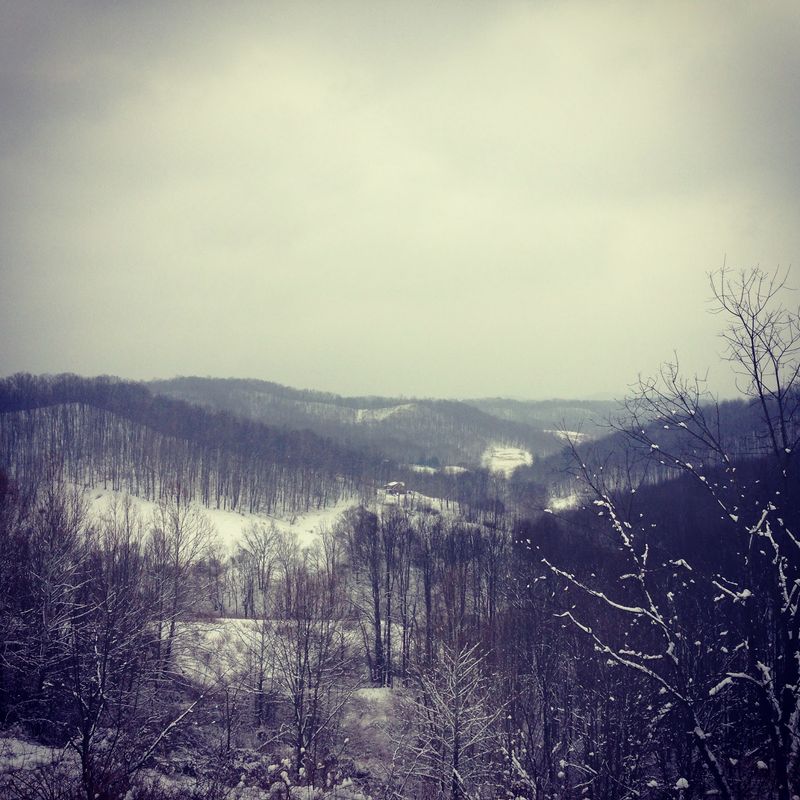
Getting to Richwood is half the adventure. The town sits deep in Nicholas County at roughly 38.22 north and 80.53 west, surrounded by the wooded ridges that make ramp country so special.
Aim your visit for late March through April, when the ramps are at their peak and the town’s festivities hit full swing. That short window is when the Feast of the Ramson and other gatherings draw crowds eager for a plate of the good stuff.
If you’d rather forage than feast, the nearby Monongahela National Forest offers public land where responsible digging is welcome, provided you honor the harvest limits and gentle methods.
Come with comfortable shoes, a light jacket for that lingering mountain chill, and patience for winding roads. Cell service can thin out among the ridges, so download directions ahead of time.
For current event details and festival dates, the town keeps information at richwoodwv.com. You’ll find Richwood itself at West Virginia 26261, USA.
Plan around the weekend if you can, since that’s when the community energy and shared meals feel most alive and welcoming to visitors.
Why the Ramp Hillside Stays With You
Some places stick in your memory long after you leave, and a West Virginia ramp hillside is exactly that kind of place. The scent alone, that unmistakable garlic-and-onion perfume drifting through the trees, has a way of imprinting on you.
What makes it linger isn’t just the flavor waiting in your kitchen. It’s the whole ritual: the long drive, the careful digging, the shared table, and the sense that you’ve taken part in something older than any of us.
Richwood pulls all of that together into one welcoming spot. Whether you come to feast at the Ramson celebration, wander a festival, or simply breathe in the mountain air, you leave feeling connected to a tradition that refuses to fade.
The town’s coal-and-lumber roots and its small, tight-knit community give the visit a quiet dignity that hype could never manufacture. This is real Appalachia, proud and generous.
Come spring, when that first pungent whisper rides the breeze, you may just find yourself planning the drive too. A hillside of wild ramps waits, and Richwood keeps the welcome mat out for anyone hungry enough to follow the scent.
